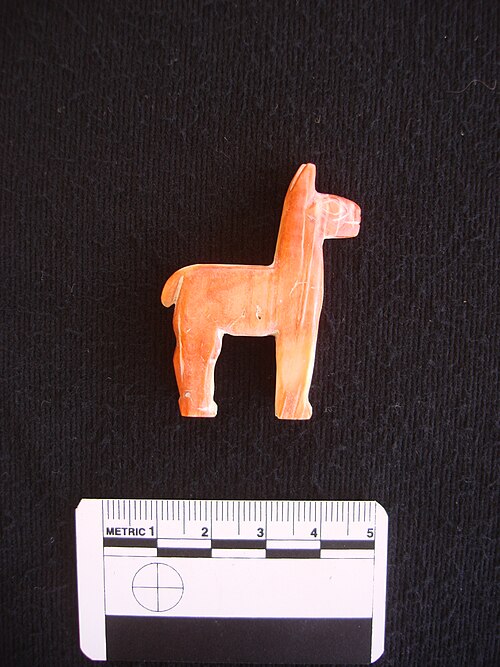
Parque de las Leyendas
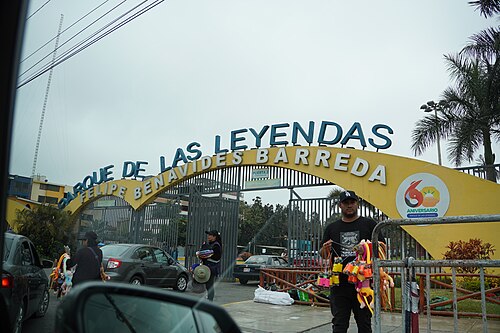
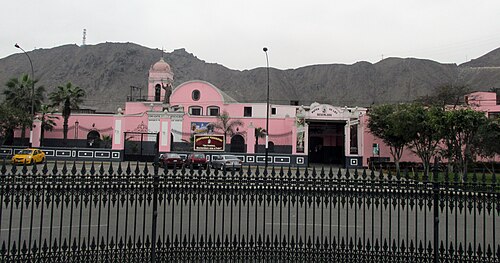
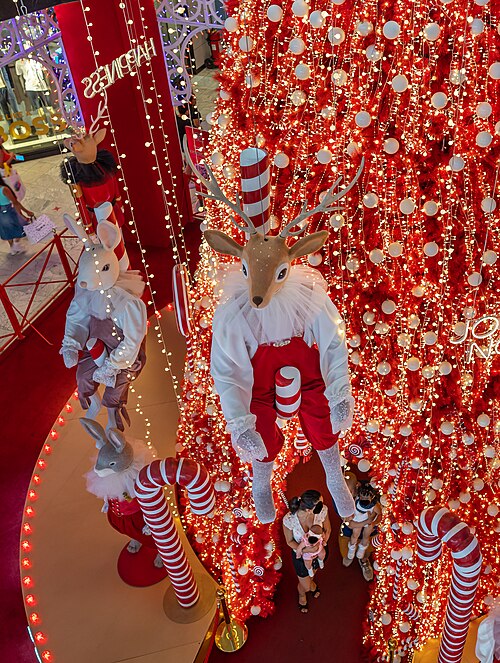
Parque de las Leyendas is a major metropolitan zoo in Lima, Peru. Its official website identifies it as a zoological park integrated with cultural and natural heritage elements.
- Notable
- Family attraction
- Lima
Language · 11 published
Country guide
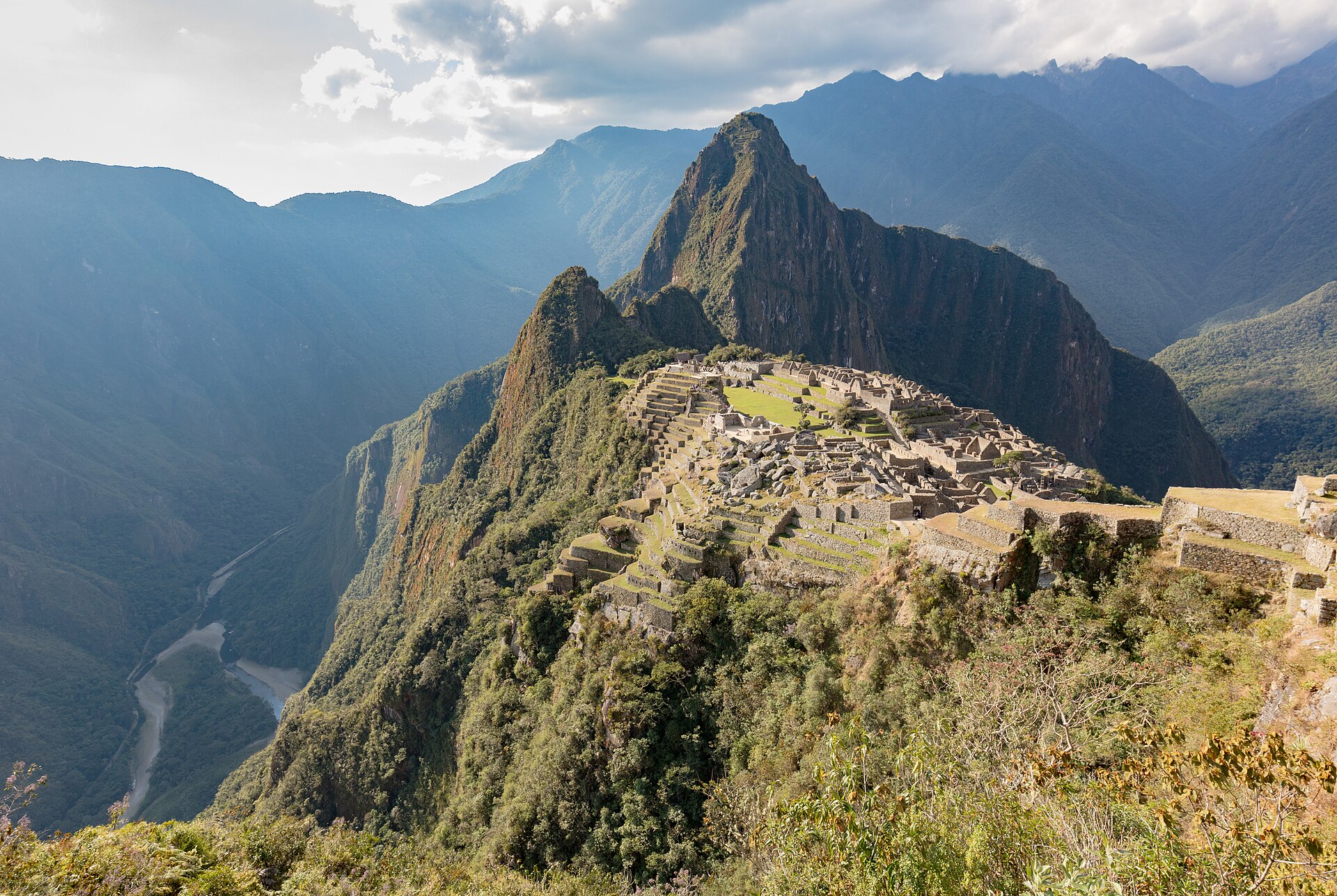
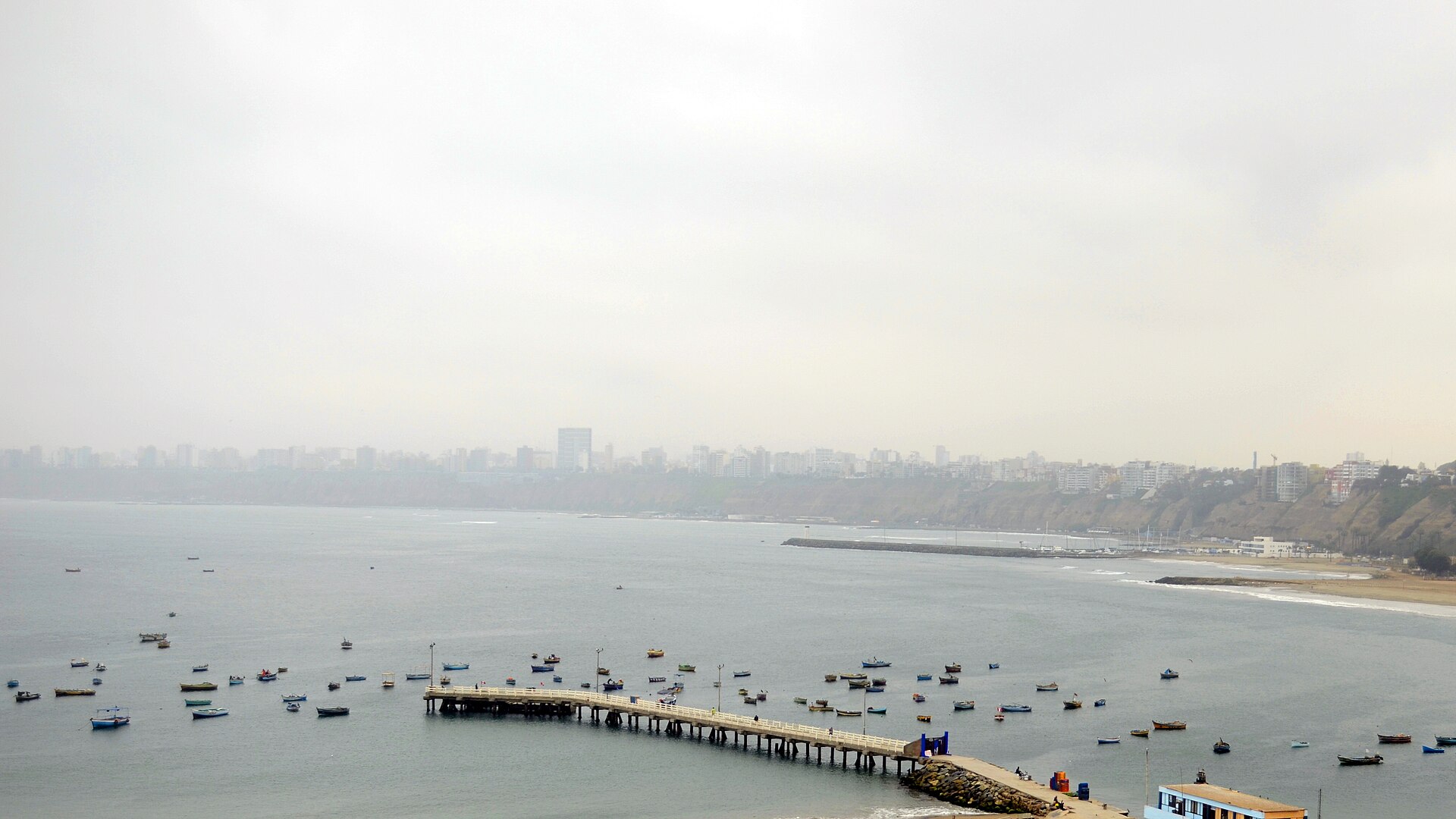
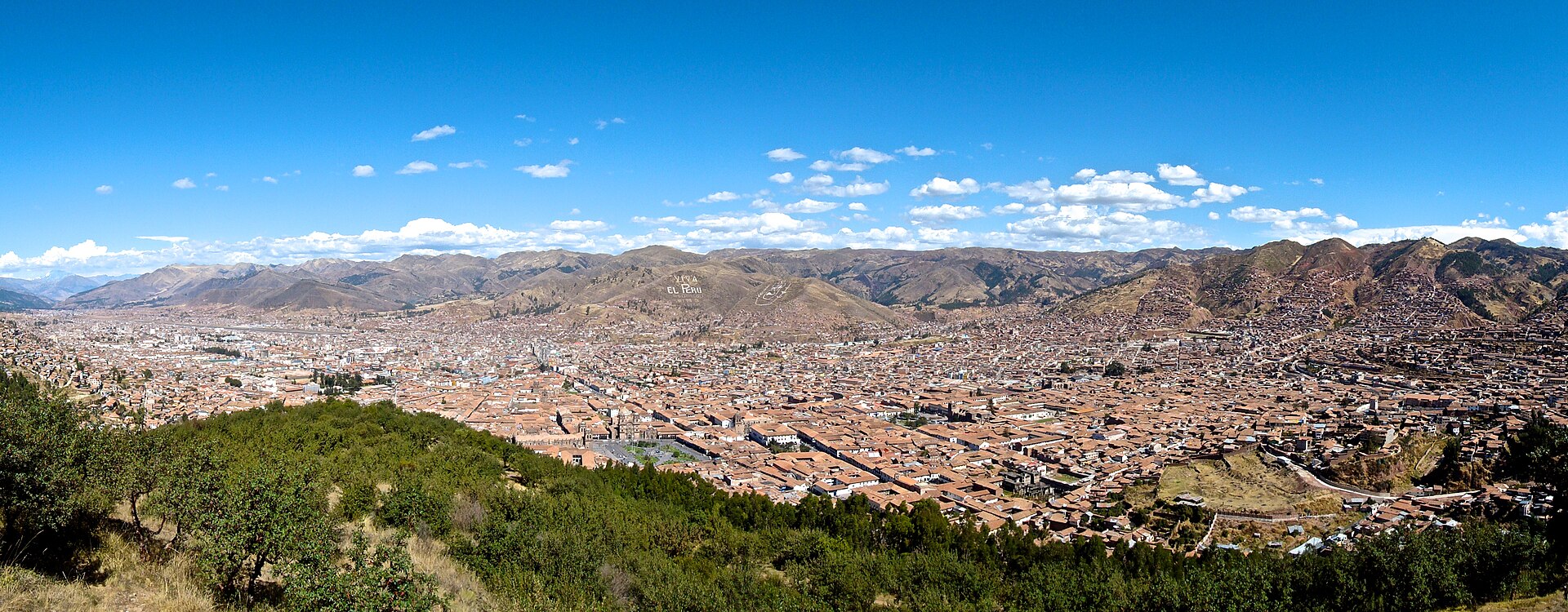
Peru is 1,285,216 square kilometres arranged in three long bands: an arid Pacific coast, the Andes behind it, and Amazon rainforest east of the mountains. Which band a city sits in decides nearly everything about visiting it — Lima, the capital, is a coastal city under grey winter cloud, Cusco sits high enough in the Andes to cost a first day doing nothing, and Iquitos in the rainforest has no road connecting it to the rest of the country. It is the third largest country in South America. The distances between those three worlds are why itineraries here are counted in flights rather than in bus rides.
Reviewed by Elena Voss · Roavina Travel Editor
Every city catalogued in this country so far, ranked by how much there is to see.
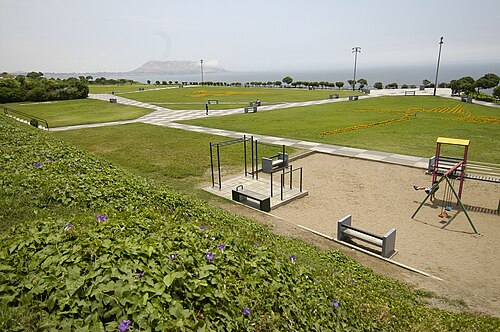
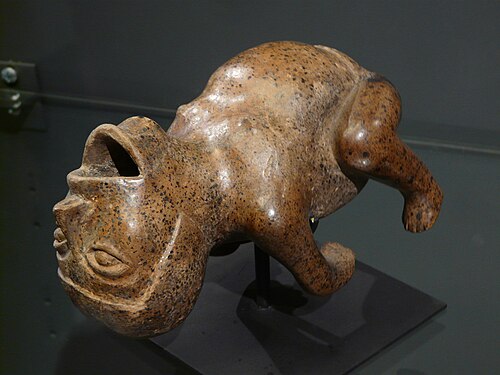
Photograph · Corminos · CC BY-SA 3.0
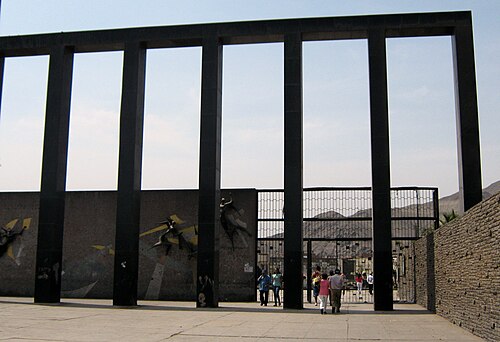
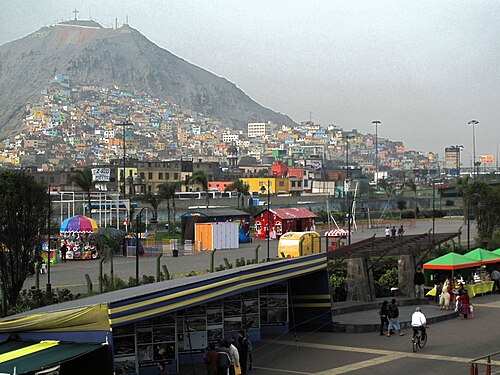
Photograph · gertrudis2010 · CC BY-SA 3.0
Ranked by importance — sitelinks, pageviews and heritage status, not editor preference.
135 places match
Category
Typical visit duration
Interests
Parque de las Leyendas is a major metropolitan zoo in Lima, Peru. Its official website identifies it as a zoological park integrated with cultural and natural heritage elements.
The Amano Pre-Columbian Textile Museum is a specialized museum in Lima dedicated to preserving and exhibiting Andean textile traditions. Founded by Yoshitaro Amano, a Japanese collector who settled in Peru, the institution houses a significant private collection assembled over decades.
Templo de la Luna
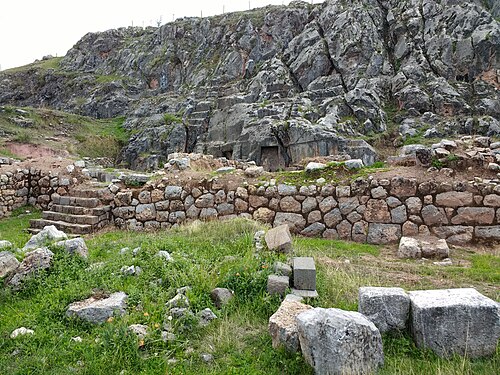
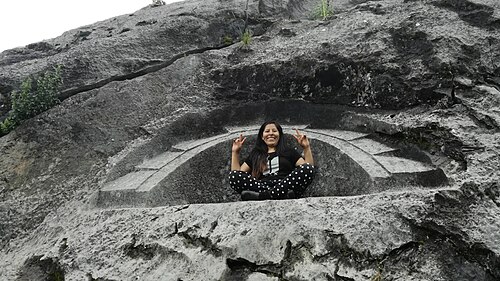
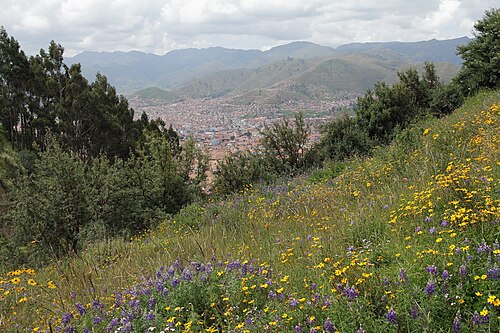
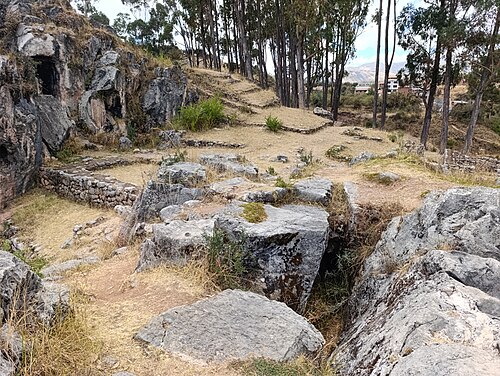
The Temple of the Moon, or Templo de la Luna, is a rock-cut ceremonial site located on the hills near Sacsayhuaman above Cusco. Unlike the grand fortress of Sacsayhuaman, this location offers a more intimate archaeological experience.
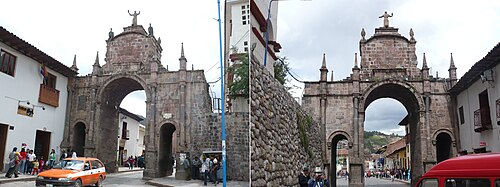
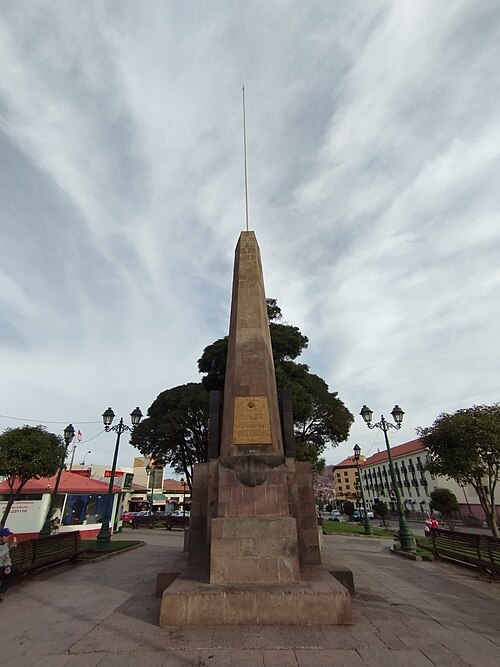
The Arc of Santa Clara is a republican ceremonial arch on the western approach from San Pedro into Cusco’s historic centre.
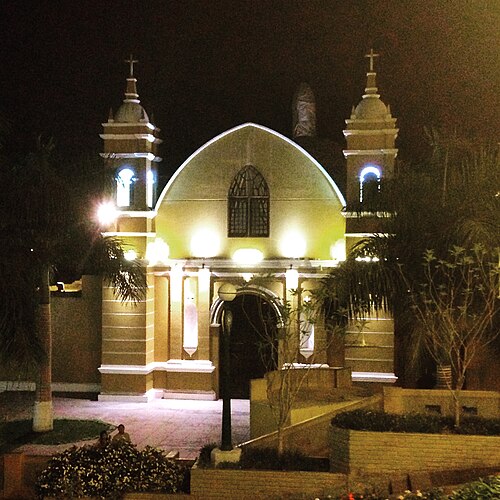
Parque Municipal de Barranco
Barranco Municipal Park is a historic public space in the center of Barranco’s Monumental Zone, between Pedro de Osma and Miguel Grau avenues. Peru’s official tourism inventory dates its inauguration to 13 February 1898 under Mayor Pedro Solari.
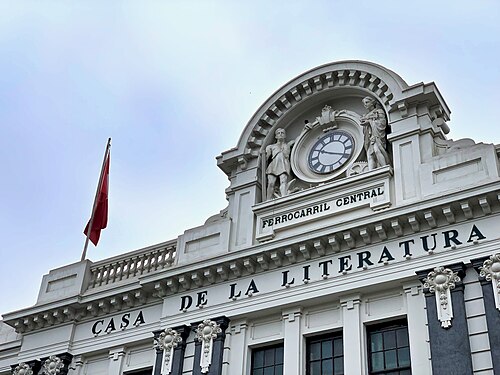
The House of Peruvian Literature, known locally as Casa de la Literatura Peruana, occupies the restored Desamparados railway station in Lima. This cultural institution serves as Peru's principal public centre for literary exhibitions and reading.
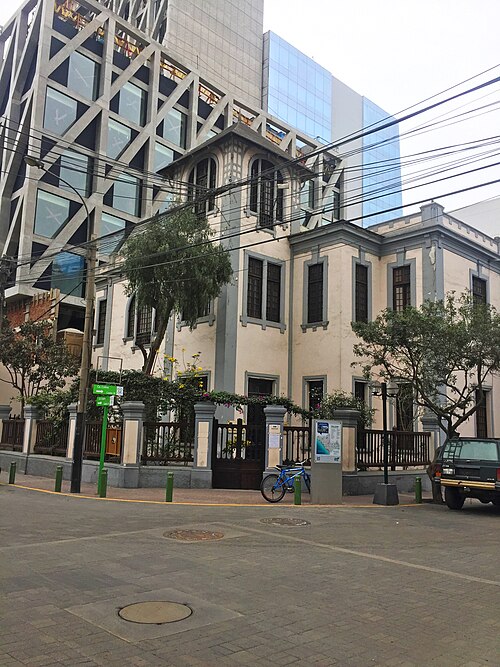
Casa Museo Ricardo Palma is a house museum in Lima's Miraflores district, dedicated to the life and work of Ricardo Palma, the celebrated Peruvian author best known for his Tradiciones Peruanas.
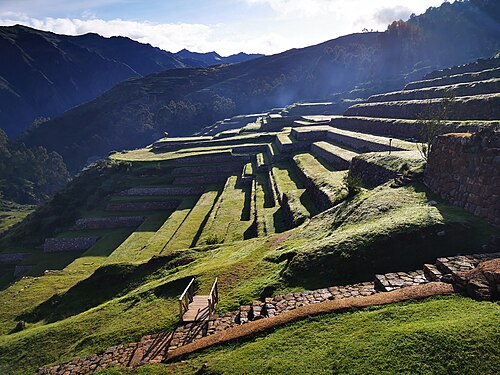
Chinchero Archaeological Park is an Inca-era site in the Sacred Valley near Cusco, Peru. The complex combines pre-Columbian agricultural terraces, a colonial-period church built atop Inca foundations, and a contemporary indigenous community known for textile traditions.
The Magic Water Circuit, or Circuito Mágico del Agua del Parque de la Reserva, is an evening attraction in Lima built around illuminated fountains.
The Convent of the Descalzos, or Convento de los Descalzos, is a Franciscan complex in Lima's Rímac district. Its colonial religious character, monastic spaces and preserved art make it a quieter alternative to the city's busiest historic attractions.
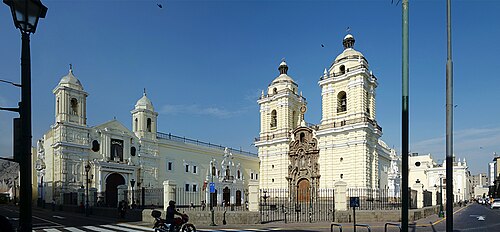
Convento de San Francisco is a Franciscan religious complex in Lima's Historic Centre, with a museum and an underground burial circuit. Peru's Ministry of Culture dates the beginning of the monumental complex to 1546 and its inauguration to 1672.
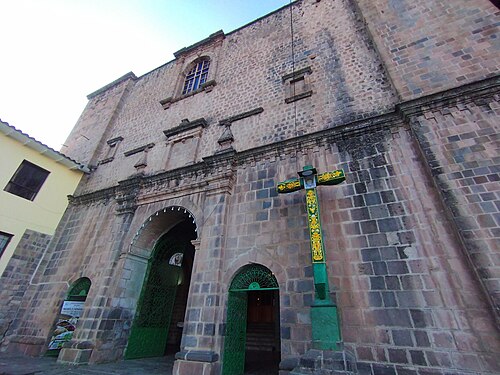
San Francisco Church and Convent is a colonial religious complex in Cusco, Peru. Its local name is Iglesia y Convento de San Francisco de Asís.
Cristo Blanco
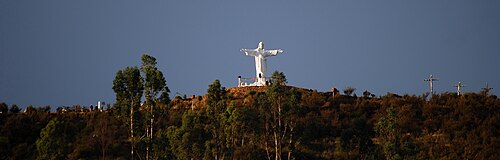
Cristo Blanco is a large white statue of Christ standing on a hill overlooking Cusco, Peru.
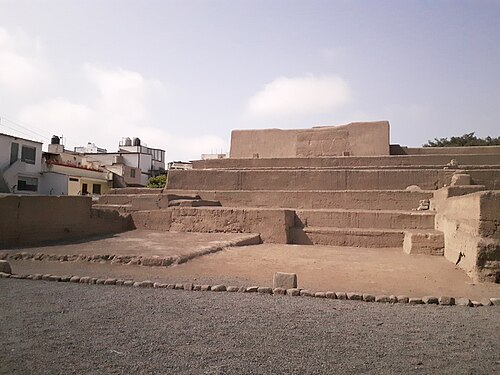
Huaca Santa Catalina is a restored archaeological site attributed to the Ychsma culture, serving as an administrative and ceremonial centre. Located in the La Victoria district of Lima, it represents a compact urban archaeological destination within the modern city.
Santiago Church, or Iglesia de Santiago Apóstol, is a colonial parish church in the south-western sector of Cusco’s historic centre.
Parque Kennedy
Kennedy Park is the central civic green space of Miraflores, surrounded by the district's busy commercial and residential streets. It works both as a destination and as a natural pause between nearby activities.
Killarumiyoc is an open-air ceremonial stone site in the Cusco region, known for a carved rock associated with Inca ritual traditions.
Museo Machu Picchu
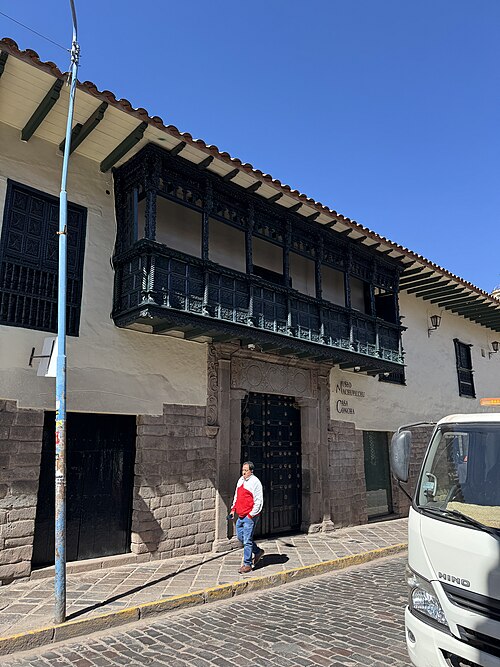
The Museo Machu Picchu - Casa Concha is a museum housed in a colonial-era building in Cusco, Peru. It was established to display the principal collection of archaeological artifacts returned from Yale University's excavations at Machu Picchu.
Parque María Reiche
María Reiche Park is a public clifftop green space in Miraflores, Lima, dedicated to the German-Peruvian mathematician and archaeologist María Reiche. She spent decades studying and preserving the Nazca Lines in southern Peru.
The Aeronautical Museum of Peru, known locally as Museo Aeronáutico del Perú, is a specialist aviation museum in Lima. It documents Peruvian military and civil aviation history through preserved aircraft, engines, uniforms, and archival materials.
The Presbítero Matías Maestro Cemetery Museum is a monumental cemetery in Lima, Peru, operating as a museum institution. Established during the republican period, it serves as both an active burial ground and a cultural heritage site.
The Coca Museum, known locally as Museo de la Coca, is a specialist museum in Cusco dedicated to the cultural, historical, and traditional significance of the coca leaf in Andean societies.
The Andrés del Castillo Mineral Museum, known locally as Museo de Minerales Andrés del Castillo, occupies the restored Casa Belén in Lima's historic centre. This cultural institution showcases Peru's remarkable mineral wealth within a significant architectural setting.
Santa Catalina Convent and Museum is a colonial religious complex in Cusco, Peru, operating as both an active monastery and a public museum. Established during the Spanish colonial period, it represents one of the city's significant historic religious institutions.
Museo de Arte Precolombino
The Museum of Pre-Columbian Art, known locally as Museo de Arte Precolombino, occupies an Inca ceremonial building near Plaza Nazarenas in Cusco. The museum presents a carefully curated national pre-Columbian art collection within this historically significant structure.
Museo de Sitio Parque de La Muralla
The Park of the Wall is a riverside public space in central Lima that preserves visible remnants of the city's colonial-era defensive fortifications. The Spanish colonial administration constructed walls around Lima during the seventeenth century for protection.
Orellana Pumaqchupan Park is a landscaped green space along Avenida El Sol in Cusco. It offers a short urban pause within a busy city corridor, with planted areas and pedestrian routes close to the historic centre.
Cusco Planetarium, known locally as Planetario Cusco, is an astronomical interpretation center situated in the Cusco region of Peru. The facility specializes in presenting Andean sky traditions, connecting visitors with indigenous cosmological knowledge that predates European contact.
Plaza San Francisco is a broad colonial plaza on the western side of Cusco’s historic centre. It forms the open setting for the San Francisco church and convent complex and remains a public gathering place.
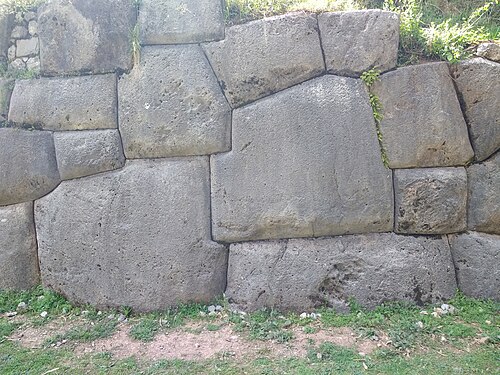
Q'enqo Chico is the smaller companion archaeological site to the better-known Q'enqo Grande, forming part of the broader Q'enqo archaeological complex situated on the hills above Cusco.
Qochapata is an Inca archaeological site at the urban edge of Cusco, where the city gives way to the wider landscape shaped by Inca settlement.
Museo de Sitio Qorikancha
Qorikancha Site Museum, also called Museo de Sitio Qorikancha, is a small archaeological museum within Cusco’s Qorikancha and Santo Domingo complex.
Centro Qosqo de Arte Nativo
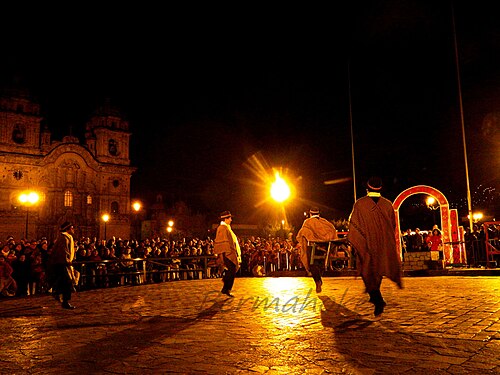
Qosqo Native Art Center, also known as Centro Qosqo de Arte Nativo, is a Cusco venue devoted to regional folk dance and traditional Andean music.
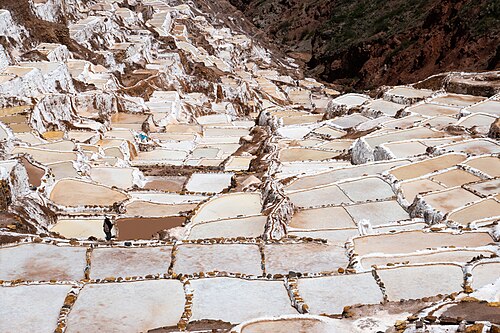
The Salineras de Maras are pre-Columbian salt evaporation ponds cascading down a hillside above the Urubamba Valley. Local families have harvested salt here for centuries using traditional methods.
Complejo Arqueológico Mateo Salado
Complejo Arqueológico Mateo Salado is an archaeological complex located in Lima, Peru. The site represents pre-Columbian architectural heritage within the modern urban environment of the capital city.
Source: OpenStreetMap contributors, Wikidata ·
Ten to fourteen days can combine Lima, Cusco and the Sacred Valley with one additional region. Altitude adjustment and rail or road transfers need their own time, so compressing the Andes and Amazon into the same short visit is unwise.
Peru’s Migraciones authority publishes admission information. Passport, nationality and permitted-stay rules must be checked for the actual traveller, and any border or immigration form should come from the government service.
Lima is the principal air hub, with domestic services to Cusco, Arequipa and other gateways. Intercity buses cover many routes, and selected tourist trains serve the Sacred Valley and Machu Picchu area.
May to September is the broad dry-season window for many Andean routes. Lima’s coastal conditions and Amazon rainfall follow different patterns, so an itinerary spanning regions needs separate forecasts and access checks.
Peru uses the sol (PEN). Current acceptance and withdrawal charges are Not recorded here; confirm whether an operator expects soles, cards or advance payment before leaving a major city.
Peru records 105 for police and 116 for fire services. Type A and C sockets use 220 V; national tap-water guidance is Not recorded, so obtain local advice.