
07
15 min
Ruins of the National Library of Serbia
Рушевине Народне библиотеке из нацистичког бомбардовања 1941.
- Must see
- Historic monument
- Stari Grad
City guide · Serbia
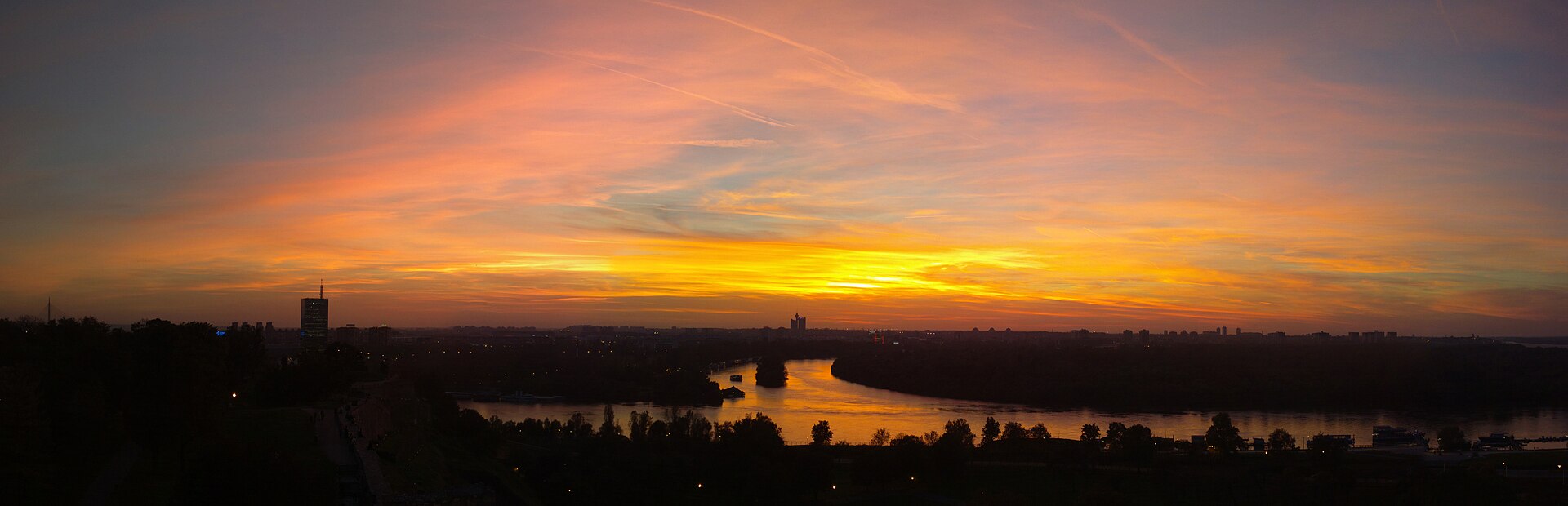
Belgrade is 389.12 km² holding 1,197,714 people, and it stands on the point where the Sava runs into the Danube. That confluence is why the city exists and why...
Photograph · Vladimir Nolic · CC BY-SA 4.0
Set your days, your pace and the hours you actually want to be out. The planner works around closing days and travel time, and leaves room to eat.
Reviewed by Elena Voss · Roavina Travel Editor
Belgrade is 389.12 km² holding 1,197,714 people, and it stands on the point where the Sava runs into the Danube.
That confluence is why the city exists and why it has been fought over so relentlessly: it has been battled over in 115 wars and razed 44 times. The name Beograd means white city.
The administrative area holds 1,682,720 people across 3,234.96 km² in 17 municipalities. The part a visitor uses is a fraction of that — the old town on the ridge above the rivers, and the streets running down from it.
Checked 2026-08-23
September · September moderates to a 23.9°C mean high in Belgrade with 204 sunshine hours and 55.3 mm of rain.
Ranked by importance — sitelinks, pageviews and heritage status, not editor preference.
68 places match
Category
Typical visit duration
Рушевине Народне библиотеке из нацистичког бомбардовања 1941.
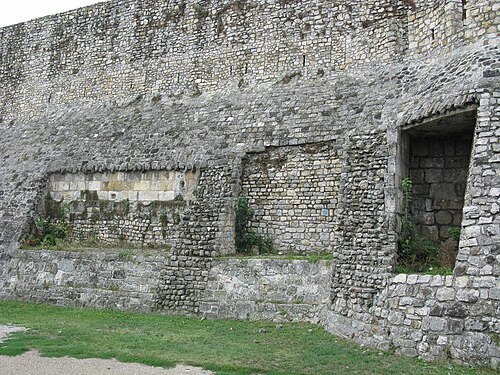
Антички Сингидунум
Singidunum is the Roman name for the fortified settlement that stood on the ridge now occupied by Belgrade Fortress, at the point where the Sava River meets the Danube.
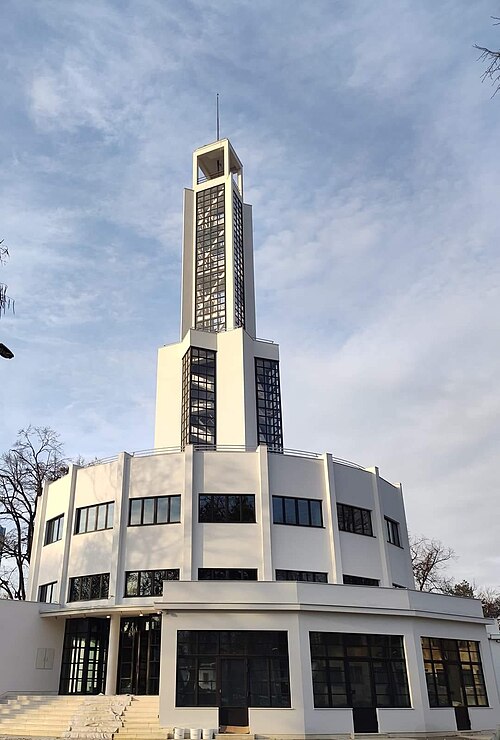
Сабирни логор Сајмиште
Staro Sajmište was a trade fair before it was a camp, and people live on the site now.
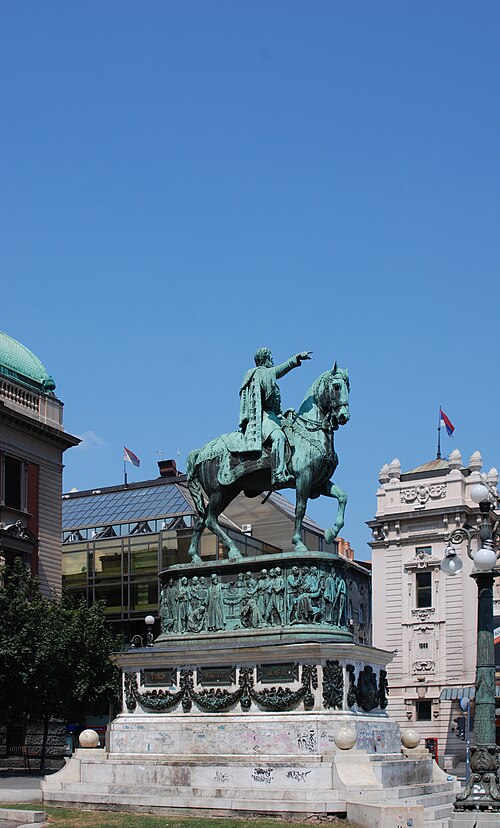
Споменик кнезу Михаилу
The Monument to Prince Mihailo is a bronze equestrian statue standing at the centre of Republic Square, Belgrade's main square.
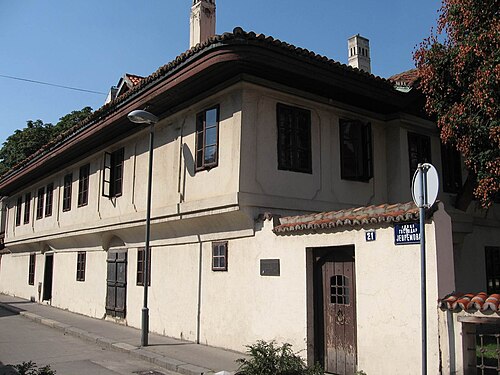
Музеј Вука и Доситеја
The Museum of Vuk and Dositej is a single-house museum in the Stari Grad district of Belgrade dedicated to two figures of the Serbian Enlightenment: Dositej Obradović (1742–1811), writer and Serbia's first Minister of Education, and Vuk Stefanović Karadžić (1787–1864)…
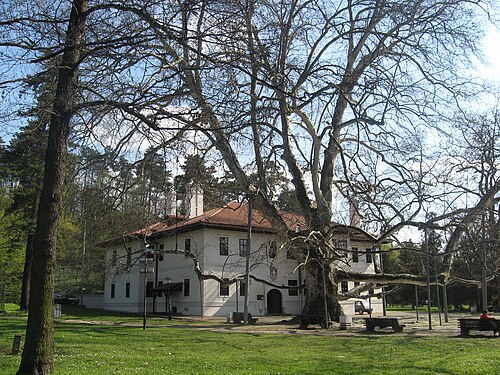
Конак кнеза Милоша Обреновића
The Residence of Prince Miloš was built between 1830 and 1834 for Miloš Obrenović, the prince who led Serbia's second uprising against Ottoman rule and secured its autonomy, and it is one of the few surviving buildings from that transitional…
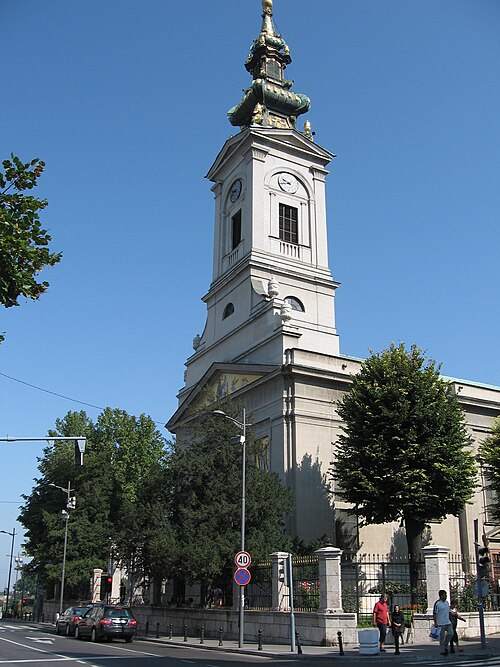
Саборни храм Светог архангела Михаила
St. Michael's Cathedral is the seat of the Serbian Orthodox Metropolitanate of Belgrade, built between 1837 and 1845 on the site of an earlier church destroyed in the Ottoman era.
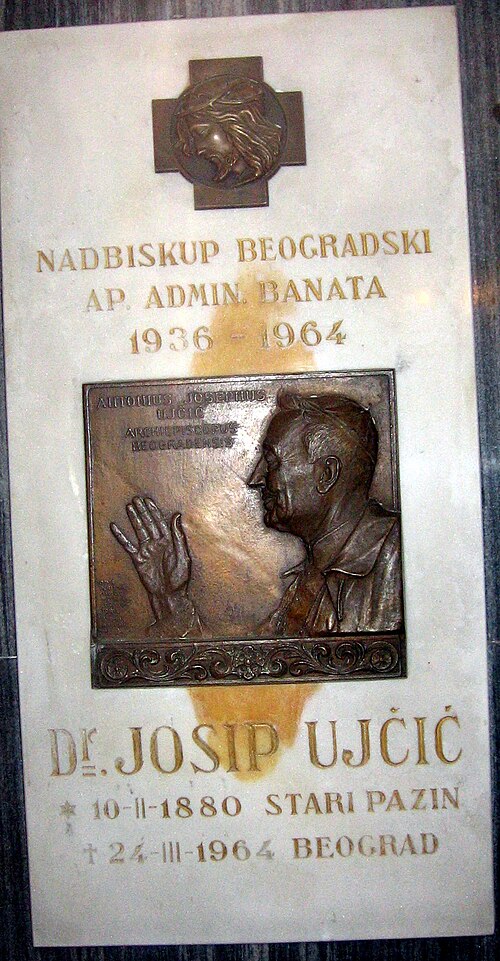
Београдска надбискупија
This building on Svetozara Markovića street is the Episcopal Palace, seat of the Metropolitan Archdiocese of Belgrade — the Roman Catholic archdiocese covering Central Serbia, with the Diocese of Subotica and the Diocese of Zrenjanin as its suffragans.

Храм Светог Александра Невског
The Church of St. Alexander Nevsky is a Serbian Orthodox parish church in Belgrade's Dorćol neighborhood, standing on Cara Dušana Street in the Stari Grad municipality.
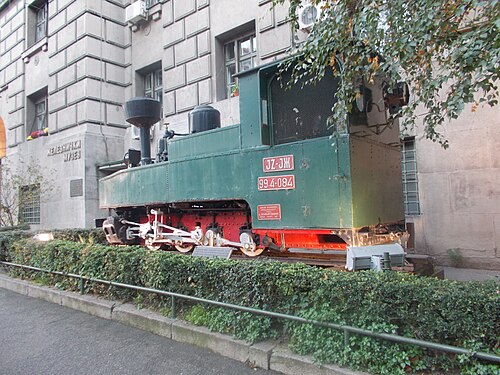
Железнички музеј
The Railway Museum in Savski Venac is the national collection of Serbian and former Yugoslav railway history, founded on 1 February 1950. Its first exhibition, in 1953, was titled "Through the History of Yugoslav Railways".
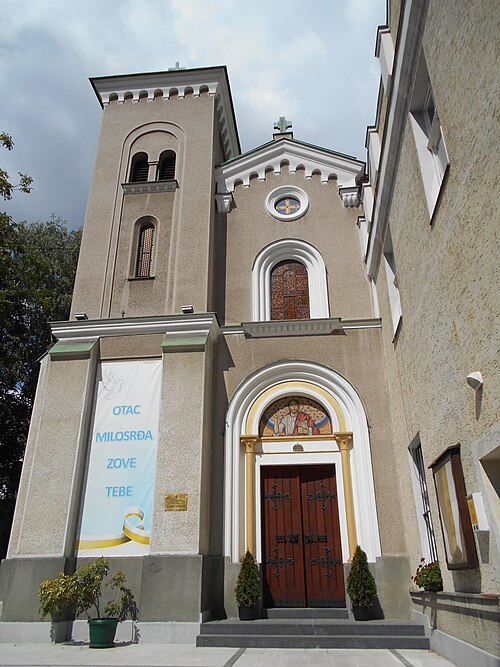
Црква Криста Краља
The Co-cathedral of Christ the King on Krunska street is the oldest Catholic place of worship in Belgrade, a city where the Catholic minority has always shared ground with an Orthodox majority.
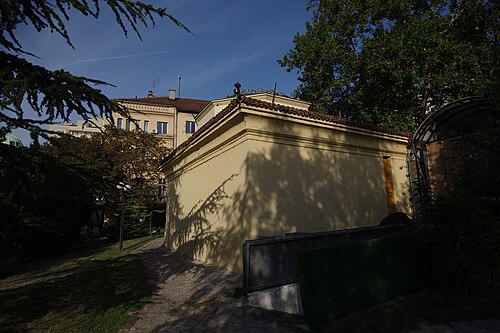
Амам кнеза Милоша
The Hammam of Prince Miloš is a Turkish-style bathhouse built in 1836-37, and it is currently a bath nobody can bathe in: OpenStreetMap's own record of the site, last checked 27 April 2026, lists its opening hours as switched off.
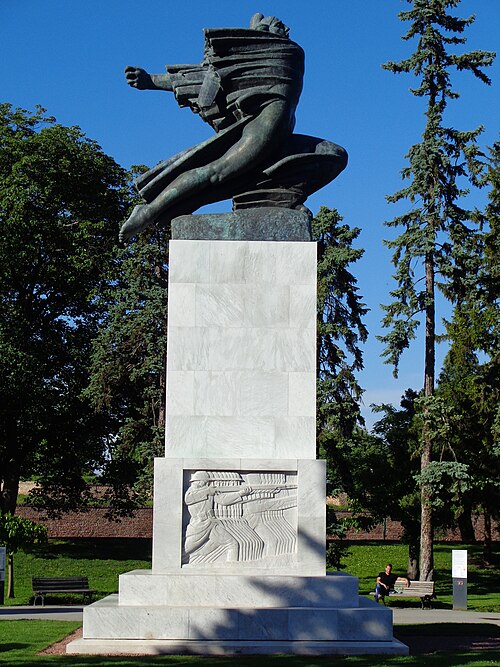
Споменик захвалности Француској
Twenty thousand people filled Kalemegdan Park on 11 November 1930 to watch King Alexander I, Queen Maria, Prince Paul and Princess Olga unveil a bronze woman striding forward with one arm raised — Belgrade's Monument of Gratitude to France, dedicated…
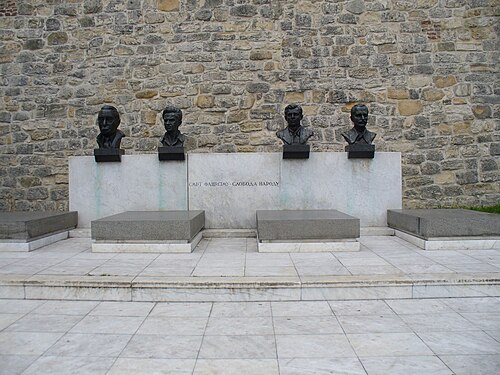
Гробница народних хероја
The Tomb of National Heroes is a memorial in Kalemegdan Park at Belgrade Fortress. The public enterprise that manages the fortress dates the tomb to 1948.
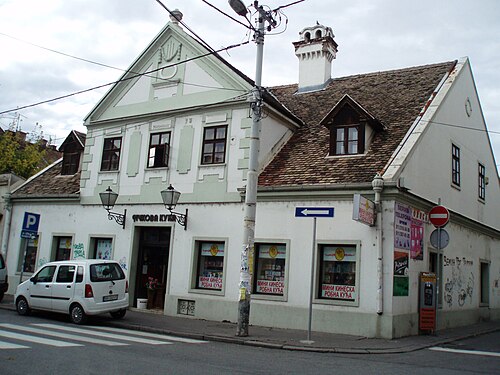
Ičkova kuća
Ičko's House at 18 Bežanijska street in Zemun is one of the oldest surviving town houses in the Belgrade area, built in 1793 in a plain Classical style — and it takes its name from a diplomat who hid there…
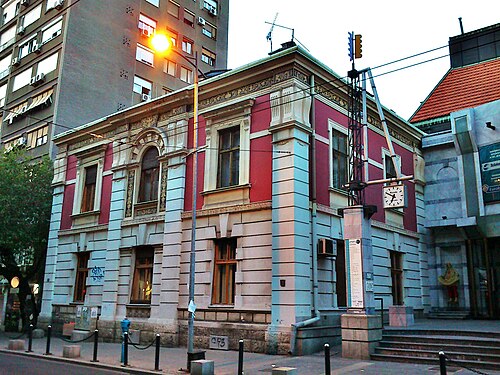
Дом Јеврема Грујића
The house known today as Jevrem Grujic's House is one of the oldest preserved civic houses in Belgrade's old town, built in the early decades of the nineteenth century, in the years after the Serbian uprisings when the town's Ottoman-era…
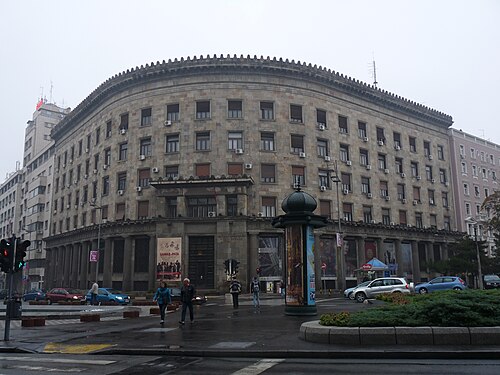
Историјски музеј Србије
The Historical Museum of Serbia (Istorijski muzej Srbije) was established in 1963 as the national institution charged with collecting material on Serbian history from the medieval state through the twentieth century, distinct from the archaeology-focused National Museum next to Republic…
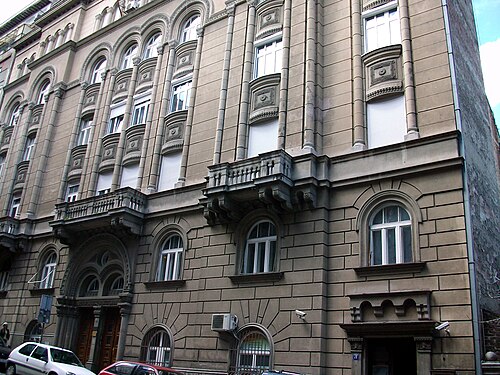
Јеврејски историјски музеј
The Jewish Historical Museum (Jevrejski istorijski muzej) opened in 1948, founded by the historian Lavoslav Kadelburg and colleagues under the Federation of Jewish Communities of Yugoslavia, and it remains housed inside the federation's own building on Kralja Petra street in…
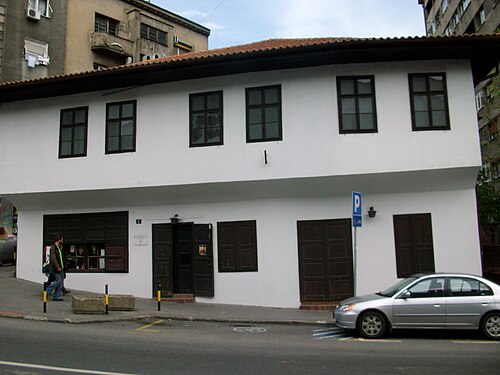
Манакова кућа
Manak House is a timber-framed merchant house in Savamala, Belgrade, that now holds an ethnographic collection inside the walls it was actually lived in.
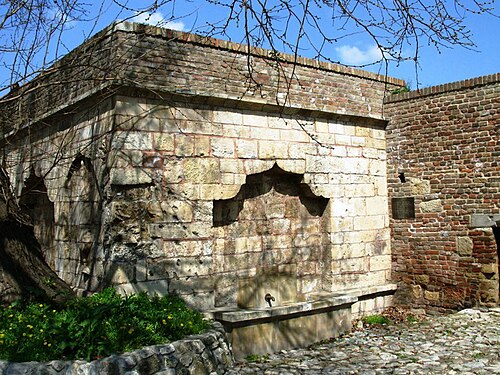
Чесма Мехмед-паше Соколовића
Mehmed Paša Sokolović's Fountain is a sixteenth-century Ottoman drinking fountain in the Upper Town of Belgrade Fortress. Erected between 1576 and 1577, it is the only endowment of Ottoman vizier Mehmed Paša Sokolović in Belgrade.
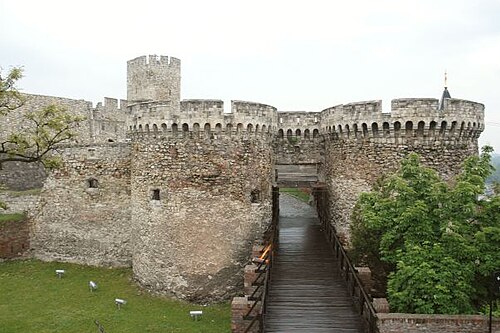
Зиндан капија
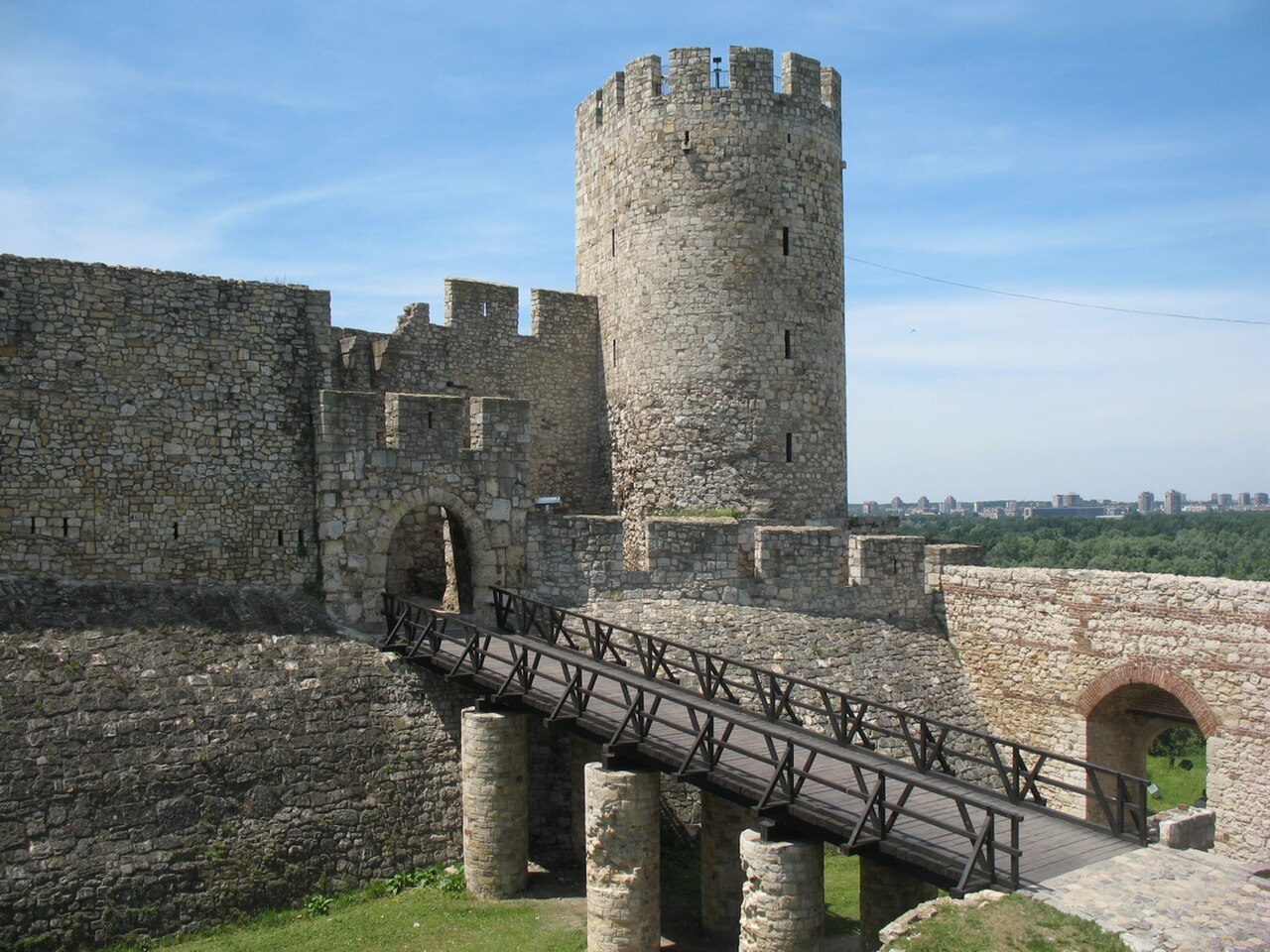
Zindan Gate is a mid-15th-century barbican at Belgrade Fortress, built as a small forward defence for the Eastern Gate.
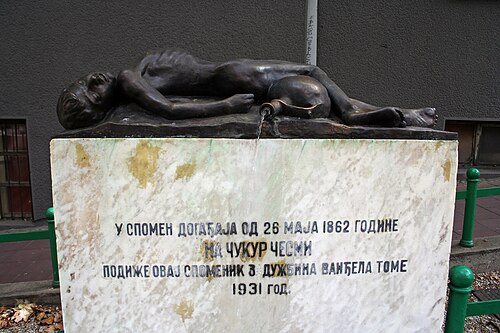
Чукур чесма
The Čukur Fountain is a monument in Dobračina Street, Dorćol, marking the spot where a killing in 1862 set off a night of street fighting and, two days later, an Ottoman bombardment of Belgrade.
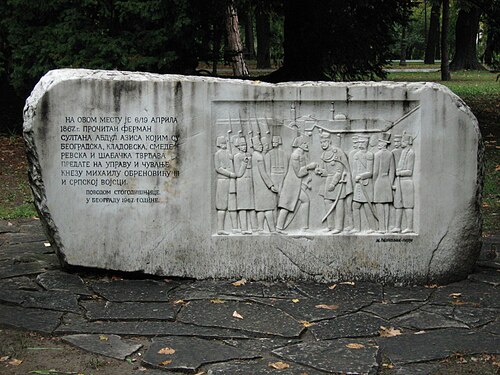
Место предаје кључева Београда 1867.
The Keys Handover Memorial is a compact outdoor monument at the entrance to Kalemegdan Park from Knez Mihailova Street.
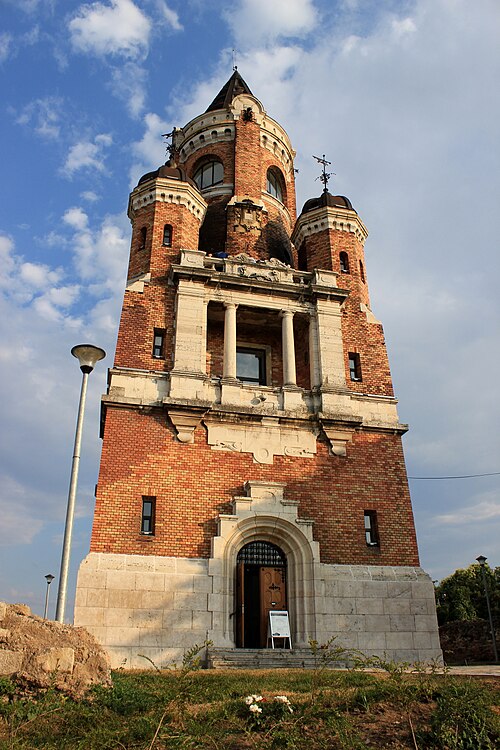
Земунска тврђава
Zemun Fortress is an outdoor heritage remnant on Gardoš Hill in the historic centre of Zemun, within Belgrade.
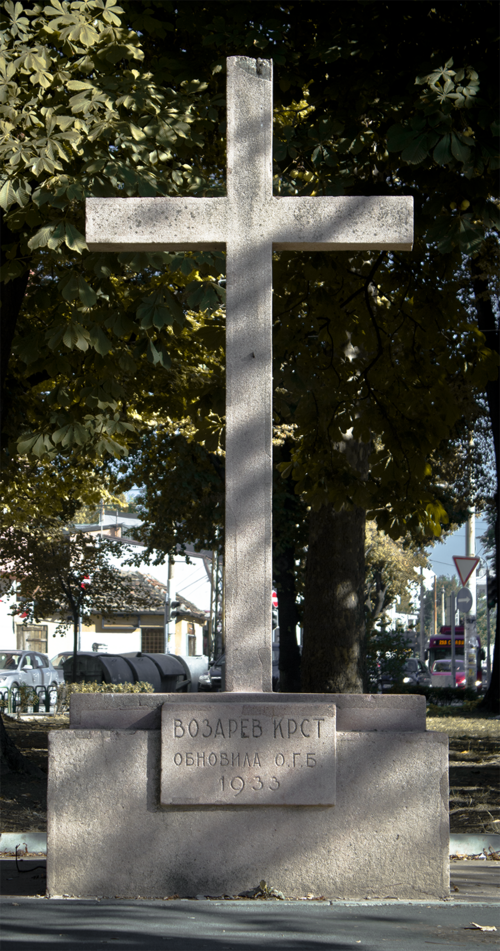
Возарев крст
Vozarev Cross is a compact red artificial-stone monument set in a small urban park at the junction of Mileševska Street and Vojvode Šupljikca Street in Belgrade’s Vračar area.
District boundaries come from OSM administrative relations, so a district page holds exactly the places inside it — plus, for the islands and the coast, the nearest district by proximity.
Two Belgrades, split by the Sava.
Old Belgrade sits on the ridge on the right bank, above the confluence. The fortress is at the point; Stari Grad, the old town, runs back from it; Vračar rises behind that with the Church of Saint Sava on top; Dorćol drops north towards the Danube and Savamala south towards the Sava.
New Belgrade is on the left bank of the Sava, built from 1948 onward on empty ground to demonstrate that Yugoslavia was at the forefront of progress. It is towers and boulevards on a grid and it is a different city.
Zemun, further up the Danube on the left bank, was a separate town under Austria-Hungary until the twentieth century and still reads as one — low houses, a hill with a tower, and the border of an empire running through it.
Checked 2026-08-23
Trams, buses, trolleybuses and walking. There is no metro.
A metro has been discussed for decades and is not in operation; anyone reading about the Belgrade metro is reading about a construction programme, not a way to get across the city today.
The old town is compact and the walk from the fortress to the Church of Saint Sava takes about half an hour, all of it through the parts a visitor came for. New Belgrade and Zemun need transport.
Taxis are cheap by western European standards and are the usual way across the river at night.
Checked 2026-08-23
Two to three. Two cover the fortress, Kalemegdan, the old town and the Church of Saint Sava. A third adds Zemun on the Danube and a look at New Belgrade.
No. Belgrade runs trams, buses and trolleybuses, and a metro has been discussed for decades without entering service. The old town is walkable and taxis are cheap.
White city. The name is literal.
It stands where the Sava meets the Danube, which made it the frontier between empires. It has been fought over in 115 wars and razed 44 times.
The Sava. Old Belgrade is the ridge above the confluence with the fortress at its point. New Belgrade is on the left bank, built from 1948 on empty ground as a demonstration of Yugoslav modernity.
Stari Grad for the old town, Vračar behind it for a quieter residential base, Dorćol towards the Danube and Savamala on the Sava for the nightlife. Zemun is a separate town in feel and is further out.


