A photograph of Belgrade

City guide · Serbia

Places to visit in Belgrade, Serbia — page 2

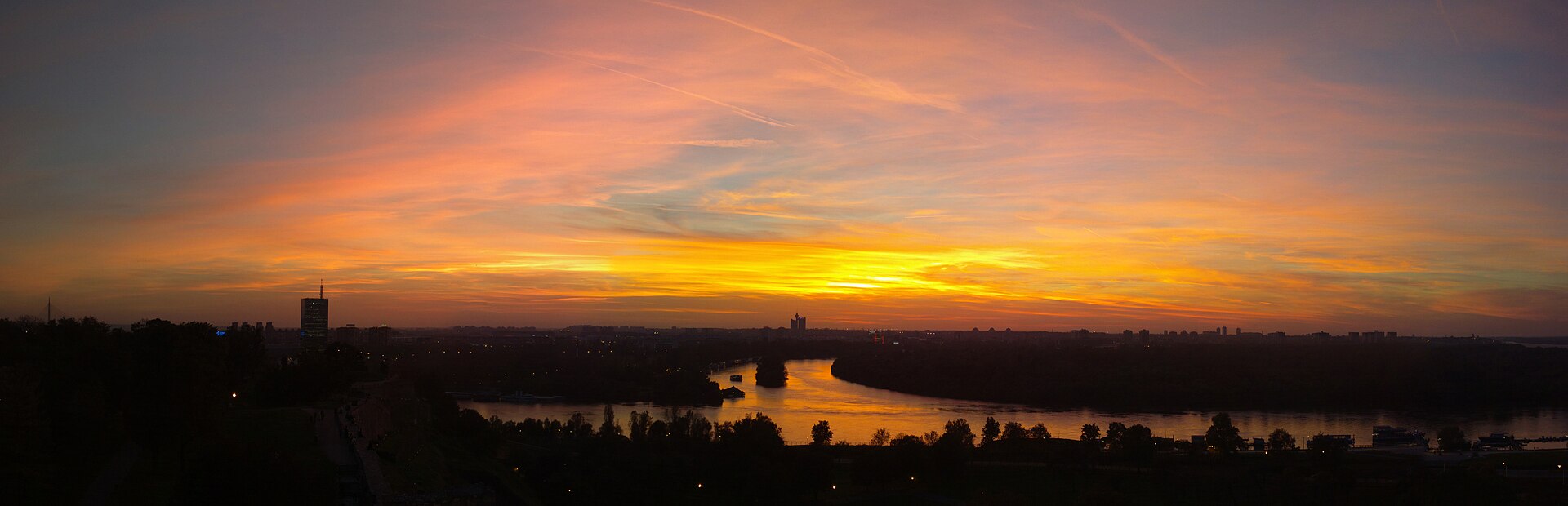
Belgrade is 389.12 km² holding 1,197,714 people, and it stands on the point where the Sava runs into the Danube. That confluence is why the city exists and why...

Photograph · Vladimir Nolic · CC BY-SA 4.0

1,817 Places
10 Districts
Suggested stay
2–3 days
Getting around
Tram, bus and on foot

Turn this list into a plan

Set your days, your pace and the hours you actually want to be out. The planner works around closing days and travel time, and leaves room to eat.

Plan Belgrade

Reviewed by Elena Voss · Roavina Travel Editor

Belgrade is 389.12 km² holding 1,197,714 people, and it stands on the point where the Sava runs into the Danube.

That confluence is why the city exists and why it has been fought over so relentlessly: it has been battled over in 115 wars and razed 44 times. The name Beograd means white city.

The administrative area holds 1,682,720 people across 3,234.96 km² in 17 municipalities. The part a visitor uses is a fraction of that — the old town on the ridge above the rivers, and the streets running down from it.

Checked 2026-08-23

Practical information

Language spoken
Serbian
Written in both Cyrillic and Latin; English is understood in tourist districts
Dialling code
+381 11
Belgrade landlines; drop the leading 0 of 011 when calling from abroad
Currency
Serbian dinar (RSD)
Euros are not accepted; cards are widely taken in Belgrade
Emergency number
112
One number across the country; 194 reaches an ambulance directly
Plug type
Type C and F · 230 V
Standard European two-pin
Tap water
Not recorded
No verified national source in the dataset

Planning a visit

September · September moderates to a 23.9°C mean high in Belgrade with 204 sunshine hours and 55.3 mm of rain.

  1. January: viable with meaningful trade-offs
  2. February: viable with meaningful trade-offs
  3. March: good time to visit
  4. April: best time to visit
  5. May: best time to visit
  6. June: good time to visit
  7. July: viable with meaningful trade-offs
  8. August: viable with meaningful trade-offs
  9. September: best time to visit — current month
  10. October: best time to visit
  11. November: good time to visit
  12. December: viable with meaningful trade-offs

Sources

Top things to see

Ranked by importance — sitelinks, pageviews and heritage status, not editor preference.

  1. Knez Mihailova Street Knez Mihailova Street
    07 1 hr 30 min

    Knez Mihailova Street

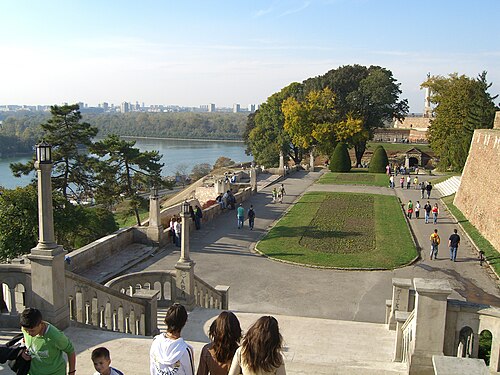
    Knez Mihailova Street is Belgrade's principal pedestrian and historic thoroughfare, forming an independent urban walk through the city centre. The street connects Republic Square with Kalemegdan Park and the Belgrade Fortress.

    • Must see
    • Historic monument
  2. Skadarlija Skadarlija
    08 1 hr 30 min

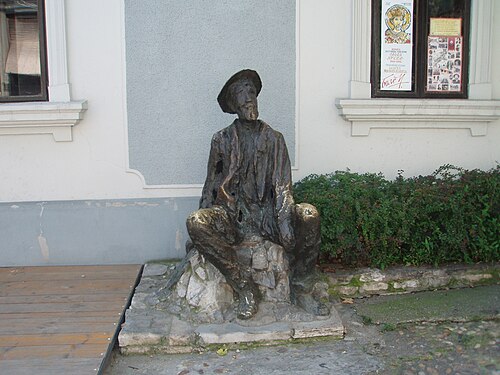
    Skadarlija

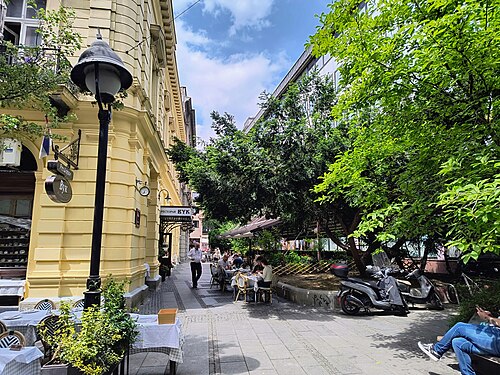
    Skadarlija is a preserved bohemian quarter in central Belgrade, Serbia. The cobblestone street dates to the nineteenth century and developed as a gathering place for writers, artists, and musicians.

    • Must see
    • Historic monument
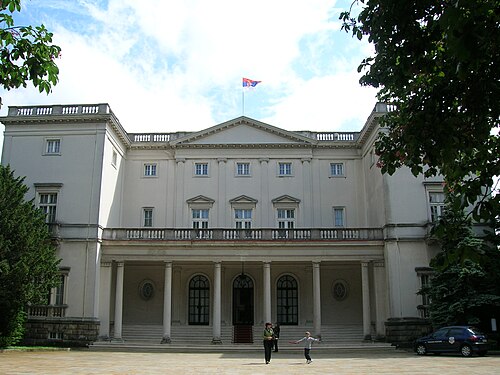
  3. Republic Square Republic Square
    09 45 min

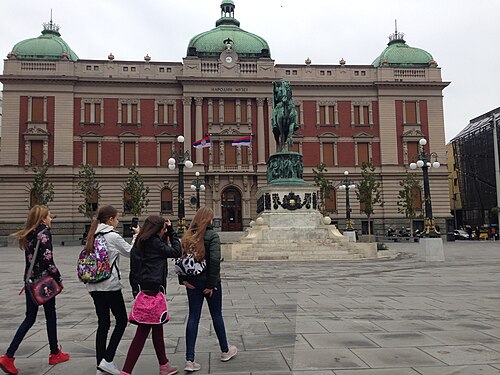
    Republic Square

    Republic Square is the principal civic square in central Belgrade, Serbia. It functions as a major pedestrian hub and orientation point in the city core.

    • Must see
    • Historic monument
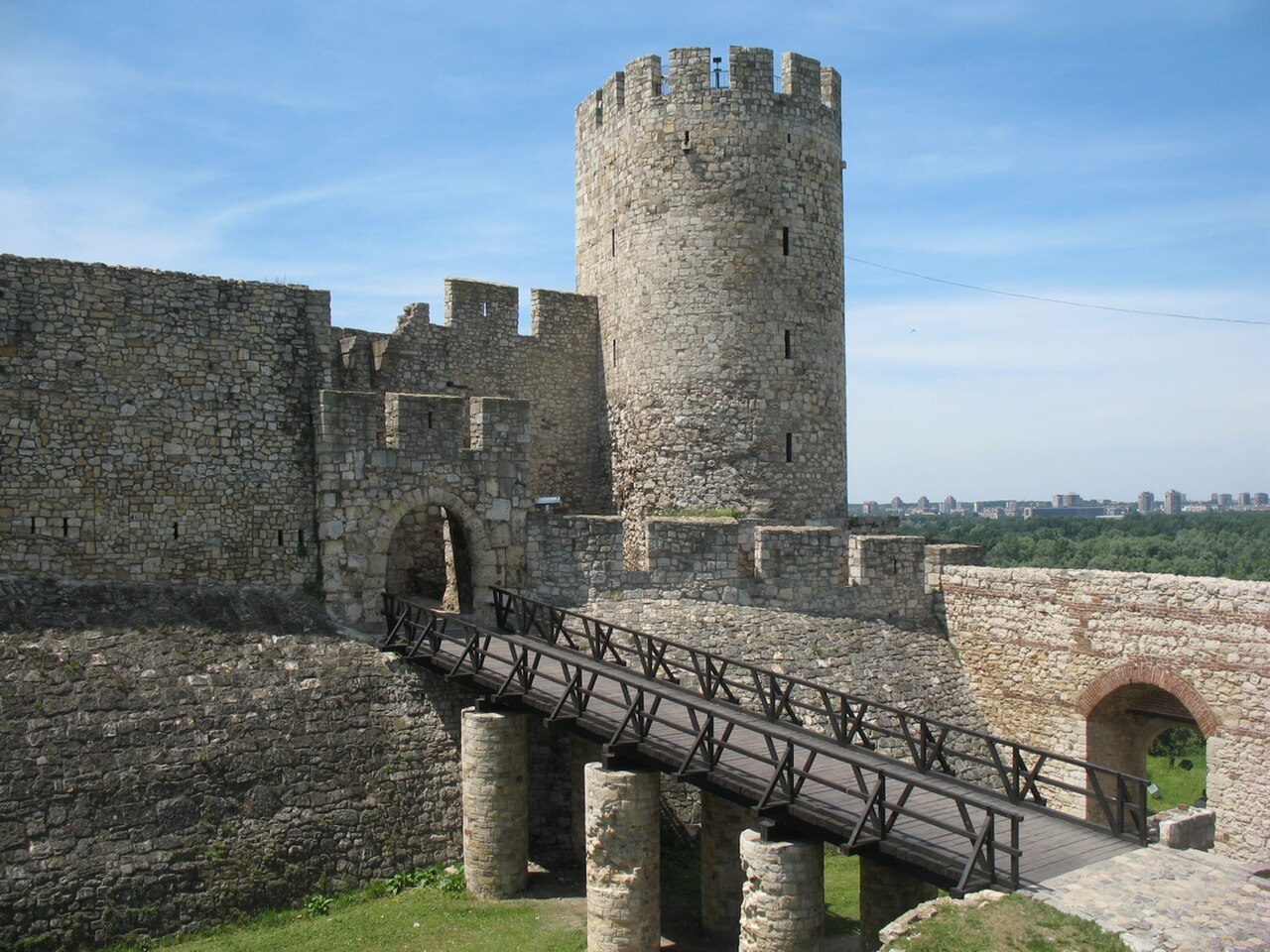
  4. Gardoš Tower Gardoš Tower
    10 30 min

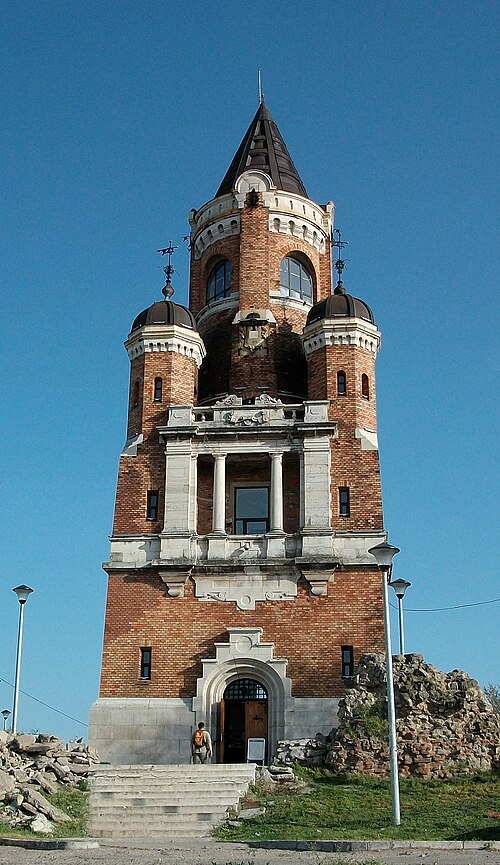
    Gardoš Tower

    Кула Гардош

    Gardoš Tower, also called the Millennium Tower and Kula Sibinjanin Janka, rises 36 metres above Gardoš Hill in Zemun.

    • Must see
    • Historic monument
    • Zemun
  5. Ada Ciganlija Ada Ciganlija
    11 3 hours

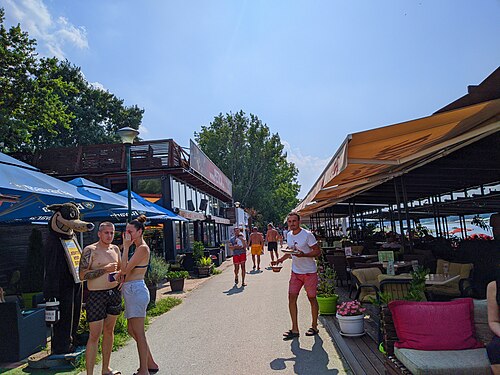
    Ada Ciganlija

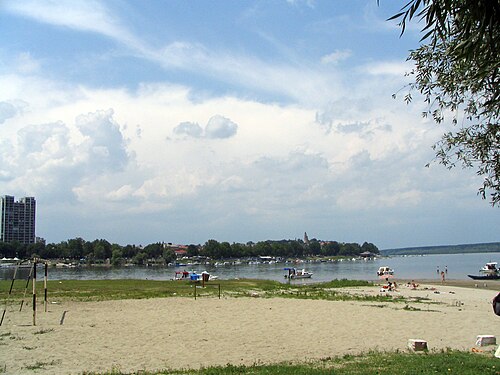
    Ada Ciganlija is a river island turned peninsula on the Sava River in Belgrade, Serbia. It has been artificially connected to the right bank of the river, creating a distinctive landform.

    • Must see
    • Nature site
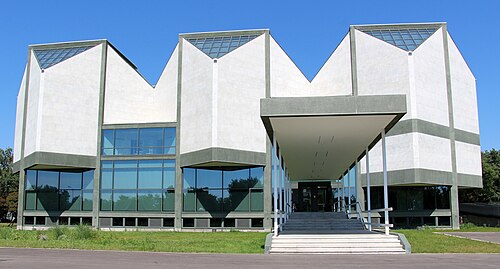
  6. Museum of Contemporary Art Museum of Contemporary Art
    12 2 hours

    Museum of Contemporary Art

    Музеј савремене уметности

    The Museum of Contemporary Art occupies a distinctive faceted building in Ušće park, New Belgrade, at the confluence of the Sava and Danube.

    • Must see
    • Museum
    • New Belgrade
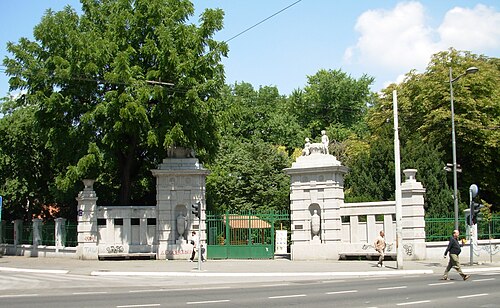
  7. Belgrade Zoo Belgrade Zoo
    13 2 hr 30 min

    Belgrade Zoo

    Belgrade Zoo is a separately entered zoological attraction located within the wider Belgrade Fortress area. It is distinct from the open historic ensemble of the fortress itself, requiring its own access arrangement.

    • Must see
    • Family attraction
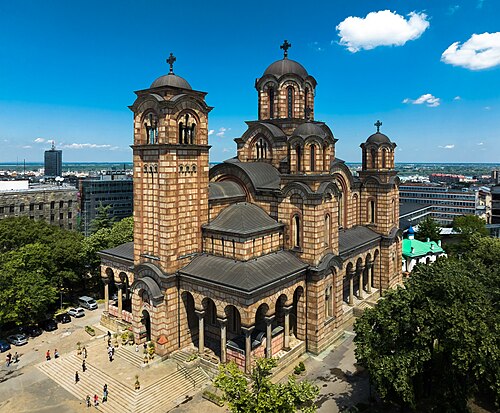
  8. St. Mark's Church St. Mark's Church
    14 30 min

    St. Mark's Church

    Црква Светог Марка

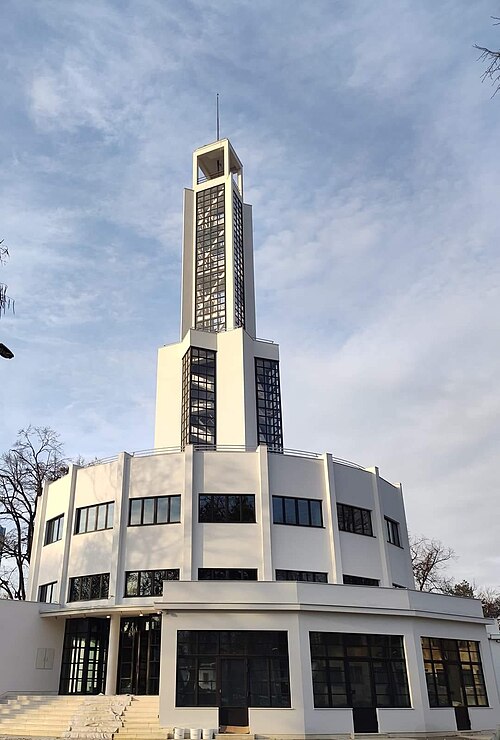
    St. Mark's Church is a Serbian Orthodox church on Tašmajdan hill in central Belgrade, built between 1931 and 1940 to designs by the brothers Petar and Branko Krstić, both professors at the University of Belgrade Faculty of Architecture.

    • Must see
    • Place of worship
    • Palilula
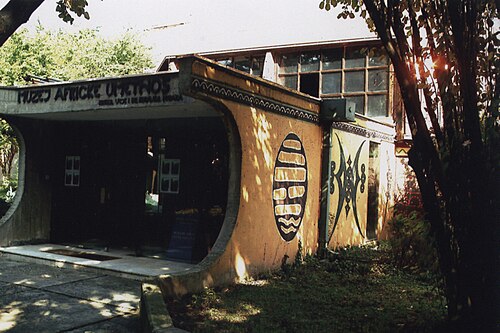
  9. Museum of African Art Museum of African Art
    15 1 hour

    Museum of African Art

    Музеј афричке уметности

    The Museum of African Art occupies a villa at Andre Nikolića 14 in Senjak, on Topčider Hill, and is devoted entirely to African cultures and arts.

    • Must see
    • Museum
    • Savski Venac
  10. Belgrade Military Museum Belgrade Military Museum
    16 1 hr 30 min

    Belgrade Military Museum

    Војни музеј

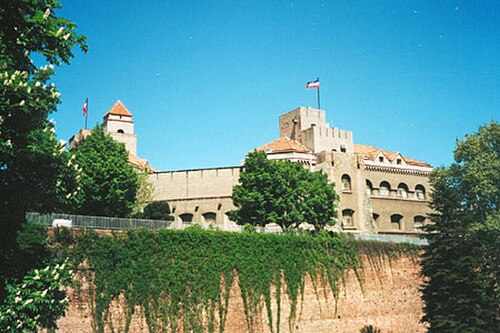
    Belgrade Military Museum occupies a distinctive building on the upper terrace of Kalemegdan, within the Belgrade Fortress grounds. Its setting is part of the experience: the museum combines indoor historical galleries with heavy weapons displayed outside around the building.

    • Must see
    • Museum
    • Stari Grad
  11. Princess Ljubica's Residence Princess Ljubica's Residence
    17 1 hour

    Princess Ljubica's Residence

    Конак кнегиње Љубице

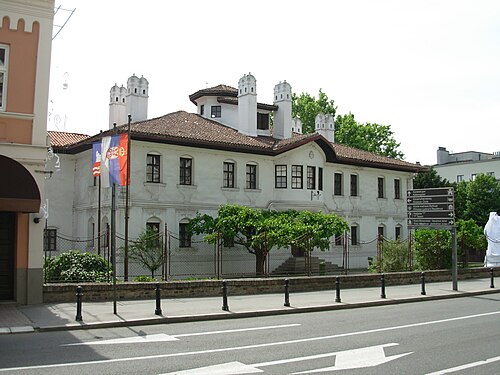
    Princess Ljubica’s Residence is an 1830 house commissioned as a representative court for the Obrenović dynasty. Hadži Nikola Živković, Prince Miloš Obrenović’s official builder, designed and supervised its construction.

    • Must see
    • Museum
    • Stari Grad
  12. Ethnographic Museum Ethnographic Museum
    18 1 hr 30 min

    Ethnographic Museum

    Етнографски музеј

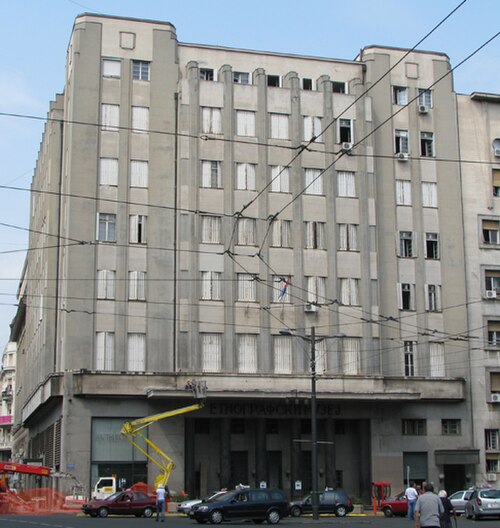
    Belgrade’s Ethnographic Museum is a focused introduction to everyday culture in Serbia and the wider South Slavic world.

    • Must see
    • Museum
    • Stari Grad
  13. National Theatre in Belgrade National Theatre in Belgrade
    19 45 min

    National Theatre in Belgrade

    Народно позориште у Београду

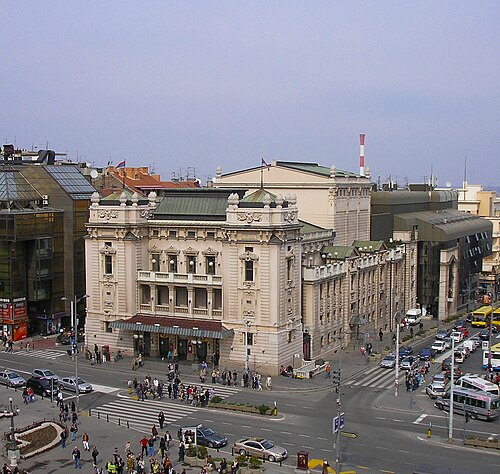
    The National Theatre opened on Republic Square in 1868, modelled by the architect Aleksandar Bugarski on Milan's La Scala and Moscow's Bolshoi rather than on a local precedent, at a time when Serbia was asserting itself as a modern European…

    • Must see
    • Art and culture venue
    • Stari Grad
  14. Jevremovac botanic garden Jevremovac botanic garden
    20 1 hour

    Jevremovac botanic garden

    Ботаничка башта Јевремовац

    Jevremovac is a university botanic garden in the Stari Grad municipality of Belgrade, run by the University of Belgrade's School of Biology.

    • Must see
    • Nature site
    • Stari Grad
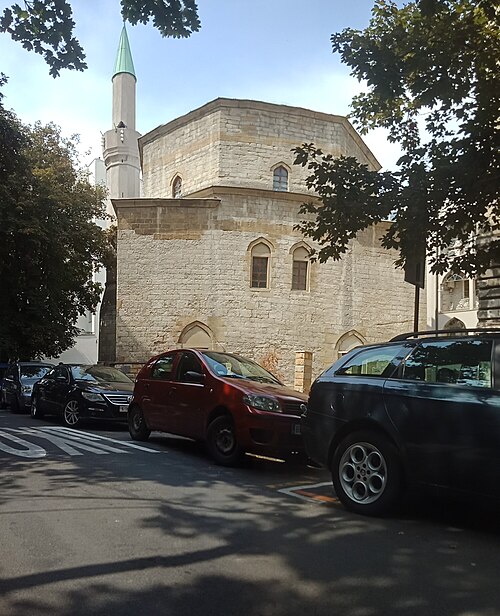
  15. Bajrakli Mosque Bajrakli Mosque
    21 45 min

    Bajrakli Mosque

    Bajrakli Mosque stands as the sole surviving Ottoman-era mosque in Belgrade, Serbia's capital. Built during the period of Ottoman rule, it represents a rare remnant of Islamic religious architecture in a city where numerous mosques once existed.

    • Must see
    • Place of worship
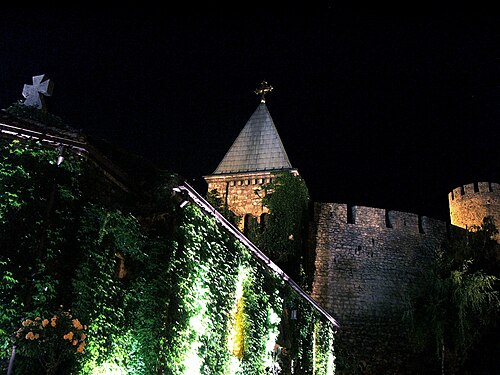
  16. Ružica Church Ružica Church
    22 45 min

    Ružica Church

    Ružica Church is a Serbian Orthodox church situated within Belgrade Fortress, the historic citadel overlooking the confluence of the Sava and Danube rivers.

    • Must see
    • Place of worship
  17. Topčider Topčider
    23 1 hour

    Topčider

    Топчидерски парк

    Topčider is a forest park in Belgrade built around the country residence of Prince Miloš Obrenović, the ruler who founded modern Serbia.

    • Must see
    • Nature site
    • Savski Venac
  18. Royal Palace Royal Palace
    24 1 hr 30 min

    Royal Palace

    Краљевски двор

    The Royal Palace was built between 1912 and 1929 in Dedinje for King Alexander I Karađorđević, its construction interrupted by the Balkan Wars and the First World War and finished only after Alexander proclaimed the Kingdom of Yugoslavia in 1929.

    • Must see
    • Museum
    • Savski Venac
  19. Great War Island Great War Island
    25 3 hours

    Great War Island

    ПИО Велико ратно острво

    Great War Island is an uninhabited river island at the point where the Sava flows into the Danube, inside Belgrade's Zemun municipality.

    • Must see
    • Nature site
    • Zemun
  20. House of Flowers House of Flowers
    26 1 hr 30 min

    House of Flowers

    Кућа цвећа

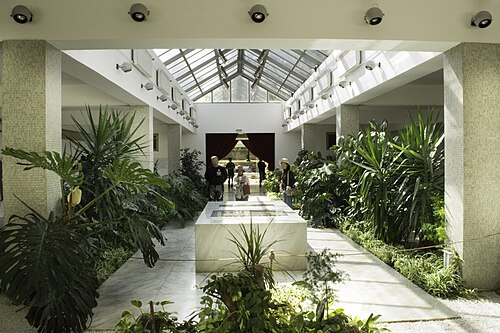
    The House of Flowers is Tito's grave, and it was built as a greenhouse.

    • Must see
    • Museum
    • Savski Venac
  21. Ruins of the National Library of Serbia
    27 15 min

    Ruins of the National Library of Serbia

    Рушевине Народне библиотеке из нацистичког бомбардовања 1941.

    • Must see
    • Historic monument
    • Stari Grad
  22. Singidunum Singidunum
    28 30 min

    Singidunum

    Антички Сингидунум

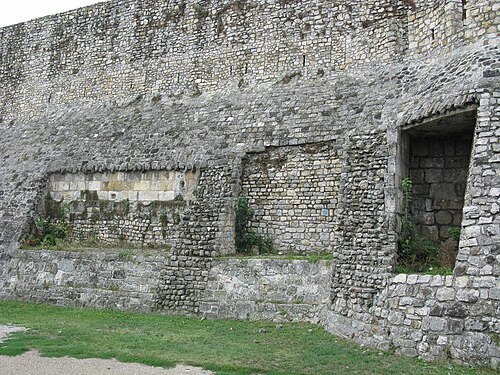
    Singidunum is the Roman name for the fortified settlement that stood on the ridge now occupied by Belgrade Fortress, at the point where the Sava River meets the Danube.

    • Must see
    • Historic monument
    • Stari Grad
  23. Semlin concentration camp Semlin concentration camp
    29 45 min

    Semlin concentration camp

    Сабирни логор Сајмиште

    Staro Sajmište was a trade fair before it was a camp, and people live on the site now.

    • Must see
    • Historic monument
    • New Belgrade
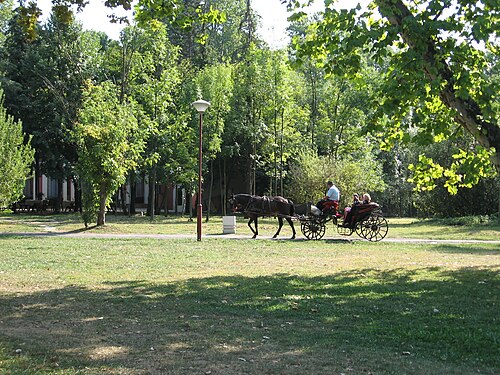
  24. Kalemegdan Park Kalemegdan Park
    30 1 hour

    Kalemegdan Park

    Калемегдан

    Kalemegdan Park is the 53-hectare public park that wraps around Belgrade Fortress on a 125-metre-high cliff at the junction of the Sava and Danube rivers.

    • Must see
    • Nature site
    • Stari Grad
  25. Beli dvor Beli dvor
    31 1 hr 30 min

    Beli dvor

    Бели двор

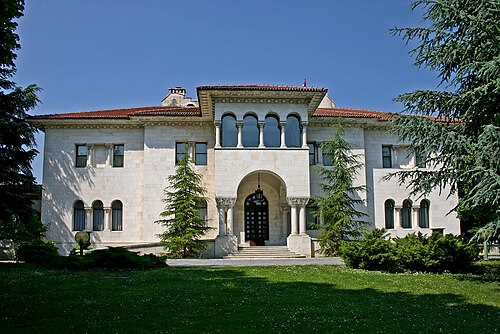
    Beli dvor, the White Palace, was built between 1934 and 1937 in Dedinje as the private residence of Prince Regent Paul of Yugoslavia, who ruled as regent for the young King Peter II from 1934 to 1941.

    • Must see
    • Historic monument
    • Savski Venac

Source: OpenStreetMap contributors, Wikidata ·

Where to base yourself

District boundaries come from OSM administrative relations, so a district page holds exactly the places inside it — plus, for the islands and the coast, the nearest district by proximity.

How the city is laid out

Two Belgrades, split by the Sava.

Old Belgrade sits on the ridge on the right bank, above the confluence. The fortress is at the point; Stari Grad, the old town, runs back from it; Vračar rises behind that with the Church of Saint Sava on top; Dorćol drops north towards the Danube and Savamala south towards the Sava.

New Belgrade is on the left bank of the Sava, built from 1948 onward on empty ground to demonstrate that Yugoslavia was at the forefront of progress. It is towers and boulevards on a grid and it is a different city.

Zemun, further up the Danube on the left bank, was a separate town under Austria-Hungary until the twentieth century and still reads as one — low houses, a hill with a tower, and the border of an empire running through it.

Checked 2026-08-23

Getting around

Trams, buses, trolleybuses and walking. There is no metro.

A metro has been discussed for decades and is not in operation; anyone reading about the Belgrade metro is reading about a construction programme, not a way to get across the city today.

The old town is compact and the walk from the fortress to the Church of Saint Sava takes about half an hour, all of it through the parts a visitor came for. New Belgrade and Zemun need transport.

Taxis are cheap by western European standards and are the usual way across the river at night.

Checked 2026-08-23

More city guides

Common questions

How many days does Belgrade need?

Two to three. Two cover the fortress, Kalemegdan, the old town and the Church of Saint Sava. A third adds Zemun on the Danube and a look at New Belgrade.

Is there a metro?

No. Belgrade runs trams, buses and trolleybuses, and a metro has been discussed for decades without entering service. The old town is walkable and taxis are cheap.

What does Beograd mean?

White city. The name is literal.

Why is the city so scarred?

It stands where the Sava meets the Danube, which made it the frontier between empires. It has been fought over in 115 wars and razed 44 times.

What is the difference between Old and New Belgrade?

The Sava. Old Belgrade is the ridge above the confluence with the fortress at its point. New Belgrade is on the left bank, built from 1948 on empty ground as a demonstration of Yugoslav modernity.

Which districts should I stay in?

Stari Grad for the old town, Vračar behind it for a quieter residential base, Dorćol towards the Danube and Savamala on the Sava for the nightlife. Zemun is a separate town in feel and is further out.