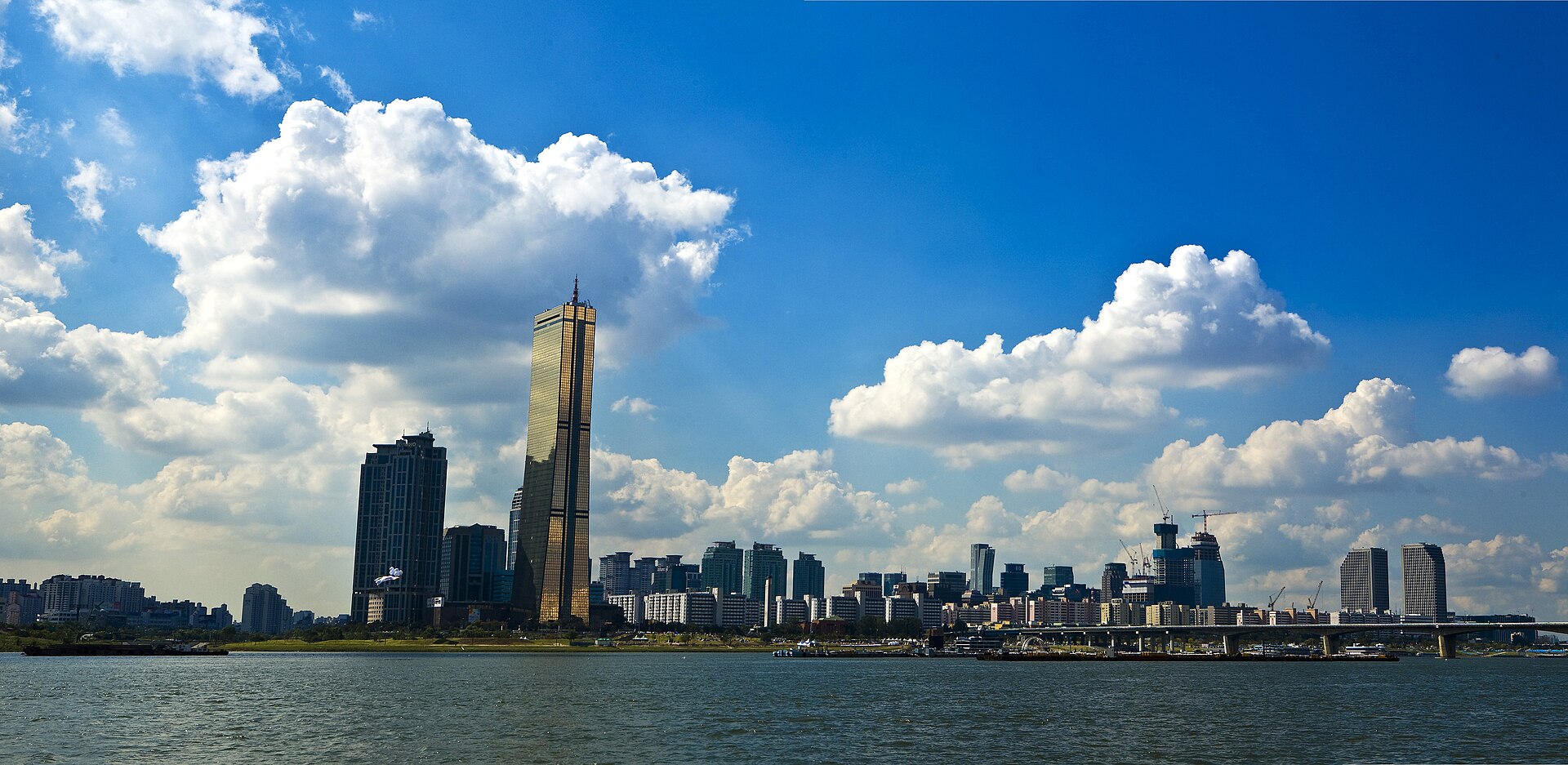
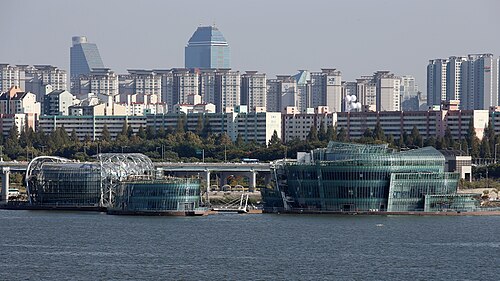
A photograph of Seoul

City guide · South Korea

Seoul

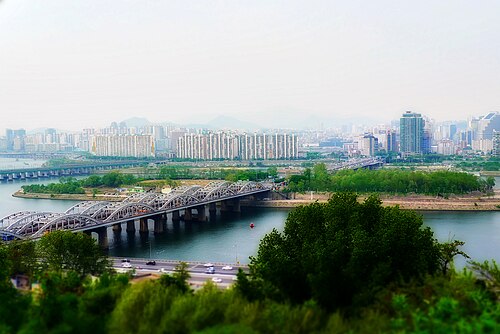
Seoul is South Korea's capital, spread across both banks of the Han River. The historic palace city lies north of the river around Jongno, Gwanghwamun and Namsa...

Photograph · USAGI_POST · CC0

10,016 Places
Suggested stay
Not recorded
Getting around
Subway, bus and walking

Turn this list into a plan

Set your days, your pace and the hours you actually want to be out. The planner works around closing days and travel time, and leaves room to eat.

Plan Seoul

Reviewed by Elena Voss · Roavina Travel Editor

Seoul is South Korea's capital, spread across both banks of the Han River. The historic palace city lies north of the river around Jongno, Gwanghwamun and Namsan, while later commercial and residential centres extend south into Gangnam and east and west along the metropolitan rail corridors. The city is best approached as linked districts rather than one continuous centre: royal palaces and traditional neighbourhoods, central markets and museums, riverside areas, university quarters, and the newer southern business districts each form practical sightseeing clusters.

Checked 2026-08-26

Practical information

Language spoken
Korean
National practical orientation; regional and minority languages may also be used
Dialling code
+82
International calling code; local area and mobile prefixes still apply
Currency
South Korean won (KRW)
Use the official local currency; card acceptance varies by place
Emergency number
112 police · 119 fire and ambulance
Use only for an emergency; tourist assistance may use a separate number
Plug type
Type C and F · 220 V
Check that chargers support the recorded voltage before using an adapter
Tap water
Not recorded
No verified nationwide visitor statement was recorded

Planning a visit

September · September cools Seoul to a 26.2°C mean high, while rainfall falls to 141.5 mm over 9.1 days.

  1. January: recurring difficult conditions
  2. February: recurring difficult conditions
  3. March: good time to visit
  4. April: best time to visit
  5. May: best time to visit
  6. June: viable with meaningful trade-offs
  7. July: recurring difficult conditions
  8. August: recurring difficult conditions
  9. September: good time to visit — current month
  10. October: best time to visit
  11. November: good time to visit
  12. December: recurring difficult conditions

Sources

Top things to see

Ranked by importance — sitelinks, pageviews and heritage status, not editor preference.

  1. Some Sevit Some Sevit
    32 45 min

    Some Sevit

    세빛섬

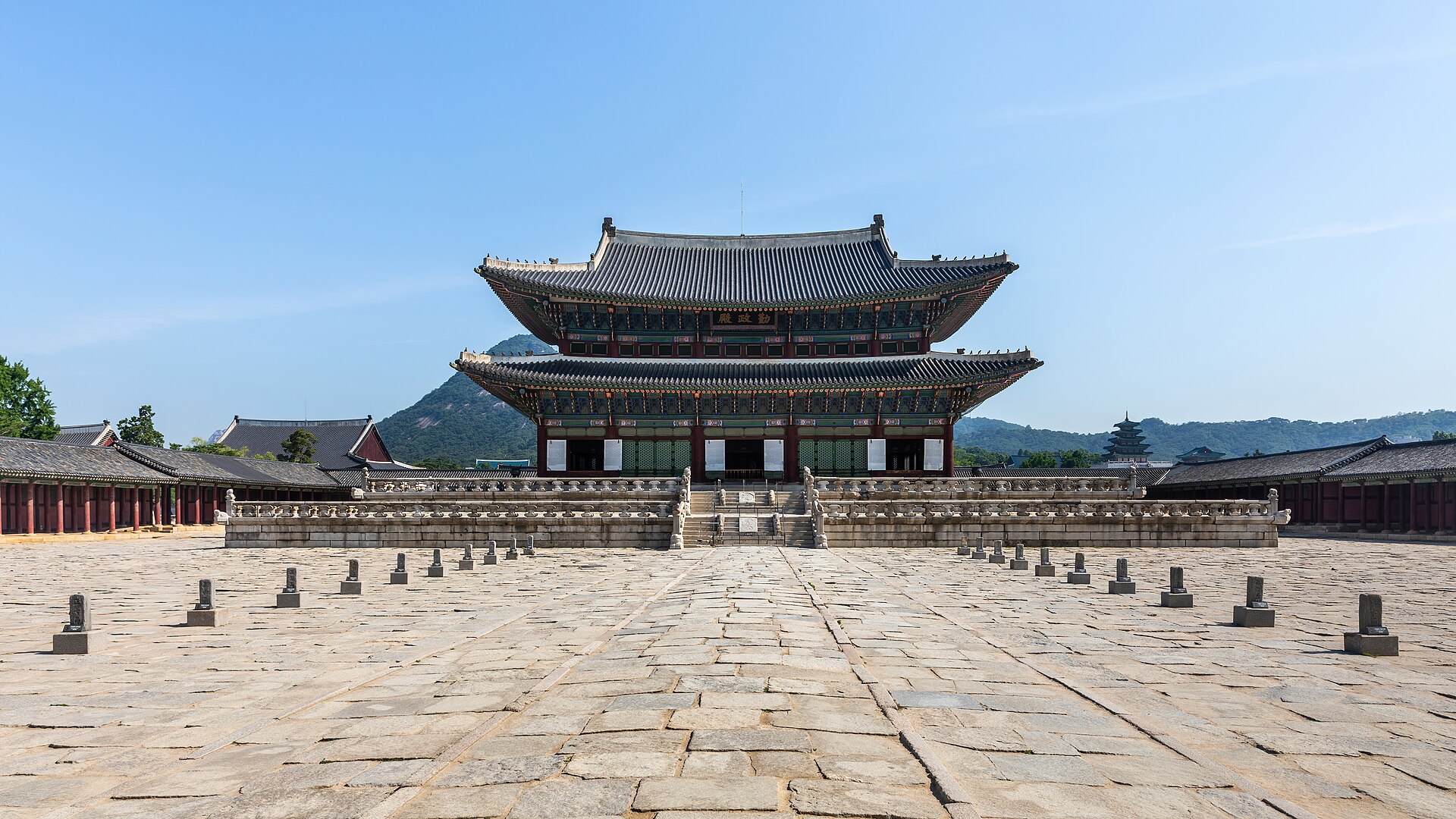
    Some Sevit, known locally as 세빛섬, comprises three artificial islands situated on the Han River in Seoul, South Korea. The complex was developed as a distinctive riverside landmark and cultural venue.

    • Must see
    • Historic monument
  2. Tapgol Park Tapgol Park
    33 1 hour

    Tapgol Park

    탑골공원

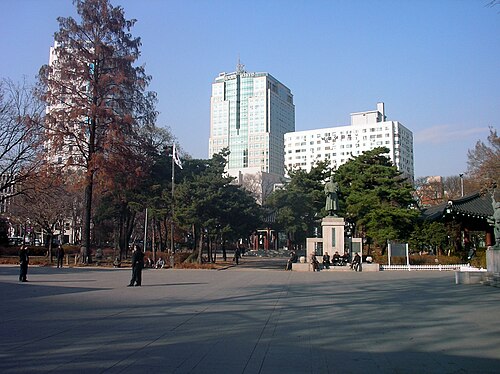
    Tapgol Park, known locally as 탑골공원, is a historic public park located in the Jongno district of central Seoul. The park occupies a site of considerable historical significance in Korean modern history.

    • Must see
    • Nature site
  3. Mongchontoseong Mongchontoseong
    34 45 min

    Mongchontoseong

    몽촌토성

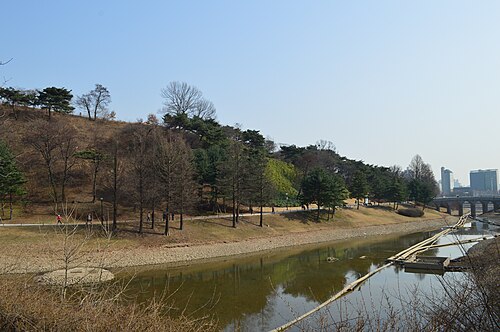
    Mongchontoseong is an earthen fortress site in Seoul’s Songpa-gu district, within Olympic Park. Its broad ramparts represent Baekje-period defensive architecture and create a striking contrast with the modern city around them.

    • Must see
    • Historic monument
  4. Amsa-dong Prehistoric Site Amsa-dong Prehistoric Site
    35 45 min

    Amsa-dong Prehistoric Site

    서울 암사동 유적

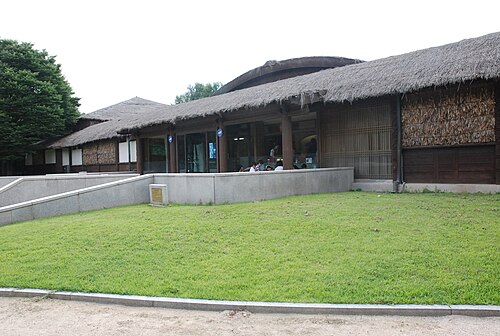
    Amsa-dong Prehistoric Site is an archaeological place in eastern Seoul preserving evidence of Neolithic settlement beside the Han River. The site connects the modern capital with early human occupation of the Korean peninsula.

    • High
    • Historic monument
  5. Wongaksa Pagoda Wongaksa Pagoda
    36 45 min

    Wongaksa Pagoda

    서울원각사지십층석탑

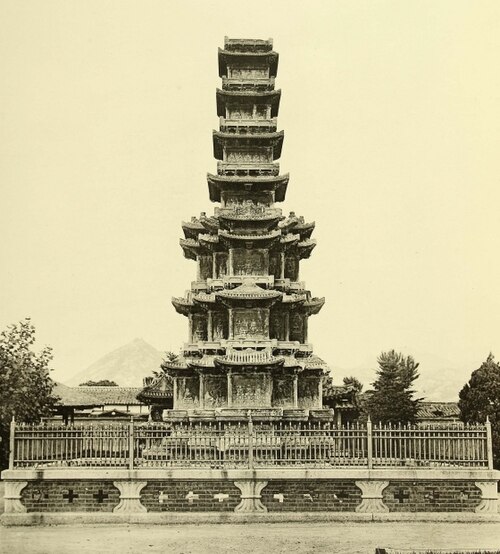
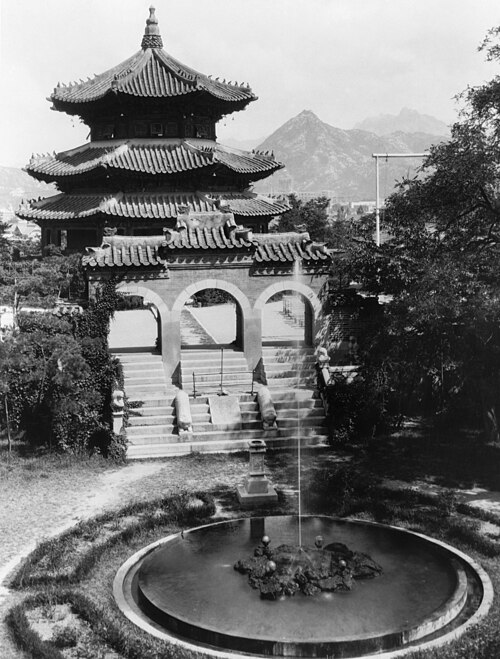
    Wongaksa Pagoda, known locally as Seoul Wongaksaji Sipcheungseoktap, stands as a significant stone pagoda in Seoul, South Korea. The structure represents a notable example of Joseon-era Buddhist architecture, originally associated with Wongaksa Temple.

    • High
    • Historic monument
  6. Hwangudan Hwangudan
    37 45 min

    Hwangudan

    환구단

    Hwangudan, also called the Altar of Heaven, is a compact historic monument in central Seoul. Its round altar tradition reflects royal rituals dedicated to Heaven, while the surviving complex is closely connected with the Korean Empire period.

    • High
    • Historic monument
  7. Art Sonje Center Art Sonje Center
    38 1 hour

    Art Sonje Center

    아트선재센터

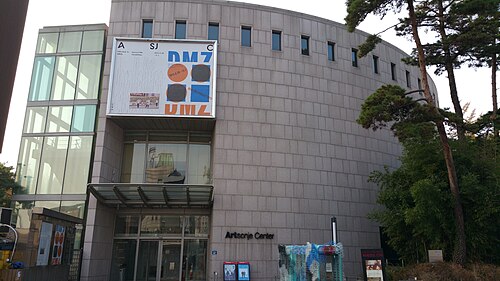
    Art Sonje Center, also known locally as 아트선재센터, is a contemporary art institution in Seoul. The center presents modern and contemporary exhibitions and related cultural programmes in a dedicated setting for artistic discussion.

    • High
    • Art and culture venue
  8. Ilmin Museum of Art Ilmin Museum of Art
    39 1 hour

    Ilmin Museum of Art

    일민미술관

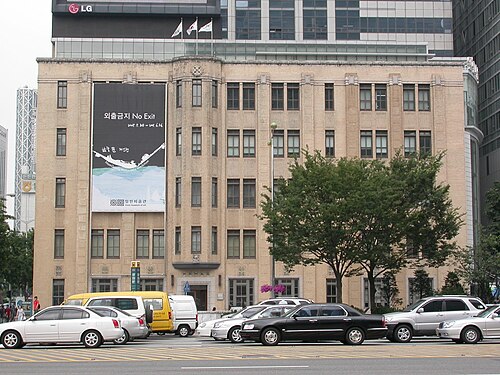
    Ilmin Museum of Art, known locally as 일민미술관, is a visual-arts museum in Seoul. The museum offers travelers an art-focused stop within the capital's wider cultural landscape.

    • High
    • Art and culture venue
  9. SOMA Museum of Art SOMA Museum of Art
    40 1 hour

    SOMA Museum of Art

    소마미술관

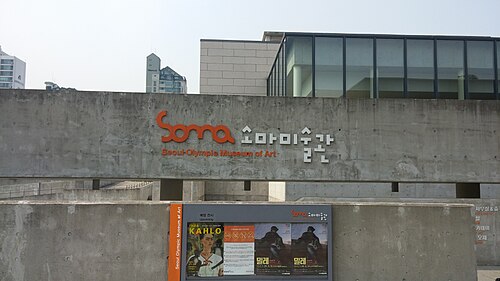
    SOMA Museum of Art is a contemporary art museum in Seoul’s Olympic Park, known locally as 소마미술관. Its setting connects an indoor art experience with one of the city’s major park landscapes.

    • High
    • Art and culture venue
  10. Kumho Museum of Art Kumho Museum of Art
    41 1 hour

    Kumho Museum of Art

    금호미술관

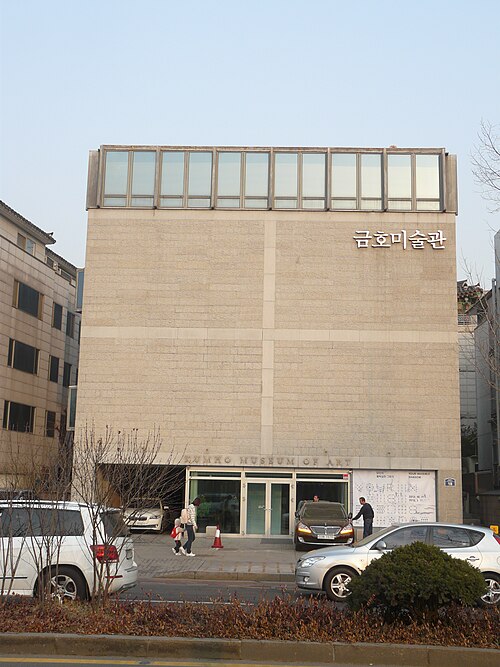
    Kumho Museum of Art, known locally as 금호미술관, is a private art museum in Seoul. The institution operates within the Kumho cultural umbrella and presents modern and contemporary art exhibitions.

    • High
    • Art and culture venue
  11. Dongdaemun Shopping Complex Dongdaemun Shopping Complex
    42 45 min

    Dongdaemun Shopping Complex

    동대문종합시장

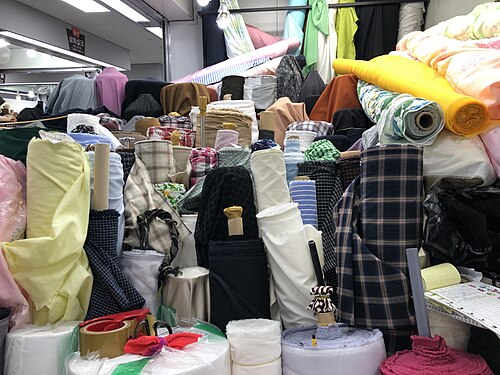
    Dongdaemun Shopping Complex, known locally as 동대문종합시장, is a traditional market complex in Seoul’s Dongdaemun commercial district. It is a wholesale and retail destination associated with textiles, fabrics, clothing materials, and related goods.

    • High
    • Market
  12. Tongin Market
    43 45 min

    Tongin Market

    통인시장

    Tongin Market is a traditional Korean market located in the Jongno district of Seoul. It operates as a covered alleyway market with numerous small vendors selling various goods.

    • High
    • Market
  13. Gyeongdong Market Gyeongdong Market
    44 45 min

    Gyeongdong Market

    경동시장

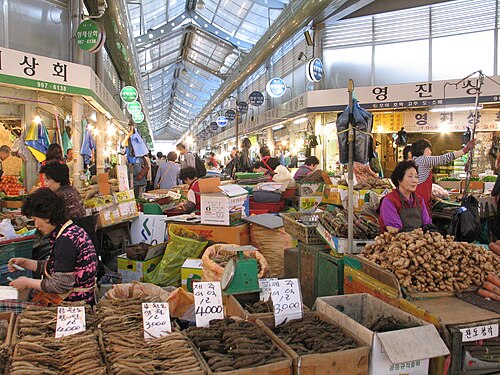
    Gyeongdong Market, also known as 경동시장, is a traditional market in Seoul. It is a working commercial place where daily shopping takes place rather than a museum arranged for sightseeing.

    • High
    • Market
  14. Hwanghak-dong Flea Market Hwanghak-dong Flea Market
    45 45 min

    Hwanghak-dong Flea Market

    황학동 도깨비시장

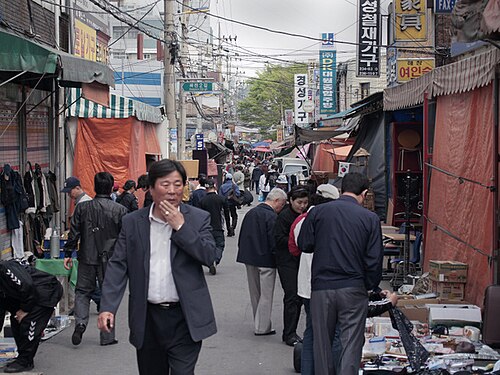
    Hwanghak-dong Flea Market, locally named 황학동 도깨비시장, is a traditional flea market in Seoul, South Korea. The market occupies a distinctive position within the city's commercial landscape, serving as a gathering point for secondhand goods and vintage items.

    • High
    • Market
  15. Seoul Book Bogo Seoul Book Bogo
    46 45 min

    Seoul Book Bogo

    서울책보고

    Seoul Book Bogo, known locally as 서울책보고, is a city-backed cultural facility in Seoul dedicated to books, reading and literary culture.

    • High
    • Market
  16. Bukchon Art Museum Bukchon Art Museum
    47 1 hour

    Bukchon Art Museum

    북촌미술관

    Bukchon Art Museum, known locally as 북촌미술관, is a cultural institution in Seoul’s historic Bukchon Hanok Village.

    • High
    • Art and culture venue
  17. Seoul Children's Grand Park Seoul Children's Grand Park
    48 1 hour

    Seoul Children's Grand Park

    서울어린이대공원

    Seoul Children's Grand Park is a major public park in Seoul, South Korea. Its local name is 서울어린이대공원. The park occupies a significant green space within the urban environment and serves as a recreational destination for families and visitors.

    • High
    • Nature site
  18. KBS Hall KBS Hall
    49 1 hour

    KBS Hall

    KBS홀

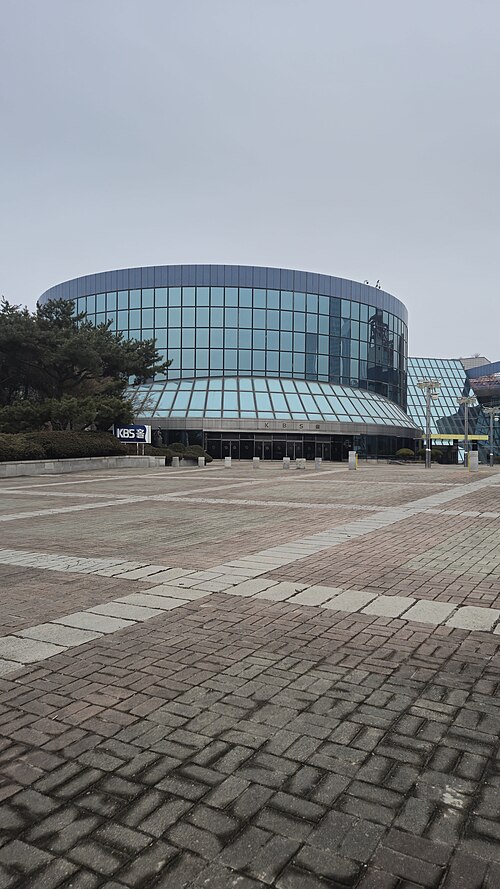
    KBS Hall is a major performance venue in Seoul operated by Korean Broadcasting System, South Korea’s national public broadcaster. The hall hosts concerts, television recordings and live performances, placing it at the intersection of Korean entertainment, music and broadcasting.

    • Notable
    • Art and culture venue
  19. Milal Museum of Art
    50 1 hour

    Milal Museum of Art

    밀알미술관

    The Milal Museum of Art, known locally as 밀알미술관, is an art museum in Seoul, South Korea. The place belongs to Seoul’s varied museum landscape, which includes large national institutions as well as smaller cultural venues.

    • Notable
    • Art and culture venue
  20. Nodeulseom Nodeulseom
    51 1 hour

    Nodeulseom

    노들섬

    Nodeulseom is an artificial island in the Han River within Seoul, South Korea. Its Korean name is 노들섬. The island is a riverside public destination where open views, water, sky and the surrounding city come together.

    • Notable
    • Art and culture venue
  21. Olympic Weightlifting Gymnasium
    52 1 hour

    Olympic Weightlifting Gymnasium

    우리금융아트홀

    Olympic Weightlifting Gymnasium, locally known as 우리금융아트홀 (Woori Financial Art Hall), is an indoor venue in Seoul that began as a weightlifting facility for the 1988 Summer Olympics.

    • Notable
    • Art and culture venue
  22. Seoul National University Museum of Art
    53 1 hour

    Seoul National University Museum of Art

    서울대학교 미술관

    Seoul National University Museum of Art is a university museum affiliated with Seoul National University, one of South Korea's most prestigious higher education institutions.

    • Notable
    • Art and culture venue
  23. Seokchon Lake Park Seokchon Lake Park
    54 1 hour

    Seokchon Lake Park

    송파나루공원

    Seokchon Lake Park, also known as 송파나루공원, is a public park in Seoul's Songpa district built around Seokchon Lake. It offers water views and landscaped walking space beside one of the city's busiest commercial and entertainment areas.

    • Notable
    • Nature site
  24. Statue of Peace Statue of Peace
    55 1 hour

    Statue of Peace

    평화의 소녀상

    The Statue of Peace, known locally as 평화의 소녀상, is a memorial statue located in Seoul. It commemorates the victims of Japanese military sexual slavery during World War II, often referred to as comfort women.

    • Notable
    • Art and culture venue
  25. Dongdaemun History & Culture Park Dongdaemun History & Culture Park
    56 1 hour

    Dongdaemun History & Culture Park

    동대문역사문화공원

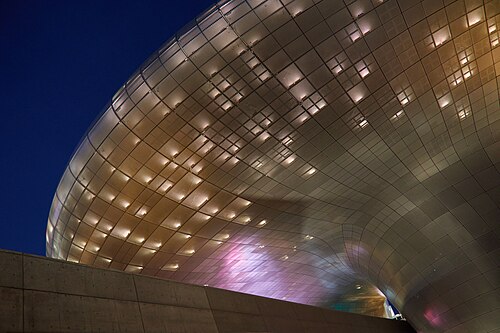
    Dongdaemun History & Culture Park is a public cultural park in Seoul built around the historic Dongdaemun area. It brings together open landscaped grounds, archaeological remains, old fortress-wall fragments and the striking Dongdaemun Design Plaza.

    • Notable
    • Nature site

Source: OpenStreetMap contributors, Wikidata ·

How the city is laid out

The Han River is the clearest dividing line. North of it, the palace-and-Namsan core includes Gwanghwamun, Jongno, Bukchon, Insadong, Dongdaemun and Myeongdong. Westward, Hongdae and the university districts form another cluster; Yeouido occupies an island in the river. South of the Han, Gangnam, Apgujeong and Samseong are modern commercial areas with their own attractions. Seoul's official visitor maps divide suggested routes into the downtown palace and Namsan area, Apgujeong, Gangnam and Samseong, which is a useful way to avoid repeated cross-city travel.

Checked 2026-08-26

Getting around

Use the subway as the default between districts and walk within each cluster. Stations and lines are colour-coded, exits are numbered, and major information appears in Korean and English. A Tmoney transport card can be used across the network; single-journey passes are also available from station machines. Buses reach areas beyond convenient rail stops, but the official visitor guide notes that they can be harder for first-time visitors despite colour-coded route types. Check the official transport page for current operating information before travel.

Checked 2026-08-26

More city guides

Common questions

How many days should I spend in Seoul?

A fixed stay length is not recorded. Allocate time by district: the palace core, central markets and museums, a western neighbourhood such as Hongdae, and the southern districts if they match your interests.

What divides northern and southern Seoul?

The Han River. The older palace city and Namsan are north of it, while Gangnam, Apgujeong and Samseong form major visitor clusters on the south side.

Is Seoul's subway suitable for first-time visitors?

Yes. Lines are colour-coded, station exits are numbered, and major signs use Korean and English. The official tourism guide recommends the subway as one of the most efficient ways to cross the city.

Should I use buses or the subway?

Use the subway for most cross-city journeys. Buses are useful for areas between stations, but route information can be less intuitive for a first visit even though services are colour-coded.

Can I cover the palaces and Gangnam in one walking route?

No. They sit in different city clusters on opposite sides of the Han River. Use the subway between them and reserve walking for the sights within each district.