
9 min walk
Museum of the Americas
- Must see · Heritage site
- Museum
Language · 11 published
Museum · Madrid
Reviewed by Elena Voss · Roavina Travel Editor
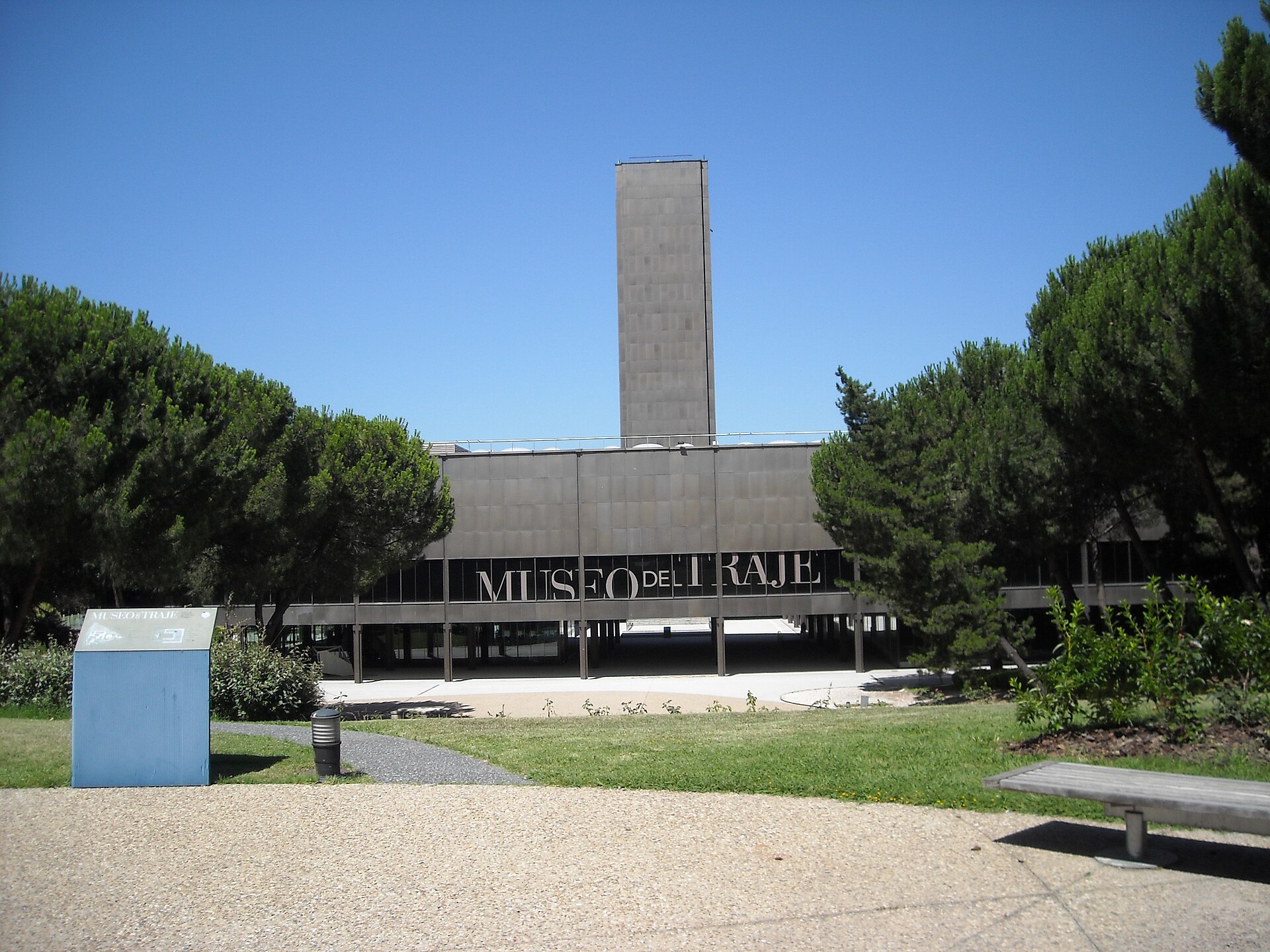
This place is a Museum. It was established in 1925.
Museo del Traje is Madrid’s museum of clothing, fashion and textile heritage. It belongs to Spain’s state museum network and follows the development of dress through historical periods and contemporary design. The purpose-built modern facility supports public exhibitions as well as research, conservation and education. It is a rewarding destination for travellers who want to understand how clothing reflects identity, society, technique and changing taste. Museo del Traje is a museum in Madrid dedicated to the history of clothing and fashion. The institution forms part of Spain's network of state museums. Its collections trace the evolution of dress from historical periods through to contemporary design. The museum occupies a purpose-built modern facility. It serves as a research and conservation centre for textile heritage alongside its public exhibition function. The building provides climate-controlled storage and display conditions appropriate for delicate fabric collections. Educational programming complements the permanent holdings. The museum presents fashion and textile history through garment displays that may engage children with interest in clothing or design. Younger visitors might find extended viewing of static displays challenging. Parental guidance enhances educational value.
Checked 2026-08-26 · Source
The displays bring together historical garments, accessories and textiles from Spanish and international dress traditions. Everyday clothing stands alongside ceremonial and elite attire, allowing visitors to compare social roles, materials and construction methods. The museum also presents fashion history through changing exhibitions, while study, archive and conservation work supports the wider collection. Look for details in seams, fabrics, decoration and accessories that reveal how garments were made and worn. The museum contains extensive collections of historical garments, accessories, and textiles representing Spanish and international dress traditions. Exhibits span multiple centuries of fashion history. The holdings include everyday clothing alongside ceremonial and elite attire. Documentation supports the material collections, providing context for construction techniques and social usage. Temporary exhibitions rotate through dedicated gallery spaces. The institution maintains a study collection accessible to researchers. Textile conservation laboratories operate within the facility. Library and archive resources support scholarly investigation into costume history and related fields.
Checked 2026-08-26 · Source
A visit to the permanent displays commonly takes about ninety minutes to two hours. Allow longer if you read labels closely, have a specialist interest in textile history or add a temporary exhibition. The modern layout supports a steady route through chronological and thematic material. Take short pauses during a longer visit so that you can continue noticing delicate fabrics, accessories and construction details without tiring. A complete visit to Museo del Traje typically requires between ninety minutes and two hours for visitors engaging with the permanent displays.
Checked 2026-08-26 · Source
Museo del Traje is a useful indoor destination in every season. Madrid’s hot summers make the climate-controlled galleries a comfortable pause, while winter visits provide a focused cultural activity away from the streets. Weekday mornings may suit visitors seeking a quieter pace. Time your arrival around any temporary exhibition or educational activity that you particularly want to include in the visit.
Checked 2026-08-26 · Source
As a state museum, Museo del Traje has an organised admission system that can differ between its permanent displays and temporary exhibitions. Include the museum’s Spanish name when searching for visitor information or navigating Madrid. It fits well into a cultural day centred on fashion, design and heritage. Visitors with limited time can focus on the main collection, while specialists may want longer for exhibitions and research-related displays.
Checked 2026-08-26 · Source
The museum is part of Madrid’s urban transport network and can be reached by metro or bus followed by a walk. Taxi travel offers a direct alternative, while cycling can suit visitors already using Madrid’s urban bike infrastructure. Plan the final approach through the surrounding streets rather than treating the museum as a stop directly beside a major landmark. Its modern building provides a clear destination once you reach the area.
Checked 2026-08-26 · Source
Textiles and historic garments are vulnerable objects, so keep hands, bags and loose belongings away from display cases. Children can enjoy the colours, shapes and stories of clothing, but close supervision helps protect the collection. The building is modern, yet gallery movement and visitor facilities still require ordinary awareness. Dress in layers for the transition between Madrid’s outdoor heat and the cooler museum environment.
Checked 2026-08-26 · Source
Garments, accessories and textiles provide detailed subjects for photography, especially when you focus on pattern, stitching, texture and decorative technique. Follow the rules displayed in each exhibition and keep flash away from light-sensitive materials where restricted. Avoid tripods or selfie sticks if they obstruct circulation. A respectful distance protects cases and leaves clear sightlines for visitors studying the same clothing and textile displays.
Checked 2026-08-26 · Source
It focuses on the history of clothing, fashion, accessories and textiles from historical periods through contemporary design.
Children can encounter colourful garments, accessories and textiles while learning how clothing reflects different periods and social roles.
Yes. Its holdings include Spanish dress traditions alongside international clothing and textile material.
The permanent displays generally suit a visit of about ninety minutes to two hours; temporary exhibitions can extend the visit.
Alongside exhibitions, the institution supports textile research, conservation, education, study collections, archives and library resources.
Metro and bus services followed by a walk are practical options; taxis provide a direct alternative in Madrid.
Loading the interactive map…
The interactive map could not be loaded.

Last updated:
Source: OpenStreetMap contributors, Wikidata ·