
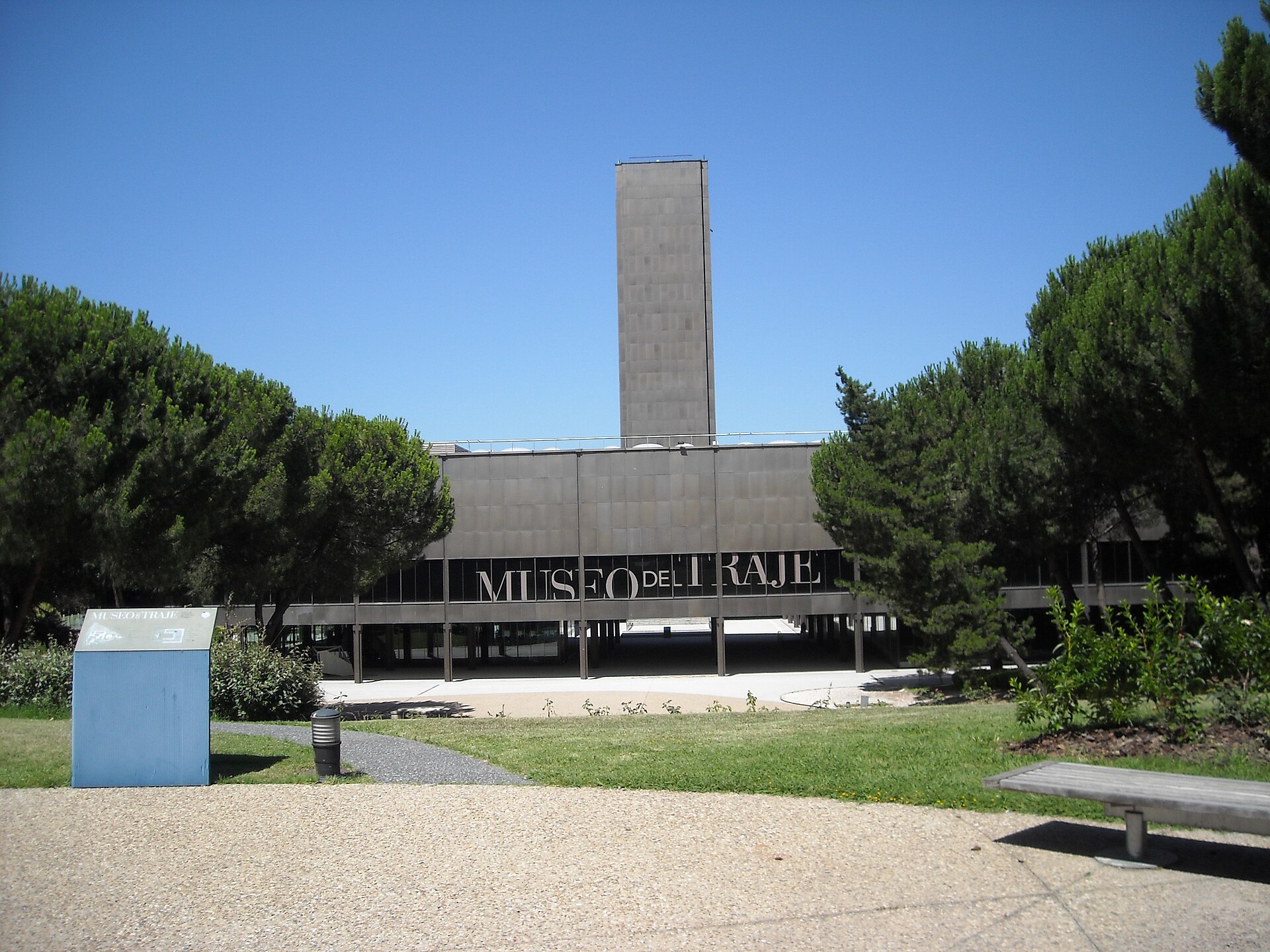
9 min walk
Museo del Traje
- Must see
- Museum
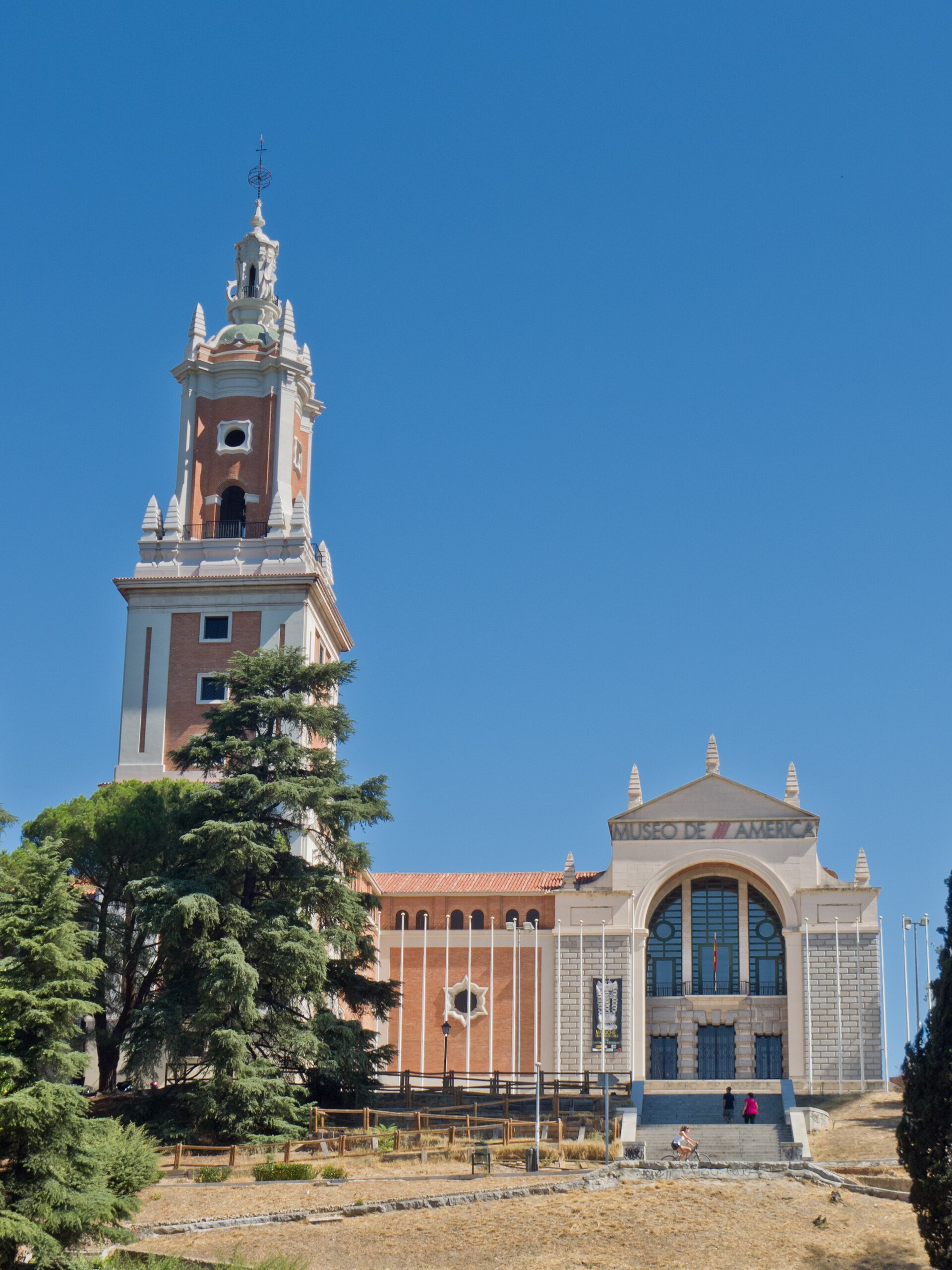
Museum · Madrid
Museo de América
The Museum of the Americas is a Madrid museum devoted to the art, archaeology, and ethnography of the American continents. In Ciudad Universitaria, near Moncloa, it brings together objects connected with societies from North, Central, and South America. Its displays move from prehistoric cultures through the colonial period and into the continuing traditions of indigenous communities. The museum is especially valuable for travelers who want to place American history, Spanish imperial connections, and cultural exchange within one institution. Visit with time to compare objects from different regions rather than treating the museum as a single-period collection.
Checked 2026-08-26 · Source
Inside, the collections combine archaeology, ethnography, indigenous crafts, colonial art, and religious works. Pre-Columbian objects introduce civilizations and artistic traditions that developed before European contact. Other galleries address the colonial period, when materials, beliefs, and visual languages changed through contact and conflict. Ethnographic displays show the persistence and transformation of indigenous cultures into the present. The geographic range is broad, so a visit rewards travelers who pause to identify differences between regions and materials. Look for the links between practical objects, ceremonial works, and the historical circumstances in which each group was made.
Checked 2026-08-26 · Source
Allow roughly two to three hours for a considered visit. That gives enough time to move through the permanent collections, read selected interpretation, and return to objects that catch your attention. Travelers concentrating on archaeology, colonial art, or indigenous ethnography may want longer. A visit of less than ninety minutes can introduce the museum, but it leaves little time for comparison across periods and regions. If this is one stop among several Madrid museums, choose a smaller set of galleries and follow the themes that interest you most instead of trying to absorb every label.
Checked 2026-08-26 · Source
The Ciudad Universitaria setting gives the museum a different rhythm from Madrid’s busiest central museum streets. Weekday mornings can suit travelers who prefer a quieter museum visit, while weekends and periods of university activity may bring more visitors, including student and educational groups. The collections work well in any season because the experience is primarily indoors. Build the stop around the museum rather than a rushed sequence of nearby landmarks, since the broad historical range rewards sustained attention. The museum is a strong choice when your Madrid day includes interest in American civilizations and Spain’s connections with them.
Checked 2026-08-26 · Source
The museum’s collection is organized as a cultural visit rather than a commercial attraction, and admission arrangements belong to the institution’s own visitor service. Once inside, plan your time around the galleries and interpretation rather than expecting a short sightseeing stop. Travelers interested in Spanish colonial history should leave room for the colonial art displays, while visitors focused on indigenous cultures may prefer to spend longer with ethnographic objects and crafts. The museum’s subject makes it a useful companion to Madrid’s other history museums because it shifts attention from Spain itself to the American worlds connected to it.
Checked 2026-08-26 · Source
The museum is in Madrid’s Ciudad Universitaria area, close to the Moncloa district and its major transport interchange. Metro and bus services make Moncloa the practical orientation point for reaching this part of the city, followed by a walk to the museum. The university setting is more spread out than the compact historic centre, so allow time for the final approach after leaving public transport. A taxi can simplify the journey when carrying luggage or traveling in a group. On foot, the museum fits naturally with a day exploring the Moncloa and university surroundings.
Checked 2026-08-26 · Source
Some displays address colonial violence, indigenous dispossession, religious conversion, and the unequal relationships created by empire. Read the museum’s interpretation in context, especially when objects are presented across pre-Columbian, colonial, and contemporary sections. The collections are varied, and the amount of historical information can make a fast visit feel fragmented. Give yourself time to move between galleries and keep track of the regional differences. The university district can be busy around academic activity, while private-car parking may be inconvenient. Follow gallery rules around bags, security, and distance from objects.
Checked 2026-08-26 · Source
Treat photography as gallery-specific. Some objects or displays may permit personal photographs, while others may have restrictions connected with conservation, loans, or exhibition design. Flash, tripods, and filming can interfere with other visitors and with the care of sensitive works, so keep equipment unobtrusive and follow the signs in each room. The strongest photographic subjects are often the arrangement of objects and the details of materials, but the museum’s interpretation and the objects themselves deserve priority. When a display gives a different instruction, follow that instruction for the relevant gallery.
Checked 2026-08-26 · Source
It focuses on the art, archaeology, and ethnography of the Americas, including pre-Columbian objects, colonial art, indigenous crafts, and materials connected with contemporary indigenous cultures.
It is in Madrid’s Ciudad Universitaria area, near the Moncloa district and its transport interchange.
The collections cover prehistoric and pre-Columbian cultures, the colonial period, and the continuing development of indigenous cultures into the present.
Plan approximately two to three hours for a broad visit. A shorter visit can work if you select one theme, such as archaeology or colonial art.
Alongside archaeology, the museum presents ethnographic materials, indigenous crafts, colonial art, and religious works from across the Americas.
Yes. The museum is located in Ciudad Universitaria, close to Moncloa, making the Moncloa transport interchange a useful approach point.
Loading the interactive map…
The interactive map could not be loaded.
Last updated:
Source: OpenStreetMap contributors, Wikidata ·