

_01.jpg)


7 min walk
Royal Observatory of Madrid
- Must see · Heritage site
- Nature site
Language · 11 published
Museum · Madrid
Real Fábrica de Tapices
Reviewed by Elena Voss · Roavina Travel Editor
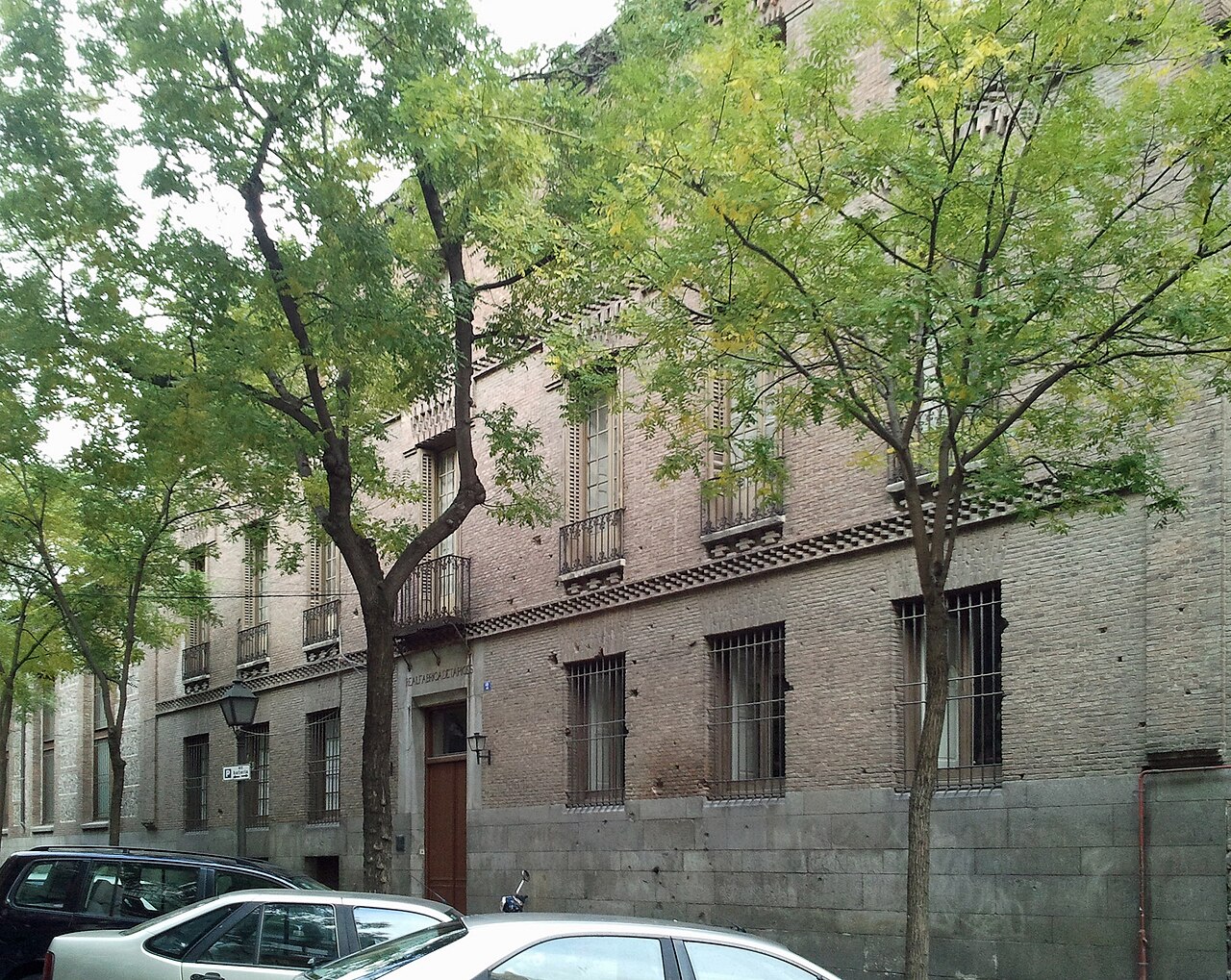
This place is a Museum. It was established in 1720. It was built in the neo-Mudéjar style. It was designed by José Segundo de Lema. It carries the bien de interés cultural heritage designation.
The Royal Tapestry Factory, or Real Fábrica de Tapices, is a historic Madrid manufactory with centuries of royal connections. Its distinctive appeal is the survival of hand-woven tapestry production as a living craft. Rather than presenting decorative art only as a finished object, the factory connects Spanish cultural heritage with the skilled work needed to create, preserve and display woven designs. It suits travellers interested in textiles, craft, royal history and the working traditions behind major decorative artworks. The Royal Tapestry Factory, known locally as Real Fábrica de Tapices, is a historic manufactory in Madrid. Founded by royal charter, it has produced hand-woven tapestries for centuries. The institution represents a significant part of Spanish cultural heritage and royal patronage of the decorative arts. It continues traditional weaving techniques that have been passed down through generations of craftsmen. Yes, it remains an active manufactory where artisans continue traditional hand-weaving techniques. Working demonstrations may be available, but specific schedules require direct confirmation with the factory.
Checked 2026-08-26 · Source
Inside, working looms and textile-making spaces show how artisans produce tapestries through traditional methods. Visitors can look closely at the relationship between a design and the woven surface, and may encounter historical pieces connected with the factory’s long production history. The experience is valuable because the craft is visible as a process: threads, tools, patient handwork and the gradual development of an image all contribute to the finished textile. Move slowly enough to notice texture, scale and the concentration required by the work.
Checked 2026-08-26 · Source
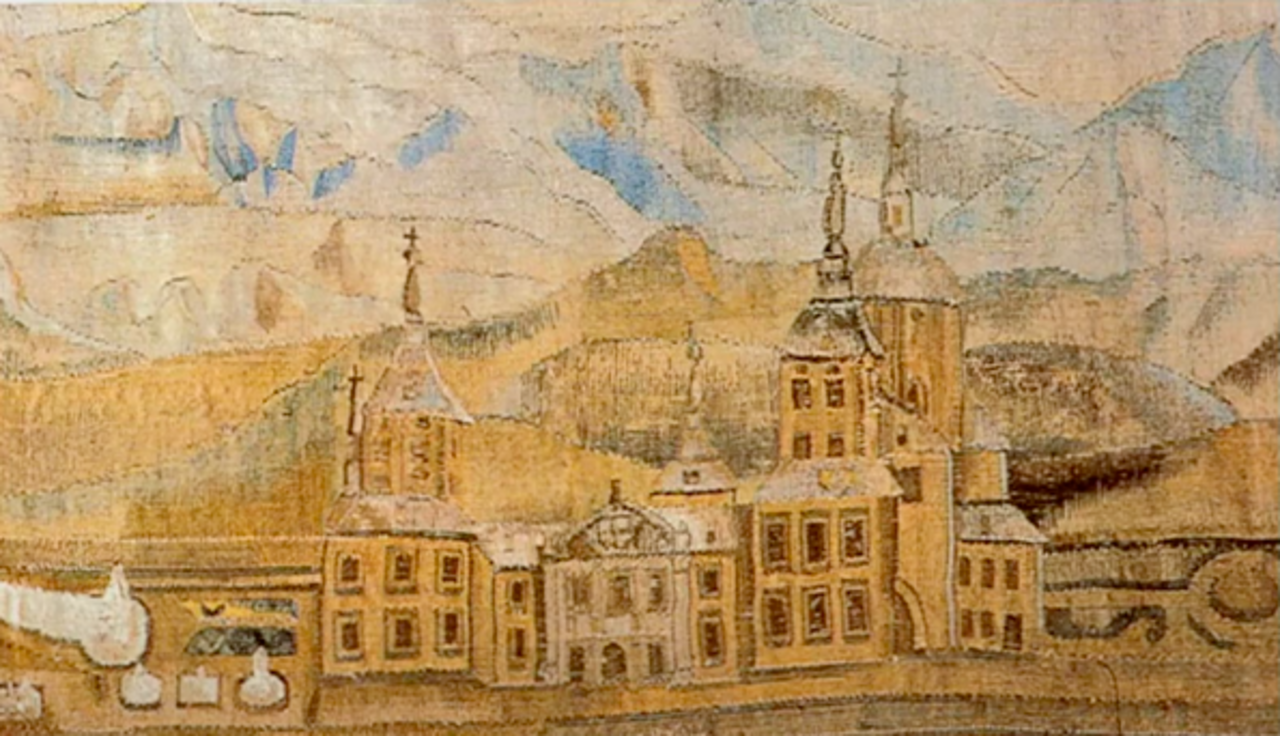
Give the factory enough time for both the working craft and the historical material. A quick visit can introduce the looms and the basic idea of hand weaving, while a more attentive visit rewards close observation of technique, design and finished pieces. Your pace will depend on how much interest you have in textiles and decorative arts. Leave a little flexibility around the visit, since watching detailed manual work is better when you are not hurrying towards the next timed attraction.
Checked 2026-08-26 · Source
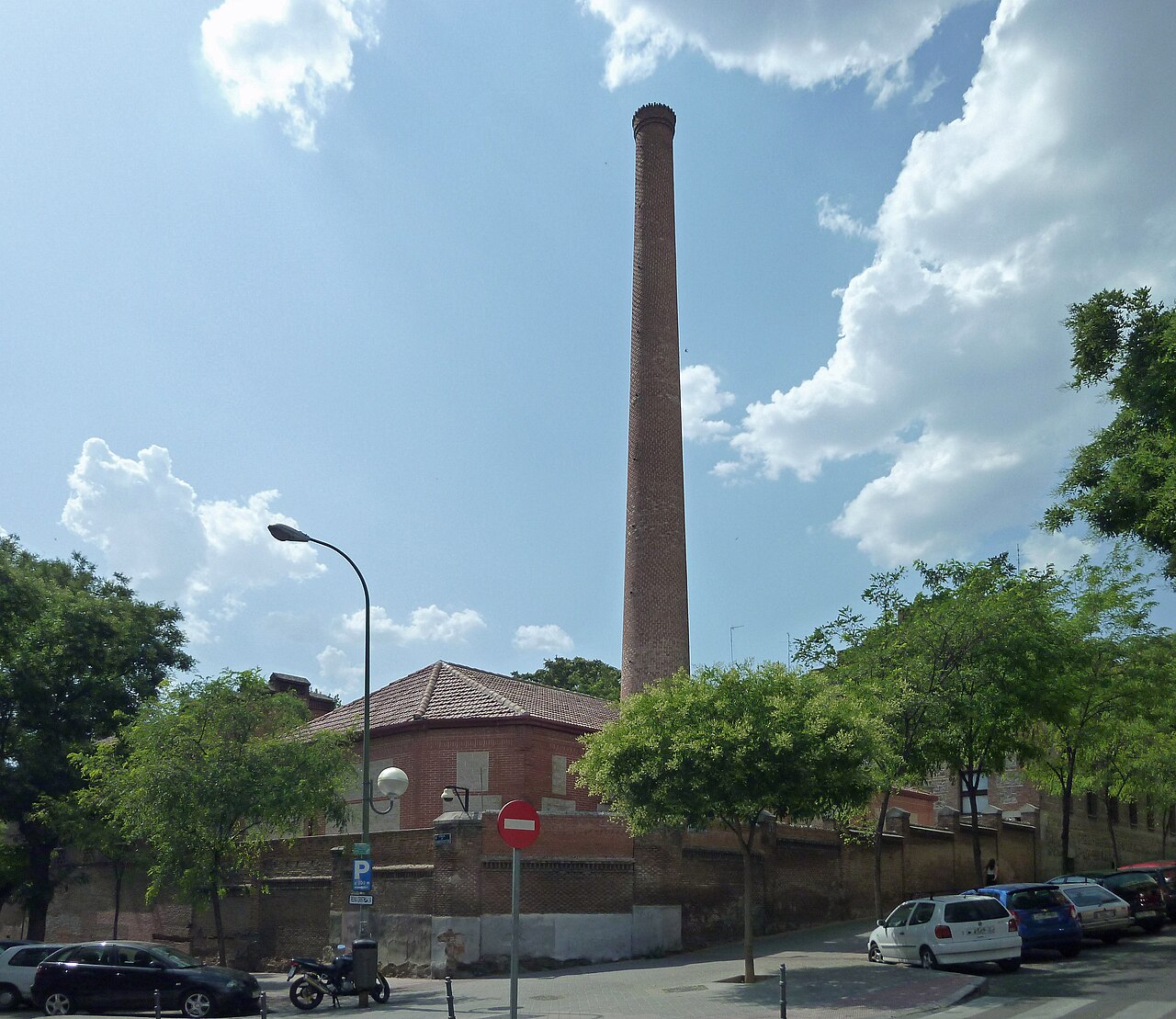
The best moment to visit is one that allows attention to remain on the weaving and the objects around it. Active production gives the factory its strongest sense of place, while historical displays add context to the craft. Build the stop into a day devoted to Madrid’s cultural institutions and leave room before or afterwards for nearby streets. A flexible plan is useful because the factory is a working heritage environment, not simply a room of finished exhibits. Focus on quality of observation rather than rushing through every display.
Checked 2026-08-26 · Source
Approach the Royal Tapestry Factory as a specialist cultural visit centred on its weaving tradition and historic material. If you are arranging a day around several Madrid attractions, place this stop where you can give it uninterrupted attention. The factory’s importance comes from the craft itself, so the value of the visit lies in seeing how tapestries are made and preserved rather than in adding another hurried photograph to your itinerary. Keep your booking or visit information available and follow the institution’s instructions at the entrance.
Checked 2026-08-26 · Source
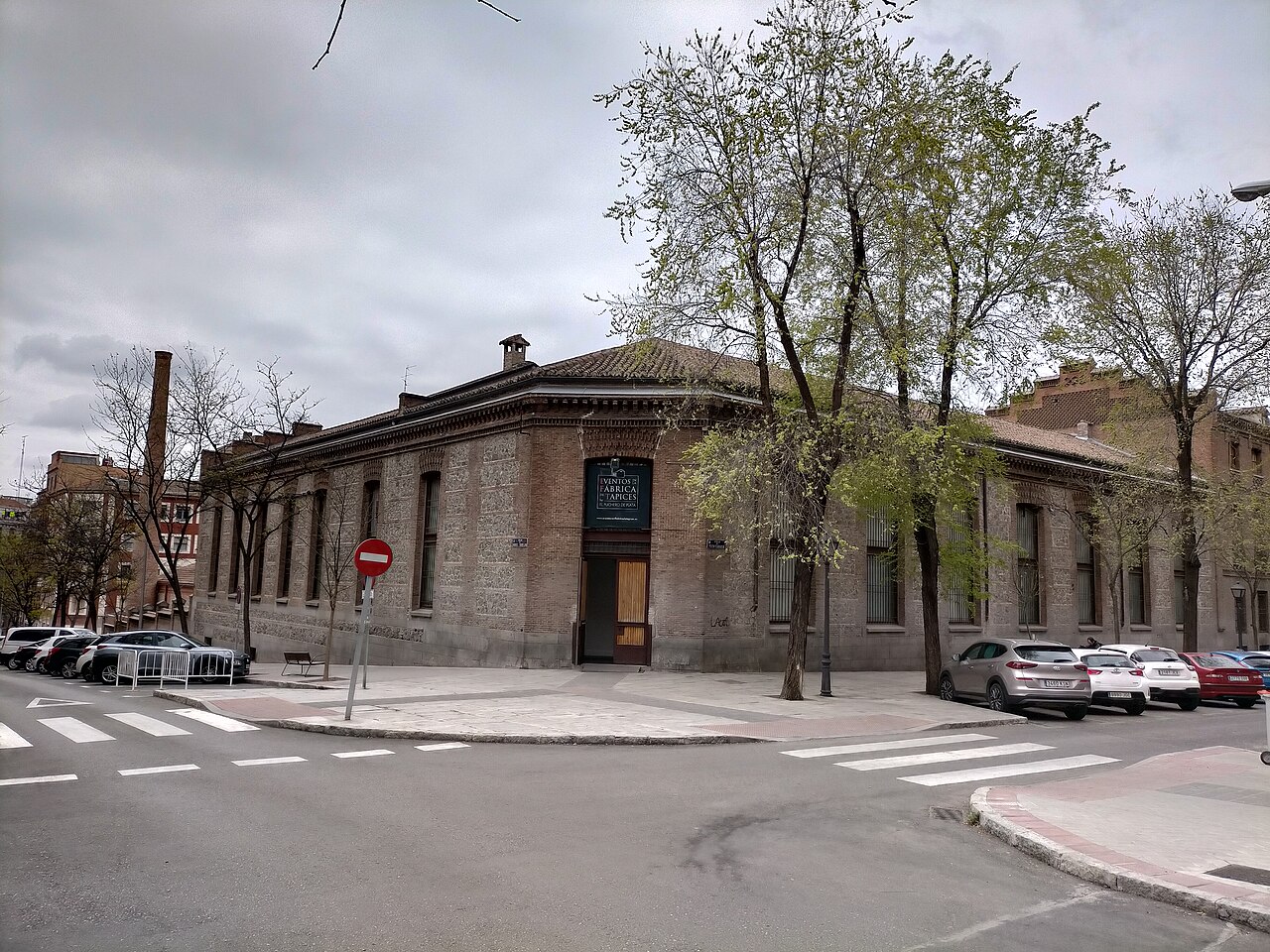
The factory is located within Madrid’s urban area and can be reached as part of the city’s public-transport network. Combine metro, bus, walking, taxi or cycling according to the rest of your itinerary, then allow time for the final approach to the entrance. A city walk can connect the factory with other cultural streets and institutions. Driving in central Madrid may involve congestion and limited parking, so visitors using a car should allow extra time and treat the final walk as part of the visit.
Checked 2026-08-26 · Source

This is a working production environment, so stay alert around looms, tools and active weaving areas. Follow staff directions and keep a respectful distance from artisans while they concentrate on detailed work. The setting may be noisier and more industrial than a conventional museum, and the historic building can include changes in floor level or stairs. Keep belongings secure without blocking working areas.
Checked 2026-08-26 · Source
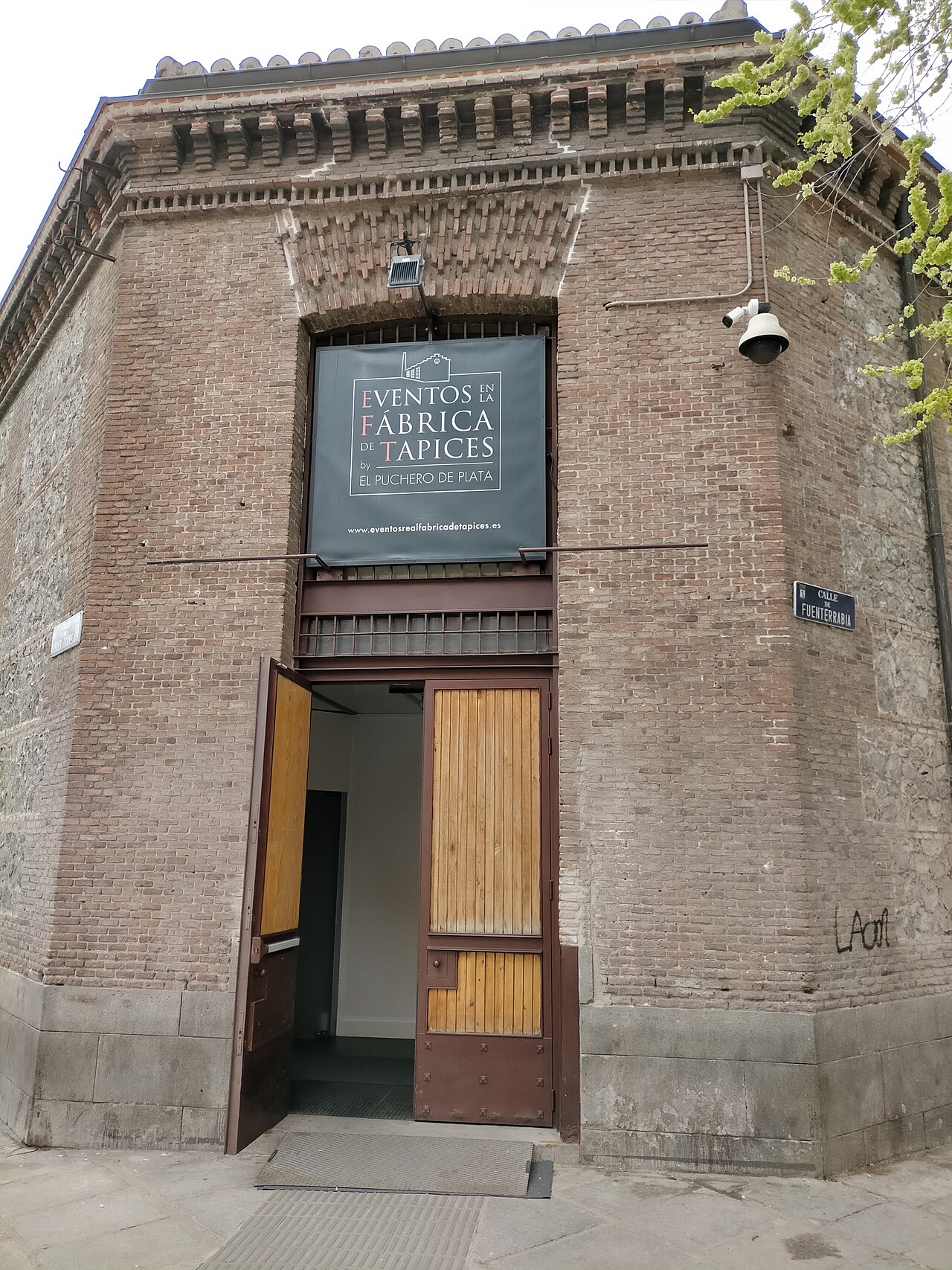
The looms, textiles, tools and concentrated handwork provide strong subjects for photography, but the factory remains a place of work. Photograph only where permitted, keep equipment from obstructing movement and avoid disturbing artisans during demonstrations or production. Flash can be unsuitable around delicate textiles and in close working spaces. Video and commercial image-making require particular care because designs, people and working methods form part of the institution’s cultural material. Quiet observation often reveals more than a large amount of photography.
Checked 2026-08-26 · Source
It preserves traditional hand-woven tapestry production and connects Madrid’s decorative-arts heritage with a living craft process.
Visitors can encounter working looms, traditional weaving techniques, historical pieces and material connected with the factory’s production history.
It was founded by royal charter and has produced tapestries for royal residences over the course of its long history.
The factory is especially rewarding for travellers interested in textiles, handcraft, Spanish cultural heritage, royal history and decorative arts.
Stay attentive, follow staff directions, keep a respectful distance and avoid interrupting artisans while they work or demonstrate weaving.
The looms, woven surfaces, tools and details of the craft can be compelling subjects when photographed discreetly and without disturbing production.
Loading the interactive map…
The interactive map could not be loaded.
Last updated:
Source: OpenStreetMap contributors, Wikidata ·