

,_RP-F-F07672.jpg)
,_RP-F-F07667.jpg)


3 min walk
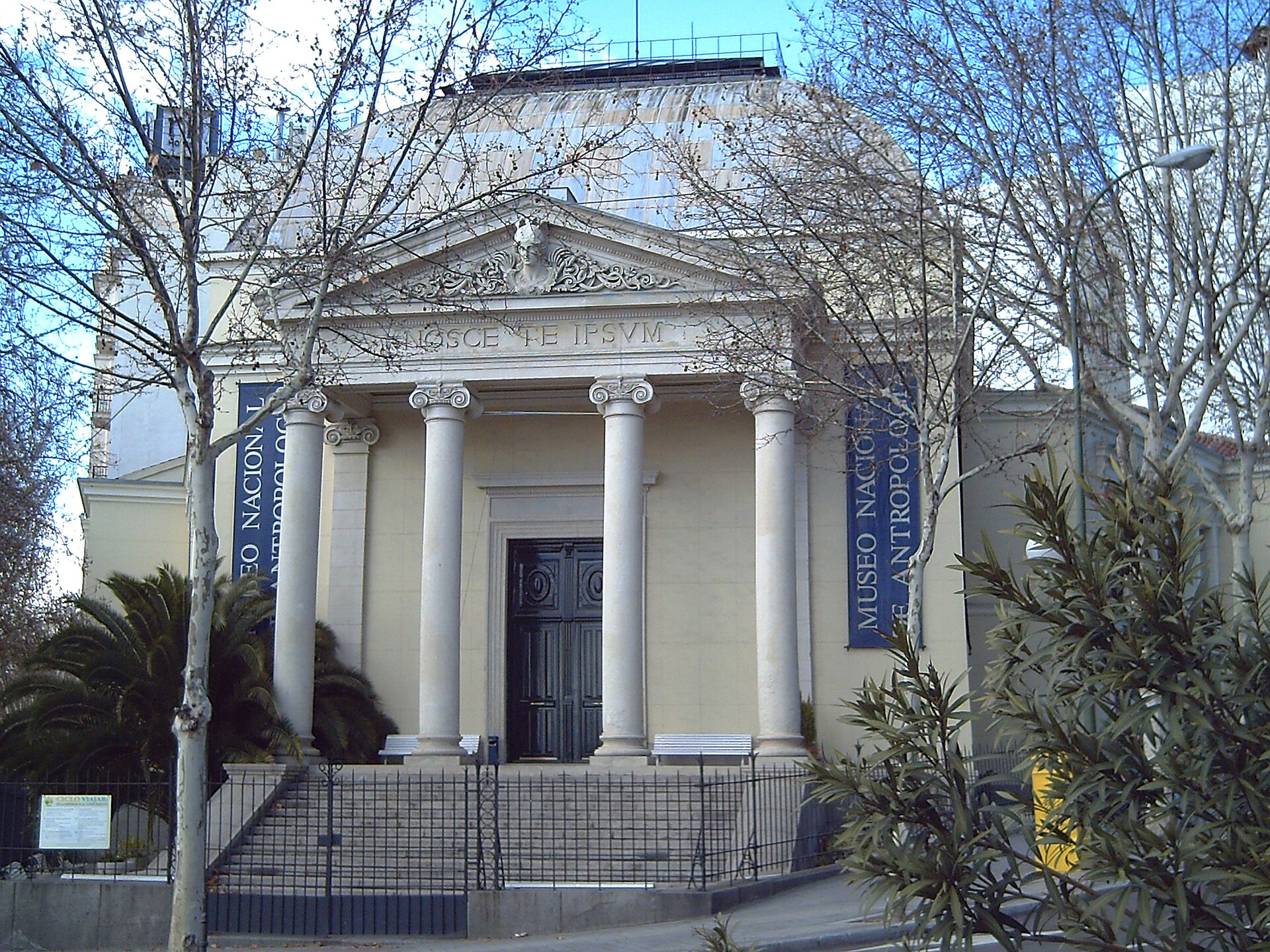
National Museum of Anthropology
- Must see · Heritage site
- Museum

Nature site · Madrid
Real Observatorio de Madrid
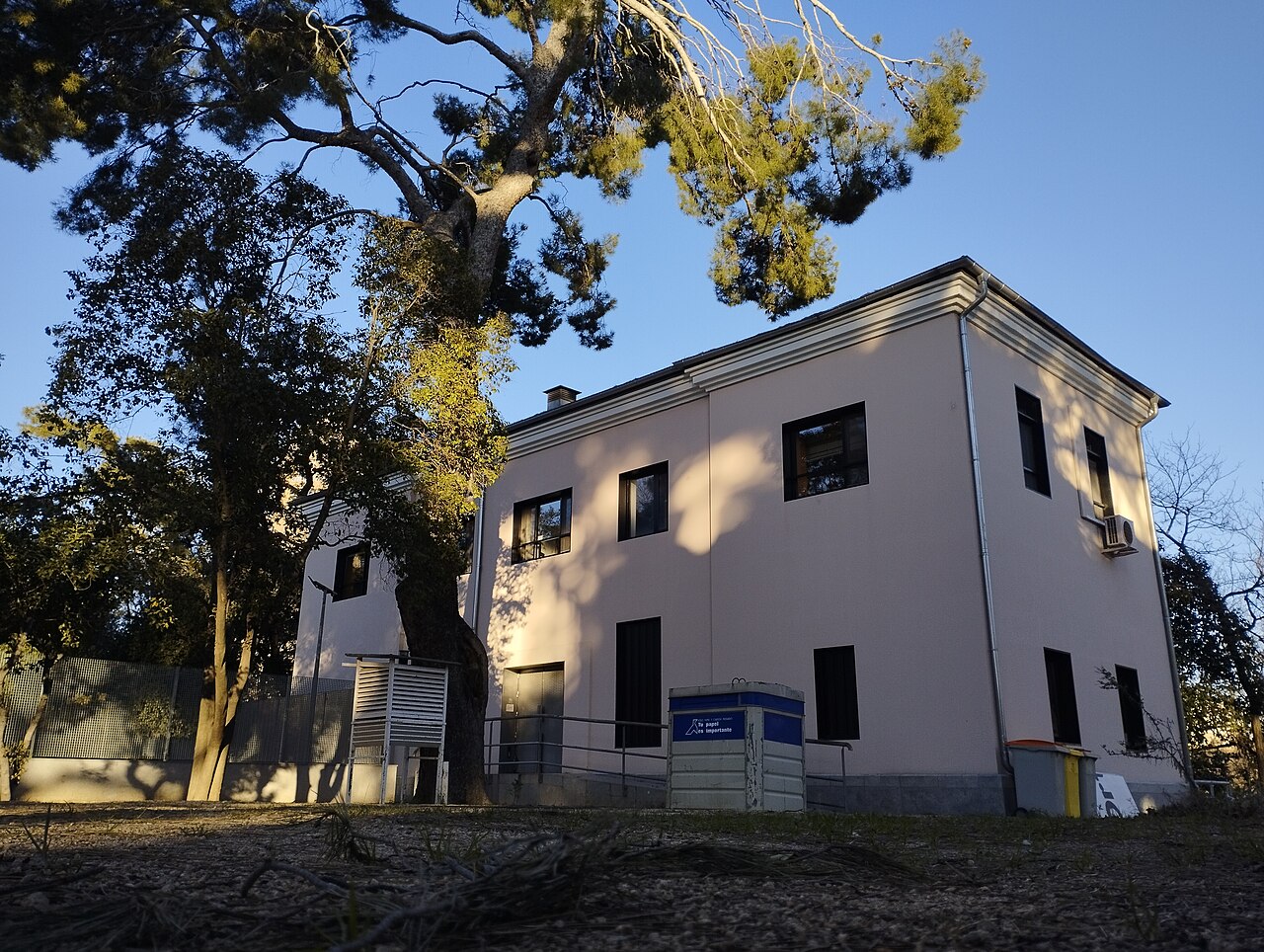
The Royal Observatory of Madrid, or Real Observatorio de Madrid, is an astronomical observatory with an important place in Spain’s scientific history. Founded by King Charles III, it reflects the Enlightenment interest in observation, measurement, and organized scientific work. The historic building was designed for astronomical activity and education, making architecture and science inseparable during a visit. Travelers interested in the history of astronomy can see how an institution gave practical form to the study of the sky. It is a focused heritage attraction rather than a broad city museum, with instruments and rooms providing the central experience.
Checked 2026-08-26 · Source
The observatory preserves historical astronomical instruments used for celestial observation and timekeeping. Refracting telescopes, meridian circles, and other precision equipment show the practical challenges faced by earlier astronomers. Observation rooms, instrument halls, the main dome, and other purpose-built chambers reveal how the building supported scientific work. Libraries and archives connected with the institution’s mission add intellectual depth to the visit. Look closely at the relationship between instrument design and the rooms around it: the observatory is most interesting when viewed as a working environment for measurement, not simply as a display of old equipment.
Checked 2026-08-26 · Source
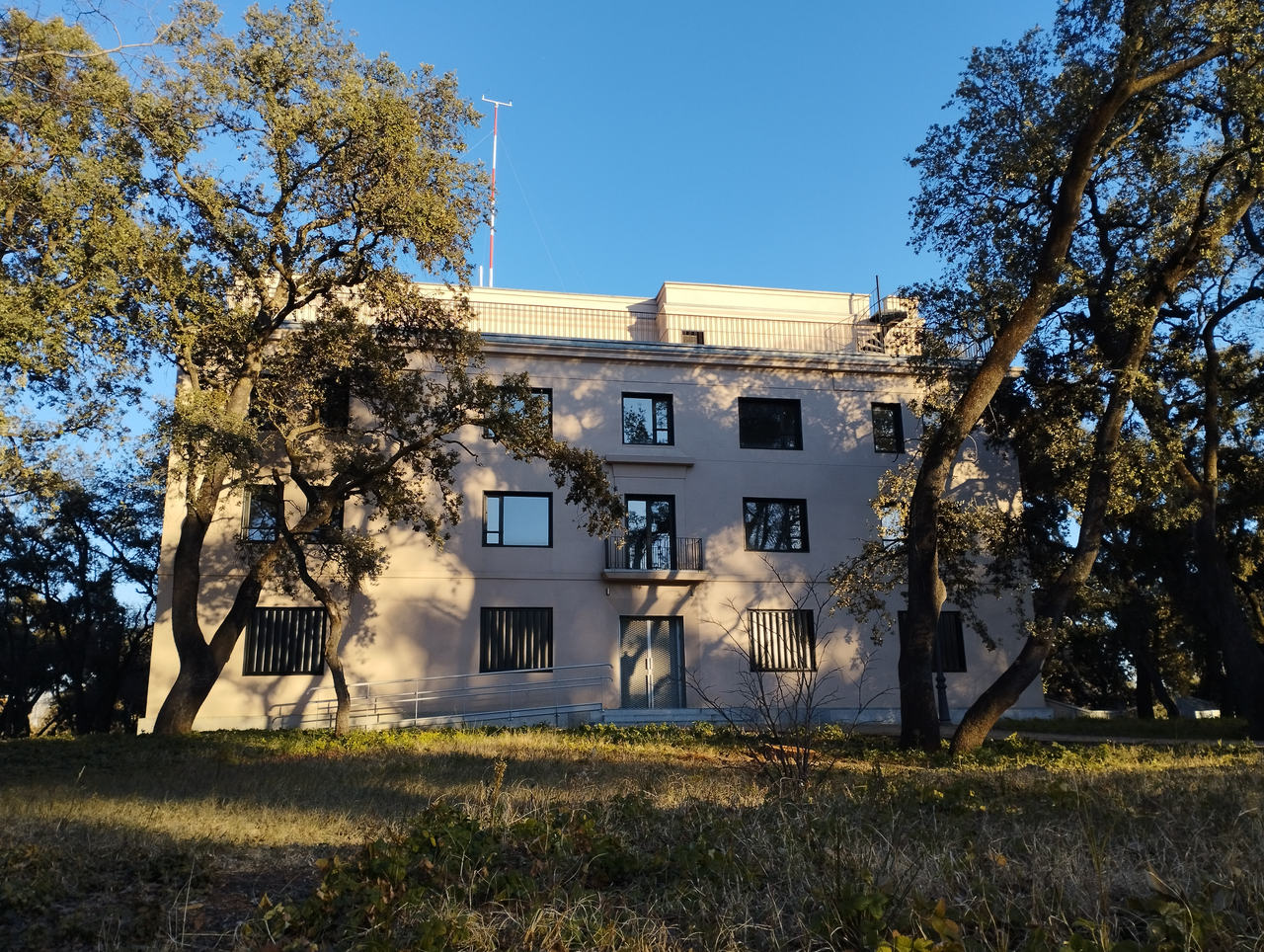
Plan about one to two hours for the main visit. This allows time to examine the historical instruments, notice the observation architecture, and read the educational material at a measured pace. Travelers with a strong interest in scientific instruments or the history of astronomy may stay longer. The compact historic setting makes a forty-five-minute introduction possible, but the instruments reward slower attention because their purpose is easier to understand when you study their scale, precision, and position in the rooms. Keep the visit focused, then continue with Madrid’s other science and heritage attractions if you want a fuller day.
Checked 2026-08-26 · Source

The observatory is best treated as a scheduled heritage visit rather than a casual drop-in. Its scientific and preservation roles can shape when visitors enter particular rooms. Choose a time when you can move slowly and listen to explanations, since the instruments make more sense when their function is considered alongside the building. Indoor galleries make the attraction suitable in different weather, while the surrounding grounds and approach can feel more comfortable in moderate conditions. A calm visit is particularly useful for travelers interested in the history of science, because the observatory’s value lies in detail and context rather than spectacle.
Checked 2026-08-26 · Source
The Royal Observatory is a specialized scientific and heritage institution, so the main value of entry lies in access to its preserved rooms, instruments, and interpretation. Plan the visit around the historic observatory experience rather than expecting the format of a large public museum. Guided or educational arrangements can change how much context you receive, while the instruments themselves provide the essential visual focus. Travelers who enjoy the history of measurement, astronomy, and engineering should reserve enough time to compare different devices. The observatory works well as a deliberate cultural stop within a broader Madrid itinerary.
Checked 2026-08-26 · Source
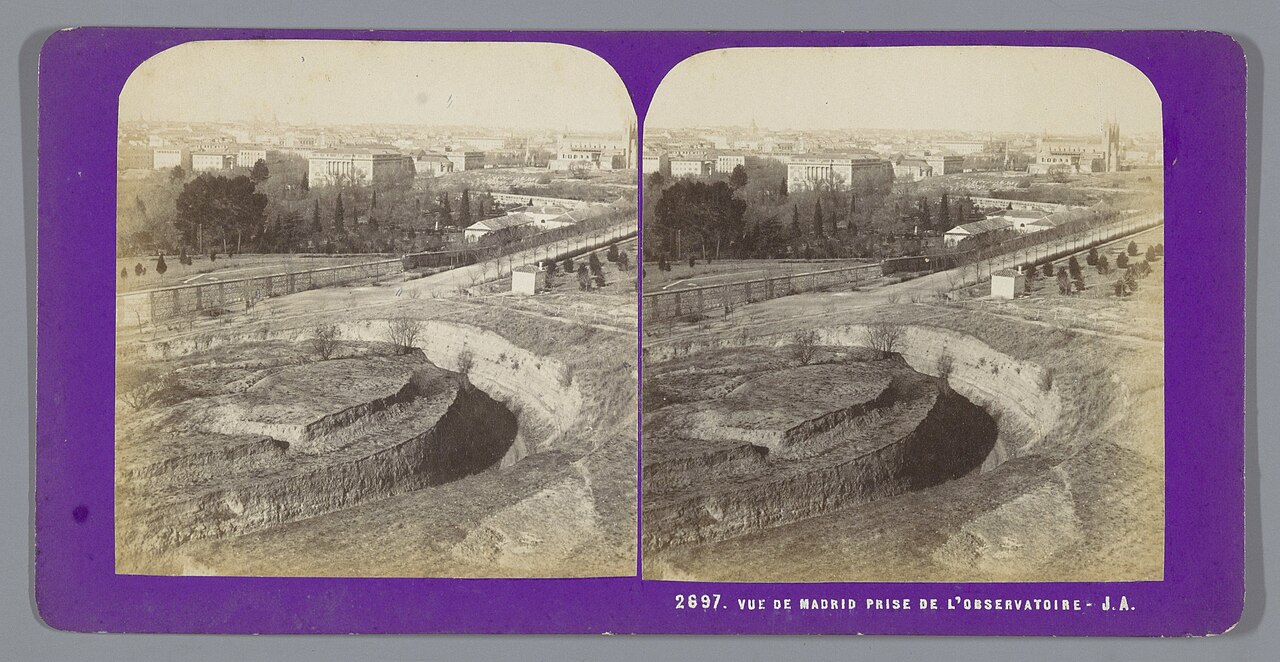
The Royal Observatory is in Madrid and can be approached through the city’s public transport network, taxi services, cycling routes, or on foot from a suitable starting point. Because the attraction is a focused heritage site rather than a large district, plan the final approach carefully and leave room for the entrance process. Local metro and bus connections link central Madrid with the surrounding areas, while taxis simplify the journey for visitors carrying equipment or traveling in a group. Include nearby walking time in your plan, especially if you want to arrive before a scheduled visit or tour.
Checked 2026-08-26 · Source
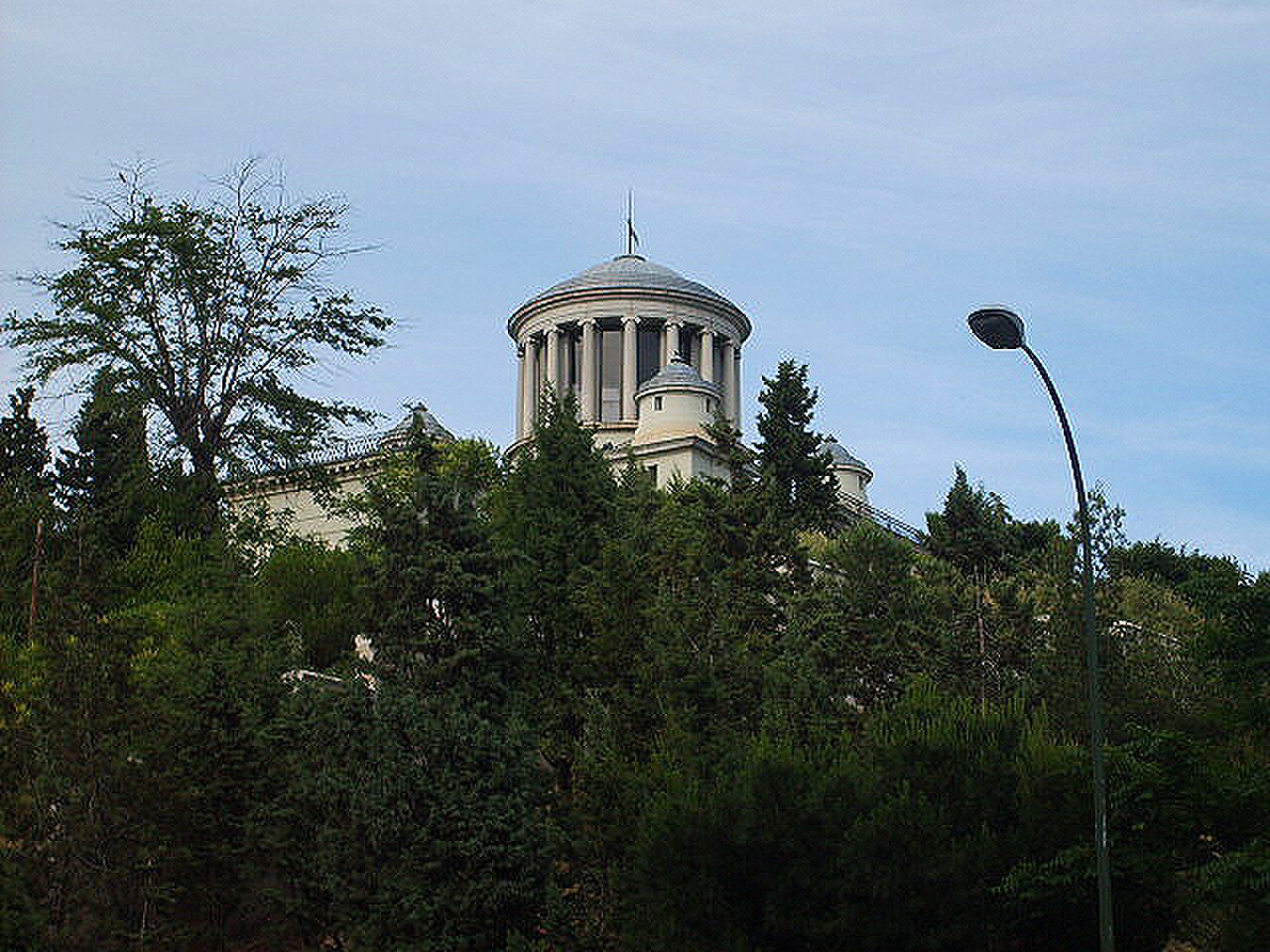
The observatory preserves delicate historical instruments, so follow staff directions closely and keep a respectful distance from equipment and archival material. The eighteenth-century building may include stairs, older flooring, or circulation that differs from a modern museum. Wear stable shoes and take your time in rooms where instruments occupy the main route. Public access can coexist with scientific and heritage responsibilities, meaning some areas may be supervised or unavailable during certain activities. Keep noise moderate, protect personal belongings, and treat the building as a place of scientific memory rather than an interactive amusement attraction.
Checked 2026-08-26 · Source
Photographs can help record the observatory’s domes, rooms, and historical instruments, but use equipment with care. Flash can be unsuitable near delicate finishes, optical components, and archival material, while tripods and large cameras may obstruct narrow routes or require permission. Follow room signs and staff directions before taking images. A quiet, non-flash photograph is more respectful than repeated shooting, especially when other visitors are listening to an explanation. Focus on the relationship between instrument and architecture, since the observatory’s character comes from the way scientific equipment was integrated into its historic rooms.
Checked 2026-08-26 · Source
It is an astronomical observatory and scientific heritage institution in Madrid, founded by King Charles III.
Visitors can see historical astronomical instruments, including refracting telescopes, meridian circles, observation rooms, instrument halls, and the main dome.
Allow approximately one to two hours. A shorter introduction is possible, while specialist visitors may spend longer studying the instruments and architecture.
It represents Spain’s Enlightenment-era commitment to astronomy, empirical observation, scientific institutions, and precision timekeeping.
Yes. The observatory is an eighteenth-century scientific heritage building associated with the reign of King Charles III.
The collections include refracting telescopes, meridian circles, and other precision instruments used for observing the sky and measuring time.
Loading the interactive map…
The interactive map could not be loaded.
Last updated:
Source: OpenStreetMap contributors, Wikidata ·