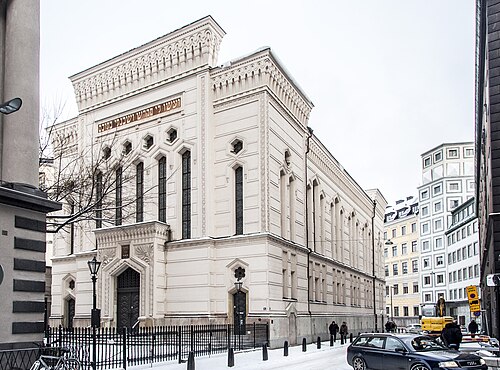
Stockholm Synagogue
Stora synagogan
Stockholm Synagogue, also known as Stora synagogan, is the largest synagogue in Sweden and an active place of worship in central Stockholm.
- High
- Place of worship
- Stockholm
Country guide
Sweden runs from 55°N to 69°N — long enough that its north and its south keep different weather and different daylight in the same week. Of its 450,295 km², bui...
Photograph · Martin Falbisoner · CC BY-SA 4.0
Reviewed by Elena Voss · Roavina Travel Editor
Sweden runs from 55°N to 69°N — long enough that its north and its south keep different weather and different daylight in the same week. Of its 450,295 km², built-up land accounts for 1.5 per cent, and 88 per cent of the 10,610,485 people counted in October 2025 live in towns concentrated in the south and the centre. That is the practical division for a visitor: the southern counties hold Stockholm and most of what fits into a weekend, while the rest of the 21 counties trade density for distance. Choose by how far you are willing to travel between two things.
Checked 2026-08-25
Every city catalogued in this country so far, ranked by how much there is to see.
Photograph · JZ · CC BY-SA 3.0
Seasonal closures come from recorded opening hours.
Ranked by importance — sitelinks, pageviews and heritage status, not editor preference.
66 places match
Category
Typical visit duration
Interests
Stora synagogan
Stockholm Synagogue, also known as Stora synagogan, is the largest synagogue in Sweden and an active place of worship in central Stockholm.
Orpheusgruppen
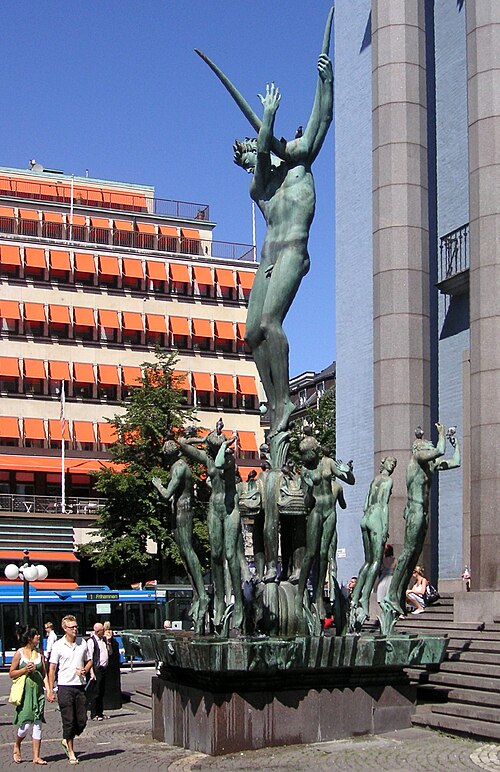
Orpheus' Well, also known locally as Orpheusgruppen, is an outdoor sculptural fountain installation in Stockholm. The work takes its name from Orpheus, the musician and poet of Greek mythology.
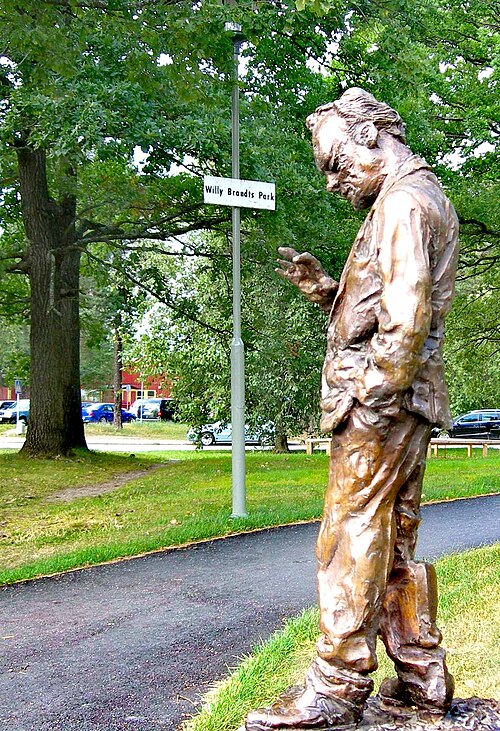
Willy Brandts park
Willy Brandts Park is a small urban green space in Stockholm named after Willy Brandt, the German chancellor and Nobel Peace Prize laureate.
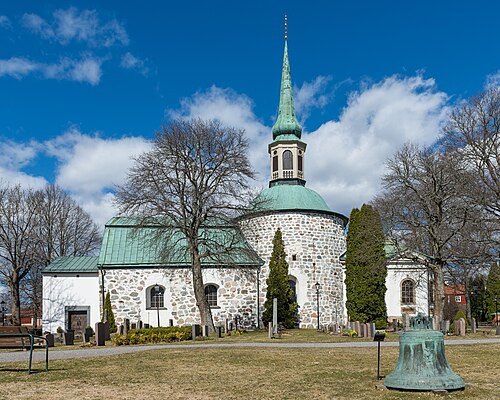
Bromma kyrka
Bromma Church, or Bromma kyrka, is an active Church of Sweden church in Stockholm’s Bromma district. It is both a local place of worship and a historic religious landmark within western Stockholm.
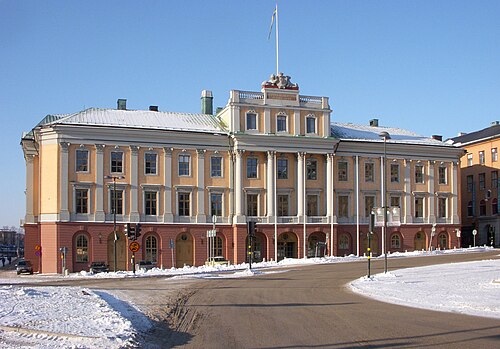
Arvfurstens palats is a palace building in central Stockholm and a distinctive part of the capital’s built heritage. Its importance for a traveller lies primarily in the architecture and the building’s position within the historic city centre.
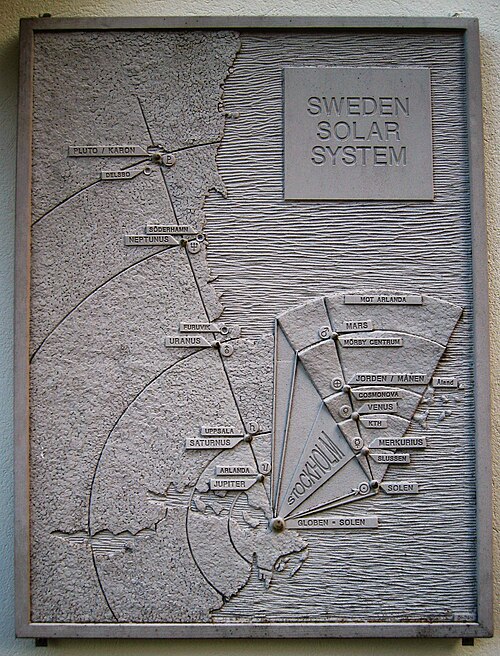
Sweden Solar System is a large-scale model of the solar system spread across Sweden, with Stockholm serving as the central reference point. Celestial bodies are represented by spherical installations placed at scaled distances.
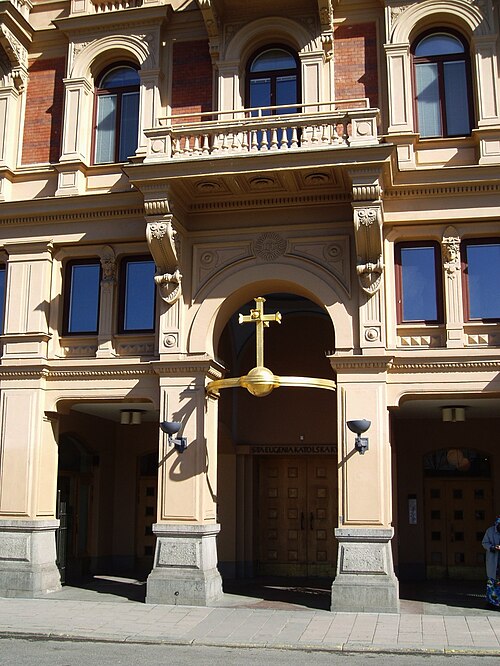
Sankta Eugeniakyrkan
St. Eugenia’s Church, or Sankta Eugeniakyrkan, is a Roman Catholic church in Stockholm. It serves the Catholic community in the Swedish capital and remains an active parish rather than a museum arranged solely for visitors.
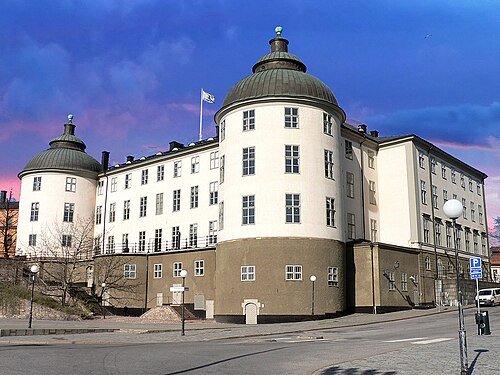
Wrangelska palatset
Wrangel Palace, or Wrangelska palatset, stands on Riddarholmen in central Stockholm. Built for Count Carl Gustaf Wrangel during Sweden’s seventeenth-century great-power era, it is a prominent example of Swedish Baroque architecture.
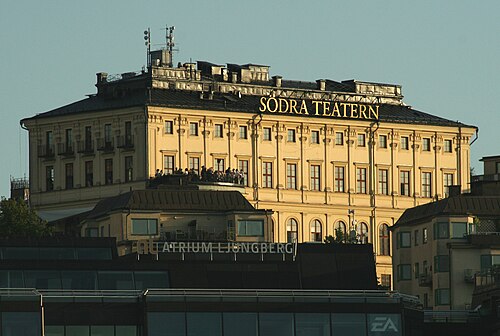
Södra Teatern is a historic theatre and entertainment venue on Södermalm, set above Stockholm from Mosebacke Torg. The nineteenth-century venue combines performance spaces with bars, dining areas and a terrace.
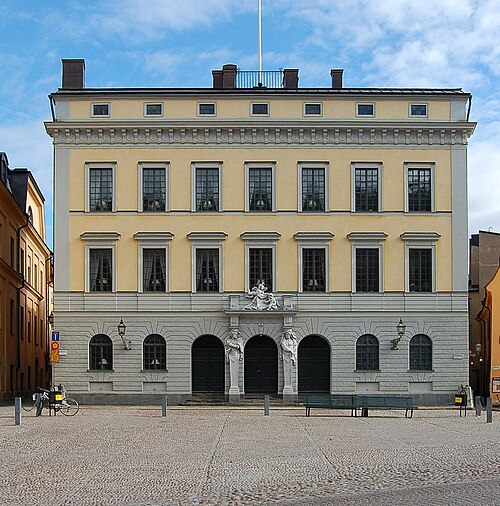
Tessinska palatset
Tessin Palace stands in Stockholm’s Gamla Stan and was designed by Nicodemus Tessin the Younger as his private residence. The building represents Swedish Baroque architecture and reflects the ambitions of one of Sweden’s leading court architects.
Bondeska palatset
Bonde Palace, also known as Bondeska palatset, is a historic Stockholm building associated with noble residence and the city’s older urban fabric. Its architectural presence reflects the long political and social history of central Stockholm.
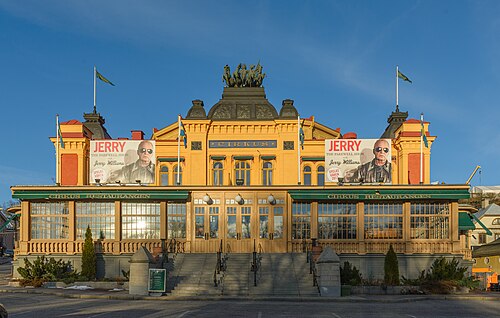
Cirkus is a historic performance venue on Stockholm’s Djurgården island. Built for circus entertainment, it has continued as a cultural space for concerts, theatre and other programmed events.
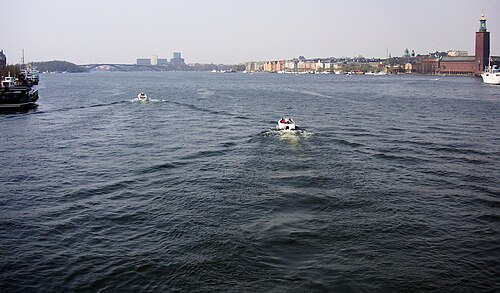
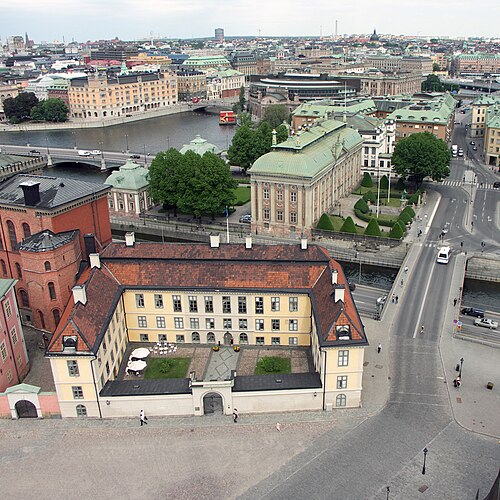
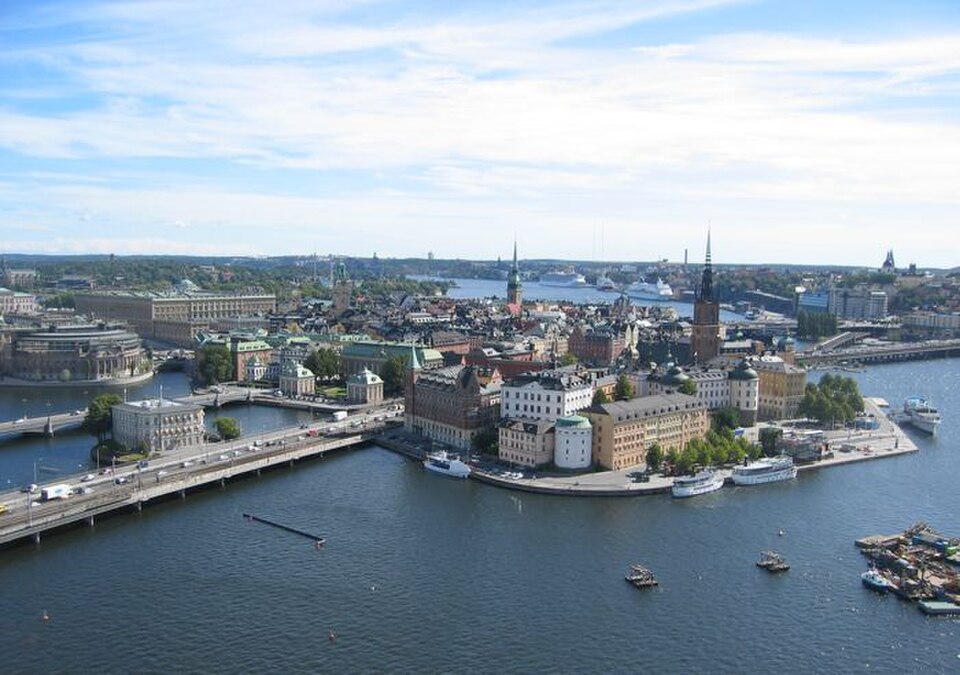
Riddarfjärden is a bay of Lake Mälaren in central Stockholm. Its water separates and connects several of the city’s best-known islands, including Södermalm, Gamla Stan, Riddarholmen and Kungsholmen.
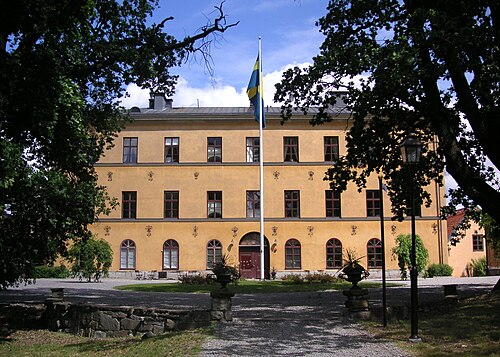
Ulvsunda slott
Ulvsunda Castle, known locally as Ulvsunda slott, is a historic castle and manor house in western Stockholm.
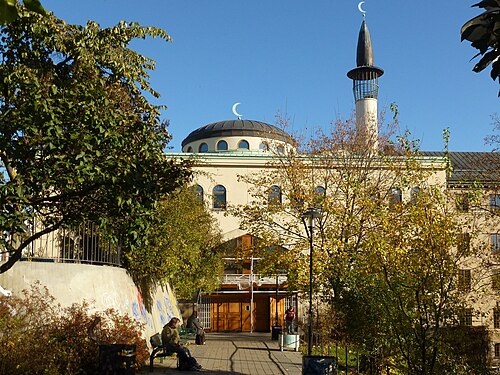
Stockholms moské
Stockholm Mosque, locally known as Stockholms moské, is a place of Islamic worship and a community centre in Sweden’s capital.
Brunnsviken is a freshwater bay north of Stockholm’s centre, surrounded by parks, woodland, historic estates, and cultural institutions. Its shoreline creates one of the city’s most rewarding green escapes, combining water views with long walks and varied landscapes.
Hessensteinska palatset is a historic palace in Stockholm, Sweden. The building represents classical Swedish architectural heritage and stands as one of the notable palatial structures in the city.
Engelska kyrkan
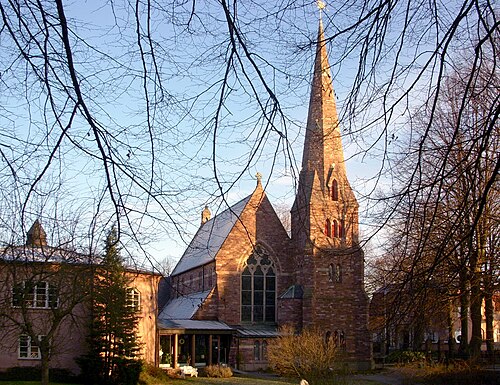
Church of St Peter and St Sigfrid is Stockholm’s English Church, known locally as Engelska kyrkan. It serves Anglican worship in English and offers an important point of connection for English-speaking residents, visitors and international communities.
Gustav III:s paviljong
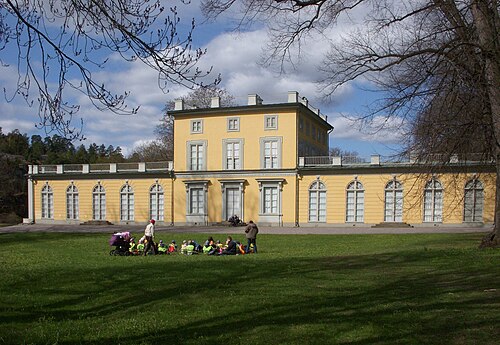
Gustav III’s Pavilion is a royal pleasure pavilion in Hagaparken, north of Stockholm. Built for King Gustav III in the late eighteenth century, it is a notable expression of Swedish Gustavian architecture.
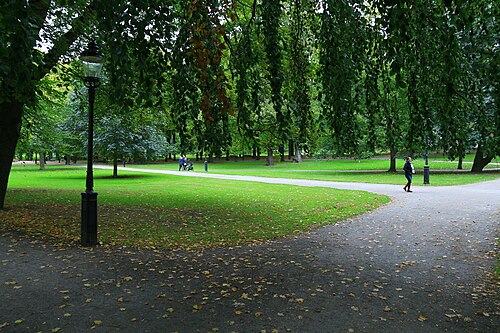
Humlegården is a historic public park in Stockholm's Östermalm district, beside the Royal Library. Its name is linked to hops, which were cultivated here in the seventeenth century.
Hässelby slott
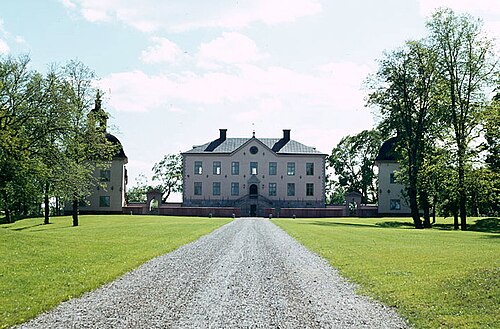
Hässelby Castle, or Hässelby slott, is a historic landmark in Stockholm's western Hässelby district. The castle extends Stockholm's heritage beyond the central islands and offers a different scale of city experience, shaped by historic architecture and its surrounding setting.
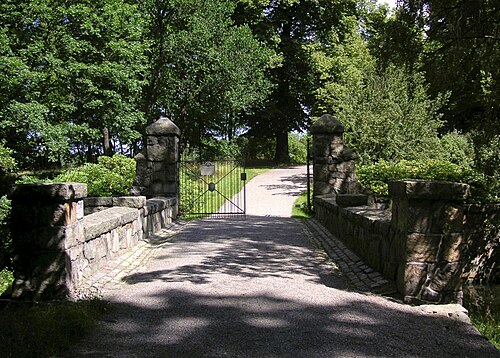
Kungliga begravningsplatsen is the Royal Cemetery on Karlsborg island in Lake Brunnsviken, in Solna Municipality beside Stockholm. It is the principal burial ground for members of the Swedish royal family and combines royal history with a quiet wooded setting.
Klara kyrka
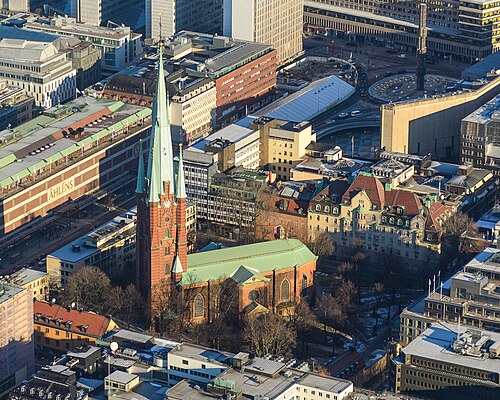
Klara Church, or Klara kyrka, is a historic church in Stockholm’s central Klara district. Its tower is a visible part of the city skyline, and the building remains both a landmark and a functioning place of worship.
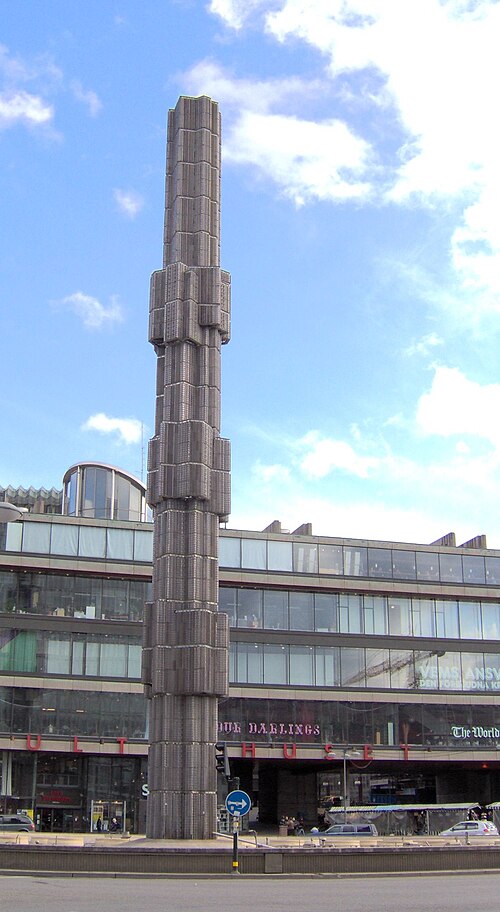
Kristallvertikalaccent is a permanent outdoor glass and crystal artwork in central Stockholm. It functions as a compact urban landmark rather than an enclosed attraction, so the experience comes from seeing the sculpture in its streetscape.
Stureparken is a small urban park in Stockholm's Östermalm district. Its compact, triangular plot sits among central residential and commercial streets, offering a modest patch of greenery within a dense city neighborhood.
Seven to ten days gives Stockholm three or four days and allows one rail-linked city, archipelago stay or northern extension. A journey into Swedish Lapland needs extra nights and should be planned as a distinct leg.
The Swedish Migration Agency sets visitor and short-stay requirements. Check whether the passport needs a visa and which Schengen state should process an application for the complete itinerary.
Stockholm Arlanda is the largest gateway; Gothenburg and the Copenhagen–Malmö route provide alternatives. Long-distance trains link the principal cities, while ferries, regional buses and domestic flights reach the wider country.
May through August brings long daylight and the broadest summer access. Winter aurora or snow travel is a separate seasonal product, particularly in the north, with different transport and clothing requirements.
Sweden uses the krona (SEK), not the euro. Current cash and card acceptance is Not recorded in this file; check the operator’s stated payment method, particularly for unmanned or rural services.
Call 112 for emergencies in Sweden. Type C and F sockets operate at 230 V, and the recorded guidance says mains tap water is safe.