
07
1 hr 30 min
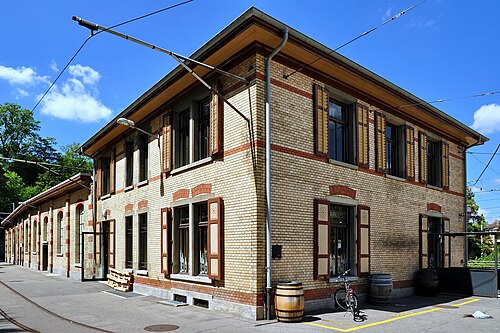
Zurich Tram Museum
Tram-Museum Zürich
Zurich Tram Museum preserves the history of Zurich’s tramway system in a former tram depot.
- Must see
- Museum
City guide · Switzerland
Zurich’s centre is compact and organised around the Limmat River, the lakefront and the main railway station. The Old Town occupies both riverbanks, while the u...
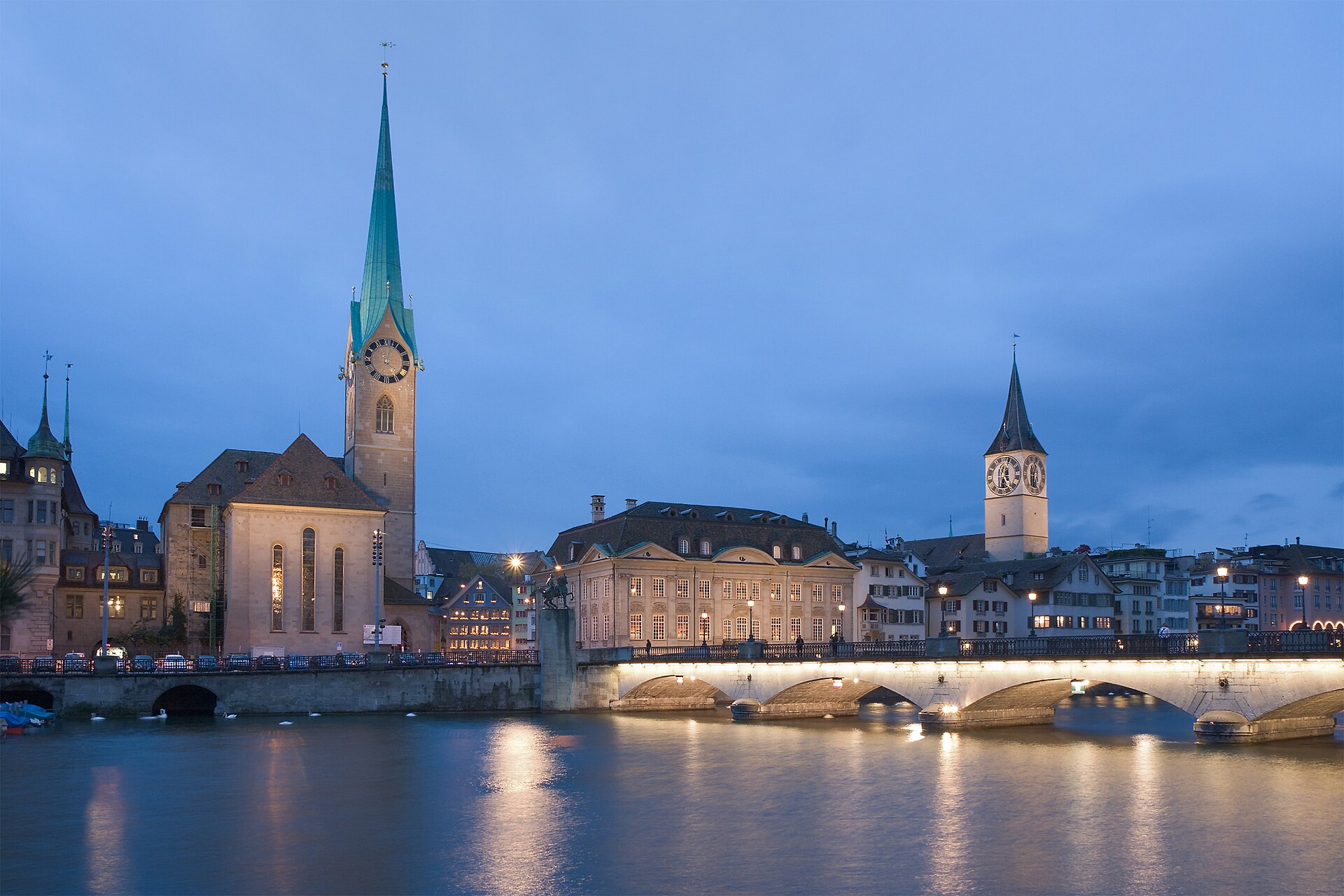
Photograph · Ikiwaner · CC BY-SA 3.0
Set your days, your pace and the hours you actually want to be out. The planner works around closing days and travel time, and leaves room to eat.
Reviewed by Elena Voss · Roavina Travel Editor
Zurich’s centre is compact and organised around the Limmat River, the lakefront and the main railway station. The Old Town occupies both riverbanks, while the university terraces rise east and the former industrial districts extend west. Trams, S-Bahn trains, buses, boats and funiculars share an integrated zonal network. Walk the historic core, then use public transport for Uetliberg, outer neighbourhoods and longer lake connections.
Checked 2026-08-26
September · September combines an 18.8°C mean high in Zurich with 92.0 mm of precipitation over eight days.
Ranked by importance — sitelinks, pageviews and heritage status, not editor preference.
20 places match
Category
Typical visit duration
Interests
Tram-Museum Zürich
Zurich Tram Museum preserves the history of Zurich’s tramway system in a former tram depot.

Naturhistorisches Museum
The Zoological Museum of the University of Zurich is a university museum devoted to zoology and natural history.
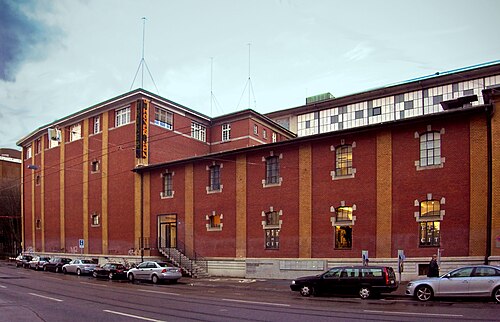
Kunsthalle Zürich is a contemporary art exhibition space in Zurich, Switzerland. It operates as a kunsthalle, a type of institution without a permanent collection that hosts temporary exhibitions of modern and contemporary art.
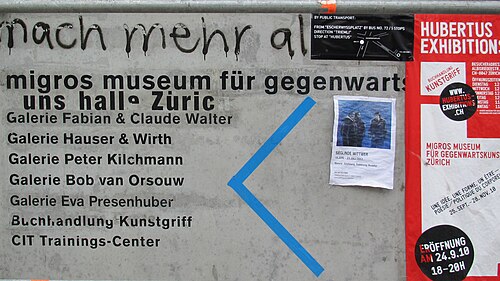
Migros Museum für Gegenwartskunst
Migros Museum of Contemporary Art is a Zurich museum focused on international contemporary art. Known locally as Migros Museum für Gegenwartskunst, the institution is operated by the Migros Culture Percentage, a cultural initiative of the Swiss retail cooperative Migros.

Haus Konstruktiv is a Zurich museum dedicated to concrete, constructive, and conceptual art. The museum continues the tradition of the former Collection Concrete art foundation and concentrates on artistic practices shaped by geometry, order, material precision, systems, and abstraction.
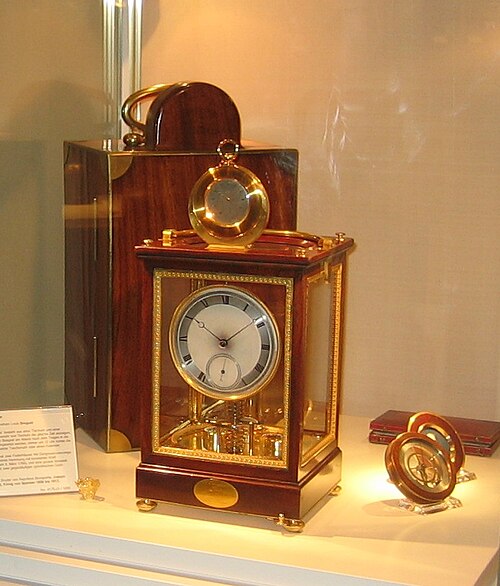
Uhrenmuseum Beyer Zürich
Uhrenmuseum Beyer is a specialised clock and watch museum in central Zurich, situated on Bahnhofstrasse within the long-established Beyer jewellery and watch business. The museum offers a focused look at how people measured time across different periods.
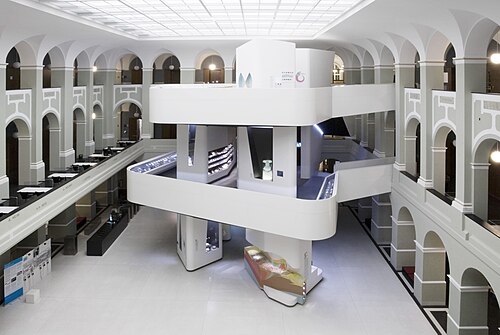
Focus Terra
FocusTerra is a specialised earth-sciences museum in Zurich. Its focus is the natural history of the planet, with mineralogical and geological collections presented for public learning.
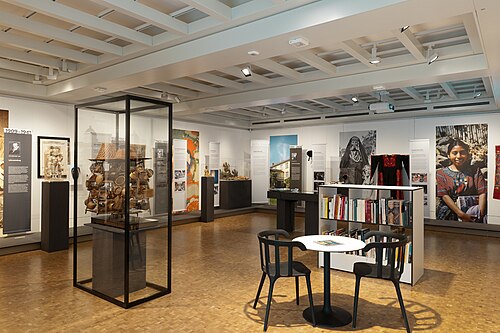
Völkerkundemuseum der Universität Zürich
The Ethnographic Museum of the University of Zurich, also called Völkerkundemuseum der Universität Zürich, is a university museum devoted to ethnographic collections and cultural anthropology.
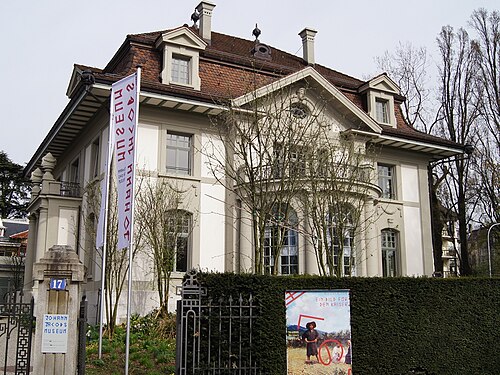
The Johann Jacobs Museum in Zurich is a cultural institution dedicated to the history of global trade, colonialism, and coffee culture.
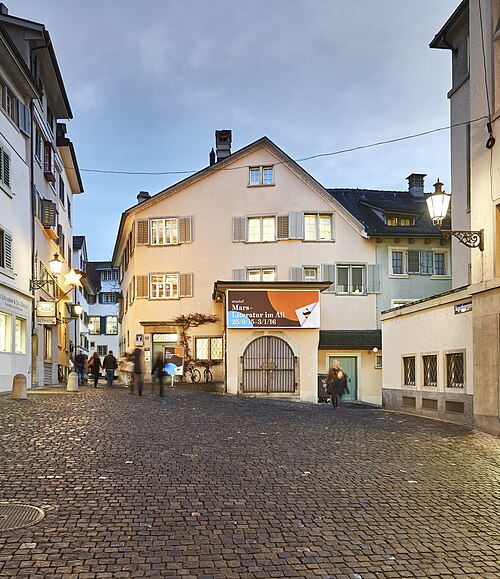
Museum Strauhof is a literary museum in Zurich’s historic centre, devoted to writing, writers, and the city’s place in literary culture. Its exhibitions connect authors with the streets, political atmosphere, and social life that shaped their work.
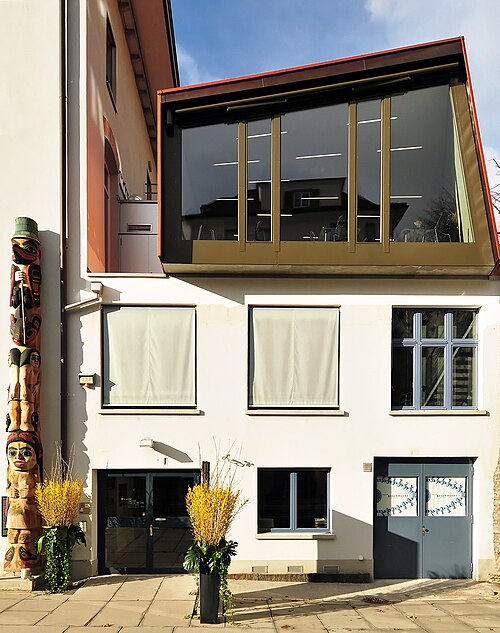
Nordamerika Native Museum NONAM
North America Native Museum, known locally as Nordamerika Native Museum or NONAM, is a Zurich museum devoted to Indigenous peoples of North America. It presents cultural history, artistic traditions and material culture within a European museum setting.
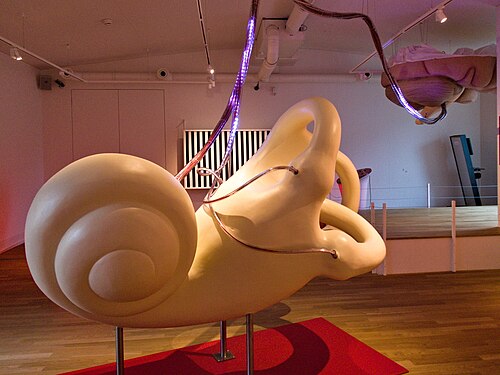
Kulturama is a Zurich museum devoted to human evolution, natural science and cultural development.
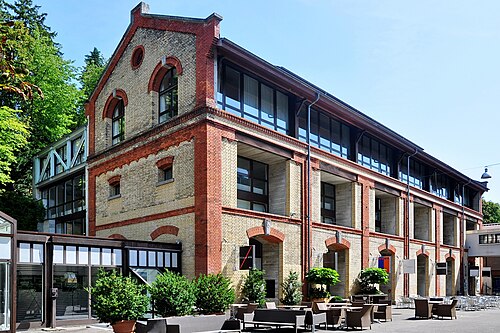
Mühlerama
Mühle Tiefenbrunnen, also known as Mühlerama, is a historic mill in Zurich’s Tiefenbrunnen district. The site preserves the memory of grain milling and presents industrial heritage in a setting connected with the city’s northeastern lakeside neighbourhoods.
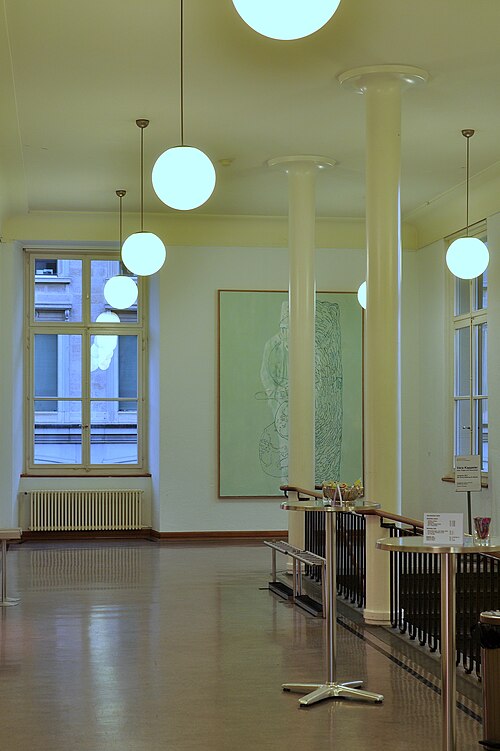
Helmhaus is a cultural venue beside the Limmat River in Zurich’s historic centre. The building hosts contemporary art exhibitions and cultural programming within a historic riverside setting.
The main station anchors the northern edge of central Zurich. Bahnhofstrasse runs south toward Lake Zurich, with Lindenhof and the western Old Town between it and the Limmat. Niederdorf and the eastern Old Town climb toward the university and Polyterrasse. Enge and the lake promenades continue south, while Zurich West occupies converted industrial ground beyond the centre. Uetliberg, the zoo and farther lake destinations are separate excursions reached efficiently by rail or tram.
Checked 2026-08-26
Use the ZVV network for trams, buses, S-Bahn trains, boats and funicular railways. Zurich Tourism notes that one zonal ticket can cover these modes within the selected zones, which makes transfers straightforward. The central Old Town and lakefront are best walked, while rail is the practical choice for Uetliberg and the airport. Check the zones before travel and do not assume a scenic boat or mountain connection uses the same validity area.
Checked 2026-08-26
Two to three days are enough for a first visit. Two cover the Old Town, lakefront and central museums; add a third for Uetliberg, the zoo or a longer trip on the lake.
May through September gives longer daylight for the lakefront, viewpoints and outdoor district walks. Winter is better suited to museums and shorter central routes unless snow activities are the main purpose.
The Old Town, Bahnhofstrasse, lakefront and university terraces fit into connected walking routes. Use transit for Zurich West, the zoo, Uetliberg and other destinations beyond the compact centre.
Within the relevant ZVV zones, tickets can cover trams, buses, trains, boats and funicular or cable connections included in the network. Confirm the required zones for longer journeys.
Combine both sides of the Old Town with Bahnhofstrasse and the lakefront. Give Zurich West, Uetliberg or a longer lake trip its own block to avoid repeated crossings through the main station.