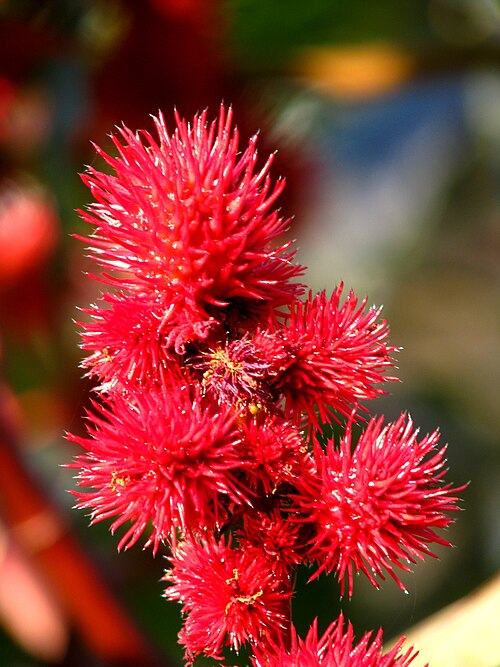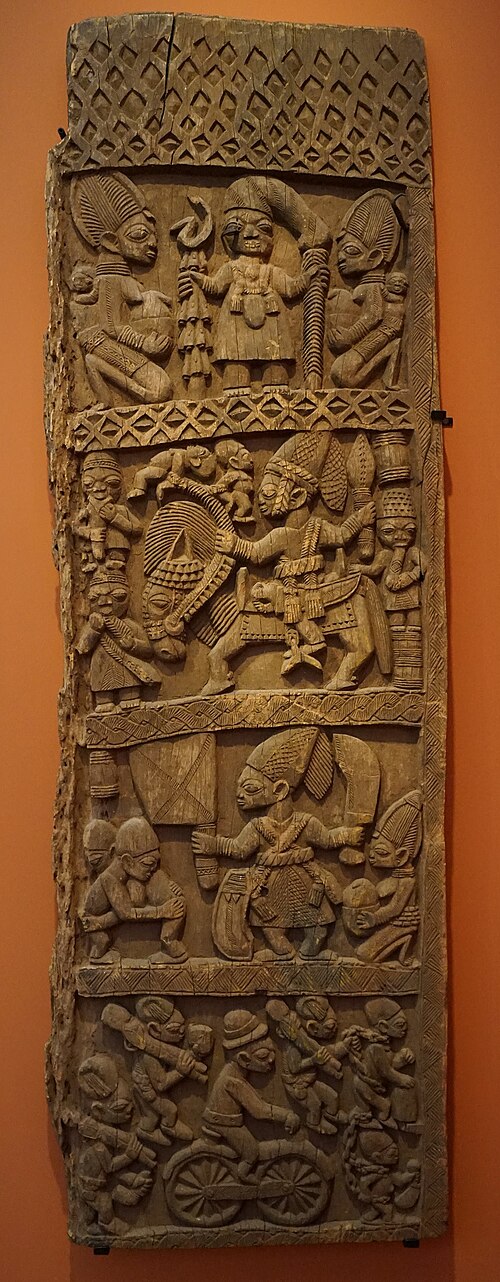
Botanical Garden of the University of Zurich
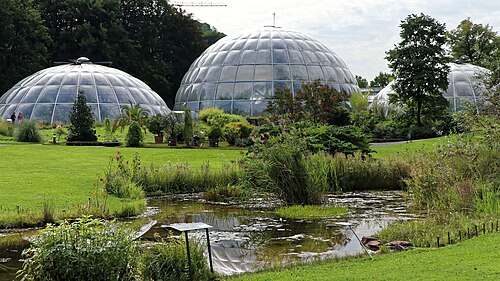
Botanischer Garten der Universität Zürich
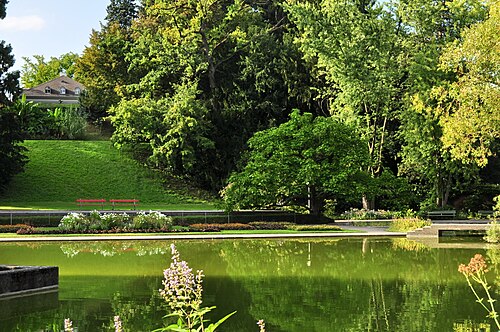
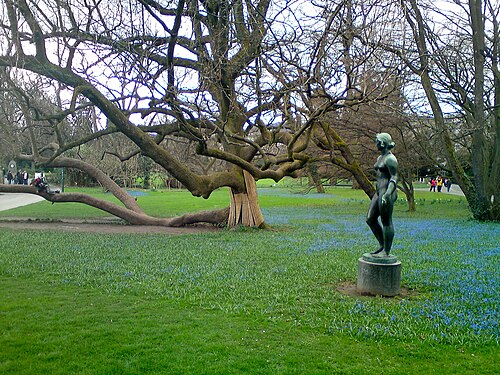
The Botanical Garden of the University of Zurich is a living plant collection serving research, teaching and public education.
- Must see
- Nature site
- Zurich
Country guide
The Alps cover most of Switzerland's 41,291 km², which is why almost all of its 9,154,242 people live on the plateau — a band of low ground carrying Zurich, Ber...
Photograph · Sam Ferrara · CC0 1.0
Reviewed by Elena Voss · Roavina Travel Editor
The Alps cover most of Switzerland's 41,291 km², which is why almost all of its 9,154,242 people live on the plateau — a band of low ground carrying Zurich, Bern, Basel, Lausanne, Geneva, Lucerne and Winterthur within a few hours of one another. Cross a ridge and it is the language that changes: German is spoken by 62 per cent of the country, French by 23, Italian by 8, Romansh by half a per cent. Twenty-six cantons write their own rules on top of that. A trip here is usually a choice between the flat line of cities and the valleys branching off it.
Checked 2026-08-25
Every city catalogued in this country so far, ranked by how much there is to see.
Photograph · Ikiwaner · CC BY-SA 3.0
Ranked by importance — sitelinks, pageviews and heritage status, not editor preference.
66 places match
Category
Typical visit duration
Interests
Botanischer Garten der Universität Zürich
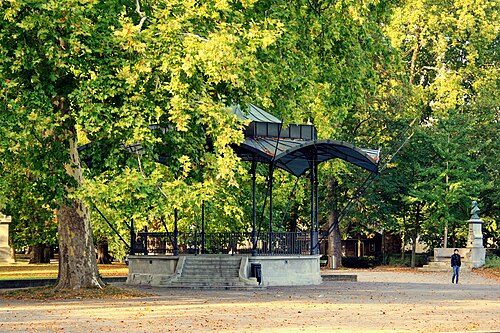
The Botanical Garden of the University of Zurich is a living plant collection serving research, teaching and public education.
Chinagarten Zürich
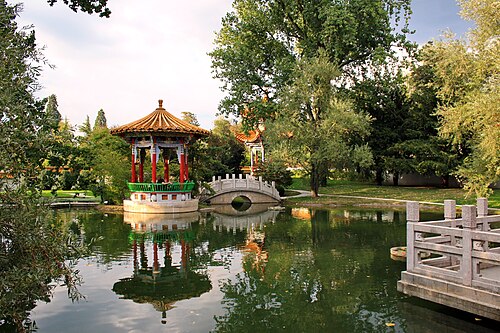
Chinese Garden Zürich is a traditional Chinese garden given to the city by its Chinese partner town, Kunming.
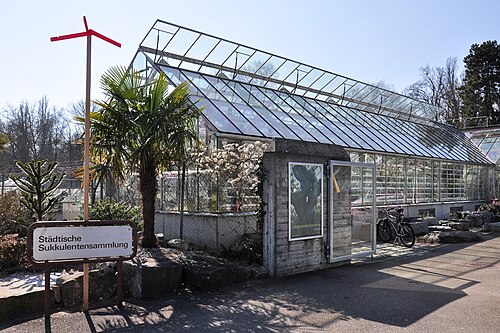
Sukkulenten-Sammlung Zürich is a specialist botanical collection devoted to succulent plants in Zurich. It brings together cacti and other water-storing species from dry regions around the world.
Bauschänzli is a small artificial island and public park in the Limmat River at the heart of Zurich. Its name refers to the defensive bulwark that once occupied the site.
Belvoirpark
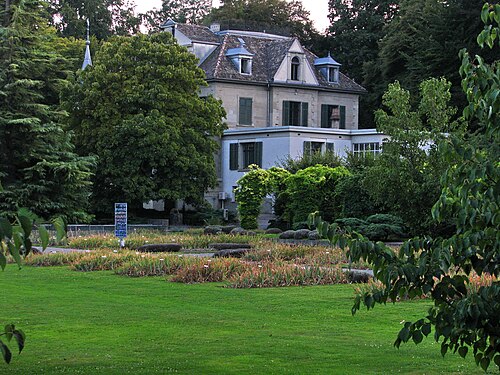
Villa Belvoir stands within Belvoirpark in Zurich’s Enge district, combining historic architecture with landscaped parkland.
Irchelpark is a public green space beside the University of Zurich’s Irchel Campus. Its lawns, trees, paths, and sloping ground serve residents, students, and visitors looking for outdoor time away from the busiest central streets.
Josefwiese is an urban public park in Zurich, centred on an open meadow where visitors can pause, relax, and enjoy outdoor space within the city.
Alter Botanischer Garten is a historic botanical garden in Zurich, located near the main railway station in the city center. It served as Zurich's primary botanical garden before the establishment of the newer Botanischer Garten der Universität Zürich.
Villa Patumbah is a historic villa in Zurich and a heritage-focused stop for visitors interested in architecture and urban history. The property adds a quieter cultural dimension to a city itinerary dominated by museums, churches and lake views.
Villa Wesendonck is a historic villa in Zurich’s Enge district near Lake Zurich. The property is associated with the Wesendonck family, especially Mathilde Wesendonck, and with Richard Wagner’s Zurich period.
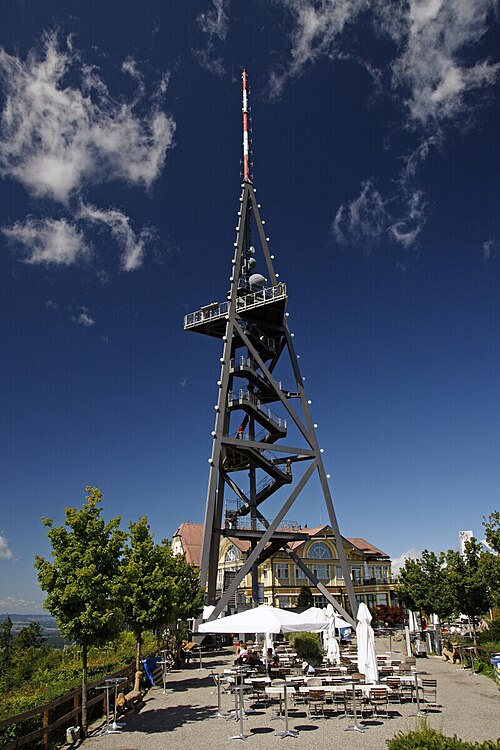
Uetliberg-Turm
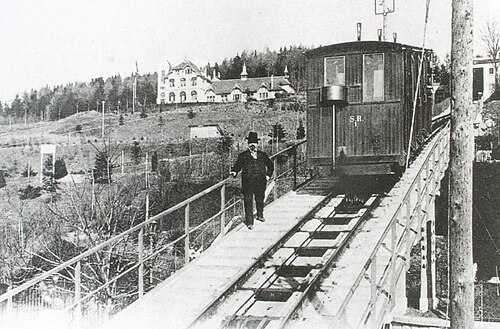
Uetliberg Aussichtsturm is a viewing tower on Uetliberg, the wooded mountain rising above Zurich’s southwestern edge. From the summit area, the tower gives visitors a higher perspective over Zurich, Lake Zurich and, in clear weather, the Alpine horizon.
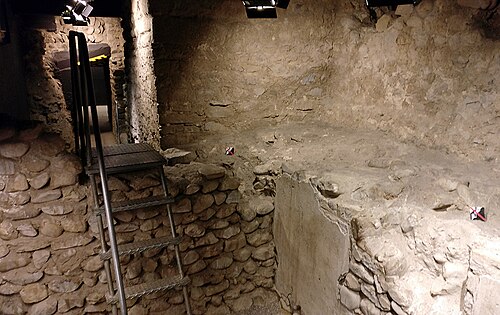
Lindenhof-Keller is a cellar-level establishment in Zurich’s historic Lindenhof quarter. The venue sits close to Lindenhof hill, an old-town viewpoint overlooking the Limmat, Grossmünster, and surrounding rooftops.
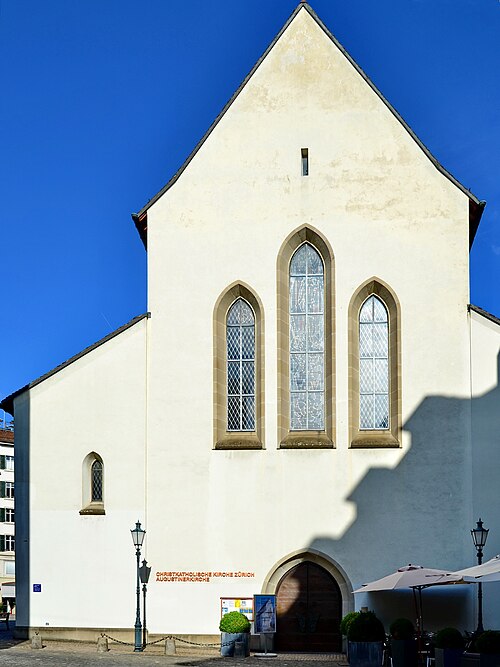
Augustinerkirche
The Christian Catholic Augustinian Church, known locally as Augustinerkirche, is an active Christian Catholic church in Zurich. It belongs to the Christian Catholic Church of Switzerland, a tradition distinct from Roman Catholicism.
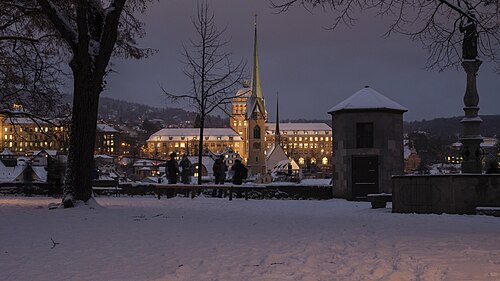
Predigerkirche
Predigerkirche is a historic church in Zurich, Switzerland, known in English as Preachers Church. It stands as a significant religious building in the city, originally associated with the Dominican order whose members were called preachers.
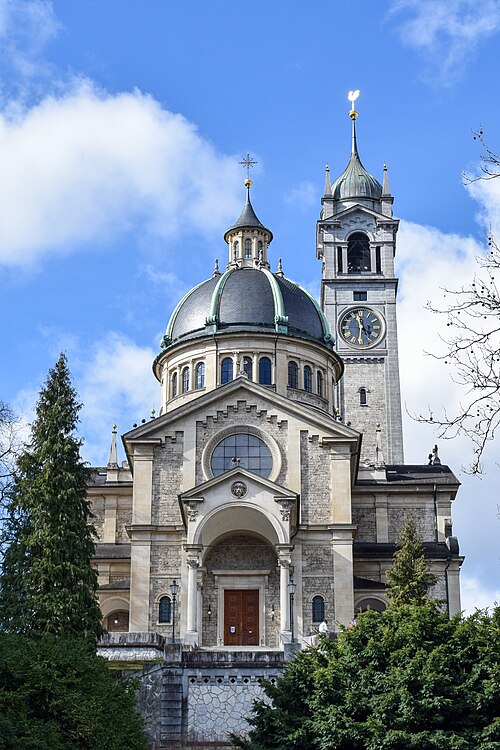
Kirche Enge is a church serving Zurich’s Enge district. It is a neighbourhood place of worship rather than a large museum or landmark built primarily for tourism.
Arboretum
Arboretum Zürich is a public park and botanical collection on the western shore of Lake Zurich. It combines a lakeside promenade setting with trees and shrubs gathered from different climate regions.
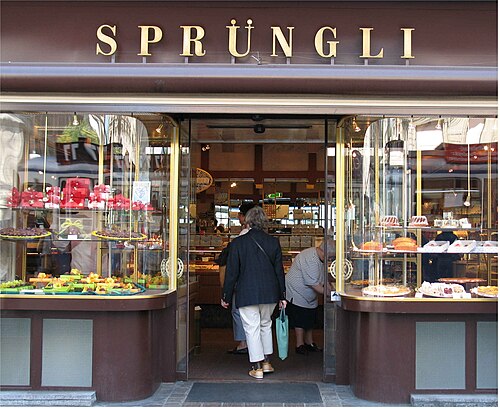
Sprüngli
Confiserie Sprüngli is a Zurich confectionery, chocolate shop, and café known for polished presentation and traditional Swiss craftsmanship. The name is especially associated with Luxemburgerli, a delicate macaron-style sweet, as well as chocolates, pralines, pastries, and gift collections.
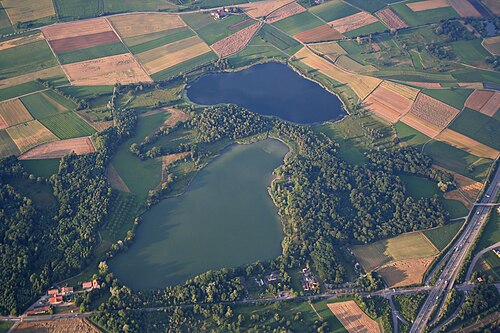
Chatzesee, Chräenriet
Katzensee is a lake in northern Zurich, also known locally as Chatzesee or Chräenriet. It offers an informal outdoor escape within the city’s administrative area, with water, shoreline, meadows and nearby woodland.
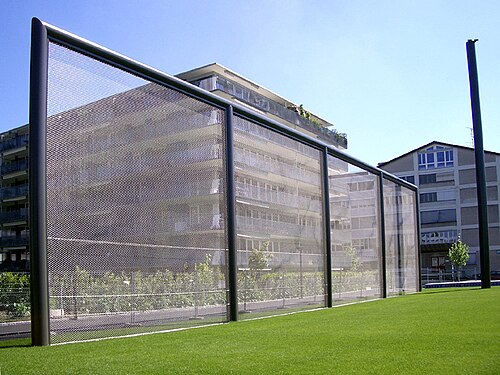
Oerlikerpark
Oerliker Park is a public green space in Zurich's Oerlikon district, serving as recreational grounds for residents and visitors. The park forms part of the city's northern urban landscape, positioned within a formerly industrial area that has undergone significant transformation.
Pestalozzianlage
Pestalozziwiese, also known locally as Pestalozzianlage, is a green public space in Zurich. Its name recalls Johann Heinrich Pestalozzi, the Swiss educational reformer.
Platzpromenade
Platzspitz park, also known as Platzpromenade, is a riverside public park in central Zurich. It stands where the Limmat and Sihl meet, giving the site a distinctive setting shaped by two waterways and the city’s main railway district nearby.
Rieterpark is a landscaped public park in Zurich’s Enge district, on the western shore of Lake Zurich. Its historic character is connected with Villa Wesendonck and with nineteenth-century landscape design.
Rigiblick is an elevated locality in northern Zurich, known for its position above the city and its relationship with views toward Lake Zurich. It is primarily an urban neighbourhood rather than a single enclosed attraction.
Schauspielhaus Pfauen
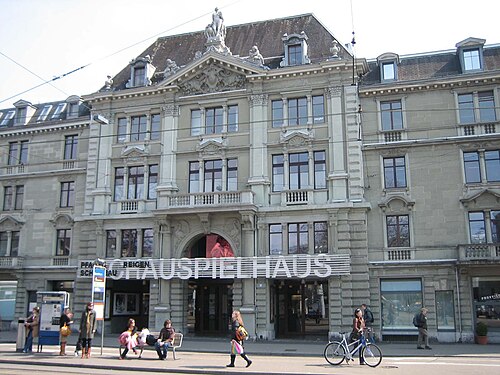
Schauspielhaus Zürich, also known as Schauspielhaus Pfauen, is one of Zurich's principal theatres. It presents dramatic performances within the city's German-language cultural scene and gives visitors an opportunity to experience theatre in a major Swiss urban setting.
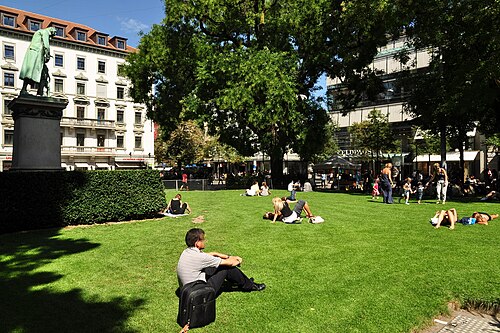
Stadelhoferplatz is a central Zurich square beside Stadelhofen railway station. It functions as both a public urban space and a busy transport interchange, linking railway passengers, tram users, pedestrians, and nearby streets.
Seven to ten days can combine two city or lake bases with one mountain region. Switzerland’s dense transport network reduces transfer friction, but weather-dependent alpine excursions still need flexible time.
Switzerland’s State Secretariat for Migration publishes entry requirements. Passport nationality, visit purpose and the wider Schengen route determine whether a visa is required and where to apply.
Zurich and Geneva airports connect directly to national rail. SBB trains, regional railways, PostBus routes and lake boats form the core network, while many mountain railways and cable cars use separate products.
June to September serves hiking and high-pass travel; December to March is the broad snow season. Mountain operating dates and weather vary by altitude, so verify the specific lift or route rather than relying on a national season.
Switzerland prices in Swiss francs (CHF). The current treatment of euros, card fees and exchange rates is Not recorded here; verify the charged currency and amount before accepting conversion.
Switzerland uses 112 as a general emergency number, 117 for police and 144 for ambulance. Type C and J sockets supply 230 V, and mains tap water is recorded as safe.