
12 min walk
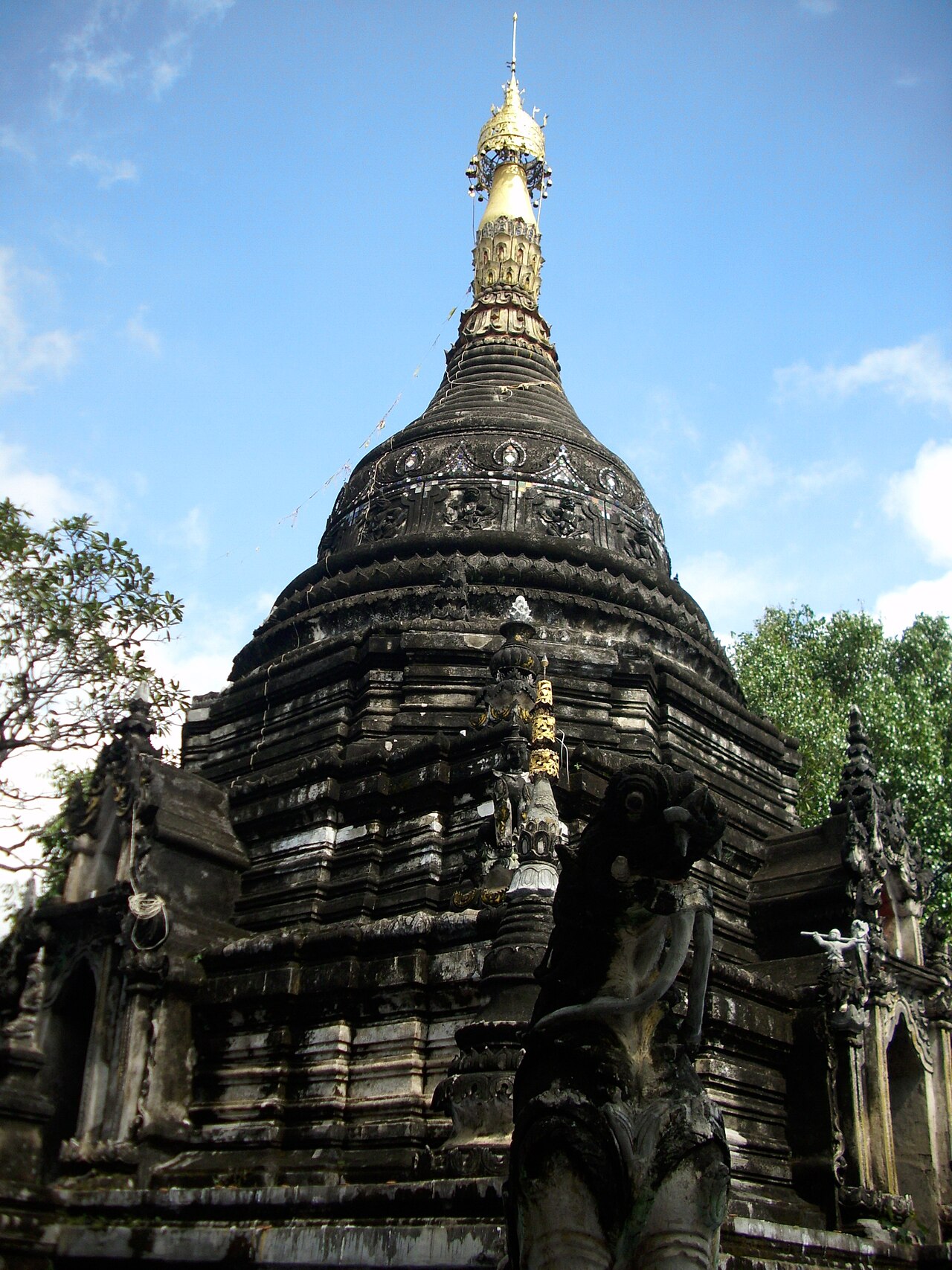
Wat Ku Tao
- Must see · Heritage site
- Place of worship
Market · Chiang Mai
Jing Jai Market is a Chiang Mai shopping and food destination where visitors can browse stalls, meet local sellers, and see regional goods gathered in one lively setting. It works best as an unhurried stop rather than a single shop: walk through the market, compare what different vendors offer, and leave room for a snack or a small purchase. The atmosphere connects everyday commerce with the social side of northern Thailand, giving travelers a more local-feeling experience than a standard shopping centre. Its appeal comes from variety, movement, and the chance to encounter products made or grown around the region.
Checked 2026-08-26 · Source
Inside the market, expect vendor stalls offering food items, crafts, clothing, and agricultural products. The arrangement is commercial and informal, so the experience is based on browsing rather than following a fixed exhibition route. Product groupings and individual sellers can change, while some stalls may concentrate on particular types of goods and others may present a mixed selection. Take time to look closely at handmade items and regional produce before deciding what to buy. Eating, shopping, and watching the market's daily exchange are all part of the visit, so the space rewards curiosity more than a strict checklist.
Checked 2026-08-26 · Source
Plan around thirty minutes for a quick walk through the stalls, or allow one to two hours if you want to browse carefully, eat, and compare products. A longer visit suits travelers looking for crafts, clothing, or regional food rather than a single predetermined purchase. Crowds and the pace of transactions can change how quickly you move, so keep the rest of your schedule flexible. The market is easy to experience in stages: make one circuit first, pause for food, then return to stalls that caught your attention. That approach gives the visit a relaxed rhythm without requiring a full morning.
Checked 2026-08-26 · Source
Jing Jai Market is most rewarding when the stalls are active and there is time to browse without rushing. Because the market operates as a changing commercial space, the selection and atmosphere can vary by operating day and season. Build the stop around your wider Chiang Mai plans and leave flexibility for a slower walk if the market is busy. Seasonal weather also affects comfort, particularly during an extended outdoor visit. The market suits travelers who enjoy seeing local products in motion, tasting something along the way, and accepting that a living marketplace changes from one visit to the next.
Checked 2026-08-26 · Source
Treat Jing Jai Market as a shopping destination: bring money for food, crafts, clothing, and agricultural products you may wish to purchase. The visit is centered on entering the commercial space and browsing vendor stalls, rather than on a separately described ticketed exhibition. Keep small purchases and food spending in mind when planning your stop. If you are carrying larger items afterward, allow time to pack them securely before continuing through Chiang Mai. The most useful budget decision is therefore how much you want to spend with individual vendors, not how to structure a museum-style admission visit.
Checked 2026-08-26 · Source
Jing Jai Market is within Chiang Mai's urban area, so travelers can reach it using the city's common local transport options, including songthaews, tuk-tuks, taxis, and rental vehicles. Walking may work from nearby accommodation, depending on your starting point and the heat. Use the market name in a current map app to set the final route, then allow extra time for traffic and for finding a convenient drop-off point. Songthaews and tuk-tuks are practical for short urban journeys; agree the fare before setting off when a negotiated ride is involved.
Checked 2026-08-26 · Source
Wear light, comfortable clothing and carry water for a longer walk through the stalls, especially in warm weather. Keep bags and phones close in busy pedestrian areas, and watch the movement of vehicles near entrances and on surrounding streets. Food, crafts, clothing, and produce may be presented in different ways, so inspect items carefully before buying and keep purchases protected while you continue exploring. Give vendors room to work, avoid blocking narrow routes, and ask before handling delicate goods. A patient, observant approach makes the market easier to enjoy.
Checked 2026-08-26 · Source
The market offers photographs of stalls, regional products, food, and the movement of shoppers through a working commercial setting. Look for layered scenes of goods, hands preparing or arranging items, and details that show the variety of the market without interrupting transactions. Ask before photographing individual vendors or close-ups of their goods, and respect any request to keep a person or stall out of frame. In shaded areas, adjust for changing light and crowded backgrounds. Wider views can convey the atmosphere while allowing sellers and shoppers to continue their activities comfortably.
Checked 2026-08-26 · Source
The market brings together food items, crafts, clothing, and agricultural products. Selection changes among stalls, so walking through the market before buying helps you compare what is available.
Allow about thirty minutes for a quick circuit, or one to two hours for browsing, eating, and comparing products.
It combines shopping, food, and everyday local commerce in one lively Chiang Mai setting, with regional goods and changing vendor stalls to explore.
Bring water, comfortable clothing, and money for purchases. Keep personal belongings close in busy areas and protect anything fragile you buy.
You can photograph the market atmosphere and displays, but ask before making close-up images of vendors or their goods and respect any request not to be photographed.
Common options include songthaews, tuk-tuks, taxis, rental vehicles, and walking from nearby accommodation. Use a current map app for the final route.
Loading the interactive map…
The interactive map could not be loaded.

Last updated:
Source: OpenStreetMap contributors ·