Wat Tung Yu
วัดทุงยู
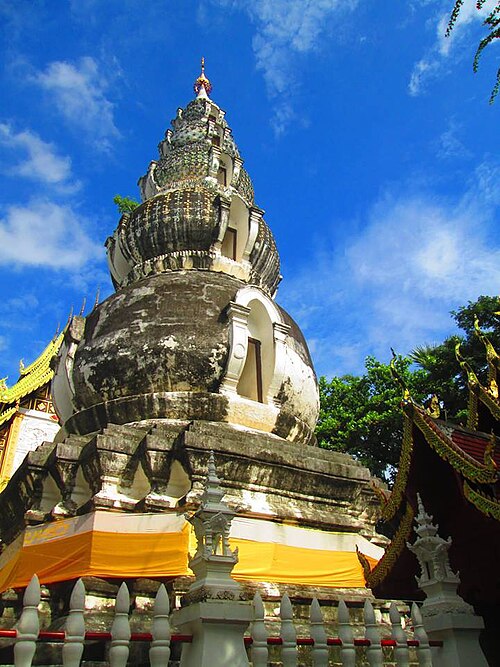
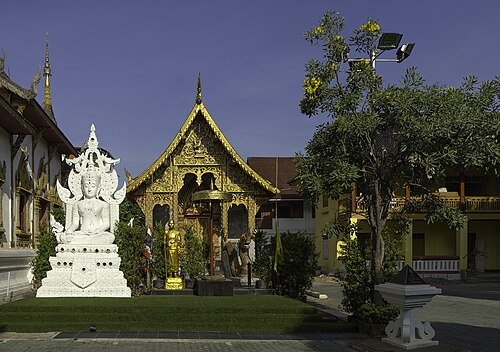
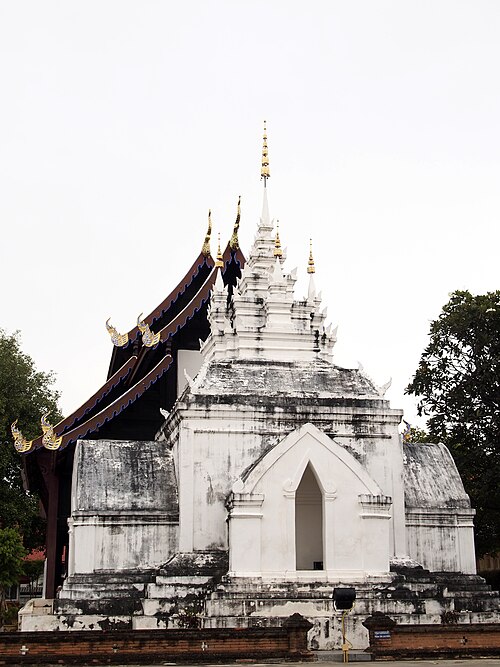
Wat Tung Yu is a Buddhist temple in Chiang Mai, northern Thailand. It stands as one of numerous historic temples dotting the old city and surrounding areas, reflecting the region's deep Lanna heritage.
- Must see
- Place of worship
City guide · Thailand
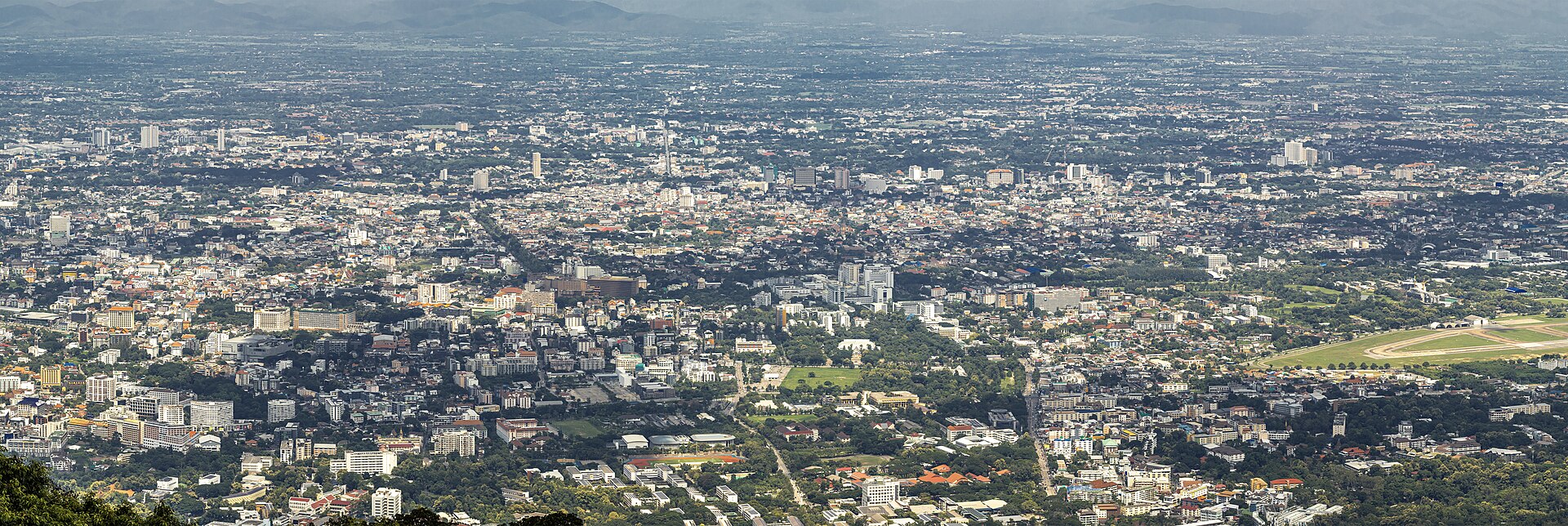
Chiang Mai combines a compact moated old city with riverside neighbourhoods, the Nimman area and mountain attractions to the west. Temples and markets fill the...
Photograph · Supanut Arunoprayote · CC BY 4.0
Set your days, your pace and the hours you actually want to be out. The planner works around closing days and travel time, and leaves room to eat.
Reviewed by Elena Voss · Roavina Travel Editor
Chiang Mai combines a compact moated old city with riverside neighbourhoods, the Nimman area and mountain attractions to the west. Temples and markets fill the central grid, while Doi Suthep, botanical gardens and national-park routes require transport. Separate the walkable historic core from mountain and countryside days so long road journeys do not consume the same hours reserved for city sights.
Checked 2026-08-26
September · September remains very wet in Chiang Mai at 200.2 mm across about seventeen rain days, but the normal alone does not imply broad access loss.
Ranked by importance — sitelinks, pageviews and heritage status, not editor preference.
38 places match
Category
Typical visit duration
Interests
วัดทุงยู
Wat Tung Yu is a Buddhist temple in Chiang Mai, northern Thailand. It stands as one of numerous historic temples dotting the old city and surrounding areas, reflecting the region's deep Lanna heritage.
วัดปราสาท
Wat Prasat is a Buddhist temple in Chiang Mai, northern Thailand. It represents a meaningful visitor landmark retained within the breadth-first top 100 notable sites for the city, though production systems lack a precise city POI pool for exact matching.
วัดเชียงยืน
Wat Chiang Yuen is a historic Buddhist temple in Chiang Mai, northern Thailand. It stands as one of the city's meaningful visitor landmarks, recognized within the breadth-first top 100 attractions.
วัดกู่เต้า
Wat Ku Tao is a Buddhist temple in Chiang Mai, northern Thailand. Its name translates to Watermelon Temple, referencing the distinctive hemispherical chedi resembling stacked watermelons.
Wat Pa Pao is a Buddhist temple in Chiang Mai, northern Thailand. It stands as one of the notable religious sites within the historic city, which served as the capital of the Lanna Kingdom.
Bhubing Palace is a royal residence situated on Doi Suthep mountain in Chiang Mai province, northern Thailand. The palace serves as a winter retreat for the Thai royal family when visiting the region.
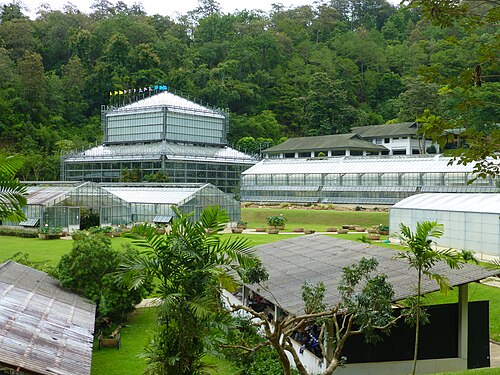
Queen Sirikit Botanic Garden is a botanical garden in Chiang Mai Province, northern Thailand. It serves as a major centre for botanical research and plant conservation in the region.
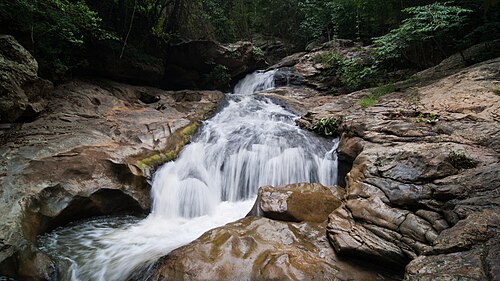
Mae Sa Waterfall is a multi-tiered cascade situated in the Mae Sa Valley area north of Chiang Mai city, within the broader mountainous terrain of northern Thailand.
Ob Khan National Park is a protected natural area located in Chiang Mai Province, northern Thailand. The park encompasses forested mountain terrain, river valleys, and limestone formations characteristic of the region's geography.
Khlong Mae Kha
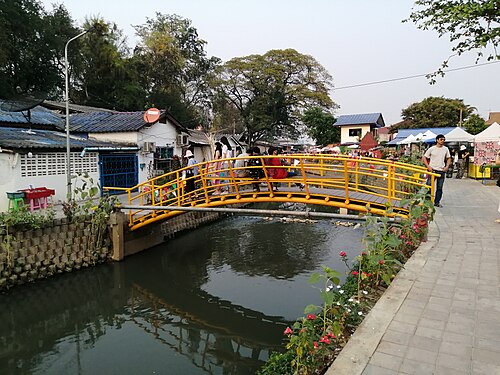
Khlong Mae Kha is a canal located in Chiang Mai, northern Thailand.
Ton Lam Yai Flower Market is a riverside flower market in central Chiang Mai beside the Ping River.
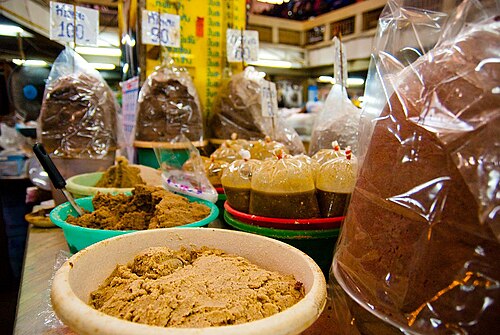
Jing Jai Market is a Chiang Mai shopping and food destination where visitors can browse stalls, meet local sellers, and see regional goods gathered in one lively setting.
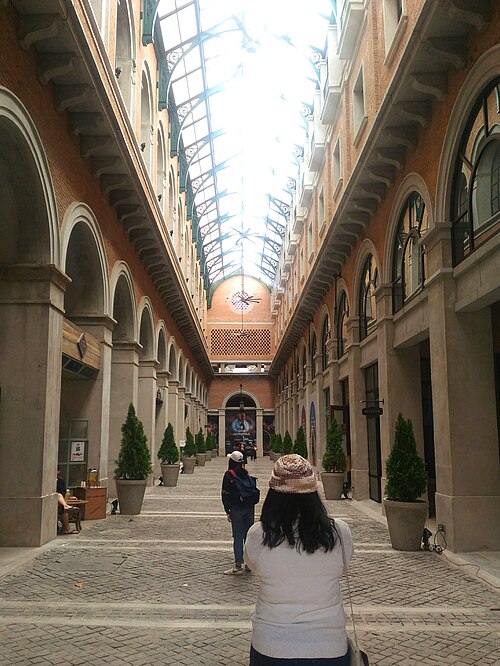
One Nimman is a contemporary lifestyle and retail complex situated in the Nimmanhaemin area of Chiang Mai, northern Thailand.
The old city sits inside a square moat and walls, with Tha Phae Gate on the eastern side. The Night Bazaar and Ping River lie farther east, while Nimmanhaemin Road and the university district extend west toward Doi Suthep. Major nature destinations, including Doi Inthanon and Mae Kampong, are regional excursions rather than city-centre additions and need their own travel blocks.
Checked 2026-08-26
Walk or cycle short routes inside the old city, then use songthaew, bus, samlor, tuk-tuk, taxi or a licensed vehicle for outer districts and mountain roads. Official Tourism Authority guidance identifies these local options. Doi Suthep and more distant provincial attractions should be planned with confirmed return transport rather than treated as spontaneous extensions of a central walk.
Checked 2026-08-26
A fixed official stay length is not recorded. Separate the old city and markets from Doi Suthep and any full-day provincial nature trip.
Yes. The moated old city is the most practical walking area, with many temples and visitor services inside or near its square boundary.
Official tourism guidance lists songthaew, bus, samlor, tuk-tuk, taxis and rental vehicles. Choose licensed transport appropriate to the route.
No. Doi Suthep rises west of the city and requires road transport; plan it separately from an old-city walking circuit.
They are wider Chiang Mai province excursions. The official tourism guide presents them as nature and community destinations beyond the central city.