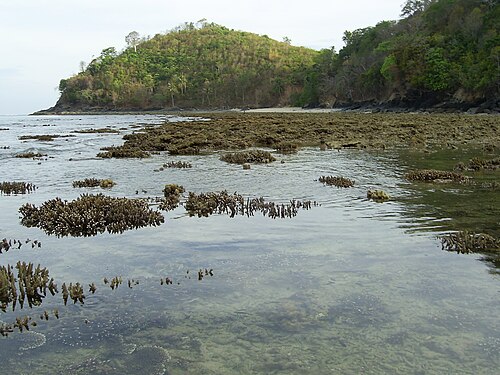
Panwa Beach
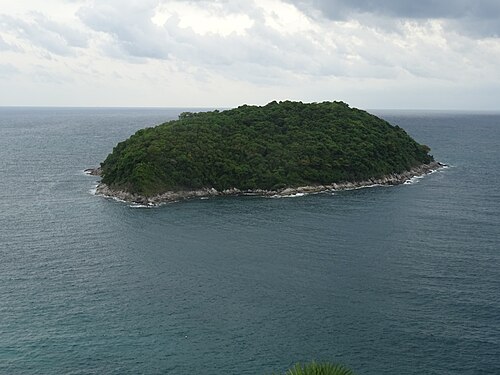
Panwa Beach is a coastal area on the southeastern side of Phuket Island, Thailand. It sits within Cape Panwa, a peninsula known for quieter shores compared to Phuket's busier western beaches.
- Notable
- Nature site
- Phuket
Country guide
Thailand is 513,120 km² and 76 provinces, plus Bangkok, which is not a province at all but a special administrative area with an elected governor of its own. Th...
Photograph · Diego Delso · CC BY-SA 3.0
Reviewed by Elena Voss · Roavina Travel Editor
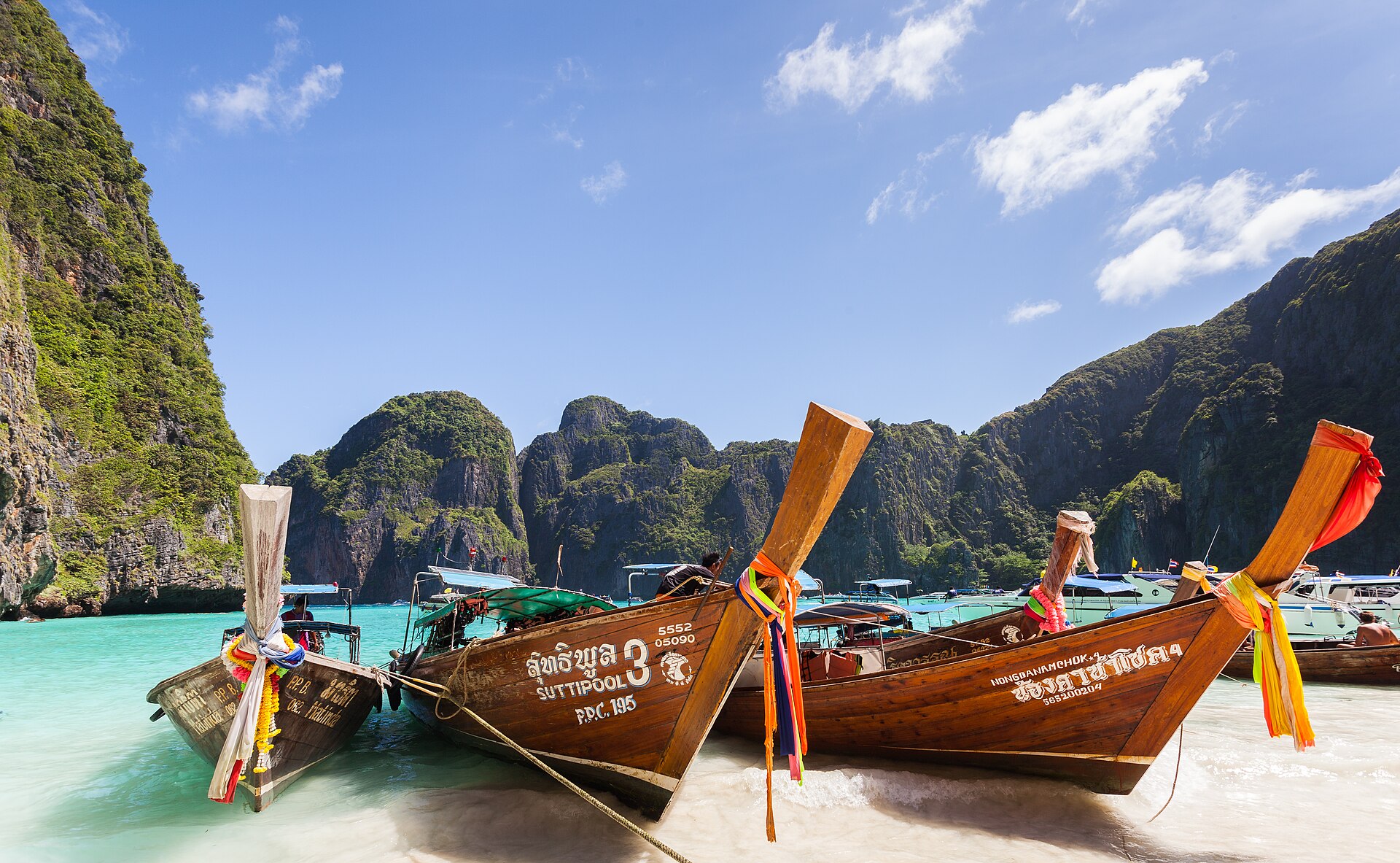
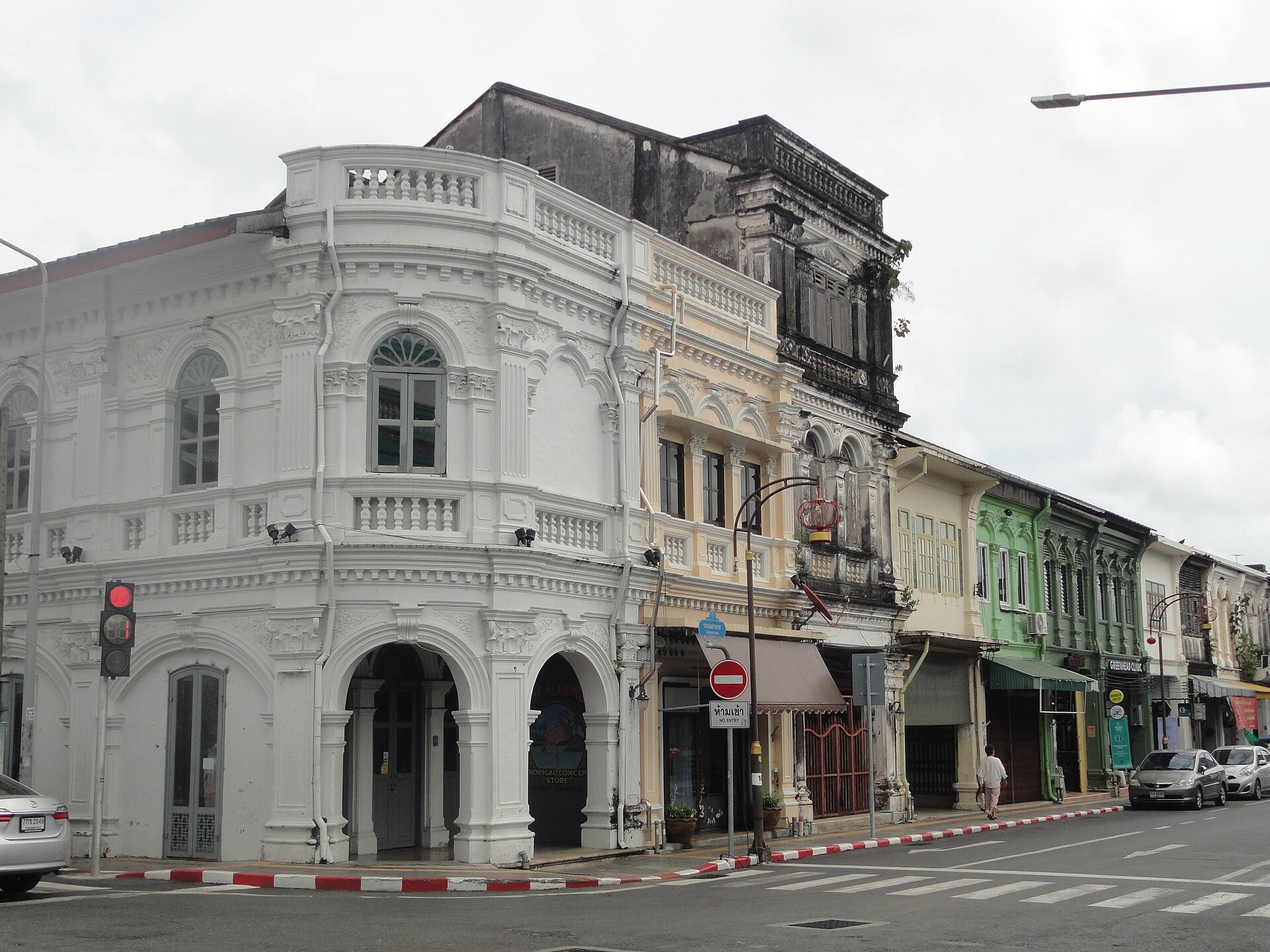
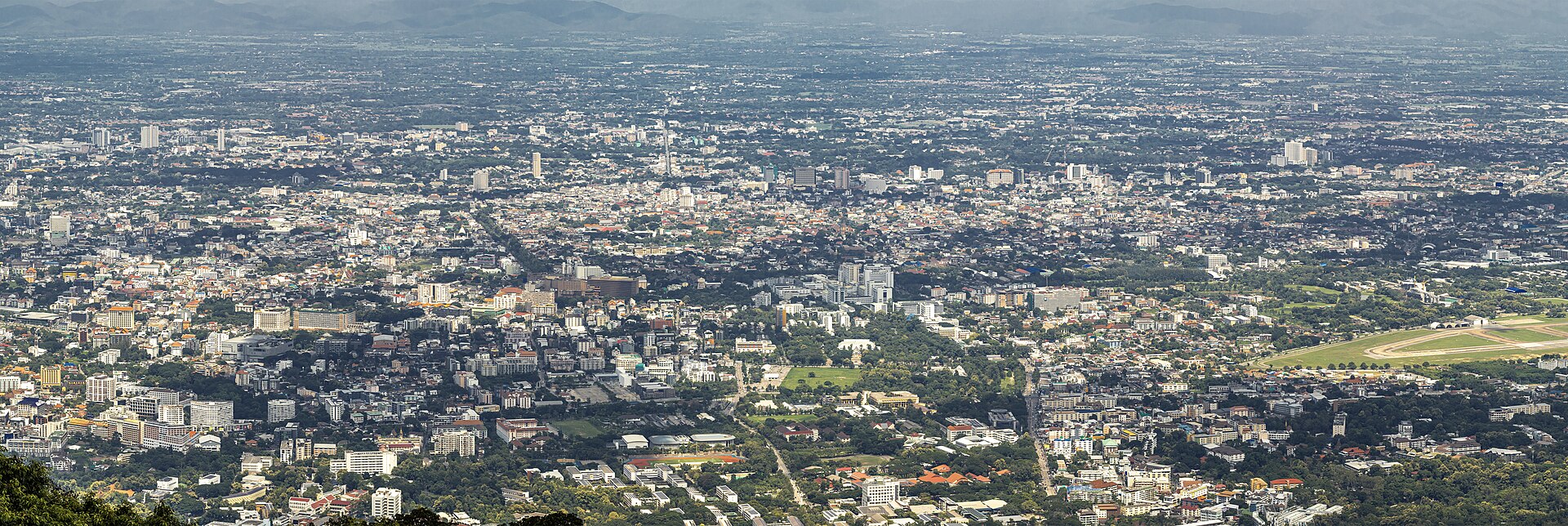
Thailand is 513,120 km² and 76 provinces, plus Bangkok, which is not a province at all but a special administrative area with an elected governor of its own. The 65,975,198 people counted in 2024 spread across four regions that behave like four separate trips: the central plain along the Chao Phraya, the north around Chiang Mai and the old Lan Na kingdom, the Khorat Plateau in the northeast, and the long strip of the Malay Peninsula in the south. Most itineraries take two of the four. Taking all four is largely a schedule of internal flights.
Checked 2026-08-25
Every city catalogued in this country so far, ranked by how much there is to see.
Photograph · Preecha.MJ · CC BY-SA 4.0
Photograph · Ryomaandres · CC BY-SA 4.0
Photograph · Supanut Arunoprayote · CC BY 4.0
Seasonal closures come from recorded opening hours.
Ranked by importance — sitelinks, pageviews and heritage status, not editor preference.
192 places match
Category
Typical visit duration
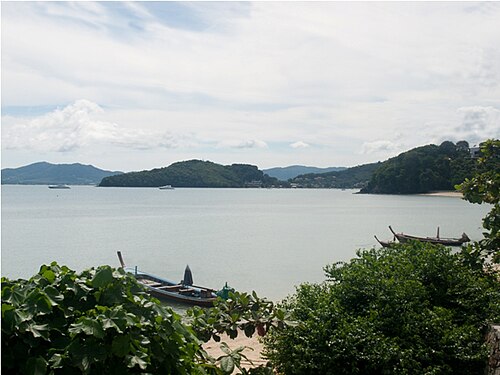
Panwa Beach is a coastal area on the southeastern side of Phuket Island, Thailand. It sits within Cape Panwa, a peninsula known for quieter shores compared to Phuket's busier western beaches.
Paradise Beach is a sandy coastal destination on Phuket’s Andaman Sea shore. The beach offers a compact setting for swimming, shoreline activity and time beside the water, within the wider beach landscape of southern Thailand.
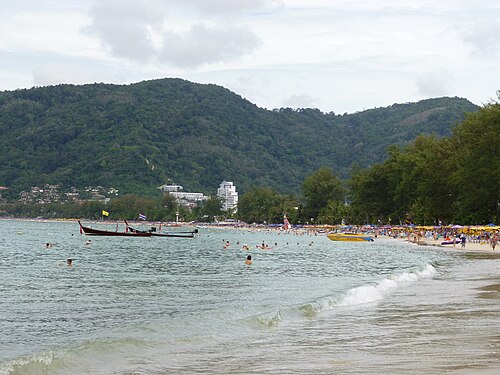
Patong Beach is a coastal area on the west side of Phuket island in southern Thailand. It represents one of the most internationally recognized beach destinations in the province, situated within the broader Phuket tourism region.
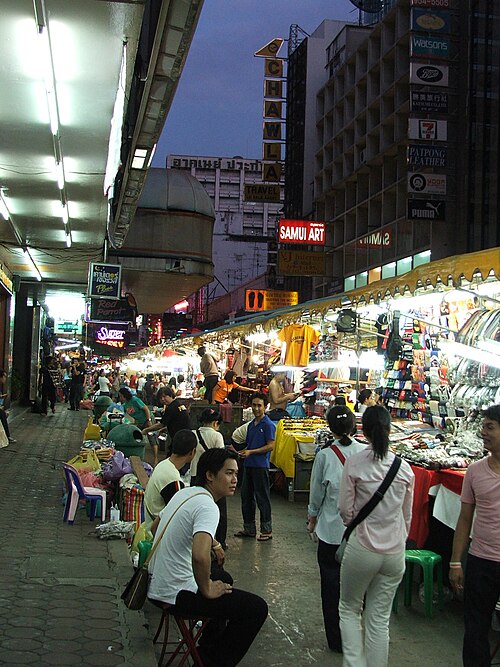
Patpong Museum is a museum located in the Patpong area of Bangkok. The museum documents the history and development of the Patpong district, which has been known internationally for its night market and entertainment venues.
สถานแสดงพันธุ์สัตว์น้ำภูเก็ต
Phuket Aquarium is a public marine-life institution at Cape Panwa on Phuket’s south-eastern coast. It is operated by the Phuket Marine Biological Center and combines public exhibits with the wider centre’s research and education role.
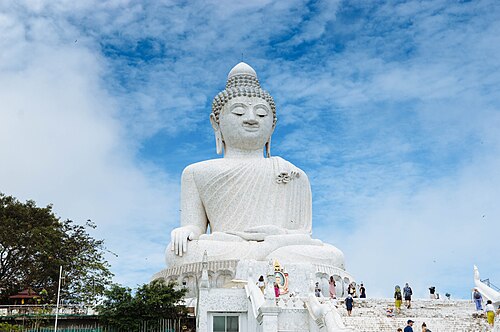
Phuket Big Buddha is a prominent religious landmark on Nakkerd Hill near Chalong in southern Phuket. The hilltop setting makes the statue visible from many parts of the island and gives the visit a strong sense of place.
Phuket Mining Museum is a visitor landmark located in Phuket, Thailand. The museum documents the island's tin mining heritage, which shaped Phuket's economy and culture for centuries.
Phuket Wake Park is a cable-wakeboarding facility in Phuket, Thailand. An overhead cable system pulls riders across a purpose-built body of water, so the activity does not use a boat.
นิทรรศน์รัตนโกสินทร์
Rattanakosin Exhibition Hall is a permanent exhibition space in Bangkok's historic Rattanakosin Island district. The facility presents displays related to Thai heritage, culture, and the history of the Rattanakosin period beginning in 1782.
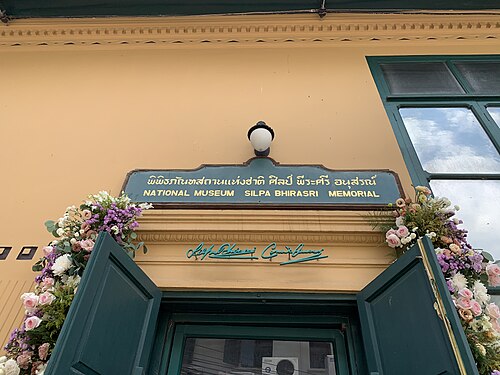
พิพิธภัณฑสถานแห่งชาติศิลป์พีระศรี
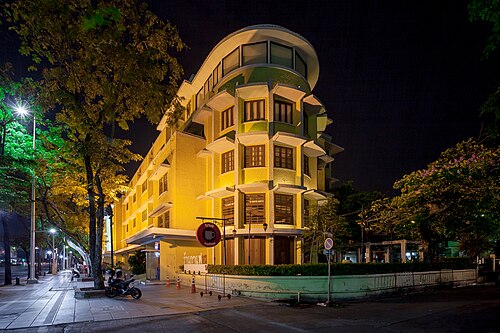
The Silp Bhirasri National Museum is a national museum in Bangkok dedicated to the life and work of Silpa Bhirasri, an Italian-born sculptor who became a pivotal figure in modern Thai art.
วังสวนผักกาด
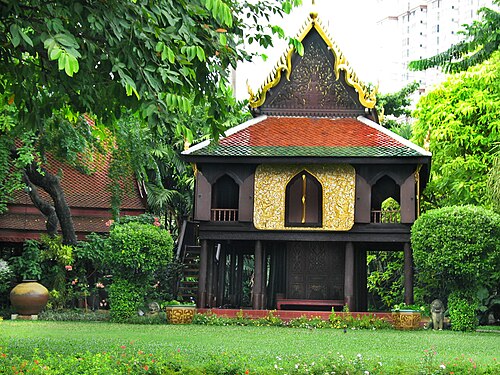
Suan Pakkad Palace is a private aristocratic compound on Si Ayutthaya Road in Ratchathewi, south of the Victory Monument, where Prince Chumbhotbongs Paribatra, who lived from 1904 to 1959, and his wife Princess Chumbhot assembled a residence out of old…
ตลาดน้อย
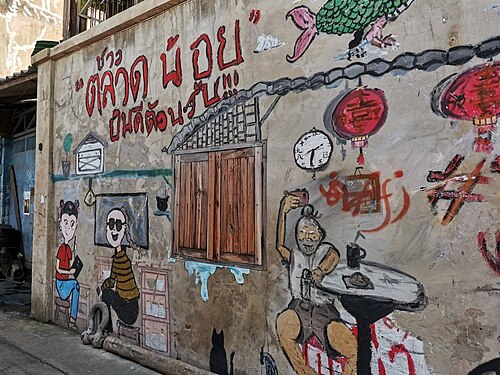
Talat Noi is a working riverside quarter on the eastern bank of the Chao Phraya, immediately south of Bangkok's Chinatown, and it is a place rather than a venue: no gate, no ticket desk, no operator.
Ton Lam Yai Flower Market is a riverside flower market in central Chiang Mai beside the Ping River.
วัดลอยเคราะห์
Wat Loi Kroh is a Buddhist temple situated in Chiang Mai, northern Thailand. The temple occupies a position along Loi Kroh Road, a thoroughfare known for its concentration of visitor-oriented businesses in the central city area.
Wat Phra Nang Sang is a Buddhist temple in Phuket, Thailand. It stands as one of the island's older religious sites, carrying historical significance within the province's cultural landscape.
วัดอุโมงค์(สวนพุทธรรม)
Wat Umong is a historic Buddhist temple situated in the forested foothills west of Chiang Mai's old city. The temple is distinguished by its ancient tunnel complex, from which its name derives, as umong translates to tunnel.
Windmill Viewpoint is an elevated coastal lookout on Phuket’s southwestern peninsula. Its defining feature is the group of large wind turbines rising above a broad Andaman Sea landscape.
Ten to fourteen days allows three or four days in Bangkok, about three in Chiang Mai, and a separate southern base. If an island follows an international arrival, keep a spare transfer day because the last road or ferry connection may not align with the flight.
Thailand's entry permission depends on the traveller's passport, purpose, and stay length. Use the linked Thai immigration guidance to confirm the applicable visa route and whether a Thailand Digital Arrival Card is required for the arrival date.
Bangkok anchors Thailand's transport network. The Tourism Authority of Thailand lists buses, trains, urban rail, vans and songthaews for land journeys, alongside domestic aviation and boat services. Check any island's final sea or road connection separately before booking the inbound leg.
November through February is the broad starting point for this route, not a nationwide weather guarantee. Northern conditions and the monsoon timing on each coast differ, so choose dates around the island or ferry leg rather than Bangkok alone.
Thailand uses the Thai baht (THB). Cards may work in larger hotels and businesses, but market purchases and some island transport can require cash, so retain a modest baht reserve without assuming a particular exchange fee.
Record 191 for police and 1669 for medical emergencies in Thailand. Power is 220 V with Type A, B, C, and O sockets; tap-water safety is not recorded here, so ask the accommodation rather than treating the missing entry as approval.