Wat Phra That Doi Suthep
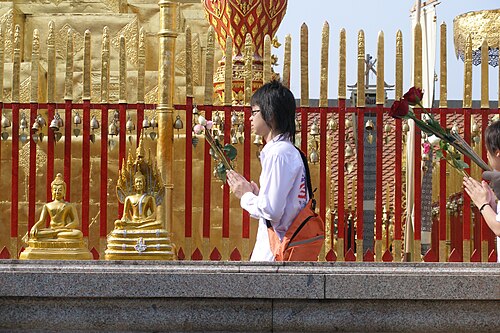
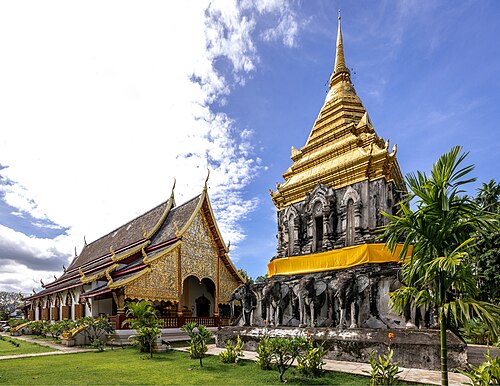
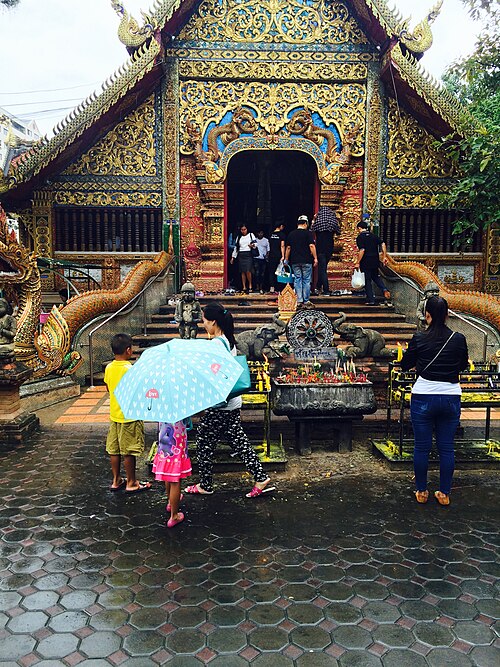
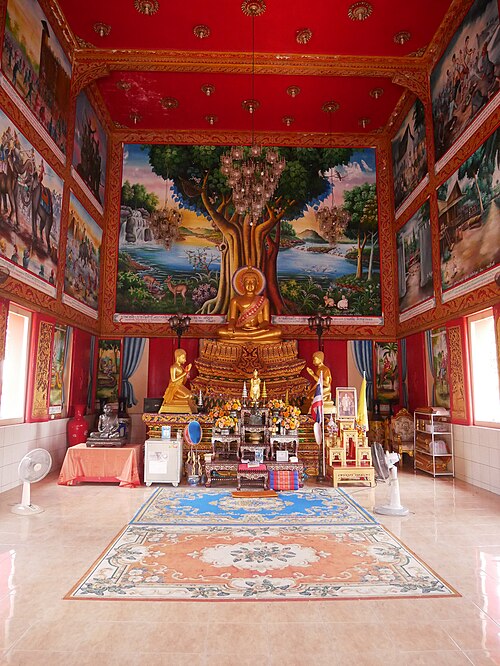
Wat Phra That Doi Suthep is a Theravada Buddhist temple located on Doi Suthep mountain, approximately fifteen kilometers west of Chiang Mai city center in northern Thailand.
- Must see
- Place of worship
- Chiang Mai
Language · 11 published
Country guide
Thailand is 513,120 km² and 76 provinces, plus Bangkok, which is not a province at all but a special administrative area with an elected governor of its own. The 65,975,198 people counted in 2024 spread across four regions that behave like four separate trips: the central plain along the Chao Phraya, the north around Chiang Mai and the old Lan Na kingdom, the Khorat Plateau in the northeast, and the long strip of the Malay Peninsula in the south. Most itineraries take two of the four. Taking all four is largely a schedule of internal flights.
Reviewed by Elena Voss · Roavina Travel Editor
Every city catalogued in this country so far, ranked by how much there is to see.
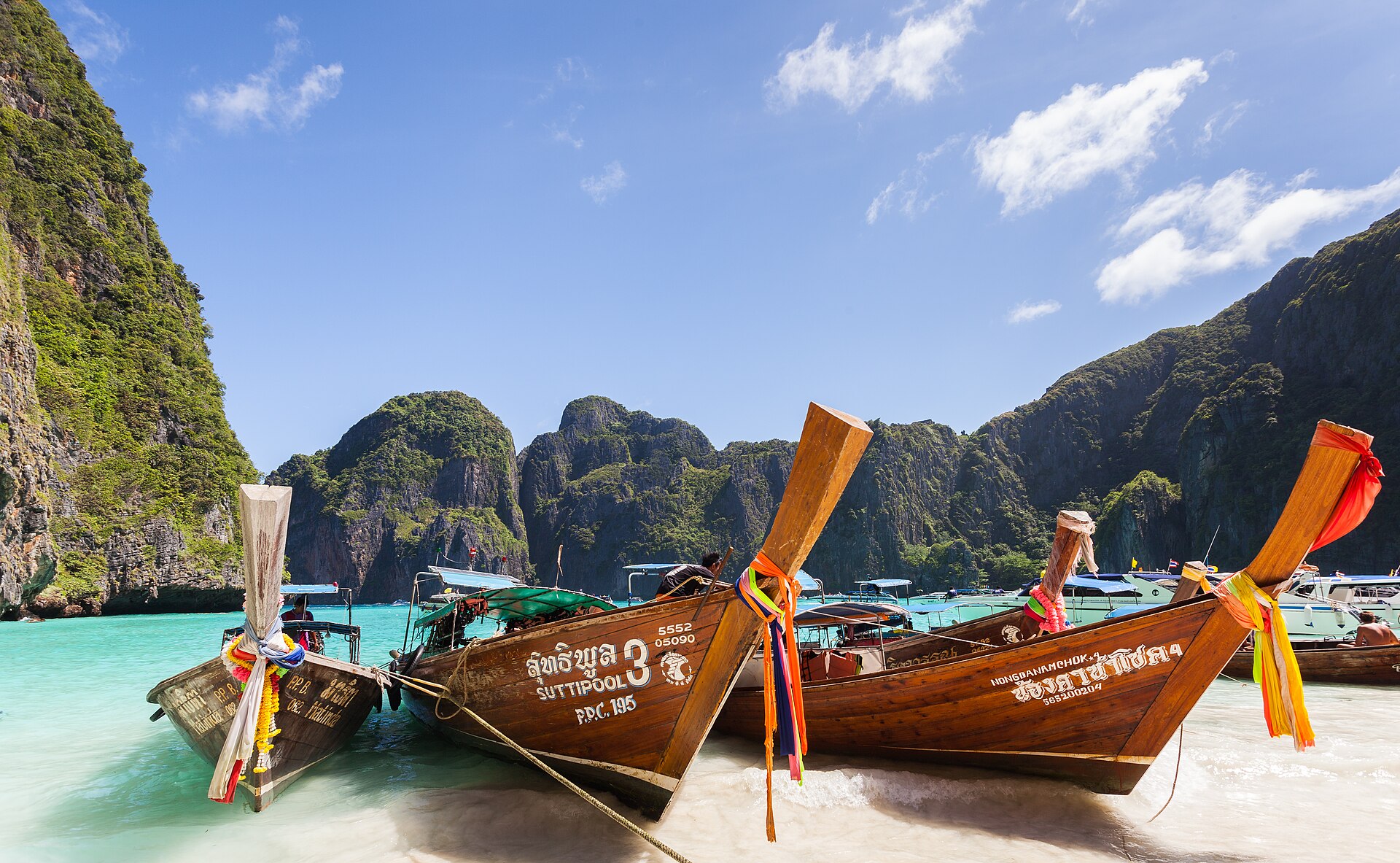
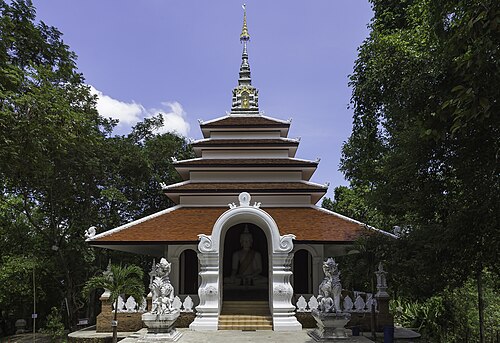
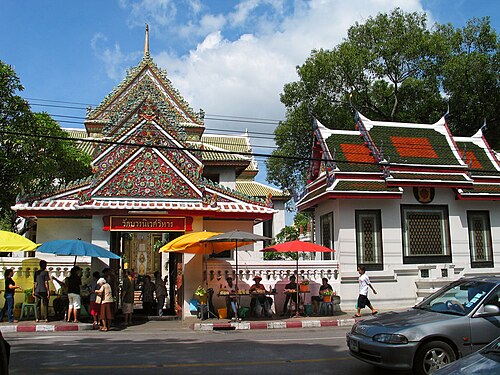
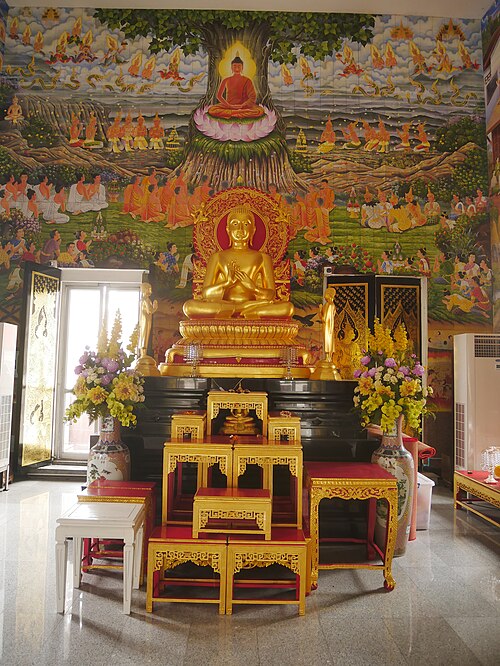
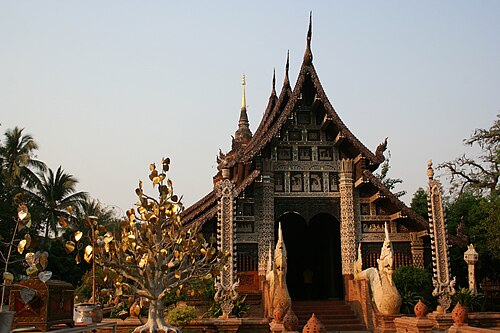
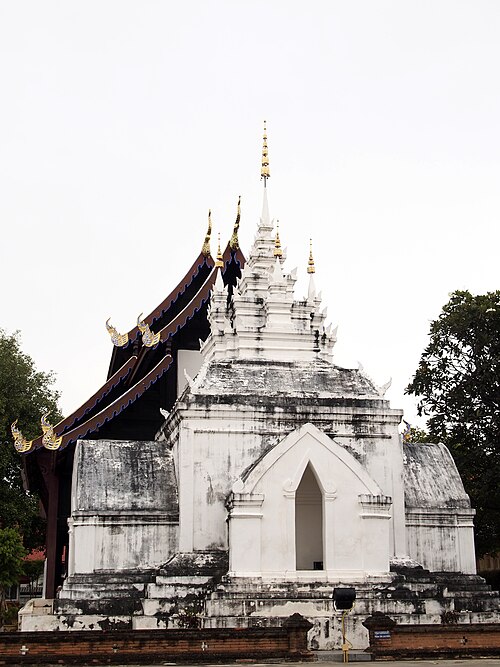
Photograph · Preecha.MJ · CC BY-SA 4.0
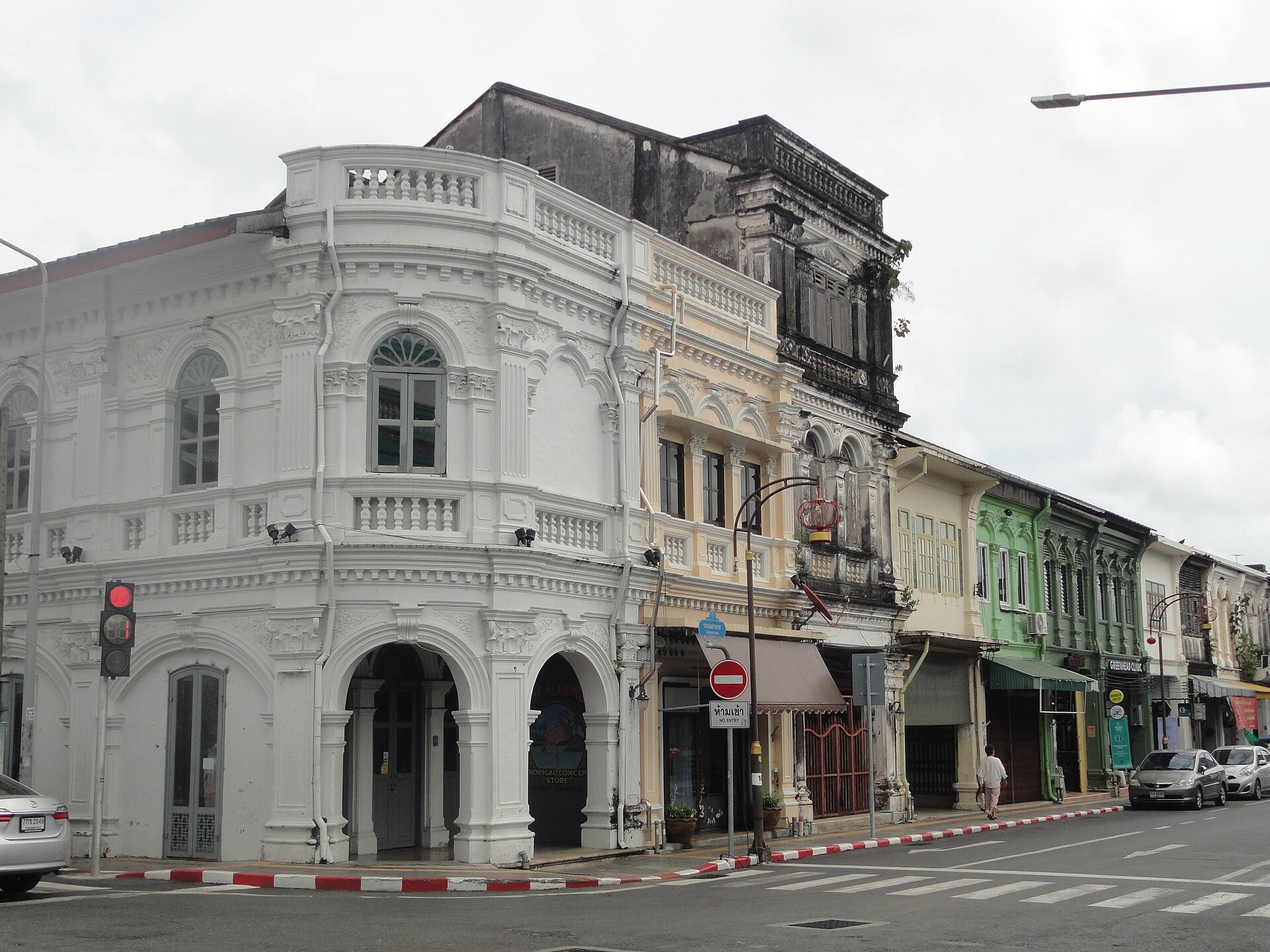
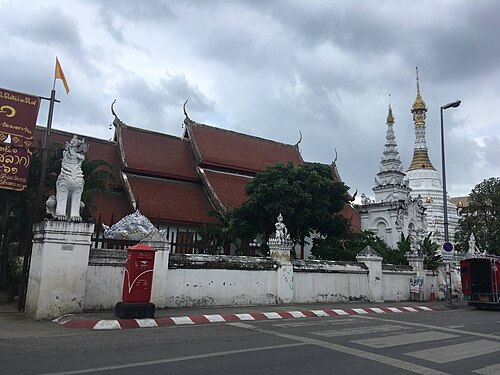
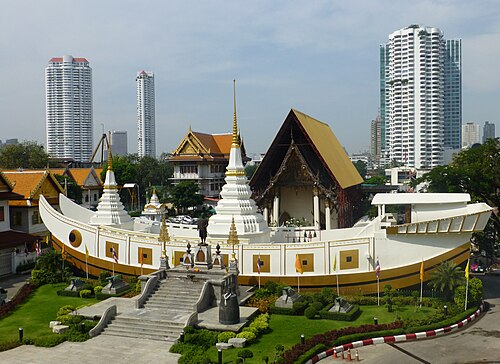
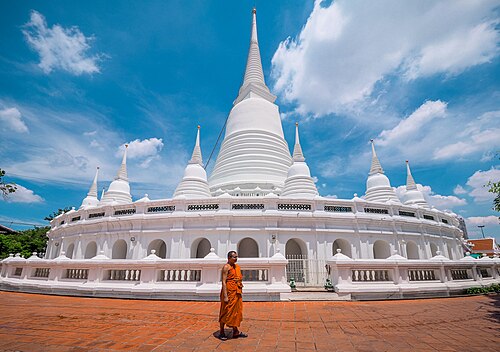
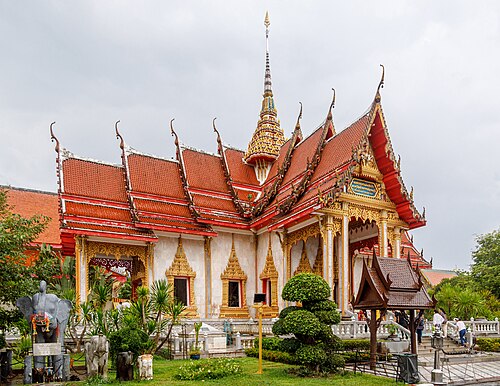
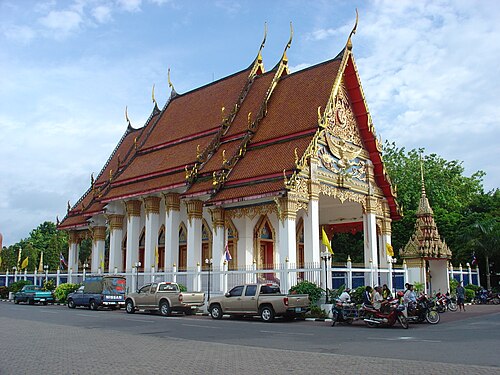
Photograph · Ryomaandres · CC BY-SA 4.0
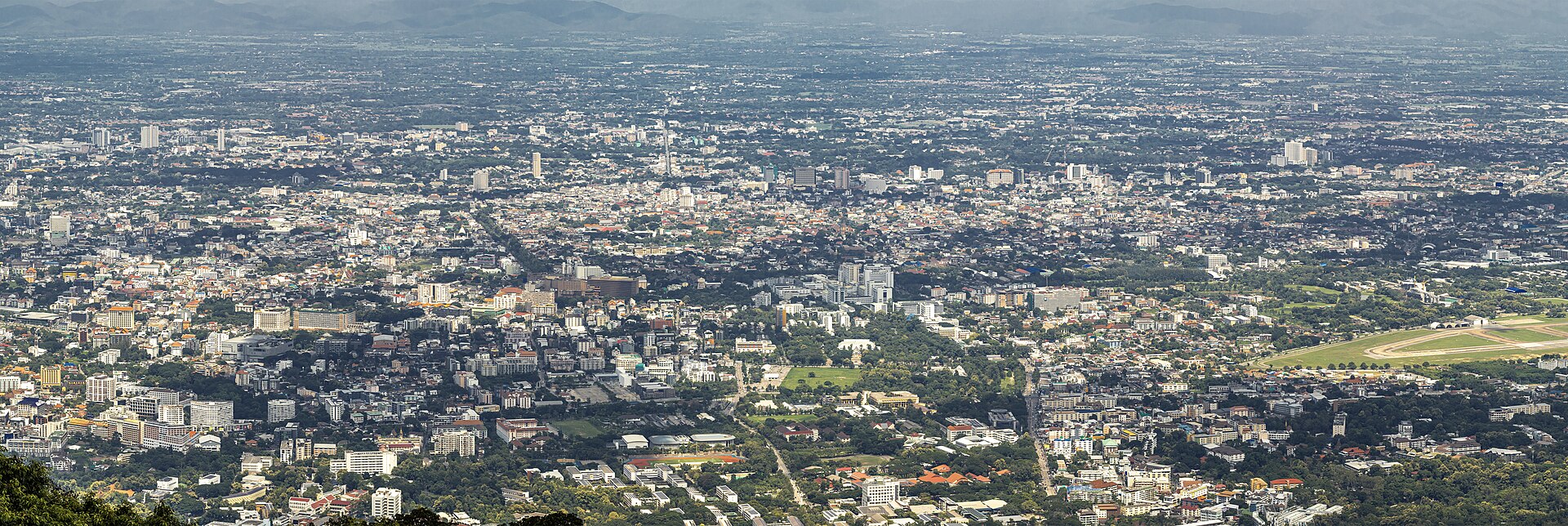
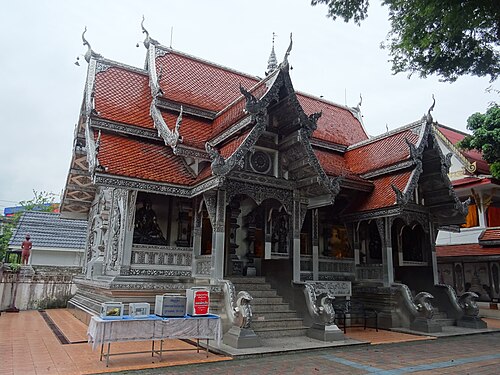
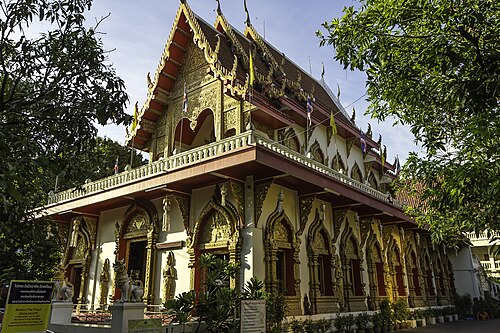
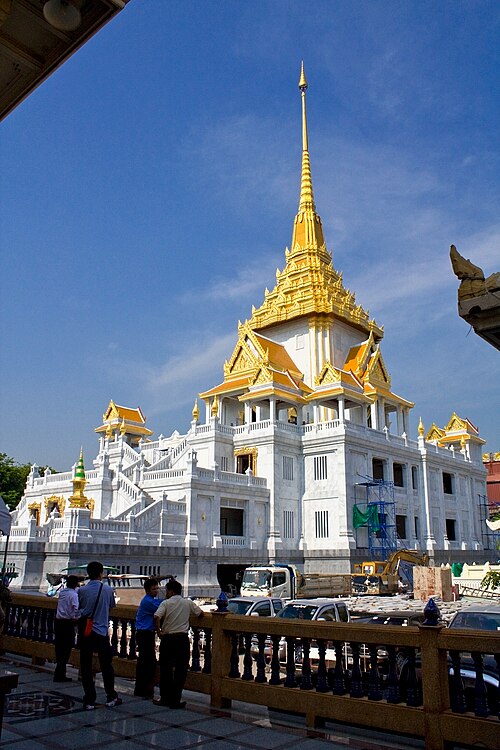
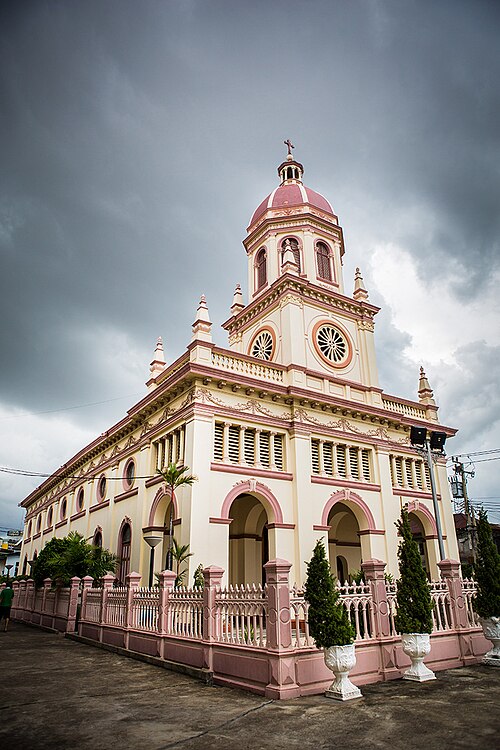
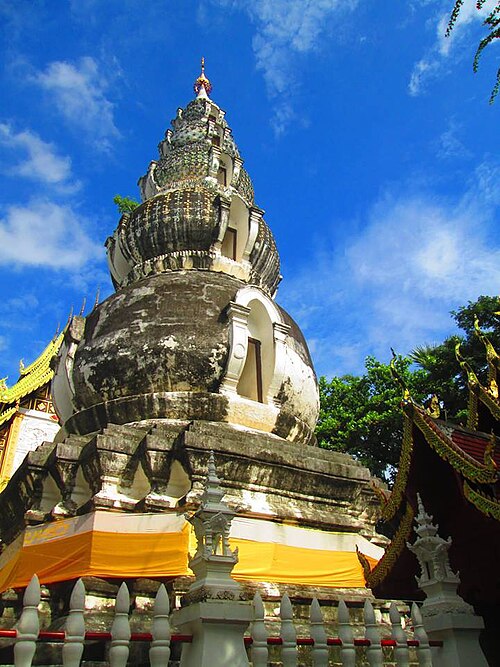
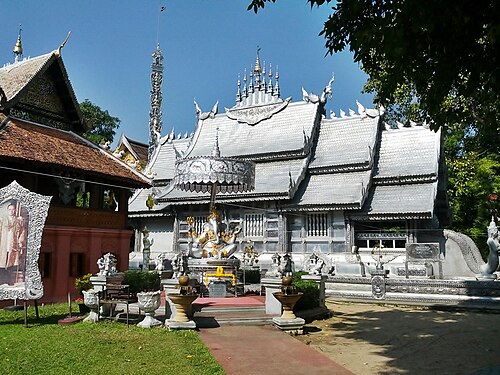
Photograph · Supanut Arunoprayote · CC BY 4.0
Ranked by importance — sitelinks, pageviews and heritage status, not editor preference.
43 places match
Category
Typical visit duration
Interests
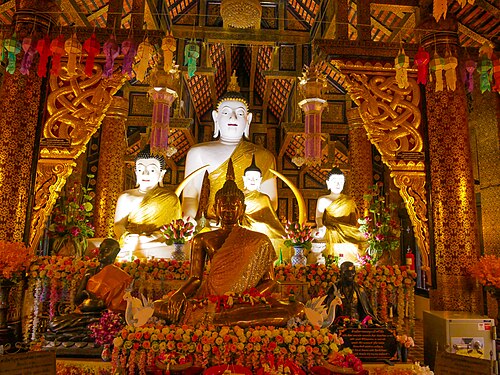
Wat Phra That Doi Suthep is a Theravada Buddhist temple located on Doi Suthep mountain, approximately fifteen kilometers west of Chiang Mai city center in northern Thailand.
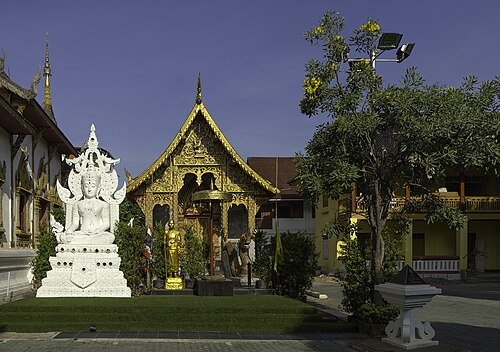
Wat Pha Lat is a Buddhist temple situated in the forested hills west of Chiang Mai city proper. The temple occupies a hillside position along the route toward Doi Suthep, the more famous mountain-top temple complex.
Wat Mahawan is a Buddhist temple in Chiang Mai, northern Thailand. It sits within the historical fabric of the old city, an area dense with religious sites accumulated across centuries of Lanna kingdom and subsequent periods.
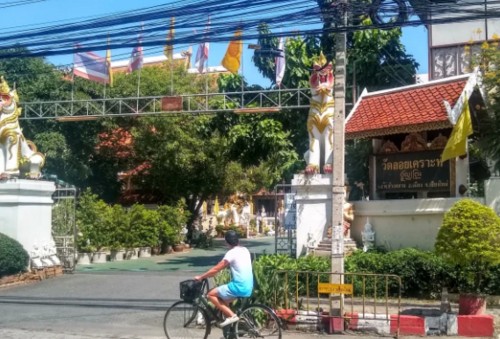
Wat Muen San is a Buddhist temple situated in Chiang Mai, the largest city in northern Thailand.
Wat Phan On is a Buddhist temple situated in Chiang Mai, northern Thailand. The temple occupies a location within the old city area, placing it among the numerous religious sites that contribute to Chiang Mai's historical and cultural character.
วัดสระเกศราชวรมหาวิหาร
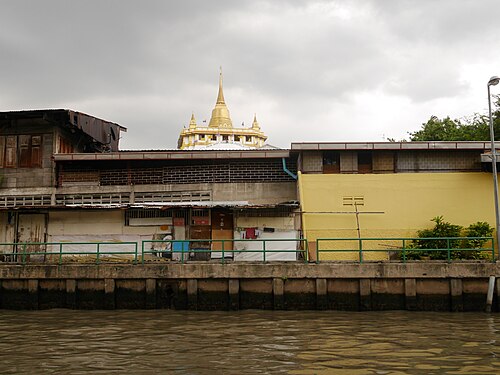
Wat Saket is a working royal monastery in Pom Prap Sattru Phai, on the eastern edge of the old royal island, and it is older than the city that grew around it.
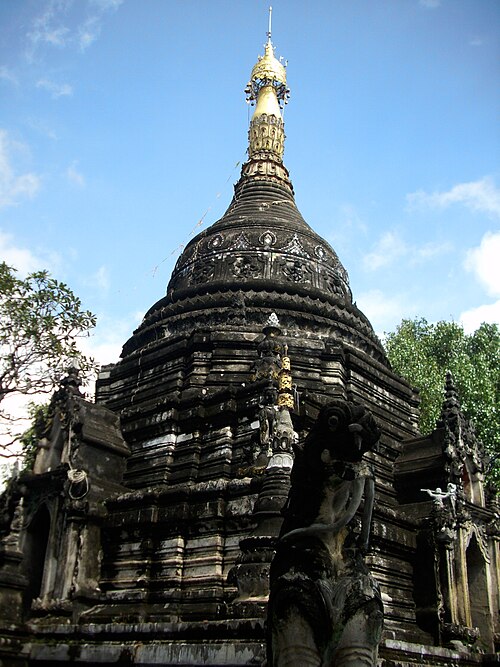
Wat Pa Pao is a Buddhist temple in Chiang Mai, northern Thailand. It stands as one of the notable religious sites within the historic city, which served as the capital of the Lanna Kingdom.
ศาลท้าวมหาพรหม
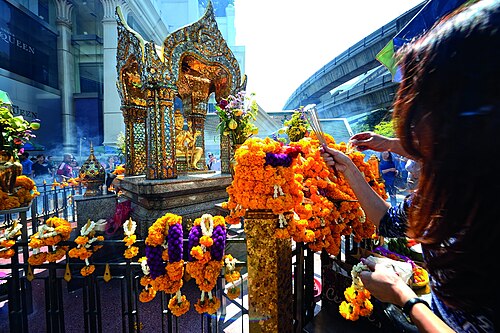
The Erawan Shrine is a small open pavilion on the corner of the Ratchaprasong junction, hemmed in by department stores and skywalks, holding a gilded four-faced image of Phra Phrom — the Thai form of Brahma.
วัดปากน้ำภาษีเจริญ
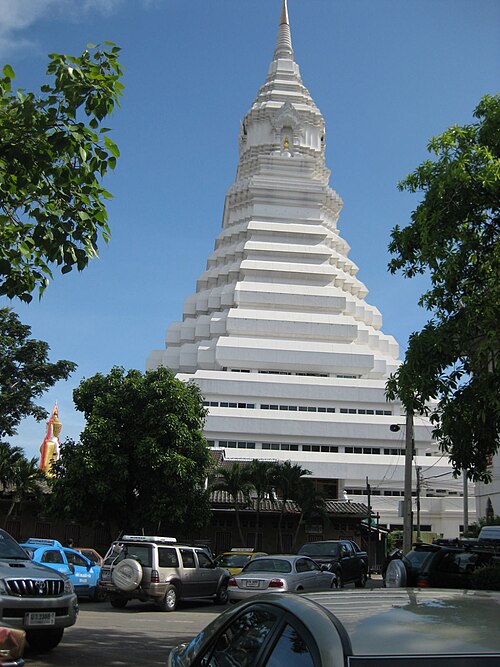
Wat Paknam Phasi Charoen is a third-class royal monastery of the ordinary type standing on what is effectively a small square island in the canals west of the Chao Phraya, and it is the home temple of the Vijja Dhammakaya…
วัดบวรนิเวศราชวรวิหาร
Wat Bowonniwet Vihara is the headquarters temple of the Thammayut order, and that single fact governs everything a visitor sees in the compound.
วัดพระศรีมหาอุมาเทวี
Sri Maha Mariamman Temple, known to Bangkok as Wat Khaek and formally as Wat Phra Si Maha Uma Thewi, is the principal Tamil Hindu temple in Thailand, standing at the corner of Si Lom Road and Pan Road in Bang…
วัดยานนาวา
Wat Yannawa is the temple on Charoen Krung Road in Sathon whose principal monument is a full-size masonry Chinese junk with two chedis rising from its deck.
วัดไตรมิตรวิทยารามวรวิหาร
Wat Traimit stands at the western gate of Yaowarat, where Chinatown meets the road in from Hua Lamphong, and it exists in the guidebooks for one object: a Sukhothai-style Buddha image of solid gold.
วัดปทุมวนารามราชวรวิหาร
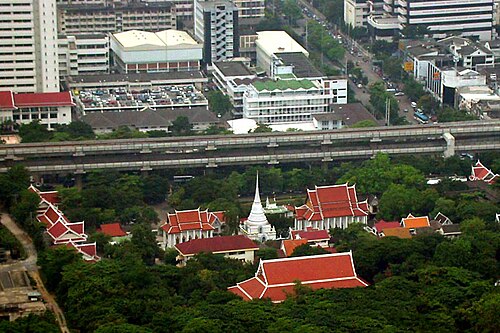
Wat Pathum Wanaram is a royal temple standing in its own belt of old trees between Siam Paragon and CentralWorld, in the middle of Bangkok's densest shopping district.
วัดมังกรกมลาวาส
Wat Mangkon Kamalawat is the largest and most important Chinese Buddhist temple in Bangkok, standing on Charoen Krung Road between sois 19 and 21 in Pom Prap Sattru Phai.
วัดหัวลำโพง
Wat Hua Lamphong is a third-class royal monastery of the ordinary type in Bang Rak, pressed directly against Sam Yan station on the MRT Blue Line, and it is best known in Bangkok as a place to make merit by…
วัดประยุรวงศาวาสวรวิหาร
Wat Prayurawongsawat Worawihan is a Buddhist monastery on the Thonburi bank of the Chao Phraya whose claim on a visitor's attention is a restoration rather than a relic.
Song Wat Road is one of Bangkok's oldest commercial thoroughfares, established in the late nineteenth century during the reign of King Rama V.
วัดซางตาครู้ส
Santa Cruz Church is a Catholic parish church on the west bank of the Chao Phraya in Thon Buri District, in Khwaeng Wat Kanlaya, at the heart of the Kudi Chin neighbourhood.
วัดเชียงมั่น
Wat Chiang Man is a Buddhist temple in Chiang Mai, northern Thailand. It holds significance as reputedly the oldest temple in the city, founded during the establishment of Chiang Mai as the capital of the Lanna Kingdom.
วัดเจดีย์หลวงวรวิหาร
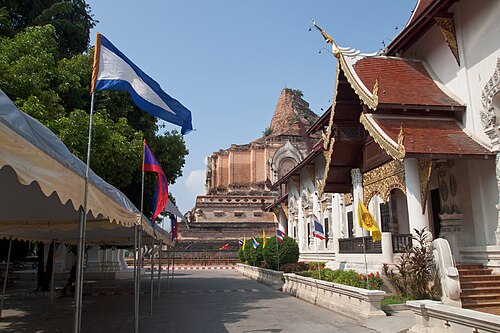
Wat Chedi Luang is a historic Buddhist temple compound in Chiang Mai's old city centre. Its name derives from the massive chedi, or stupa, that dominates the grounds.
วัดปริวาสราชสงคราม
Wat Pariwat, also known as วัดปริวาสราชสงคราม, is a working Buddhist temple in Bangkok. It is a place of worship and community life, so the visit is shaped by religious practice rather than by a formal museum route.
วัดพระสิงห์
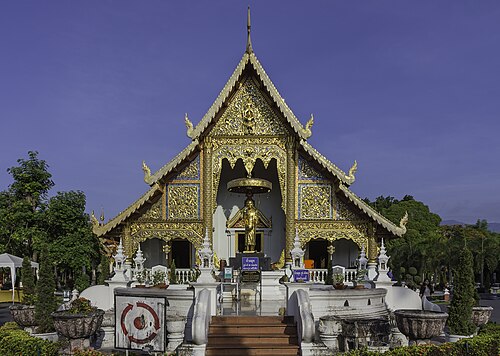
Wat Phra Singh is a historic Buddhist temple in Chiang Mai's old city, regarded as one of the most significant religious sites in northern Thailand.
วัดสวนดอก
Wat Suan Dok is a historic Buddhist temple complex situated in Chiang Mai, northern Thailand. The temple's full name, Wat Suan Dok Monk Chat, reflects its contemporary role as a center for intercultural Buddhist dialogue.
วัดเจ็ดยอด
Wat Chet Yot is a Buddhist temple in Chiang Mai, northern Thailand. The temple is known for its distinctive architectural style that reflects influences from multiple periods and regions.
วัดโลกโมฬี
Wat Lok Moli is a historic Buddhist temple situated in Chiang Mai, northern Thailand. The temple holds significance within the city's religious and cultural landscape, forming part of Chiang Mai's extensive heritage of Lanna-period temples.
วัดบุพพาราม
Wat Buppharam is a Buddhist temple in Chiang Mai, northern Thailand. It sits within the historic city area, reflecting the region's deep Theravada Buddhist heritage.
Wat Chalong is an active Buddhist temple complex in Phuket and one of the island’s most important religious landmarks.
วัดเชียงยืน
Wat Chiang Yuen is a historic Buddhist temple in Chiang Mai, northern Thailand. It stands as one of the city's meaningful visitor landmarks, recognized within the breadth-first top 100 attractions.
วัดกู่เต้า
Wat Ku Tao is a Buddhist temple in Chiang Mai, northern Thailand. Its name translates to Watermelon Temple, referencing the distinctive hemispherical chedi resembling stacked watermelons.
วัดเกตการาม
Wat Ket Karam is a Buddhist temple in Chiang Mai, northern Thailand. Situated east of the old city centre near the Ping River, it belongs to the broader constellation of historic wats that define Chiang Mai's cultural landscape.
วัดปราสาท
Wat Prasat is a Buddhist temple in Chiang Mai, northern Thailand. It represents a meaningful visitor landmark retained within the breadth-first top 100 notable sites for the city, though production systems lack a precise city POI pool for exact matching.
วัดมงคลนิมิตร
Wat Mongkhon Nimit is a Buddhist temple in Phuket and an active place of worship for the local community. Visitors encounter a living religious environment rather than a conventional museum or commercial attraction.
วัดศรีสุพรรณ
Wat Sri Suphan is a Buddhist temple in Chiang Mai, northern Thailand. The temple is commonly known as the Silver Temple due to its distinctive silver-colored exterior decoration.
วัดชัยมงคล
Wat Chai Mongkhon is a Buddhist temple in Chiang Mai, northern Thailand. It stands as one of numerous religious sites contributing to the city's renowned temple heritage.
วัดแสนฝาง
Wat Saen Fang is a Buddhist temple in Chiang Mai, northern Thailand. The temple sits within the historical and cultural fabric of the city, which served as the capital of the Lanna Kingdom.
วัดอินทขีลสะดือเมือง
Wat Inthakhin Sadue Mueang is a Buddhist temple in Chiang Mai, northern Thailand. Its name references the city pillar, indicating historical significance in local urban foundation traditions.
วัดทุงยู
Wat Tung Yu is a Buddhist temple in Chiang Mai, northern Thailand. It stands as one of numerous historic temples dotting the old city and surrounding areas, reflecting the region's deep Lanna heritage.
ศาลหลักเมืองกรุงเทพมหานคร
The Bangkok City Pillar Shrine is the oldest thing in Bangkok, and it is older than the city in the strict sense: the acacia pillar at its centre was raised on 21 April 1782, before the walls, before the ministries…
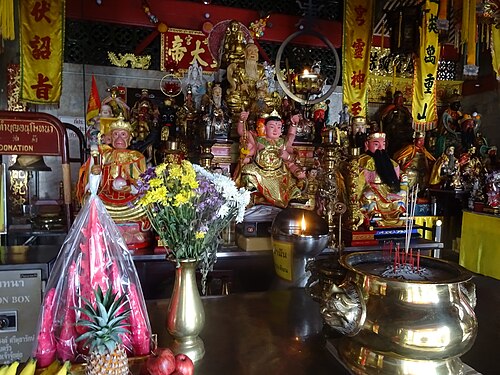
Jui Tui Shrine is a Chinese Taoist temple located in Phuket Town, Thailand.
วัดลอยเคราะห์
Wat Loi Kroh is a Buddhist temple situated in Chiang Mai, northern Thailand. The temple occupies a position along Loi Kroh Road, a thoroughfare known for its concentration of visitor-oriented businesses in the central city area.
Wat Phra Nang Sang is a Buddhist temple in Phuket, Thailand. It stands as one of the island's older religious sites, carrying historical significance within the province's cultural landscape.
วัดอุโมงค์(สวนพุทธรรม)
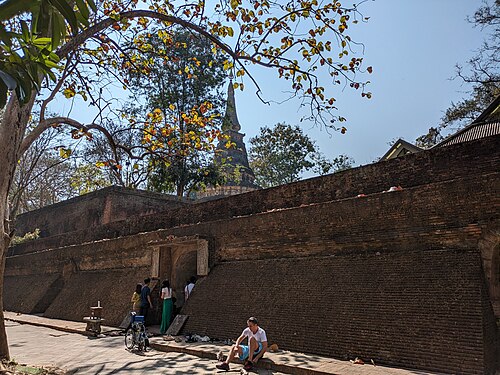
Wat Umong is a historic Buddhist temple situated in the forested foothills west of Chiang Mai's old city. The temple is distinguished by its ancient tunnel complex, from which its name derives, as umong translates to tunnel.
Source: OpenStreetMap contributors, Wikidata ·
Ten to fourteen days allows three or four days in Bangkok, about three in Chiang Mai, and a separate southern base. If an island follows an international arrival, keep a spare transfer day because the last road or ferry connection may not align with the flight.
Thailand's entry permission depends on the traveller's passport, purpose, and stay length. Use the linked Thai immigration guidance to confirm the applicable visa route and whether a Thailand Digital Arrival Card is required for the arrival date.
Bangkok anchors Thailand's transport network. The Tourism Authority of Thailand lists buses, trains, urban rail, vans and songthaews for land journeys, alongside domestic aviation and boat services. Check any island's final sea or road connection separately before booking the inbound leg.
November through February is the broad starting point for this route, not a nationwide weather guarantee. Northern conditions and the monsoon timing on each coast differ, so choose dates around the island or ferry leg rather than Bangkok alone.
Thailand uses the Thai baht (THB). Cards may work in larger hotels and businesses, but market purchases and some island transport can require cash, so retain a modest baht reserve without assuming a particular exchange fee.
Record 191 for police and 1669 for medical emergencies in Thailand. Power is 220 V with Type A, B, C, and O sockets; tap-water safety is not recorded here, so ask the accommodation rather than treating the missing entry as approval.