40 min walk
Idebessos
- Notable
- Historic monument
Language · 11 published
Historic monument · Antalya
Akalissos
Reviewed by Elena Voss · Roavina Travel Editor
This place is a Archaeological site.
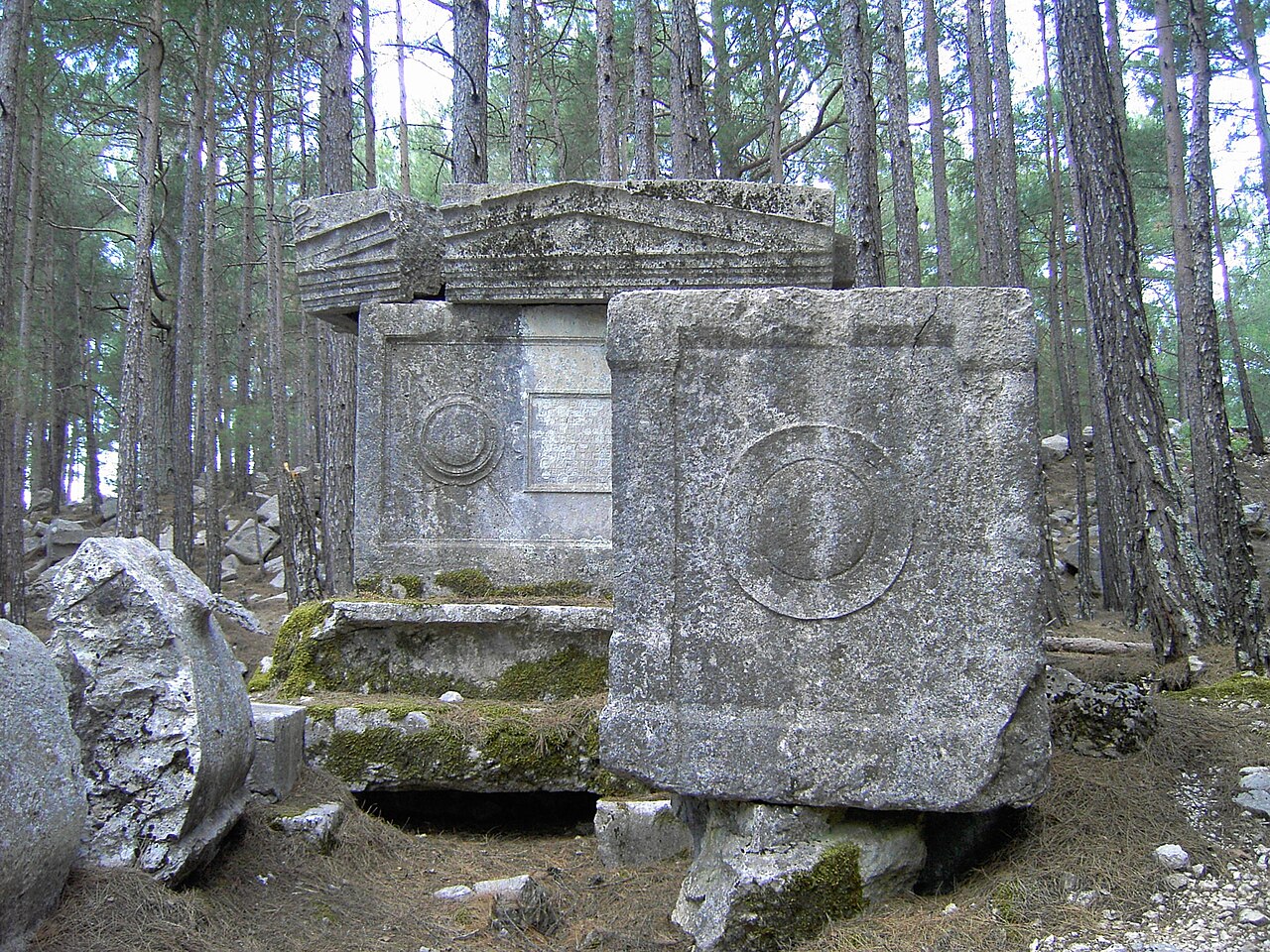
Acalissus, known locally as Akalissos, is an ancient archaeological site situated in the Antalya region of southern Turkey. This historical settlement represents part of the rich classical heritage distributed across the Turkish Mediterranean coast. The site preserves remnants of human occupation from antiquity, contributing to the broader archaeological landscape that makes Antalya a significant destination for heritage tourism. Visitors exploring the area encounter tangible connections to past civilizations that shaped this coastal territory. A flexible visit lets travellers connect Acalissus with the rest of the day without treating one room, viewpoint or photograph as the whole experience. The useful pace depends on personal interest and conditions on arrival.
Checked 2026-08-26
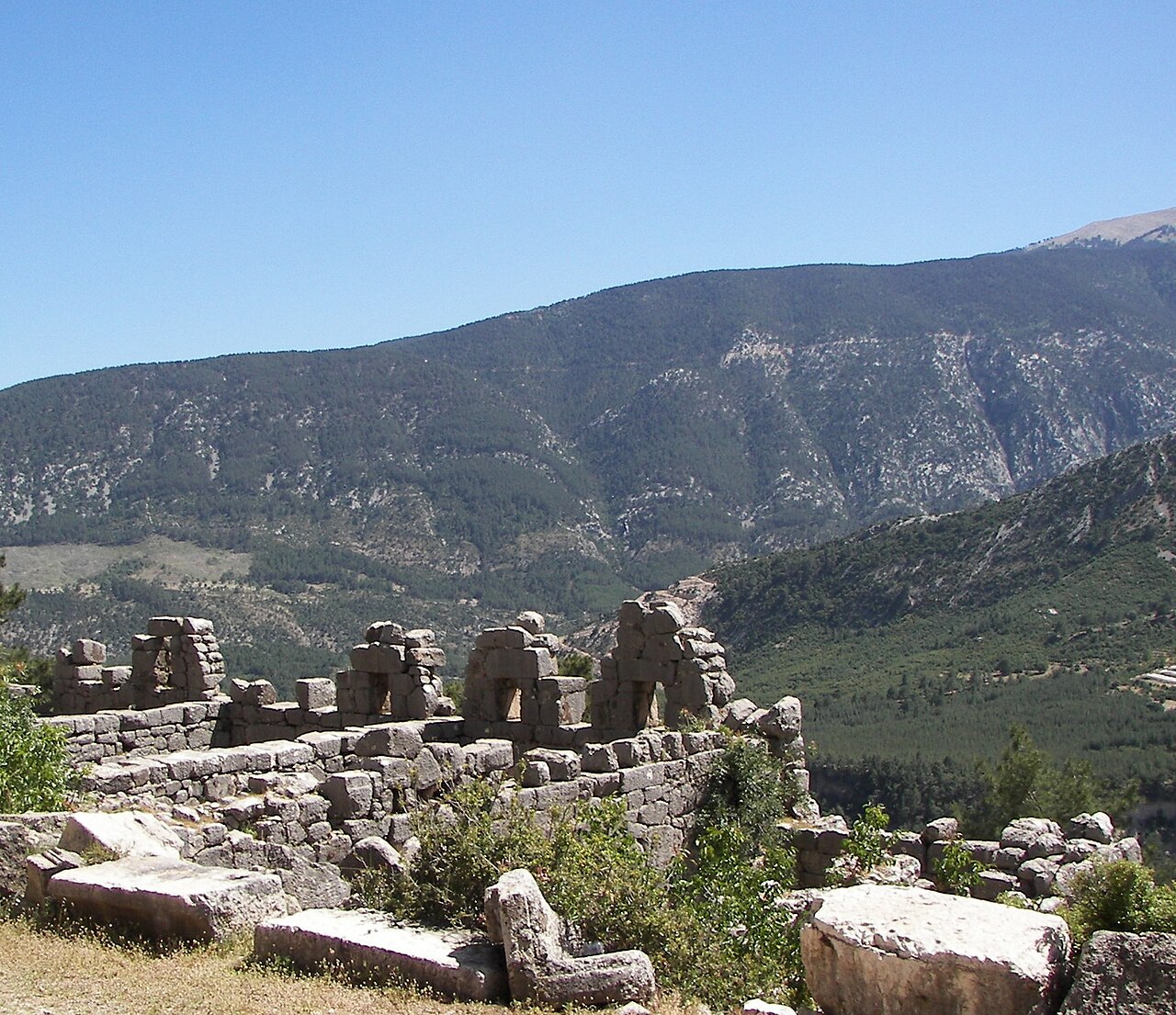
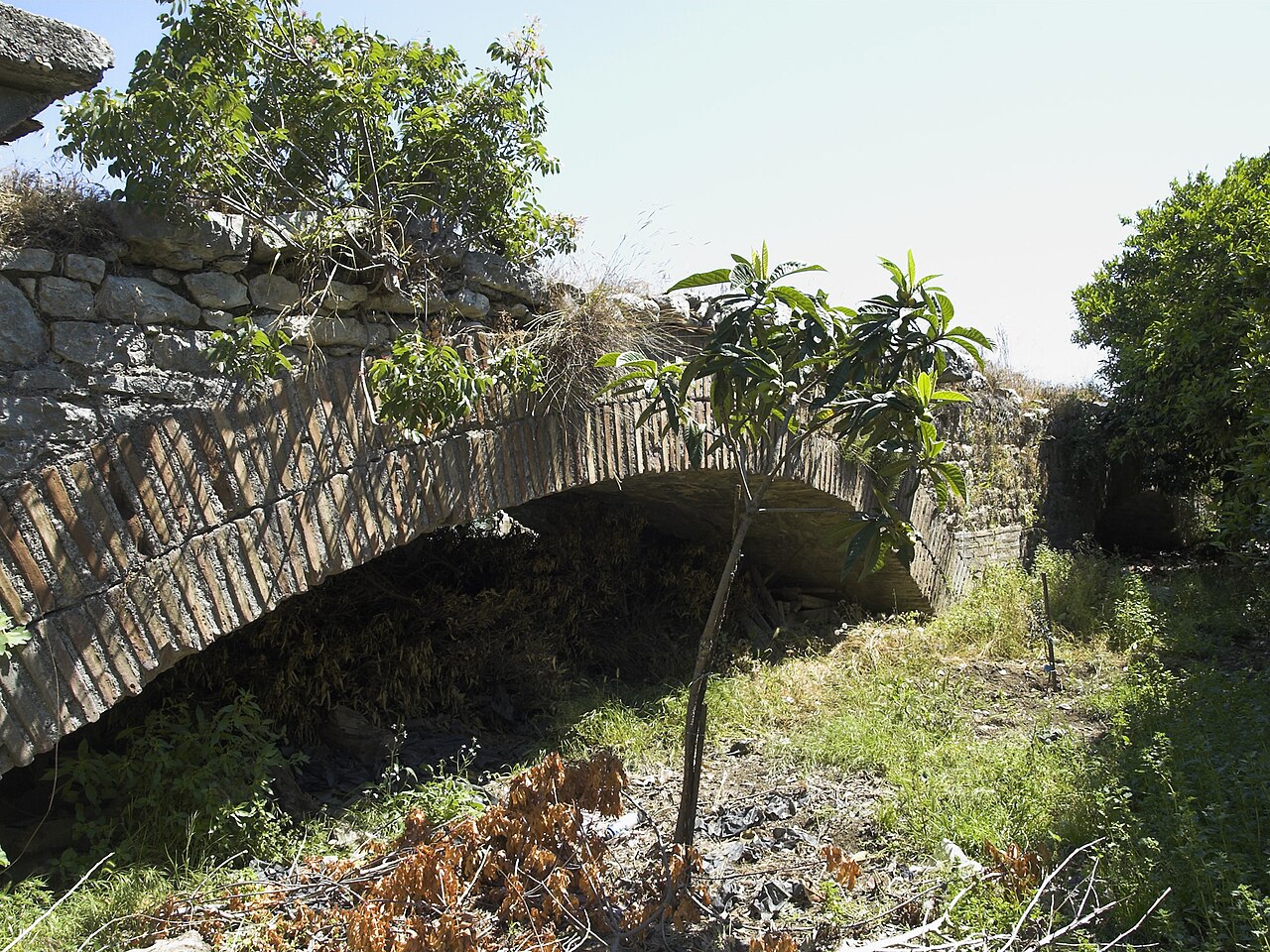
The visible remains at Acalissus include structural foundations and scattered architectural fragments typical of ancient settlements in this region. Archaeological evidence suggests the site once contained buildings and infrastructure supporting a populated community. Surface finds and standing remains indicate the settlement's former extent. The exact inventory of excavated or exposed features is not comprehensively documented in available visitor materials. The site exists in a state of partial preservation, with elements subject to ongoing natural and human-influenced change over time.
Checked 2026-08-26
A visit to Acalissus typically requires between thirty minutes and one hour for casual observation of visible remains. Visitors with specialized archaeological interest may spend additional time examining structural details and site context. The compact nature of the exposed remains limits extended exploration. Combining this site with other regional archaeological attractions creates a more substantial itinerary. Self-guided pacing allows adjustment based on individual interest levels and prevailing weather conditions during the visit. Acalissus also earns time in a antalya itinerary because A visitor-relevant POI matched exactly to the production city pool; stored identity, local name and coordinates were copied without approximation. Its value becomes clearer when the stop is compared with the surrounding streets and the other ranked places nearby.
Checked 2026-08-26
Antalya enjoys a Mediterranean climate with hot, dry summers and mild, wet winters. Spring and autumn offer generally comfortable temperatures for outdoor archaeological exploration. Summer visits demand early morning or late afternoon timing to avoid peak heat. Winter precipitation may affect site accessibility and underfoot conditions. Visitors should verify current access arrangements before travel, as unmanaged archaeological sites may lack regular staffing or defined opening schedules. Local conditions and seasonal variations influence the practical visiting experience. Check the operator's own site for the travel date before relying on a schedule or fare.
Checked 2026-08-26
Access arrangements for Acalissus are not formally established in available documentation. Many comparable archaeological sites in rural Turkey operate without controlled entry or admission fees. Some locations fall under regional museum directorate oversight with variable access policies. Visitors should anticipate potential changes in management status and carry appropriate payment methods if formal entry systems exist. Contributing to sustainable heritage preservation through any requested fees supports long-term site conservation efforts where applicable. Check the operator's own site for the travel date before relying on a schedule or fare.
Checked 2026-08-26
Acalissus occupies a position within Antalya's broader municipal territory, requiring private vehicle or organized transport for practical access. Public transportation options serving this specific location are not documented in available resources. Road conditions on rural approaches vary seasonally. Rental vehicles provide maximum flexibility for visiting dispersed archaeological sites across the region. Navigation to precise coordinates is advisable given limited signage at minor heritage locations. Local accommodation providers or tourism offices may offer current guidance on optimal routing from central Antalya.
Checked 2026-08-26
Archaeological sites present inherent physical hazards including uneven terrain, loose stonework, and unmarked drops. Visitors should wear sturdy footwear with ankle support and exercise caution when moving among ruins. No safety infrastructure such as guardrails or warning signage is guaranteed. Sun exposure demands hydration, head covering, and appropriate skin protection throughout the year. Remote locations lack immediate emergency services access. Informing others of intended itineraries represents prudent practice. Respecting site integrity by not removing artifacts or disturbing structural elements preserves heritage for subsequent visitors.
Checked 2026-08-26
Photography at Acalissus appears unrestricted based on comparable site management practices, though formal policies are not documented. Natural lighting conditions vary significantly across seasons and times of day. Early morning and late afternoon provide optimal illumination for capturing stone textures and landscape context. Wide-angle lenses accommodate site overview compositions, while detail shots benefit from macro capabilities. Drone operation requires verification of current Turkish aviation regulations and any site-specific restrictions. Respecting other visitors' experience and avoiding disruptive equipment deployment maintains appropriate conduct at heritage locations.
Checked 2026-08-26
Acalissus represents a minor archaeological site rather than a major developed attraction. It appeals to visitors with specific interest in ancient settlements and regional heritage exploration.
Organized guided services specifically for Acalissus are not recorded. Visitors typically explore independently or arrange private archaeological touring through Antalya-based operators.
Essential items include sturdy footwear, sun protection, drinking water, and navigation aids. No visitor facilities are documented at this location.
Archaeological terrain presents significant challenges for mobility-impaired visitors. Path surfaces are uneven and undeveloped. Individual assessment of capability against conditions is necessary.
Strategic itinerary planning allows combination with other archaeological and natural sites across the Antalya region. Efficient routing requires advance research given dispersed locations.
No dedicated visitor infrastructure is documented for Acalissus. Information gathering beforehand and self-sufficient visiting preparation are recommended approaches.
Loading the interactive map…
The interactive map could not be loaded.
Last updated:
Source: OpenStreetMap contributors, Wikidata ·