
51
45 min
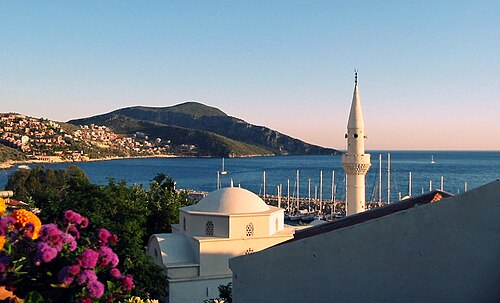
New Mosque, Kaş
Yeni Cami
New Mosque, or Yeni Cami, is an active mosque in Kaş, a compact Mediterranean town in Antalya Province.
- High
- Historic site
City guide · Türkiye
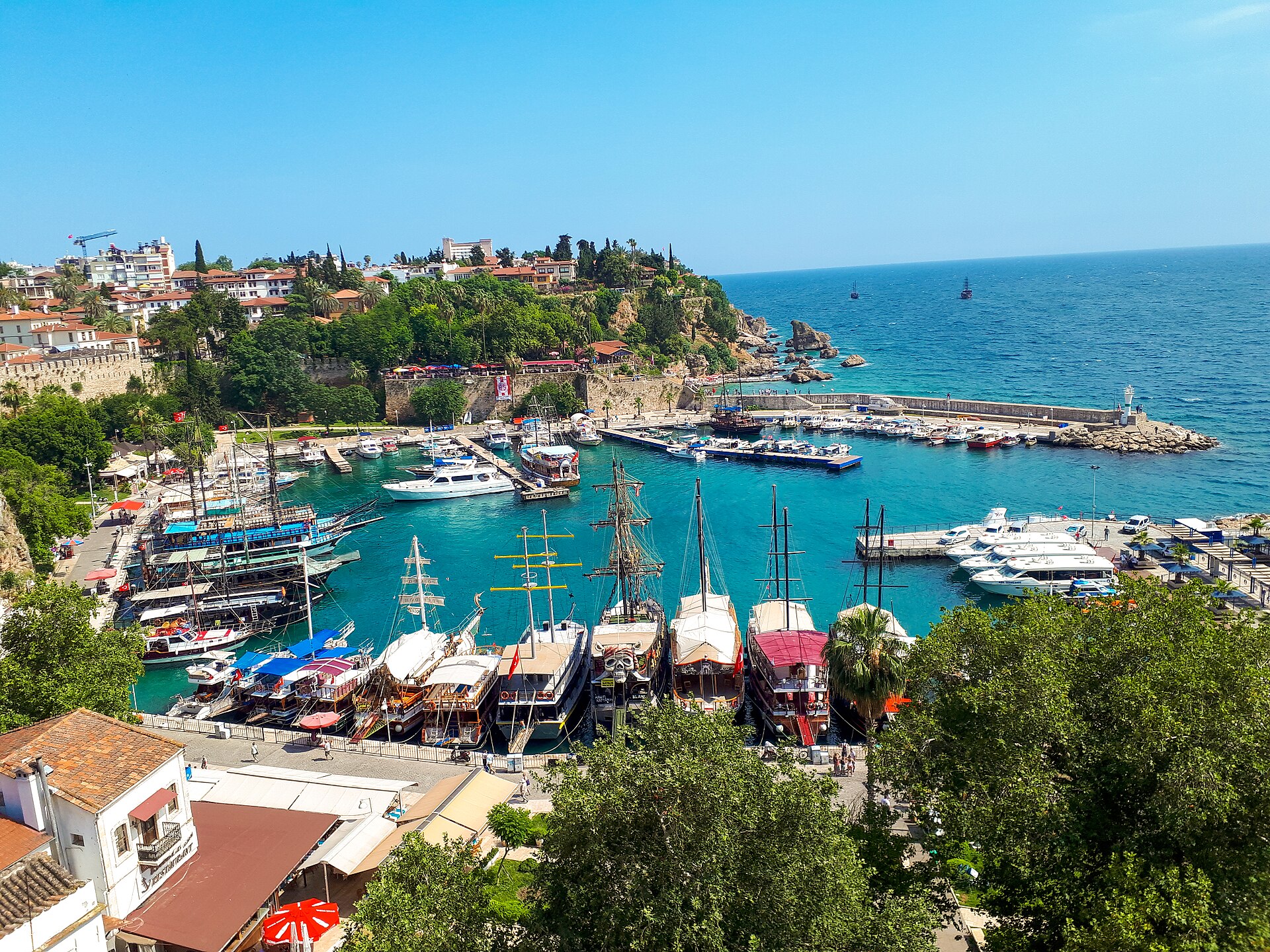
Antalya is the principal city on Türkiye's Mediterranean coast and the hub for a much wider visitor region. The compact historic core, Kaleiçi, occupies the old...
Photograph · REHBER0770 · CC BY-SA 4.0
Set your days, your pace and the hours you actually want to be out. The planner works around closing days and travel time, and leaves room to eat.
Editorial responsibility: Elena Voss · Roavina Travel Editor
Antalya is the principal city on Türkiye's Mediterranean coast and the hub for a much wider visitor region. The compact historic core, Kaleiçi, occupies the old walled quarter above and around the Roman harbour, while the modern city spreads across the coastal plain. Major museums, beaches, parks and transport terminals sit outside the old lanes, and many famous archaeological sites associated with an Antalya trip are separate excursions along the coast or inland. Distinguish the walkable city centre from the wider province when building an itinerary.
Checked 2026-08-26
November · November is mild in Antalya at 21.4°C by day, though rainfall rises to 127.7 mm.
Ranked by importance — sitelinks, pageviews and heritage status, not editor preference.
86 places match
Category
Typical visit duration
Good for
Interests
Yeni Cami
New Mosque, or Yeni Cami, is an active mosque in Kaş, a compact Mediterranean town in Antalya Province.
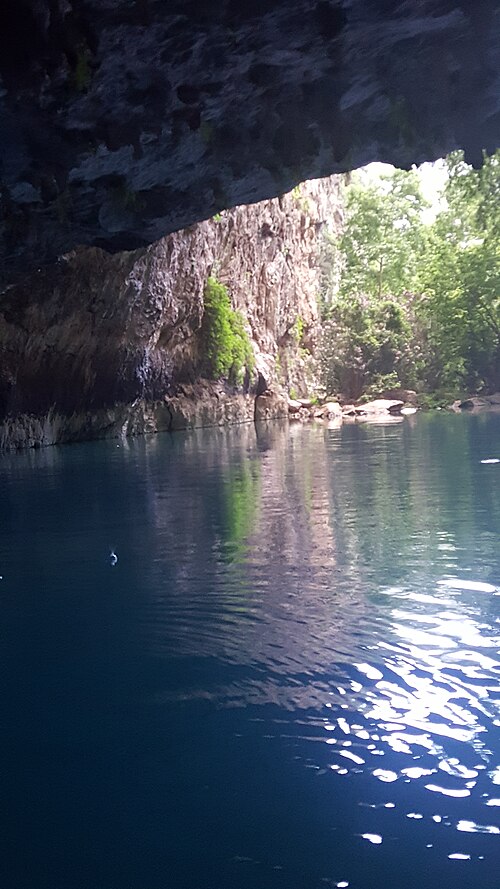
Altınbeşik Mağarası
Düdensuyu Cave is a natural karst cave formation located in the Antalya region of Türkiye, known locally as Altınbeşik Mağarası. The cave lies within the broader Düden water system, which includes the famous Düden Waterfalls that cascade through the city.
Kadıini Mağarası
Kadıini Cave is a named natural feature in Antalya, Turkey, recorded at a precise mapped location. It is a nature stop rather than a museum, monument, or beach facility, giving an itinerary a distinctly subterranean focus.
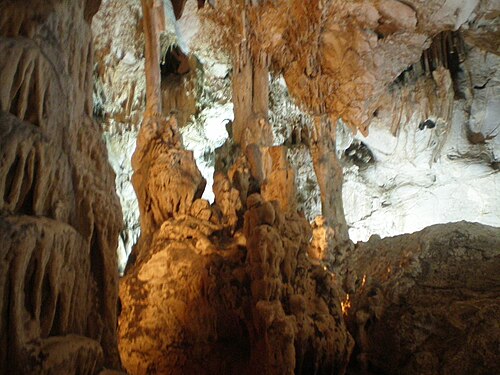
Keloğlan Mağarası
Keloğlan Cave, also known locally as Keloğlan Mağarası, is a named natural point of interest associated with Antalya, Türkiye. The mapped place is identified as a cave rather than a museum, archaeological monument, or built attraction.
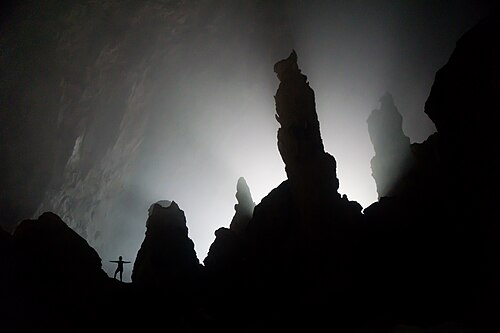
Kocain Mağarası
Kocain Cave, also known locally as Kocain Mağarası, is a natural limestone cave in Antalya Province.
Sotini Mağarası
Sotini Cave, also known locally as Sotini Mağarası, is a mapped natural cave attraction in Antalya, Türkiye.
Suluin Mağarası
Suluin Cave Finike is a natural attraction in Finike district, on Antalya province’s Mediterranean coast.
Tilkiler Mağarası
Tilkiler Cave, or Tilkiler Mağarası, is a natural cave attraction in the Antalya region.
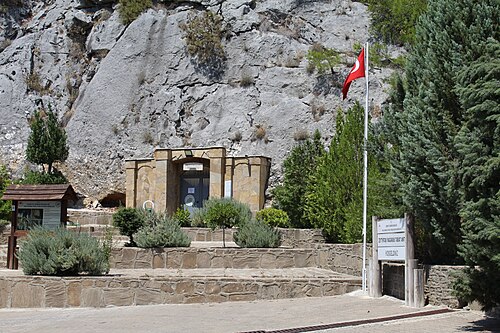
Zeytintaşı Mağarası
Zeytintaşı Cave, also known locally as Zeytintaşı Mağarası, is a natural cave attraction in Antalya province, Türkiye. Its name evokes the surrounding olive-growing landscape: “zeytin” means olive and “taşı” means stone in Turkish.
Hıdırellez Kilisesi
Saint George Church, known locally as Hıdırellez Kilisesi, is a small historic church in Alanya, Antalya Province. Its significance lies in the town’s former Greek Orthodox community and the layered religious history of the Mediterranean coast.
Pisidialı Meryem Ana Kilisesi
Saint Mary of Pissidia Church is a named Christian religious landmark recorded in Alanya, in Antalya Province on Turkey’s Mediterranean coast.
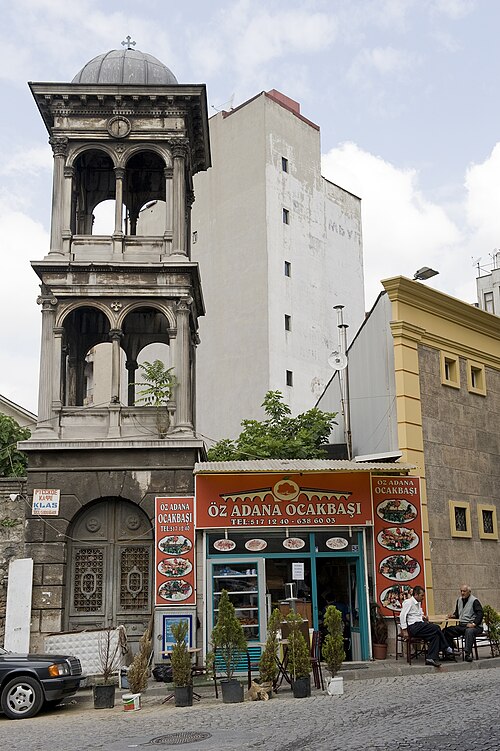
Yenikapı Rum Kilisesi
Yenikapı Greek Orthodox Church, known locally as Yenikapı Rum Kilisesi, is a historic religious building in Antalya, Turkey. It represents the Greek Orthodox heritage that once flourished in the region.
Akalissos
Acalissus, known locally as Akalissos, is an ancient archaeological site situated in the Antalya region of southern Turkey. This historical settlement represents part of the rich classical heritage distributed across the Turkish Mediterranean coast.
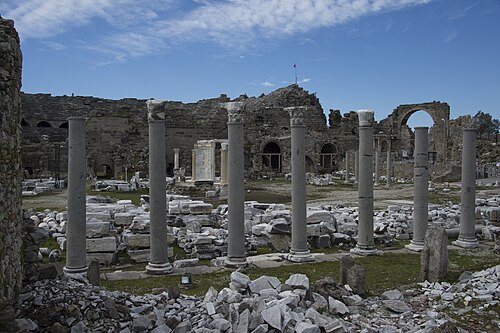
Side
The Agora of Side is a distinct civic and commercial space within the ancient city on Side’s peninsula. Its surviving footprint is read through foundations, column drums, stone blocks, and architectural fragments rather than a complete standing building.
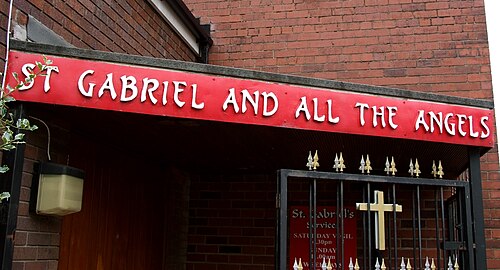
Angel Gabriel Church
Alakilise, also called Angel Gabriel Church, is a historical Christian religious site in the Antalya region. It is suited to travelers drawn to quiet stone ruins, religious heritage, and the layered history of southern Türkiye.
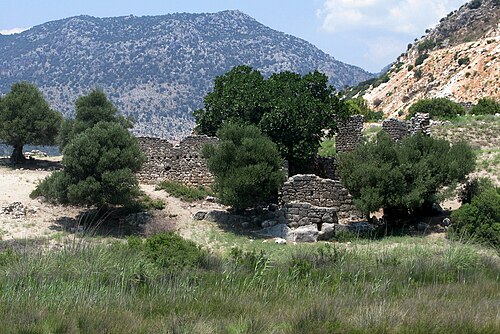
Andriake-Plakoma
Andriaca, locally known as Andriake-Plakoma, is an ancient archaeological site situated within the Antalya region of southern Turkey. The settlement served as the port city for ancient Myra, an important Lycian urban centre.
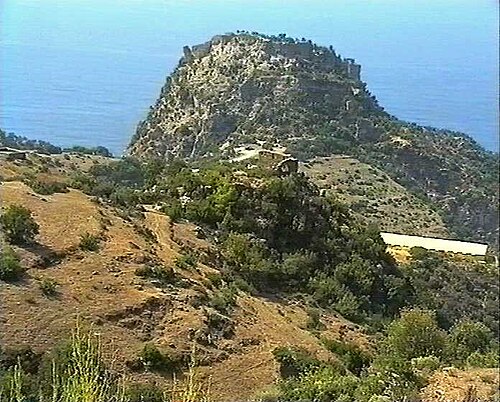
Antiochia ad Cragum is an ancient archaeological site situated on the southern coast of Turkey's Antalya province. The settlement was established during the Hellenistic period and later developed under Roman rule.
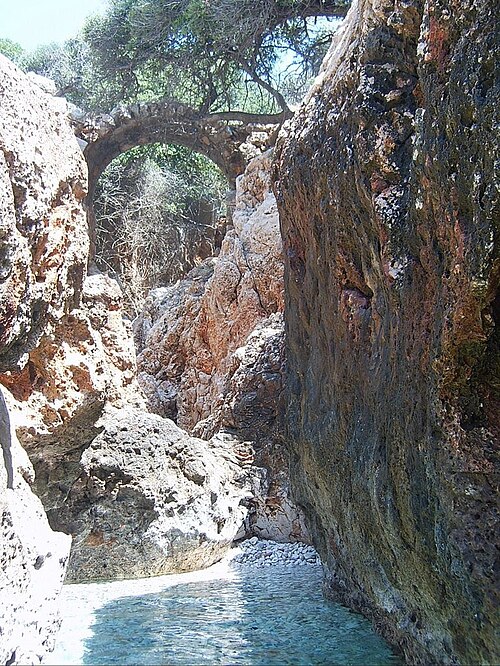
Aperlae is an ancient Lycian settlement located along the Mediterranean coast near Antalya, Turkey. The site represents a significant archaeological location from the classical period, positioned on a peninsula with natural harbours that supported maritime trade.
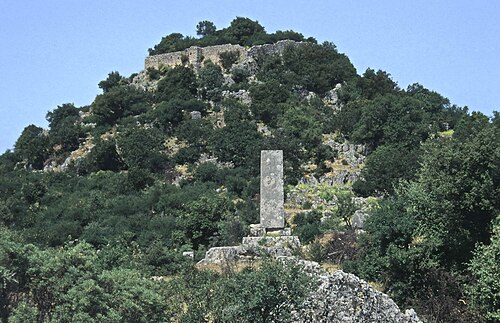
Apollonia is an ancient archaeological site located in the Antalya region of Turkey. The settlement was established as a Greek colony and later developed under Roman influence, reflecting the layered history of the Mediterranean coast.
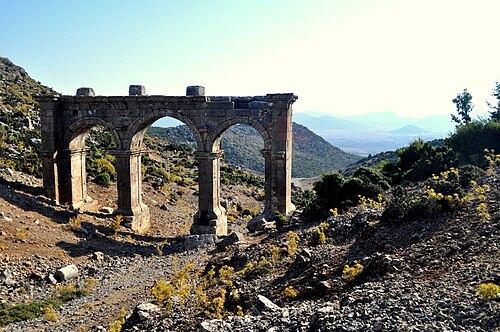
Ariassos
Ariassus, known locally as Ariassos, is an ancient archaeological site situated in the Antalya region of Türkiye. The settlement represents a historical location of visitor interest within the broader Antalya area.
Arneai
Arneae, also known as Arneai, is an archaeological site in the Antalya region of Türkiye. It belongs on a cultural itinerary for travelers interested in ancient settlements and the many layers of Anatolian history beyond the region's most famous ruins.
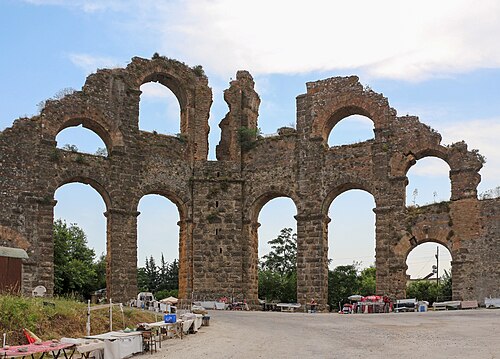
Su kemeri
The Aspendos Roman aqueduct, locally known as Su kemeri, stands as an ancient engineering landmark near Antalya. This surviving remnant of Roman infrastructure once formed part of an extensive water-supply network serving the ancient city of Aspendos.
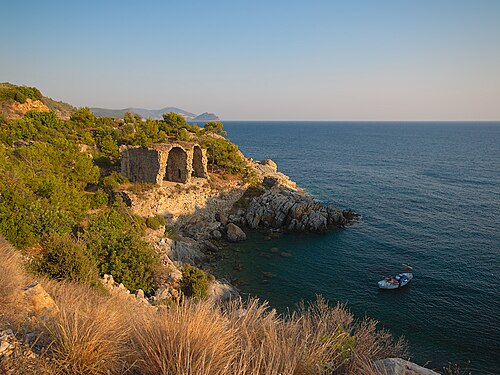
Iotape
Aytap, known locally as Iotape, is an ancient archaeological site on the Mediterranean coast near Alanya in Antalya Province. The settlement occupies a coastal promontory with natural harbour advantages that attracted ancient populations.
Bademağacı Höyüğü
Bademağacı Höyüğü is an archaeological mound in Antalya Province, Türkiye, where the visible landform represents a settlement built up through repeated occupation over time.
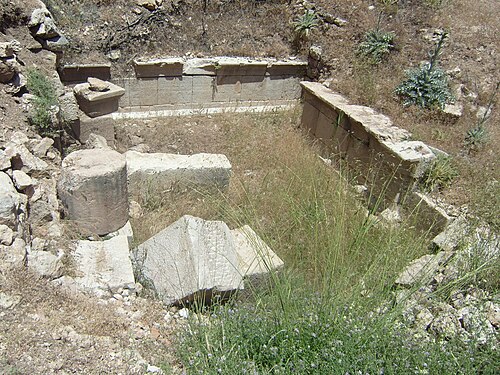
Bubon is an ancient archaeological settlement in Antalya Province, Türkiye, encountered as a quiet rural heritage site rather than a developed attraction with museum galleries, extensive interpretation or a large visitor complex.
Kaleiçi is the oldest and most compact visitor district, enclosed by remnants of the historic walls and descending toward the old harbour. Hadrian's Gate marks its eastern edge, while the Clock Tower and Republic Square connect it with the modern commercial centre. Konyaaltı Beach and the museum corridor extend west; Lara and the Düden waterfall areas lie east. The municipality's Kaleiçi map separates long, Roman-Byzantine and Ottoman-Seljuk walking routes, a useful reminder that the old quarter rewards a dedicated walk before transport is used for the wider coast.
Checked 2026-08-26
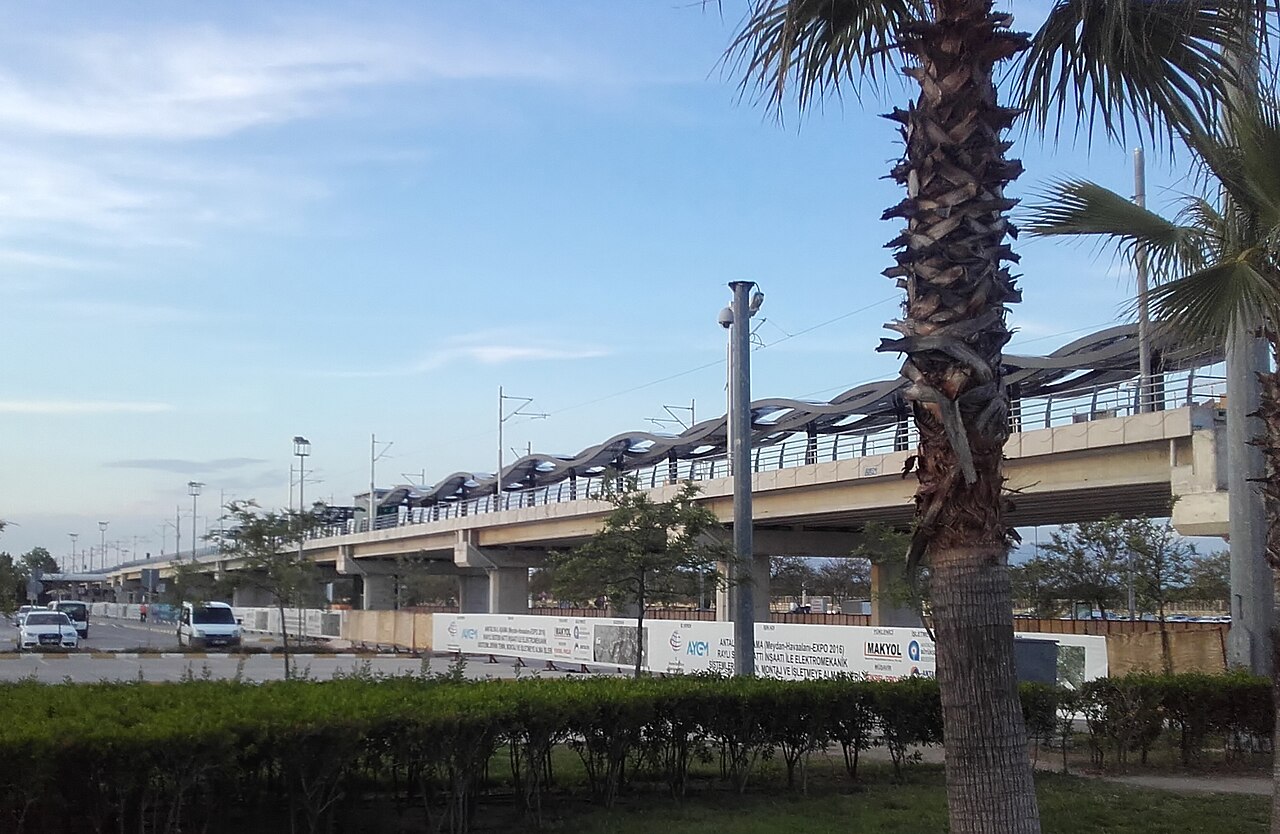
Walk inside Kaleiçi and the adjoining central streets, then use Antalya's municipal tram and bus network for beaches, museums, terminals and outer districts. The airport, historic centre and western urban corridor are linked through public transport, but archaeological sites and resort areas across the wider province may require regional buses, organised transfers or a car. Do not treat every attraction marketed under Antalya as an urban stop. Check the municipality's current route and service information before travel because seasonal demand and works can alter practical connections.
Checked 2026-08-26
Suggested stay for a first visit: 3–4 days. The range combines Kaleiçi and the city coast with one selected archaeological or nearby landscape route in Antalya Province; it is not for the city centre alone. Use an extra day for a farther coast or mountain journey.
Kaleiçi is the old walled quarter around the Roman harbour. Hadrian's Gate, the Clock Tower and Republic Square mark the transition between its lanes and the modern centre.
Yes. The municipality maps dedicated routes through the compact old quarter. Use transport after that walk for Konyaaltı, Lara, museums and other outer districts.
No. Antalya tourism commonly includes archaeological sites, resort towns and natural areas spread across the province. Treat those as separate regional journeys rather than urban stops.
Use municipal tram or bus services for the urban coast, then walk within each beach or park area. Confirm the current route because service patterns can change with works and seasonal demand.

