


126
45 min
Amos
Amos Ancient City
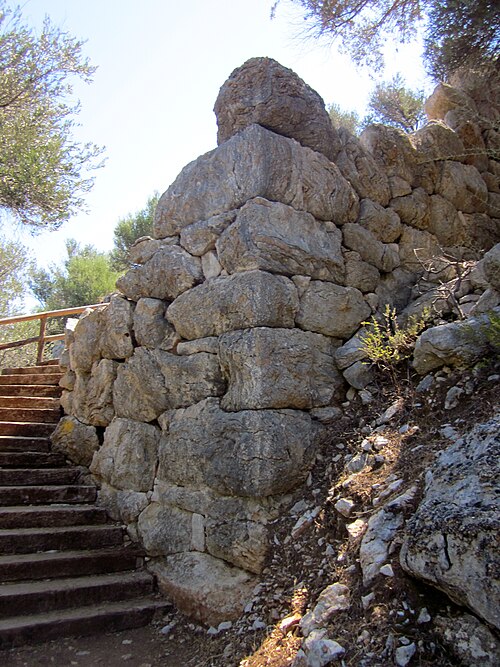
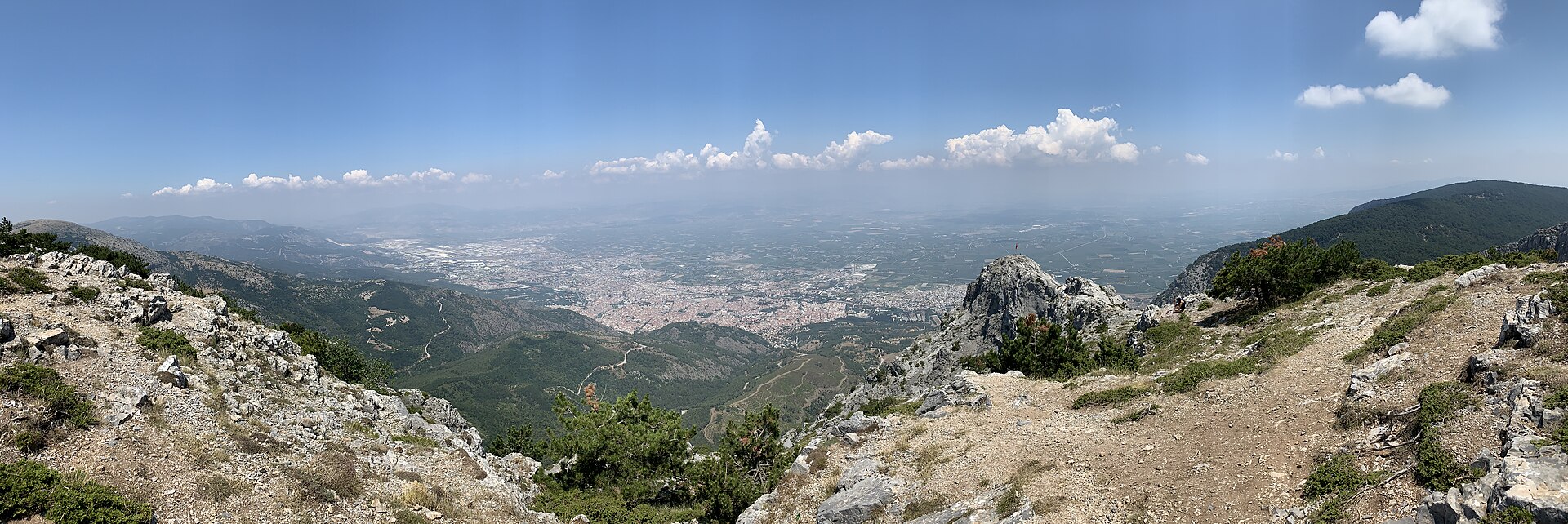
Amos is an open-air ancient settlement on Asarcık Hill, between Turunç and Kumlubük in Marmaris, Muğla.
- Must see
- Historic site
- Muğla
Country guide
Türkiye is 783,562 km² across 81 provinces, most of it Anatolia in West Asia with East Thrace on the European side of the straits. It has three coasts to choose...
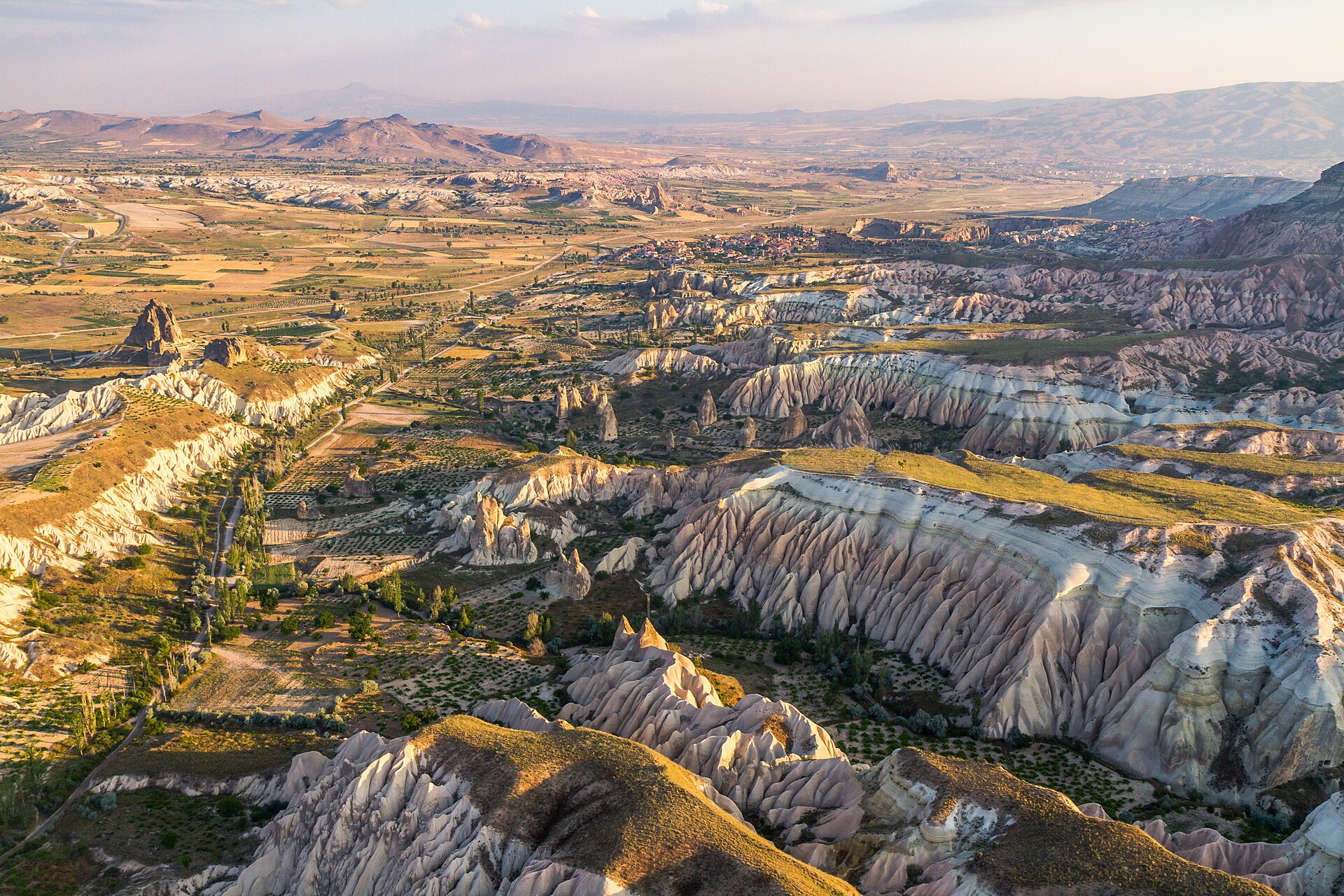
Photograph · Benh LIEU SONG · CC BY-SA 4.0
Reviewed by Elena Voss · Roavina Travel Editor
Türkiye is 783,562 km² across 81 provinces, most of it Anatolia in West Asia with East Thrace on the European side of the straits. It has three coasts to choose between — the Black Sea to the north, the Aegean to the west, the Mediterranean to the south — and an interior plateau that behaves like a different country in winter. Istanbul is the largest city and the economic centre, Ankara the capital and the second-largest, and the December 2025 population of 86,092,168 is weighted heavily to the west. A first trip is usually Istanbul and one coast; the plateau is the second trip.
Checked 2026-08-25
Every city catalogued in this country so far, ranked by how much there is to see.
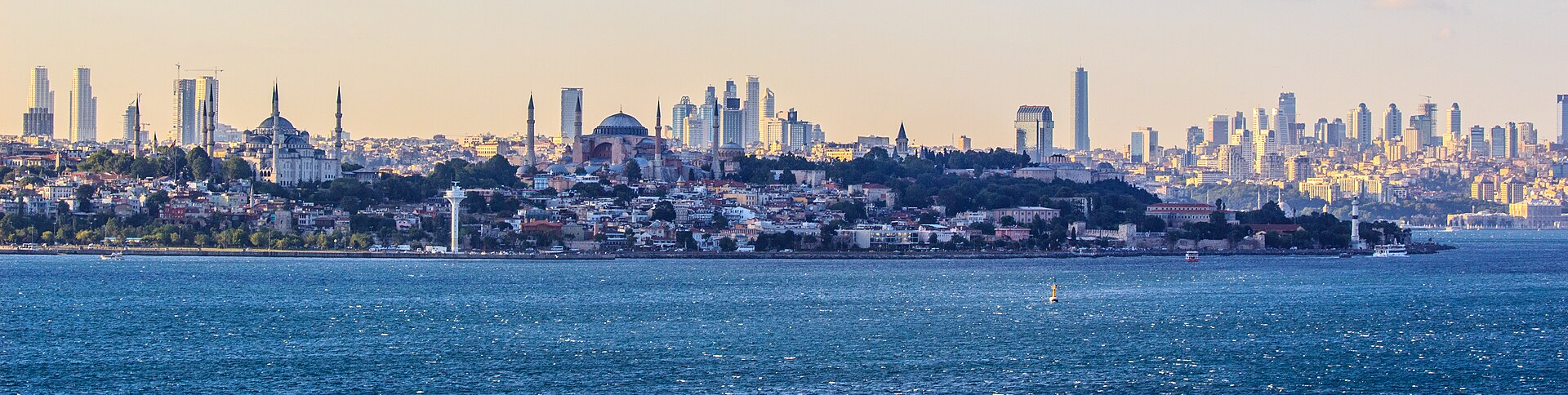
Photograph · Ben Morlok · CC BY-SA 2.0
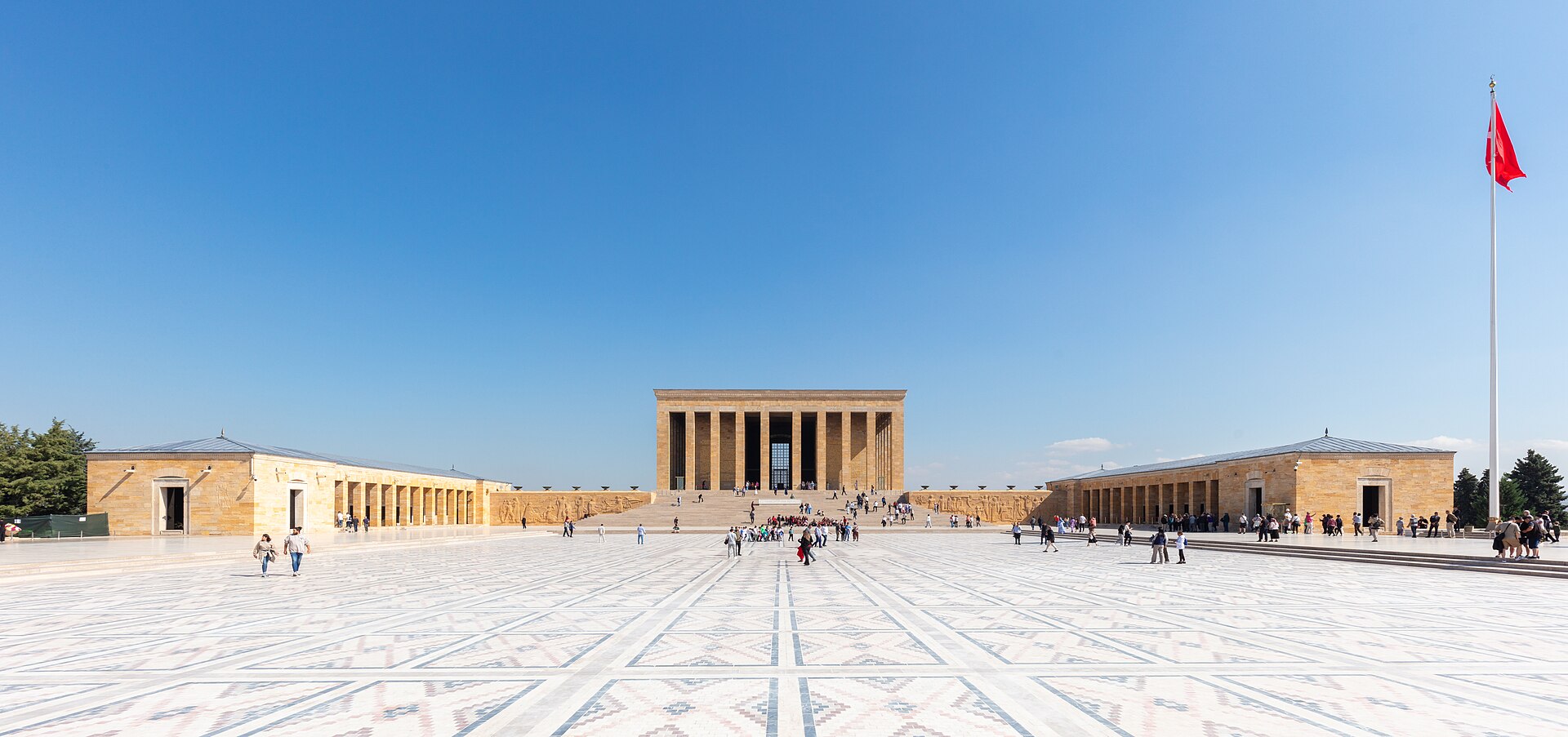
Photograph · Diego Delso · CC BY-SA 4.0
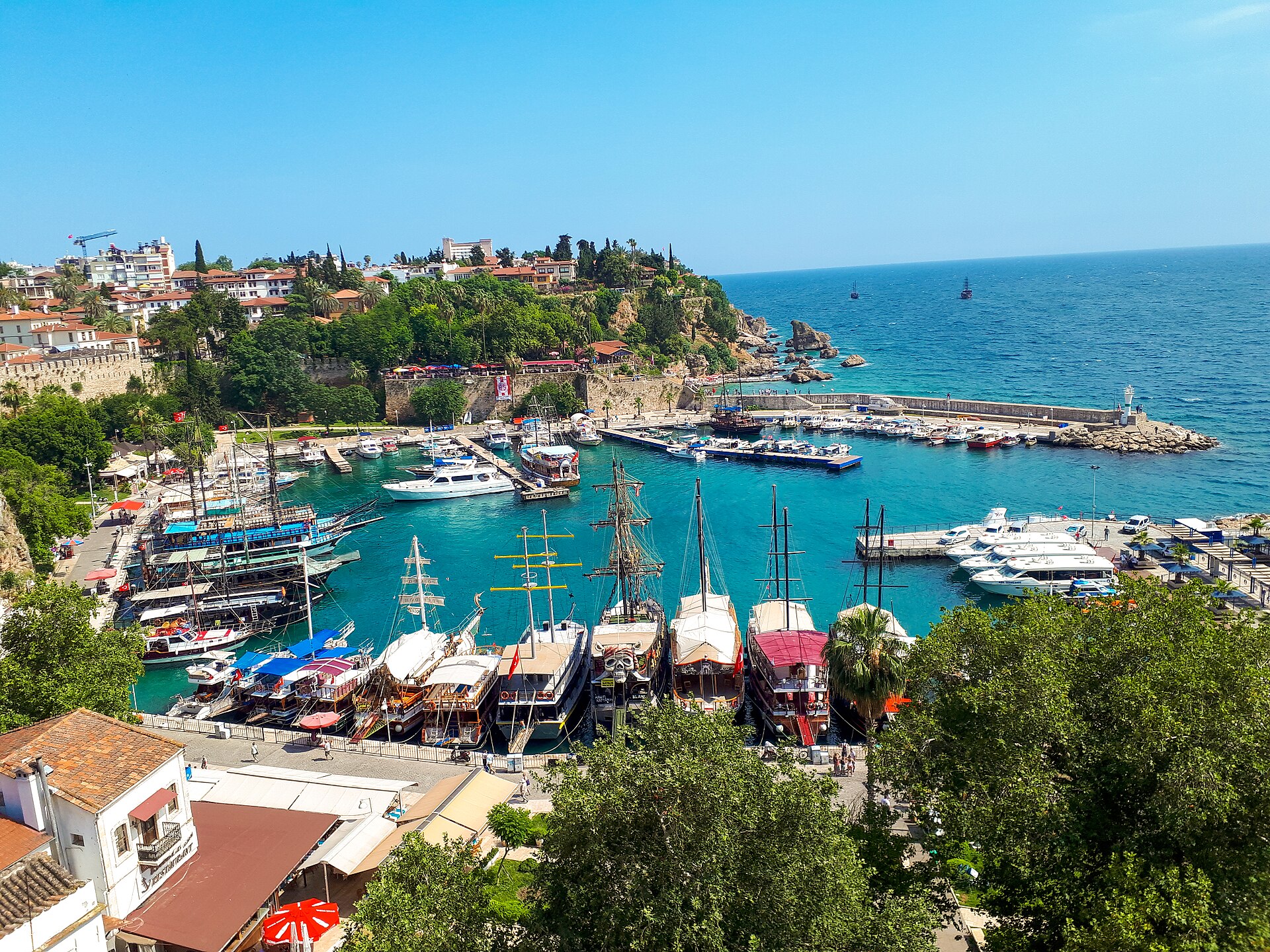
Photograph · REHBER0770 · CC BY-SA 4.0
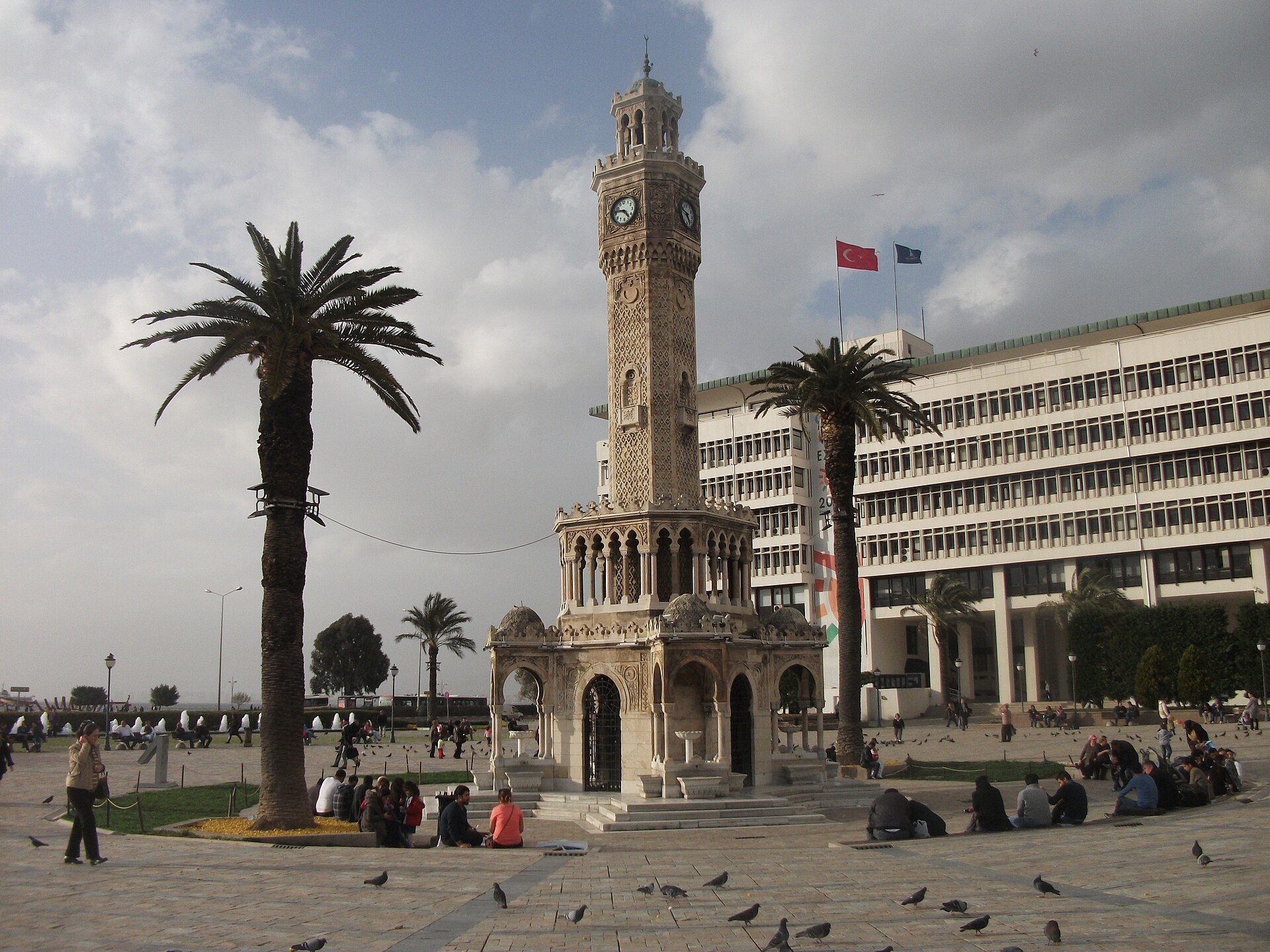
Photograph · Anonymous · CC0
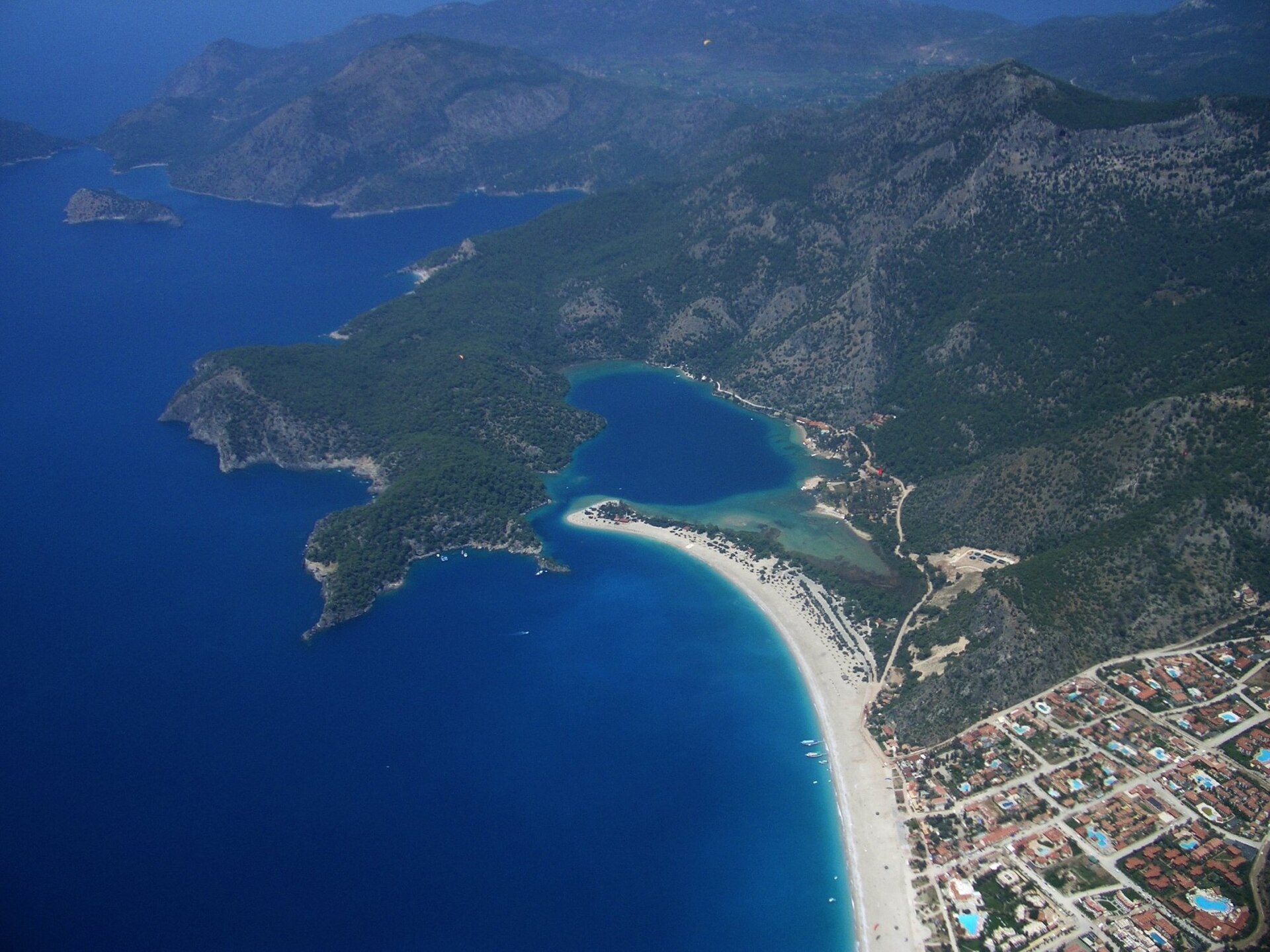
Photograph · Dan Taylor · CC BY 2.0
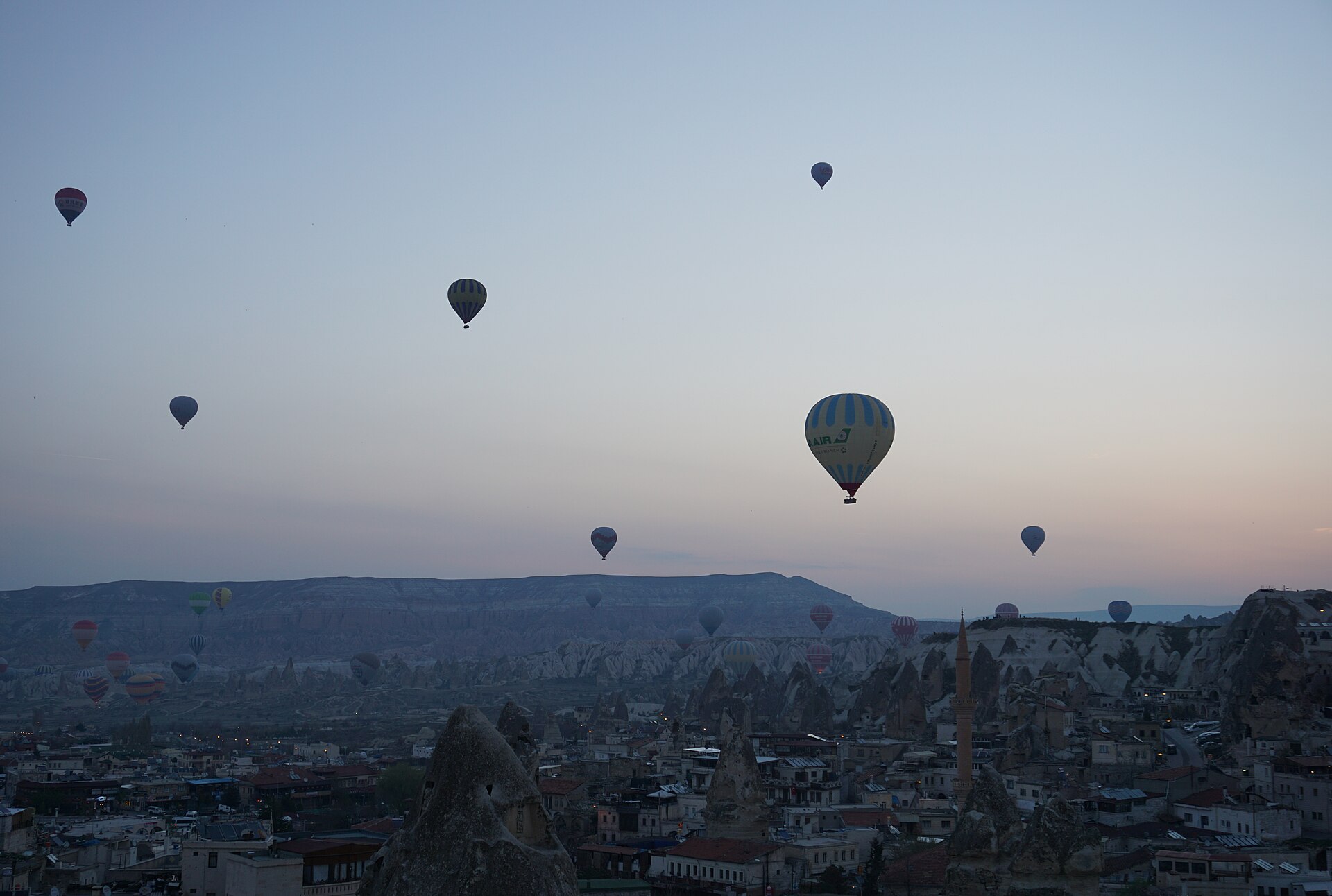
Photograph · Dogaaunlu · CC BY-SA 4.0
Photograph · Egemenakgul · CC BY-SA 4.0
Ranked by importance — sitelinks, pageviews and heritage status, not editor preference.
439 places match
Category
Typical visit duration
Interests
Amos Ancient City
Amos is an open-air ancient settlement on Asarcık Hill, between Turunç and Kumlubük in Marmaris, Muğla.
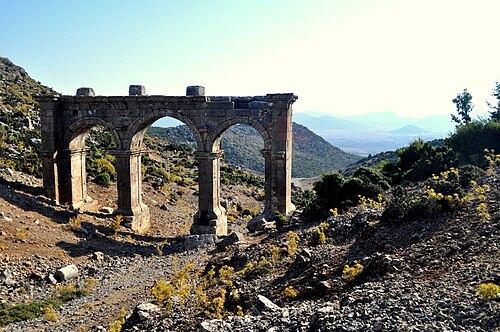
Ariassos
Ariassus, known locally as Ariassos, is an ancient archaeological site situated in the Antalya region of Türkiye. The settlement represents a historical location of visitor interest within the broader Antalya area.
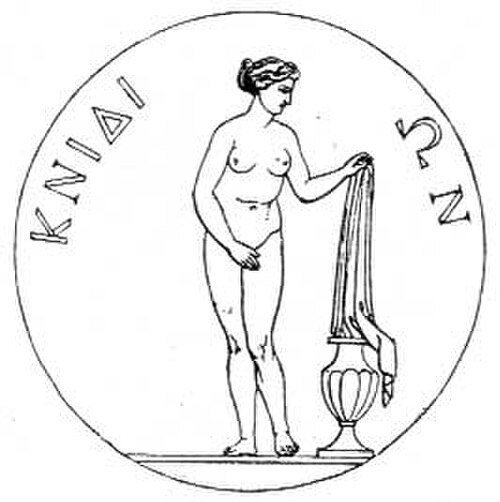
The Temple of Aphrodite is an archaeological landmark within the ancient city of Knidos, at Tekir Burnu on the western tip of Muğla’s Datça Peninsula.
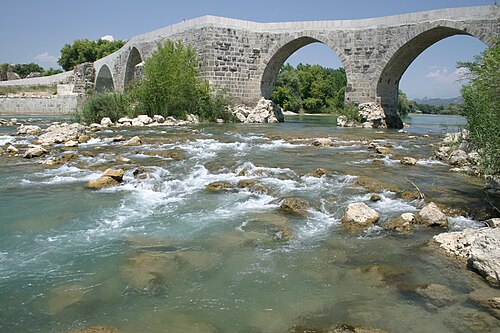
Köprüpazar Köprüsü
Eurymedon Bridge, locally known as Köprüpazar Köprüsü, is a historic stone crossing associated with the Eurymedon River in Antalya Province.
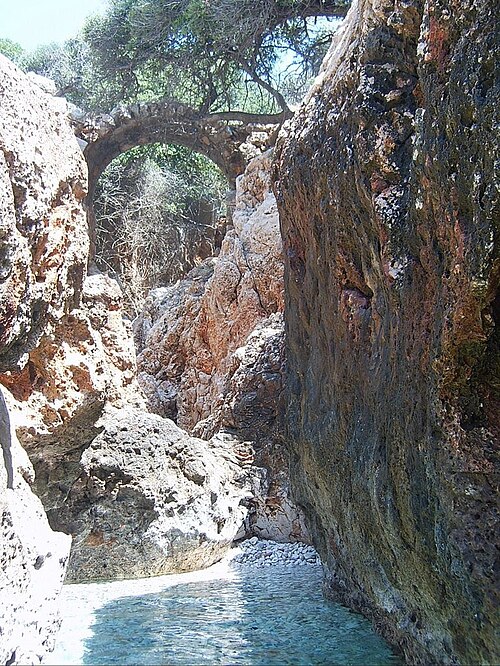
Aperlae is an ancient Lycian settlement located along the Mediterranean coast near Antalya, Turkey. The site represents a significant archaeological location from the classical period, positioned on a peninsula with natural harbours that supported maritime trade.
Etenna is a remote ancient settlement in the mountainous interior north of Antalya’s coastal plain. Its character comes from the combination of archaeological remains and rugged natural surroundings, rather than from a managed museum-style visit.
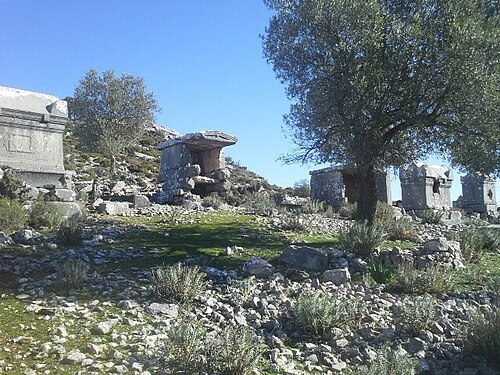
Sidyma is a dispersed ancient settlement in Dodurga Mahallesi, within Seydikemer district of Muğla Province. Its identity comes from the way civic buildings, tombs, defensive works and a hillside theatre remain connected across a living rural landscape.
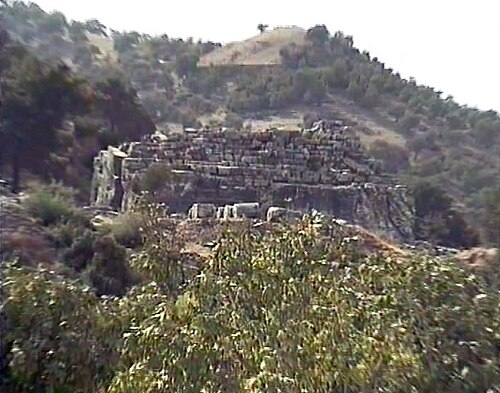
Belevi Mausoleum is an Early Hellenistic monumental tomb on a hillside near Belevi, in Selçuk district of İzmir.
Teuthrania is an archaeological site identified with Kalerga Tepe, also written Kalarga Tepe, in İzmir’s Bergama district. The remains occupy an elevated rural hill rather than a formal museum building or a compact visitor complex.
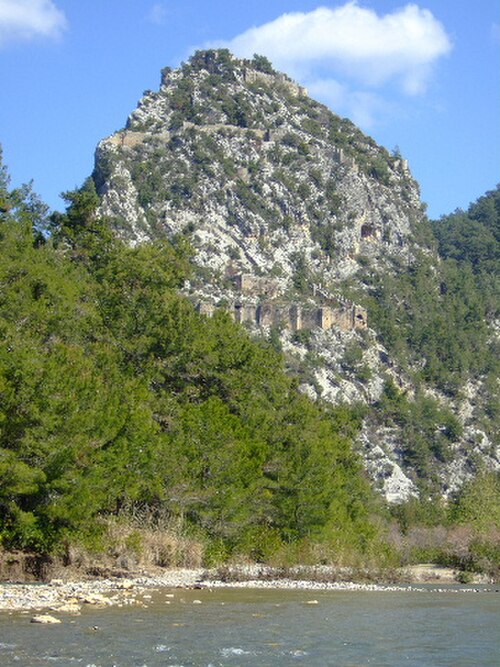
Alara Kalesi
Alara Castle is a hilltop fortress ruin above the Alara River in Antalya Province. The castle’s character comes from its position: elevated ground overlooks the river corridor and separates the site from the province’s coastal resort landscape.
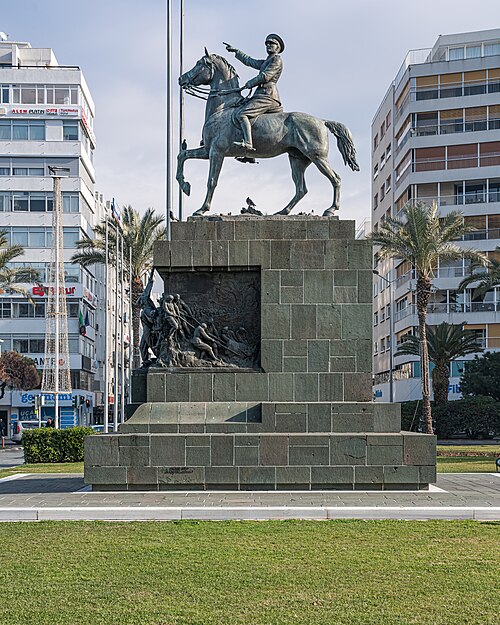
Atatürk Anıtı
Atatürk Monument is the equestrian civic sculpture in İzmir’s Cumhuriyet Meydanı, on Kordon at Atatürk Bulvarı, in front of Swissôtel. Its subject is Mustafa Kemal Atatürk as a commander, giving the waterfront square a distinctly republican and military memorial character.
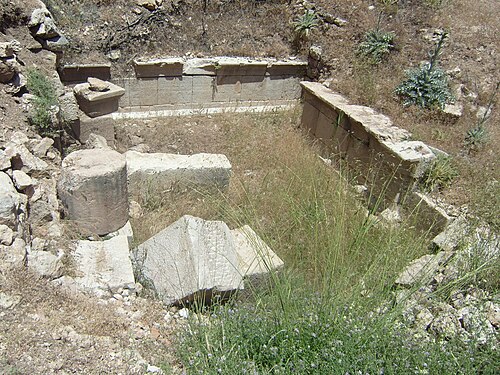
Bubon is an ancient archaeological settlement in Antalya Province, Türkiye, encountered as a quiet rural heritage site rather than a developed attraction with museum galleries, extensive interpretation or a large visitor complex.
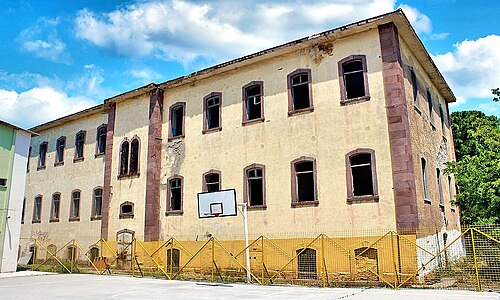
Or Yehuda Tarım Okulu
Or Yehuda Agriculture School is the surviving building of a Jewish agricultural colony and school founded near Akhisar in 1899, in what is today the Kayalıoğlu neighbourhood of Akhisar district.
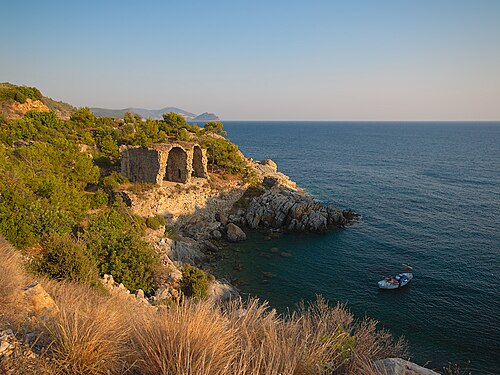
Iotape
Aytap, known locally as Iotape, is an ancient archaeological site on the Mediterranean coast near Alanya in Antalya Province. The settlement occupies a coastal promontory with natural harbour advantages that attracted ancient populations.
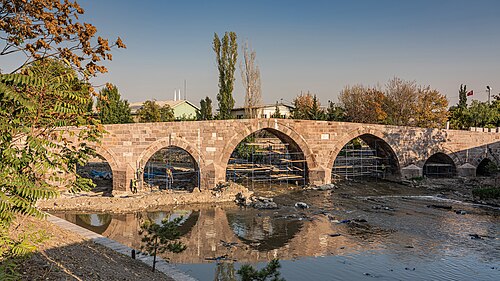
Akköprü is a Seljuk-era stone bridge over the Ankara Çayı in Varlık Mahallesi, Yenimahalle. It was built in 1222 during the reign of Sultan I.
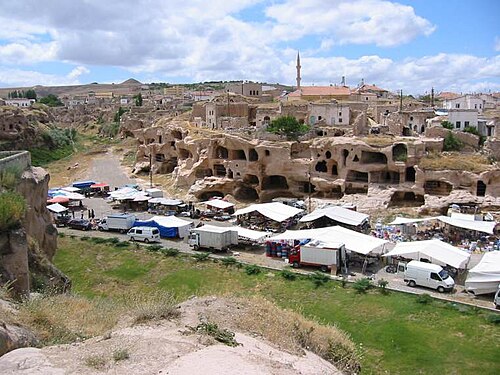
Özkonak Yeralti Şehri
Özkonak is an underground city on the northern slopes of İdiş Dağı, near Avanos in Nevşehir Province. It was carved into thick volcanic, granite-like tuff layers and opened to visitors in 1972.
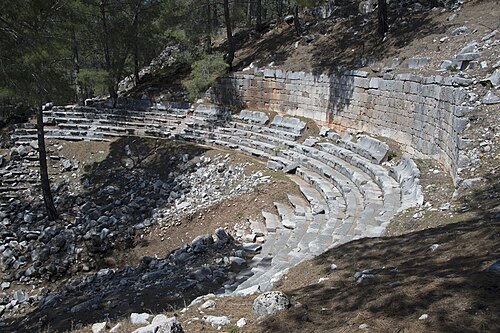
Kadyanda is an elevated ancient settlement in the mountains north of Fethiye, approached through Üzümlü rather than from the coast.
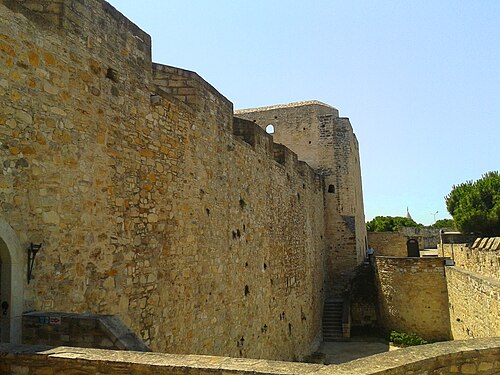
Çeşme Kalesi
Çeşme Castle is a six-towered Ottoman fortress built in 1508 during the reign of Sultan Bayezid II. Moats remain on three sides, framing a historic defensive site in the centre of Çeşme.
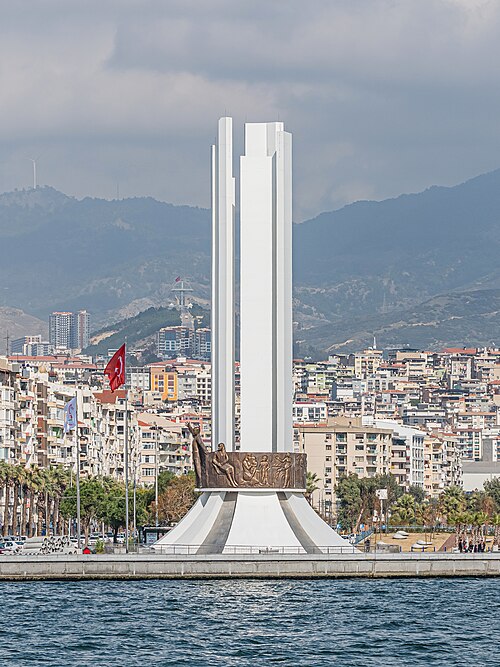
Atatürk, Annesi ve Kadın Hakları Anıtı
Atatürk, His Mother and Women's Rights Monument is a landmark in Anayasa Meydanı, Tuna, on Karşıyaka’s İzmir waterfront. Its present structure reopened in 2018 after the original 1972 monument was rebuilt.
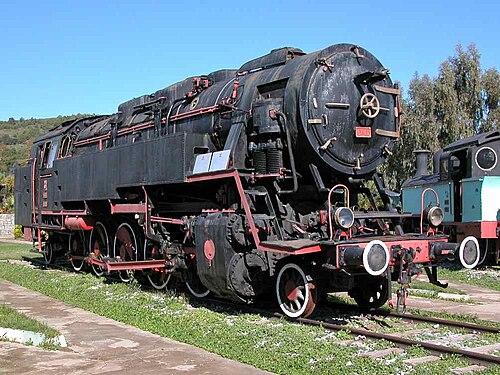
Çamlık Eski İstasyonu
Çamlık Railway Museum is an open-air railway collection beside TCDD’s Çamlık station, approximately 7 kilometres from Selçuk in İzmir Province.
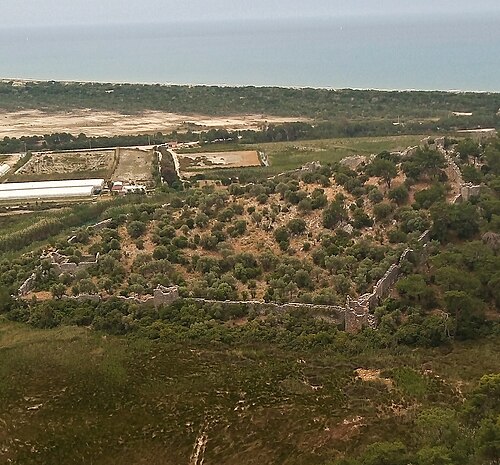
Pydnai
Pydnae is an abandoned Hellenistic fortress settlement on the Lycian coast, at İnce Burun where the Eşen River reaches the sea.
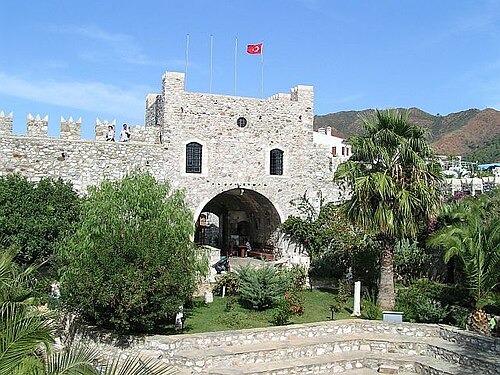
Marmaris Kalesi
Marmaris Castle is a historic hilltop fortress behind Marmaris Harbour, in Tepe Mahallesi’s Kaleiçi Mevkii.
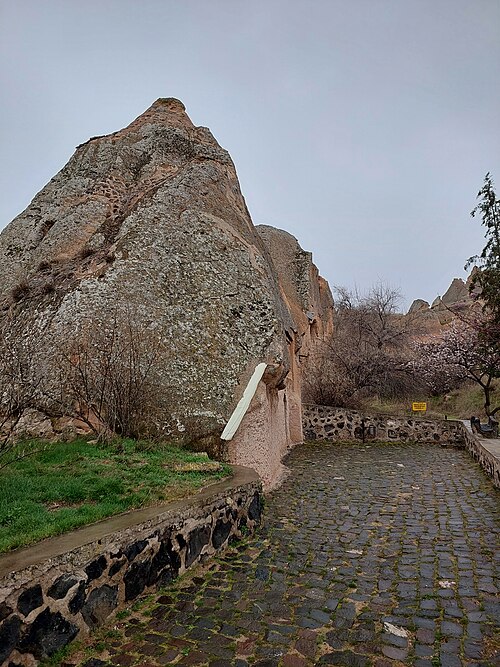
Karşı Kilise
St. John is a rock-cut church in Gülşehir, within Nevşehir Province, known locally as St. Jean Church and Karşı Kilise. Cut into a rock chimney, it forms a compact but layered historic site with two levels.
Gagai
Gagae, known locally as Gagai, is an ancient archaeological site situated in the Antalya region of southern Turkey. This ruined settlement represents a former Lycian city that once held significance in the classical Mediterranean world.
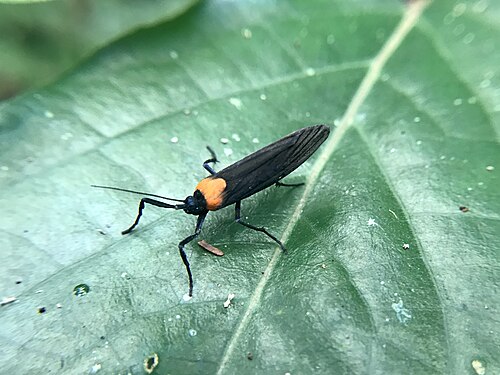
Balbura is identified in OpenStreetMap as a historical site in the Antalya region of southern Turkey. The record preserves a named, fixed mapped location, but does not establish a securely documented date, monument list, excavation history, or visitor interpretation.
Ten to fourteen days allows about four days in İstanbul and at least three around Antalya when coastal archaeology is included. Cappadocia needs its own regional stay, and a one-way coastal route is more workable than returning to the same city each night.
Türkiye's visa position varies by passport and purpose. Verify the rule through the Ministry of Foreign Affairs and, when eligible, use only the official e-Visa service rather than an intermediary.
İstanbul's two airports and Antalya are the principal gateways for this itinerary. Domestic flights cover long cross-country legs, coaches serve many city pairs, and high-speed rail is most useful on the İstanbul-Ankara axis rather than as a universal substitute.
April to May and September to October are broad choices for combining İstanbul with the Mediterranean coast. Cappadocia nights, inland heat, and Antalya's coastal conditions differ, so confirm weather for each overnight base.
Türkiye uses the Turkish lira (TRY). Keep lira available for smaller transport and market transactions even when cards are accepted, and review the displayed amount in TRY before agreeing to any card conversion.
Dial 112 for emergencies in Türkiye. Electricity is 230 V through Type C and F sockets; tap-water safety is not recorded here, so obtain current local advice at each stop.