

,_1885._Etching_on_paper._National_Gallery_of_Scotland.jpg)
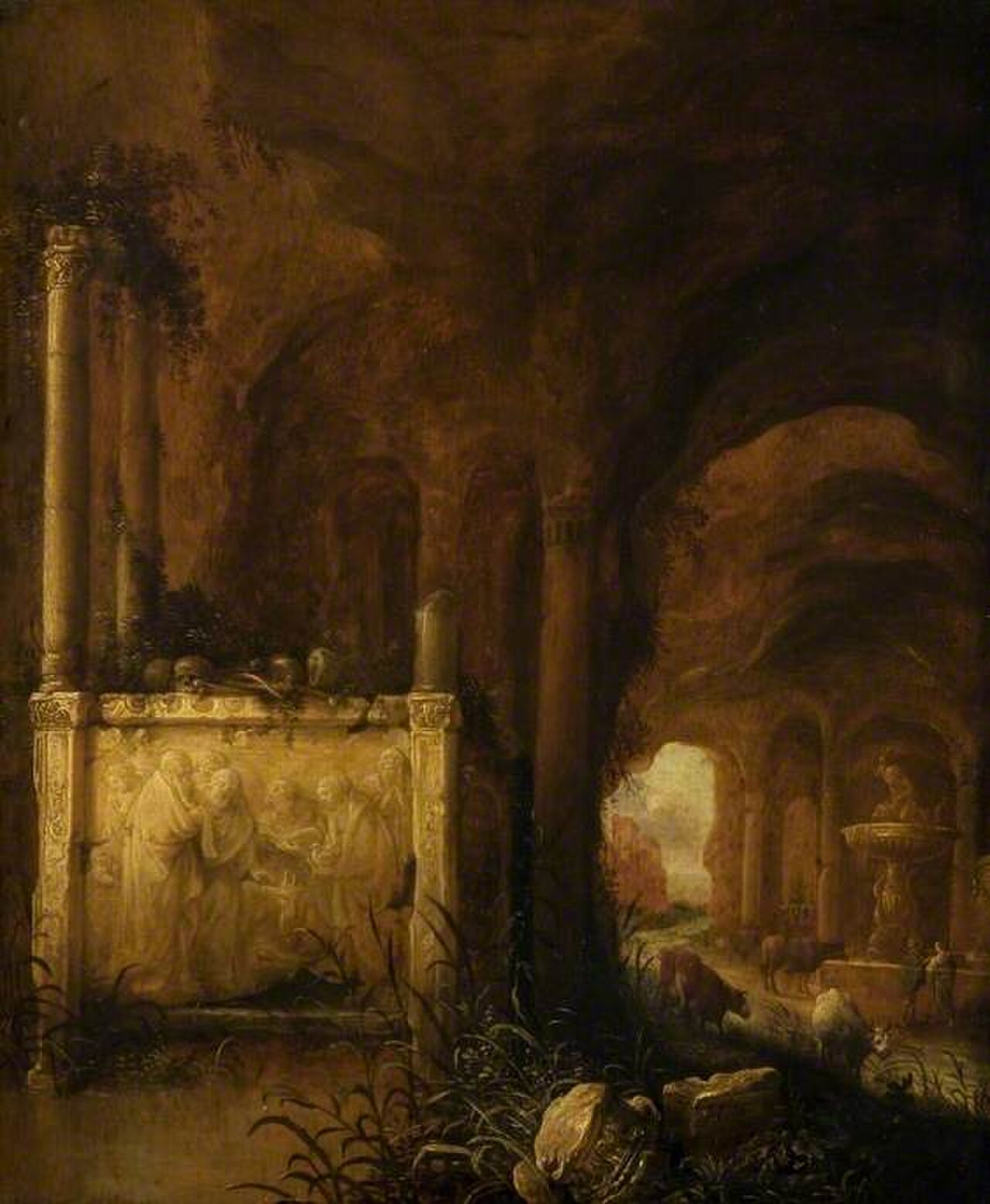
_-_A_Tomb_in_a_Grotto_-_437_-_Glasgow_Museums_Resource_Centre.jpg)
_(attributed_to)_-_A_Landscape_with_Goats_-_346_-_Glasgow_Museums_Resource_Centre.jpg)
_-_Going_to_Mass_-_2604_-_Glasgow_Museums_Resource_Centre.jpg)
34 min walk
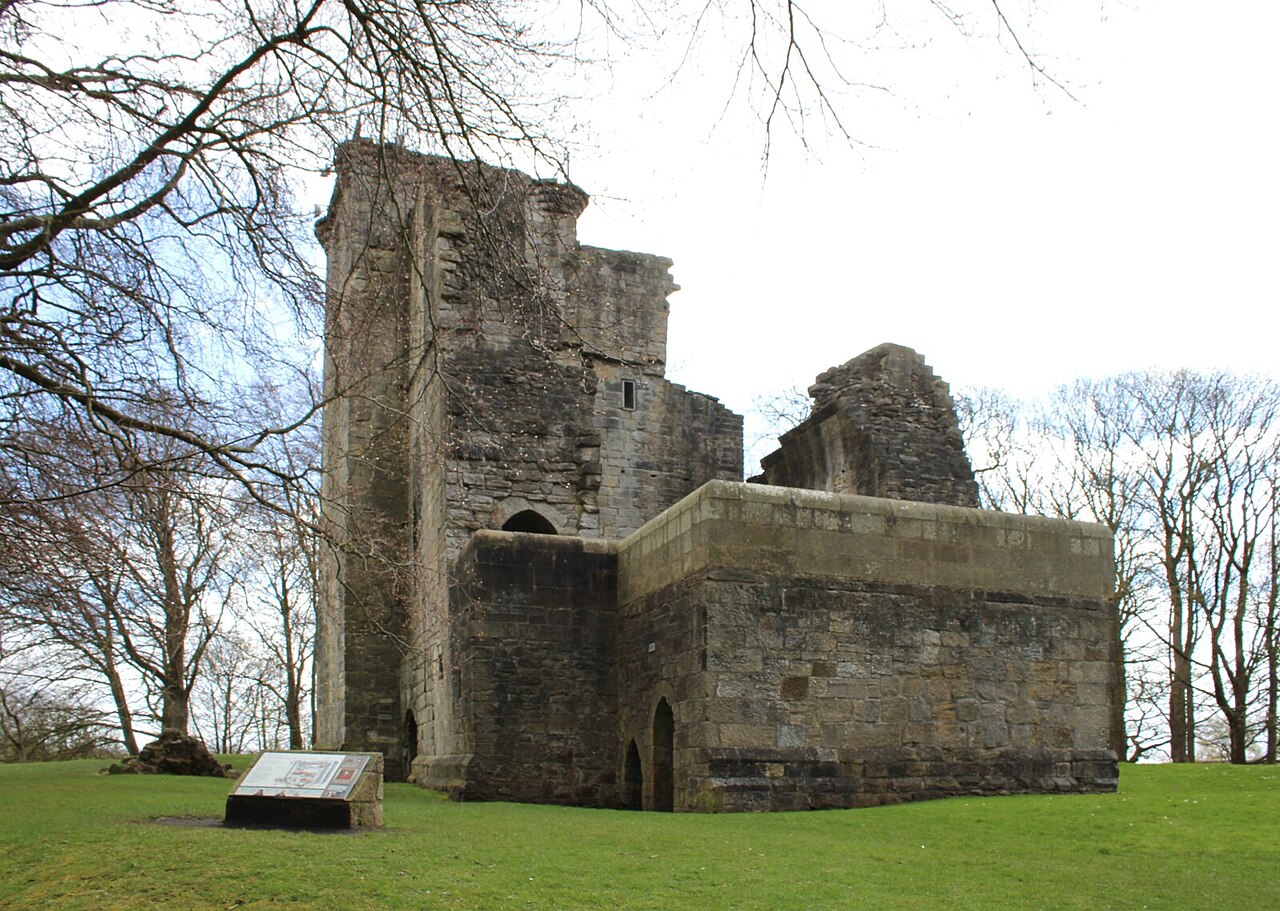
Crookston Castle
- Must see · Heritage site
- Historic monument
Language · 11 published
Museum · Glasgow
Reviewed by Elena Voss · Roavina Travel Editor
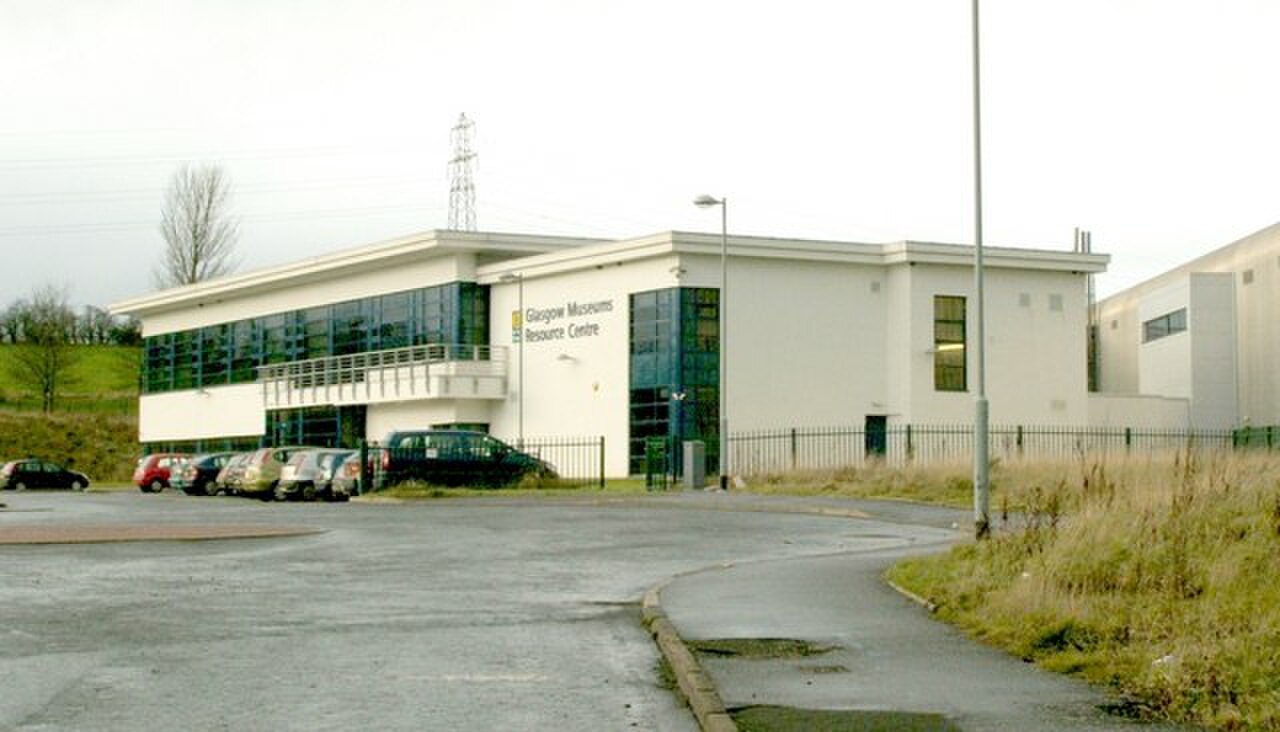
This place is a Museum.
Glasgow Museums Resource Centre is the working collection store and care facility supporting Glasgow’s civic museums. It differs from a conventional gallery: many objects are kept in storage, examined by specialists, or prepared for display elsewhere. A visit offers a closer look at how a large museum service protects collections, rather than a standard walk-through of permanent public rooms. The centre is especially relevant to travellers interested in museum practice, conservation, and the breadth of Glasgow’s cultural heritage. Glasgow Museums Resource Centre serves as the primary storage and care facility for Glasgow's civic museum collections. Unlike conventional museums with permanent public galleries, this site functions as a working repository where objects not on display at other city venues are housed, conserved, and made accessible through arranged visits. The facility represents a significant component of Glasgow's museum infrastructure, supporting the broader network of city museums by safeguarding collections ranging from fine art to social history and natural sciences. No. The Glasgow Museums Resource Centre operates by pre-arranged visits only and does not offer walk-in public access.
Checked 2026-08-26 · Source
The holdings represent several areas of Glasgow Museums’ work, including fine and decorative art, archaeology, natural history, world cultures, costume, social history, and industrial heritage. Depending on the arranged visit, you may see paintings stored on racks, smaller objects on shelves, specimen collections, or conservation and preparation spaces. The route and objects are shaped by the centre’s working responsibilities, so the experience is more focused and staff-led than a normal museum visit. Its strongest appeal is the variety of material gathered in one place.
Checked 2026-08-26 · Source

Allow about one to two hours for a typical arranged visit. That gives enough time to follow the planned route, listen to explanations, and pause over objects that interest you. A specialist subject visit or research appointment can take longer because the focus may be narrower and more detailed. Build in extra time for arrival and staff-led procedures. Since this is a working facility, the visit follows an organised path rather than allowing independent wandering through every storage area.
Checked 2026-08-26 · Source

Plan this as an advance-arrangement experience, not as a spontaneous stop between Glasgow’s public galleries. Visits are organised around staff availability and the centre’s operational work, making a confirmed appointment central to the day. It can suit a museum-focused itinerary when you want to see the collections behind the exhibitions. Because much of the appeal is indoors, the centre is also a useful choice for a rainy Glasgow day, provided your arranged visit is already in place.
Checked 2026-08-26 · Source
Entry is organised through Glasgow Museums programmes and arranged visits rather than ordinary gallery admission. The cost can depend on the kind of visit, such as a public programme, educational activity, group arrangement, or specialist appointment. Treat the booking arrangement as part of the experience: you need the relevant programme or appointment before travelling. The centre is not a substitute for Glasgow’s free or ticketed public museums, because its access model is based on organised collection visits.
Checked 2026-08-26 · Source
The resource centre is on Glasgow’s south side, away from the main city-centre museum cluster. Public transport requires a journey beyond the central galleries, followed by local walking or a connecting service. Allow more time than you would for Kelvingrove or a city-centre museum, and use the arranged visit details to identify the final approach. The location works best as a planned destination rather than an attraction discovered while walking between central Glasgow landmarks.
Checked 2026-08-26 · Source

Remember that this is an active collection facility, with staff work and object care taking priority over visitor convenience. Stay with the accompanying staff, follow instructions about movement, and do not touch objects unless invited. Storage areas may feel different from polished gallery interiors, and some routes can involve practical working conditions. Keep children supervised throughout. The visit is most rewarding when you accept its structured character and come ready to see museum collections in their working environment.
Checked 2026-08-26 · Source

Photography should be treated as restricted unless staff give clear permission during the visit. Collection objects may have copyright, lender, conservation, or security considerations that differ from ordinary gallery displays. Follow any signs and the instructions of the person leading your group, including rules about flash, tripods, and particular storage areas. If you need images for study or publication, raise that purpose when arranging the visit so it can be handled through the museum’s formal processes.
Checked 2026-08-26 · Source
It is Glasgow Museums’ working storage and care facility, where collections are stored, conserved, and prepared for display or study.
No. It is a separate collection facility, while Kelvingrove is a public museum with permanent galleries.
Arranged visits may include fine and decorative art, archaeology, natural history, world cultures, costume, social history, or industrial heritage objects.
Allow roughly one to two hours for a typical arranged visit, with longer appointments possible for specialist interests.
Arrange the visit in advance and follow the staff-led route through the working collection environment.
Only photograph objects or areas when staff explicitly permit it, and follow all instructions about flash and equipment.
Loading the interactive map…
The interactive map could not be loaded.

Last updated:
Source: OpenStreetMap contributors, Wikidata ·