


2 min walk
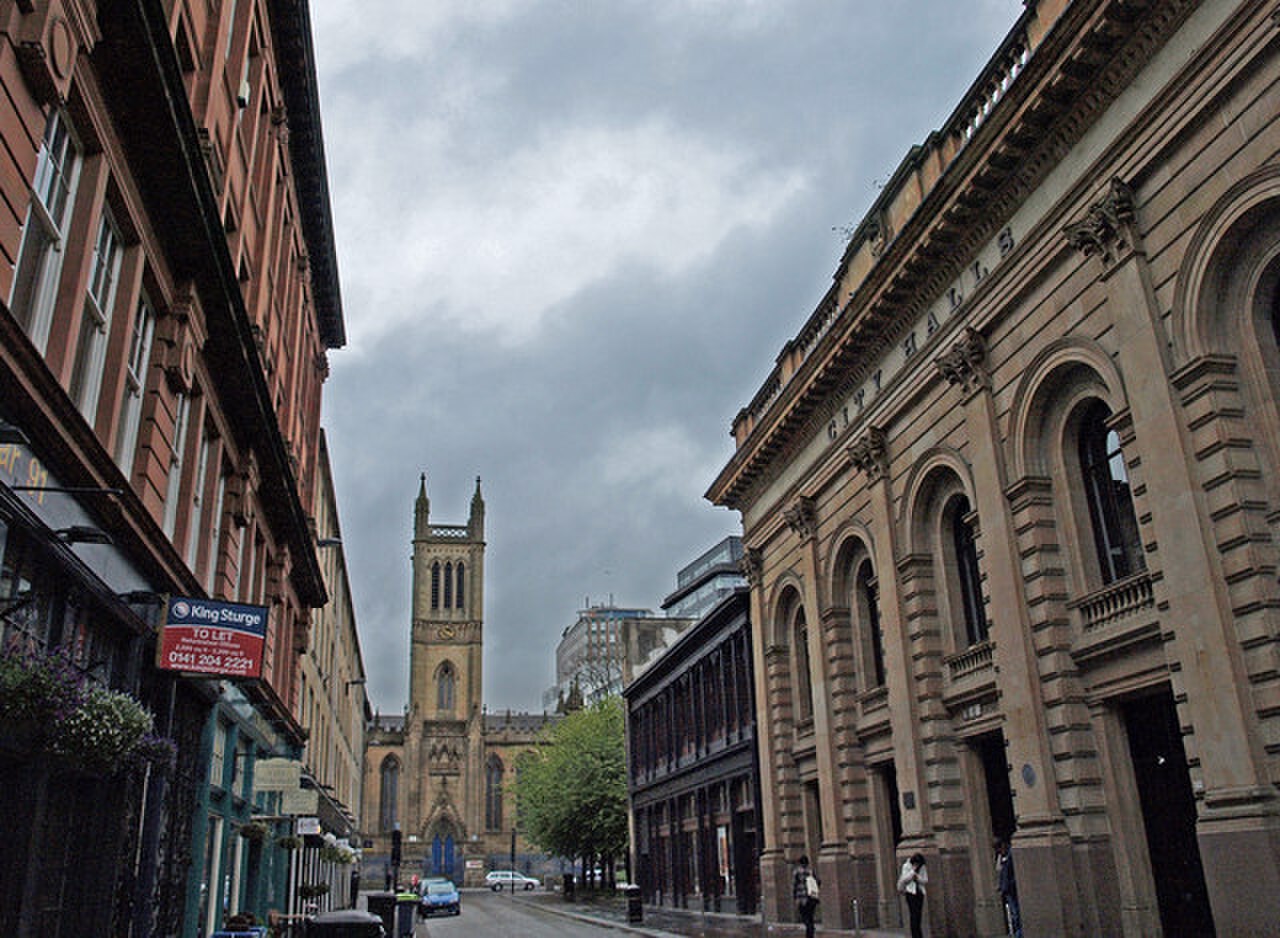
Glasgow City Halls
- Must see · Heritage site
- Art and culture venue
Museum · Glasgow
Glasgow Police Museum tells the story of the City of Glasgow Police, founded in 1800 and recognised as Britain’s first modern municipal police force. The museum uses policing history to explore Glasgow’s changing society, institutions, technology, and public life. Its collection spans roughly two centuries, making it a focused social-history attraction rather than a general museum. Visitors interested in uniforms, investigative methods, civic history, or the development of urban policing will find the subject especially distinctive. The Glasgow Police Museum documents the history of the City of Glasgow Police, Britain's first modern municipal police force founded in 1800. Housed in a former police building, the museum preserves uniforms, equipment, and archives spanning two centuries of law enforcement. The collection reflects Glasgow's social history through the lens of policing, from Victorian-era reform to contemporary community safety. Visitors encounter artefacts that illustrate evolving criminal justice practices and the force's role in shaping modern policing models adopted nationally and internationally. Rank 20 reflects the corrected visitor-priority order and excludes similarly named or nearby proxies. The museum's historical crime content and specialised policing focus may engage older children with relevant interests, though parental discretion is advised regarding case materials. Younger visitors might find the subject matter less immediately accessible than interactive science or natural history alternatives.
Checked 2026-08-26 · Source
Displays include historic uniforms, badges, insignia, medals, handcuffs, truncheons, and early forensic equipment. Photographs and documents place police work within everyday Glasgow life, while communication devices show the progression from simple signals to radio technology. The collection also covers specialist roles such as mounted policing and river patrol, linking the force to Glasgow’s streets and industrial waterfront. The museum’s interest lies in the detail: clothing, tools, records, and images together show how police work changed over time. Exhibits include historic police uniforms, badges, and insignia demonstrating rank structures and ceremonial dress.
Checked 2026-08-26 · Source
Most visitors can see the museum in about forty-five minutes to ninety minutes. A quick visit gives you an overview of the force’s history, while a slower circuit rewards close attention to uniforms, medals, photographs, documents, and equipment. The compact subject makes it easy to combine with other central Glasgow attractions. Give yourself nearer the longer end of the range if policing history, forensic development, or local photographs are central to your interests.
Checked 2026-08-26 · Source

This indoor museum suits a Glasgow itinerary in any season, particularly on a wet or cold day when you want a compact cultural stop. A weekday visit can fit neatly around the city centre’s other museums, galleries, and railway connections. The focused collection generally attracts visitors for its specialist subject rather than for large-scale blockbuster displays. Plan enough flexibility to read the cases, since the museum’s value comes from the accumulated details of police and civic history.
Checked 2026-08-26 · Source
Approach admission as a small specialist museum visit rather than a major paid attraction. Police museums often use modest admission arrangements or voluntary support, and this museum’s compact volunteer character is part of its appeal. The useful preparation is to carry a payment option suitable for a small independent institution and allow time for the visit itself. The museum is valuable for its collection and local story, not for a large commercial visitor operation.
Checked 2026-08-26 · Source
The museum is in Glasgow city centre, where it can be reached as part of a walking day through the central cultural and shopping districts. Glasgow Central and Queen Street stations provide useful rail approaches, with bus routes and the Subway serving the wider centre. Combining the museum with nearby city sights is more practical than making it a distant standalone excursion. If you drive, treat the destination as a central-city visit and plan around urban parking constraints.
Checked 2026-08-26 · Source

The museum’s specialist subject includes crime, historical violence, investigations, and punishment, so some displays may be unsuitable for very young children or sensitive visitors. The premises are historic rather than purpose-built for modern museum access, making the physical layout important for visitors with mobility needs. The collection is compact and detail-led, not an interactive family attraction. Respect the volunteer-run setting, keep circulation clear, and give yourself time to read rather than expecting a quick photo stop.
Checked 2026-08-26 · Source
Treat photography as a courtesy governed by the museum’s instructions. Ask before photographing cases, documents, or particularly sensitive material, and avoid flash or bulky equipment in the compact rooms. Some objects may have reproduction restrictions even when personal photographs are permitted. The strongest images usually come from the uniforms, badges, equipment, and historical photographs, but the museum is best experienced through careful viewing of the collection rather than photographing every display.
Checked 2026-08-26 · Source
Older children interested in history or policing may enjoy it, while crime and historical violence content make parental judgement important for younger visitors.
The displays include uniforms, badges, medals, police equipment, forensic tools, photographs, documents, and communication devices.
Plan on approximately forty-five to ninety minutes, depending on how closely you read the displays.
It is in the city centre, within the wider walking and public-transport area served by Glasgow Central and Queen Street stations.
It documents the City of Glasgow Police, founded in 1800 and described as Britain’s first modern municipal police force.
Ask museum staff before photographing displays, and follow their instructions about flash, equipment, and restricted objects.
Loading the interactive map…
The interactive map could not be loaded.

Last updated:
Source: OpenStreetMap contributors, Wikidata ·