


27 min walk
Cathkin Braes
- High
- Nature site
Nature site · Glasgow
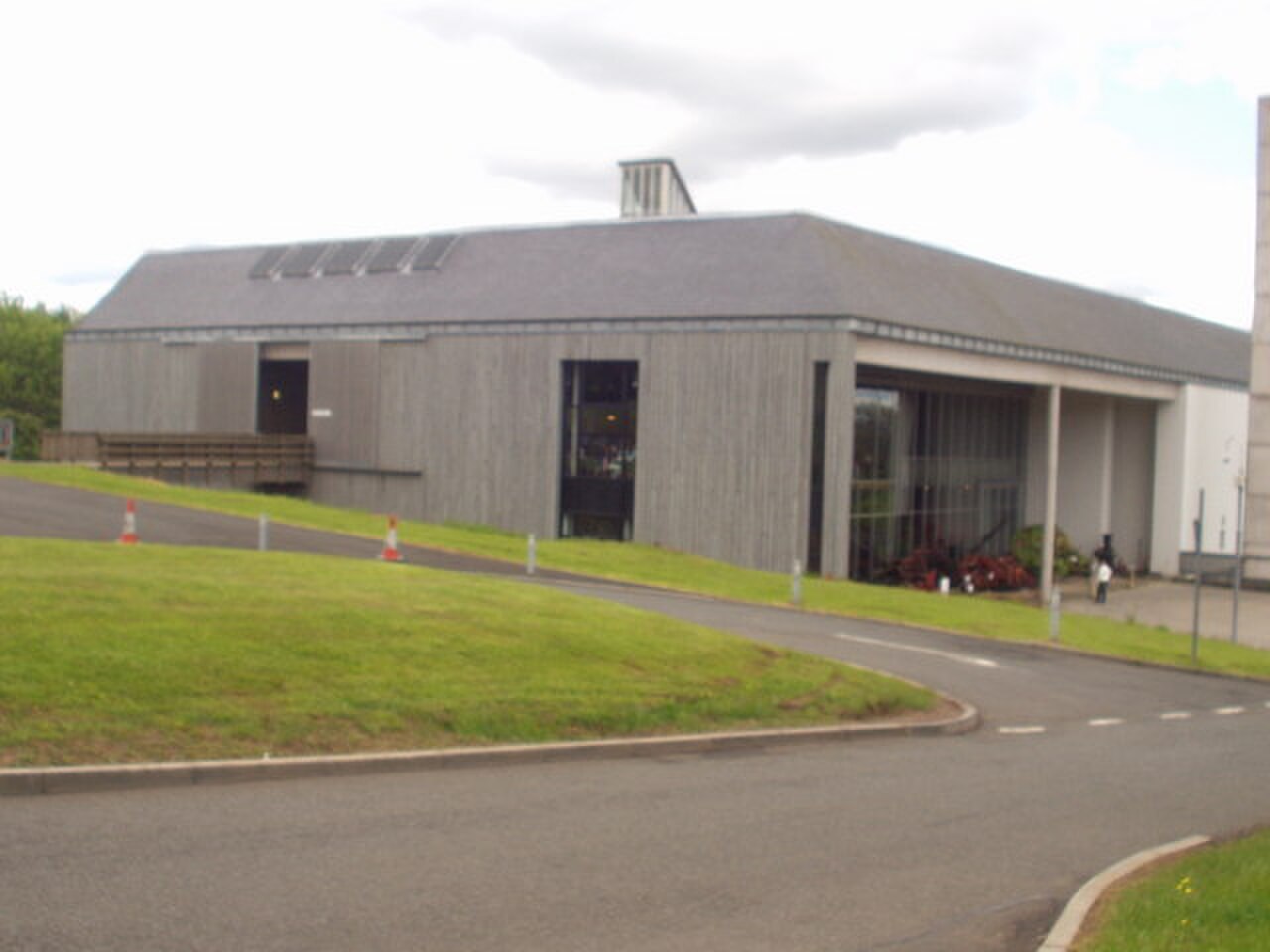
National Museum of Rural Life presents Scotland's rural heritage through museum collections, historic buildings and a working agricultural landscape. The site is operated by National Museums Scotland and combines indoor interpretation with outdoor farmland. Farming equipment, domestic objects, tools and craft-related material show how rural communities lived and worked through changing periods. A Georgian farmhouse and other historic structures connect objects with the buildings and landscapes in which they were used. This combination makes the museum especially useful for travellers who want social history, agricultural technology and countryside experience in one visit outside central Glasgow.
Checked 2026-08-26 · Source
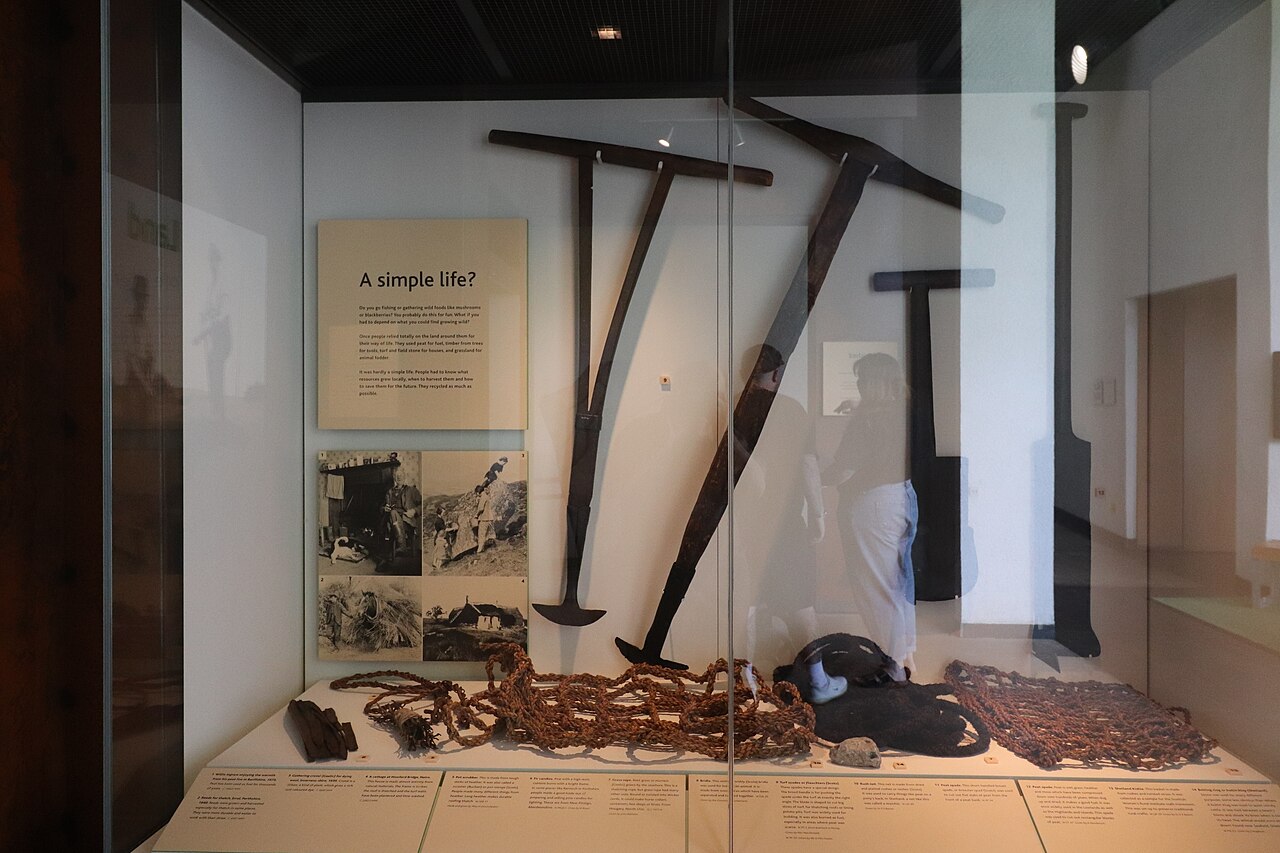
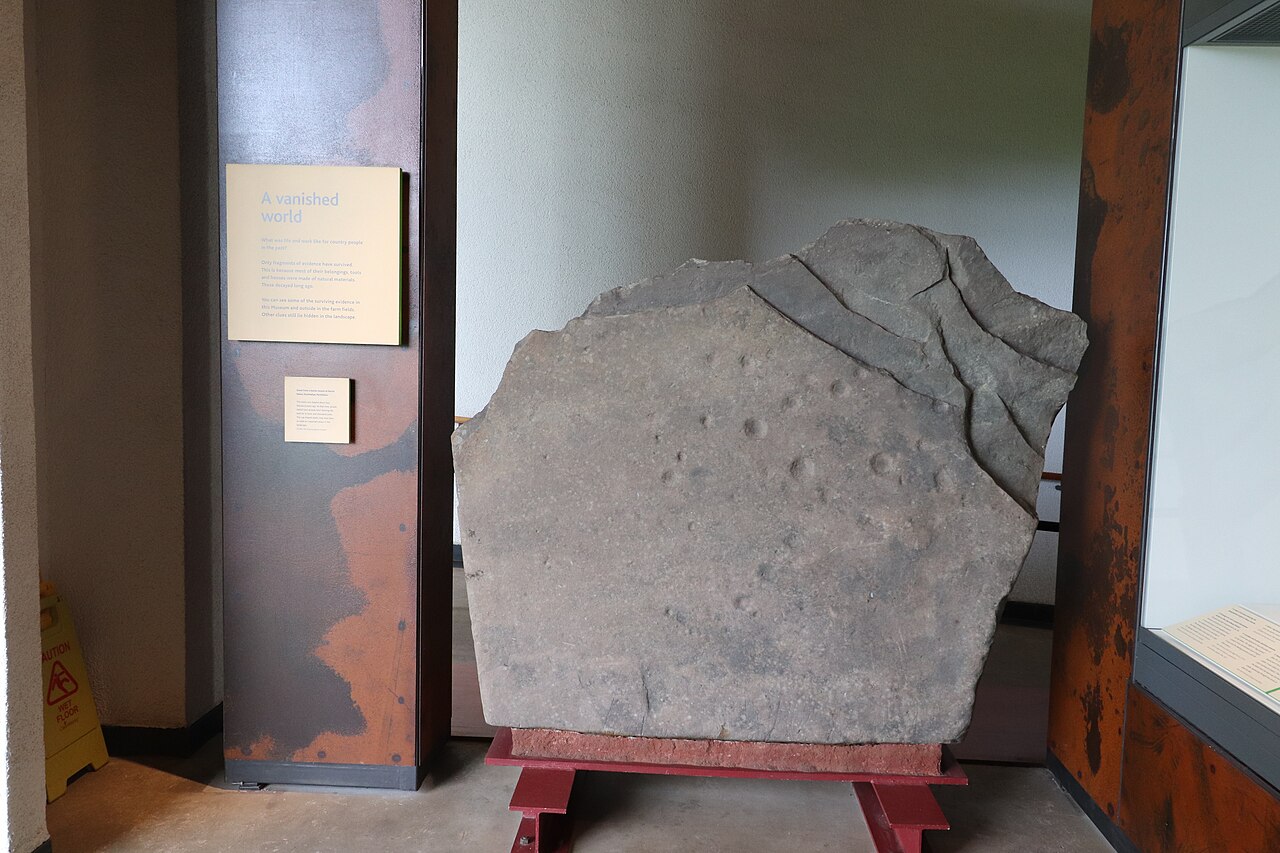
Inside, galleries bring together agricultural machinery, hand tools, household objects, textiles and dairy equipment. These collections explain both practical work and domestic life in Scottish farming communities. Historic buildings add scale and atmosphere, with the Georgian farmhouse offering a direct sense of rural domestic space. Outside, cultivated land and livestock show the working side of agriculture rather than presenting farming only as a collection of artefacts. Move between galleries, buildings and farm areas to see how technology, labour, household routines and regional practice fit together.
Checked 2026-08-26 · Source
Treat National Museum of Rural Life as a half-day destination if you want to experience both the indoor collections and the outdoor farm. A shorter visit can concentrate on the galleries and the Georgian farmhouse, but the working farmland and livestock reward additional time. Families may move more slowly between buildings and outdoor areas, while visitors focused on machinery or rural history may spend longer reading and comparing objects. The dispersed layout means that the visit feels more complete when you leave time for transitions between the museum interiors, historic structures and agricultural landscape.
Checked 2026-08-26 · Source

The museum combines indoor and outdoor experiences, making weather an important part of planning. Drier, brighter days give more comfortable conditions for the farm and historic buildings, while the galleries remain the main refuge during rain. Summer daylight supports a longer exploration of the grounds. In colder or wetter periods, wear footwear suitable for agricultural surfaces and allow time to move between sheltered and exposed areas. Seasonal farming activity can change the character of the outdoor visit, with livestock, cultivated land and working areas providing a different experience through the year.
Checked 2026-08-26 · Source
Admission is handled as part of the National Museums Scotland visitor network rather than as access to an ordinary public park. The museum's collections, historic buildings and working farm form one combined destination, so plan for the ticketing arrangements presented for this site. Special events, concessions, family entry and group arrangements may be offered under the museum's current policy. Carry a practical payment method and allow enough time to enjoy the whole site once you arrive, because the value of the visit comes from the indoor and outdoor combination.
Checked 2026-08-26 · Source
National Museum of Rural Life is in East Kilbride, southeast of Glasgow city centre. Bus services connect the museum area with Glasgow and the surrounding districts, while road access makes car travel practical for a destination outside the central city. The rural setting means the journey is different from visiting a city-centre gallery: leave time for the outward and return legs, especially when travelling by bus. Cycling can also serve the area. Use the museum's location in a current transport planner to coordinate the final approach and return journey.
Checked 2026-08-26 · Source
The outdoor areas include uneven ground, agricultural surfaces and mud, particularly after rain. Wear shoes that can handle wet paths and keep children close around livestock. Historic buildings may contain steps, low doorways and original features that require careful movement. Farm areas can bring noise, strong smells and changing activity as part of their working character. Large machinery should be viewed from the visitor side of any barrier. Because shelter may be separated from the farm areas, carry rain protection and plan breaks before heading outside.
Checked 2026-08-26 · Source
The museum offers photographs of agricultural machinery, historic buildings, household objects and the wider working farm. The Georgian farmhouse provides architectural and domestic detail, while livestock and cultivated land give the outdoor visit a changing subject through the seasons. Follow the signs in galleries and buildings, since individual objects may have different photography requirements. Outside, keep a respectful distance from animals and avoid interrupting farm work. Rain protection is useful for equipment, and the contrast between indoor collections and open farmland can give the final set of photographs a strong visual rhythm.
Checked 2026-08-26 · Source
It contains agricultural machinery, tools, household objects, textiles and dairy equipment, together with historic buildings, a Georgian farmhouse, cultivated land and livestock.
Yes. The site includes working farmland with livestock as part of its agricultural setting.
Allow a half day for the indoor galleries, historic buildings and outdoor farm areas. A shorter visit can focus on the galleries and Georgian farmhouse.
The museum is in East Kilbride, southeast of Glasgow city centre. Bus services connect the area with Glasgow, and road access serves the rural site.
Yes. Children can move between indoor displays, historic buildings, farmland and livestock areas. Keep them supervised around animals, machinery and uneven outdoor ground.
Wear sturdy footwear and rain protection. Outdoor ground can be uneven or muddy, and the working farmland may be exposed to changing Scottish weather.
Loading the interactive map…
The interactive map could not be loaded.
Last updated:
Source: OpenStreetMap contributors, Wikidata ·