


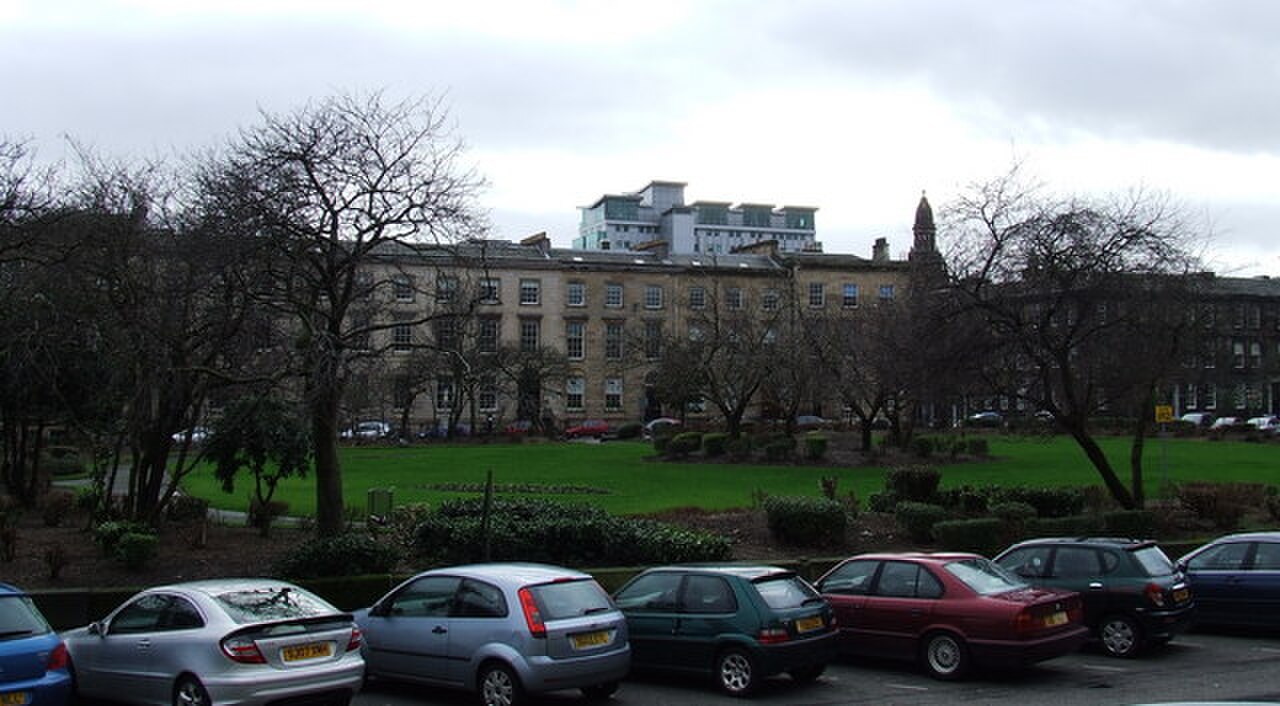
2 min walk
Blythswood Square
- High
- Nature site

Museum · Glasgow
The Museum of the Royal College of Physicians and Surgeons of Glasgow explores the history of medicine, surgery and pharmacy in the west of Scotland. It is connected with a professional college founded in 1599, giving the museum a long institutional setting within Glasgow's medical story. For travellers, the attraction offers a focused alternative to large general museums: its subject is the development of medical knowledge and practice, presented through the objects and records associated with a historic Scottish medical institution. The Museum of Royal College of Physicians and Surgeons Glasgow is a medical heritage museum located in Glasgow, Scotland. It is associated with the Royal College of Physicians and Surgeons of Glasgow, a historic professional body founded in 1599 that has played a significant role in Scottish medical education and practice.
Checked 2026-08-26 · Source
The collections include medical instruments, artefacts and documents connected with medicine, surgery and pharmacy. Historic surgical tools, pharmaceutical objects, anatomical models, portraits and institutional records help show how professional practice developed over time. The displays are most interesting when viewed as evidence of changing ideas: tools reveal practical work, documents show how knowledge was organised, and portraits connect the collections with the people who shaped Scottish medicine. Read slowly, because small objects can carry more historical meaning than their size suggests.
Checked 2026-08-26 · Source
Allow one to two hours for a visit, depending on how closely you read labels and how much interest you have in medical history. The subject rewards careful attention to instruments, documents and portraits rather than a rapid circuit. Visitors with a strong interest in surgery, pharmacy or the history of professional education may want the longer end of that range. The museum can form a thoughtful indoor stop within a Glasgow day, especially when you want a specialised collection rather than another broad city museum.
Checked 2026-08-26 · Source
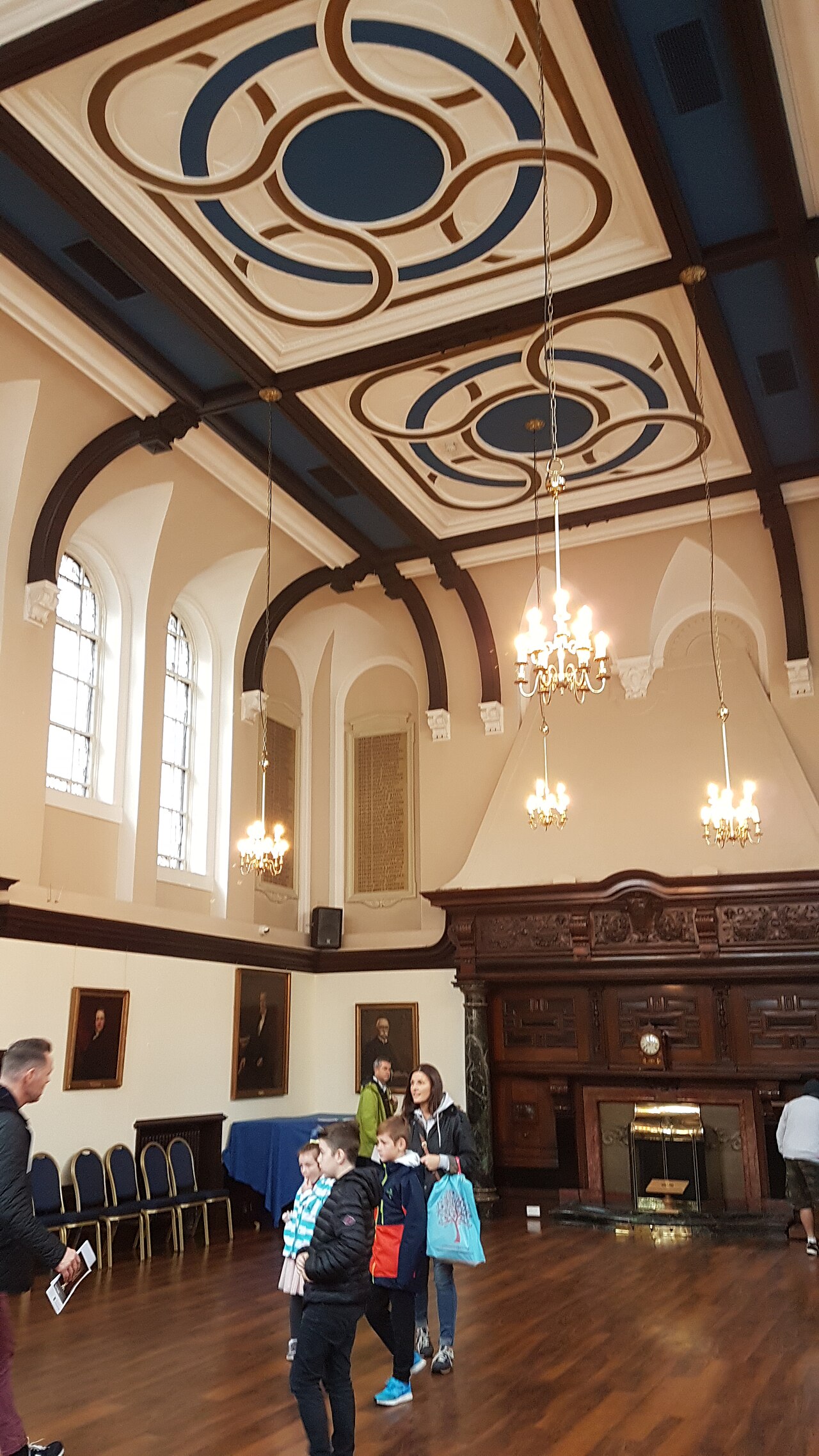
Plan this museum for a period when you can give concentrated attention to the displays. Its connection with a professional college makes it a more specialised destination than a major public museum, so access can be linked to institutional use. A quiet visit gives you time to read documents and compare instruments without rushing. Glasgow's wet weather also makes the museum a useful cultural stop. Set aside one to two hours in your day and keep the surrounding itinerary adaptable around the museum's institutional setting.
Checked 2026-08-26 · Source
The museum's collections belong to a professional medical college, so admission arrangements are part of a specialised institutional visit rather than a standard city attraction formula. If you are travelling with a group or planning an educational visit, allow time for the visit structure to accommodate the collection's professional setting. Donations can support the care of historic objects in museums of this kind. Treat the museum as a concentrated heritage experience, where the value comes from the depth and character of the collection rather than from a large visitor complex.
Checked 2026-08-26 · Source
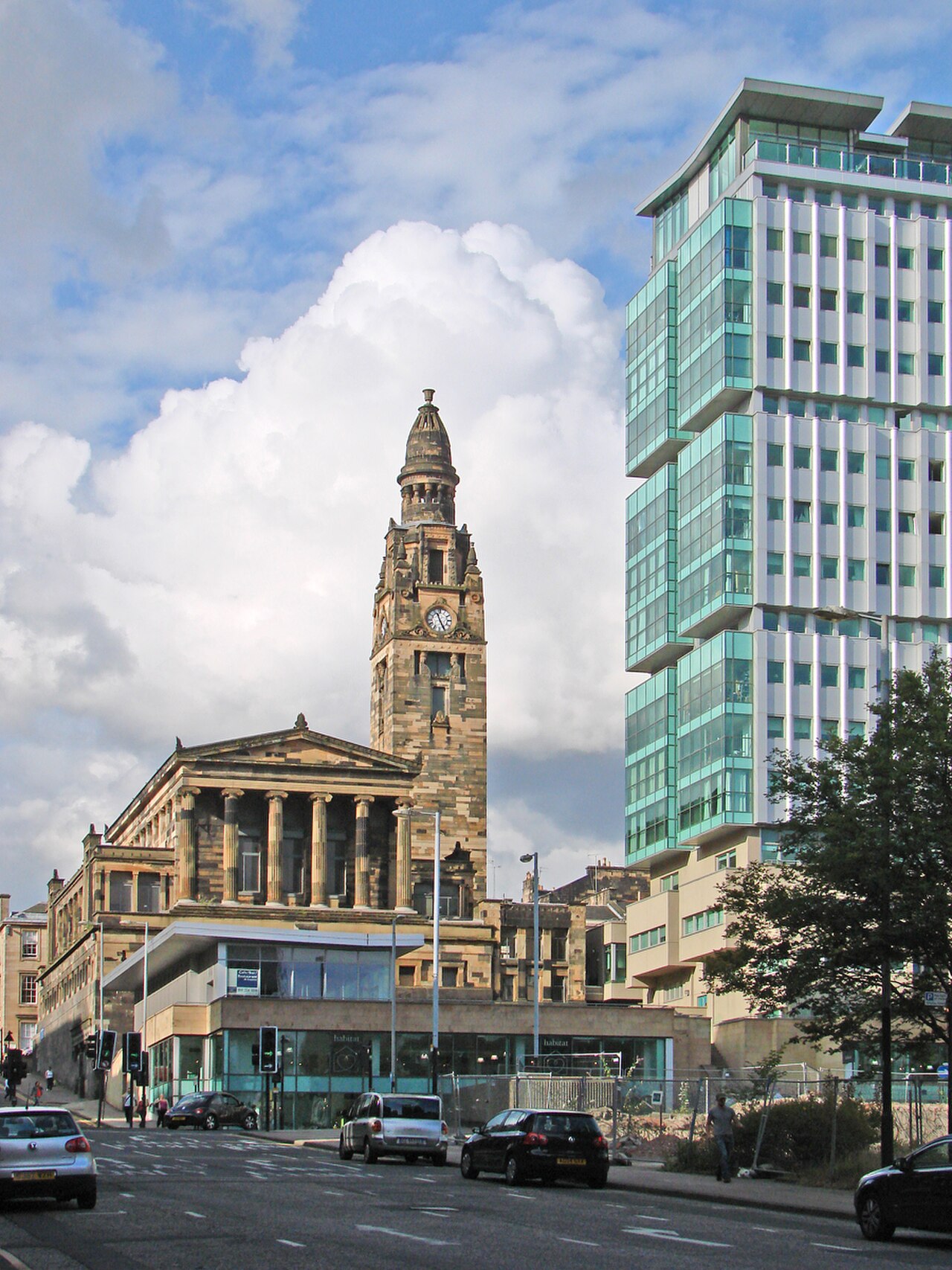
The museum is in Glasgow, a city served by buses, the Subway and suburban rail. Glasgow Central and Glasgow Queen Street stations provide major arrival points, and many central destinations can be linked on foot. Use the college's location as the destination when planning your route through the city, then allow a little extra time to find the entrance within the institutional surroundings. Its specialist character makes it easy to pair with other central cultural stops, but reserve enough time for the exhibits rather than passing through hurriedly.
Checked 2026-08-26 · Source
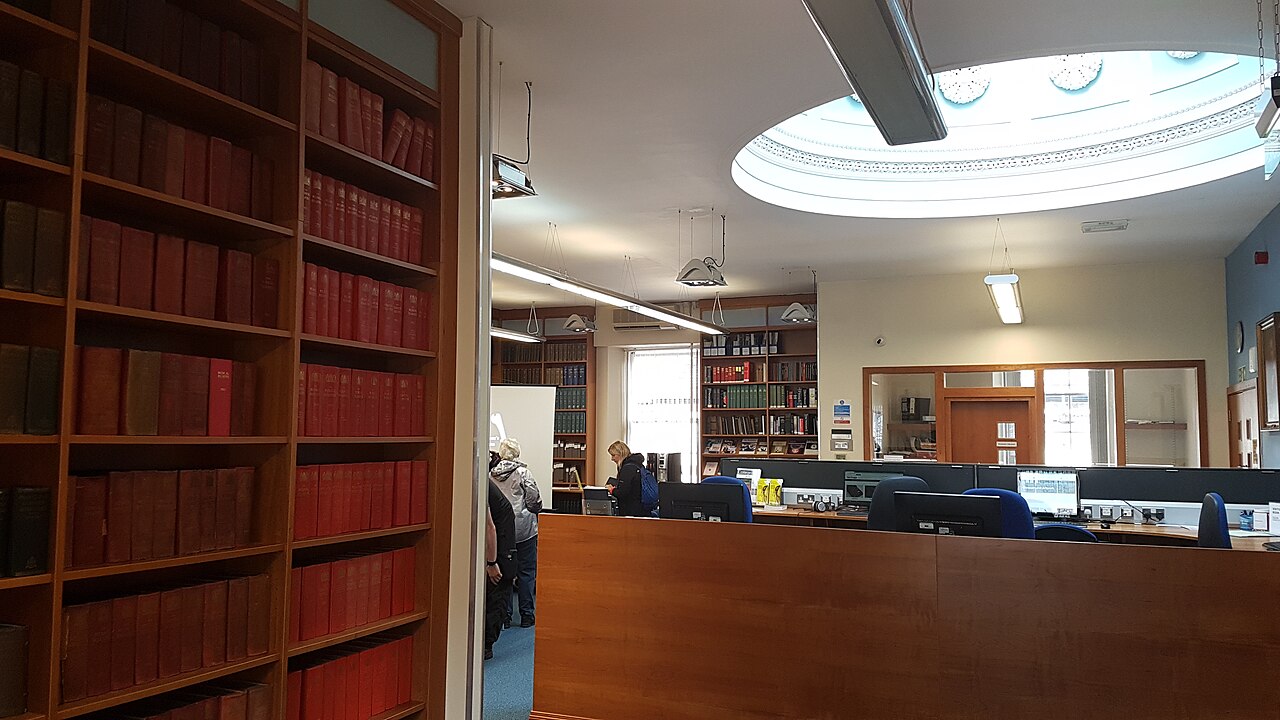
Medical collections can include surgical instruments, anatomical material and historical images that some visitors may find unsettling. Give yourself permission to move at your own pace and read the context around difficult objects. The museum's institutional setting may mean that access is affected by college activity, ceremonies or educational use. Older buildings can also be less straightforward for mobility. Keep the visit quiet and focused, respect any photography or room instructions, and avoid treating professional records or sensitive displays as casual entertainment.
Checked 2026-08-26 · Source
Photography in a medical museum should follow the instructions displayed around the collection. Instruments, documents and portraits may have conservation, privacy or copyright considerations, and flash can be unsuitable for sensitive objects. If photography is permitted, use quiet handheld shooting and keep clear of cases and other visitors. The strongest images often come from details: the shape of a surgical instrument, the texture of an old document or the arrangement of a portrait within the college setting. Commercial photography requires a separate conversation with the institution.
Checked 2026-08-26 · Source
It covers the history of medicine, surgery and pharmacy in Glasgow and the west of Scotland.
It is connected with the Royal College of Physicians and Surgeons of Glasgow, founded in 1599.
The collections include medical instruments, surgical tools, pharmaceutical objects, anatomical models, portraits and documents.
Allow one to two hours, with more time for close reading and specialist interest.
It suits travellers interested in medical history, surgery, pharmacy, professional education and specialised heritage collections.
Some surgical instruments, anatomical material and historical images may be unsettling, so visit at a pace that feels comfortable.
Loading the interactive map…
The interactive map could not be loaded.
Last updated:
Source: OpenStreetMap contributors, Wikidata ·