


4 min walk
Victoria Park
- Notable · Heritage site
- Nature site
Museum · Glasgow
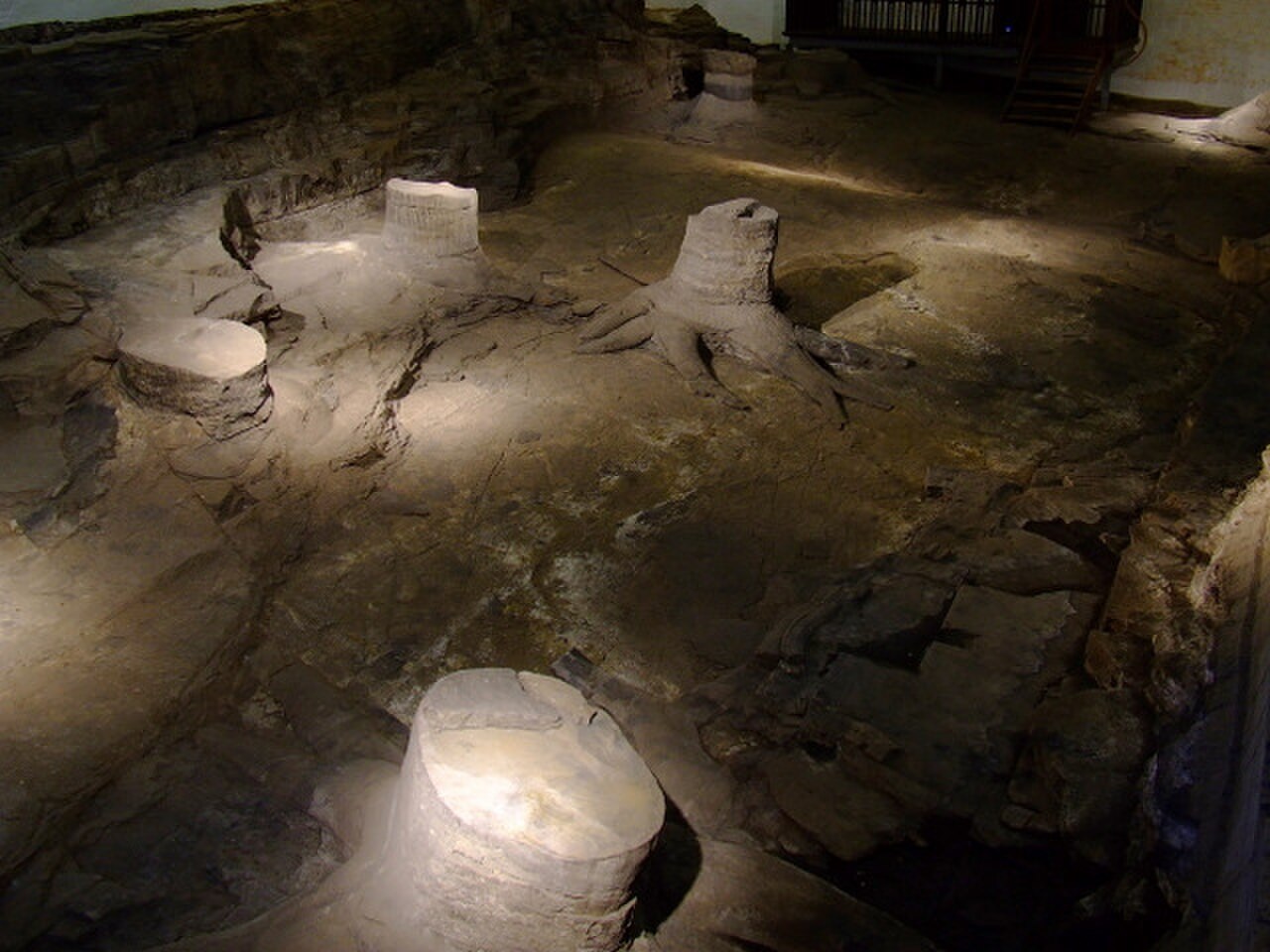
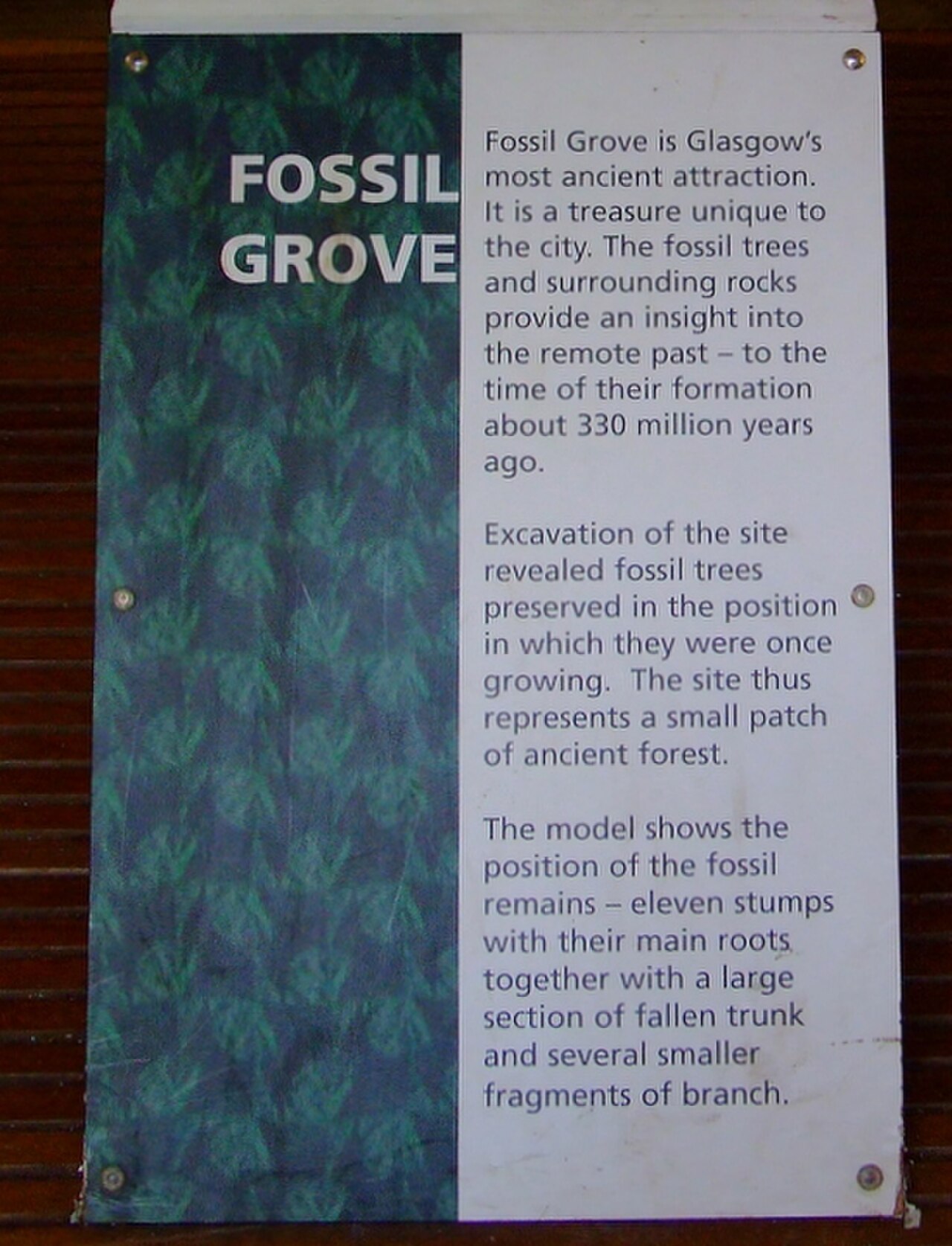
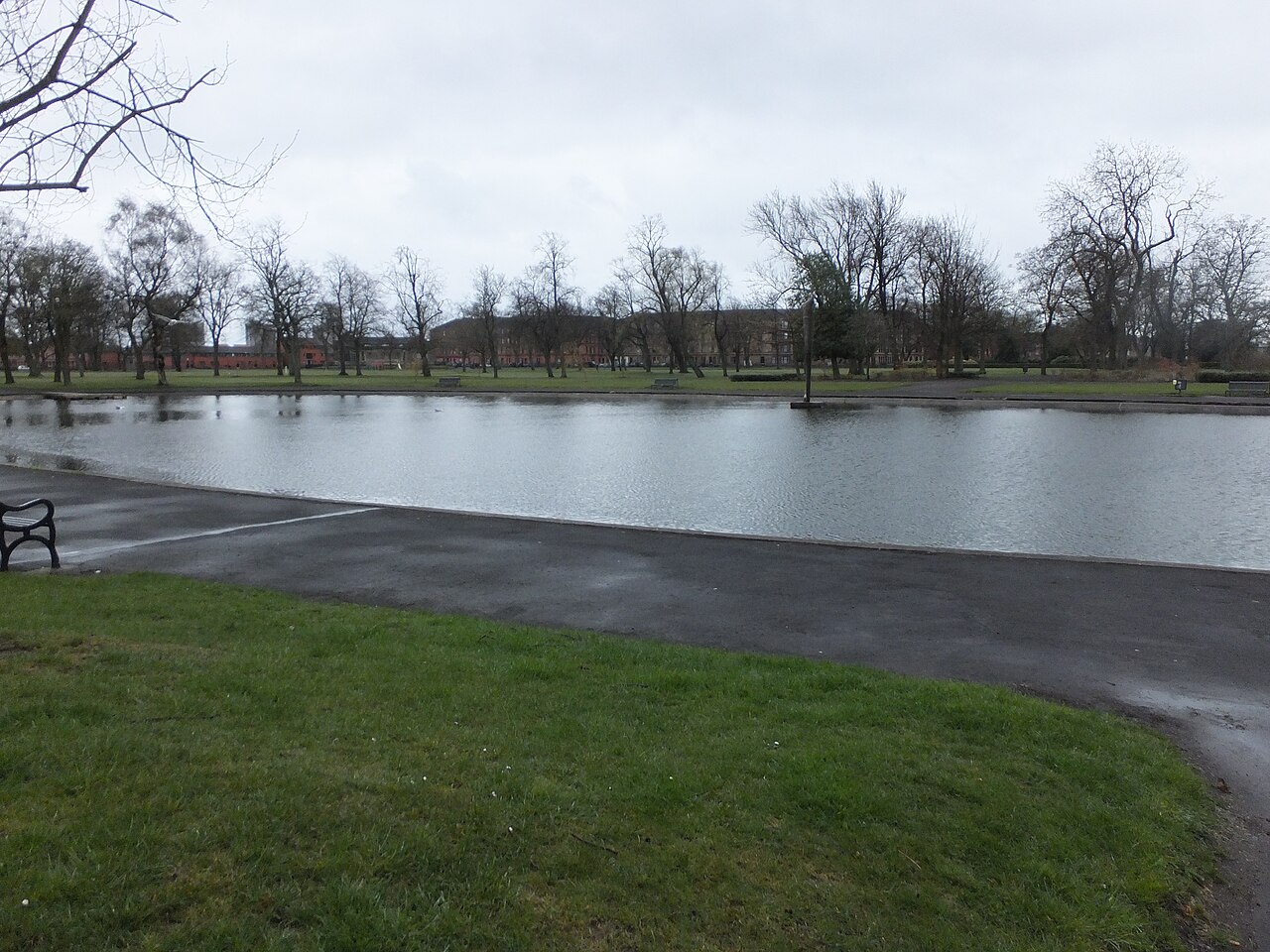
Victoria Park Fossil Grove preserves the remains of an ancient forest in Glasgow’s Victoria Park. The fossilised tree stumps date from about 330 million years ago, during the Carboniferous period, when the landscape of what is now Scotland was very different from the modern city. Discovered in 1887 during construction of the park, the site offers a direct encounter with geological time: the remains are viewed where they were found rather than as detached objects in a conventional museum case. A purpose-built building protects the fossils and gives visitors an indoor setting for examining the exposed formations. The visit combines local history, palaeontology and a walk through one of Glasgow’s western parks.
Checked 2026-08-26 · Source
Inside the Fossil Grove are eleven fossilised tree stumps identified as lycopods, ancient relatives of modern clubmosses. They remain embedded in the sandstone bedrock in positions connected to the ancient forest floor, allowing visitors to study the relationship between trunks, roots and surrounding rock. Bark patterns and internal structures give the specimens visual detail beyond the simple impression of a fossil surface. Walkways around the displays bring the formations close enough for careful observation, while interpretation panels explain their geological setting. The building itself is part of the experience: its protective structure allows the fossils to be viewed indoors and sheltered from Glasgow weather. Combine the fossil house with the wider paths and open space of Victoria Park for a fuller outing.
Checked 2026-08-26 · Source
Most visitors need around thirty minutes to one hour inside the Fossil Grove. That is enough time to look at all eleven stumps, compare the visible roots and bark patterns, and read the interpretation panels without rushing. Visitors with a strong interest in geology or palaeontology may stay longer to examine details in the sandstone and fossil surfaces. The display area is compact, so the visit is focused rather than a long indoor circuit. Add time for Victoria Park if you want a walk before or after the fossil house. This makes the site work in two ways: as a concise educational stop within a Glasgow itinerary or as the central feature of a slower park visit.
Checked 2026-08-26 · Source
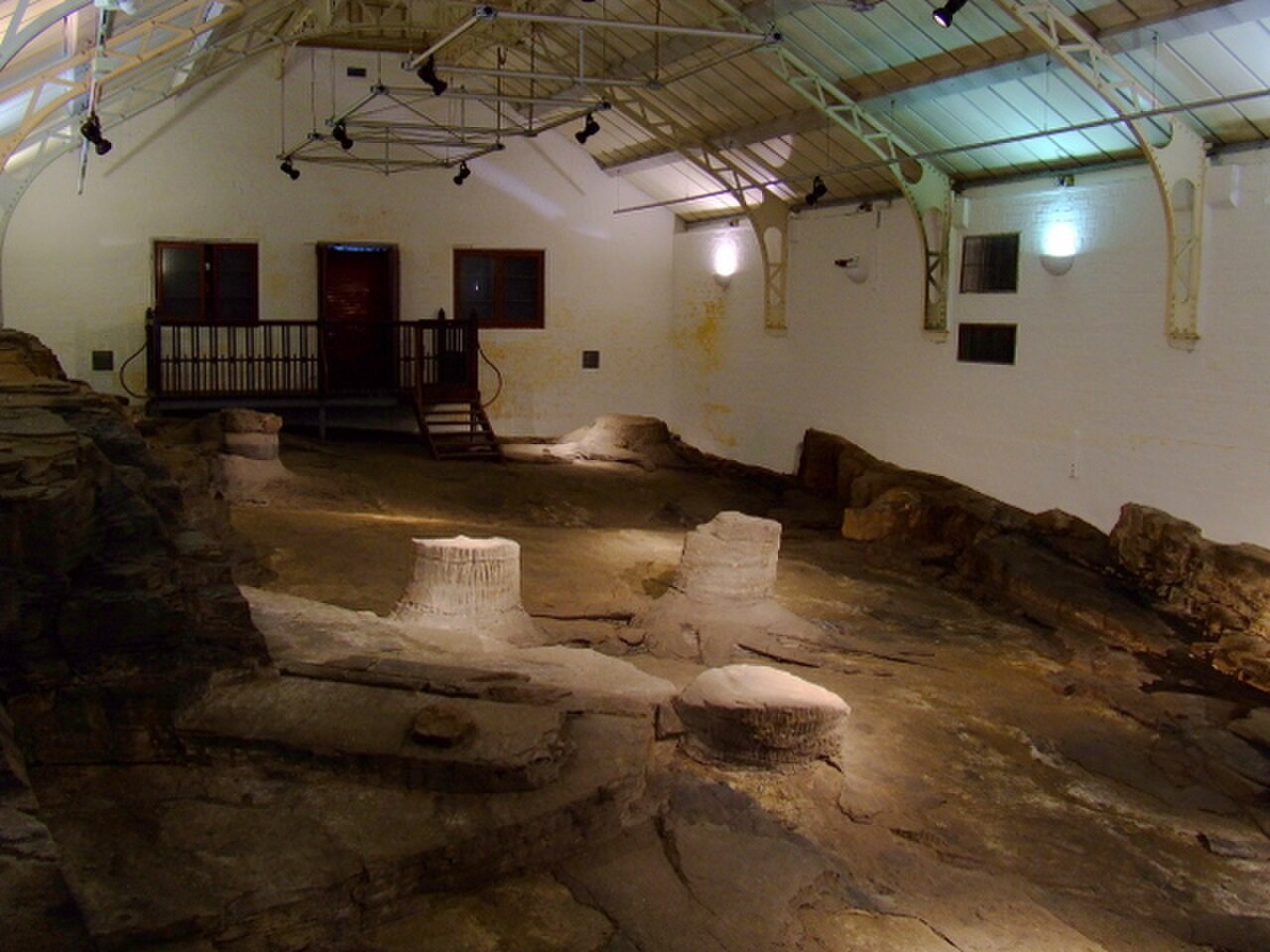
The Fossil Grove is especially useful on a wet Glasgow day because the fossils are viewed inside a protective building. The surrounding Victoria Park is more enjoyable when the ground is comfortable for walking, with spring, summer and early autumn offering longer daylight for combining both parts of the visit. Winter can still suit the fossil display as a short indoor stop, but the park portion benefits from an earlier start. The interior may feel cool and damp even when outdoor conditions are mild, so an extra layer is practical. Weekend and holiday periods can be busier, particularly when visitors combine the fossil house with other park activities. Allow enough time to look closely rather than treating the site as a quick photograph.
Checked 2026-08-26 · Source
The Fossil Grove has historically functioned as a free public heritage attraction within Victoria Park, making it a suitable addition to a Glasgow day without a conventional museum admission purchase. The experience is centred on the preserved formations and interpretation rather than a commercial programme. The fossil house is a compact educational stop, while the surrounding park extends the outing outdoors. If you are planning a group or school visit, organise the visit around the size and confined layout of the building. Keep the focus on observing the fossils in place, reading the geological explanations and allowing other visitors room around the walkways. The site’s public-heritage character makes it particularly appealing to travellers interested in geology, local discovery and unusual attractions.
Checked 2026-08-26 · Source
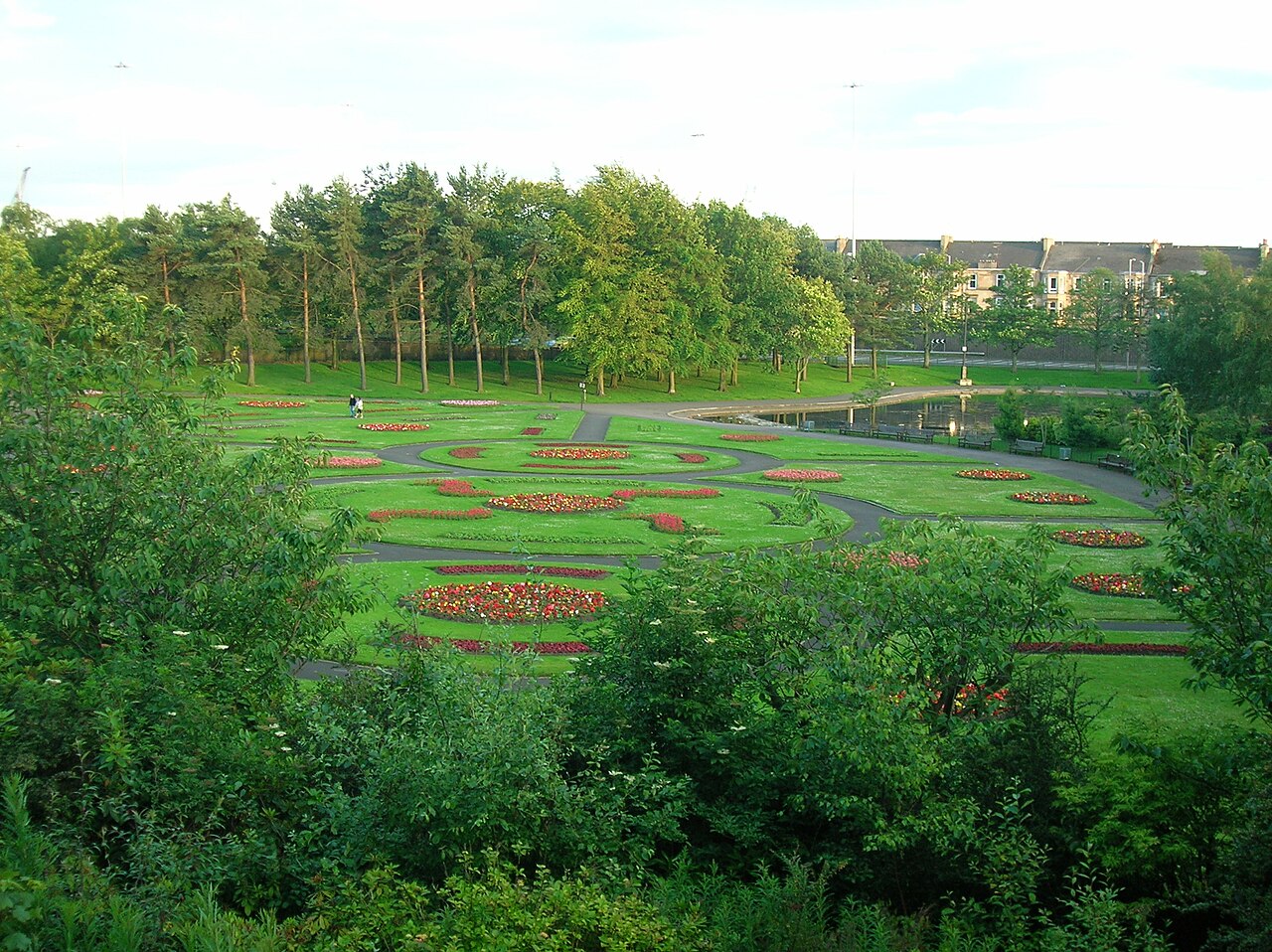
Victoria Park lies in Glasgow’s Whiteinch area, in the city’s West End. Bus services operate along nearby Dumbarton Road, giving public-transport visitors a practical approach to the park. Hyndland, Jordanhill and Scotstounhill are the nearby railway stations, with the final part of the journey continuing on foot or by bus. The subway does not serve the immediate area directly. Drivers should plan around limited or restricted parking near Victoria Park rather than treating the park as a guaranteed car-park destination. Cyclists can use nearby National Cycle Network routes. The Fossil Grove stands in the northern section of Victoria Park and is identifiable by its distinctive roof structure, so allow time to cross the park after arriving.
Checked 2026-08-26 · Source
The fossil house is a confined indoor space with narrow walkways around the displays. Floors may feel uneven or slippery, and the interior can be cool, damp and dim even when the weather outside is bright. Wear shoes with a secure sole and bring a layer. The limited space means that large groups, pushchairs or bulky bags can make movement difficult. Children need close supervision around exposed rock faces, fossil edges and display boundaries. Toilets and refreshments are not within the fossil house itself, so treat the surrounding Victoria Park as part of the wider outing rather than expecting a full visitor-services building. Visitors with mobility requirements should consider the confined layout and limited accessibility features before setting out.
Checked 2026-08-26 · Source
The fossilised stumps reward close, patient photography. Roots, bark patterns and the textures of the surrounding sandstone provide more interesting subjects than a single wide image of the room. Low interior light can make hand-held photographs difficult, so steady your camera and take time to frame details without blocking the narrow walkways. Reflections from protective surfaces may affect some views. Keep equipment compact because the display area is confined, and make room for other visitors moving between the specimens. The exterior of the protective building can be photographed from Victoria Park, where the surrounding lawns provide context. Personal photographs should remain unobtrusive, and visitors should follow any instructions in the fossil house about flash, equipment or movement around the displays.
Checked 2026-08-26 · Source
The fossilised tree stumps date from about 330 million years ago, during the Carboniferous period.
The eleven fossilised stumps are lycopods, ancient relatives of modern clubmosses.
The Fossil Grove contains eleven fossilised tree stumps embedded in sandstone bedrock.
Yes. The fossils are housed in a purpose-built building that protects them from weathering and allows visitors to view them indoors.
It is in the northern section of Victoria Park in Glasgow’s Whiteinch area, in the city’s West End.
The site was discovered in 1887 during the construction of Victoria Park.
Loading the interactive map…
The interactive map could not be loaded.
Last updated:
Source: OpenStreetMap contributors ·