Whitworth Art Gallery
The Whitworth
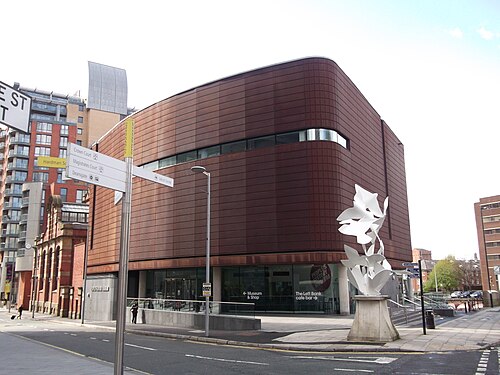
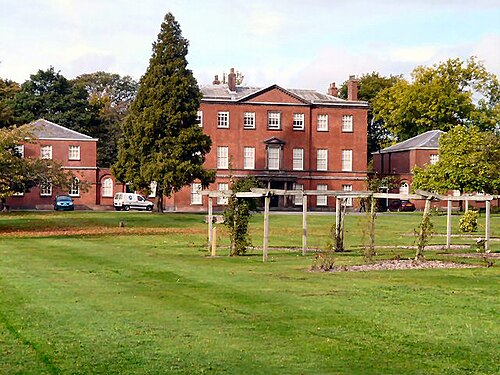
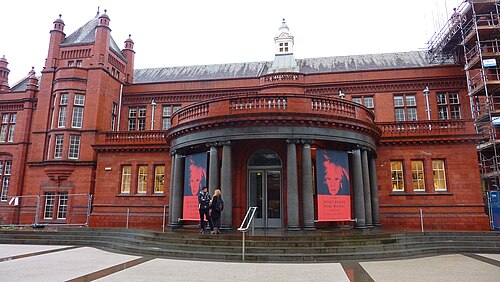
The Whitworth is the University of Manchester’s art gallery in Whitworth Park, founded in 1889 in memory of industrialist Joseph Whitworth for the benefit of Manchester’s public.
- Must see
- Art and culture venue
City guide · United Kingdom
Manchester has a compact city centre surrounded by distinct Greater Manchester towns and cultural districts. The civic core, Northern Quarter, Ancoats, Castlefi...
Photograph · Daniel Nisbet from Manchester, United Kingdom · CC BY 2.0
Set your days, your pace and the hours you actually want to be out. The planner works around closing days and travel time, and leaves room to eat.
Reviewed by Elena Voss · Roavina Travel Editor
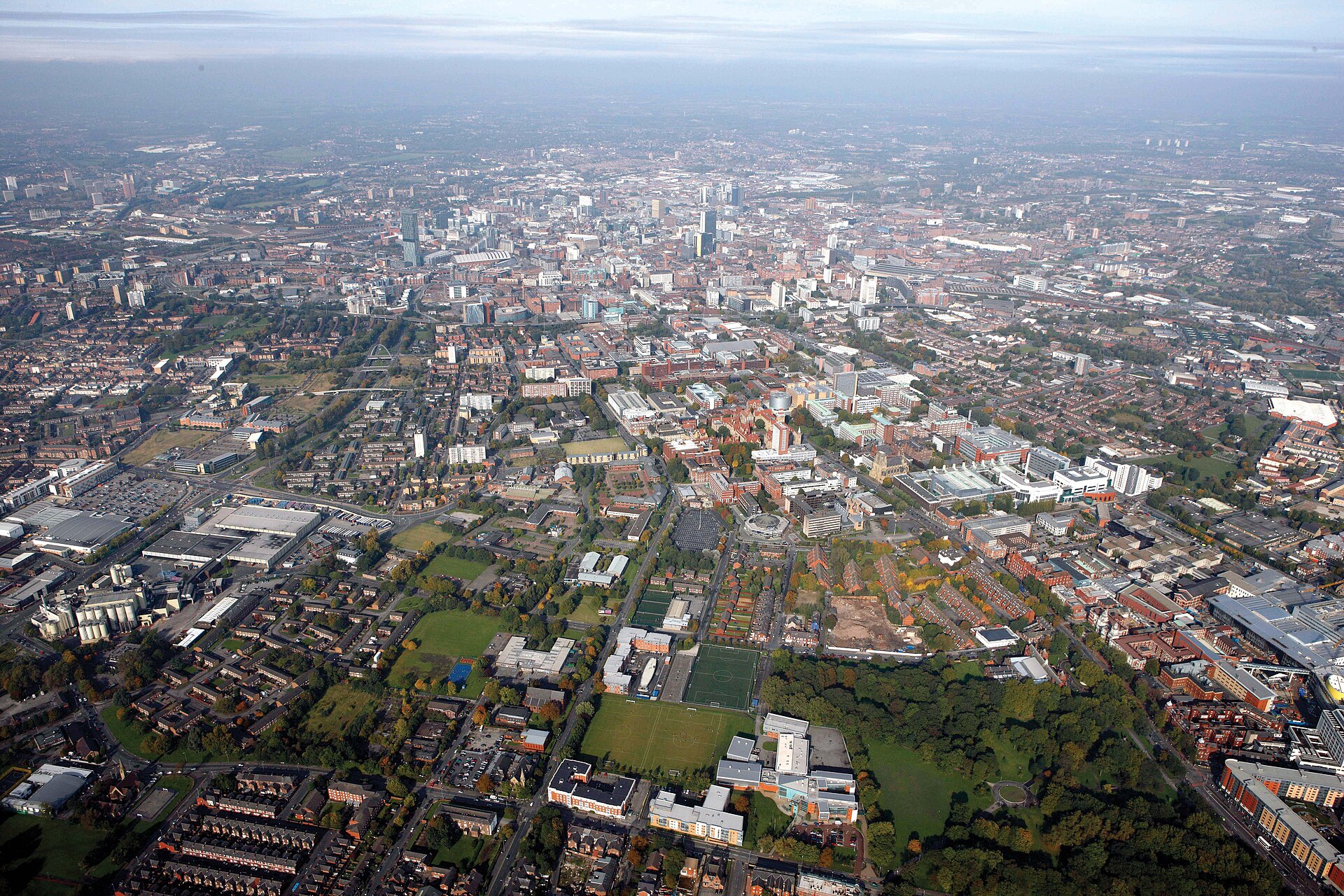
Manchester has a compact city centre surrounded by distinct Greater Manchester towns and cultural districts. The civic core, Northern Quarter, Ancoats, Castlefield and university corridor are linked by walkable streets, while Salford Quays and major football grounds require public transport. The Bee Network combines buses, trams and journey planning across the region. Keep the centre on foot and use tram or bus for each outer cluster.
Checked 2026-08-26
September · September averages 16.85°C by day and 90.88 mm of rain in Greater Manchester, a manageable early-autumn trade-off.
Ranked by importance — sitelinks, pageviews and heritage status, not editor preference.
23 places match
Category
Typical visit duration
Interests
The Whitworth
The Whitworth is the University of Manchester’s art gallery in Whitworth Park, founded in 1889 in memory of industrialist Joseph Whitworth for the benefit of Manchester’s public.
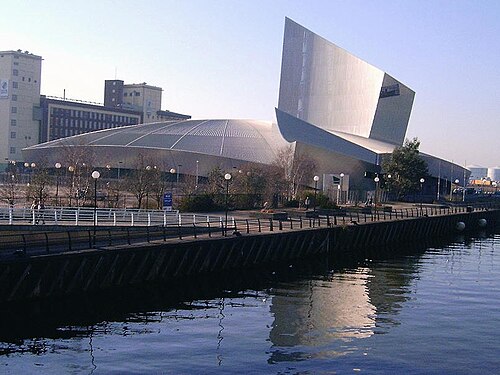
IWM North is Imperial War Museums’ branch at Trafford Wharf, opened in 2002 as the family’s first museum outside south-east England.
People’s History Museum calls itself the national museum of democracy and traces how people in Britain organised for political and social change.
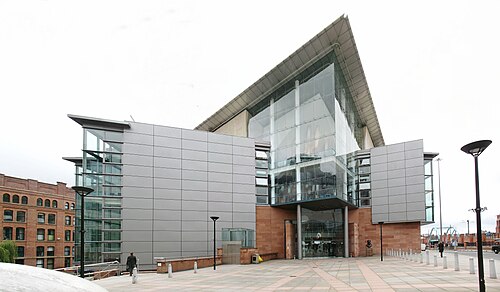
Bridgewater Hall is Manchester’s purpose-built international concert venue, created to replace the Free Trade Hall as the city’s principal large orchestral space.
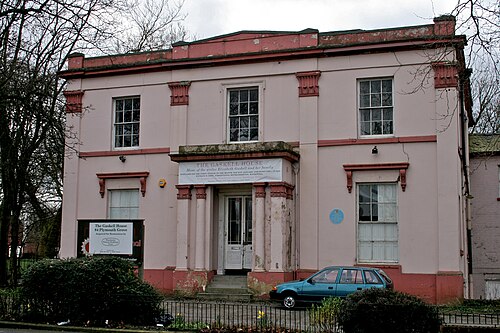
Elizabeth Gaskell's House is a literary heritage house museum in Manchester. It was the home of the Victorian novelist Elizabeth Gaskell, author of Cranford, North and South, and Wives and Daughters.
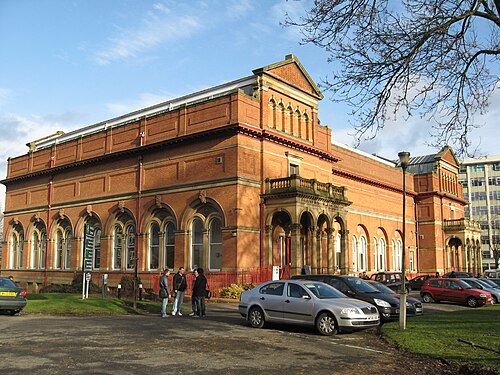
Salford Museum and Art Gallery is a local-history museum and art gallery in Salford, set beside Peel Park.
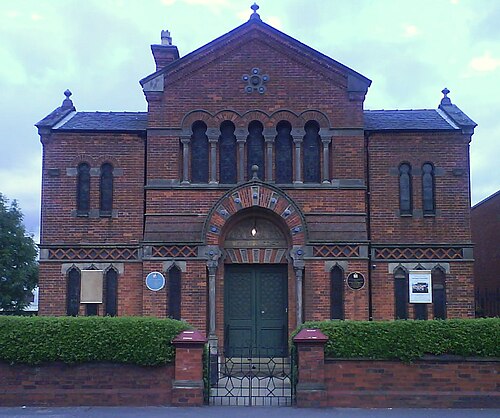
Manchester Jewish Museum occupies a former Spanish and Portuguese synagogue in Cheetham Hill. The Grade II* listed building was completed in 1874 and served as a place of worship for nearly a century before closing in 1984.
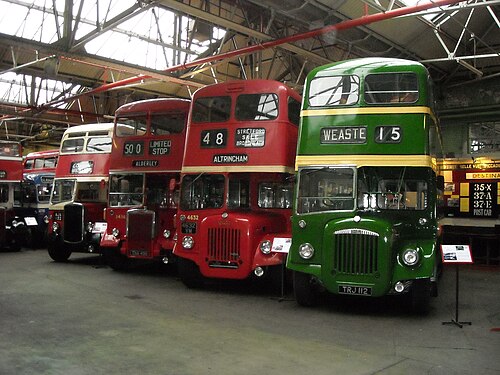
Museum of Transport Greater Manchester
Museum of Transport, Greater Manchester is a heritage museum devoted to public transport in the Greater Manchester region. Its collection preserves buses, trams and other vehicles that served local communities across different periods.
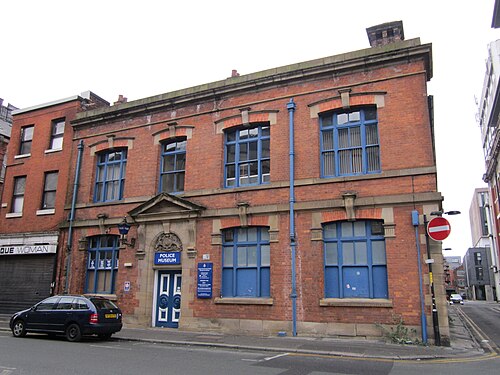
Greater Manchester Police Museum & Archives
Greater Manchester Police Museum and Archives occupies a former police station in Manchester’s Northern Quarter.
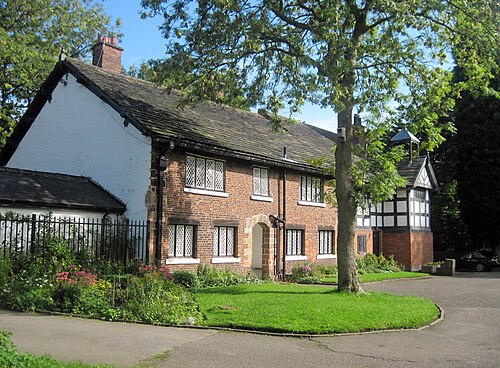
Clayton Hall
Clayton Hall Living History Museum presents Manchester’s historic Clayton Hall as an immersive heritage experience. Rather than viewing a modern gallery, visitors explore a preserved manor house through period rooms, recreated domestic settings and interpreters in historical costume.
Hat Works is a museum in Stockport, Greater Manchester, dedicated to the history of hat-making. It occupies a restored Victorian hat factory, preserving machinery and workspace layouts from the industry's peak.
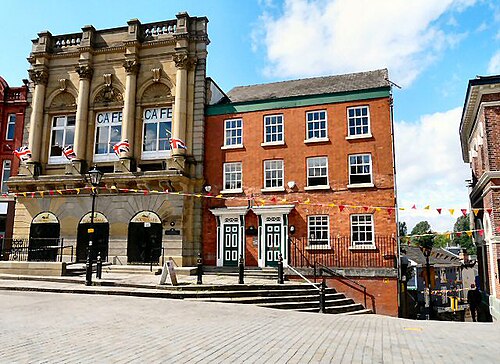
Stockport Museum is a local history museum situated in the town of Stockport, part of Greater Manchester. It occupies a prominent position within the historic Market Place area, housed in a distinctive building that contributes to the town's architectural character.
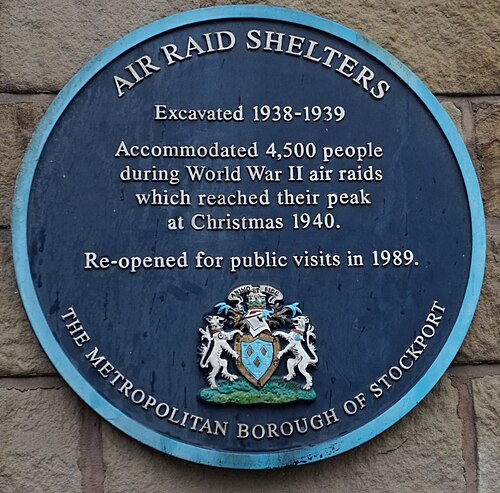
Stockport Air Raid Shelters is an underground museum in Stockport, Greater Manchester. Its tunnels were excavated during the Second World War to protect local civilians from aerial bombardment.
Platt Hall is a historic house in Manchester associated with the Platt family and Georgian domestic architecture. It offers a different view of the city from the industrial landmarks that usually define Manchester for visitors.
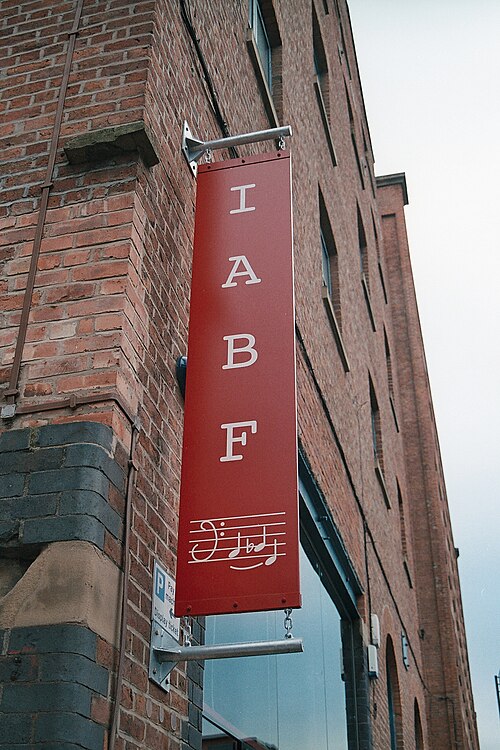
The International Anthony Burgess Foundation is a Manchester cultural centre dedicated to the writer and composer Anthony Burgess.
The RNCM Collection of Historic Musical Instruments is a specialist collection at the Royal Northern College of Music in Manchester.
Special Collections Museum
Manchester Metropolitan University Special Collections is a museum and research facility operated by Manchester Metropolitan University. Known locally as the Special Collections Museum, it preserves distinctive archival and printed materials for study and public engagement.
Piccadilly and Victoria stations mark the eastern and northern edges of the central visitor area. Between them sit the Northern Quarter, civic centre, Chinatown and the retail core; Ancoats continues east, while Castlefield and Deansgate extend southwest. The Oxford Road corridor leads south through universities and cultural venues. Salford Quays lies west as a separate waterfront district, and the football stadiums occupy different sides of the wider city-region. Do not plan those outer locations as short central walks.
Checked 2026-08-26
Walk within the central districts, then use Bee Network buses and Metrolink trams for Salford Quays, stadiums and Greater Manchester towns. Transport for Greater Manchester provides an integrated journey planner, and contactless tap-and-go is available on buses and trams under the current network rules. Free city-centre buses connect major rail stations and central areas. Train services remain useful for some outer towns, so compare rail and tram before setting out.
Checked 2026-08-26
Two to three days suit a first visit. Use one day for the central districts, another for a chosen outer cluster, and add a third for football, Salford Quays or a wider Greater Manchester trip.
May through September offers longer daylight for canals and neighbourhood walks. Rain remains possible throughout the year, so keep indoor museums and galleries available as flexible blocks.
Yes. Piccadilly, the Northern Quarter, the civic core, Castlefield and Oxford Road form a compact central area. Use transit for Salford Quays, the stadiums and outer Greater Manchester towns.
Bee Network buses and Metrolink trams support contactless travel under the operator’s current rules. On trams, follow the official tap-in and tap-out instructions and use the same card or device.
No. Old Trafford and the Etihad Stadium sit in different parts of the city-region and use different transport corridors. Plan each as a separate destination rather than combining them as a central walking route.