National Portrait Gallery
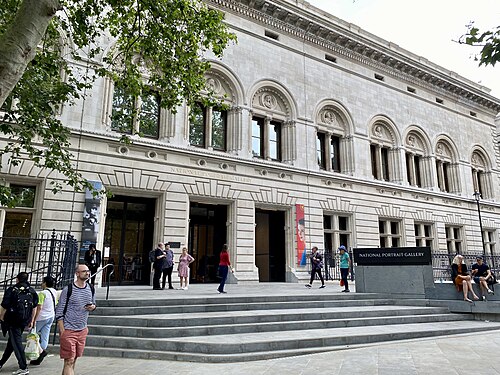
The National Portrait Gallery is an art museum in London dedicated to portraiture. It holds a collection of portraits of historically important and famous British people.
- Must see
- Art and culture venue
- London
Language · 11 published
Country guide
The United Kingdom is 244,376 km² holding 69,281,437 people, and it is four countries rather than one: England, Scotland, Wales and Northern Ireland, with London, Edinburgh, Cardiff and Belfast as their capitals. Three of the four run parliaments of their own over devolved matters, and the law splits three ways — England and Wales, Scotland, Northern Ireland. A visitor meets that in small practical things rather than at a border. London alone holds about 9.1 million of the total, which is why so many trips never leave it, and why the ones that do feel like arriving somewhere else.
Reviewed by Elena Voss · Roavina Travel Editor
Every city catalogued in this country so far, ranked by how much there is to see.
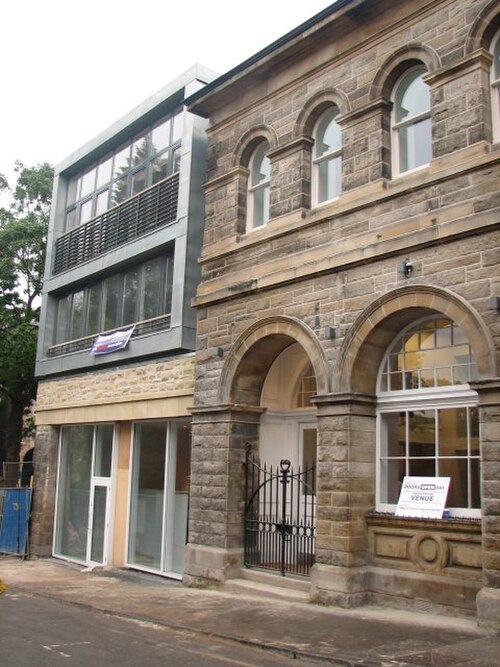
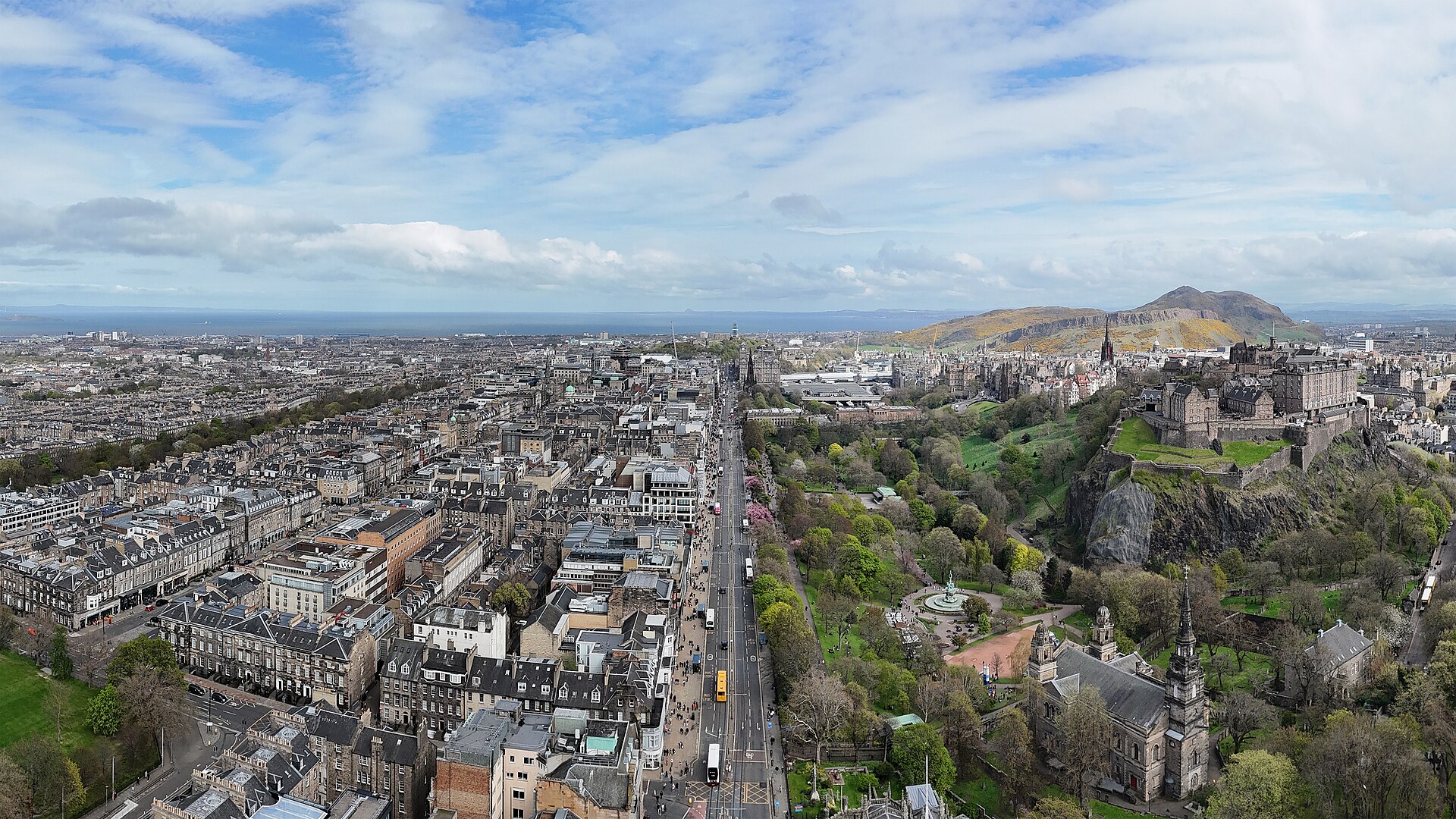
Photograph · Ilya Grigorik · CC BY-SA 3.0
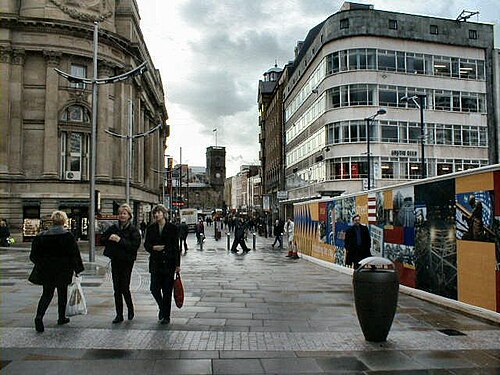
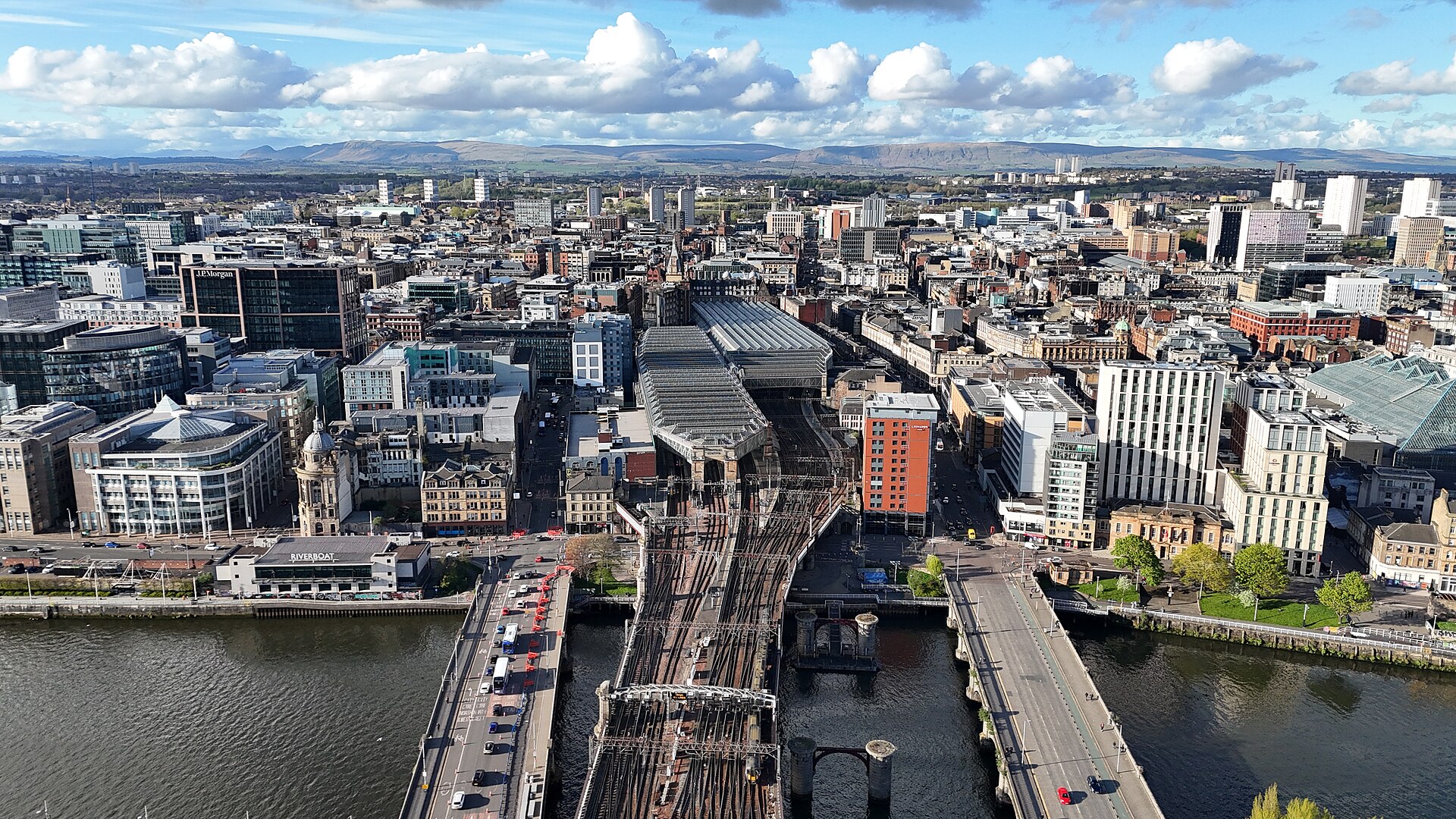
Photograph · 瑞丽江的河水 · CC BY-SA 4.0
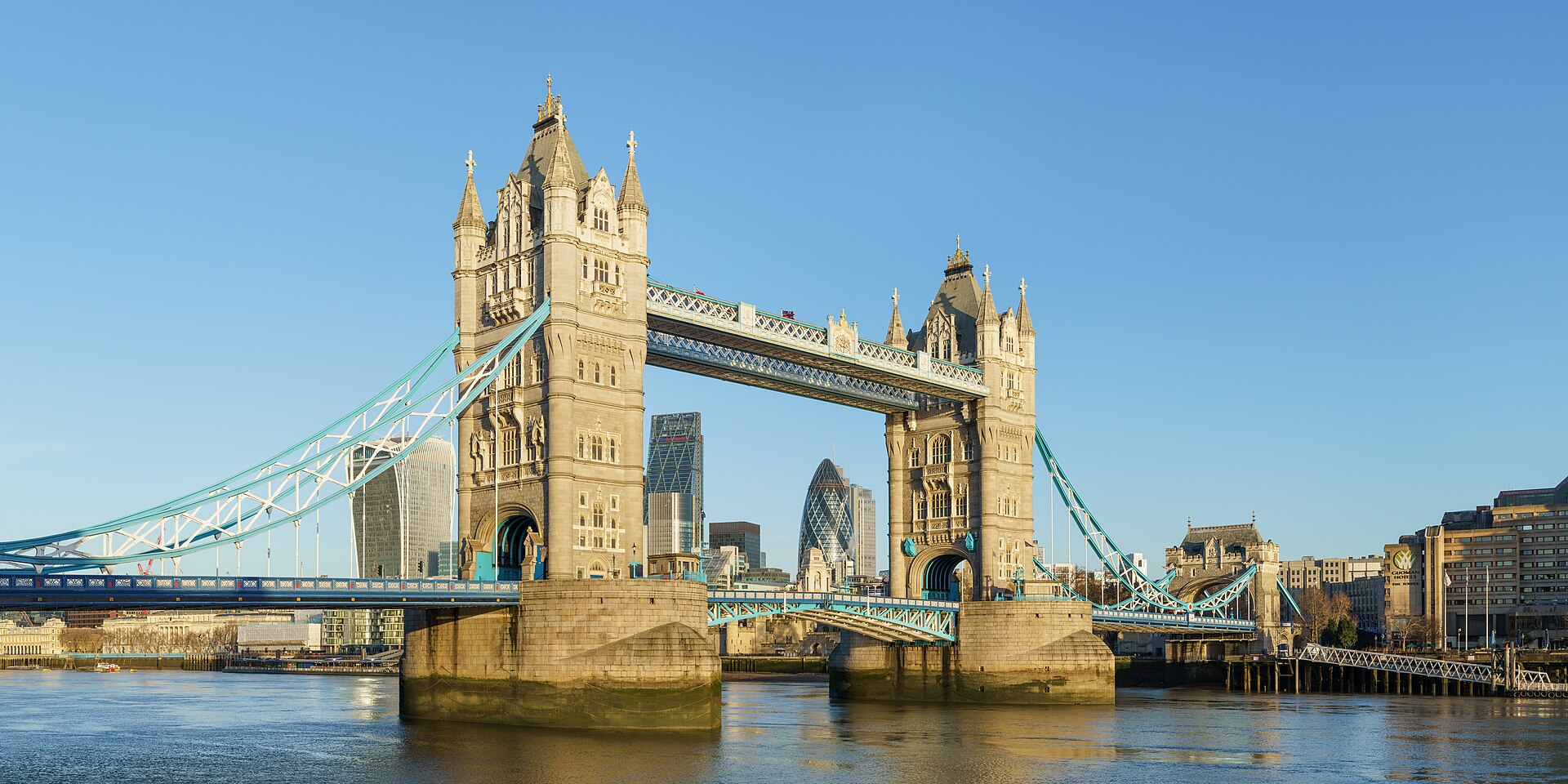
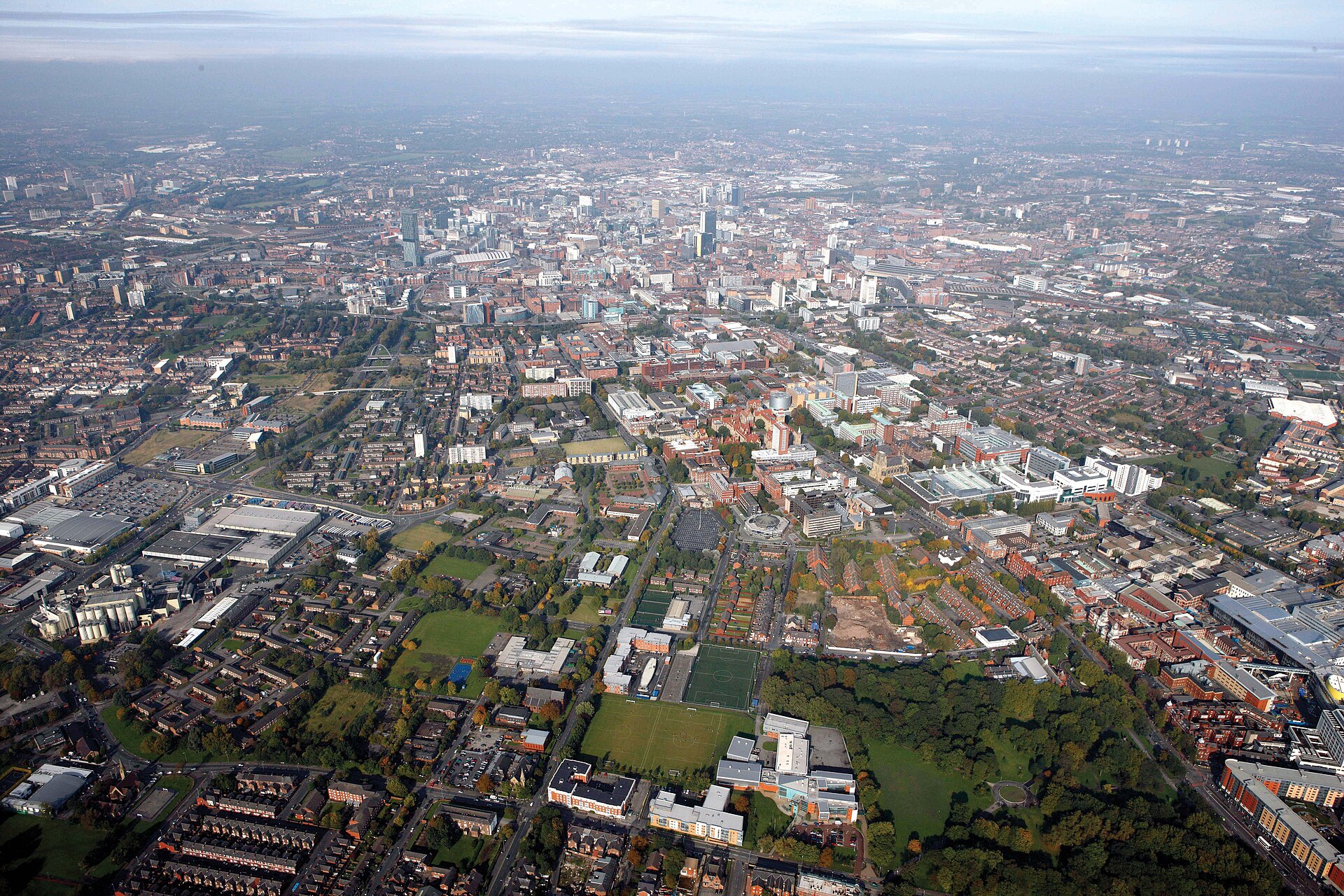
Photograph · Daniel Nisbet from Manchester, United Kingdom · CC BY 2.0
Ranked by importance — sitelinks, pageviews and heritage status, not editor preference.
58 places match
Category
Typical visit duration
Interests
The National Portrait Gallery is an art museum in London dedicated to portraiture. It holds a collection of portraits of historically important and famous British people.
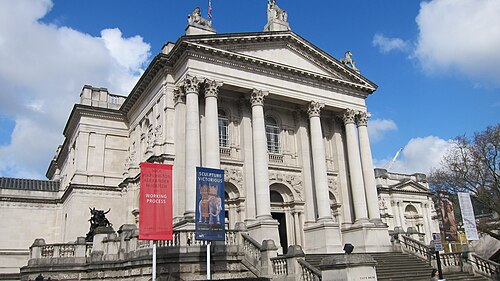
Tate Britain is London’s national gallery of British art, with works dating from the sixteenth century to the present. The gallery stands beside the Thames on Millbank, in a building associated with the original Tate Gallery.
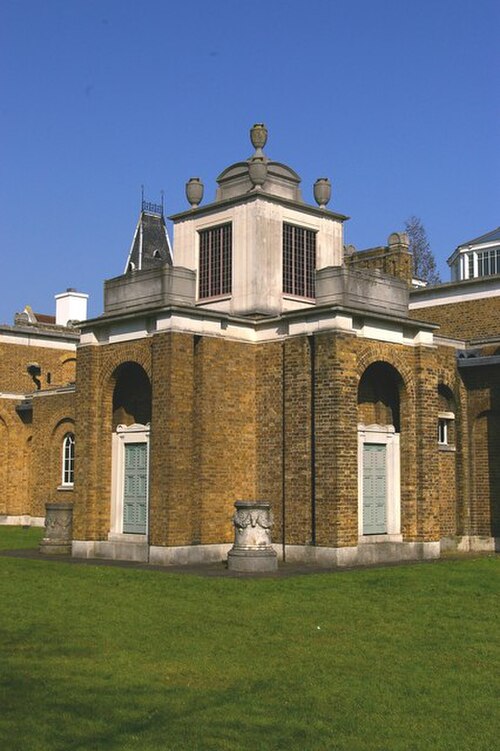
Dulwich Picture Gallery is an art museum in south London housed in a purpose-built gallery designed by Sir John Soane. Opened in 1817, it is England's oldest purpose-built public art gallery.
The Wallace Collection
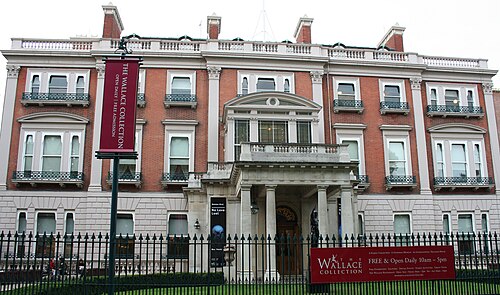
The Wallace Collection is an art museum in central London, occupying Hertford House on Manchester Square. It was established through the bequests of the Marquesses of Hertford and Sir Richard Wallace, with the collection assembled primarily across the nineteenth century.
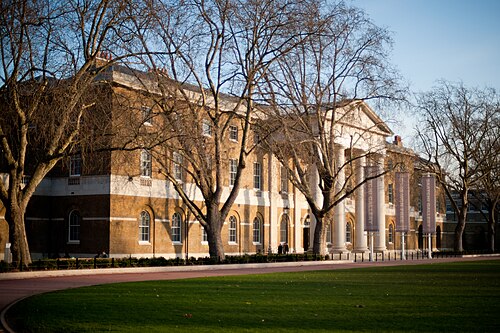
The Saatchi Gallery is a contemporary art gallery located in London. It was established by Charles Saatchi to exhibit contemporary art.
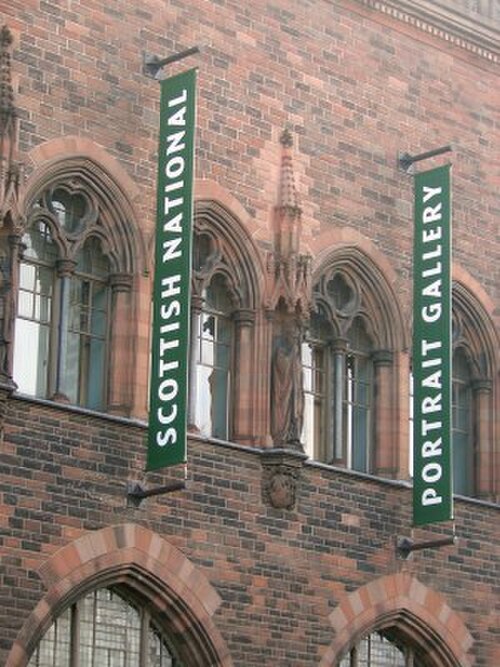
The Scottish National Portrait Gallery is Edinburgh’s national museum of portraiture, housed in a red sandstone neo-Gothic building on Queen Street. Robert Rowand Anderson designed the building, which opened in 1889.
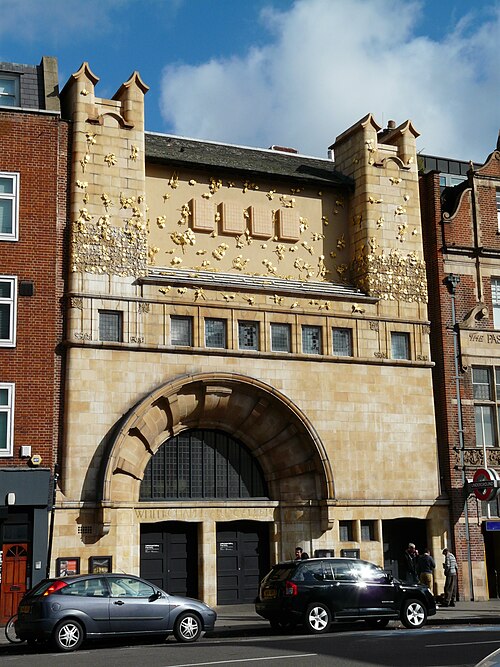
Whitechapel Gallery is a public art gallery on Whitechapel High Street in East London. Founded in 1901, it occupies an Arts and Crafts building and presents modern and contemporary art.
The Courtauld Gallery
The Courtauld Gallery is an art museum in London, situated within Somerset House on the Strand. It forms part of The Courtauld Institute of Art, a self-governing college of the University of London specialising in art history and conservation.
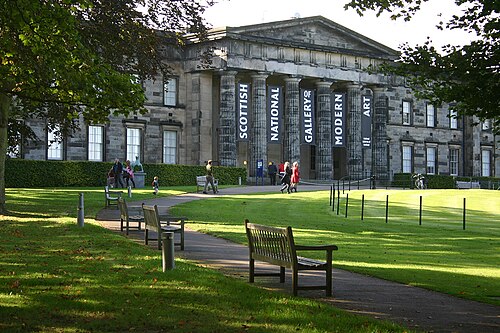
The Gallery of Modern Art is Glasgow's civic contemporary art gallery, and it occupies a building that was never meant to hold art.
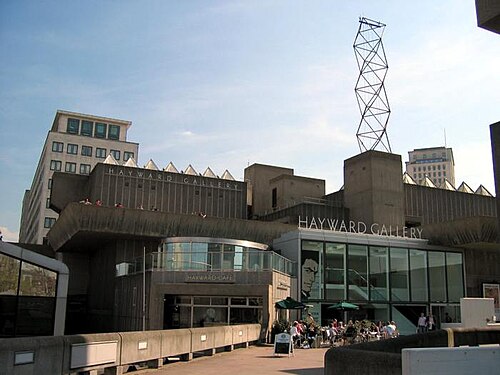
The Hayward Gallery is a major public art gallery located on the South Bank of the River Thames in London. It forms part of the Southbank Centre complex, alongside the Royal Festival Hall and other cultural venues.
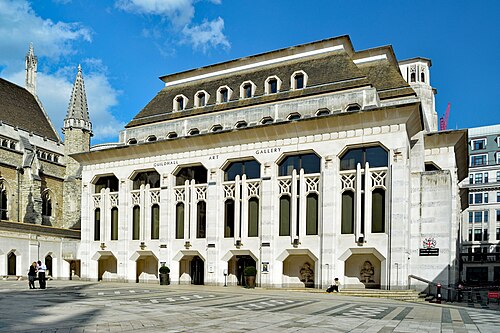
Guildhall Art Gallery is the City of London’s public art museum, set within the historic Guildhall complex. The gallery brings together British paintings, sculpture, and drawings with the civic setting of the City.
The Scottish National Gallery of Modern Art is a major art museum in Edinburgh, Scotland. It forms part of National Galleries Scotland, the country's national collection of art.
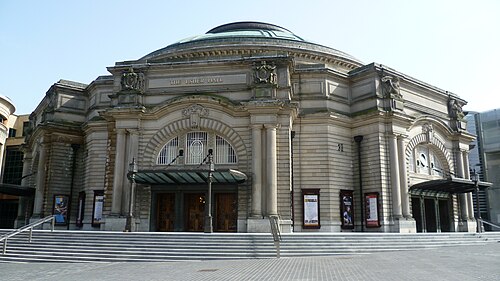
Usher Hall is a major concert venue in central Edinburgh, Scotland. This Victorian-era auditorium was built for musical performance and remains a working cultural venue.
Britannia Panopticon
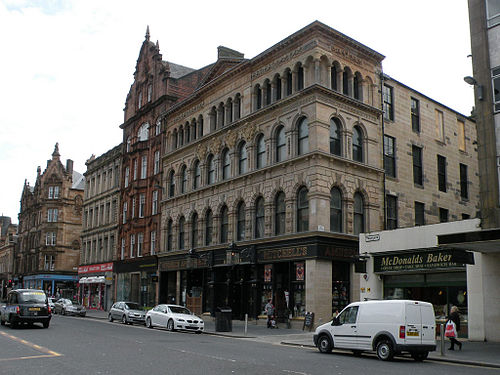
Britannia Music Hall, locally known as Britannia Panopticon, stands as a historic entertainment venue in Glasgow. Dating to the 1850s, it claims distinction as one of Britain's oldest surviving music halls.
Festival Theatre
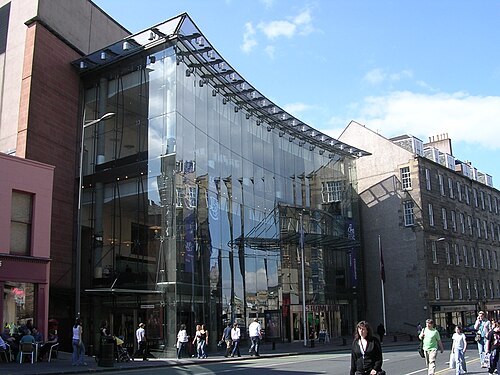
Edinburgh Festival Theatre is a major performing arts venue in Edinburgh, Scotland. It stands as one of the city's principal theatres, hosting a diverse programme of opera, ballet, musical theatre, and drama.
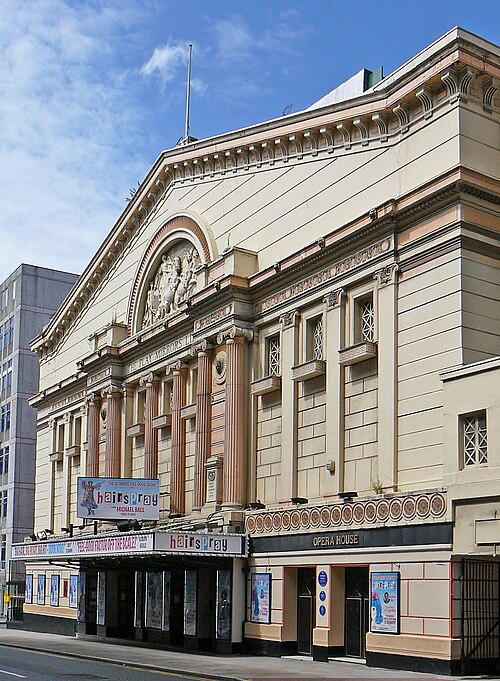
Manchester Opera House is a large touring theatre on Quay Street in Manchester city centre. It operates as a receiving house for major touring productions rather than as a theatre with a permanent resident company.
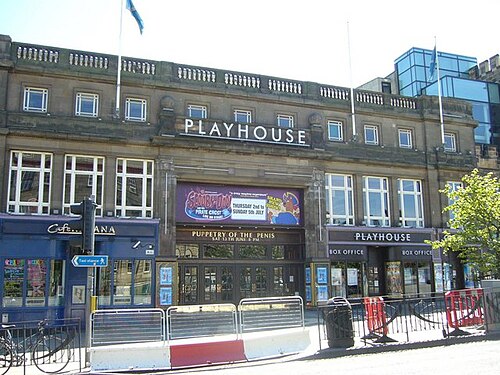
Edinburgh Playhouse is one of Edinburgh’s major live-performance venues and one of the United Kingdom’s largest working theatres by audience capacity.
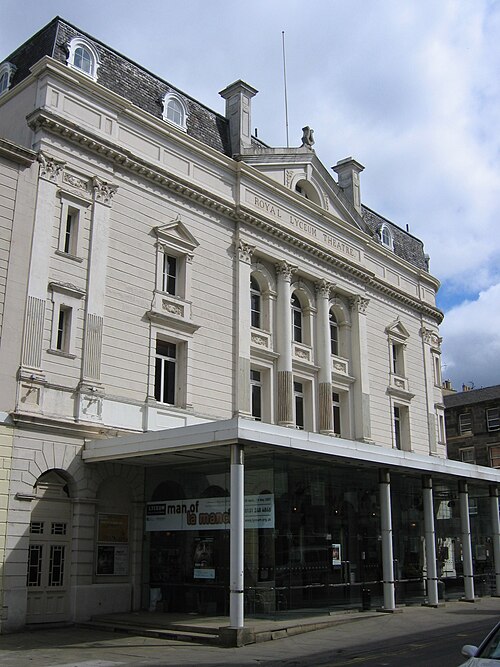
The Royal Lyceum Theatre is a producing theatre in central Edinburgh, established in 1883. It is one of Scotland’s important theatrical venues, presenting its own productions alongside visiting work.
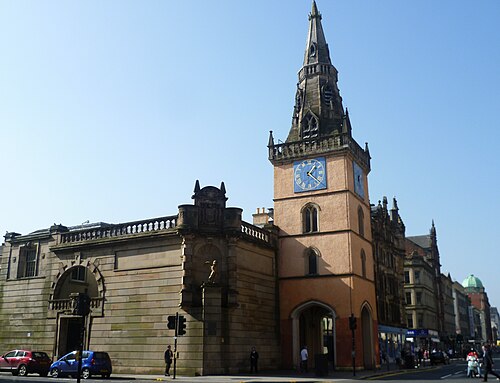
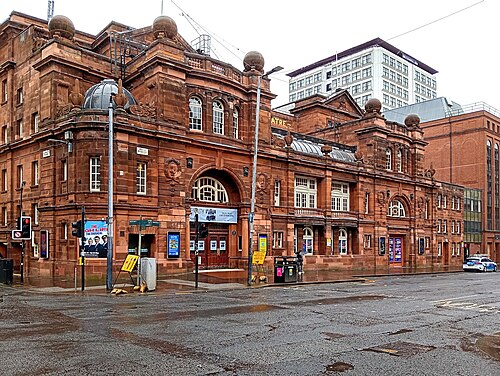
The Tron Theatre is a performing arts venue located in Glasgow's Merchant City area. It occupies a distinctive building with a notable architectural presence in the city centre.
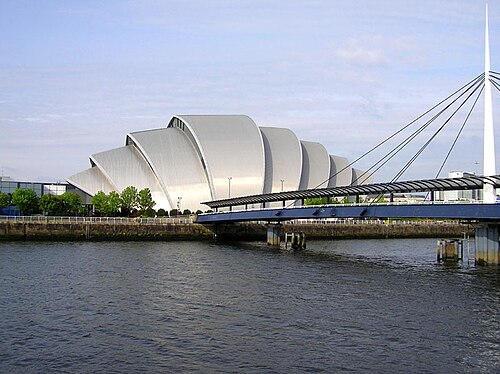
SEC Armadillo is a concert and performance venue on the north bank of the River Clyde in Glasgow. Its curved, shell-like exterior has become one of the city’s recognisable modern landmarks.
The King's Theatre
King's Theatre is a historic performing arts venue in Glasgow, Scotland, known for live theatre, musicals and pantomime.
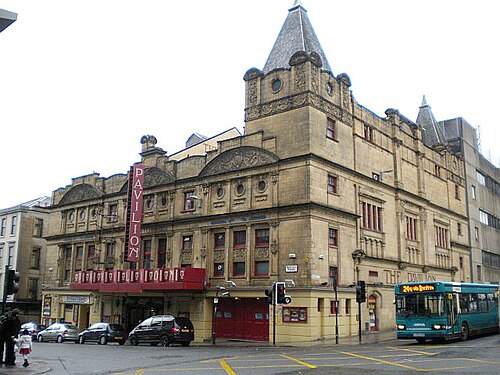
The Pavilion Theatre is a historic entertainment venue in Glasgow, Scotland. Established in 1904, it stands as one of the city's oldest surviving theatres and continues to operate as a live performance space.
The Theatre Royal is a historic performing arts venue in Glasgow, Scotland. It stands as one of the city's most prominent theatrical landmarks, hosting a diverse programme of drama, musicals, opera, and ballet.
The Assembly Rooms is a historic entertainment and events venue on George Street in Edinburgh’s New Town. Established in the late eighteenth century, it has long provided a setting for social gatherings, performances and civic occasions.
Citizens' Theatre
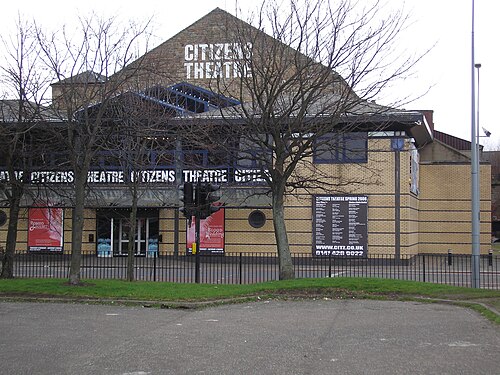
The Citizens' Theatre is a historic producing theatre located in Glasgow's Gorbals area. Established in 1943, it has built a reputation for distinctive programming and community engagement.
City Halls & Old Fruitmarket
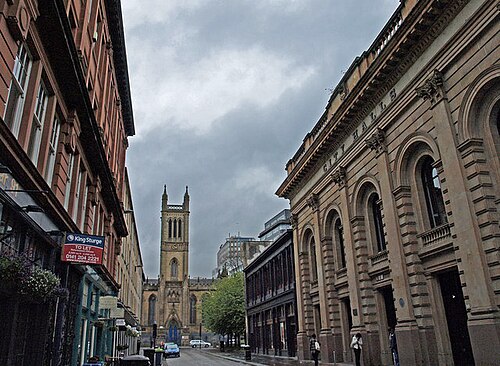
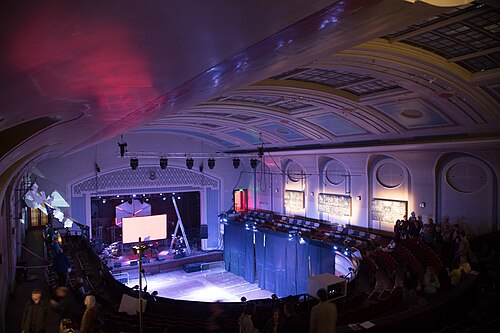
Glasgow City Halls is a historic concert venue in the Merchant City, centred on Candleriggs and connected with the Old Fruitmarket. The complex combines a principal concert hall with a former market space used for performances.
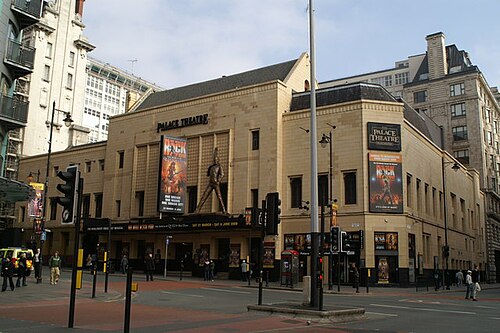
Palace Theatre is one of Manchester’s major theatrical venues, located in the city’s central theatre district. It operates as a commercial receiving house, bringing touring productions, musicals, plays and live entertainment to the city.
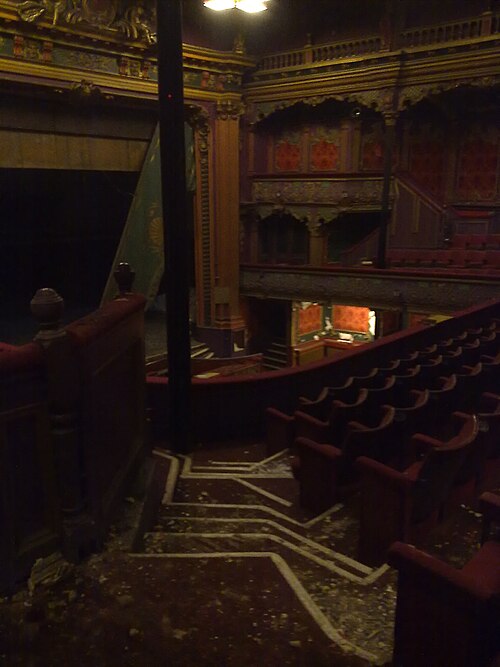
Hulme Hippodrome is a historic theatre building in Hulme, south of Manchester city centre. The Victorian-era venue belongs to Manchester’s performing-arts heritage and remains an evocative architectural landmark within a changing urban neighbourhood.
Websters Theatre is a Glasgow performing arts venue for dramatic productions, live performances and cultural events.
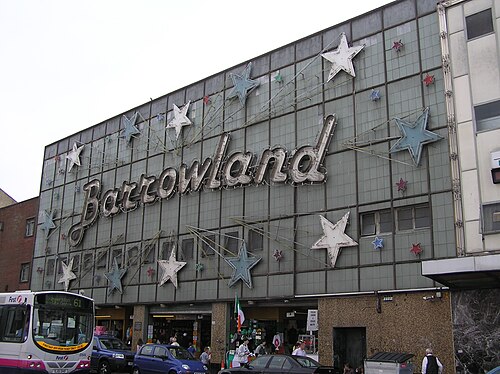
Barrowland Ballroom is a famous live music venue in Glasgow's East End. It opened in 1934, was rebuilt after a fire in 1958, and remains closely associated with major performances and Glasgow's music culture.
Fruitmarket
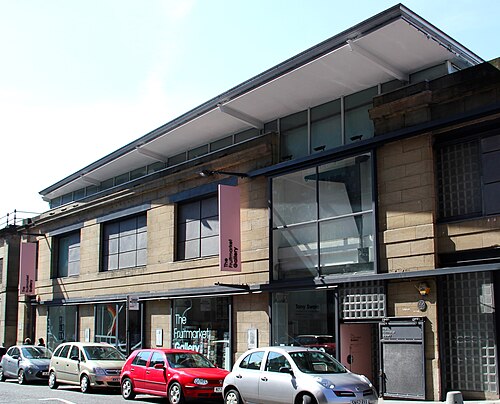
Fruitmarket Gallery is a contemporary art gallery in central Edinburgh, housed in a former fruit and vegetable market building. Its identity comes from the meeting of industrial architecture and changing contemporary art.
The Dancehouse
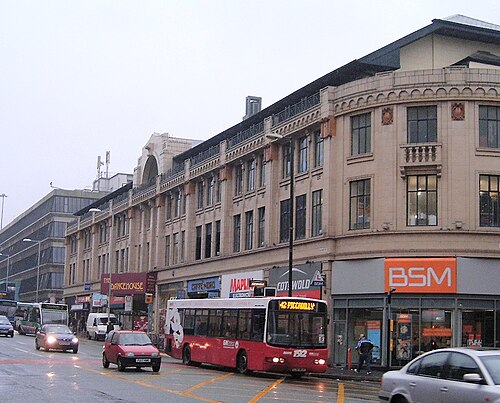
The Dancehouse is a theatre venue in Manchester dedicated to dance and performance arts. Located in the city centre, it occupies a prominent building that serves as a cultural hub for contemporary and classical dance productions.
Leith Theatre is a historic performing-arts venue in Leith, the former port town incorporated into Edinburgh in 1920. The building belongs to the district’s cultural heritage and reflects Leith’s long community identity alongside its connection to the wider city.
The Plaza
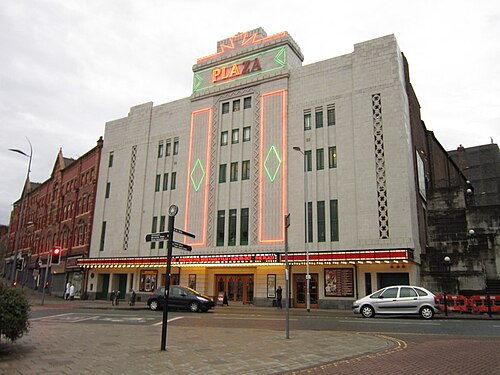
Plaza Cinema is a historic cinema and entertainment venue in Stockport, within Greater Manchester. The Plaza combines active film programming with the character of a heritage theatre, giving visitors an alternative to a modern multiplex.
Queen Victoria
The Queen Victoria Monument is an outdoor commemorative work in Manchester honouring Queen Victoria. It belongs to the city’s tradition of civic sculpture, where public monuments placed historical and royal subjects within the daily urban landscape.
The Tree of Knowledge is an outdoor public artwork in Manchester. It forms part of the city’s creative streetscape, placing an artistic object within the everyday movement of the urban environment.
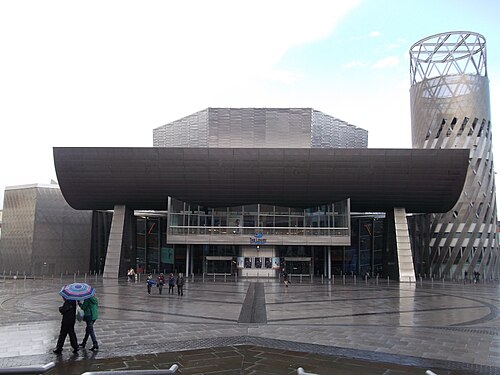
The Lowry is a combined gallery, theatre and arts venue at Salford Quays in Greater Manchester. Named after artist L.S. Lowry, it brings visual art and live performance together in one distinctive waterfront building.
Contact
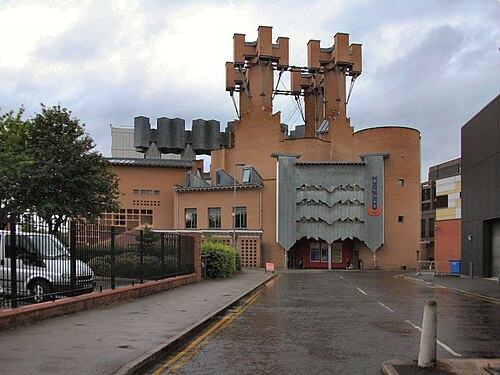
Contact is a theatre in Manchester known for its focus on young people and contemporary performance. Operating under the local name Contact, it has established itself as a significant cultural venue within the city's arts landscape.
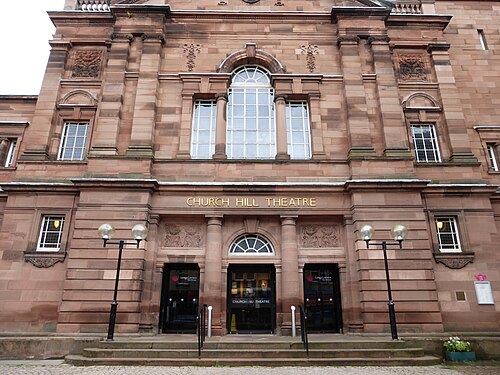
Church Hill Theatre is an Edinburgh performance venue serving the city's theatre and community arts life. It gives visitors an opportunity to experience a local theatre setting beyond the largest festival stages and major central institutions.
Stockport Garrick Theatre
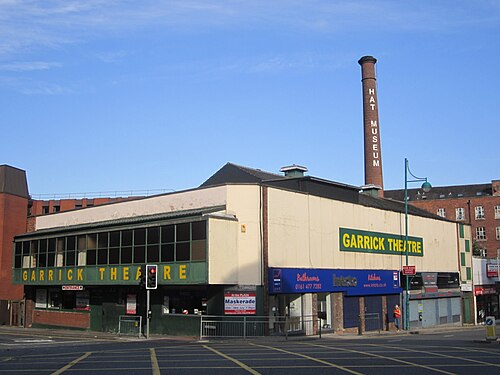
Stockport Garrick Theatre is a community theatre in Stockport, within Greater Manchester. Its programme combines amateur dramatic productions with professional touring shows, giving visitors a chance to experience local performing arts in an intimate setting.
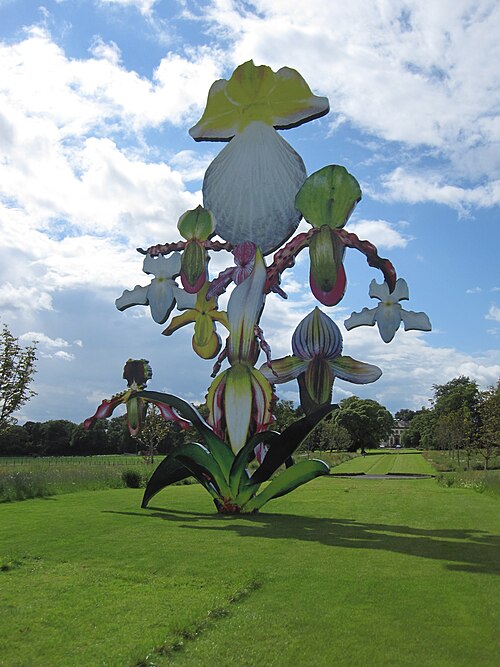
Jupiter Artland is a contemporary sculpture park and art gallery located on the outskirts of Edinburgh. The venue occupies extensive grounds and presents large-scale artworks by international artists within a designed landscape setting.
City Art Centre
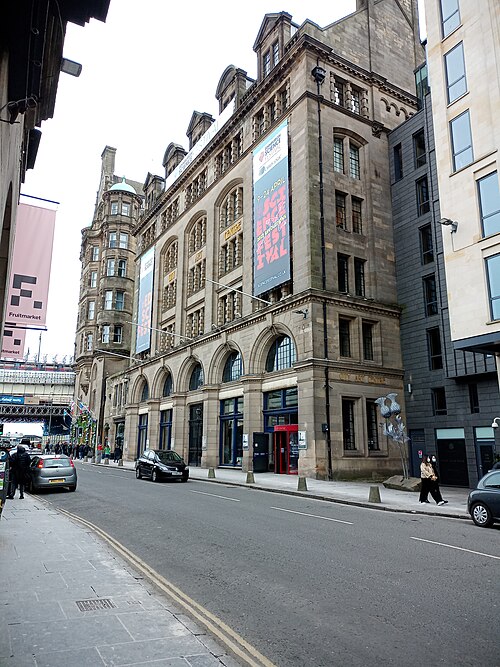
The City Art Centre is a municipal art gallery situated at 1-6 Market Street in Edinburgh, Scotland. It occupies a multi-storey building in the Old Town area, close to Waverley railway station.
53two is an independent performance venue and theatre space in Manchester. Its name comes from its original setting beneath the Mancunian Way, in railway arches numbered 53 and 52.
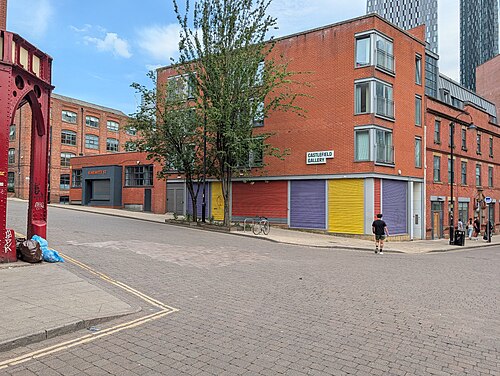
Castlefield Gallery is a contemporary art gallery in Manchester's Castlefield district. It is a not-for-profit organisation focused on emerging and mid-career artists, exhibitions and professional development.
Sharmanka Kinetic Theatre/Gallery
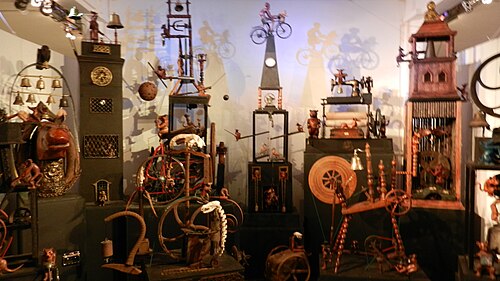
Sharmanka Kinetic Theatre/Gallery is a distinctive Glasgow cultural attraction created by sculptor-mechanic Eduard Bersudsky. The local name reflects its dual identity as both theatrical performance space and exhibition gallery.
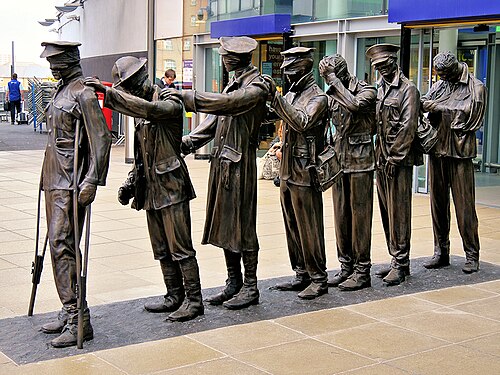
Victory over Blindness
Victory Over Blindness is a bronze public sculpture in Manchester city centre, showing seven life-size First World War soldiers who have lost their sight.
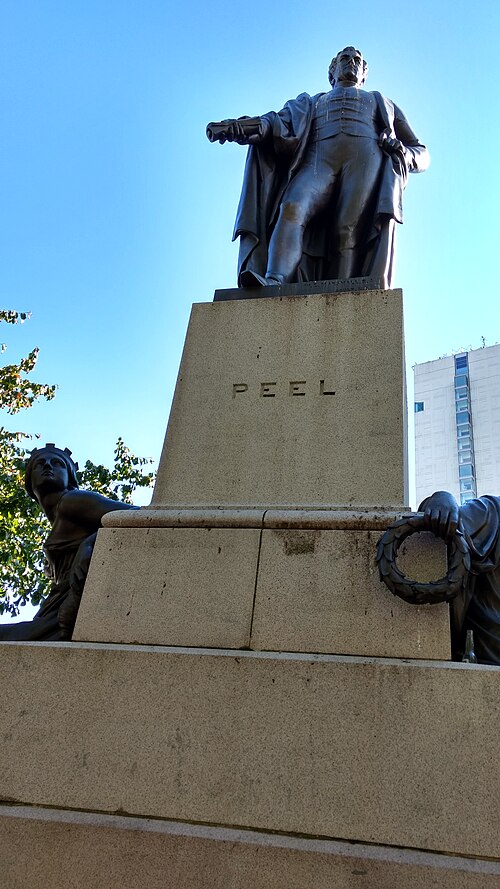
Peel
The Peel Statue is an outdoor Manchester monument commemorating Sir Robert Peel, the nineteenth-century statesman who served twice as British Prime Minister and is associated with the creation of the modern police force.
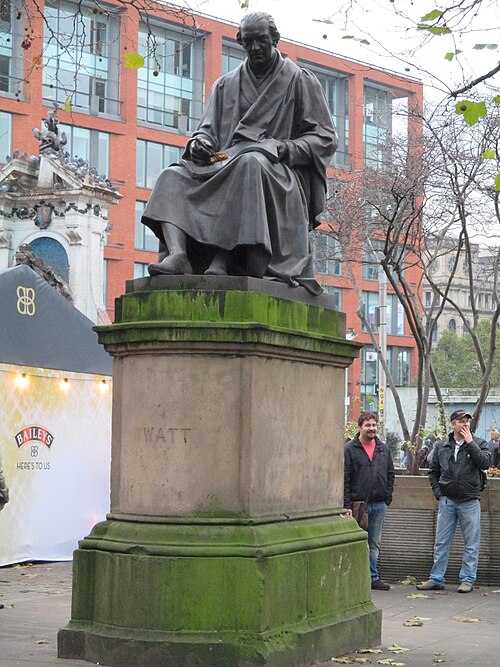
Watt
The Statue of James Watt is an outdoor commemorative monument in Manchester honouring the Scottish engineer and inventor. Watt's improvements to the steam engine helped transform its efficiency and power, making him an important figure in Industrial Revolution history.
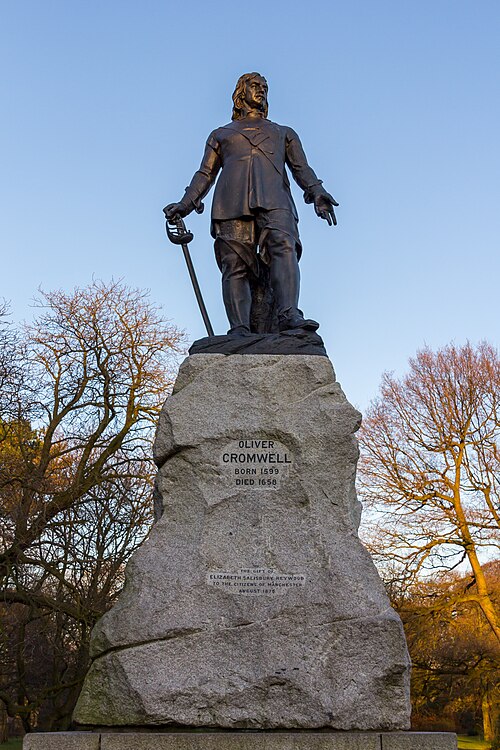
Oliver Cromwell Statue
The Oliver Cromwell Statue is an outdoor commemorative sculpture located in Manchester, England. It depicts Oliver Cromwell, the 17th-century English military and political leader who served as Lord Protector of the Commonwealth of England, Scotland, and Ireland.
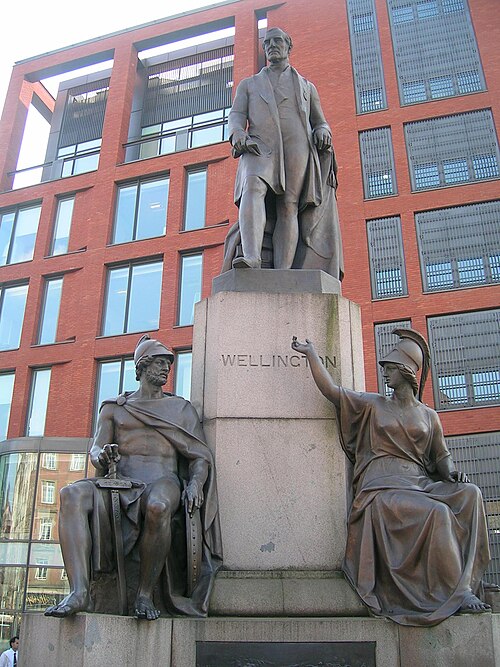
Wellington
The Wellington Statue is an equestrian monument in Manchester, England, depicting Arthur Wellesley, 1st Duke of Wellington, the celebrated British military leader who defeated Napoleon at the Battle of Waterloo in 1815.
University Of Salford Art Collection
The University of Salford Art Collection is an institutional collection in Greater Manchester, maintained within the university’s educational and cultural setting. It connects visual art with teaching, research and public engagement.
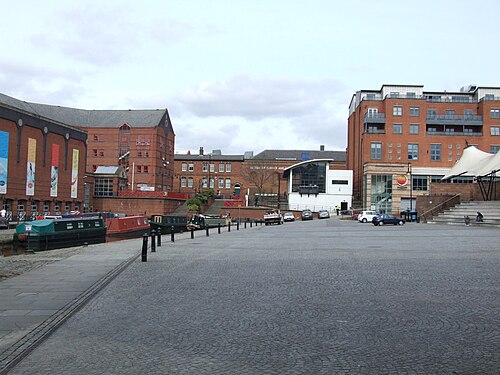
Castlefield Bowl is an outdoor amphitheatre and concert venue situated in the Castlefield urban heritage park area of Manchester.
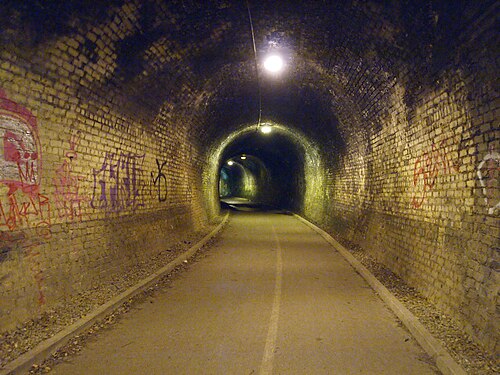
Colinton Tunnel is a historic transport structure in Edinburgh's Colinton district. The tunnel formed part of the former Edinburgh and Glasgow Union Canal route before later railway use, and its brick-lined construction reflects Victorian transport engineering.
Dovecot Gallery is a contemporary arts venue in central Edinburgh, housed in a building constructed in 1912 for the Edinburgh Tapestry Company. Its identity connects the city’s textile-making tradition with present-day exhibitions of art, craft and design.
Royal Exchange Theatre is a major producing theatre in Manchester city centre, set inside the former Royal Exchange building. The 1874 structure was built for Manchester’s cotton trade and retains the scale and grandeur of its historic exchange hall.
Trongate Gallery is a cultural venue in Glasgow's historic Trongate area, a central district associated with creative spaces, independent enterprises and pedestrian city life.
Source: OpenStreetMap contributors, Wikidata ·
Ten to fourteen days can cover four or five days in London, two in Manchester, and two or three each in Edinburgh and Glasgow. The Highlands, Lake District, or Welsh national parks need dedicated nights and should not be squeezed into London day trips.
UK document rules depend on nationality and trip purpose, and many visitors now need an Electronic Travel Authorisation before boarding. Check the linked UK government visa service for both visa and ETA status shortly before travel.
Intercity rail is the practical spine between London, Manchester, Edinburgh, and Glasgow, with advance fares usually distinct from flexible tickets. Each city runs its own local fare system, so London's contactless cap is not a nationwide travel pass.
May to June and September are useful planning windows for this route, but conditions vary between southern England and Scotland. Festival dates in Edinburgh and rural transport in national parks can matter more than the national seasonal label.
The United Kingdom uses pound sterling (GBP). Contactless payment is widespread in major cities, but keep another payment method for rural services or terminals that do not share London's payment arrangements.
Use 999 or 112 for emergencies in the United Kingdom. Type G sockets supply 230 V, and mains tap water is recorded as safe; save rail disruption information as well when the itinerary depends on several city-to-city journeys.