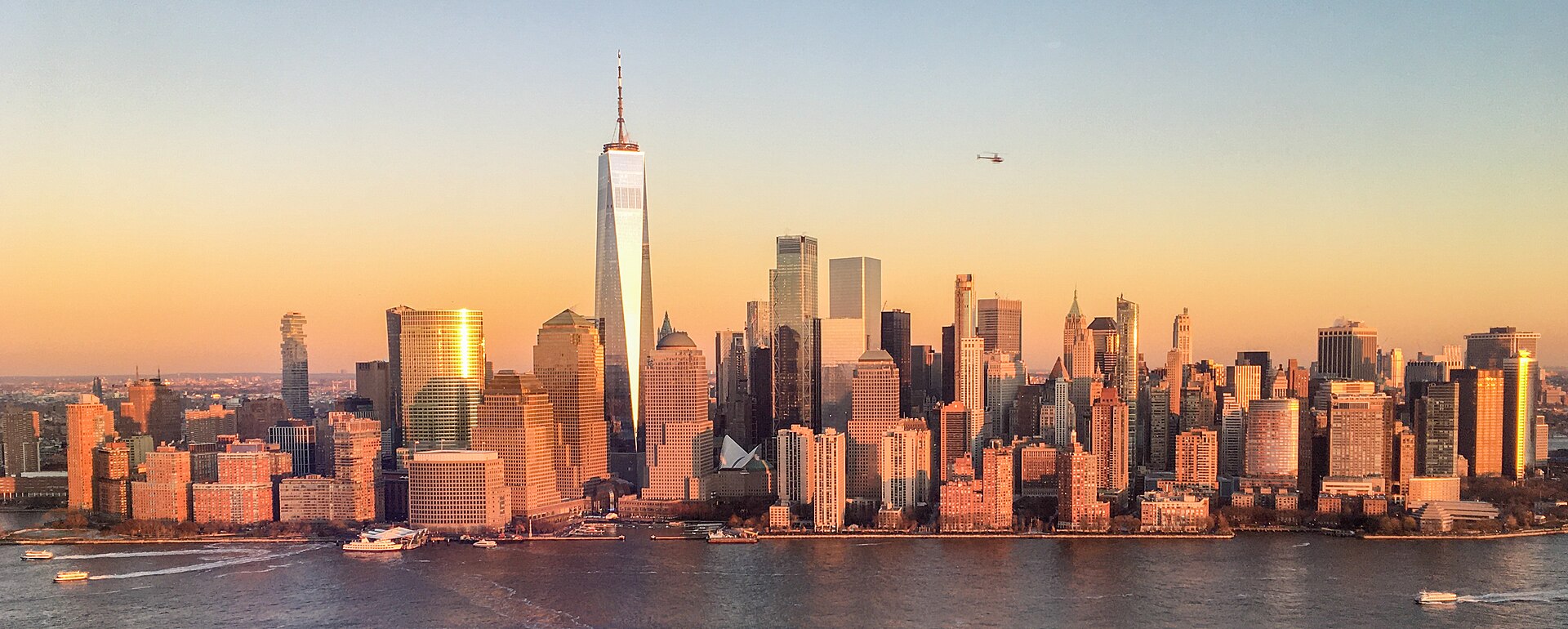
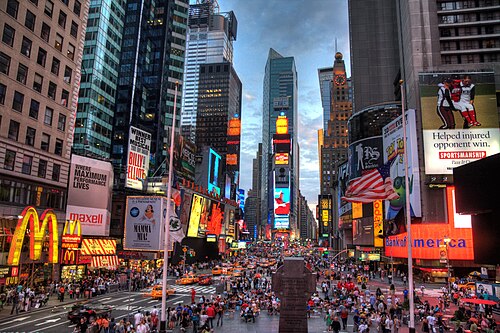
A photograph of New York

City guide · United States

New York

New York City spans five boroughs, but most first visits concentrate on Manhattan and selected parts of Brooklyn, Queens and the Bronx. Manhattan itself is a lo...

Photograph · Fred Hsu on en.wikipedia · CC BY-SA 4.0

13,079 Places
Suggested stay
5-6 days
Getting around
Subway, bus, ferry and walking

Turn this list into a plan

Set your days, your pace and the hours you actually want to be out. The planner works around closing days and travel time, and leaves room to eat.

Plan New York

Reviewed by Elena Voss · Roavina Travel Editor

New York City spans five boroughs, but most first visits concentrate on Manhattan and selected parts of Brooklyn, Queens and the Bronx. Manhattan itself is a long island of distinct districts, so a day should move north or south rather than zigzagging across the map. The subway is the essential connector and runs around the clock, while walking is the best way to understand each neighbourhood once you arrive.

Checked 2026-08-26

Practical information

Language spoken
English is the principal language; no federal official language
National practical orientation; regional and minority languages may also be used
Dialling code
+1
International calling code; local area and mobile prefixes still apply
Currency
United States dollar (USD)
Use the official local currency; card acceptance varies by place
Emergency number
911
Use only for an emergency; tourist assistance may use a separate number
Plug type
Type A and B · 120 V
Check that chargers support the recorded voltage before using an adapter
Tap water
Not recorded
Water quality is regulated locally; check the current notice for the destination

Planning a visit

September · September cools to a 76.2°F average maximum and 62.3°F minimum in Central Park, a strong early-autumn balance.

  1. January: viable with meaningful trade-offs
  2. February: viable with meaningful trade-offs
  3. March: good time to visit
  4. April: best time to visit
  5. May: best time to visit
  6. June: good time to visit
  7. July: viable with meaningful trade-offs
  8. August: viable with meaningful trade-offs
  9. September: best time to visit — current month
  10. October: best time to visit
  11. November: good time to visit
  12. December: viable with meaningful trade-offs

Sources

Top things to see

Ranked by importance — sitelinks, pageviews and heritage status, not editor preference.

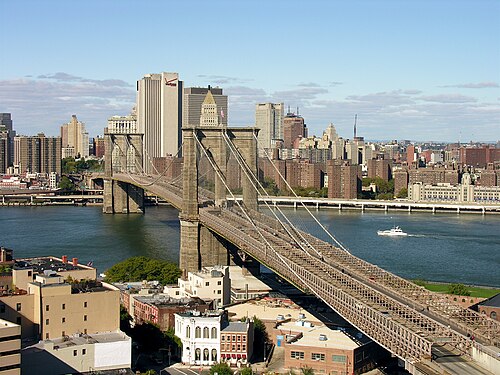
  1. Brooklyn Bridge Brooklyn Bridge
    02 1 hour

    Brooklyn Bridge

    The Brooklyn Bridge carries road traffic, a pedestrian promenade and a protected bicycle path across the East River between Lower Manhattan and Brooklyn Heights, and it is working city infrastructure rather than a monument with a gate.

    • Must see
    • Historic monument
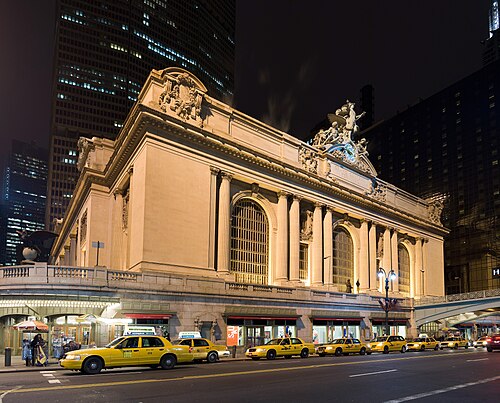
  2. Grand Central Terminal Grand Central Terminal
    03 45 min

    Grand Central Terminal

    Grand Central Terminal is a historic railway terminal in Midtown Manhattan. Opened in 1913, it serves as a major transportation hub for Metro-North Railroad commuter trains.

    • Must see
    • Historic monument
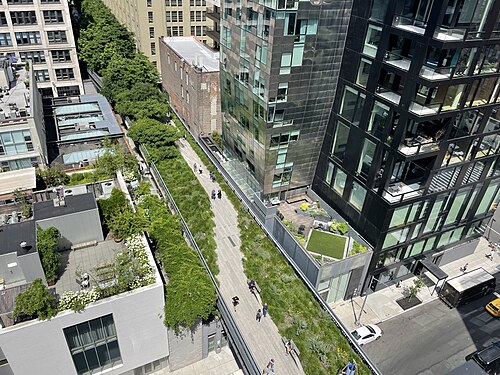
  3. High Line High Line
    04 1 hour

    High Line

    The High Line

    The High Line is a public park built on a historic freight rail line elevated above the streets on Manhattan's West Side. It runs from Gansevoort Street in the Meatpacking District to West 34th Street, between 10th and 12th Avenues.

    • Must see
    • Nature site
  4. Ellis Island Ellis Island
    05 1 hour

    Ellis Island

    Ellis Island is a federally owned island in New York Harbor. It operated as the nation's busiest immigrant inspection station from 1892 to 1954, processing approximately twelve million arrivals.

    • Must see
    • Historic monument
  5. One World Observatory One World Observatory
    06 1 hour

    One World Observatory

    One World Observatory occupies the 100th, 101st and 102nd floors of One World Trade Center, the tallest building in the Western Hemisphere.

    • Must see
    • Viewpoint

Source: OpenStreetMap contributors, Wikidata ·

How the city is laid out

Manhattan is organised broadly from Downtown to Midtown and Uptown. Lower Manhattan holds the Financial District and the harbour; Greenwich Village, SoHo and the Lower East Side sit above it; Midtown contains Times Square, the theatre district and the main rail terminals; Central Park separates the Upper East and Upper West Sides. Brooklyn's waterfront neighbourhoods face Lower Manhattan, Queens extends east beyond the East River, the Bronx begins north of Manhattan, and Staten Island is reached across the harbour. Give outer-borough destinations their own geographic blocks.

Checked 2026-08-26

Getting around

Use the subway for long moves and walk within neighbourhoods. New York City Tourism describes subways and buses as inexpensive, fast and operating 24 hours, while NYC Ferry connects waterfront districts and the Staten Island Ferry provides a separate harbour crossing. Service changes are common outside weekday peaks, so check the MTA route status before a late-night or weekend journey. Express and local trains may share platforms but stop at different stations; confirm both the route letter or number and the direction before boarding.

Checked 2026-08-26

Common questions

How many days does New York City need?

Five to six days suit a first visit. Four days can cover Manhattan's main zones, while the additional time makes room for Brooklyn, Queens or the Bronx without reducing each neighbourhood to a station stop.

When is the best time to visit New York City?

April through June and September through October generally provide comfortable walking weather and useful daylight. Summer can be hot and humid, while winter conditions can shorten outdoor sightseeing days.

Does the New York subway run all night?

Yes, the system operates 24 hours, but an individual line may be rerouted or run less frequently overnight and on weekends. Check live service status before relying on a specific late connection.

Should a first visit stay in Manhattan?

Manhattan is the simplest base for a short first visit because its subway hubs connect directly to the greatest concentration of sights. Brooklyn and Queens bases also work when they are close to a direct subway line.

How should sightseeing days be grouped?

Keep Lower Manhattan together, pair Midtown with the theatre district, and give Central Park and the adjacent museums a separate block. Brooklyn waterfront areas combine naturally with Lower Manhattan by subway or ferry.