25 min walk
Son Tay Ancient Citadel
- Must see
- Historic monument
Language · 11 published
Historic monument · Hanoi
Reviewed by Elena Voss · Roavina Travel Editor
This place is a Wayside shrine.
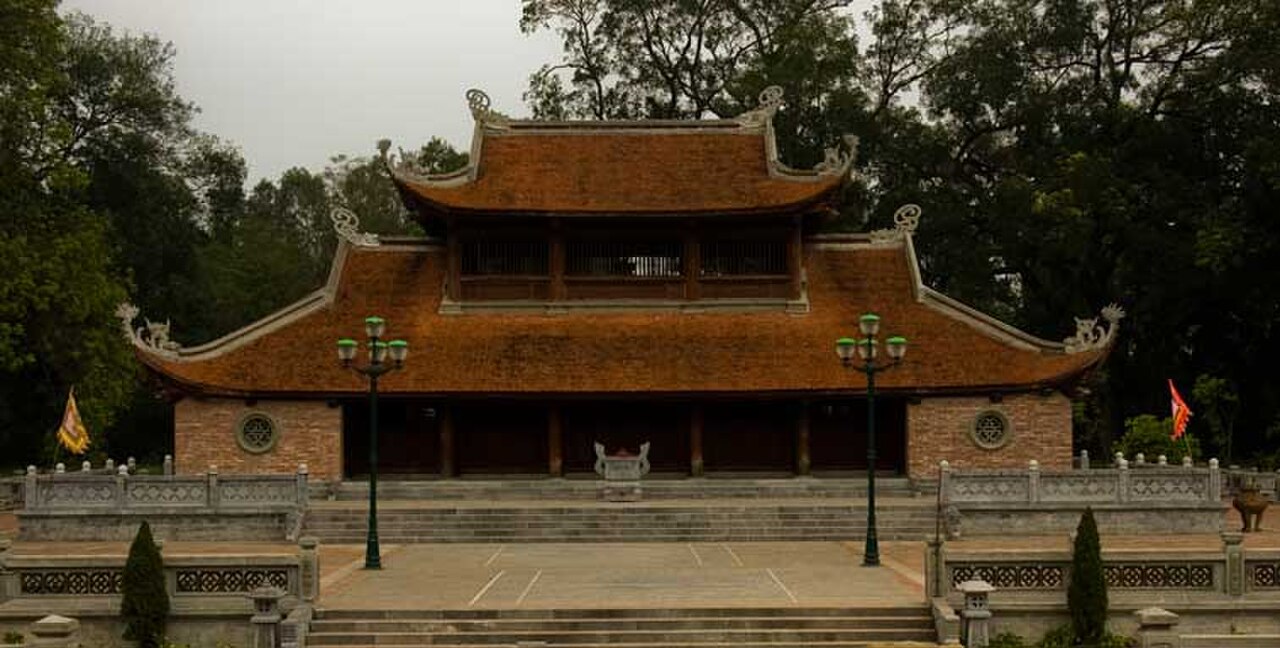
Và Temple, known locally as Đền Và, is a Vietnamese religious site within Hanoi’s wider cultural landscape. It is a place for worship and contemplation rather than a conventional attraction arranged around exhibits. Travelers interested in local spiritual life can use a visit to observe the relationship between temple architecture, ritual practice, and the surrounding community. The temple is best approached quietly, with attention to the atmosphere and to worshippers using the space for their own religious purposes. Và Temple, known locally as Đền Và, stands as a significant religious site within Hanoi's cultural landscape. The temple represents an important element of Vietnamese spiritual heritage, reflecting traditional architectural and devotional practices. Visitors encounter a place of worship that has drawn pilgrims and tourists seeking to understand northern Vietnam's religious traditions. The site ranks among Hanoi's visitor places in breadth-first top 100 listings, though it lacks exact city POI pool matching, suggesting moderate rather than premier recognition.
Checked 2026-08-26 · Source
The compound contains worship spaces associated with Vietnamese temple practice, including halls, altars, devotional objects, and architectural decoration. Visitors may encounter carved details, ceremonial arrangements, incense, and offerings, but these features belong to an active religious environment rather than a museum collection. Move slowly and let the arrangement of the buildings guide your attention. The most valuable experience comes from noticing how the temple is used: prayer, offerings, quiet conversations, and daily community activity can all shape the atmosphere. Visitors should anticipate encountering main worship halls, altar spaces, and possibly subsidiary structures arranged according to traditional temple planning.
Checked 2026-08-26 · Source
Reserve thirty minutes to one hour for a respectful visit to the main structures and grounds. That is enough time to enter calmly, observe the architectural details, and leave room for worshippers. Visitors combining Và Temple with other Hanoi religious sites can keep the stop concise, while those interested in devotional customs may prefer a slower visit. Avoid treating the temple as a rushed photograph stop: a few quiet minutes often reveal more than moving quickly through every visible space.
Checked 2026-08-26 · Source
Early morning and late afternoon usually offer gentler light and a more contemplative setting than the hottest part of the day. Hanoi is hot and humid in summer, while winter is cooler and generally drier; spring and autumn can be comfortable for a short temple visit. Lunar-calendar observances may bring more worshippers and active ceremonies. Those periods can offer a vivid cultural experience, but visitors should give ritual activity priority and keep their movements quiet and unobtrusive.
Checked 2026-08-26 · Source
Carry a small amount of Vietnamese dong for donation boxes, offerings, or incidental contributions. Vietnamese temples often rely on voluntary donations rather than a museum-style admission system, and the practical arrangement can vary between sites. Do not handle religious objects or offerings as souvenirs. If you make a donation, do so discreetly and without interrupting worship. The temple visit is primarily cultural and spiritual, so modest preparation and respectful conduct are more important than planning around a commercial ticket experience.
Checked 2026-08-26 · Source
Use the OpenStreetMap location for node/4900759139 when planning the route to Và Temple. Hanoi’s buses, taxis, ride-hailing services, motorbike taxis, bicycles, and walking routes can all be useful depending on the temple’s position in your day. Save the map before leaving your accommodation, particularly if you are traveling through smaller streets. Showing the Vietnamese name Đền Và can help when asking for directions. Allow extra time for Hanoi traffic and for finding the correct entrance within the neighborhood.
Checked 2026-08-26 · Source
Dress modestly, covering shoulders and knees, and lower your voice near worshippers. Remove shoes when entering a space where that is customary, and do not block entrances or altar areas. Incense and candles create smoke and open flames, so keep children close and avoid touching ceremonial items. Ask before photographing people, monks, or sensitive devotional scenes. The temple is part of community life; give ceremonies, prayer, and residents priority over sightseeing and keep personal belongings close in busy surroundings.
Checked 2026-08-26 · Source
Exterior architecture, carved details, incense smoke, courtyards, and carefully framed devotional objects can make thoughtful subjects at Và Temple. Morning and late-afternoon light is often kinder to wood, painted surfaces, and roof details. Ask permission before photographing worshippers, and avoid flash or intrusive equipment inside active worship spaces. A small camera is easier to use discreetly than a large setup. Leave clear paths for devotees and never stage a pose, move an offering, or interrupt a ceremony for an image.
Checked 2026-08-26 · Source
The Vietnamese name is Đền Và. Using this name together with the map location can make route planning and local conversations easier.
Plan thirty minutes to one hour for the main structures and grounds. A slower visit may be appropriate when worship is active or when you want to observe the temple’s community atmosphere carefully.
Wear modest clothing that covers the shoulders and knees. Quiet behavior, careful movement, and appropriate footwear practices are important when entering Vietnamese religious spaces.
Exterior photography can focus on architecture, courtyards, carvings, and devotional atmosphere. Ask before photographing people, avoid flash near worship spaces, and never interrupt ceremonies or move offerings.
The temple offers worship halls, altars, devotional objects, incense, offerings, and Vietnamese architectural decoration. These are part of an active religious setting rather than a museum display.
Early morning and late afternoon are good choices for gentler light and a quieter mood. Lunar observances may be busier and more ceremonial, so allow worshippers clear priority during those visits.
Loading the interactive map…
The interactive map could not be loaded.

Last updated:
Source: OpenStreetMap contributors ·