
1 min walk · Wieden
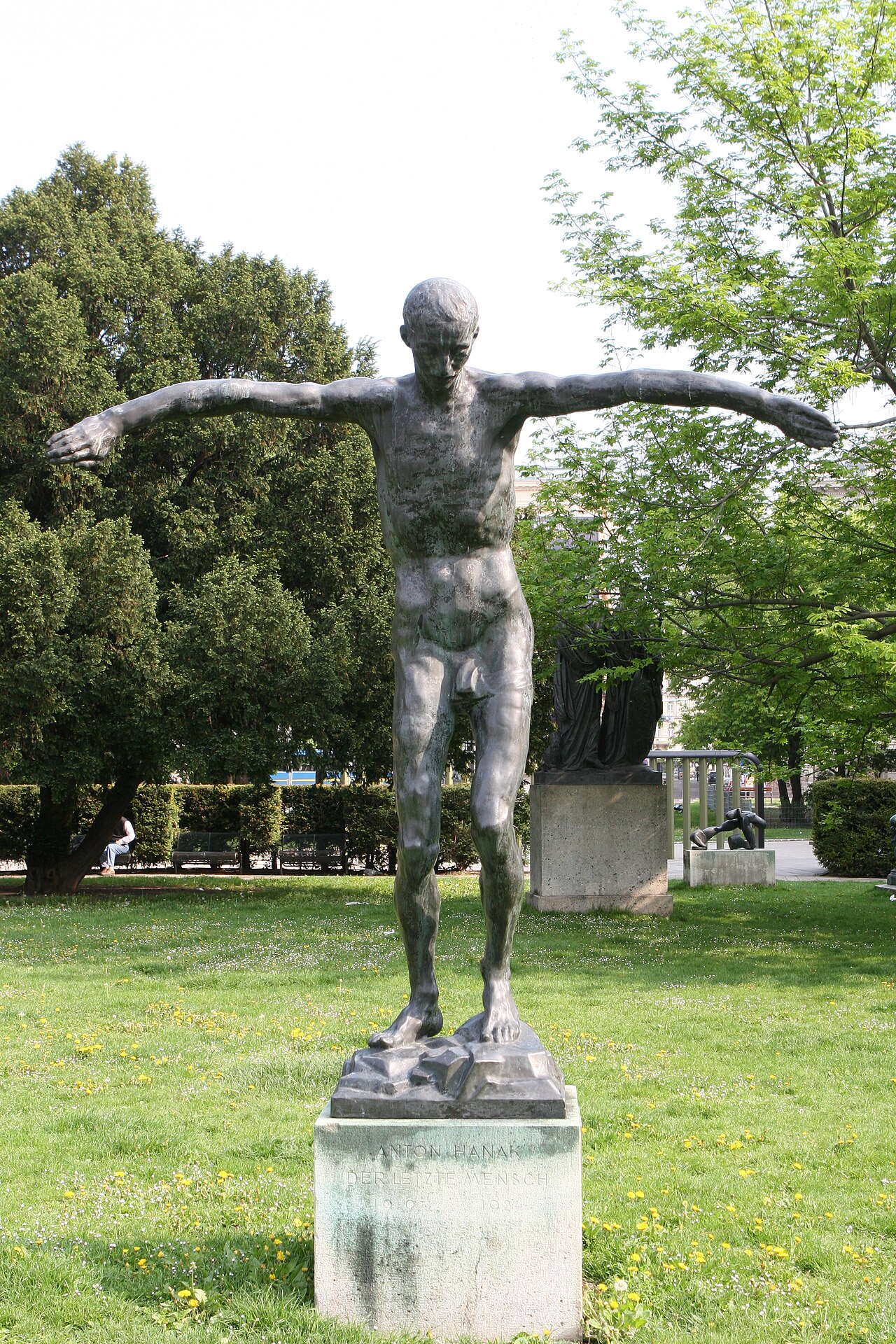
"Der letzte Mensch", Karlsplatz
- Notable
- Art and culture venue
Language · 11 published
Museum · Wieden, Vienna
Wien Museum Karlsplatz
Reviewed by Elena Voss · Roavina Travel Editor
| Monday | Closed |
|---|---|
| Tuesday | 09:00 – 18:00 |
| Wednesday | 09:00 – 18:00 |
| Thursday | 09:00 – 21:00 |
| Friday | 09:00 – 18:00 |
| Saturday | 10:00 – 18:00 |
| Sunday | 10:00 – 18:00 |
Parsed from OpenStreetMap opening hours on 2026-09-09.
Read from the OpenStreetMap access tags; anything not listed has no tag recorded.
Set the group type to family in the planner and the day window contracts to about three quarters of a solo day.
This place is a Museum. It opened in 1887.
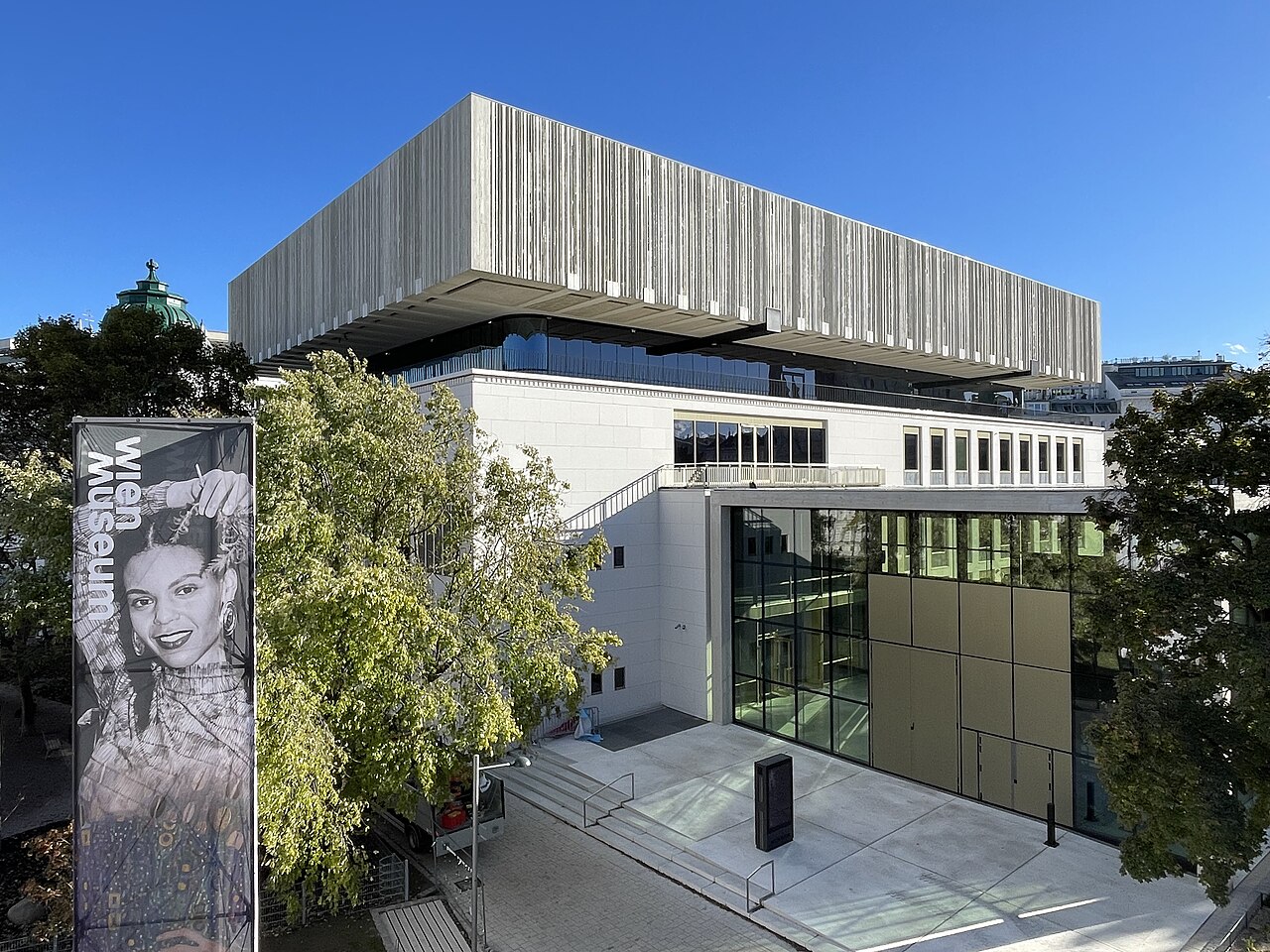
Wien Museum, on Karlsplatz, is Vienna's museum of its own history, tracing the city from the Roman camp of Vindobona through the medieval, Baroque and Ringstrasse periods to the twentieth century.
The original building, by Oswald Haerdtl, opened in 1959; a major renovation closed the museum from 2019 and it reopened in December 2023 with roughly double the previous exhibition space and a new upper structure built onto Haerdtl's original block rather than replacing it.
It sits directly beside the Karlskirche, sharing the Karlsplatz forecourt with Otto Wagner's Stadtbahn pavilions.
The museum also runs a network of smaller branch sites across Vienna — including several historic apartments and the Roman Museum on Hoher Markt — under the same institutional umbrella, though this page covers only the main Karlsplatz building.
Checked 2026-08-24 · Source
The permanent collection runs chronologically across the expanded floors: Roman-era Vindobona finds, medieval city artefacts, complete Baroque and Biedermeier period rooms moved in from demolished buildings, and a strong holding of turn-of-the-century Viennese art including works by Gustav Klimt.
A dedicated Roman gallery displays material excavated from beneath the Innere Stadt, some of it found during the museum's own renovation works.
The reopened building also carries temporary exhibition floors that rotate independently of the permanent chronological route.
Original stonework salvaged from the Stephansdom's medieval and Gothic fabric, replaced on the cathedral itself during past restorations, is displayed in a separate gallery devoted to the building's construction history.
A study collection of historic Vienna street signs, shop fronts and everyday objects fills out the twentieth-century floors alongside the fine-art rooms, tracing the city's growth from the walled centre into the wider Ringstrasse-era metropolis.
Checked 2026-08-24 · Source
Two hours covers the permanent collection at a steady pace; three hours allows a temporary exhibition on top of it.
The Klimt and turn-of-the-century rooms tend to hold visitors longest, since they are the most visually dense floors in the museum.
A visitor with only an hour is better served picking one chronological section — the Roman gallery or the Baroque and Biedermeier rooms — than trying to skim every floor.
Checked 2026-08-24 · Source
Weekday mornings are quietest; the museum draws steady but rarely overwhelming numbers compared with Vienna's larger Ring museums, since it is a city-history collection rather than an old-masters gallery.
The museum is closed on Mondays, a schedule worth checking before planning a visit around it.
A major temporary exhibition can draw noticeably larger weekend crowds than the permanent collection alone, so checking what is currently showing helps set expectations for how busy the galleries will feel.
Checked 2026-08-24 · Source
Entry is paid for the permanent collection and temporary exhibitions, with a reduced rate for students and a lower band for under-19s.
This page does not reproduce the current price, because Wien Museum's own site is the only source that stays accurate as rates change.
Checked 2026-08-24 · Source
Karlsplatz station (U1, U2, U4) opens directly onto the museum's forecourt; it is among the best-connected sights in central Vienna.
Several tram lines along the Ringstrasse stop within a few minutes' walk, and the Musikverein and Secession are both close enough to combine into the same outing on foot.
There is no dedicated museum car park; the Karlsplatz garage nearby is the closest paid option for visitors arriving by car.
Checked 2026-08-24 · Source
The 2019–2023 renovation changed the layout substantially from any earlier visit; a floor plan collected at the entrance is worth taking rather than relying on memory of the old building.
The period rooms, moved from demolished buildings, are climate-controlled more tightly than the rest of the museum, and some restrict bag size near the furniture.
Temporary exhibitions sometimes require a separate timed-entry slot even when the permanent collection does not, so checking the current exhibition's booking rules before arriving avoids being turned away at that door.
Checked 2026-08-24 · Source
Photography without flash is generally permitted in the permanent collection; the Klimt works and some loaned pieces in temporary shows are the usual exceptions, marked at the room entrance.
The new glazed upper structure added in the 2023 reopening gives the clearest view down onto the Karlskirche dome from inside the museum, a vantage point that did not exist before the renovation.
The period rooms photograph best with the ambient gallery lighting rather than a flash, which flattens the furniture's texture and washes out the fabric colours.
Checked 2026-08-24
Vienna's museum of its own history, from Roman Vindobona through the medieval, Baroque and Ringstrasse periods to the twentieth century, on Karlsplatz.
December 2023, after a closure that began in 2019, with roughly double the previous exhibition space.
Yes, it is closed on Mondays.
Yes, its turn-of-the-century Viennese collection includes works by Gustav Klimt.
Oswald Haerdtl; the 2023 reopening added a new upper structure onto his original block rather than replacing it.
Karlsplatz station (U1, U2, U4) opens directly onto the museum's forecourt.
Loading the interactive map…
The interactive map could not be loaded.
Last updated:
Source: OpenStreetMap contributors, Wikidata ·