
26
45 min
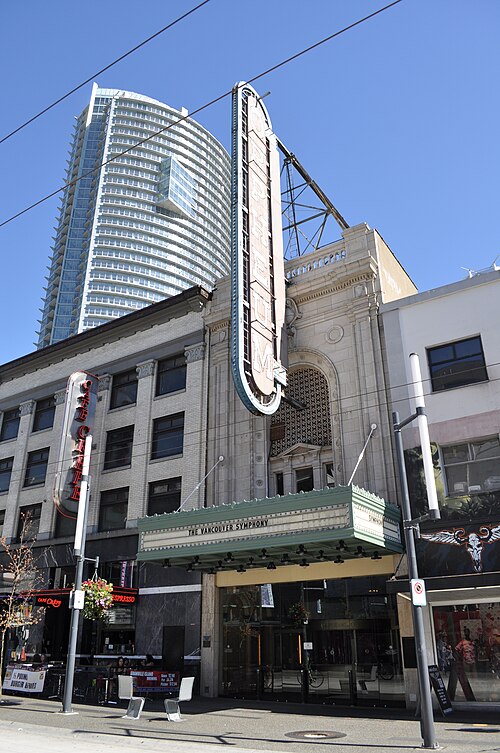
Orpheum
The Orpheum is a restored 1927 theatre on Granville Street in downtown Vancouver. It is a major concert hall and the home of the Vancouver Symphony Orchestra.
- Must see
- Historic site
City guide · Canada
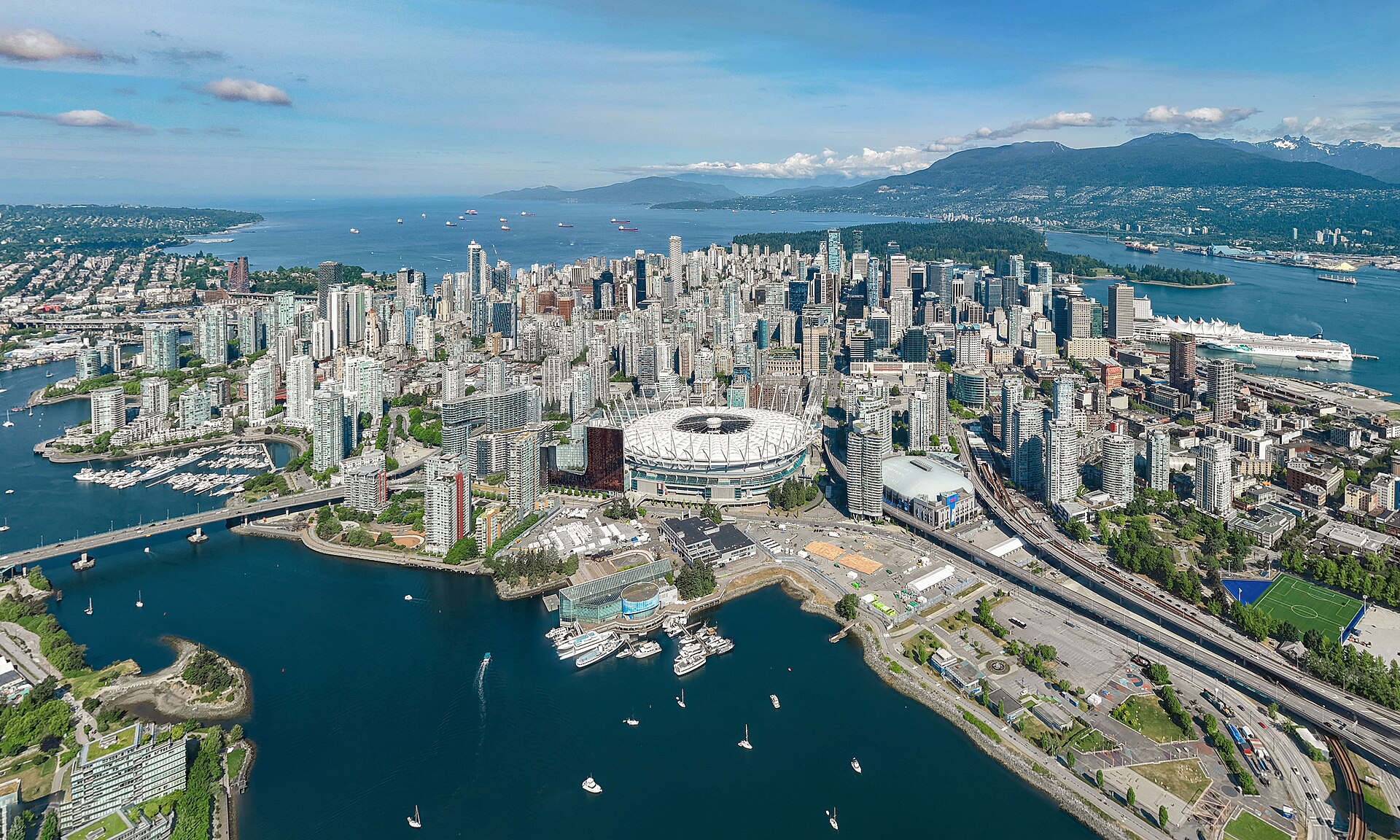
Vancouver is a compact waterfront core surrounded by distinct neighbourhoods, parks and mountains. Downtown contains the central business district, West End, Co...
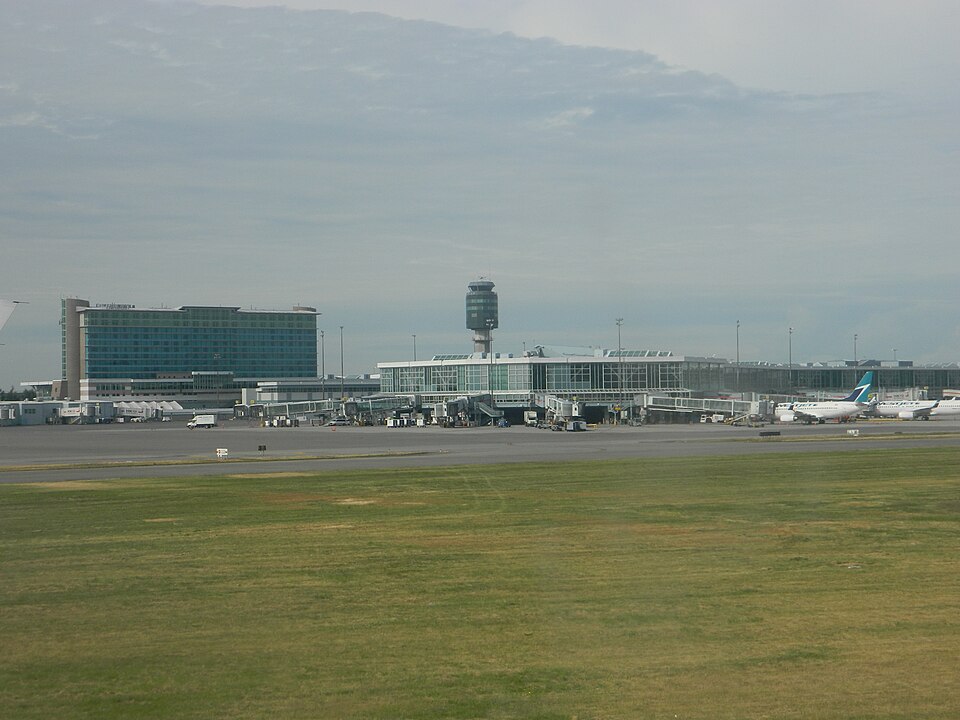
Photograph · Quintin Soloviev · CC BY 4.0
Set your days, your pace and the hours you actually want to be out. The planner works around closing days and travel time, and leaves room to eat.
Editorial responsibility: Elena Voss · Roavina Travel Editor
Vancouver is a compact waterfront core surrounded by distinct neighbourhoods, parks and mountains. Downtown contains the central business district, West End, Coal Harbour and Yaletown; Stanley Park forms its western edge. Gastown and Chinatown sit east, while False Creek separates downtown from Granville Island, Kitsilano and Mount Pleasant. North Vancouver is across Burrard Inlet and belongs to the wider visitor geography rather than the downtown walking grid.
Checked 2026-08-26
November · November in Vancouver has mean high 9.0°C, mean low 3.1°C, rainfall 181.0 mm, 19.7 rain days. Cooler temperatures and persistent rain make a weather-flexible route sensible. A flexible November itinerary in Vancouver is more realistic than a long exposed walking day.
Ranked by importance — sitelinks, pageviews and heritage status, not editor preference.
46 places match
Category
Typical visit duration
Good for
Interests
The Orpheum is a restored 1927 theatre on Granville Street in downtown Vancouver. It is a major concert hall and the home of the Vancouver Symphony Orchestra.
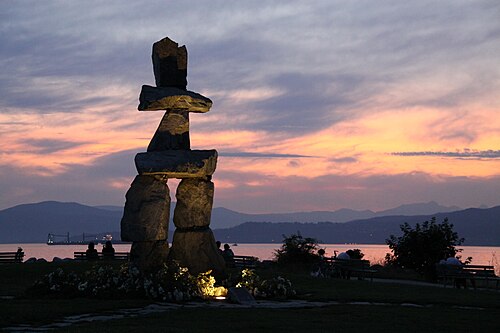
The English Bay Inukshuk is a stone waterfront landmark on Vancouver’s shoreline. An inukshuk is a human-made stone marker associated with Inuit and other Arctic peoples.
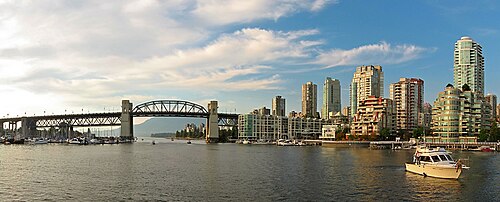
False Creek is a short inlet in the heart of Vancouver, British Columbia, separating downtown from the rest of the city to the south.
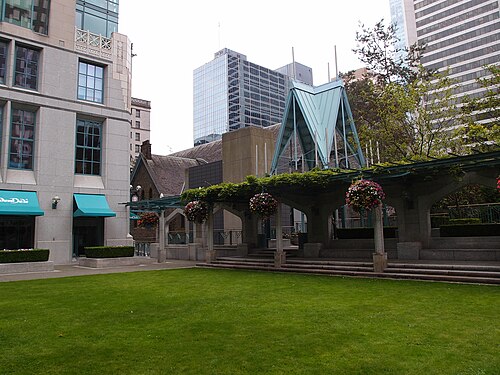
The Bill Reid Gallery of Northwest Coast Art is a downtown Vancouver institution dedicated to contemporary Indigenous art of the Northwest Coast.
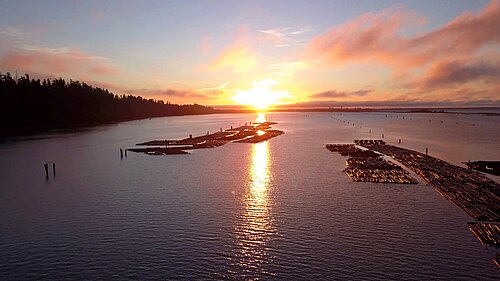
Pacific Spirit Regional Park is a large forested regional park located beside the University of British Columbia campus in Vancouver. Managed by Metro Vancouver, it preserves significant coastal forest habitat on the city's western edge.
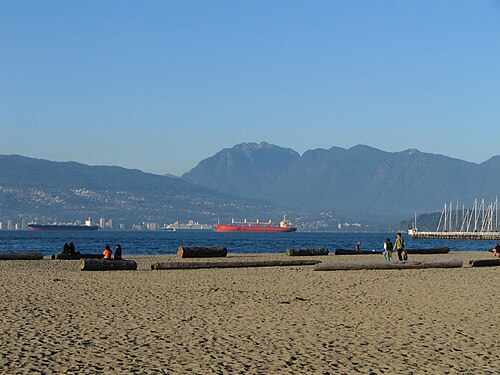
Jericho Beach is a public waterfront area on Vancouver's west side, facing English Bay. The location combines sandy beachfront with a sailing centre and open views across the water toward the North Shore mountains.
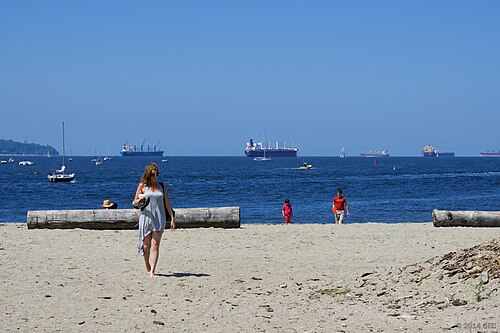
Sunset Beach Park is a waterfront green space on Vancouver's West End shore beside False Creek. The park combines a sandy beach, grass, trees, and open views towards the downtown skyline and North Shore mountains.
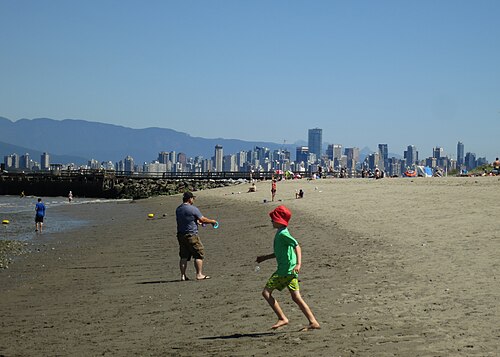
Locarno Beach is a public Vancouver beach on the English Bay shoreline, between Jericho Beach and Spanish Banks. It belongs to the city park system and offers a calmer western waterfront setting than the busier central beaches.
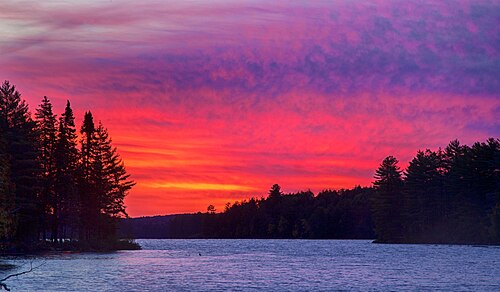
Trout Lake is a freshwater lake within John Hendry Park in east Vancouver. The lake and its surrounding green space form a relaxed public landscape with paths, a beach area, trees, picnic spaces, and views toward the mountains.
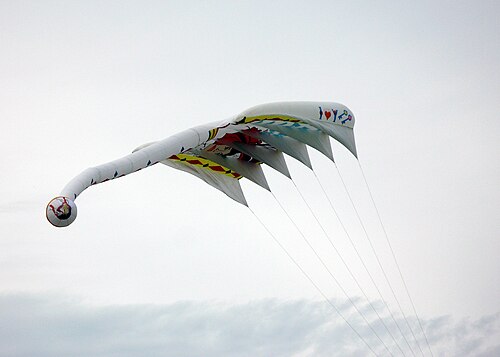
Vanier Park is a waterfront public park on the south shore of English Bay in Vancouver’s Kitsilano neighbourhood. Its peninsula setting opens views across the water toward downtown, the North Shore mountains, and the bay.
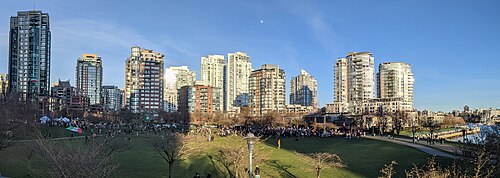
David Lam Park is a public park in Vancouver's Yaletown neighbourhood, situated along the north shore of False Creek.
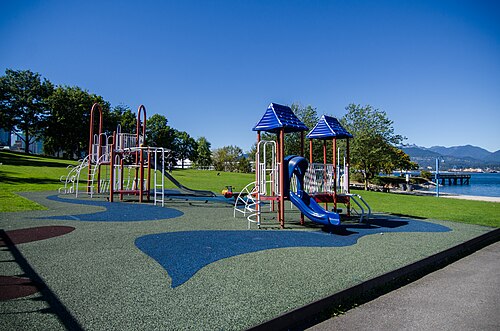
CRAB Park at Portside is a compact harbour park on Vancouver’s downtown waterfront. Its name comes from Create a Real Available Beach, reflecting community efforts to create public access beside an industrial shoreline.
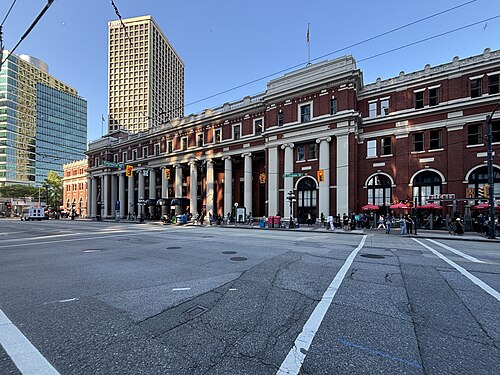
Waterfront Station
Waterfront Station is a heritage transit hub in Vancouver serving as a major interchange for rail, SeaBus, and SkyTrain services. The building preserves classical architectural elements while functioning as a practical arrival point for commuters and visitors.
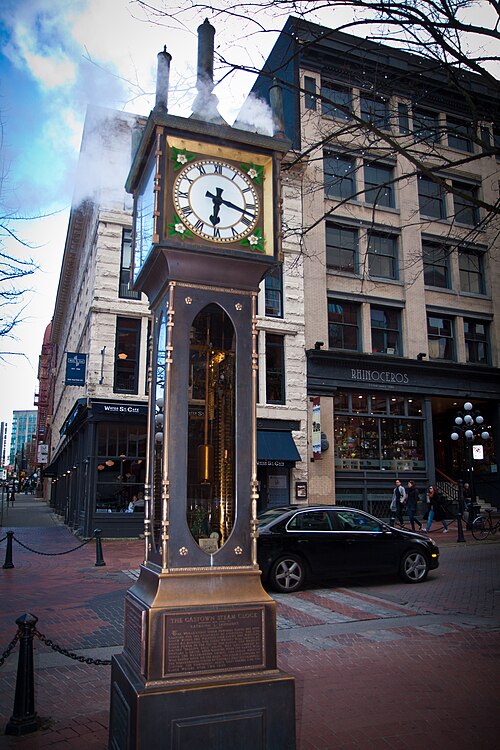
The Gastown Steam Clock is a street-side clock at Water and Cambie streets in Vancouver, designed and built by Raymond Saunders in 1977. It is not a nineteenth-century survivor, even though it stands in a neighbourhood known for older buildings.
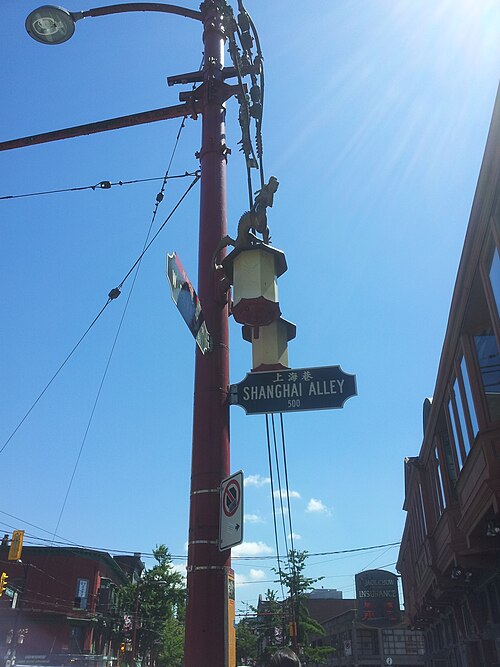
Chinatown Millennium Gate is a ceremonial landmark at the western entrance to Vancouver Chinatown. Its traditional Chinese architectural forms make it an immediate visual marker for the historic neighbourhood.
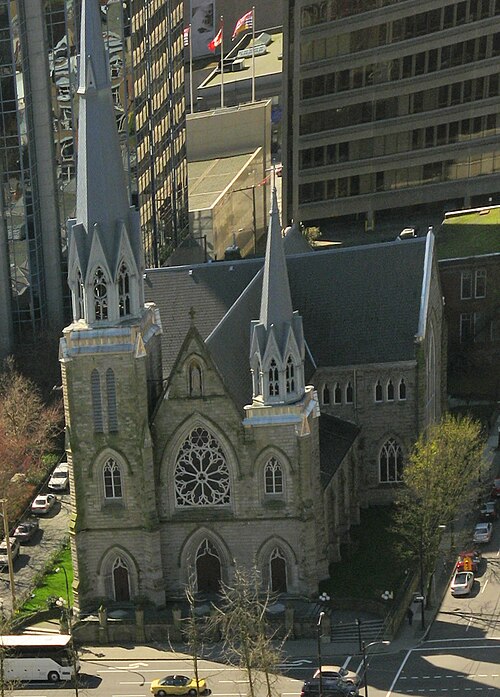
Holy Rosary Cathedral
Holy Rosary Cathedral is a Roman Catholic cathedral located in central Vancouver. It serves as a landmark historic church within the city centre and functions as a place of worship for the Catholic community.

Queen Elizabeth Theatre
Queen Elizabeth Theatre is a civic performing arts venue in Vancouver, operated by the city. It serves as a major destination for opera, ballet, and touring theatrical productions.
The Vancouver Playhouse is a civic performing-arts theatre located in downtown Vancouver, British Columbia. Operated by the City of Vancouver through its parks, recreation, and culture division, it serves as a smaller companion venue to the adjacent Queen Elizabeth Theatre.
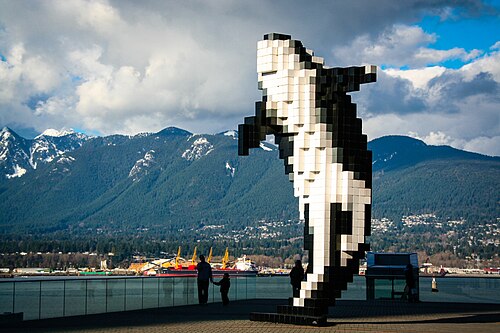
Digital Orca is a public sculpture by Canadian artist Douglas Coupland beside the Vancouver Convention Centre waterfront. Its orca form is built from cubic, pixel-like shapes, giving the work a digital appearance against Coal Harbour’s natural setting.
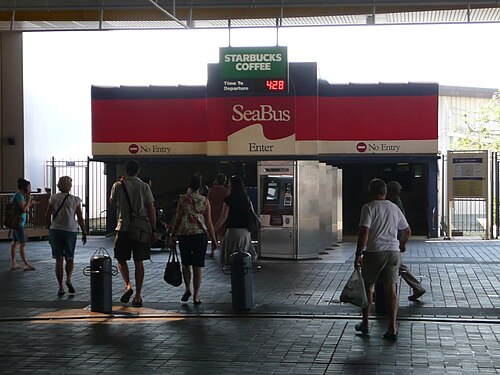
Lonsdale Quay Market is a public market located at the Lonsdale Quay SeaBus terminal in North Vancouver, British Columbia. It occupies a waterfront position with views of Burrard Inlet and the Vancouver skyline across the water.
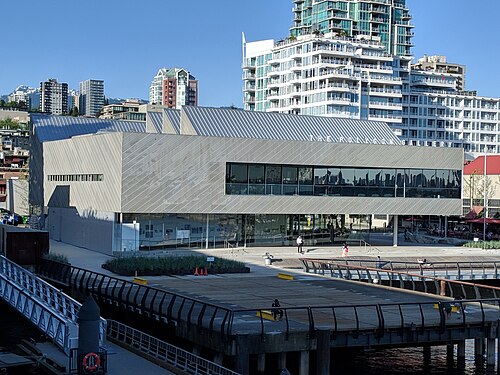
The Polygon Gallery is a contemporary art gallery located in North Vancouver, British Columbia. Situated in the Shipyards District at the foot of Lonsdale Avenue, it occupies a prominent waterfront position with views across Burrard Inlet toward downtown Vancouver.
The downtown peninsula is the easiest orientation point, bounded by Burrard Inlet, English Bay and False Creek. Stanley Park occupies the west; Gastown and Chinatown are east; Yaletown faces False Creek to the south. Granville Island and Kitsilano are across the water, while Commercial Drive and Mount Pleasant sit farther east and southeast. The North Shore requires a harbour crossing and should be planned separately from central neighbourhood walking.
Checked 2026-08-26
Walk and cycle within downtown and the seawall network, then use rapid transit and buses for longer city trips. SeaBus connects the waterfront with North Vancouver, while small passenger ferries cross False Creek between central stops and Granville Island. Regional ferries, floatplanes and intercity services leave the urban system for destinations beyond Vancouver. Check official schedules and service notices before any harbour or regional connection.
Checked 2026-08-26
Suggested stay for a first visit: 3–4 days. Plan downtown and Stanley Park first, then add Granville Island, neighbourhoods or the North Shore according to your priorities.
Yes. Downtown, the West End, Coal Harbour, Yaletown and the edge of Stanley Park form a compact peninsula suited to walking and cycling.
SeaBus crosses Burrard Inlet from the downtown waterfront. Treat North Shore attractions as a separate cluster and verify onward bus connections before departure.
No. It sits across False Creek from downtown. Reach it by bus, walking and cycling routes, or a small passenger ferry across the water.
No. Walking, cycling, rapid transit, buses and local ferries cover the central visitor districts. A car is more relevant for dispersed regional excursions.

