.jpg)
07
1 hour
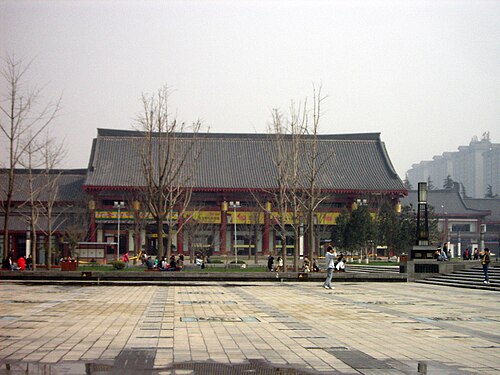
Dayan Pagoda North Plaza
大雁塔北广场
Big Wild Goose Pagoda North Square is the broad public plaza immediately north of the Giant Wild Goose Pagoda in Xi'an's Yanta District.
- Must see
- Nature site
City guide · China
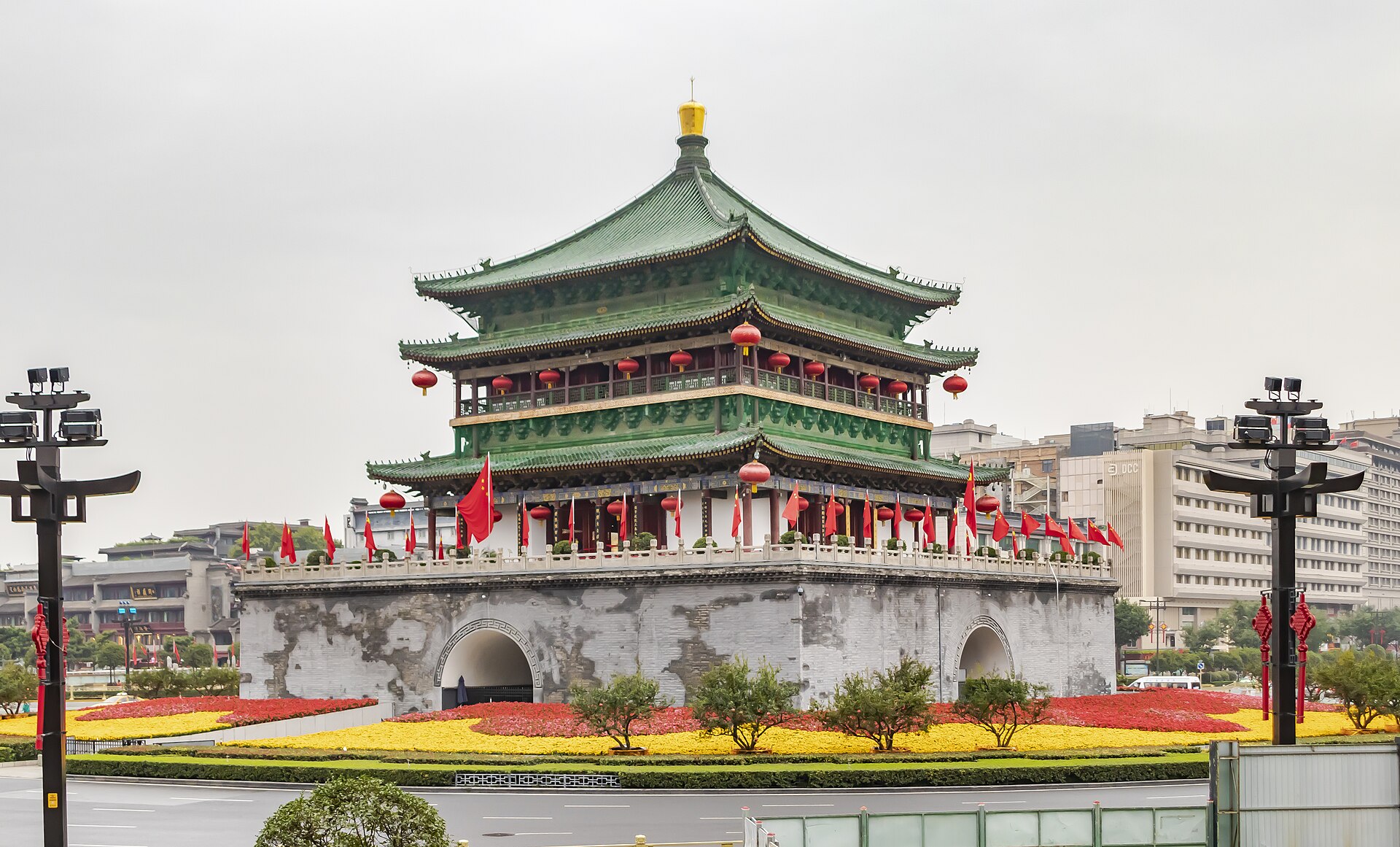
Xi'an has a legible historic centre enclosed by the City Wall, with the Bell Tower, Drum Tower and Muslim Quarter close together. The Giant Wild Goose Pagoda an...
Photograph · ScareCriterion12 · CC BY-SA 4.0
Set your days, your pace and the hours you actually want to be out. The planner works around closing days and travel time, and leaves room to eat.
Reviewed by Elena Voss · Roavina Travel Editor
Xi'an has a legible historic centre enclosed by the City Wall, with the Bell Tower, Drum Tower and Muslim Quarter close together. The Giant Wild Goose Pagoda and major museums form a southern cultural cluster. The Terracotta Army, Huaqing Palace and other Lintong sites lie well east of the centre and require a separate excursion.
Checked 2026-08-26
September · September cools Xi'an to a 24.7°C mean high, although precipitation peaks at 108.0 mm.
Ranked by importance — sitelinks, pageviews and heritage status, not editor preference.
36 places match
Category
Typical visit duration
Interests
大雁塔北广场
Big Wild Goose Pagoda North Square is the broad public plaza immediately north of the Giant Wild Goose Pagoda in Xi'an's Yanta District.
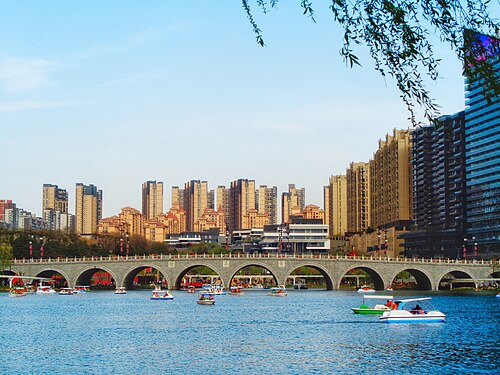
曲江池遗址公园
Qujiang Pool Heritage Park is a reconstructed heritage landscape in Xian, China, occupying the site of the historic Qujiang Pool that flourished during the Tang Dynasty.
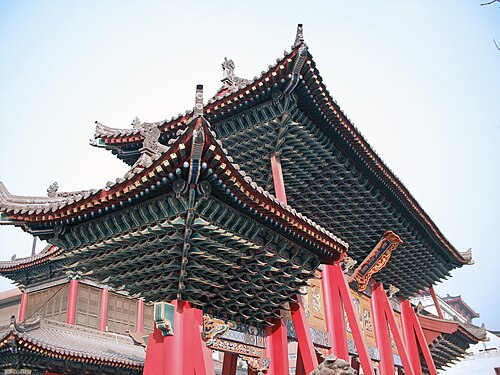
都城隍庙
Xi’an City God Temple is a Taoist temple complex in the historic city. Its name refers to the city god, a protective deity in traditional Chinese religious culture.
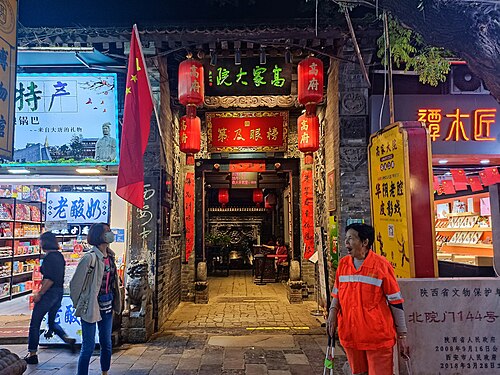
Gao Family Courtyard is a preserved historical residence located within Xian's Muslim Quarter. The compound represents traditional Shaanxi architecture and offers visitors an interior space distinct from the surrounding food streets.
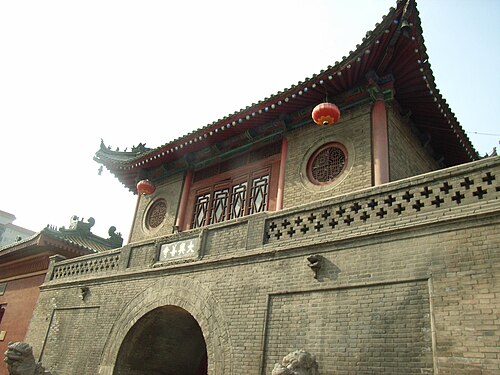
大兴善寺
Daxingshan Temple is a historic Buddhist temple in Xi'an, China, known locally as 大兴善寺. It remains a religious institution and a destination for visitors interested in Buddhist history, Chinese temple culture, and the long cultural history of Xi'an.
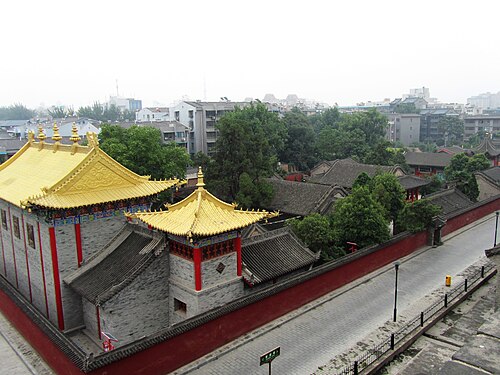
广仁寺
Guangren Temple, or 广仁寺, is a Tibetan Buddhist temple in Xi’an. It adds a distinct religious and cultural dimension to a city often introduced through imperial history and Han Chinese heritage.
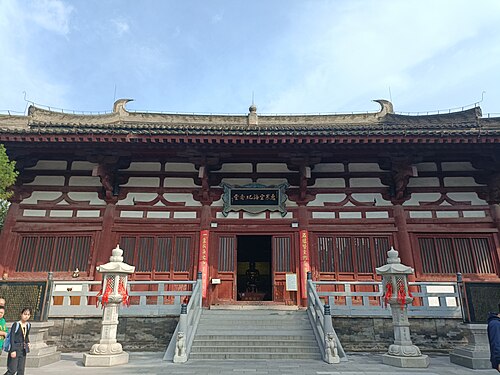
青龙寺
Qinglong Temple, also known as 青龙寺, is a historic Buddhist temple site in Xi’an. Its importance is closely connected with Esoteric Buddhism and the Tang dynasty, when the temple served as a centre for Buddhist learning and scripture translation.

Xingjiao Temple is a Buddhist temple located in the southern suburbs of Xi'an, Shaanxi Province, China.
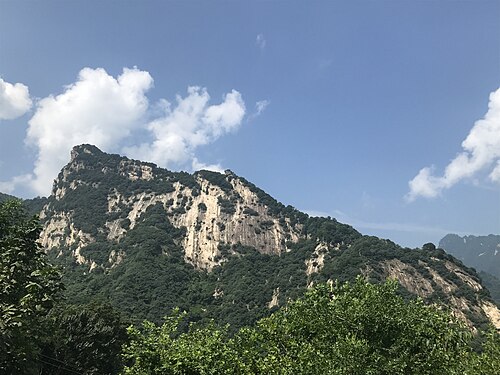
翠华山
Cuihua Mountain, also known locally as 翠华山, is a natural mountain destination in the Xi'an area of Shaanxi. The mountain belongs to the Qinling landscape south of the city and offers a change from Xi'an's dense urban streets.
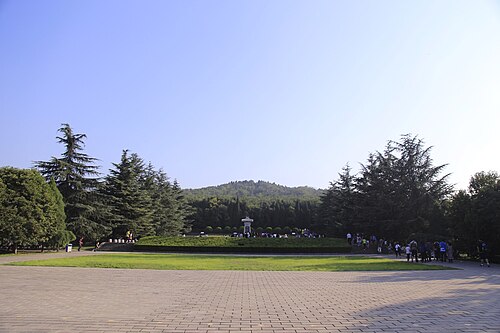
秦始皇帝陵博物院丽山园
The Mausoleum of the First Qin Emperor is the burial complex associated with Qin Shi Huang, the ruler who unified China and established the Qin dynasty.
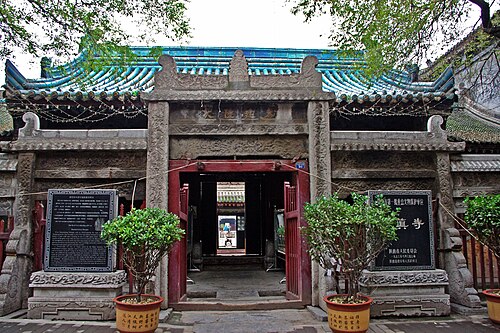
大学习巷清真寺
The Great Learning Lane Mosque, known locally as 大学习巷清真寺, is an Islamic place of worship in Xi’an’s historic urban fabric.
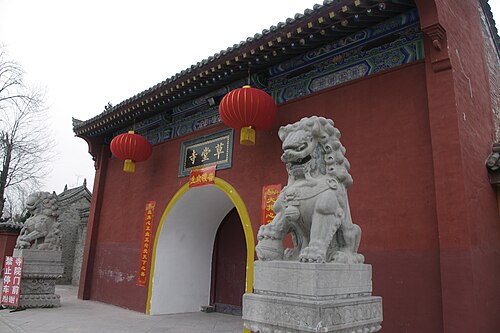
草堂寺
Caotang Temple, known locally as 草堂寺, is a Buddhist temple in the Xi’an region. Its identity is tied to Buddhist scripture translation and the early development of Buddhist thought in China.
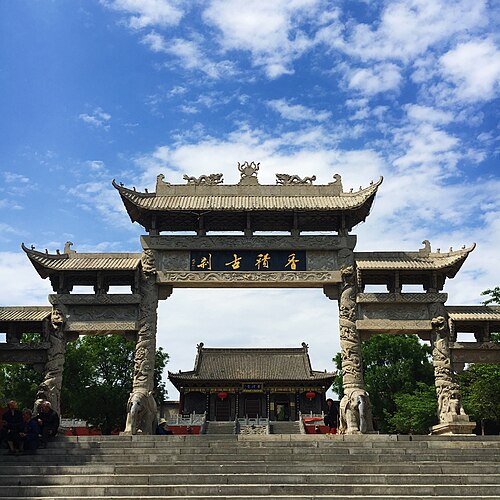
香积寺
Xiangji Temple, known locally as 香积寺, is a Buddhist temple in Xi'an, Shaanxi. The temple adds a religious and architectural dimension to a city better known internationally for imperial history and archaeological sites.
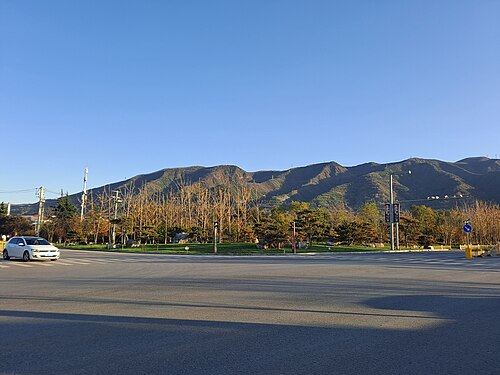
骊山
Mount Li, known locally as 骊山, is a prominent mountain located near Xi'an in Shaanxi Province, China. It rises on the northern edge of the Qinling mountain range and overlooks the Wei River valley.
Wangshun Mountain National Forest Park is a protected mountain destination near Xi'an, known locally as 王顺山国家森林公园. It forms part of the Qinling landscape in southern Shaanxi and suits travelers seeking forest, mountain air, changing vegetation, and outdoor recreation.
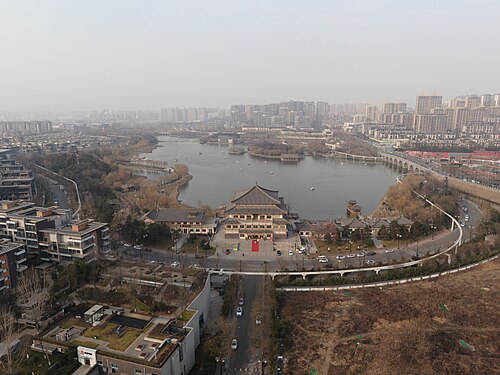
Qin Ershi Mausoleum Heritage Park preserves the burial site of Qin Er Shi, the second emperor of the Qin dynasty. The site offers a focused encounter with the later chapter of the dynasty that unified China.
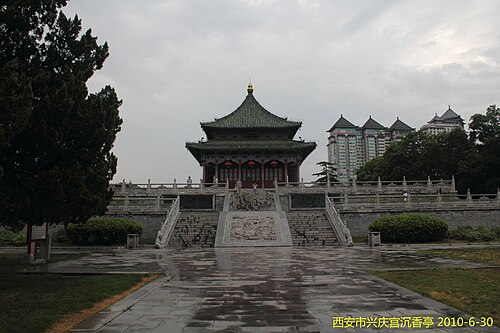
兴庆宫公园
Xingqing Palace Park is a public park in eastern Xi'an on the site of historic Xingqing Palace, once a political and residential center during the Tang dynasty.
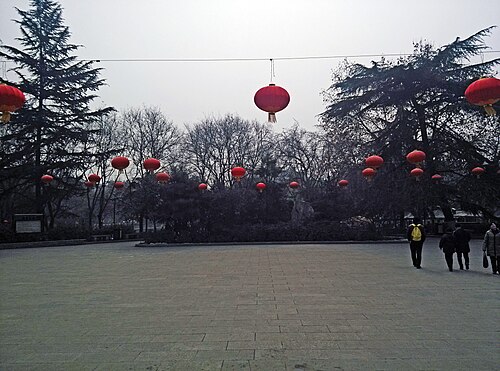
莲湖公园
Lianhu Park, known locally as 莲湖公园, is a public park situated in Xian, Shaanxi Province, China.
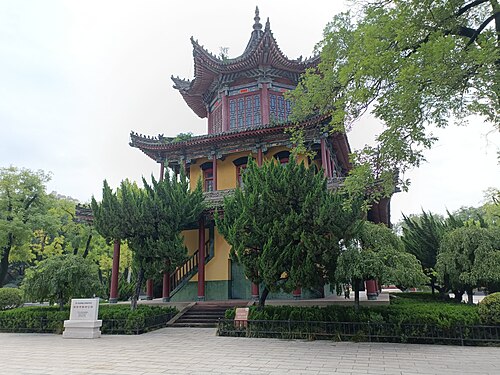
革命公园
Revolution Park, known locally as 革命公园, is a public urban park in Xi'an. The park provides a green setting within a city whose major attractions often focus on walls, towers, museums and imperial history.
Guangyun Lake Park, locally known as 广运潭公园, is a lakeside public green space in Xi'an. It offers a change of rhythm from the city's historic monuments, busy commercial streets, and dense urban setting.
丰庆公园
Fengqing Park, locally known as 丰庆公园, is a public green space in Xi'an. It gives visitors an opportunity to step away from the city's dense streets and spend time in an urban park setting.
Yongyang Park is a public green space in Xi'an, a city historically known as Chang'an and recognised for its long imperial and cultural history.
Qinling Four Treasures Science Park is a wildlife and conservation-focused attraction in the Xi'an area. Its name refers to four characteristic Qinling species: the giant panda, golden snub-nosed monkey, takin, and crested ibis.
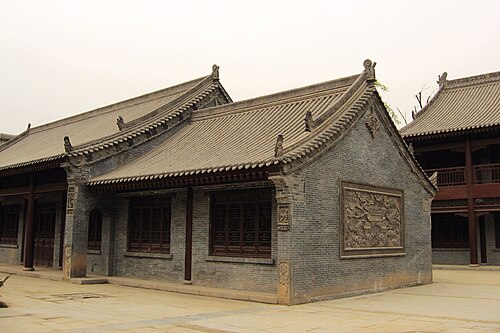
永兴坊
Yongxingfang is a visitor-oriented cultural and food district where Shaanxi traditions are presented through regional dishes, themed architecture, craft displays, and pedestrian lanes. It works best as a relaxed tasting stop rather than a single monument.
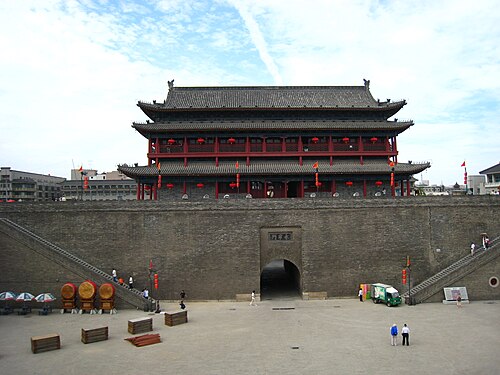
永宁门
Yongning Gate is the southern gate of Xi'an's historic city wall. Known as the Gate of Eternal Peace, it combines a preserved Ming-era defensive setting with an active urban landmark.
Use the City Wall as the central reference: the Bell and Drum towers sit near its middle, the Muslim Quarter lies to the northwest, and the gates define practical entry points. Group the southern pagoda and museum district separately. Lintong is not a quick addition to a wall walk; reserve a substantial block for the eastern archaeological sites.
Checked 2026-08-26
Walk inside the walled centre and use the metro between the rail stations, southern cultural district and other urban zones. Xi'an's official English portal groups transportation with its visitor information. Confirm the current operator map for the final connection to Lintong sites, since the metro does not remove every road transfer between the city and individual archaeological entrances.
Checked 2026-08-26
A fixed stay length is not recorded. Build the visit around the walled centre and southern cultural district, then add Lintong and the eastern archaeological sites only when the available time supports a separate journey.
Group places by district instead of crossing the city repeatedly. Start with the walled centre and southern cultural district; treat Lintong and the eastern archaeological sites as separate routes with their own travel allowance.
Use Walking, metro and city bus. Walk within compact clusters and consult the linked official transport information before making longer transfers or relying on a particular route.
Only within individual neighbourhood clusters. The main visitor areas are separated by distances, waterways, major roads or regional approaches, so longer links normally need public transport or a licensed vehicle.
Plan Lintong and the eastern archaeological sites separately from the walled centre and southern cultural district. Check the current route, return connection and any access requirements on the official source before departure.