Shanghai Film Museum
上海电影博物馆
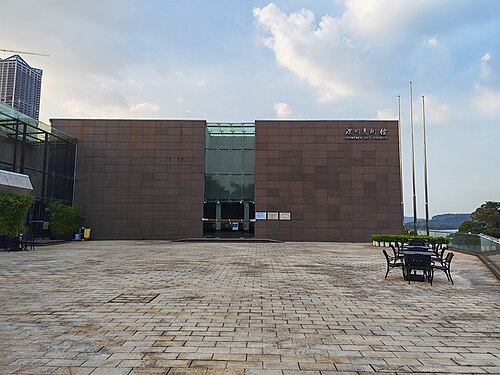
The Shanghai Film Museum is a cultural institution dedicated to the history and art of Chinese cinema, with particular emphasis on Shanghai's foundational role in the nation's film industry.
- Notable
- Museum
- Shanghai
Country guide
China covers 9.6 million km², third largest of any country, and holds more than 1.4 billion people — about 17 per cent of everyone alive. It is divided into 33...
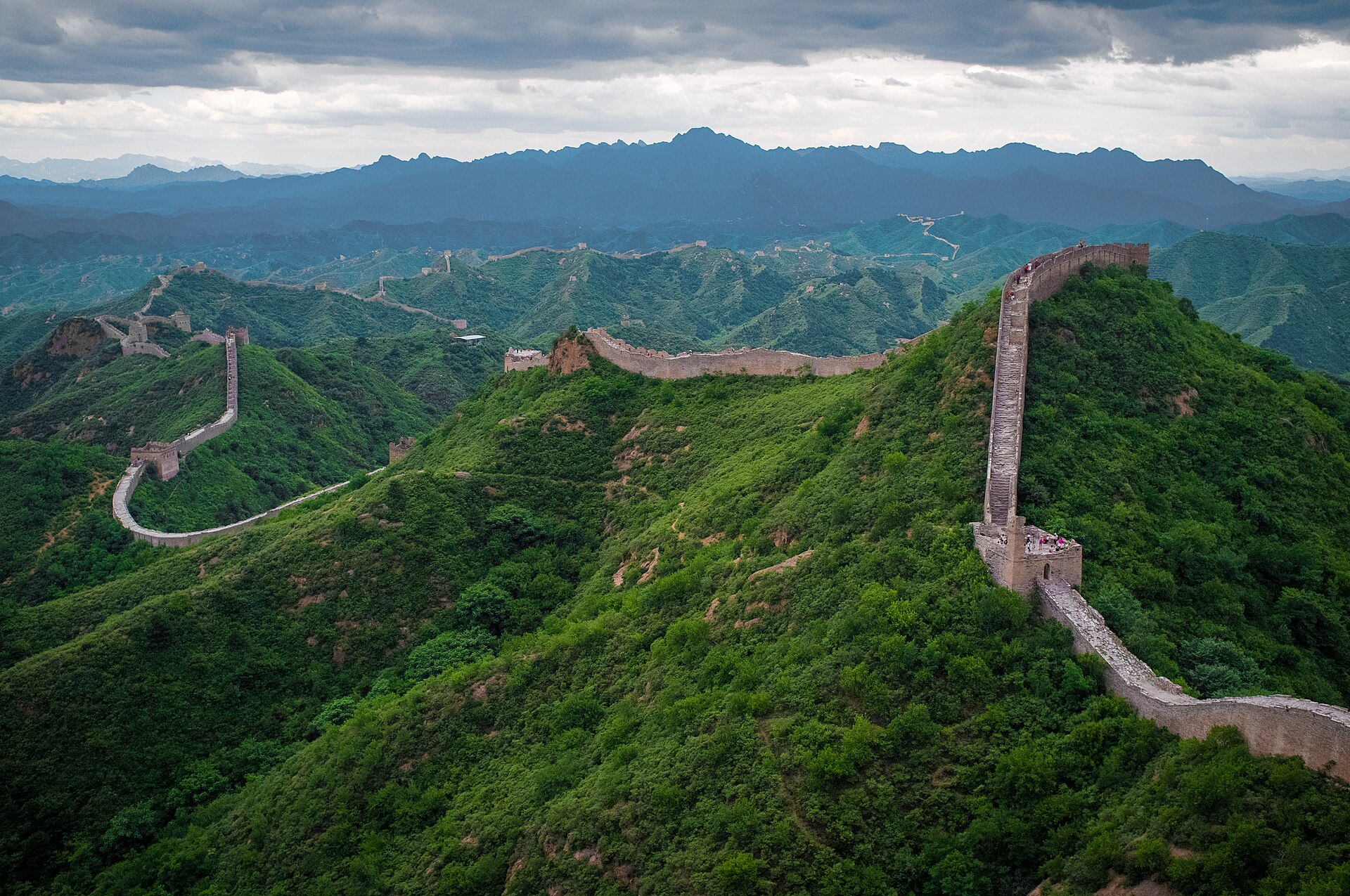
Photograph · Severin.stalder · CC BY-SA 3.0
Reviewed by Elena Voss · Roavina Travel Editor
China covers 9.6 million km², third largest of any country, and holds more than 1.4 billion people — about 17 per cent of everyone alive. It is divided into 33 province-level divisions, two of them special administrative regions.
Beijing is the capital; Shanghai is the most populous city by urban area. Between them the land runs from the Central Plain and the Yangtze and Yellow rivers out to desert, plateau, subtropical and temperate forest, and the Himalayas in the southwest. The first decision a visitor makes here is therefore not which sight to see but which climate to travel in.
Checked 2026-08-25
Every city catalogued in this country so far, ranked by how much there is to see.
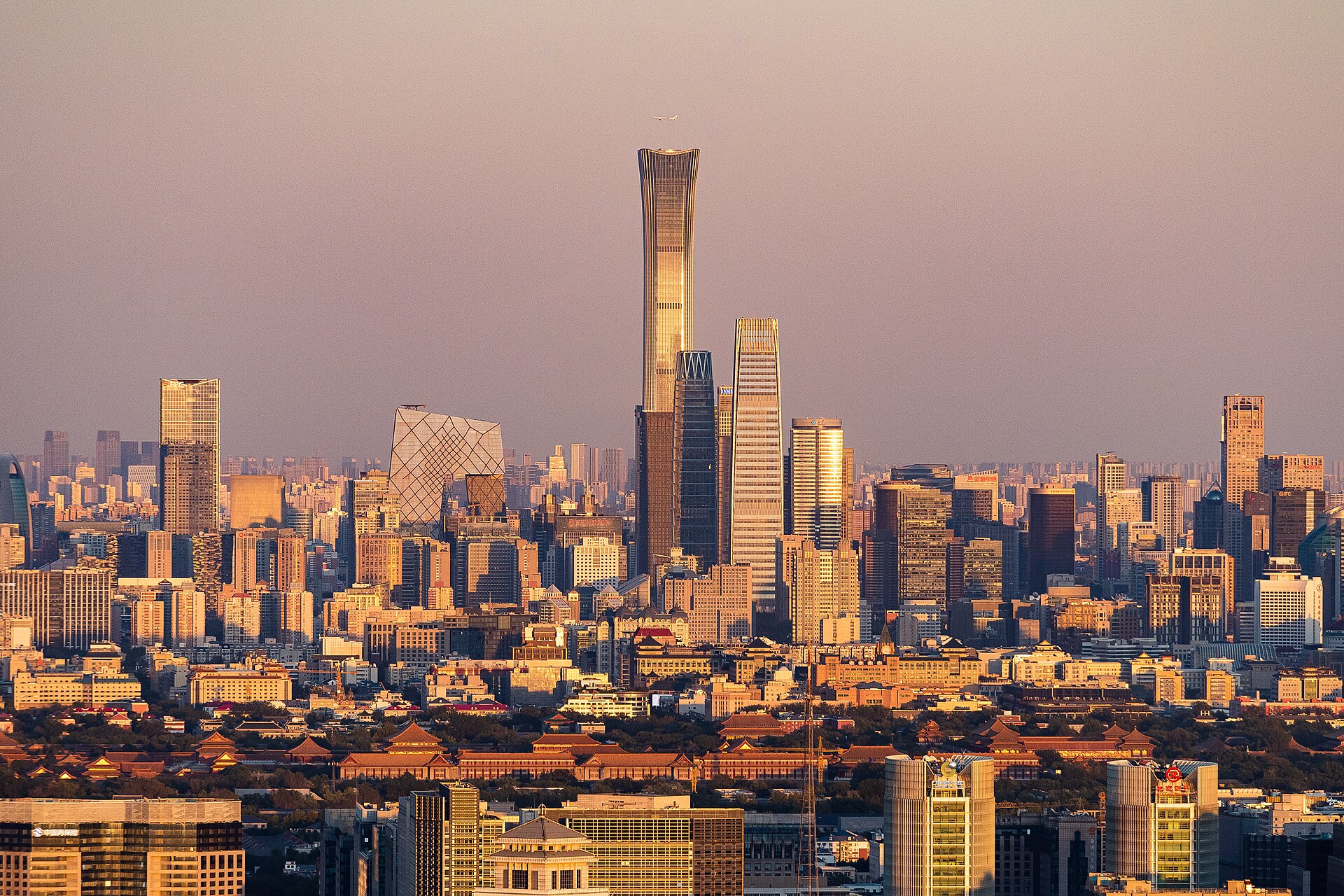
Photograph · N509FZ · CC BY-SA 4.0
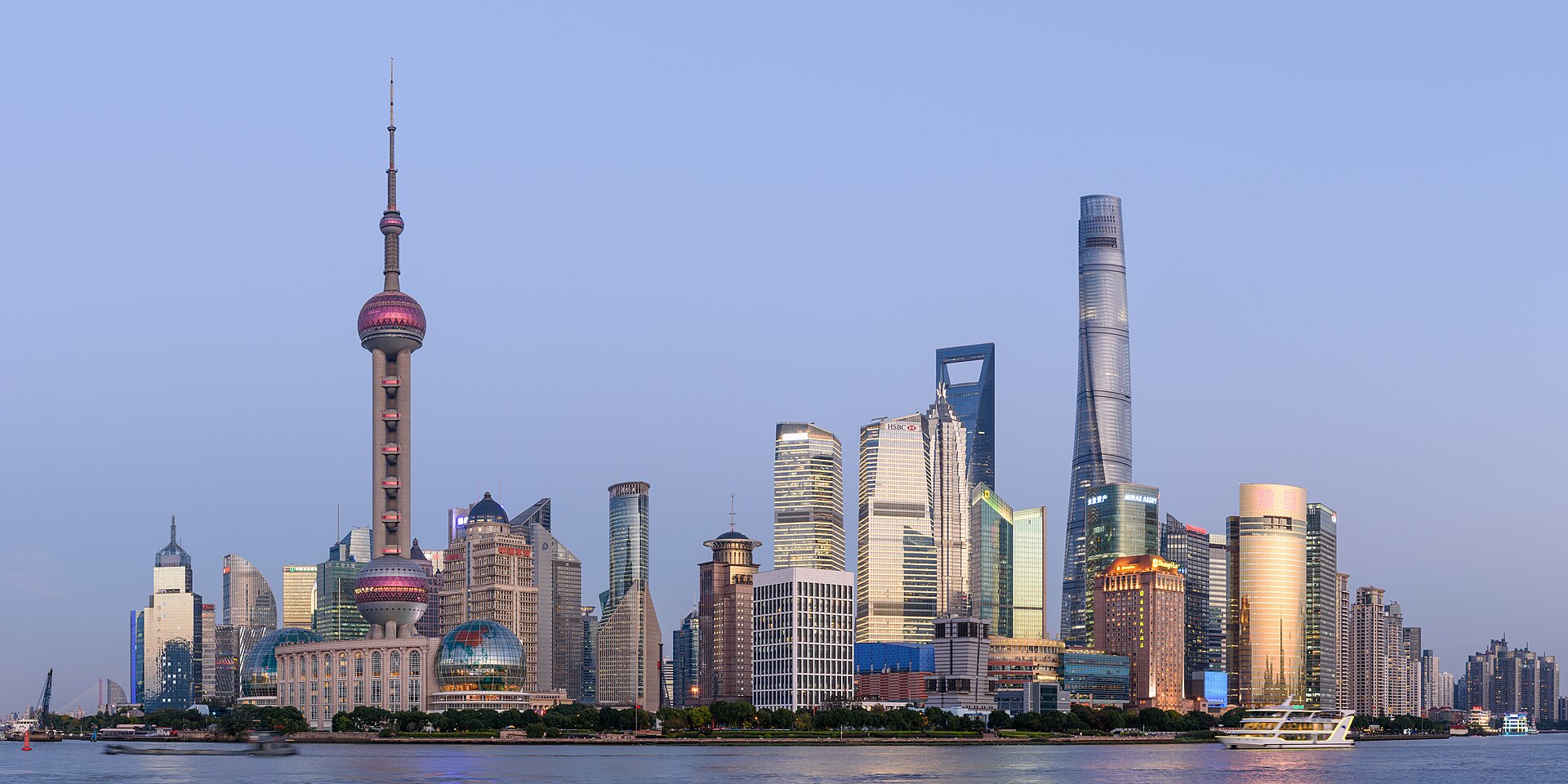
Photograph · King of Hearts · CC BY-SA 4.0
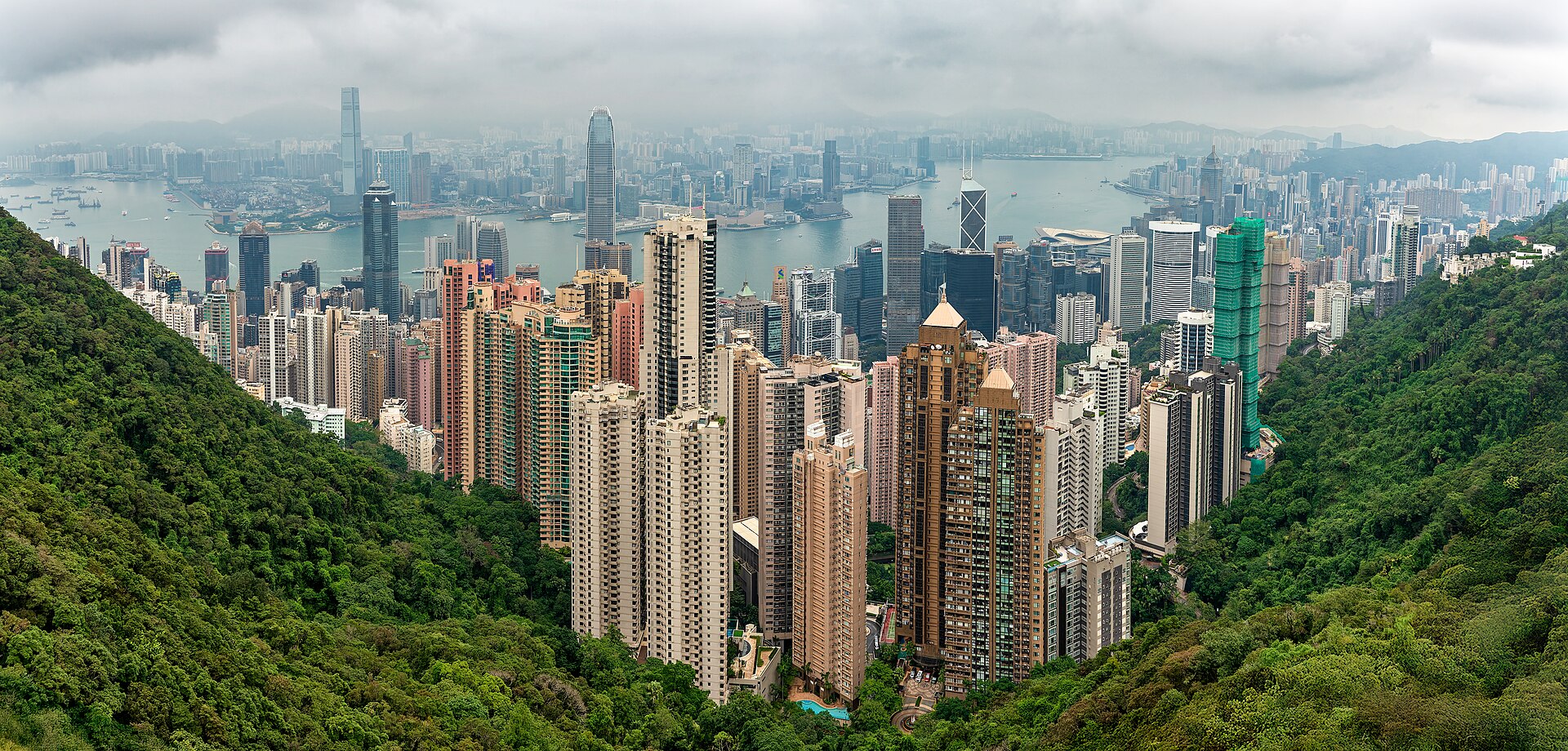
Photograph · Mustang Joe · CC0
Photograph · Charlie fong · CC BY-SA 4.0
Photograph · ScareCriterion12 · CC BY-SA 4.0
Photograph · Charlie fong · CC BY-SA 4.0
Ranked by importance — sitelinks, pageviews and heritage status, not editor preference.
143 places match
Category
Typical visit duration
Interests
上海电影博物馆
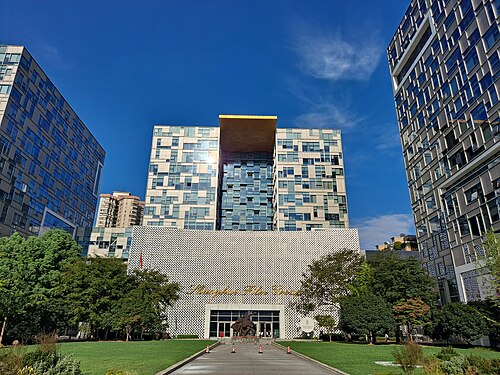
The Shanghai Film Museum is a cultural institution dedicated to the history and art of Chinese cinema, with particular emphasis on Shanghai's foundational role in the nation's film industry.
上海海昌海洋公园
Shanghai Haichang Ocean Park is a major marine-themed amusement park in Shanghai, China. Opened in 2018, it represents a significant tourism investment in the Pudong New Area, near the Dishui Lake region.
上海天文馆
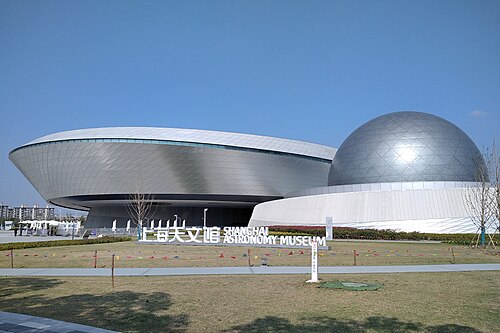
Shanghai Astronomy Museum is a dedicated astronomy and space museum in Shanghai, known locally as 上海天文馆. Its visit combines scientific storytelling with an architectural experience built around astronomical forms.
深圳美术馆
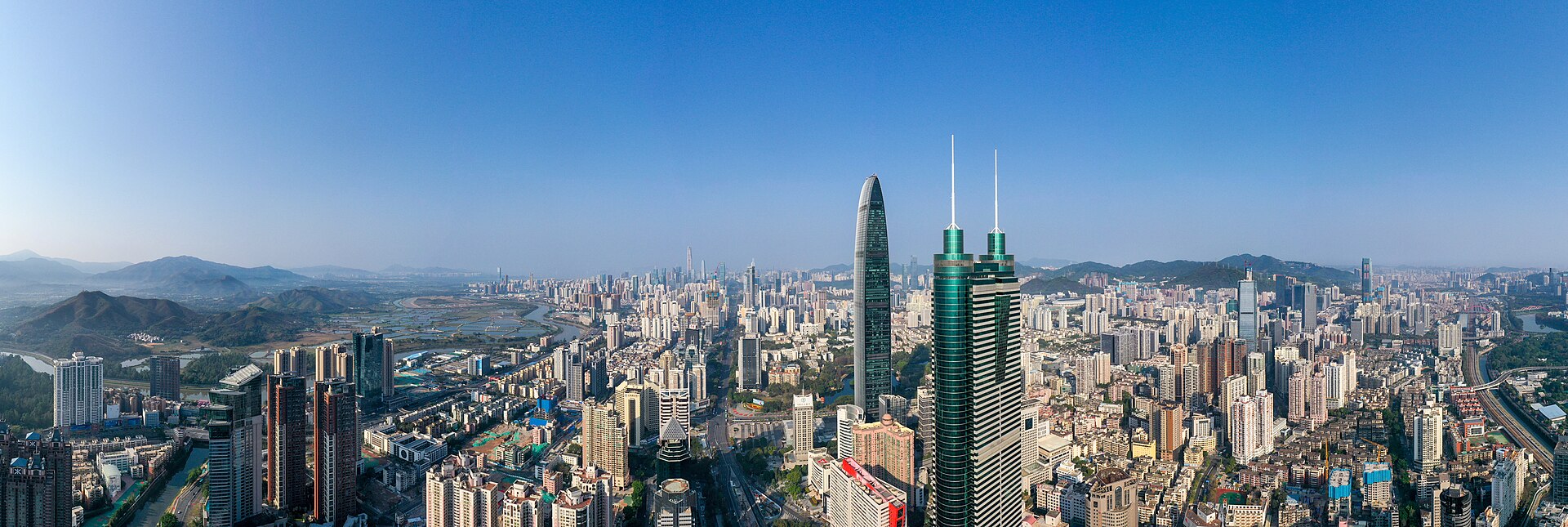
Shenzhen Art Museum, or 深圳美术馆, is a public art institution in Shenzhen, China. It provides exhibition, collection, research and art-promotion functions within a city known for rapid development and expanding cultural investment.
深圳博物馆古代艺术馆
Shenzhen Museum of Ancient Art presents Chinese historical art and archaeological heritage in a museum setting. It offers a quieter, object-focused counterpoint to Shenzhen’s technology districts and contemporary attractions.
深圳古生物博物馆
Shenzhen Paleontology Museum is a natural-history destination devoted to fossils, ancient life, and geological history. Its Chinese name is 深圳古生物博物馆.
深圳科学馆
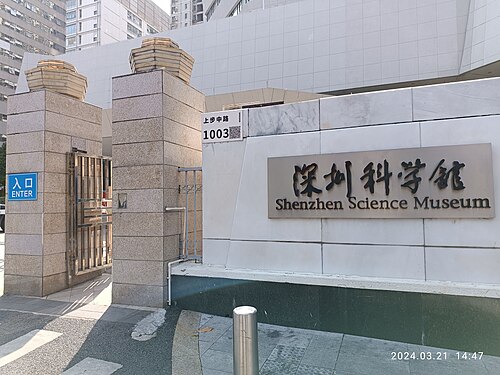
Shenzhen Science Museum, known locally as 深圳科学馆, is a science education venue in Shenzhen. It belongs to the city’s cultural and educational landscape and reflects Shenzhen’s strong connection with technology and scientific learning.
teamLab Borderless Shanghai is an immersive digital art museum created by the Japanese collective teamLab. It opened in 2019 as a permanent Shanghai installation and places visitors inside a changing world of light, sound, movement, and responsive imagery.
北京大运河博物馆
Beijing Grand Canal Museum introduces the Grand Canal of China, the immense waterway linking northern and southern parts of the country. The museum gives travellers a cultural way to understand the canal’s engineering, transport and historical importance.
西岸艺术中心
West Bund Art Center is a contemporary exhibition venue on Shanghai’s Huangpu River waterfront in Xuhui District. Its setting reflects the West Bund’s change from an industrial riverside area into a cultural quarter.
西安事变纪念馆
Xi'an Incident Memorial Hall commemorates the 1936 Xi'an Incident, a turning point in modern Chinese history. Nationalist general Zhang Xueliang detained Chiang Kai-shek and pressed for cooperation with the Communists against Japanese invasion.
西安博物院
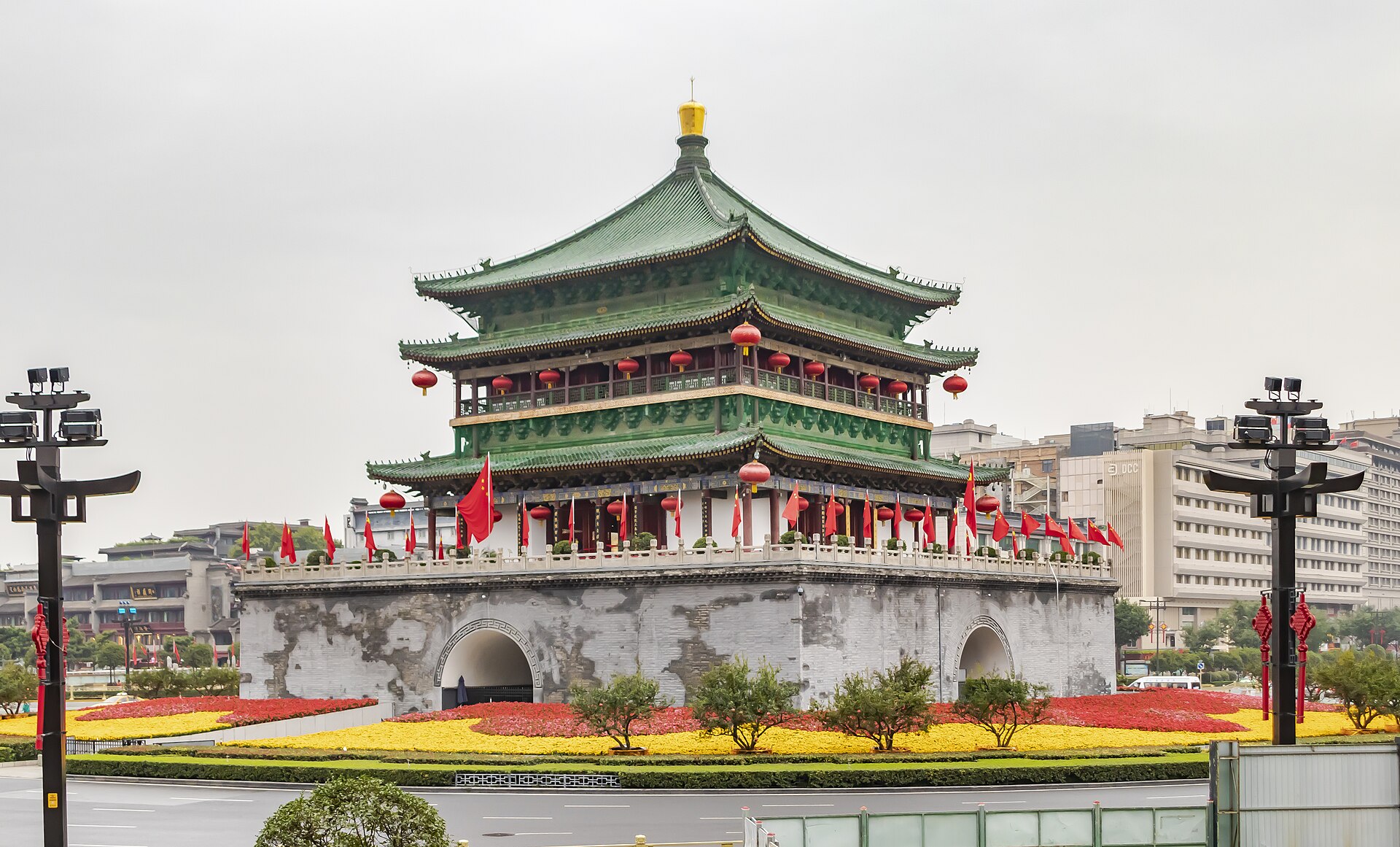
Xi'an Museum is a cultural institution in Xi'an, Shaanxi Province, China, located near the Small Wild Goose Pagoda in the Beilin District. The museum complex integrates the historic pagoda, ancient architectural structures, and modern exhibition facilities.
西安曲江艺术博物馆
The Xi'an Qujiang Museum of Fine Arts is a cultural institution in Xi'an, Shaanxi Province, China. Located in the Qujiang New District area, it forms part of the city's expanding cultural infrastructure.
徐悲鸿纪念馆
Xu Beihong Memorial Museum is a Beijing museum devoted to Xu Beihong, the modern Chinese artist celebrated especially for paintings of horses.
南京博物院
The Nanjing Museum is a provincial public museum in Nanjing, Jiangsu, owned by the Jiangsu Provincial People's Government and operated by the Jiangsu Provincial Department of Culture and Tourism.
苏州博物馆
The Suzhou Museum is a museum of ancient Chinese art, painting, calligraphy and handmade crafts in Suzhou, Jiangsu, and one of the most visited museums in the world, with more than 2 million visitors in 2018.
苏州丝绸博物馆
The Suzhou Silk Museum is a museum in Suzhou, established in 1991, that documents the history of silk production and Suzhou embroidery from around 2000 BC.
The Jiaye Library (Jiayetang) stands west of Wangu Bridge beside the Zhegu Creek in Nanxun town, Nanxun District, Huzhou, Zhejiang, directly west of the Lesser Lotus Manor.
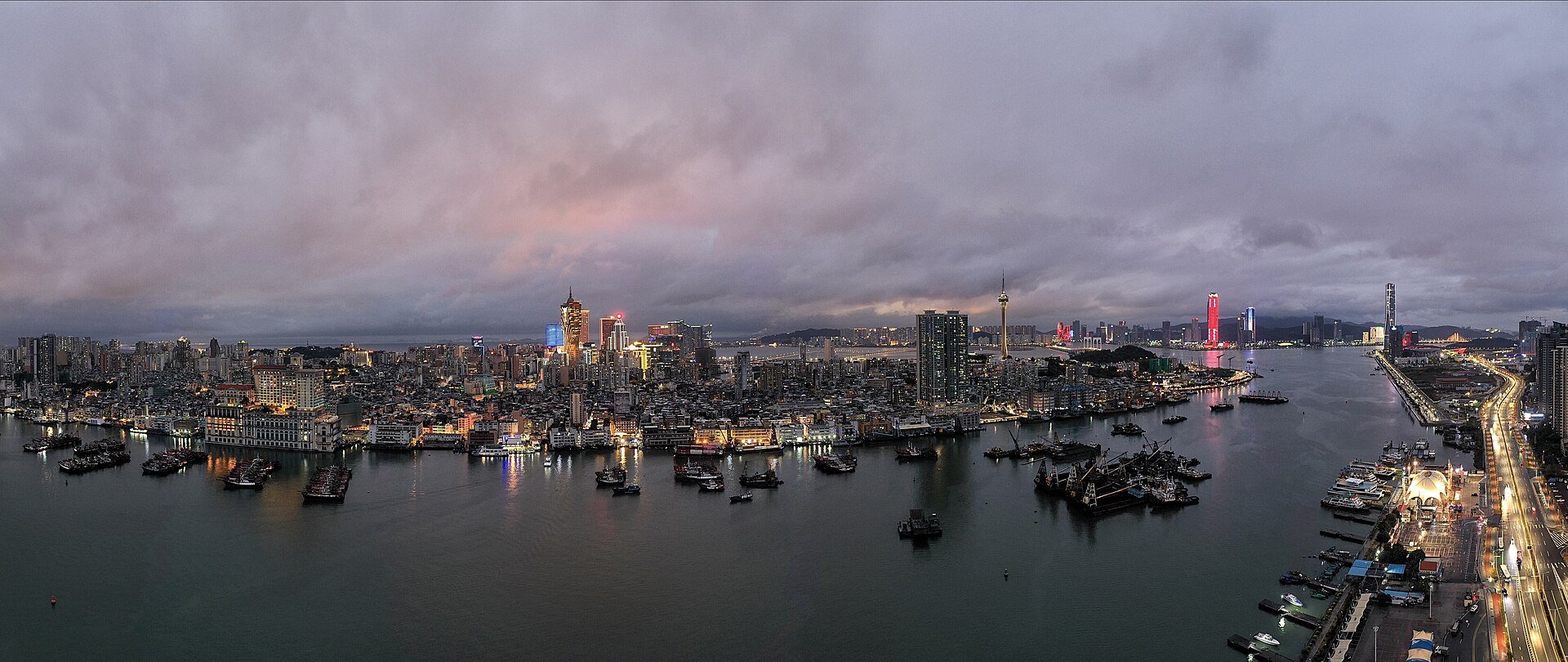
Twelve to eighteen days can link Beijing, Xi'an, and Shanghai by high-speed rail, with Shenzhen as a southern extension. Hong Kong and Macao need separate border planning and should not be treated as ordinary domestic stops on the same timetable.
Entry rules differ between mainland China, Hong Kong, and Macao, even within one journey. Check the official immigration authority for every border segment and match the permission to the passport, purpose, and exact itinerary.
High-speed rail and domestic flights cover mainland distances, while metros handle most urban journeys. Hong Kong uses Octopus and separate border controls, and Macao has its own formalities, so prepare payment and identity requirements for each jurisdiction.
April to May and September to October are only broad mainland planning windows. Beijing, Shanghai, the south, Hong Kong, and Macao have different heat, rain, and holiday pressures; the least flexible regional leg should set the dates.
Mainland China uses renminbi (CNY), while Hong Kong and Macao use HKD and MOP. Payment systems and card acceptance differ across those jurisdictions, so prepare the appropriate local method before crossing each border.
On the mainland, save 110 for police and 120 for medical help; Hong Kong and Macao use separate emergency systems. Mainland electricity is recorded as 220 V with Type A, C, and I sockets, while tap-water guidance is not recorded.