
.jpg)
32
30 min
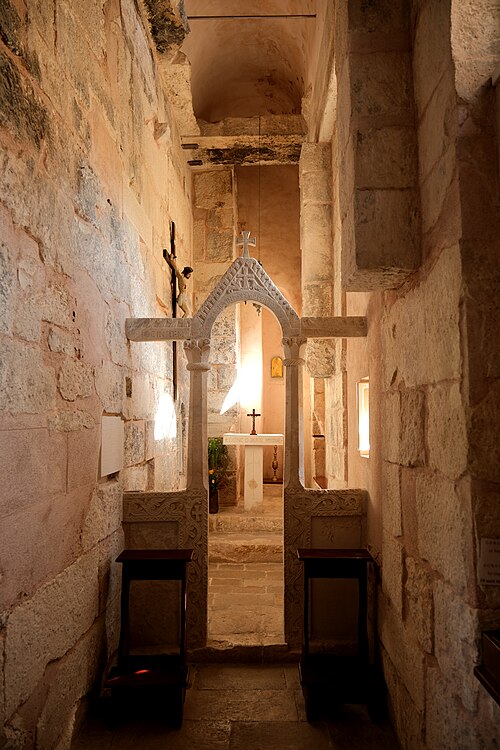
Church of Saint Martin
Crkva svetog Martina
Church of Saint Martin, or Crkva svetog Martina, is a small church within Diocletian's Palace in Split.
- Must see
- Place of worship
- Split
Country guide
Croatia meets the Adriatic in two parts that barely resemble each other: an inland north around Zagreb, the capital and the main cultural and economic centre, a...
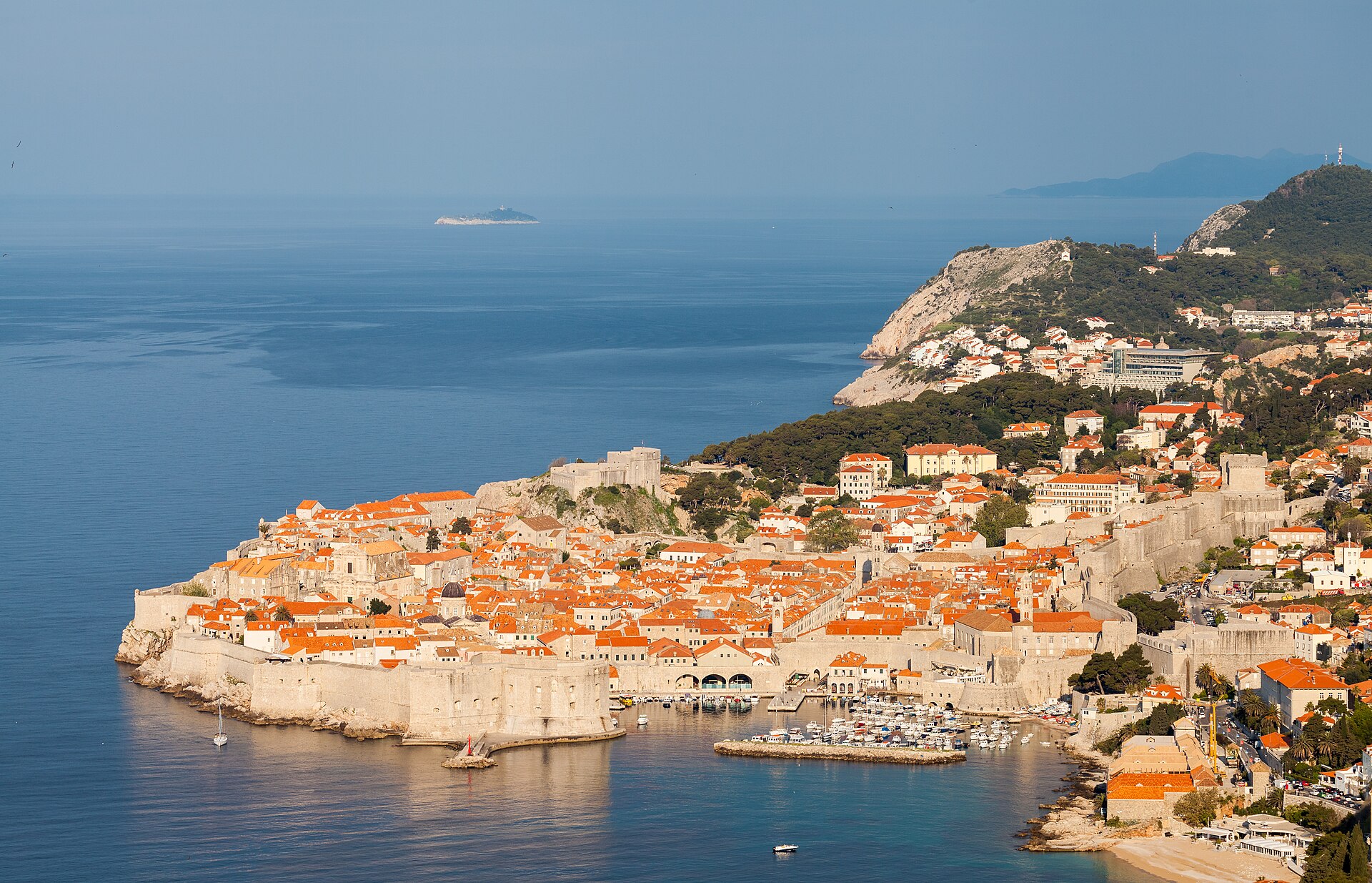
Photograph · Diego Delso · CC BY-SA 3.0
Reviewed by Elena Voss · Roavina Travel Editor
Croatia meets the Adriatic in two parts that barely resemble each other: an inland north around Zagreb, the capital and the main cultural and economic centre, and a coast whose archipelago carries over 1,000 islands and islets.
The whole country is 56,594 square kilometres, divided into twenty counties across four administrative regions, with a population of nearly 3.9 million as of 2026. Split, Rijeka and Osijek are the other cities of any size — the first two on the water, the last inland in the east. Slovenia, Hungary, Serbia, Bosnia and Herzegovina and Montenegro all border it by land, Italy only by sea.
Checked 2026-08-25
Every city catalogued in this country so far, ranked by how much there is to see.
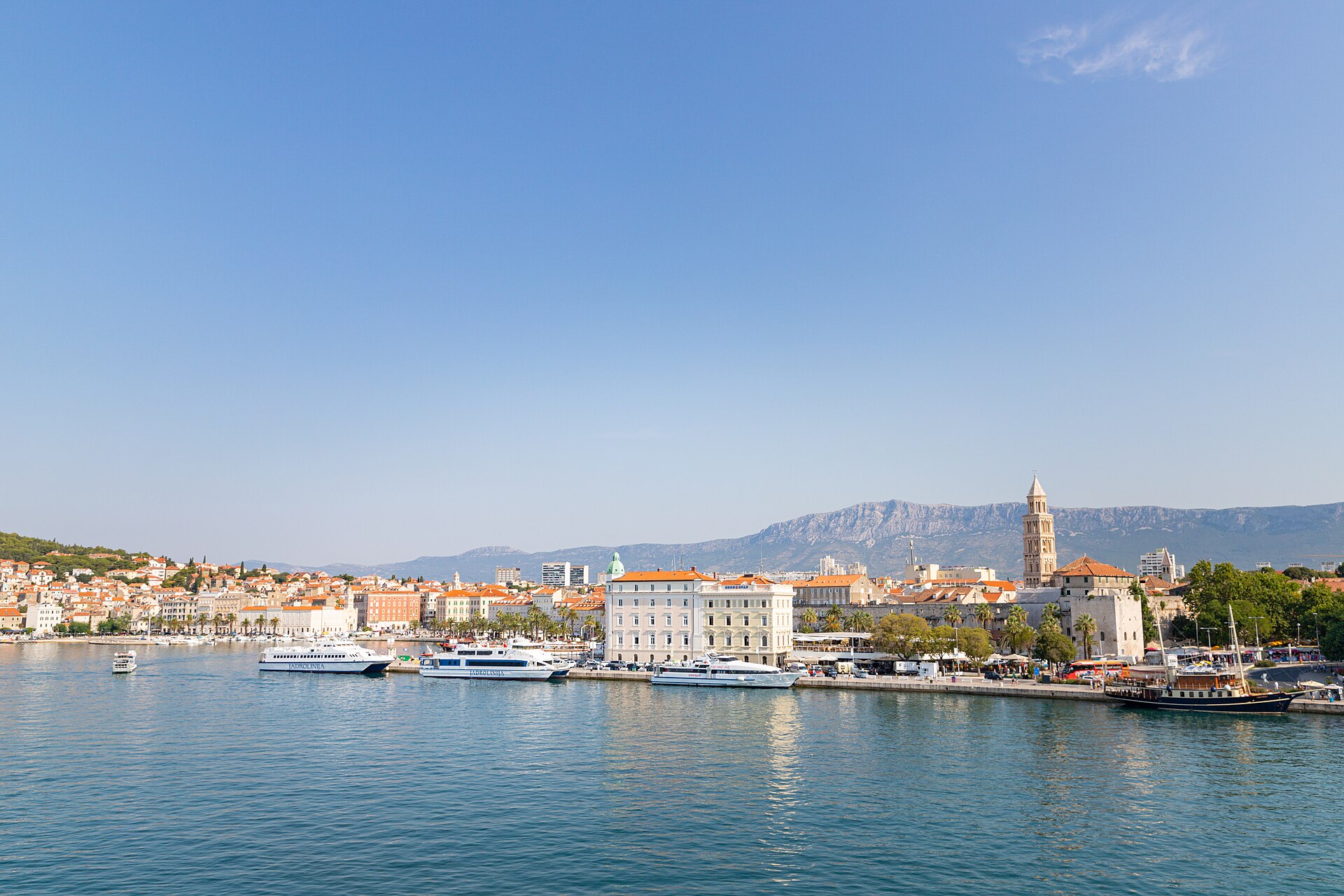
Photograph · dronepicr · CC BY 2.0
Ranked by importance — sitelinks, pageviews and heritage status, not editor preference.
58 places match
Category
Typical visit duration
Interests
Crkva svetog Martina
Church of Saint Martin, or Crkva svetog Martina, is a small church within Diocletian's Palace in Split.

Vrh Telegrin
Telegrin Peak, or Vrh Telegrin, is an elevated natural viewpoint in the Split area. The peak belongs to the hilly landscape above the city and offers a different perspective from the streets, palace courtyards, and waterfront promenade below.
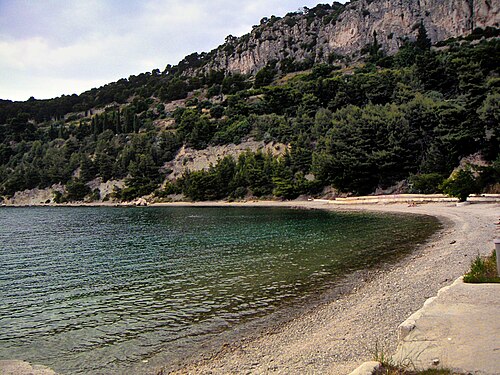
Kašjuni
Kasjuni Beach, locally called Plaža Kašjuni, is a pebble beach on the southern side of Marjan Hill, west of Split’s historic centre. Pine-covered slopes frame the bay, creating a greener and quieter setting than the central waterfront.
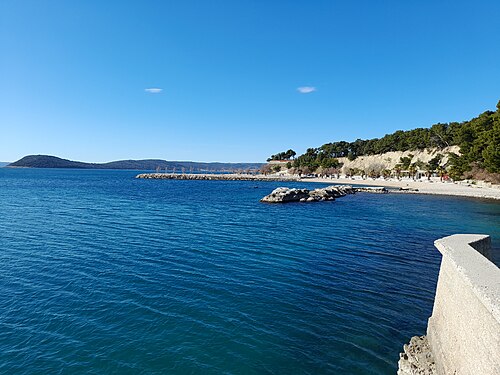
Plaža Ježinac
Jezinac Beach, locally known as Plaža Ježinac, is a coastal bathing area in Split along the Adriatic shore. It belongs to the city’s network of seaside spaces and offers a straightforward setting for swimming, sunbathing and a short coastal break.

Firule
Firule Beach, locally called Plaža Firule, is a coastal beach in Split on the eastern side of the peninsula. It lies between the city centre and the Bačvice area, making it an easy seaside addition to an urban day.
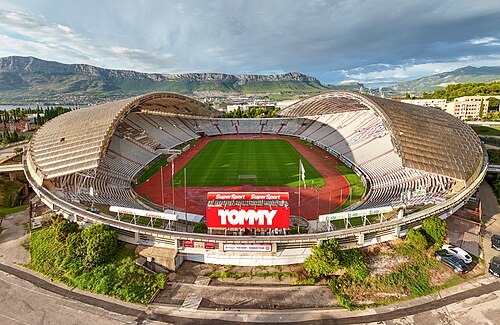
Stadion Poljud
Poljud Stadium, known locally as Stadion Poljud, is a multi-purpose sports venue located in Split, Croatia. It serves as the home ground of HNK Hajduk Split, one of the country's most storied football clubs.

Spaladium Arena is a large indoor sports and entertainment venue located in Split, Croatia. The arena opened as a multi-purpose facility designed to host basketball, handball, concerts, and other major events.
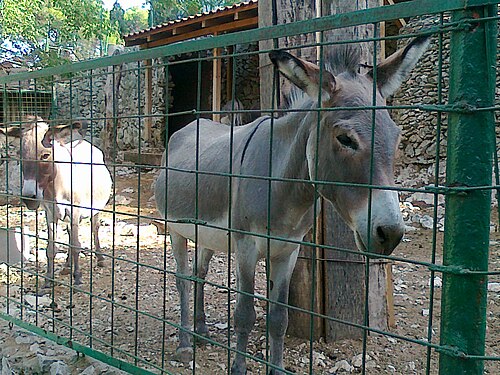
Prirodoslovni muzej i zoološki vrt Split
Split Science Museum and Zoo, locally called Prirodoslovni muzej i zoološki vrt Split, combines natural-science interpretation with a zoological setting. The attraction broadens a Split itinerary beyond Diocletian’s Palace, the waterfront, and the city’s Roman heritage.
Froggyland is a compact museum in Split devoted to taxidermied frogs arranged in human scenes. The attraction offers an unusual alternative to the city’s Roman monuments, waterfront views, and church interiors.
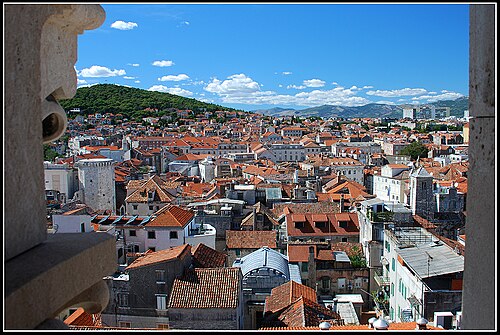
Game of Thrones Museum Split is a themed attraction devoted to the HBO series and its filming connections with Croatia. Split is closely associated with the production because Diocletian’s Palace and nearby locations provided settings for scenes in the series.
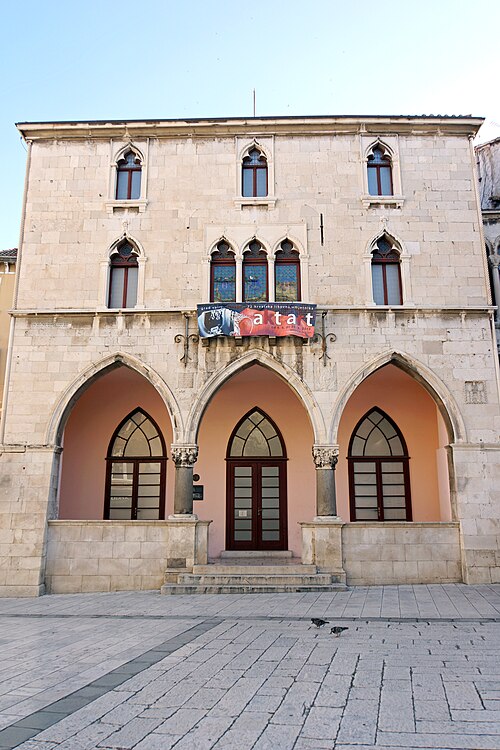
Stara gradska vijećnica
Old City Hall is a historic civic building in Split’s old town. Its administrative purpose connects it with the city’s civic heritage, while its setting places it within the layered historic centre.
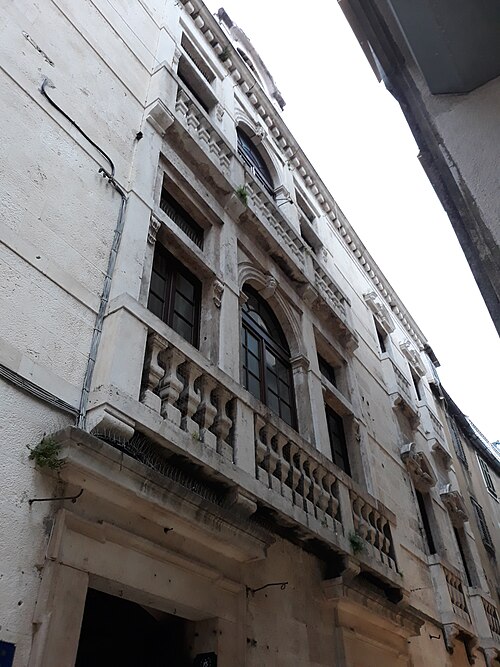
Palača Cindro
Cindro Palace is a historic residence within Split’s Diocletian’s Palace complex. The palace is associated with the Cindro family, a prominent noble family in Split, and represents the later residential layers built into and around the ancient Roman structure.
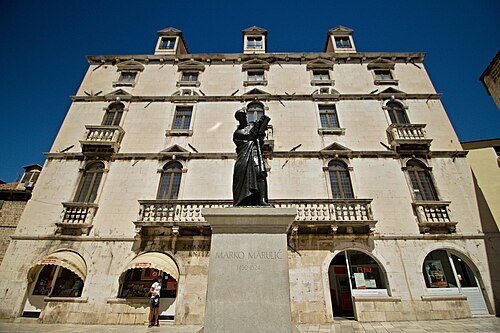
Palača Milesi
Milesi Palace, known locally as Palača Milesi, is a historic palace within Split’s UNESCO-listed Diocletian’s Palace complex.
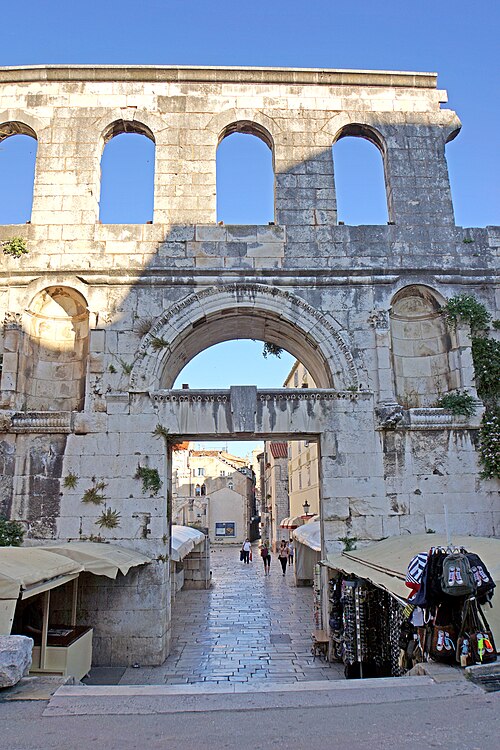
Srebrena vrata
Srebrna vrata, or the Eastern Gate, stands among the four principal Roman gates of Diocletian's Palace in Split, Croatia.
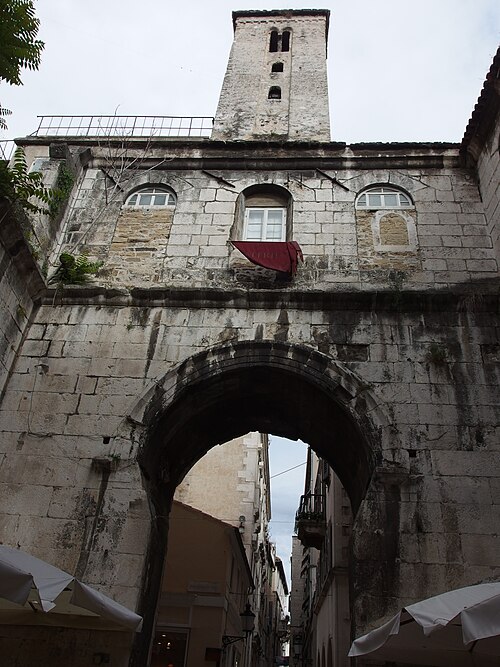
Željezna vrata
Iron Gate, locally Željezna vrata, stands among Split's retained visitor places within the historic core. This ancient passage forms part of the palace structure attributed to Roman emperor Diocletian, whose retirement complex fundamentally shaped the city's development.
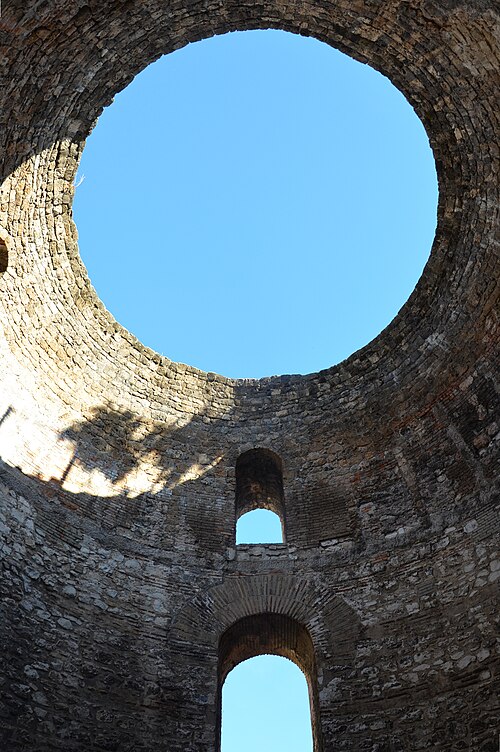
Vestibul
The Vestibule, or Vestibul, is a grand domed hall that once served as the formal entrance to the imperial residential quarters of Diocletian's Palace in Split, Croatia.
Let Me Pass Street, locally called Pusti me proć, is a remarkably narrow pedestrian passage in Split’s historic centre.
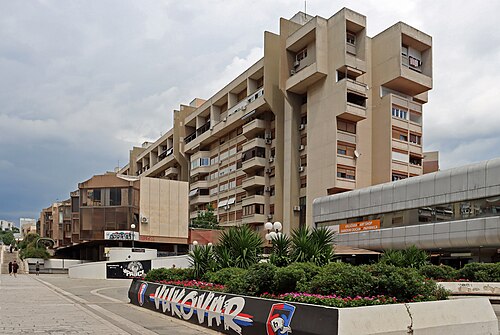
Split 3
Split 3 is a large modernist residential district in the eastern part of Split, Croatia. Built primarily during the Yugoslav era, it represents one of the most significant examples of post-war urban planning in the region.
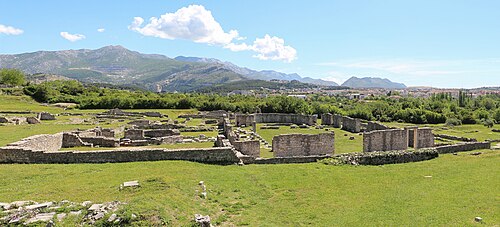
Salona
Solin and Salona Archaeological Park preserves the extensive remains of Salona, an ancient Roman city that served as the capital of Dalmatia. Located near modern Split, this site represents one of the most significant archaeological complexes in Croatia.
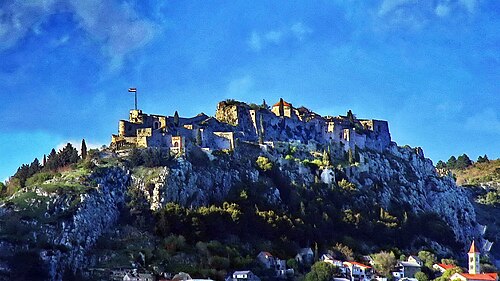
Tvrđava Klis
Klis Fortress is a medieval stronghold perched on a rocky pass northeast of Split, Croatia. The local name is Tvrđava Klis.
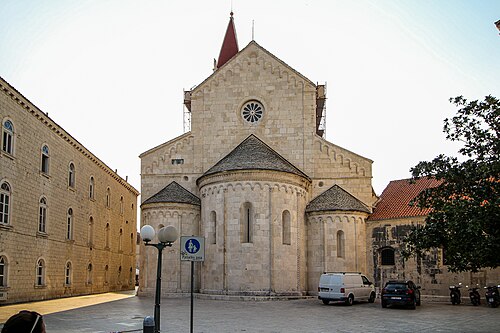
Katedrala svetog Lovre
Trogir Cathedral, locally Katedrala svetog Lovre, stands in the historic core of Trogir, a UNESCO-listed island town near Split. The cathedral represents a significant monument of Croatian sacred architecture, constructed across multiple centuries with Romanesque foundations and later Gothic additions.
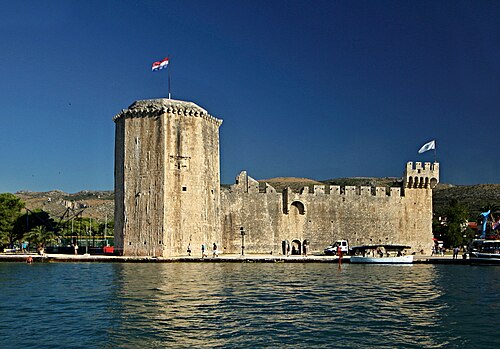
Kula Kamerlengo
Kamerlengo Castle, known locally as Kula Kamerlengo, stands as a medieval fortress within the historic core of Split, Croatia.

Mosor
Mosor Mountain rises behind Split as a limestone massif within the Dinaric Alps. The range separates the coastal city from the Zagora hinterland, creating a dramatic backdrop visible from the Riva waterfront.
Galerija Emanuela Vidovića
Emanuel Vidović Gallery, or Galerija Emanuela Vidovića, is a Split art gallery dedicated to the Croatian painter Emanuel Vidović.
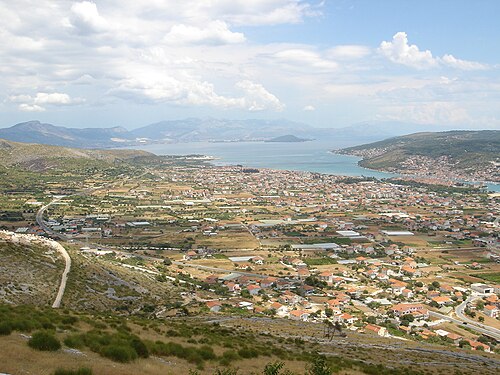
Kaštelanski zaljev
Kastela Bay is a coastal inlet on the Adriatic Sea, situated between the city of Split and Trogir in central Dalmatia, Croatia.
Seven to ten days can pair Zagreb with one Adriatic region or focus on Split, nearby islands and one inland park. Dubrovnik, Istria and central Dalmatia are separate bases; ferry waits make a rapid checklist of coastal towns less efficient than it looks.
Croatia belongs to the Schengen Area, while document and visa requirements still depend on nationality. Consult the Croatian foreign ministry before travel and check the passport used for every border leg, particularly when the route crosses non-Schengen neighbours.
Zagreb, Split and Dubrovnik are common gateways. Coaches and cars are central to coastal travel, trains are more useful inland, and ferries follow seasonal schedules; confirm whether the selected sailing carries vehicles and reserve constrained summer departures.
May, June and September combine warm coastal conditions with less pressure than peak summer for many routes. Island ferries and accommodation are more seasonal outside that window, while inland weather differs, so verify the exact transport dates before building an island sequence.
Croatia uses the euro. Cards are common in cities and resorts, but cash can still help at markets, small island businesses and local services; check whether a ferry, parking machine or accommodation deposit accepts the chosen payment method.
Call 112 for emergencies; Croatia uses Type C and F electricity at 230 V. Treated public tap water is recorded as safe, though local notices remain authoritative, and coastal itineraries should keep current ferry, heat and wildfire information available.