
07
1 hr 30 min
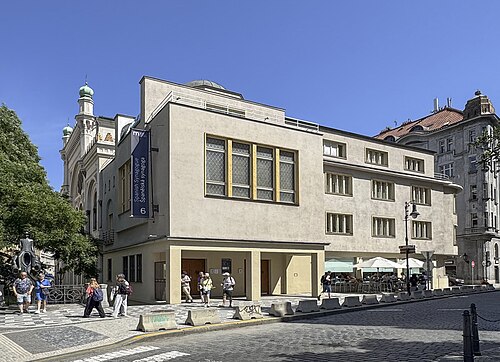
Jewish Museum in Prague
Židovské muzeum
The Jewish Museum in Prague is a significant cultural institution preserving Jewish heritage in the Czech Republic.
- Must see
- Museum
City guide · Czechia
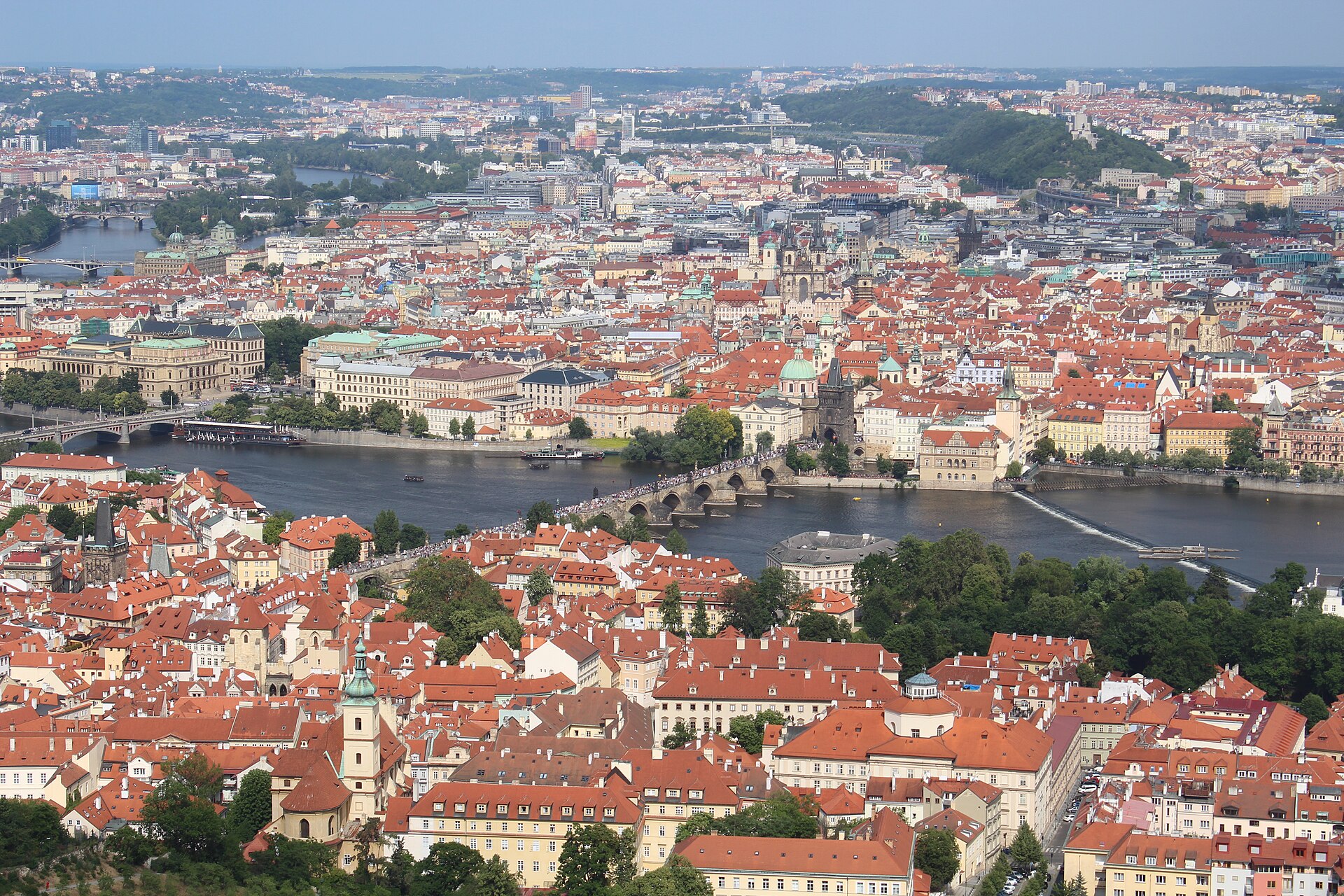
Prague is Czechia's capital, built on both banks of the Vltava. Its historic visitor core links Old Town and New Town on the east bank with Malá Strana and Prag...
Photograph · Deror_avi · CC BY-SA 4.0
Set your days, your pace and the hours you actually want to be out. The planner works around closing days and travel time, and leaves room to eat.
Reviewed by Elena Voss · Roavina Travel Editor
Prague is Czechia's capital, built on both banks of the Vltava. Its historic visitor core links Old Town and New Town on the east bank with Malá Strana and Prague Castle on the west through a sequence of squares, bridges and steep streets. The preserved centre carries medieval, Renaissance, Baroque and later architecture in close succession, while districts such as Holešovice, Karlín and Žižkov reveal the industrial and residential city beyond the postcard core. Most first visits combine walking in the centre with public transport to outer districts.
Checked 2026-08-26
September · September balances a 19.9°C daily maximum and 10.5°C minimum in Prague, with 34.5 mm precipitation.
Ranked by importance — sitelinks, pageviews and heritage status, not editor preference.
61 places match
Category
Typical visit duration
Interests
Židovské muzeum
The Jewish Museum in Prague is a significant cultural institution preserving Jewish heritage in the Czech Republic.
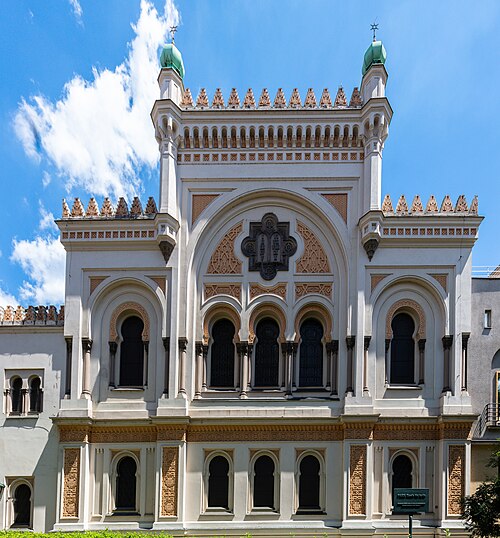
Španělská synagoga
The Spanish Synagogue is a historic synagogue in Prague, Czech Republic. It stands in the Jewish Quarter, known as Josefov, and forms part of the city's significant Jewish heritage sites.
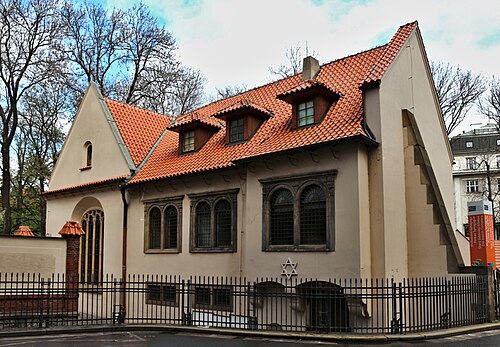
Pinkasova synagoga
Pinkas Synagogue is a historic Jewish synagogue in Prague’s Josefov district and part of the Jewish Museum in Prague complex. The building dates from the late fifteenth century and combines late Gothic and early Renaissance features.
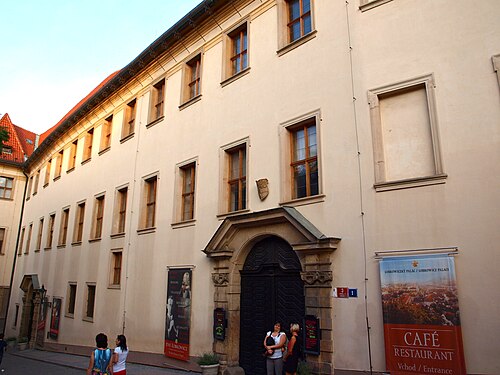
Lobkovický palác
Lobkowicz Palace is a significant Baroque palace in Prague, situated within the Prague Castle complex on Hradčany hill. It serves as the only privately owned building in the castle grounds, held by the Lobkowicz noble family.
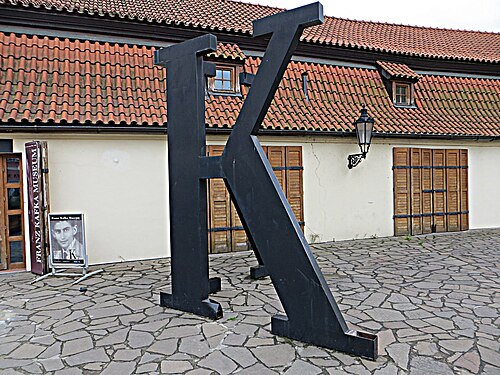
Kafka Museum
The Franz Kafka Museum explores the life and writing of Franz Kafka, the Prague-born author whose work is closely tied to the city.
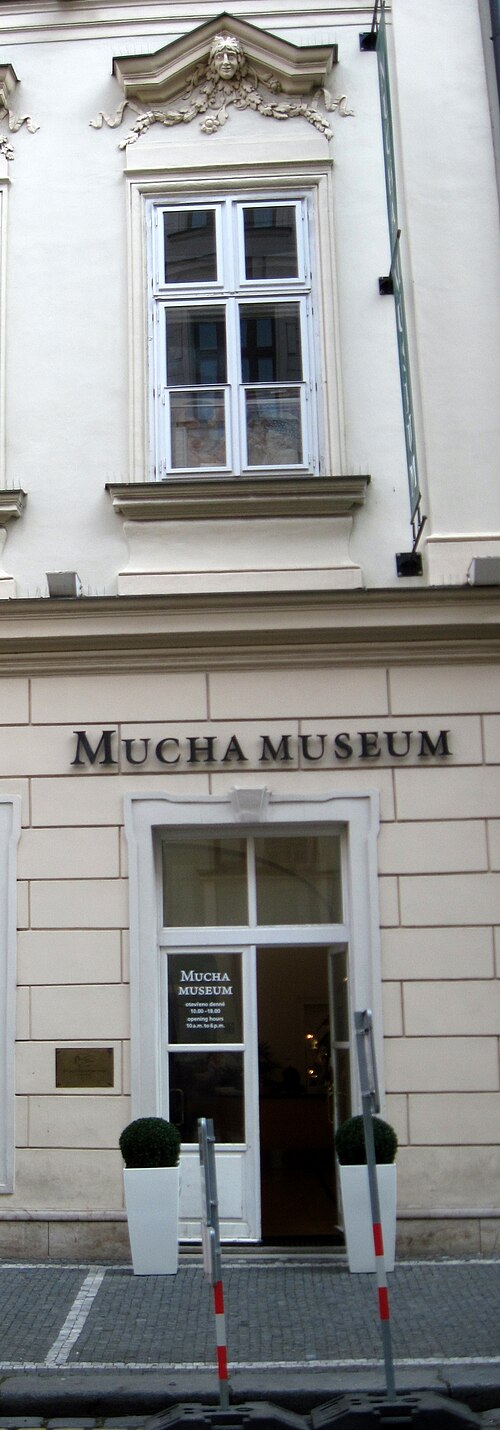
Mucha museum
The Mucha Museum is devoted to Alphonse Mucha, the Czech painter and decorative artist associated with Prague’s Art Nouveau style. In the city centre, it introduces the artist through his theatrical posters, decorative designs and personal world.
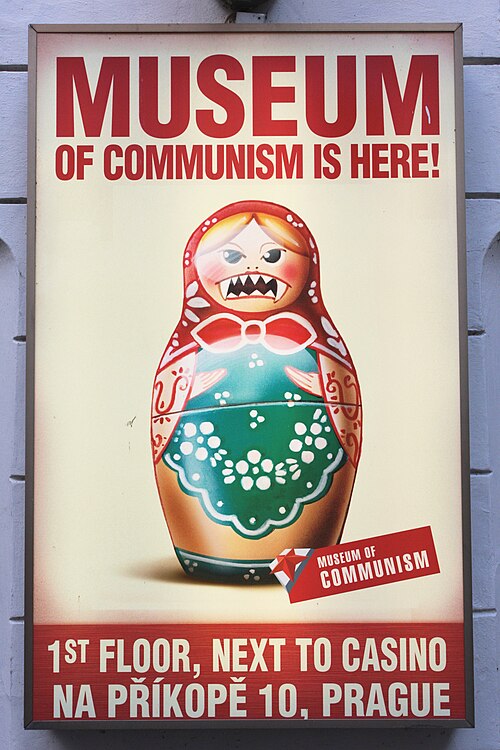
Muzeum komunismu
Museum of Communism presents Czechoslovak life under communist rule from 1948 to 1989. The Prague museum places political history alongside the routines of ordinary life, helping visitors understand how ideology shaped work, education, shopping, media and personal choices.
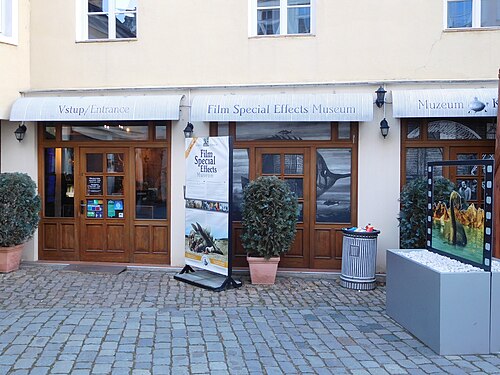
Muzeum Karla Zemana
Karel Zeman Museum celebrates the Czech director and special-effects artist whose films created fantastical worlds with practical techniques, models, props and carefully staged photography.
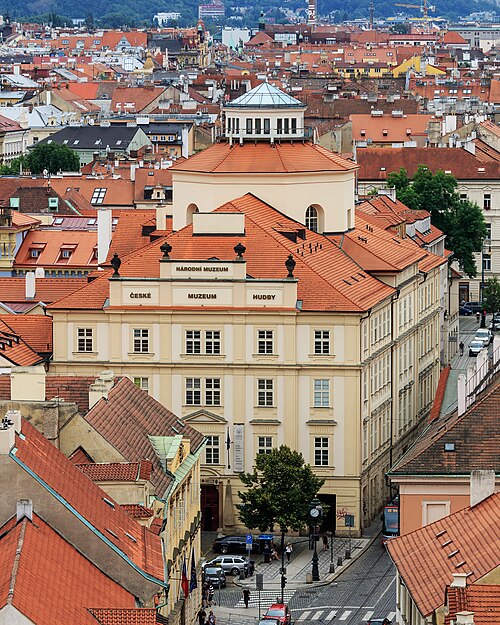
České muzeum hudby
The Czech Museum of Music is a museum in Prague dedicated to the history and development of music in the Czech lands. It is part of the National Museum network of institutions.
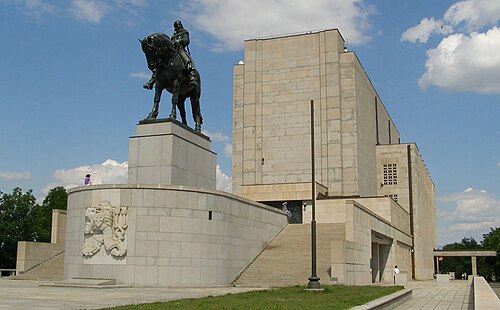
Národní památník na Vítkově
The National Monument in Vitkov is a monumental memorial complex located on Vitkov Hill in Prague. It was constructed to commemorate the founding of Czechoslovakia and honors the legionnaires who fought for independence.
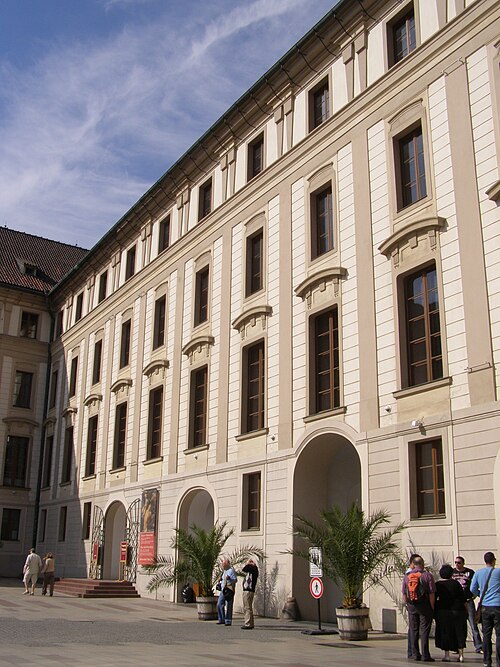
Obrazárna Pražského hradu
Prague Castle Picture Gallery is an art museum located within the Prague Castle complex, the historic seat of Czech kings, emperors and presidents.
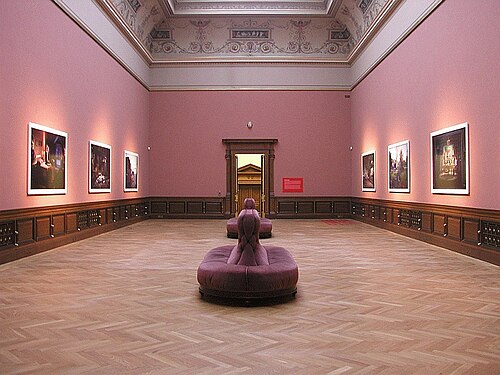
Galerie Rudolfinum is a contemporary art gallery inside Prague’s historic Rudolfinum on the Vltava riverside. The neo-Renaissance building is also home to the Dvořák Hall, where the Czech Philharmonic performs.
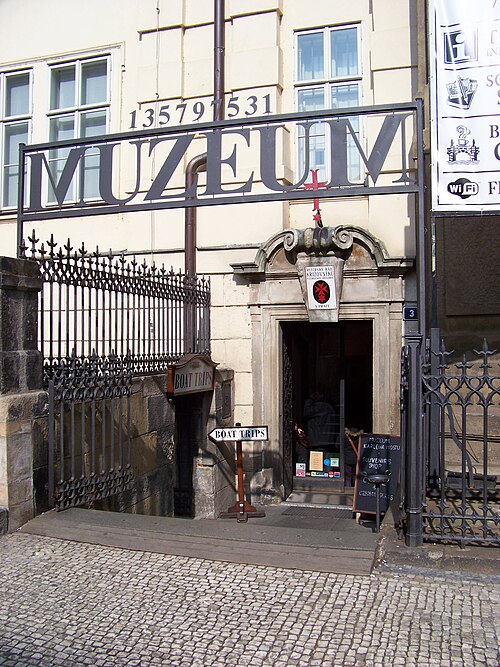
Muzeum Karlova mostu
The Charles Bridge Museum, known locally as Muzeum Karlova mostu, is a specialized museum near Prague’s famous medieval bridge. Its subject is Charles Bridge itself: its construction, historical setting, and continuing importance to the city.
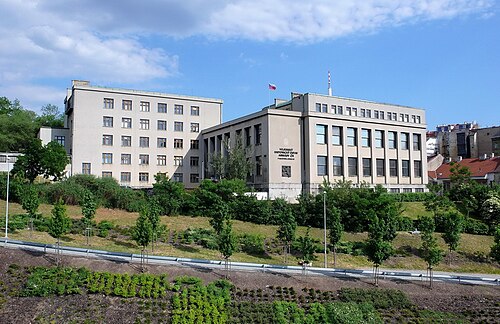
Armádní muzeum Žižkov
Armádní muzeum Žižkov is a military museum located in the Žižkov district of Prague. It operates as a branch of the Military History Institute Prague and occupies a distinctive purpose-built structure.

Náprstkovo muzeum
Náprstek Museum is a Prague museum devoted to Asian, African, and American cultures. It occupies a historic building on Bethlehem Square in the Old Town and forms part of the National Museum system.
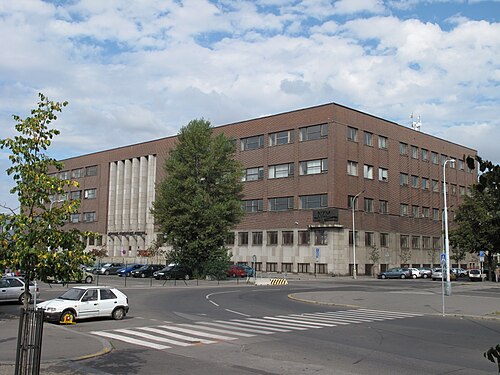
Národní zemědělské muzeum
The National Museum of Agriculture in Prague explores farming, forestry, fishing, food production, and rural life in the Czech lands. It presents agriculture as both practical work and a force that shaped landscapes, communities, technology, and the national economy.
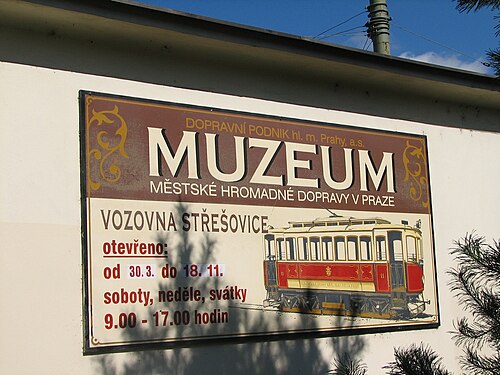
Muzeum městské hromadné dopravy v Praze
The Public Transport Museum in Prague, known locally as Muzeum městské hromadné dopravy v Praze, presents the history of the city’s municipal transport network.
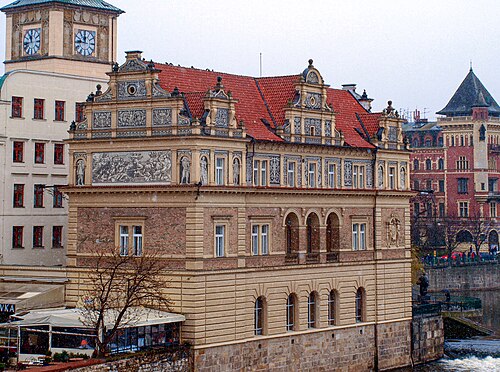
Muzeum Bedřicha Smetany
The Bedřich Smetana Museum is a museum in Prague dedicated to the life and work of Bedřich Smetana, the celebrated Czech composer. It is housed in a distinctive building on the right bank of the Vltava River, near Charles Bridge.
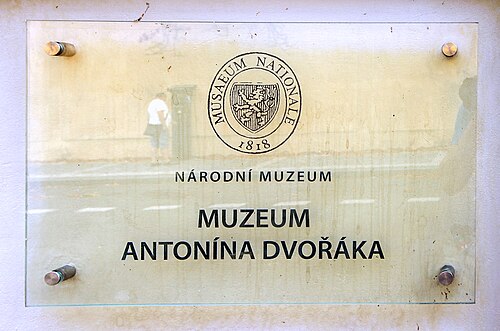
Muzeum Antonína Dvořáka
The Antonín Dvořák Museum is a memorial institution in Prague dedicated to the life and work of the celebrated Czech composer Antonín Dvořák. It operates as a specialized branch of the National Museum.
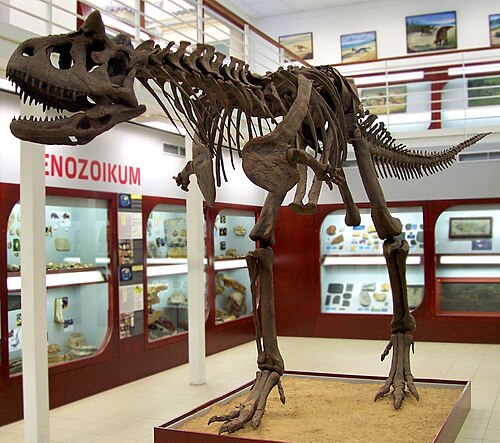
Chlupáčovo muzeum historie Země
Chlupáč Museum, locally called Chlupáčovo muzeum historie Země, is a Prague museum devoted to the history of Earth.
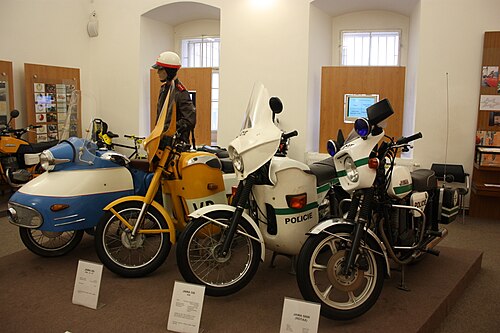
Muzeum Policie ČR
The Czech Police Museum, known locally as Muzeum Policie ČR, is a museum in Prague devoted to the history and development of law enforcement in the Czech Republic.
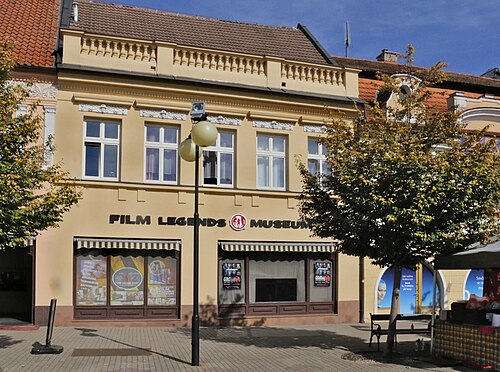
Film Legends Museum Prague
Film Legends Museum Prague is a visitor-relevant point of interest located in Prague, Czech Republic. The museum appears in the production city pool with stored identity and coordinates copied without approximation.
Hrdličkovo muzeum člověka
The Hrdlička Museum of Man is an anthropological museum in Prague, Czech Republic. It bears the name of Aleš Hrdlička, a prominent Czech-American anthropologist. The institution falls under the Charles University Faculty of Science.
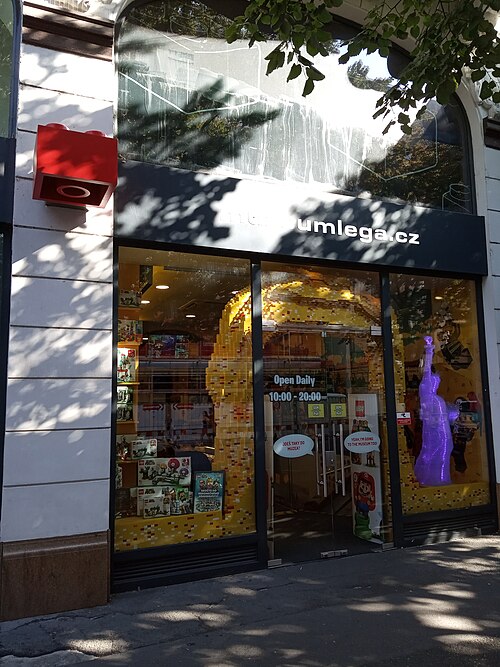
Museum of Bricks Praha
Lego Museum is a Prague stop built around the LEGO brick as a subject in its own right.
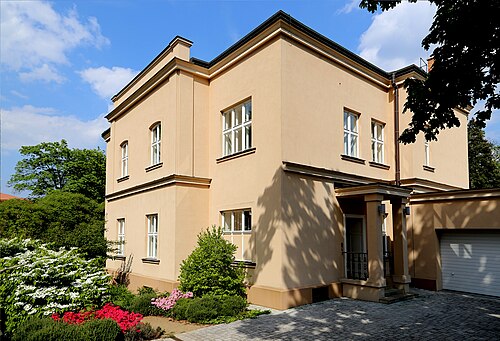
Památník národního písemnictví
The Museum of Czech Literature, known locally as Památník národního písemnictví, preserves and presents the literary heritage of the Czech nation.
The Vltava and the ridge below Prague Castle organise the centre. Old Town Square, the Jewish Quarter and Wenceslas Square sit east of the river; Charles Bridge crosses to Malá Strana, where streets climb toward the castle. New Town wraps around the medieval core rather than forming a separate modern centre. Beyond it, Holešovice lies north, Karlín northeast and Žižkov east of the central station. These outer districts are best treated as individual routes, while Old Town, Charles Bridge and Malá Strana can be joined on foot if steep sections are manageable.
Checked 2026-08-26
Walk through the historic centre and use Prague Integrated Transport for longer or steeper journeys. Metro, trams, buses, trains and ferries operate within the integrated system; the three colour-coded metro lines form its backbone and trams are especially useful across the central districts. Ticket validity is time-based and transfers are allowed within the ticket period. Paper tickets that require validation must be stamped once at the start, not again during transfers. Consult PID or Prague City Tourism for current fares, disruptions and accessibility details.
Checked 2026-08-26
A fixed stay length is not recorded. Divide the visit between Old Town and New Town, the west-bank castle and Malá Strana, then an outer district such as Holešovice, Karlín or Žižkov.
Prague Castle and Malá Strana are on the west bank of the Vltava. Old Town, the Jewish Quarter, New Town and the main railway station are on the east side.
Use the metro for longer cross-city links and trams for many central and hillside routes. Walking remains the best way to connect sights inside the historic core.
Ticket validity is based on time rather than the number of transfers. A paper ticket that requires validation is stamped once at the beginning and not stamped again when changing services.
No. Old Town is comparatively level, but routes through Malá Strana toward Prague Castle climb. Use a tram when steep streets or mobility constraints make the full walk unsuitable.