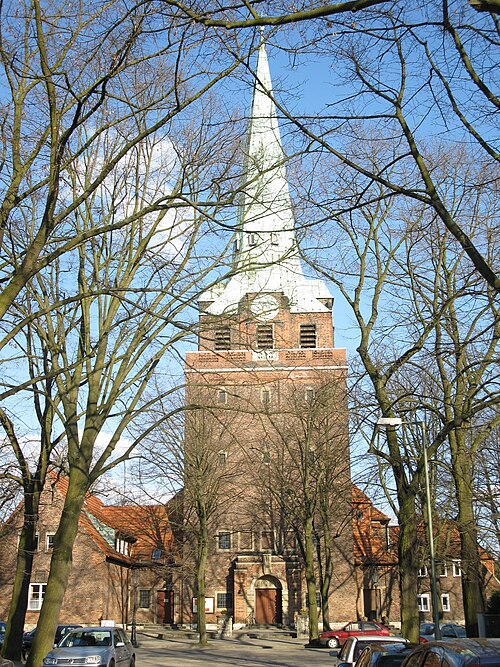
Kirche Zur Frohen Botschaft (Berlin-Karlshorst)
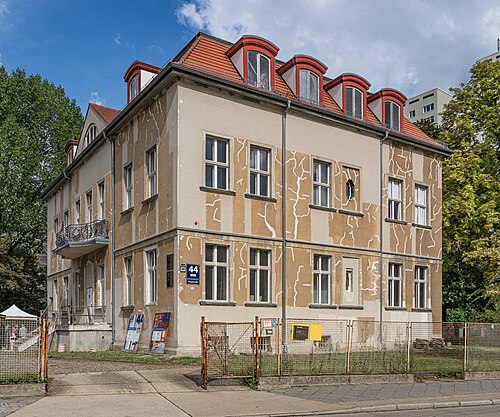
Ev. Kirche Zur frohen Botschaft
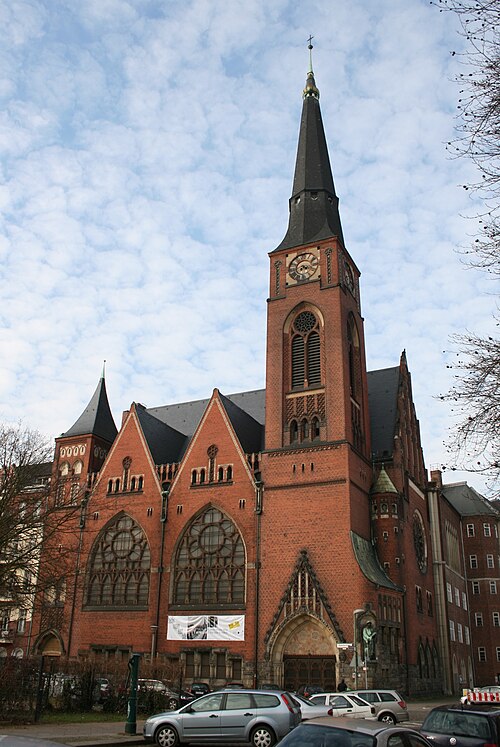
Kirche Zur Frohen Botschaft is an Evangelical Protestant church serving the Karlshorst community in eastern Berlin.
- High
- Place of worship
City guide · Germany
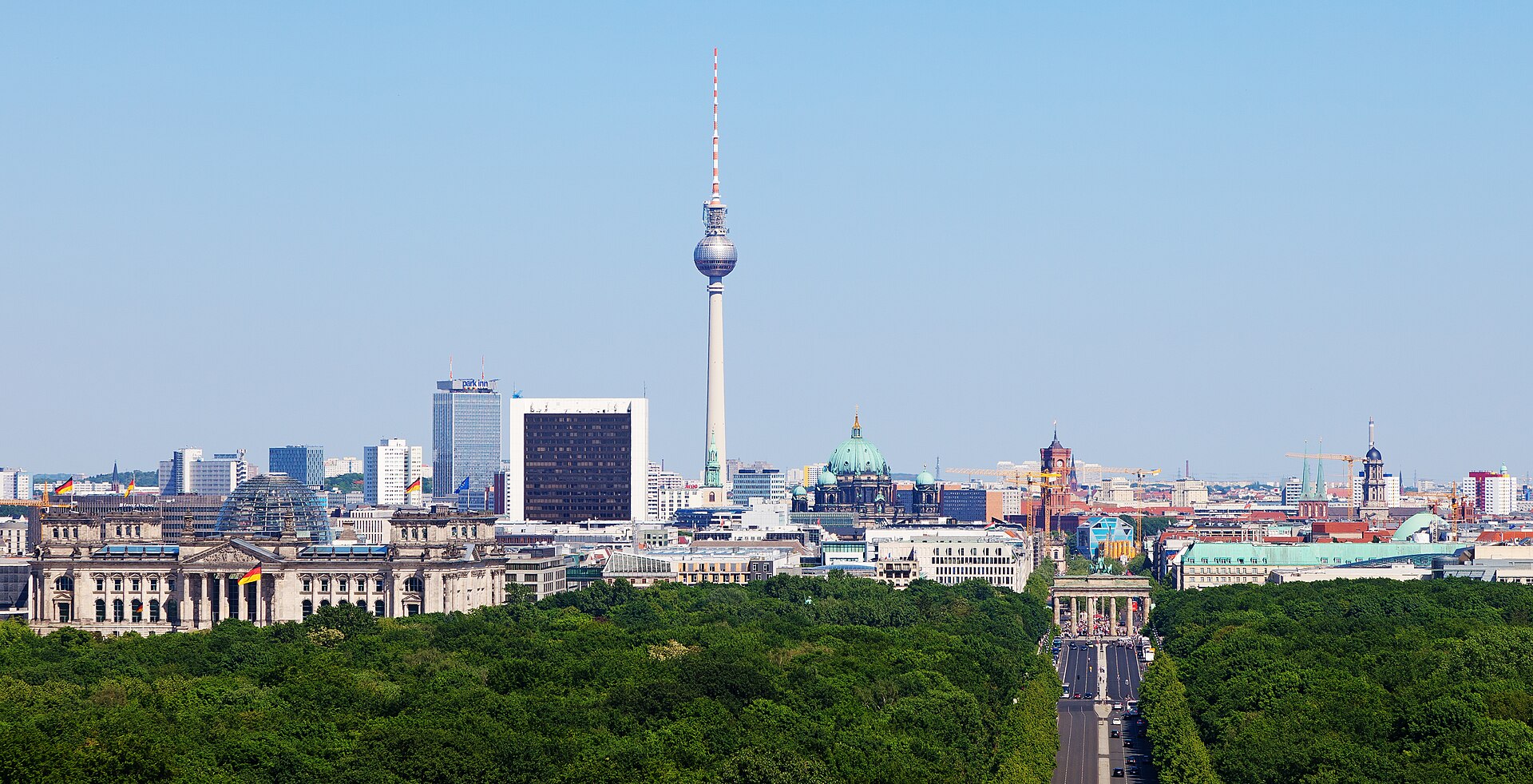
Berlin is polycentric and much larger than its central monument cluster suggests. Mitte contains Museum Island, the Brandenburg Gate and the government district...
Photograph · Thomas Wolf, www.foto-tw.de · CC BY-SA 3.0
Set your days, your pace and the hours you actually want to be out. The planner works around closing days and travel time, and leaves room to eat.
Editorial responsibility: Elena Voss · Roavina Travel Editor
Berlin is polycentric and much larger than its central monument cluster suggests. Mitte contains Museum Island, the Brandenburg Gate and the government district; Charlottenburg forms a western centre around its palace and shopping streets; Kreuzberg, Friedrichshain and Neukolln extend south and east. Major Cold War sites, parks and museums are dispersed, so a useful itinerary follows districts and rail corridors.
Checked 2026-08-26
November · November averages 5°C in Berlin with only two daily sunshine hours and 49 mm of precipitation.
Ranked by importance — sitelinks, pageviews and heritage status, not editor preference.
68 places match
Category
Typical visit duration
Good for
Interests
Ev. Kirche Zur frohen Botschaft
Kirche Zur Frohen Botschaft is an Evangelical Protestant church serving the Karlshorst community in eastern Berlin.
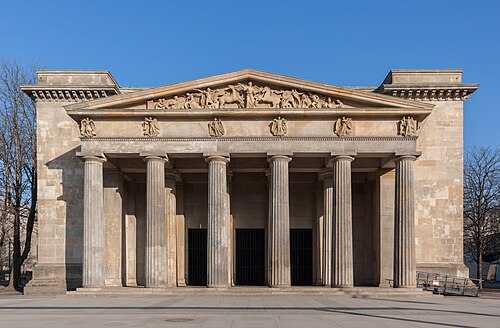
Neue Wache is a neoclassical memorial on Berlin’s Unter den Linden boulevard in the Mitte district. Karl Friedrich Schinkel designed the building, completed in 1818 as a guardhouse for Prussian troops.
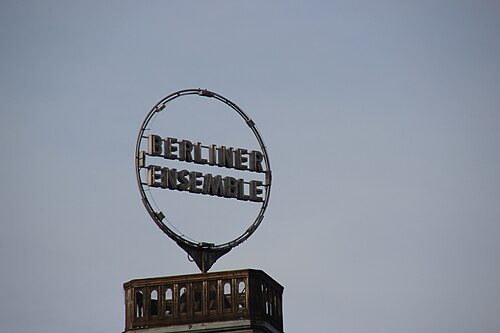
Berliner Ensemble is a theatre company and performance venue on Bertolt-Brecht-Platz in Berlin’s Mitte district. Bertolt Brecht and Helene Weigel founded it in 1949, and the institution remains closely associated with epic theatre, political engagement and Brecht’s ideas about performance.
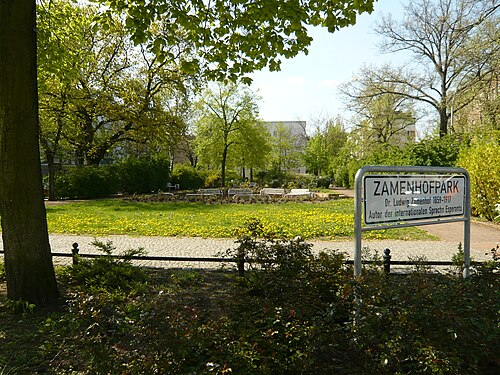
Zamenhofpark is a public green space in Berlin named after L. L. Zamenhof, the creator of Esperanto. The name connects this neighborhood park with the international language movement, while the place itself serves as everyday urban open space.
Wilmersdorfer Moschee
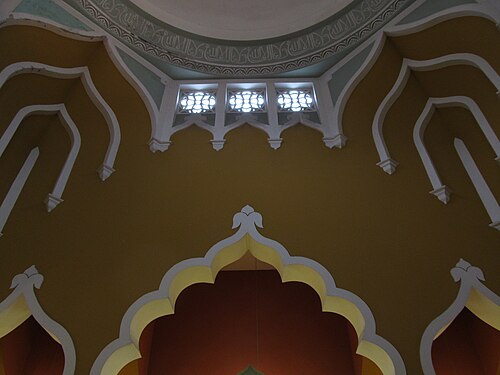
Berlin Mosque, also known as Wilmersdorfer Moschee, is an active Islamic place of worship in Berlin’s Wilmersdorf district. It serves a local Muslim community and forms part of the city’s diverse religious landscape.
Zwingli-Kirche
Zwinglikirche, also called Zwingli-Kirche, is a church in Berlin named after Huldrych Zwingli, the Swiss Reformation leader. It is a place of worship within Berlin’s varied religious architecture.
Schloss Hohenschönhausen
Hohenschönhausen Castle is a historic building in Berlin’s Hohenschönhausen district, within the Lichtenberg borough. The castle forms part of the neighbourhood’s architectural heritage and stands among residential streets and green surroundings.
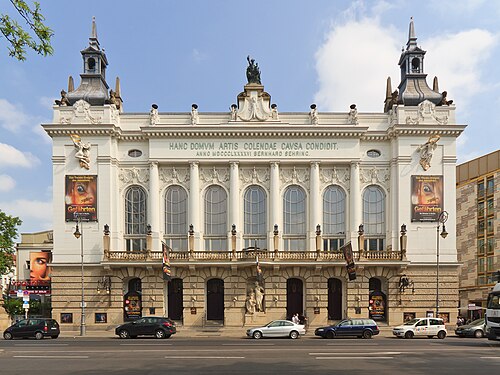
Stage Theater des Westens
Theater des Westens is a major Berlin theatre venue in Charlottenburg, operating under the Stage Theater des Westens name. It belongs in a Berlin evening plan for travellers who want a full theatrical production in an established performance setting.
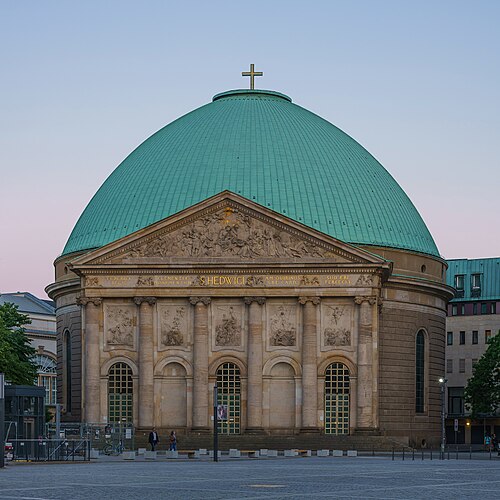
St. Hedwigs-Kathedrale Berlin
St. Hedwig’s Cathedral, locally known as St. Hedwigs-Kathedrale Berlin, is a Catholic cathedral near Bebelplatz in Berlin’s Mitte district.
Zwölf-Apostel-Kirche is a Protestant church in Berlin whose name refers to the twelve apostles of Christian tradition. It is a functioning place of worship and part of the city’s religious and architectural landscape.
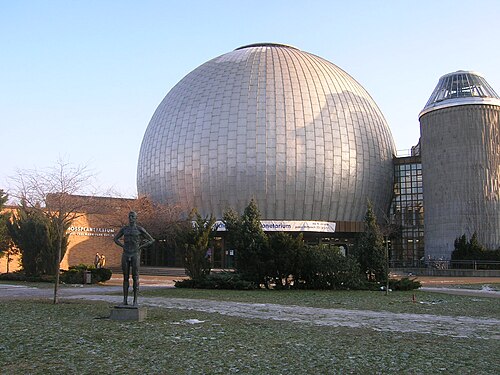
Zeiss-Großplanetarium
Zeiss Major Planetarium, known locally as Zeiss-Großplanetarium, is a dedicated astronomy venue in Berlin. Its large dome gives the building a memorable profile in the city, while the programme combines public education with immersive entertainment.
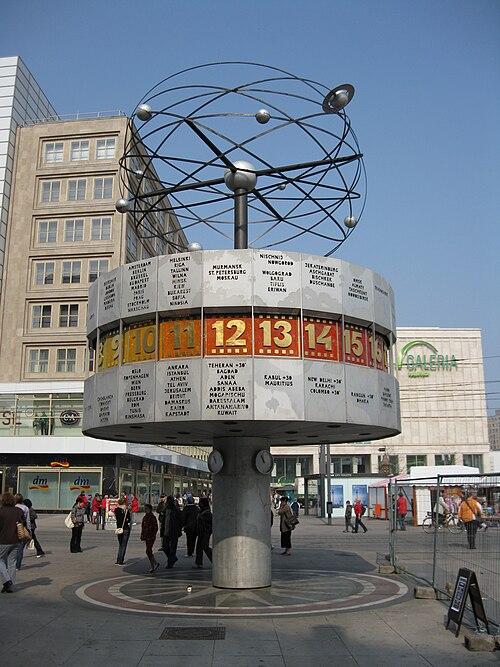
Urania-Weltzeituhr
The World Clock, or Urania-Weltzeituhr, is a public landmark on Alexanderplatz in Berlin’s Mitte district. Its rotating display presents the time for twenty-four world cities and international time zones.
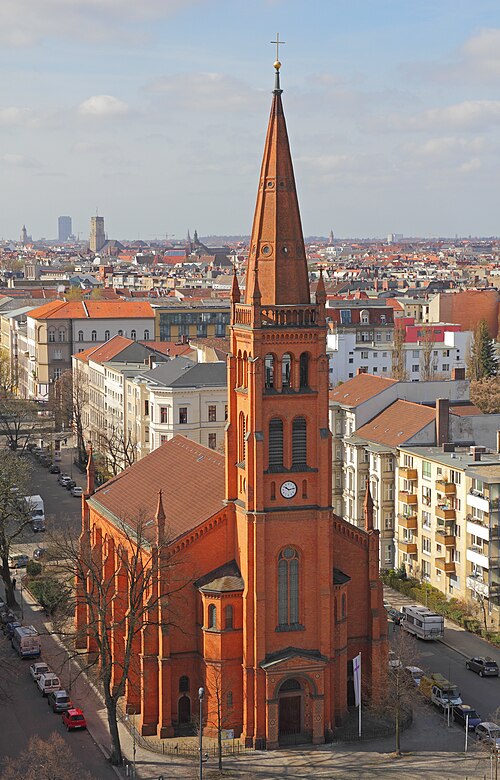
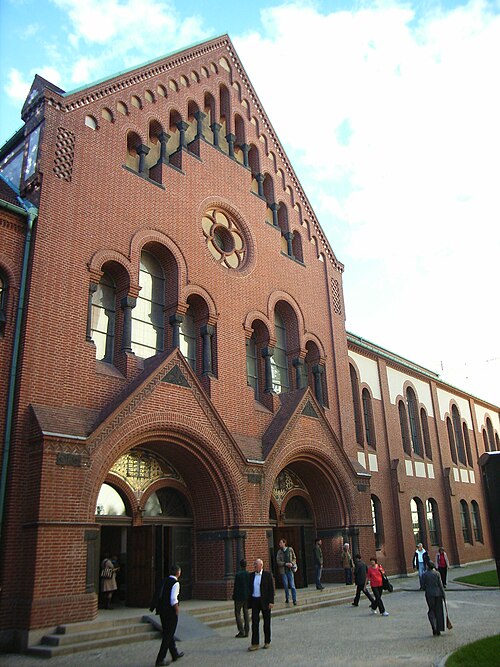
Synagoge Rykestraße
Rykestrasse Synagogue is an active Jewish house of worship on Rykestraße in Prenzlauer Berg, Berlin. Its red-brick architecture and substantial scale make it a prominent landmark in the neighbourhood.
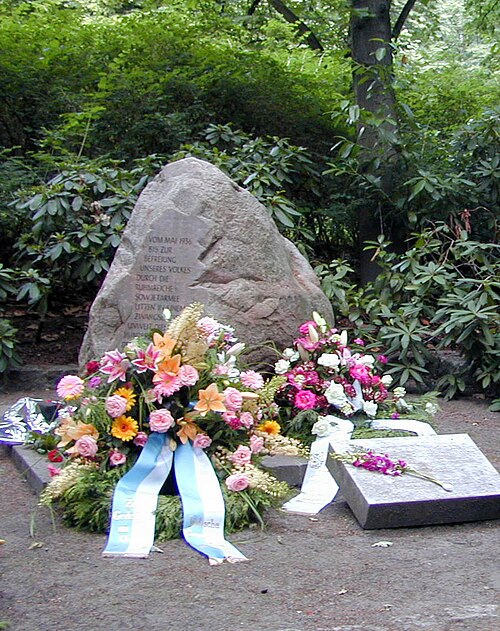
Gedenkstätte Zwangslager Berlin-Marzahn
The Gedenkstätte Zwangslager Berlin-Marzahn is a memorial in Berlin’s Marzahn district commemorating a Nazi-era forced-labor camp. It belongs to the city’s wider landscape of remembrance and addresses the persecution and exploitation carried out under National Socialist rule.
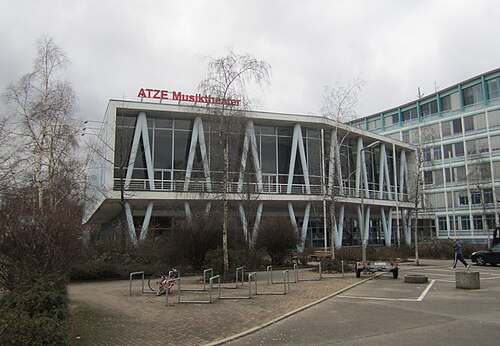
Atze Musiktheater is a Berlin performing-arts venue combining theatre and music. It offers travellers a chance to experience the city through a staged production rather than through a museum or outdoor landmark.
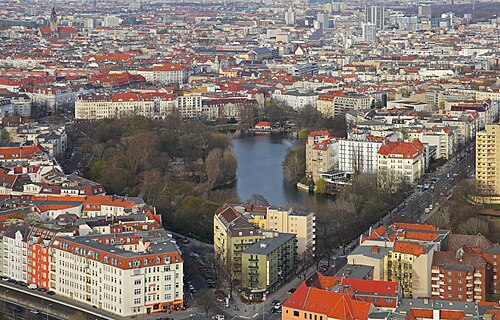
Lietzensee is an urban lake in Berlin’s Charlottenburg district, surrounded by parkland and woven into the city’s network of green spaces. It offers a slower contrast to Berlin’s museums, streets and monumental architecture.
AEG Turbinenfabrik
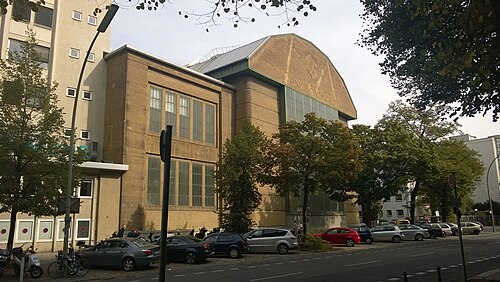
AEG’s Turbine factory, known as the AEG Turbinenfabrik, is a landmark of Berlin’s industrial architecture in Moabit. Peter Behrens designed the building for AEG, and it was completed in 1909.
Sankt Ludwig
Mitte is the main first-visit anchor, stretching from Alexanderplatz and Museum Island west toward Unter den Linden, Brandenburg Gate and Tiergarten. Kreuzberg lies south, Friedrichshain east, and Charlottenburg forms a separate western centre. The S-Bahn Ring is a useful boundary for the inner city, but important sites also sit beyond it. Avoid combining opposite outer districts in the same half-day.
Checked 2026-08-26
Use S-Bahn and U-Bahn trains for long movements, with trams and buses filling gaps between rail corridors. Berlin uses fare zones A, B and C; the airport and nearby Potsdam are in zone C. Tickets are valid across participating modes within the purchased zones, but paper or app tickets must meet the stated activation rules. Walk once you reach a district cluster.
Checked 2026-08-26
Suggested stay for a first visit: 3–4 days. Plan by district: Mitte, a western cluster, an eastern or southern neighbourhood, and any specialised museum or outer site that matters to you.
Mitte contains many headline sights, but Berlin is polycentric. Charlottenburg, Kreuzberg, Friedrichshain and outer memorial or palace sites require separate rail journeys.
Use S-Bahn and U-Bahn for cross-city travel, then trams, buses or walking within districts. One zonal ticket can cover participating modes for the chosen validity area.
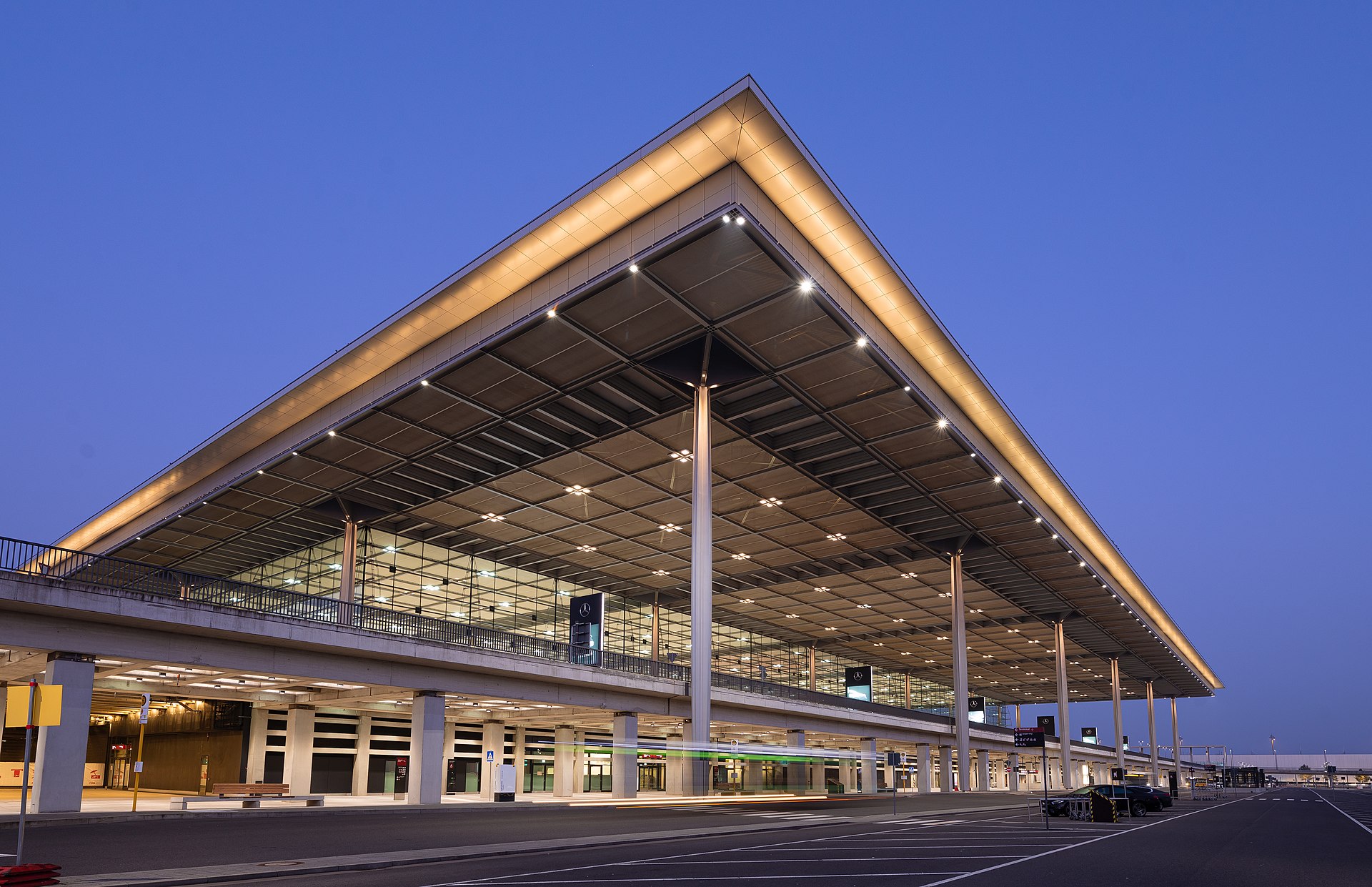
Berlin Brandenburg Airport is in zone C. A journey between the airport and the central city therefore needs a ticket whose zones include C as well as the destination area.
Treat Potsdam as a separate excursion. It lies outside Berlin's central districts and in fare zone C, so it needs dedicated travel time and the correct ticket coverage.