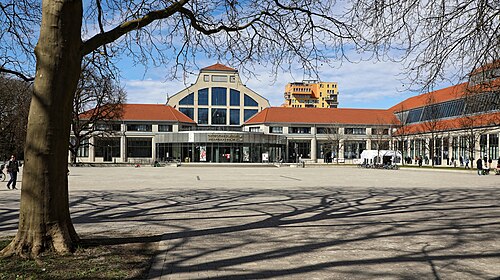
Deutsches Museum Verkehrszentrum
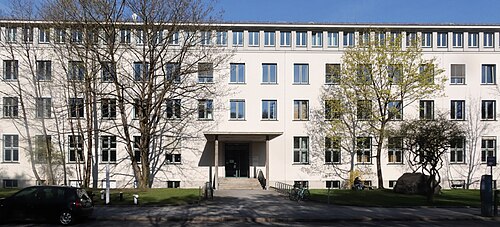
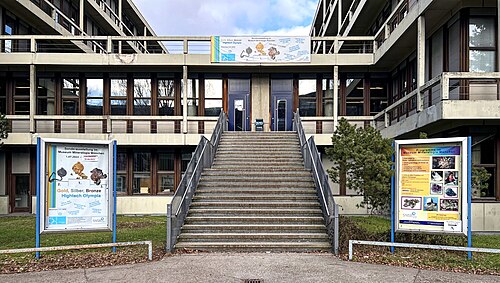
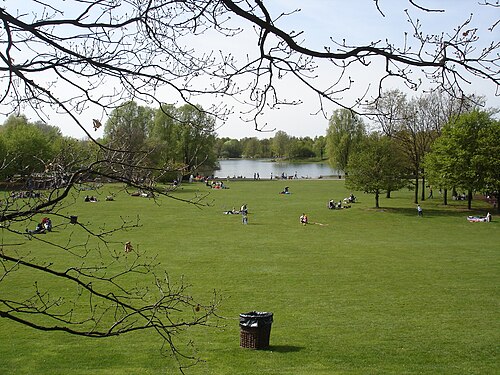
The Deutsches Museum Verkehrszentrum is a branch of the Deutsches Museum dedicated to transportation history. Located in Munich, it occupies historic exhibition halls at Theresienhöhe.
- High
- Museum
- Munich
Country guide
Germany runs from the Baltic and North Sea coasts in the north down to the Alps in the south, and its 16 states have kept enough separateness that the country r...
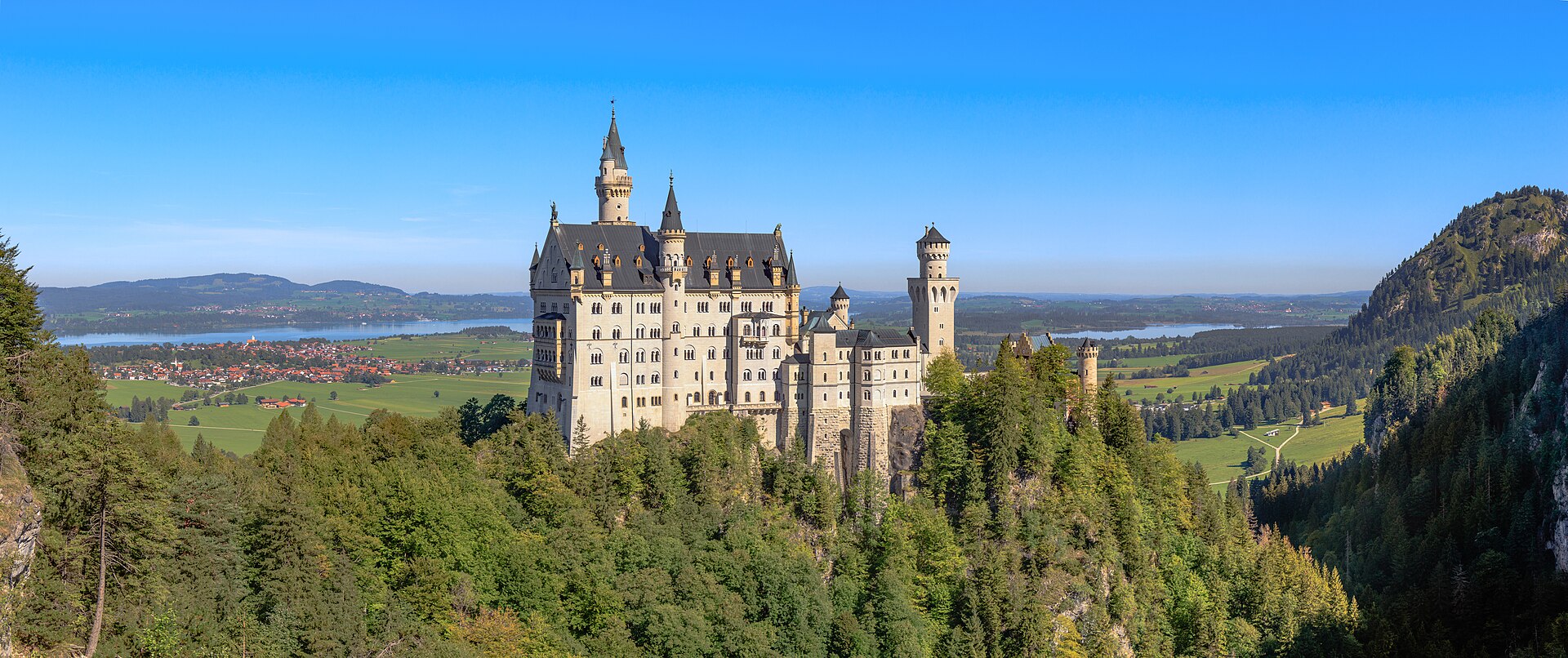
Photograph · Llez · CC BY-SA 3.0
Reviewed by Elena Voss · Roavina Travel Editor
Germany runs from the Baltic and North Sea coasts in the north down to the Alps in the south, and its 16 states have kept enough separateness that the country reads as a set of destinations rather than one. Over 83 million people live in them, more than any other European Union member. Berlin is the capital and the largest single city, Frankfurt is the financial centre, and the largest urban area is neither - it is the Ruhr, a belt of western towns that have grown into each other. Choosing between the Bavarian south, the Rhine, the Hanseatic north and the eastern cities is the actual planning decision; the distances are short and the places are not variations on one another.
Checked 2026-08-25
Every city catalogued in this country so far, ranked by how much there is to see.
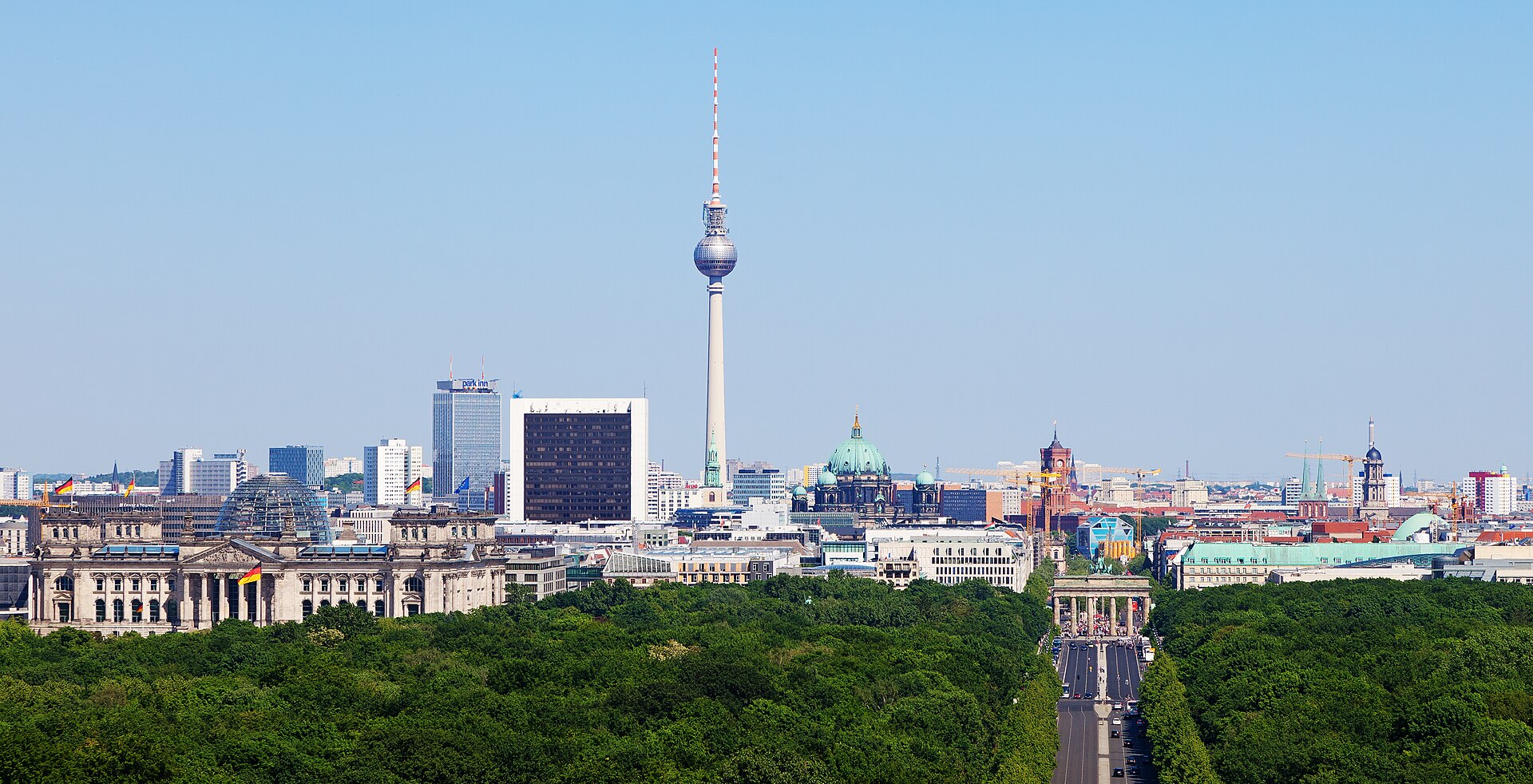
Photograph · Thomas Wolf, www.foto-tw.de · CC BY-SA 3.0
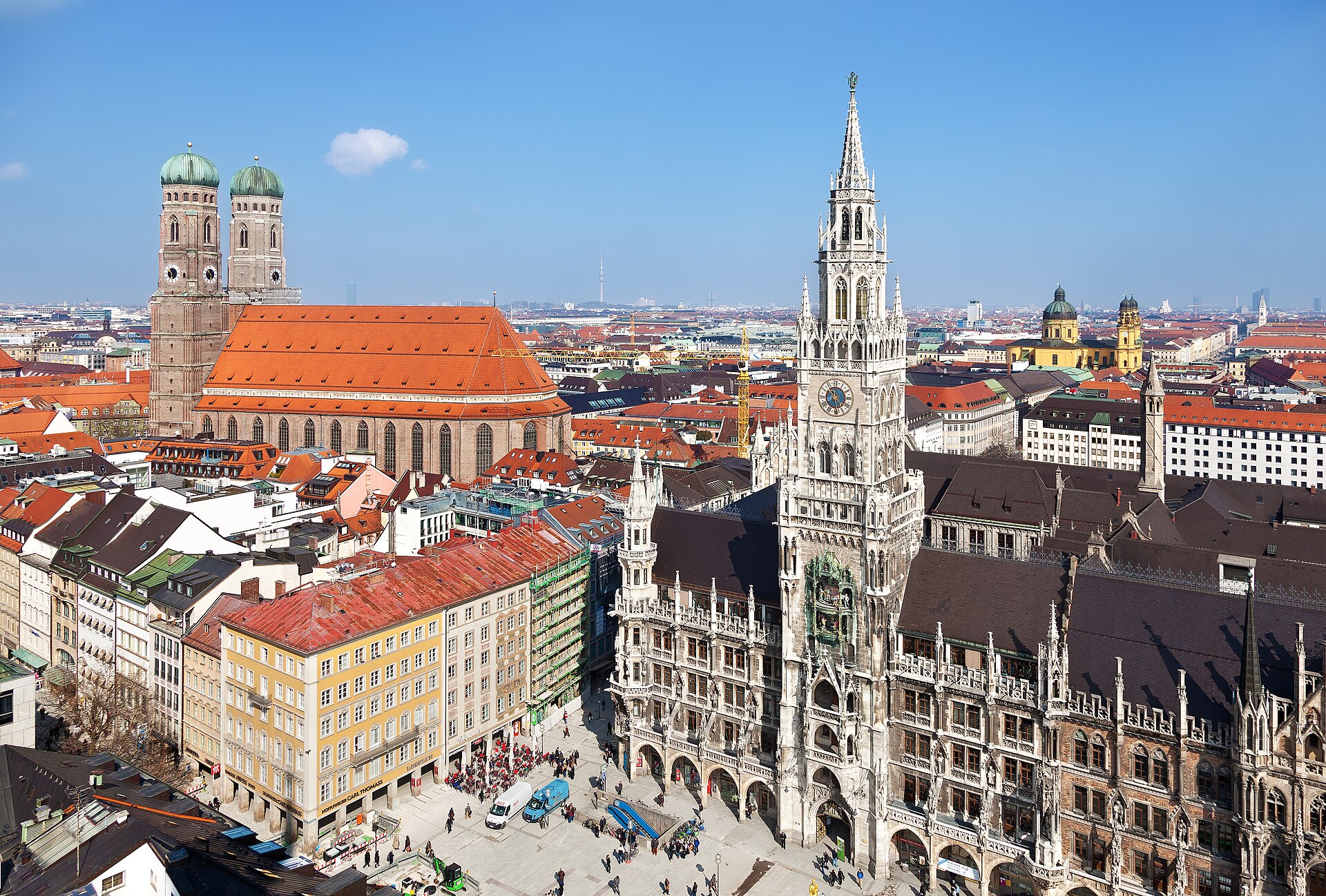
Photograph · Thomas Wolf, www.foto-tw.de · CC BY-SA 3.0 de
Ranked by importance — sitelinks, pageviews and heritage status, not editor preference.
95 places match
Category
Typical visit duration
Interests
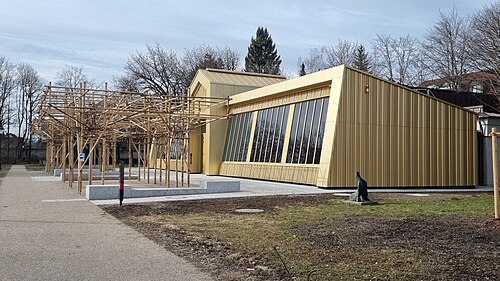
The Deutsches Museum Verkehrszentrum is a branch of the Deutsches Museum dedicated to transportation history. Located in Munich, it occupies historic exhibition halls at Theresienhöhe.
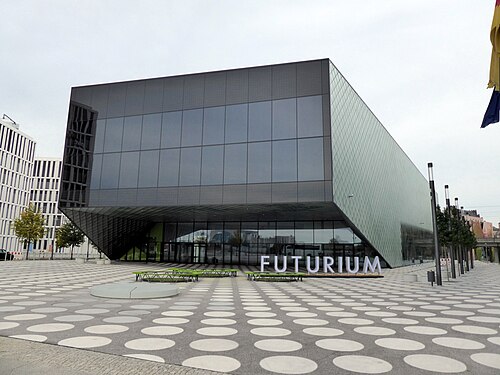
Futurium is a museum and exhibition space in Berlin dedicated to exploring possible futures. It opened in 2019 near the Hauptbahnhof on the site of a former freight station.
Geologisches Museum
The Geologisches Museum München is a geological museum in Munich devoted to earth sciences and natural history.
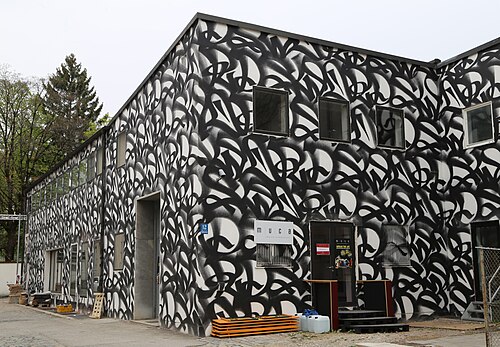
MUCA
MUCA, the Museum of Urban and Contemporary Art, is a Munich museum devoted to street art and contemporary artistic practice. Its central setting connects urban culture with a formal exhibition environment.
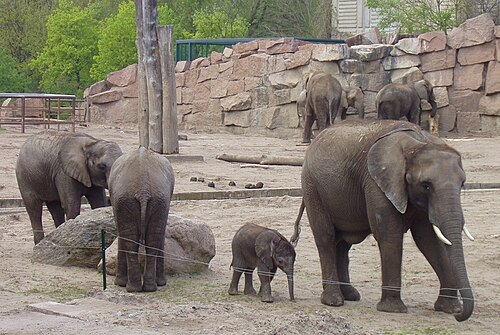
Tierpark Berlin is a large landscape zoo in Friedrichsfelde, eastern Berlin. Founded in 1955 on the grounds of the former Friedrichsfelde Palace gardens, it combines animal habitats with extensive parkland and historic surroundings.
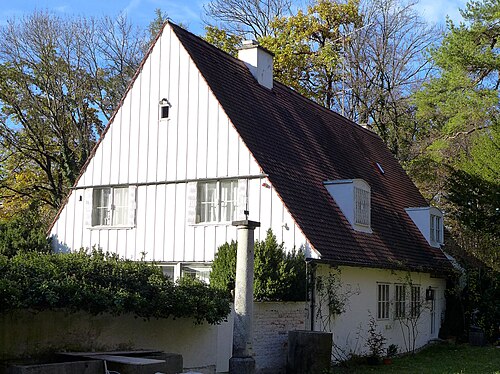
Museum Peter Gehring is a museum in Munich, Germany, listed among the city’s visitor destinations. The institution is identified by the name Peter Gehring and occupies a mapped place within Munich’s urban cultural network.
Residenzmuseum und Schatzkammer
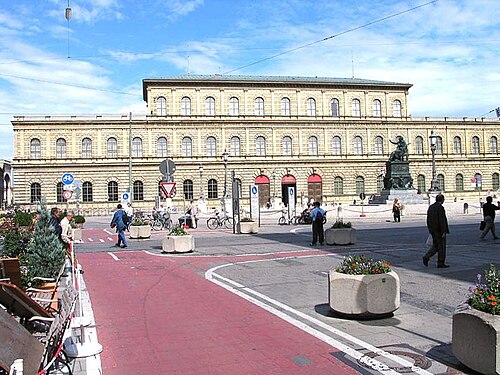
The Residence Museum and Treasury is a palace museum complex in central Munich. It occupies part of the former royal palace of the Wittelsbach dynasty, who ruled Bavaria for centuries.
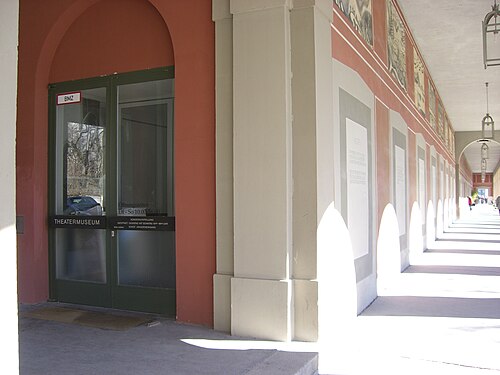
The Deutsches Theatermuseum is a museum in Munich dedicated to the history of theatre. It houses collections related to theatrical performance, including costumes, set designs, and other stage-related materials.
Porzellanmuseum München
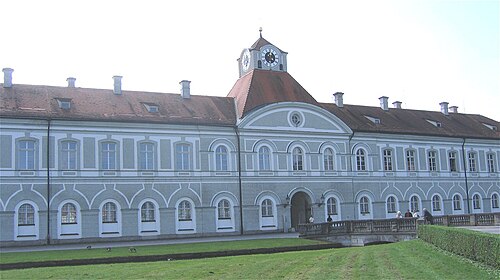
Nymphenburg Porcelain Museum is a specialist collection within the grounds of Nymphenburg Palace in Munich. It focuses on the history and artistry of the Nymphenburg Porcelain Manufactory, one of Europe’s oldest porcelain producers.
Marstallmuseum Nymphenburg
Marstallmuseum is a museum of royal carriages, sleighs and riding equipment within the grounds of Nymphenburg Palace in Munich. It occupies the former royal stables and preserves vehicles associated with Bavarian rulers, particularly during the eighteenth and nineteenth centuries.
Museum Mineralogia München
Museum Mineralogia Munich is a specialist collection where crystals are presented through their roles in nature and technology.
Museum Mensch und Natur
The Museum Mensch und Natur is a natural history museum situated within the Nymphenburg Palace complex in Munich. It explores the relationship between humans and the natural world through scientific exhibits.
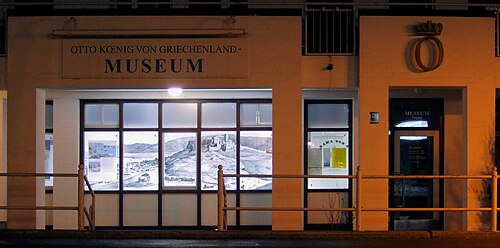
Otto-König-von-Griechenland-Museum
Otto König von Griechenland-Museum presents the story of Otto, the Bavarian prince who became the first modern King of Greece in 1832. The subject connects Munich with nineteenth-century European monarchy, Greek state formation and the Wittelsbach dynasty.
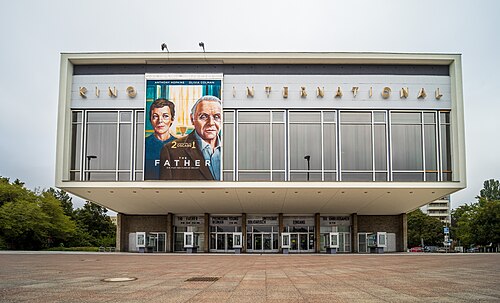
Kino International is a historic cinema located in Berlin, Germany. It stands as a notable example of East German architectural heritage from the GDR period.
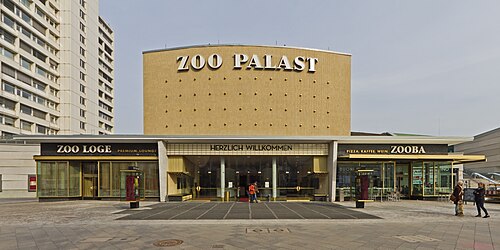
Zoo Palast is a historic cinema in Berlin’s Charlottenburg district, close to the Zoologischer Garten area. The venue belongs to Berlin’s long film-going tradition and is associated with screenings and premieres.
The DenkStätte Weiße Rose is a memorial and exhibition space in Munich dedicated to the White Rose resistance group. During the Nazi era, this student movement distributed leaflets calling for opposition to the regime.
Kallmann-Museum is a museum in Munich, Germany, included in the city’s official tourism listings as a cultural place of visitor interest.
Schlossmuseum
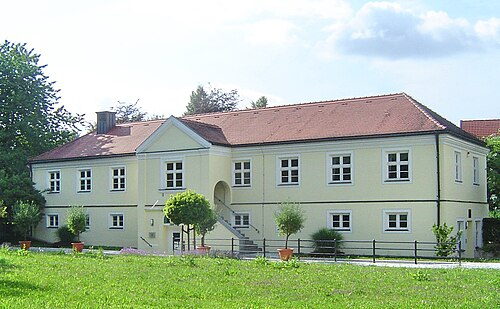
Schlossmuseum Ismaning is a castle museum in Ismaning, an independent municipality northeast of Munich. The museum occupies a historic schloss and introduces visitors to the heritage of the town and its former aristocratic setting.
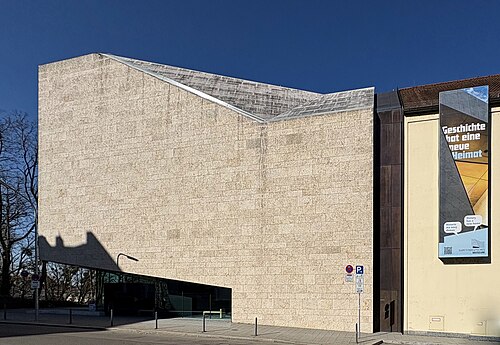
The Sudetendeutsches Museum in Munich presents the history and cultural heritage of the Sudeten Germans, an ethnic German population historically associated with Bohemia, Moravia and Silesia.
Urban Nation
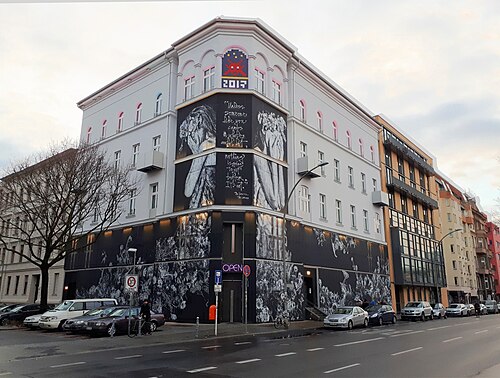
Urban Nation is a Berlin museum devoted to urban contemporary art, street art and graffiti culture. It gives art forms associated with public walls, neighbourhoods and alternative scenes a formal exhibition setting.
Britzer Garten is a large landscaped park in Berlin’s Britz district, created for the 1985 Federal Garden Show and preserved as a major green space.
Valentin-Karlstadt-Musäum
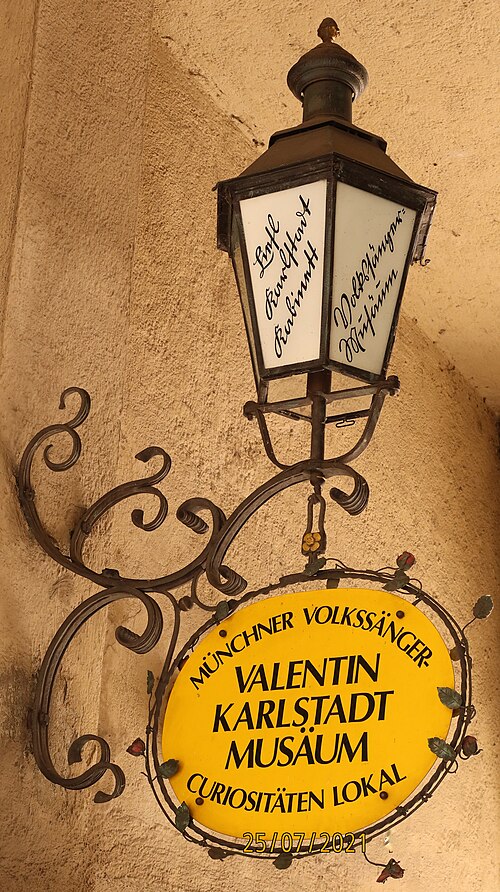
The Valentin-Volkssänger-Musäum, locally known as the Valentin-Karlstadt-Musäum, is a museum in Munich dedicated to the Bavarian comedian and folk singer Karl Valentin and his collaborator Liesl Karlstadt.
Gärten der Welt
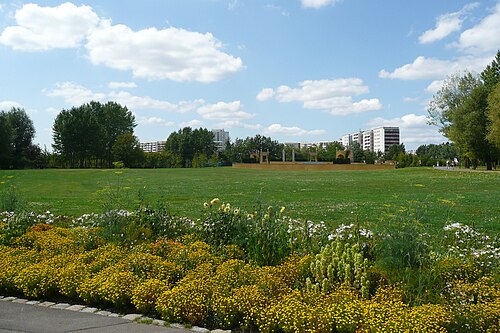
Gardens of the World, known in German as Gärten der Welt, is a landscaped park in Berlin’s Marzahn-Hellersdorf district.
Gedenkstätte Berliner Mauer (Dokumentationszentrum)
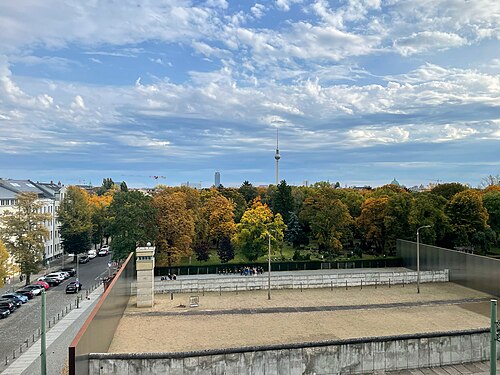
The Berlin Wall Memorial preserves the central historical site of German division along 1.4 kilometres of Bernauer Straße. It combines original border remains, archaeological traces, reconstructed elements and public interpretation across the former frontier.
Erwin von Kreibig Museum is devoted to the life and artistic legacy of Erwin von Kreibig. It gives travellers a focused way to explore one figure within Munich’s wider cultural history.
Seven to ten days works for Berlin plus one connected region, or for a focused Rhine, Bavaria or northern-city route. Germany’s rail network makes multi-city travel practical, but changing bases every night still reduces useful time.
Germany’s Federal Foreign Office is the official visa reference. Review its nationality-specific entry rules and the Schengen application guidance for the passport and route being used.
Intercity and high-speed trains connect Germany’s major cities, with regional services completing shorter journeys. Deutsche Bahn publishes the integrated timetable; airport choice should follow the route rather than defaulting to one national gateway.
May through September favours outdoor city and countryside travel, while December has a distinct seasonal-market pattern. Alpine, North Sea and urban conditions differ enough that the intended region should determine clothing and reservations.
Germany uses the euro (EUR). Cash and card practices are not stated as a single national rule in the cited source, so travellers should carry a backup and check the payment method before ordering or boarding.
For Germany, 112 reaches medical and fire services and 110 reaches police. Type C and F plugs use 230 V, and mains tap water is recorded as safe.