Ancient Agora of Athens
Αρχαία Αγορά
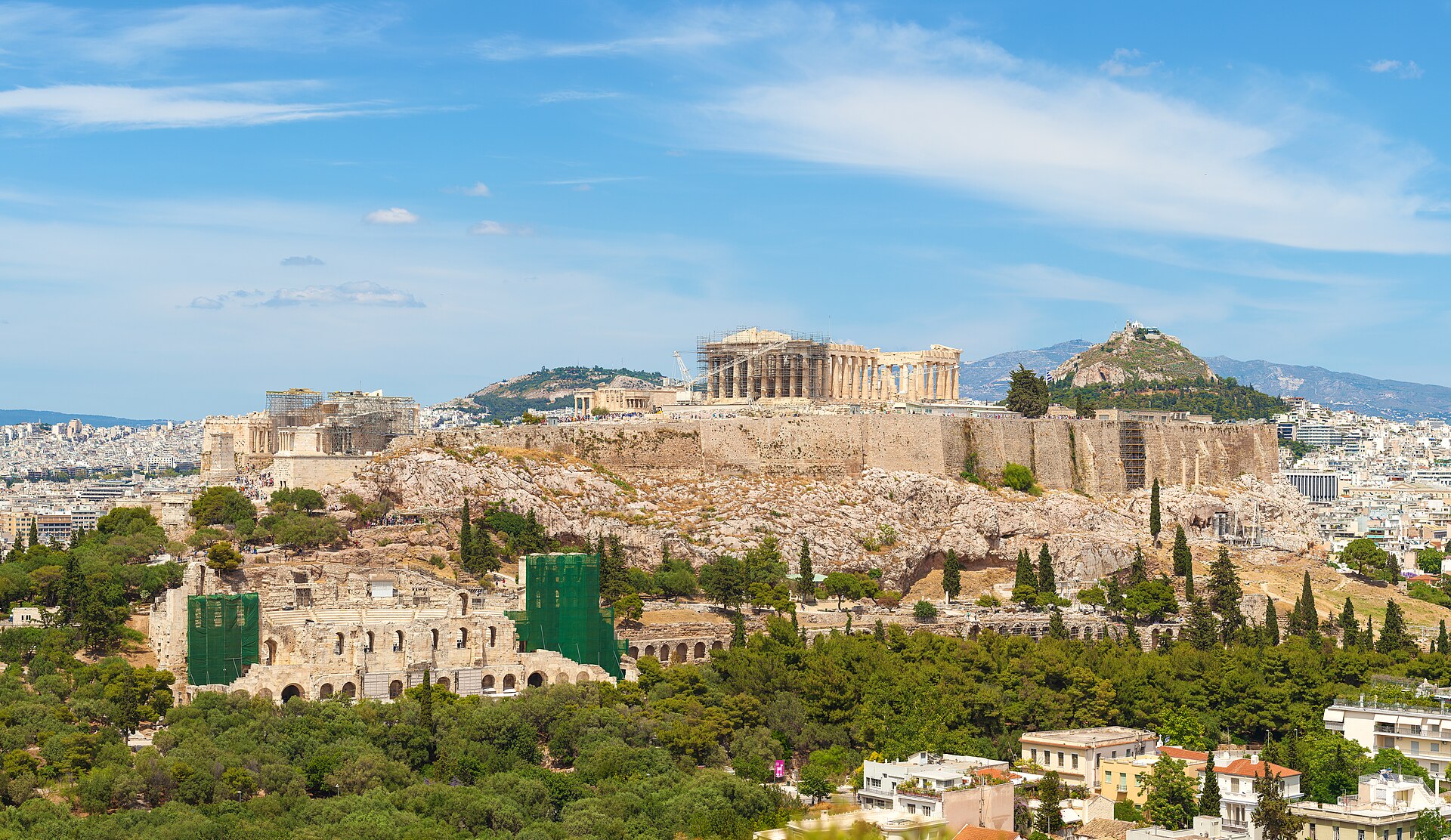
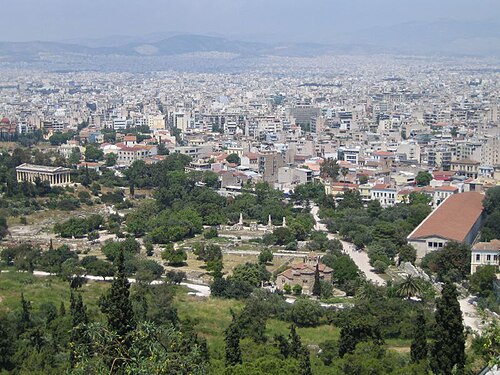
The Ancient Agora is the flat ground below the north slope of the Acropolis, hemmed in by the Areopagus to the south and the low hill of Kolonos Agoraios to the west.
- Must see
- Historic monument
- Athens
Language · 11 published
Country guide
Greece has the longest coastline on the Mediterranean and somewhere between 1,200 and 6,000 islands depending on how an island is counted, of which 227 are inhabited. That figure is the whole planning problem. Around 10 million people live in the country's nine regions, and the three largest cities - Athens, Thessaloniki, Patras - are all on the mainland, while the 21 UNESCO World Heritage Sites are spread across mainland and islands alike. Most trips split accordingly: the mainland for antiquity and the mountains that fill the southern tip of the Balkan peninsula, the islands for the sea, with Crete, the largest of them, big enough to fill a week on its own.
Reviewed by Elena Voss · Roavina Travel Editor
Every city catalogued in this country so far, ranked by how much there is to see.
Photograph · Thomas Wolf, www.foto-tw.de · CC BY-SA 3.0 de
Ranked by importance — sitelinks, pageviews and heritage status, not editor preference.
27 places match
Category
Typical visit duration
Interests
Αρχαία Αγορά
The Ancient Agora is the flat ground below the north slope of the Acropolis, hemmed in by the Areopagus to the south and the low hill of Kolonos Agoraios to the west.
The National Archaeological Museum stands as one of Athens's principal institutions for ancient Greek art and archaeology. It occupies a substantial neoclassical building that has served this purpose since the nineteenth century.
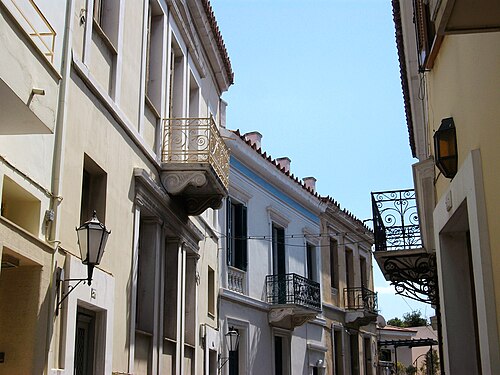
Plaka is the historic old quarter of Athens, clustered around the northeastern slopes of the Acropolis. Its narrow labyrinthine streets, neoclassical architecture, and Byzantine churches preserve the atmosphere of Ottoman-era Athens.
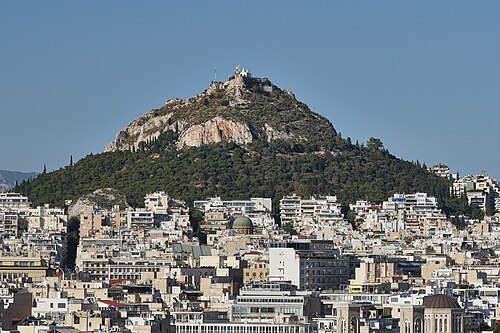
Λυκαβηττός
Mount Lycabettus is a limestone cone rising to 277 metres above the Kolonaki district, and it is the high point of central Athens.
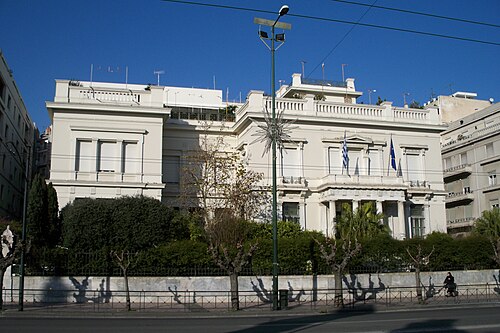
Μουσείο Μπενάκη
The Benaki Museum is a museum of Greek culture in Athens. It was founded by Antonis Benakis and opened in its present form. The museum occupies a neoclassical building near Syntagma Square.
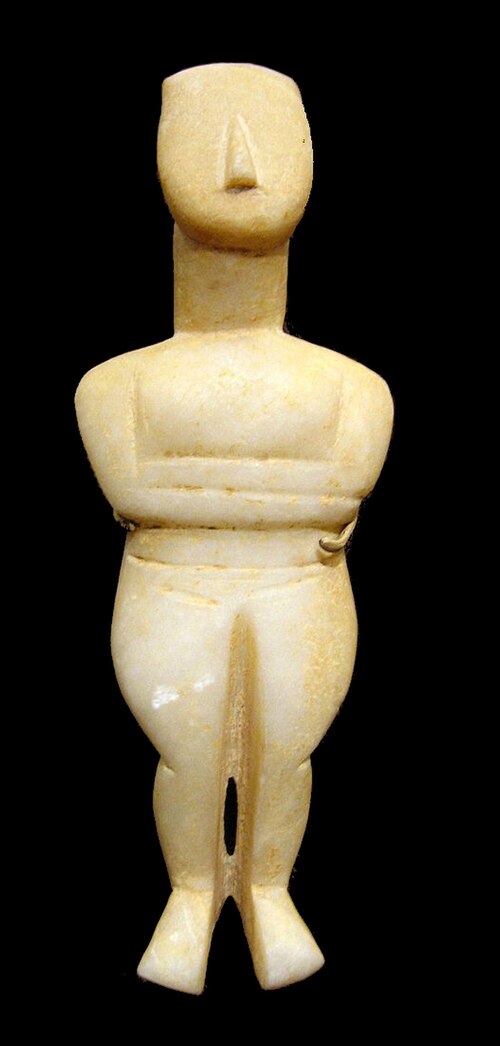
Μουσείο Κυκλαδικής Τέχνης
The Museum of Cycladic Art is a private museum in Athens dedicated to ancient Aegean cultures, with particular emphasis on Cycladic art of the Early Bronze Age.
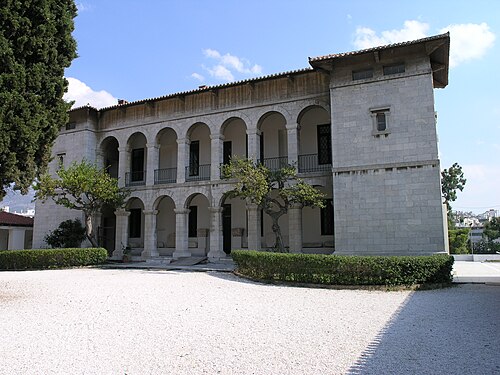
Βυζαντινό και Χριστιανικό Μουσείο
The Byzantine and Christian Museum is a major museum in Athens, Greece, dedicated to the preservation and display of Byzantine and post-Byzantine art and culture.
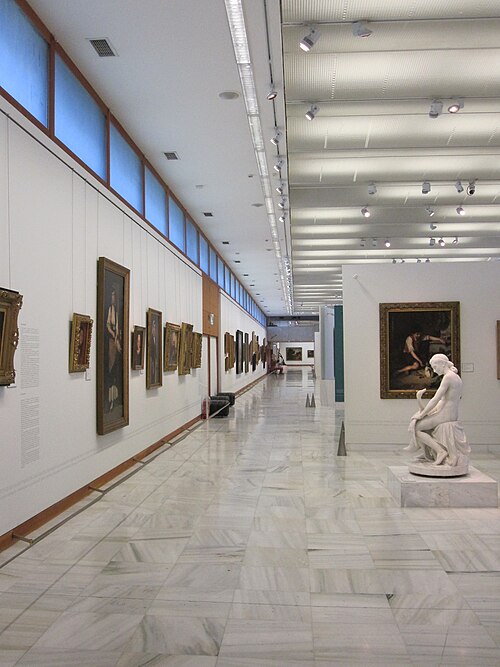
Εθνική Πινακοθήκη - Μουσείο Αλέξανδρου Σούτσου
The National Gallery–Alexandros Soutsos Museum is Athens's national museum for modern Greek art.
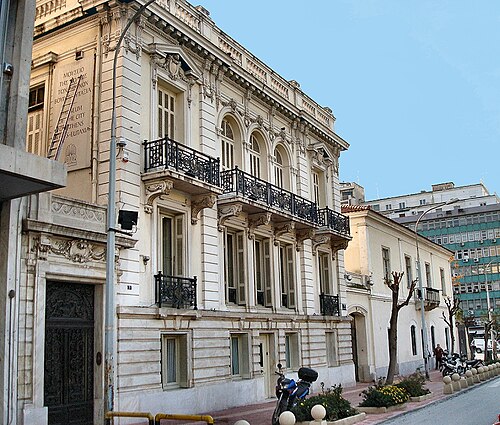
Μουσείον της Πόλεως των Αθηνών
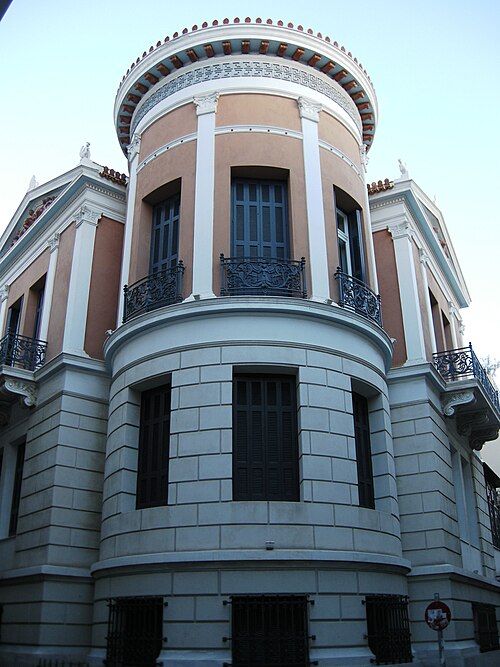
The Museum of the City of Athens occupies the neoclassical residence of King Otto, Greece's first monarch following independence. Located on Klafthmonos Square, this historic mansion represents a significant period of Athenian urban development.
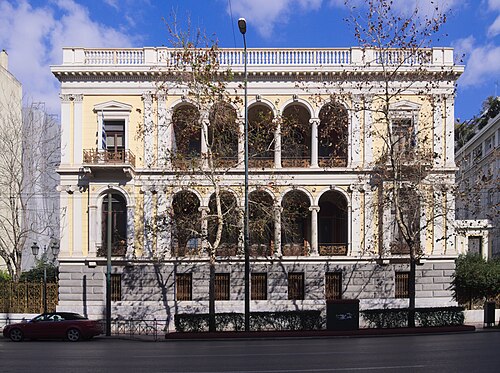
Νομισματικό Μουσείο
The Numismatic Museum of Athens is a museum dedicated to the study and display of coins, medals, and related objects. It occupies the former mansion of Heinrich Schliemann, the German archaeologist who excavated Troy and Mycenae.
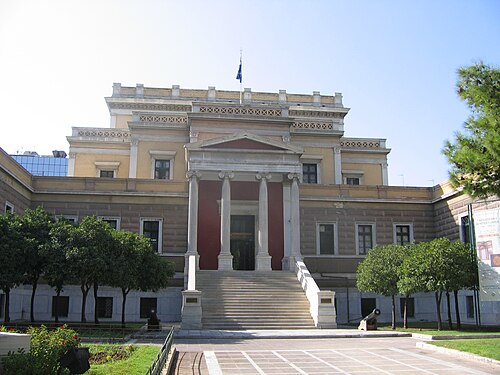
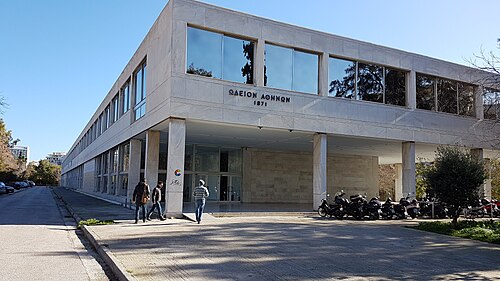
The National Historical Museum occupies the Old Parliament House on Stadiou Street in central Athens. The neoclassical building served as the seat of the Greek parliament from 1875 to 1935.
The National Museum of Contemporary Art Athens is a major cultural institution in the Greek capital dedicated to contemporary artistic practice.
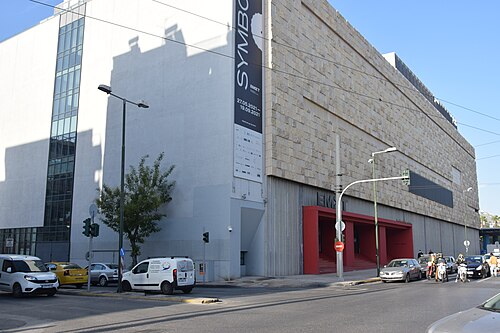
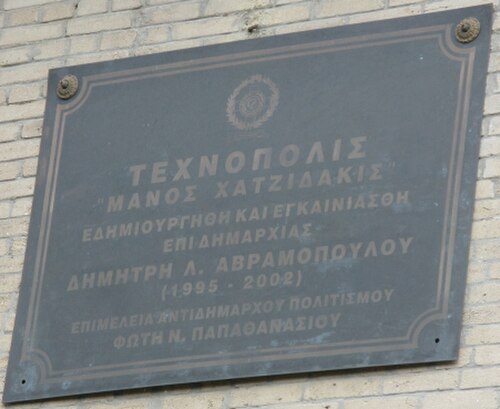
Technopolis City of Athens is a major cultural venue housed in a converted industrial complex in the Gazi district. Formerly the Athens gasworks, the site has been repurposed as a multipurpose cultural center.
Ελληνικό Μουσείο Αυτοκινήτου
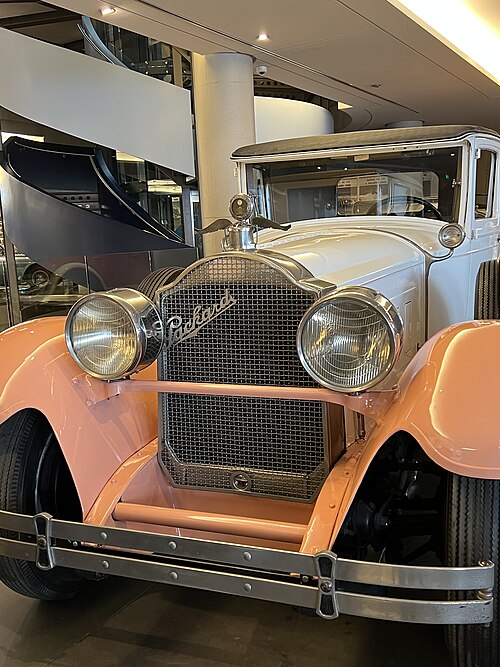
The Hellenic Motor Museum is an automobile museum located in Athens, Greece. It presents a collection of vehicles spanning multiple decades of automotive history.
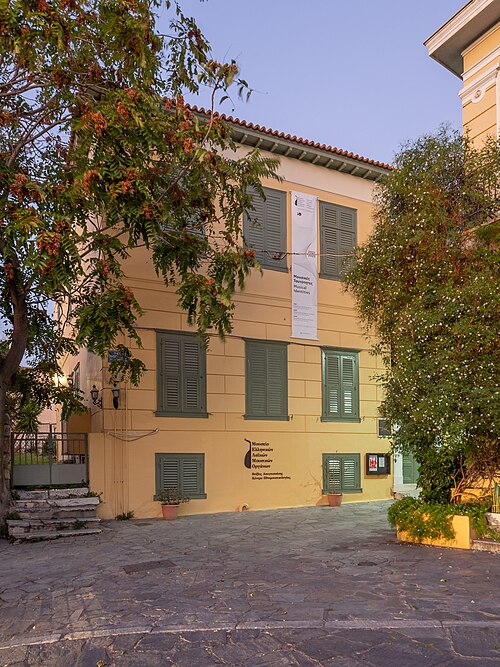
Μουσείο Ελληνικών Λαϊκών Οργάνων
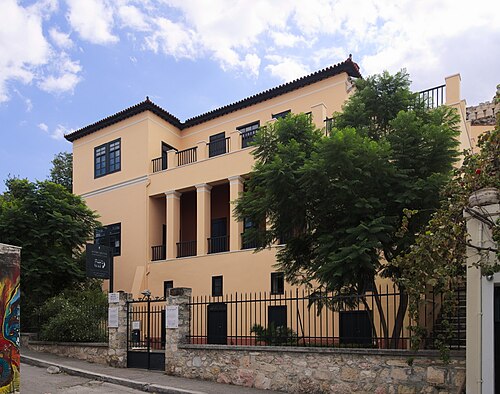
The Museum of Greek Folk Musical Instruments occupies a historic townhouse in the Plaka district beneath the Acropolis. Established through private initiative, it preserves and displays the sonic heritage of Greek regional traditions.
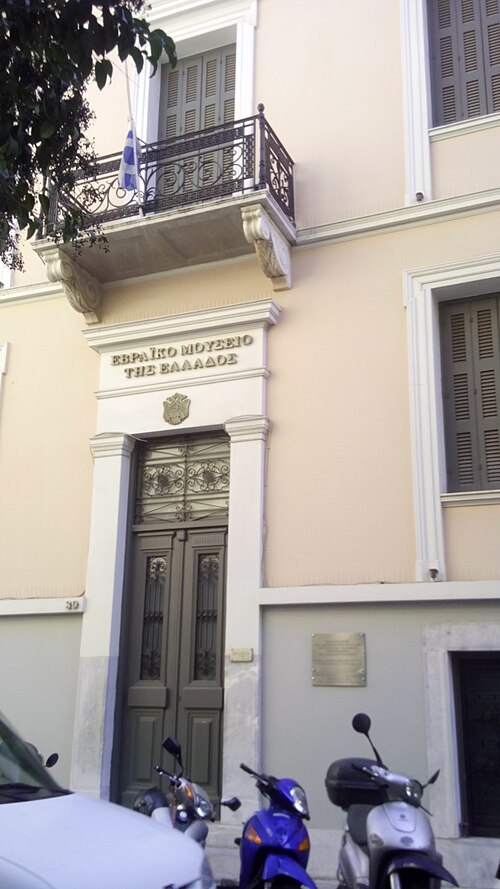
Εβραϊκό Μουσείο Ελλάδος
The Jewish Museum of Greece in Athens preserves and explains the history of Jewish communities in Greece through objects, documents, images and personal traces of everyday life.
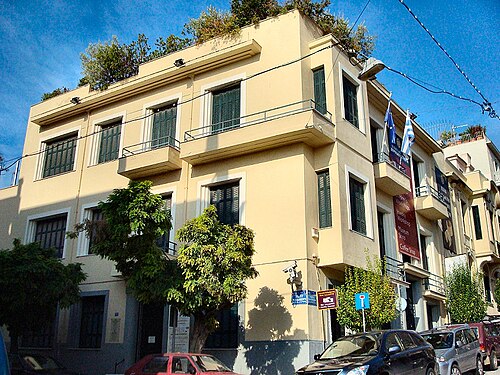
Μουσείο Κοσμήματος Ηλία Λαλαούνη
The Ilias Lalaounis Jewelry Museum is a specialised Athens museum devoted to jewellery, decorative arts, and the work of Greek designer Ilias Lalaounis. Housed in a historic building, it connects ancient Greek visual traditions with modern wearable art.
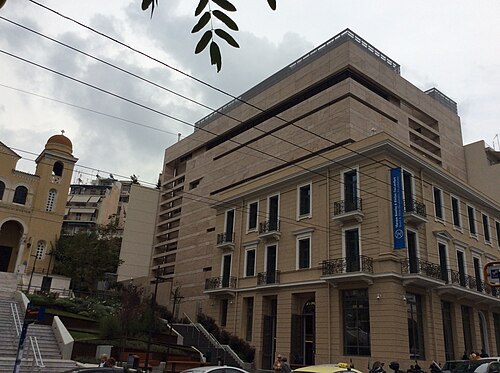
The Basil and Elise Goulandris Foundation is a museum in Athens devoted to the private collection assembled by Basil and Elise Goulandris.
Μουσείο Φρυσίρα
Frissiras Museum is an art museum in Athens, Greece, and a worthwhile stop for travelers who want to explore the city beyond its ancient monuments.
Μουσείο Ηρακλειδών
Herakleidon Museum is a private museum in Athens, housed in a neoclassical building in the historic Thiseio district. Its programme connects art, science and education through changing exhibitions and cultural activities.
Μουσείο Ιστορίας Πανεπιστημίου Αθηνών
Athens University History Museum presents the story of the National and Kapodistrian University of Athens through the people, objects and records connected with its academic life.
Επιγραφικό μουσείο
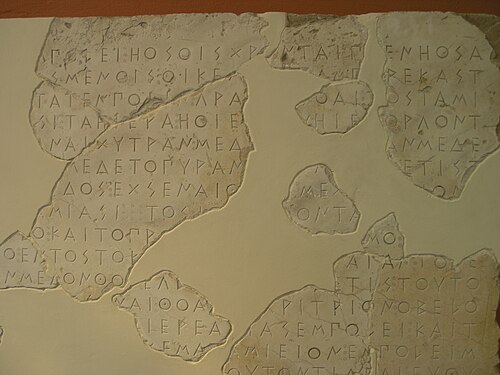
The Epigraphic Museum in Athens houses the largest collection of ancient Greek inscriptions in the world. It operates as a specialized institution dedicated to the study, preservation, and display of epigraphic material.
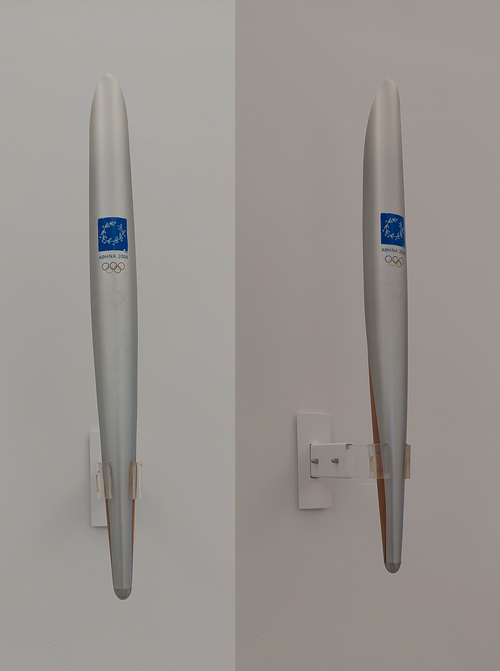
The Athens Olympic Museum explores the history of the Olympic Games through the city’s powerful connection with both ancient and modern sport. Athens hosted the first modern Olympic Games in 1896 and returned to the Olympic stage in 2004.
Athens Conservatoire is a working music-education institution in central Athens, rather than a museum with continuous public admission. Its significance lies in the role it plays in Greek musical training and performance culture.
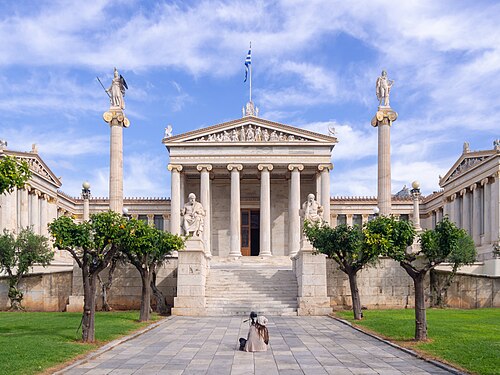
The Academy of Athens is a neoclassical landmark on Panepistimiou Street and one of the three buildings known as the Athenian Trilogy, together with the National Library and the University of Athens.
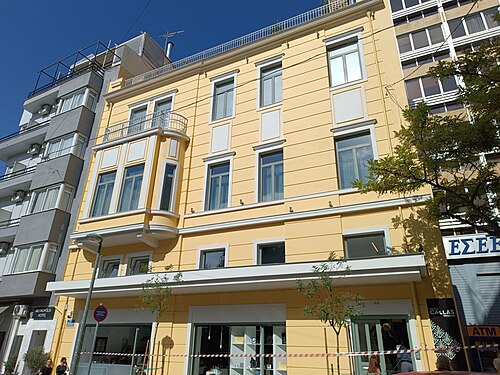
The Maria Callas Museum in Athens is devoted to the Greek-American soprano whose performances reshaped twentieth-century opera.
Πολεμικό Μουσείο
Source: OpenStreetMap contributors, Wikidata ·
Eight to twelve days can cover Athens, one mainland archaeological route and one island group. Every ferry leg consumes real itinerary time, so collecting ports across several island chains is poor use of a first visit.
Greece’s Ministry of Foreign Affairs provides the visa framework for entry. Passport nationality, stay length and the wider Schengen route determine whether an application is needed and where it must be lodged.
Athens is the main gateway, while ferries and domestic flights connect island groups and regional airports. Mainland buses and limited rail corridors require route-specific planning; ferry schedules should be rechecked close to travel.
April to June and September to October suit many archaeological and island itineraries without peak midsummer heat. Ferry exposure, island seasonality and mountain weather still vary by destination.
Greece prices transactions in euros (EUR). National card-acceptance and fee details are Not recorded in this bundle; confirm payment expectations with small accommodations, boat operators and remote businesses.
Greece uses 112 for emergency assistance and 230 V Type C and F sockets. A single nationwide tap-water recommendation is Not recorded, so use the relevant island or municipal guidance.