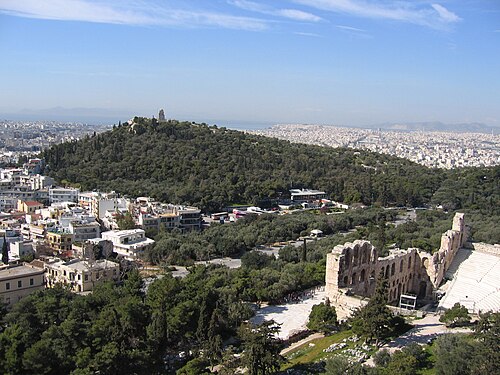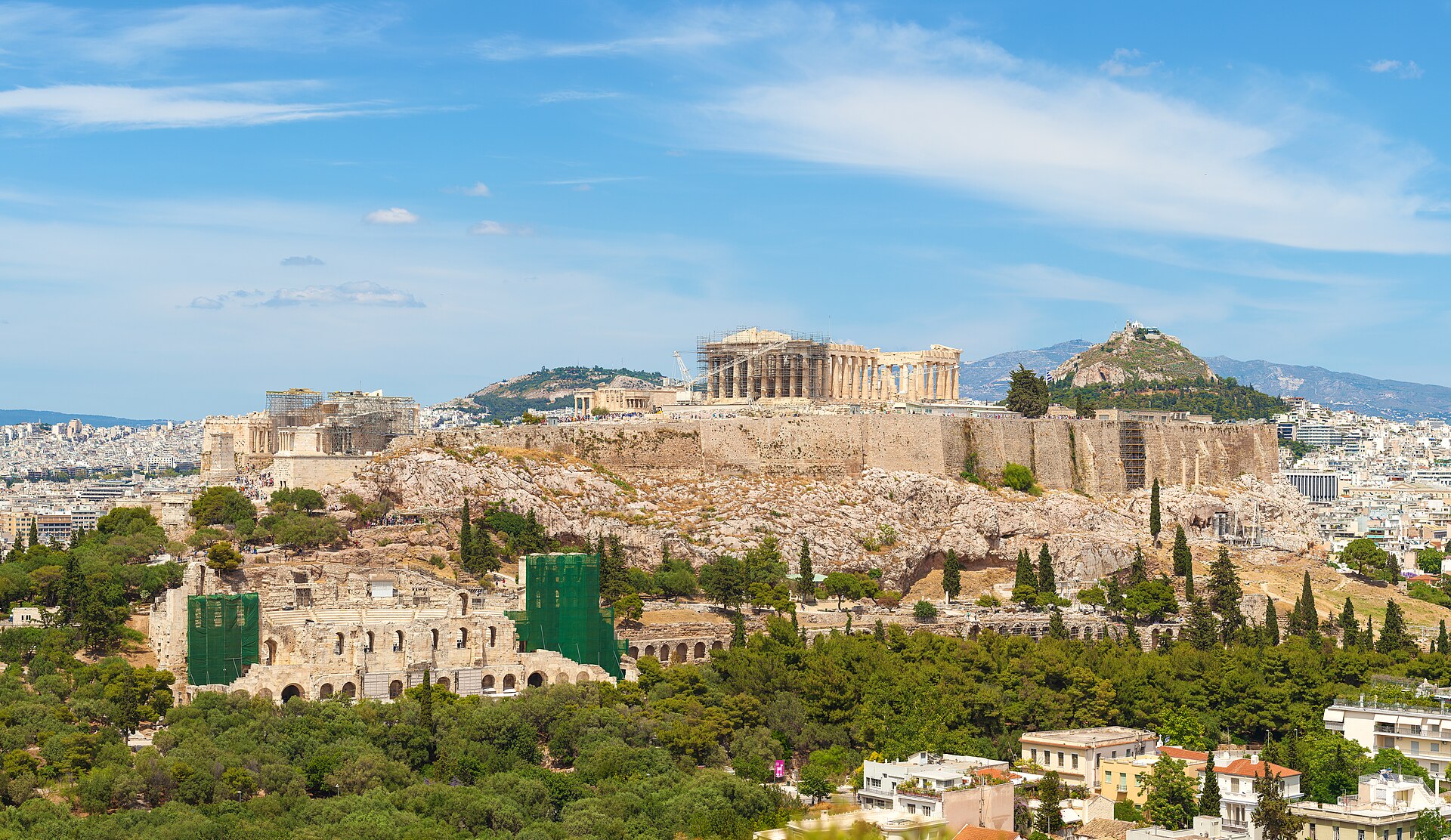
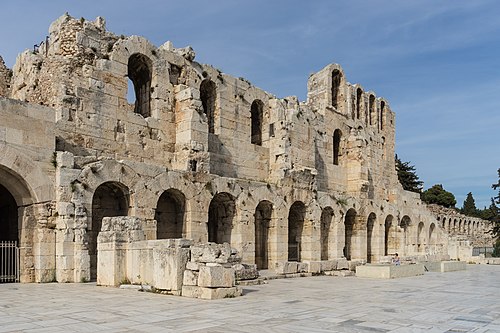
Odeon of Herodes Atticus
Ωδείο Ηρώδου Αττικού
The Odeon of Herodes Atticus is a stone Roman theatre structure on the southwest slope of the Acropolis in Athens, Greece.
- Must see
- Historic monument
- Athens
Country guide
Greece has the longest coastline on the Mediterranean and somewhere between 1,200 and 6,000 islands depending on how an island is counted, of which 227 are inha...
Photograph · George E. Koronaios · CC BY-SA 4.0
Reviewed by Elena Voss · Roavina Travel Editor
Greece has the longest coastline on the Mediterranean and somewhere between 1,200 and 6,000 islands depending on how an island is counted, of which 227 are inhabited. That figure is the whole planning problem. Around 10 million people live in the country's nine regions, and the three largest cities - Athens, Thessaloniki, Patras - are all on the mainland, while the 21 UNESCO World Heritage Sites are spread across mainland and islands alike. Most trips split accordingly: the mainland for antiquity and the mountains that fill the southern tip of the Balkan peninsula, the islands for the sea, with Crete, the largest of them, big enough to fill a week on its own.
Checked 2026-08-25
Every city catalogued in this country so far, ranked by how much there is to see.
Photograph · Thomas Wolf, www.foto-tw.de · CC BY-SA 3.0 de
Ranked by importance — sitelinks, pageviews and heritage status, not editor preference.
23 places match
Category
Typical visit duration
Interests
Ωδείο Ηρώδου Αττικού
The Odeon of Herodes Atticus is a stone Roman theatre structure on the southwest slope of the Acropolis in Athens, Greece.
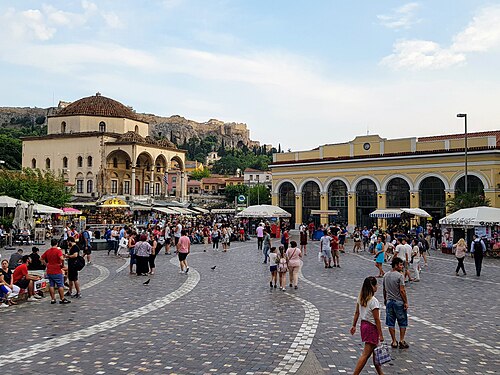
Monastiraki Square is a public square in central Athens, Greece. It serves as a meeting point between the old city and the modern commercial district.
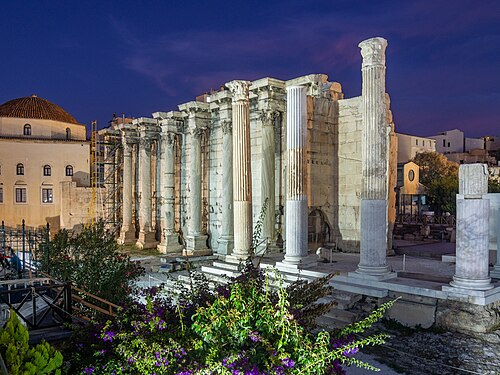
Βιβλιοθήκη του Αδριανού
Hadrian's Library is a walled Roman enclosure in the middle of Athens, a few minutes north of the Acropolis and immediately east of Monastiraki Square.
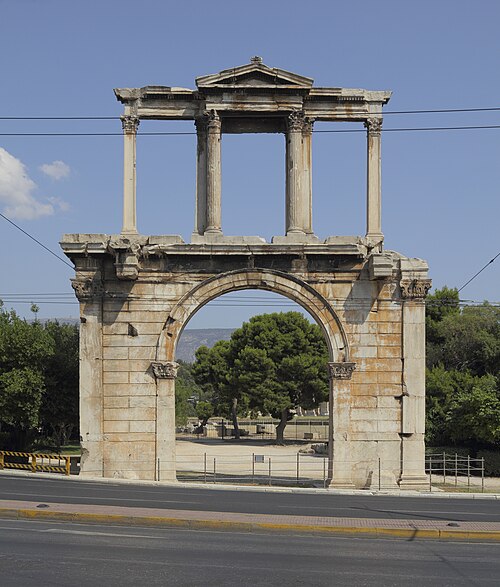
Πύλη του Αδριανού
The Arch of Hadrian, known locally as Πύλη του Αδριανού, is a monumental gateway in Athens, Greece. Erected in the second century CE, it stands on the ancient road between the Athenian Agora and the Olympieion.
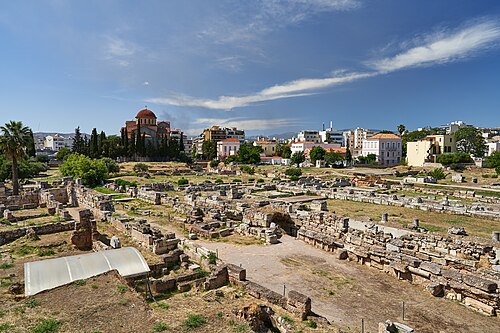
Αρχαιολογικός Χώρος Κεραμεικού
Kerameikos is an ancient cemetery and archaeological site in Athens, located northwest of the Acropolis along the Eridanos River. The area served as the primary burial ground for the city from the 12th century BC through Roman times.
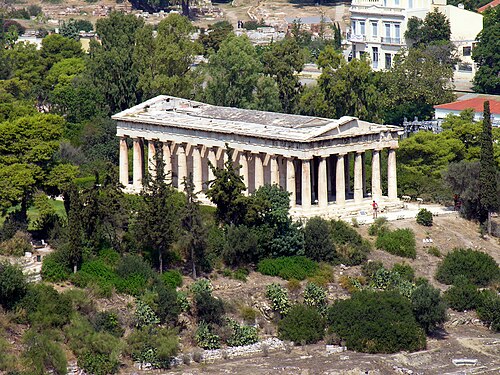
Ναός Ηφαίστου
The Temple of Hephaestus stands in the Ancient Agora of Athens, a well-preserved Doric temple dedicated to Hephaestus, god of fire and metalworking. Constructed largely of Pentelic marble, it dominates the western side of the agora.
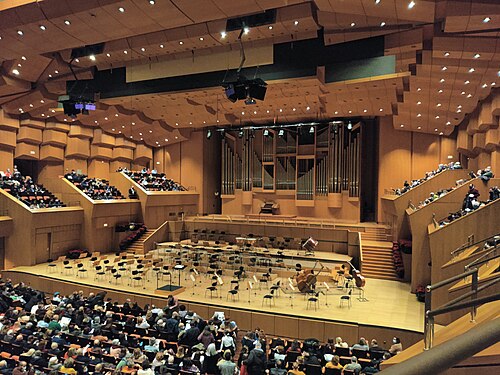
Μέγαρο Μουσικής Αθηνών
Athens Concert Hall is a major performing arts venue in the Greek capital. It serves as a prominent cultural institution hosting classical music concerts, opera, ballet, and other performances.
The National Theatre of Greece is the country’s leading state theatrical institution and one of Athens’s major places for live performance.
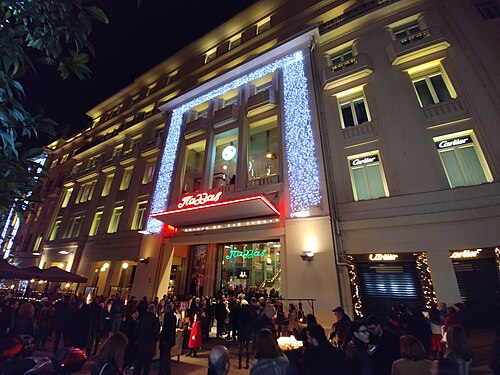
Θέατρο Παλλάς
Pallas Theatre is a live-performance venue in Athens and a natural choice for travelers who want to include theatre, concerts, or other staged events in a city itinerary.
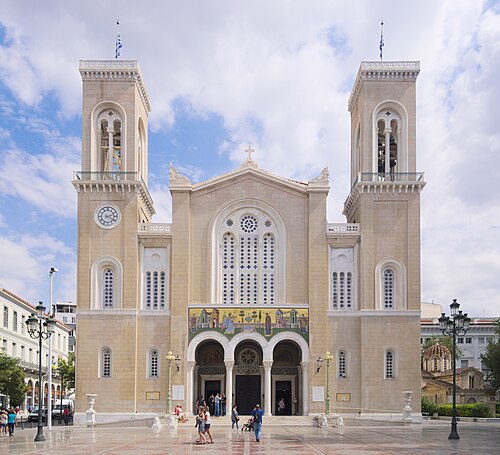
Μητροπολιτικός Ναός Αθηνών
The Metropolitan Cathedral of Athens, also known as the Cathedral of the Annunciation, is the principal cathedral of the Church of Greece in the capital.
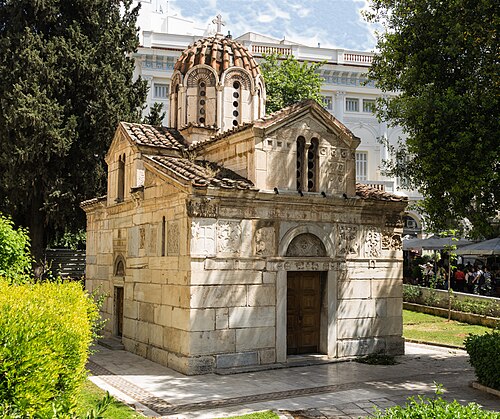
Παναγία Γοργοεπήκοος και Άγιος Ελευθέριος
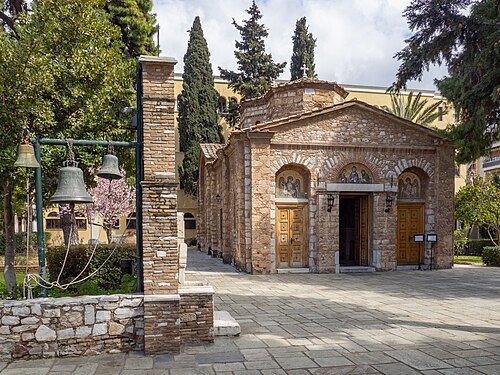
Little Metropolis is a small Byzantine church situated in central Athens, near the Metropolitan Cathedral. The church is also known as the Church of St.
Παναγία Καπνικαρέα
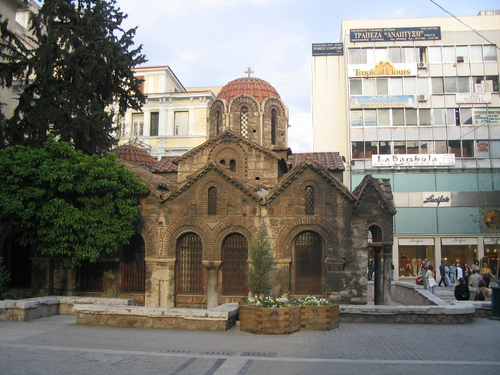
The Church of Panagia Kapnikarea is a Byzantine-era church standing prominently on Ermou Street in central Athens. It dates to the 11th century, though portions may reflect earlier construction.
Άγιοι Απόστολοι
The Church of the Holy Apostles is a Byzantine-era church within Athens’s Ancient Agora archaeological site.
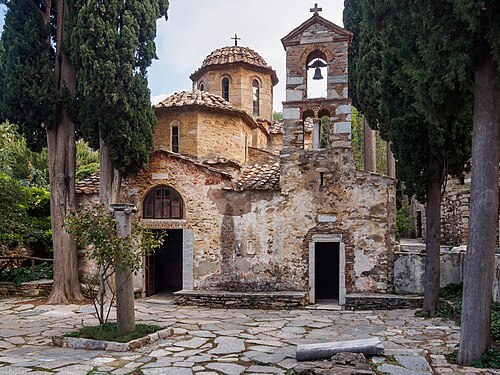
Kaisariani Monastery is a Byzantine-era monastery on the wooded slopes of Mount Hymettus, east of central Athens. It combines a historic Orthodox religious complex with a peaceful mountain setting, making it a rewarding change from the city's archaeological centre.
Ιερά Μονή Ασωμάτων - Πετράκη
Petraki Monastery is a working Orthodox religious site in central Athens, offering a quieter encounter with the city’s ecclesiastical life than the Acropolis and its archaeological monuments.
Μνημείο Φιλοπάππου
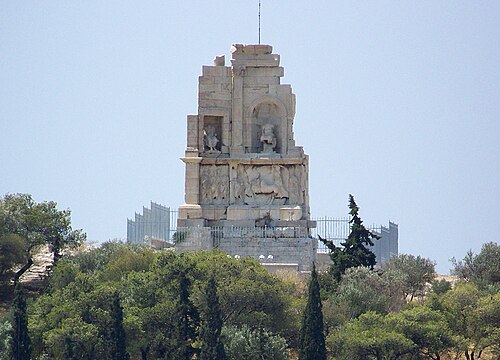
The Philopappos Monument is an ancient funerary monument situated on Mouseion Hill, southwest of the Athenian Acropolis.
Λόφος Φιλοπάππου
Eight to twelve days can cover Athens, one mainland archaeological route and one island group. Every ferry leg consumes real itinerary time, so collecting ports across several island chains is poor use of a first visit.
Greece’s Ministry of Foreign Affairs provides the visa framework for entry. Passport nationality, stay length and the wider Schengen route determine whether an application is needed and where it must be lodged.
Athens is the main gateway, while ferries and domestic flights connect island groups and regional airports. Mainland buses and limited rail corridors require route-specific planning; ferry schedules should be rechecked close to travel.
April to June and September to October suit many archaeological and island itineraries without peak midsummer heat. Ferry exposure, island seasonality and mountain weather still vary by destination.
Greece prices transactions in euros (EUR). National card-acceptance and fee details are Not recorded in this bundle; confirm payment expectations with small accommodations, boat operators and remote businesses.
Greece uses 112 for emergency assistance and 230 V Type C and F sockets. A single nationwide tap-water recommendation is Not recorded, so use the relevant island or municipal guidance.