Hungarian Parliament Building
Országház
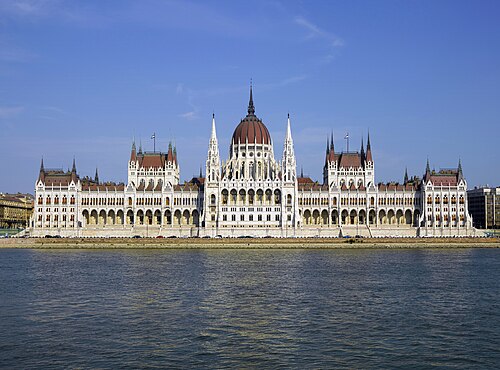
Országház — House of the Country — is the seat of the National Assembly of Hungary and the largest building in the country.
- Must see
- Historic monument
- Budapest
Language · 11 published
Country guide
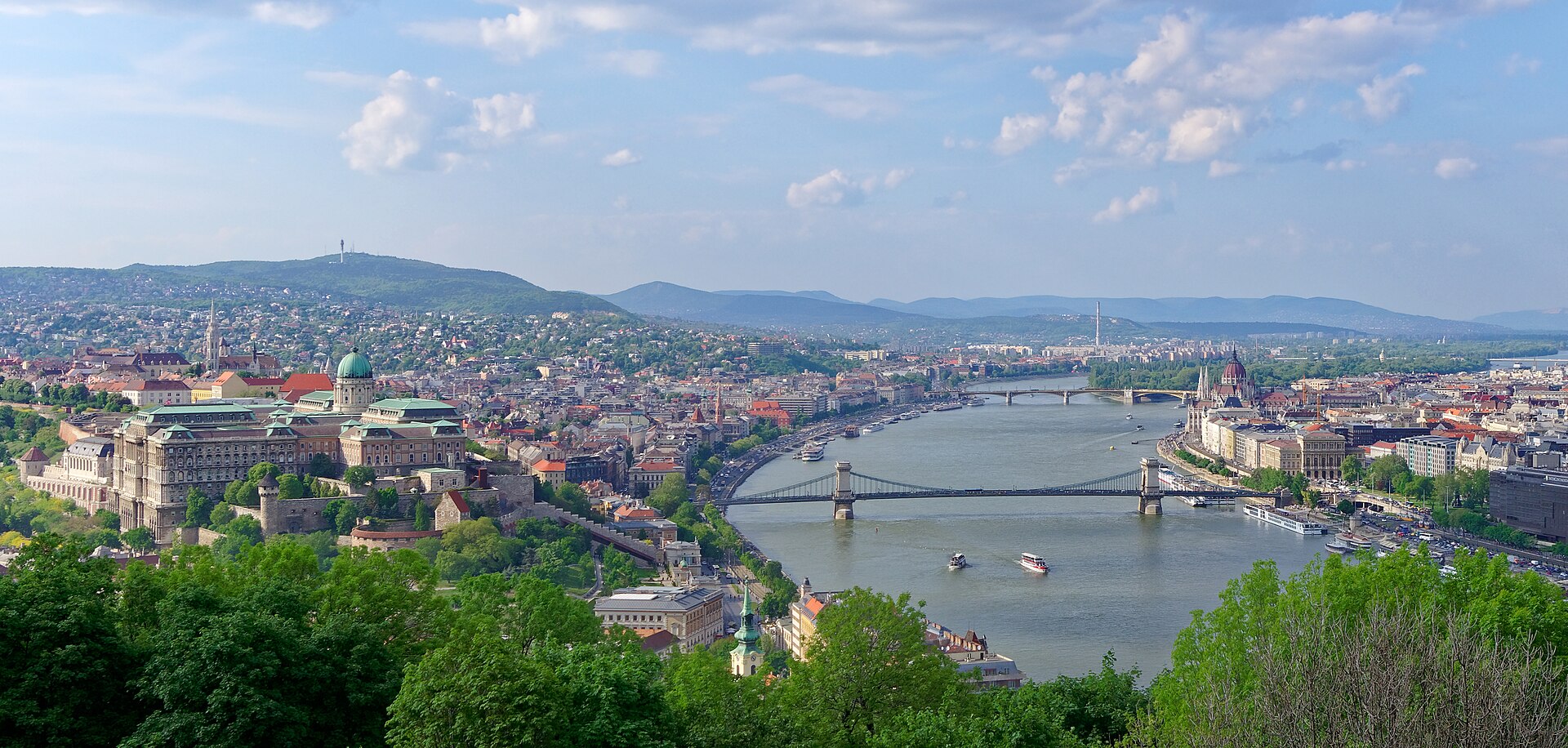
Hungary is landlocked inside the Carpathian Basin, drains entirely into the Danube, and is dominated by wide lowland plains with seven neighbours around the rim. Just over 9.5 million people live here, and Budapest pulls hard enough that most itineraries amount to the capital plus one decision. The Danube cuts the city in two and carries on north through the bend towns; the plains run east toward Romania; Lake Balaton lies southwest and does the work a coast would do in a country that has none. Hungarian is one of the few languages in Europe outside the Indo-European family, which is the first thing a visitor notices on a road sign and the last thing they get used to.
Reviewed by Elena Voss · Roavina Travel Editor
Every city catalogued in this country so far, ranked by how much there is to see.
Photograph · Thomas Depenbusch (Depi) from Cologne, Germany · CC BY 2.0
Ranked by importance — sitelinks, pageviews and heritage status, not editor preference.
21 places match
Category
Typical visit duration
Interests
Országház
Országház — House of the Country — is the seat of the National Assembly of Hungary and the largest building in the country.
Budavári Palota
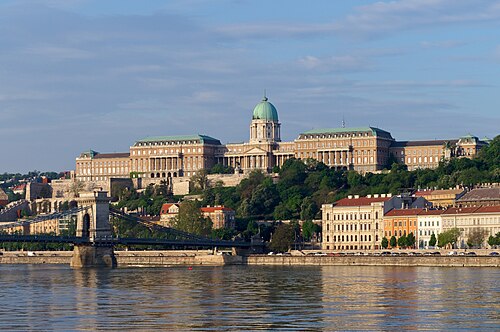
Budavári Palota occupies the southern tip of Castle Hill and is less one building than five centuries of demolition arguing with each other. A royal residence stood here by 1265, under Béla IV.
Halászbástya
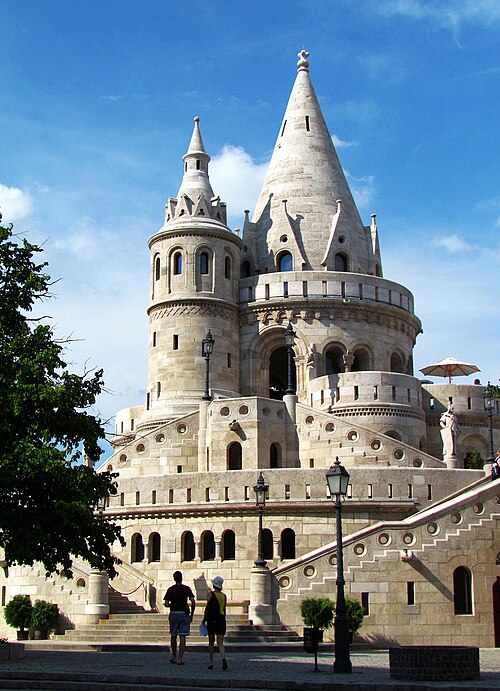
Fisherman's Bastion is a viewing terrace on the crown of Buda Castle Hill, built between 1895 and 1902 to a design by Frigyes Schulek as part of the works marking a thousand years of the Hungarian state.
Széchenyi lánchíd
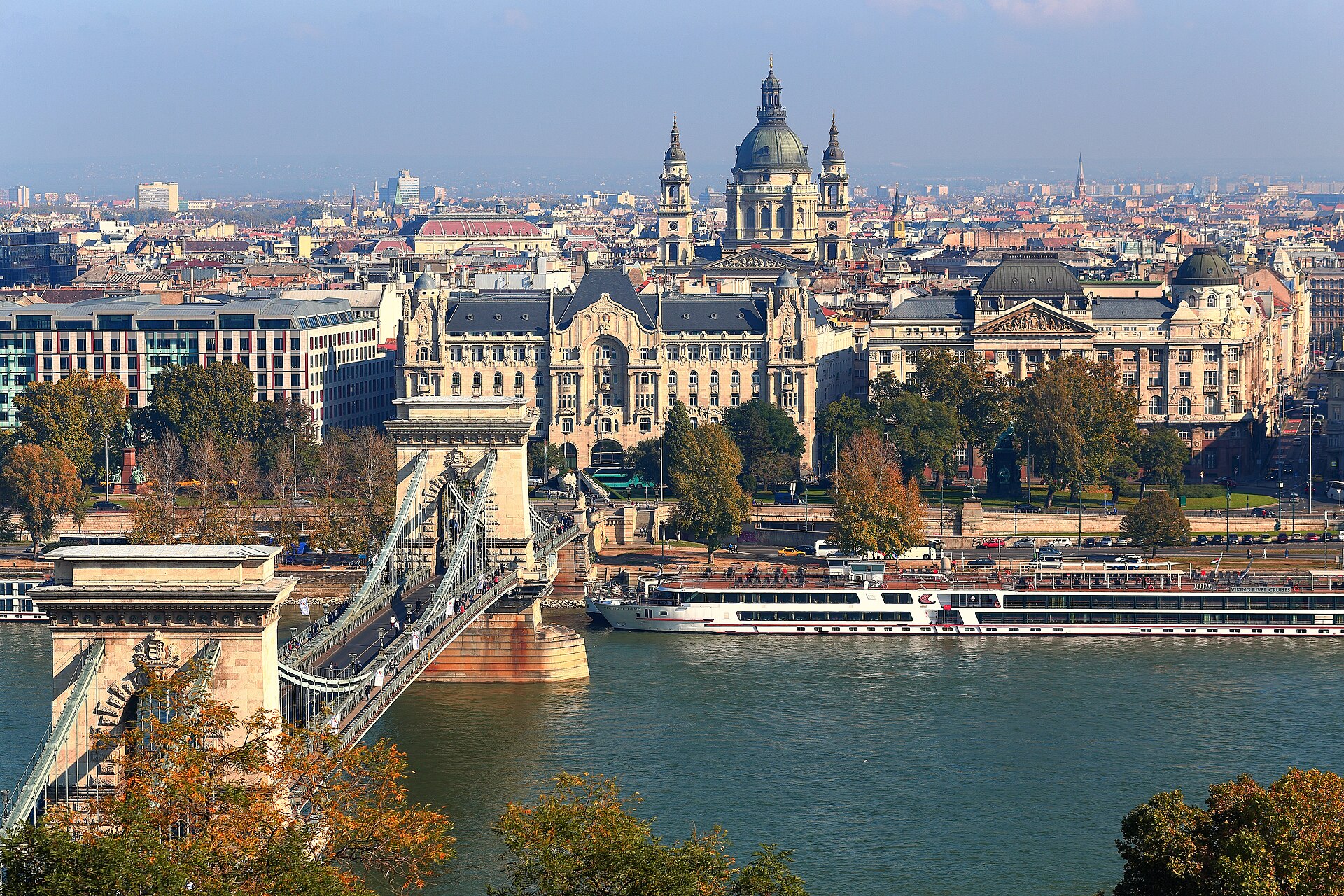
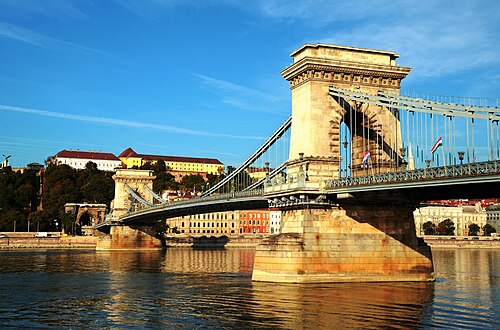
Széchenyi Chain Bridge is the Danube crossing between Széchenyi István tér in Pest and Clark Ádám tér in Buda. Use it to connect a riverside walk with the foot of Castle Hill.
Budavári Nagyboldogasszony-templom
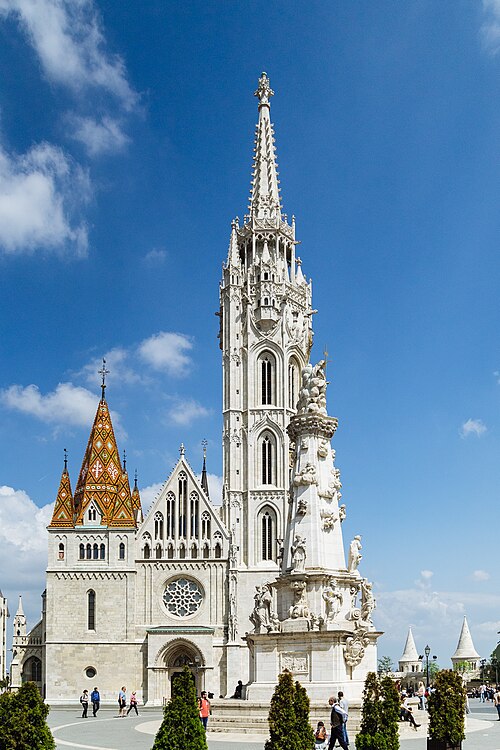
The Church of Our Lady of Buda Castle, known to almost everyone as Matthias Church, stands on Szentháromság tér at the top of the castle hill in Buda.
Hősök tere
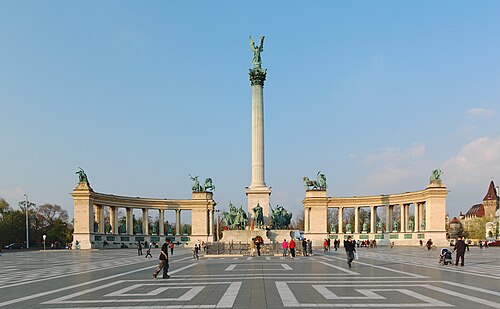
Hősök tere is a major square in Budapest, Hungary, recognised as part of the UNESCO World Heritage Site inscription for Andrássy Avenue and its surroundings.
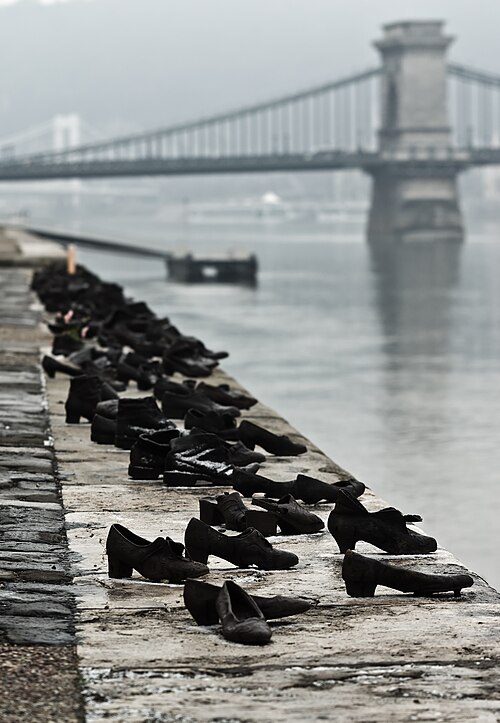
Cipők a Duna-parton
The Shoes on the Danube Bank is an outdoor memorial sculpture on the Pest riverbank of the Danube in Budapest, Hungary.
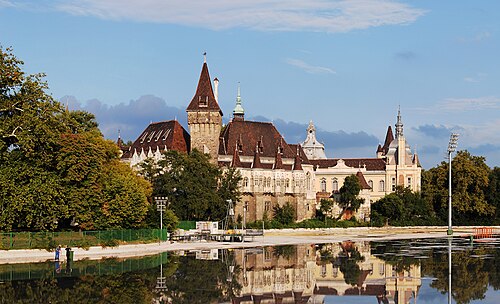
Vajdahunyad vára
Vajdahunyad Castle stands in Budapest's City Park as an architectural museum and romantic landmark. Built originally as a temporary wooden structure for the 1896 Millennium Exhibition, it was later reconstructed in stone and brick due to popular demand.
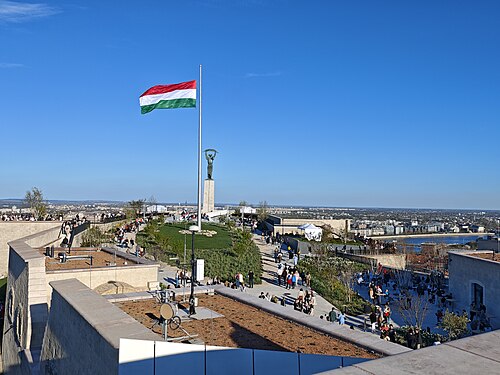
The Citadella is a historic fortress complex perched atop Gellért Hill in Budapest, commanding panoramic views over the Danube, Buda Castle, and the Pest skyline.
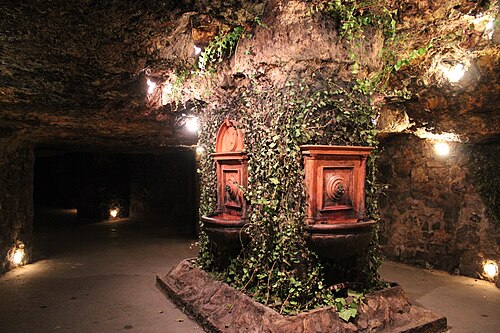
The Labyrinth of Buda Castle is a cave system beneath Budapest's Castle Hill, formed by natural thermal springs and later expanded by human activity.
Szent Gellért Gyógyfürdő és Uszoda
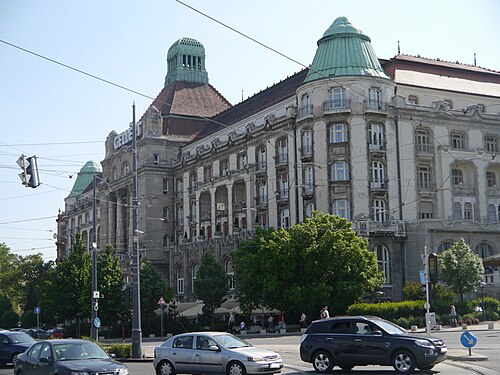
Gellert Thermal Bath is a historic thermal-bath complex on Budapest’s Buda side, beside the Danube and at the foot of Gellert Hill.
Szent Anna-templom
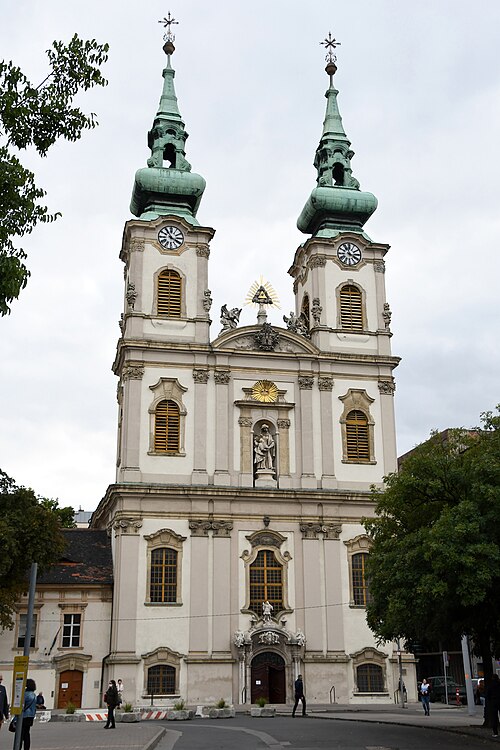
The Church of Saint Anne is a Roman Catholic church in Budapest and an active place of worship for the local community.
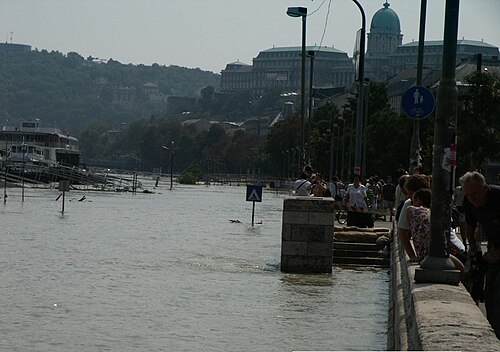
Batthyany Square is a prominent public square on the Buda side of the Danube in Budapest, Hungary. Named after Count Lajos Batthyany, the first Prime Minister of Hungary, it functions as a significant transport interchange and riverside gathering point.
Szabadság-szobor
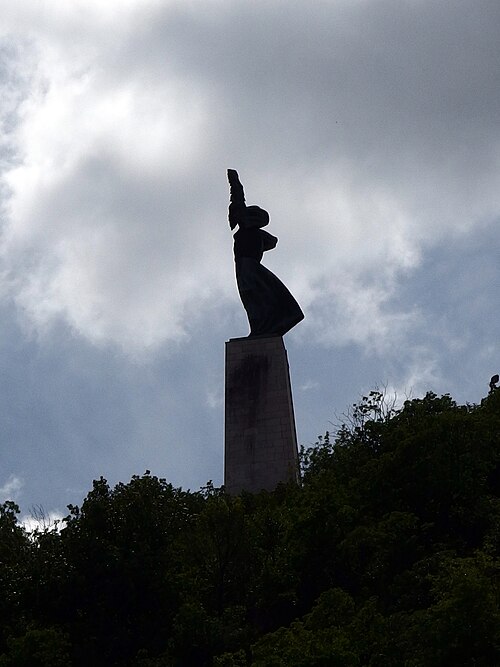
The Liberty Statue stands on Gellért Hill overlooking the Danube in Budapest. Erected in 1947, the monument originally commemorated Soviet liberation of Hungary from Nazi occupation.
Vorosmarty Square is a public square in Budapest, located in the Fifth District at the northern end of Vaci Street. It serves as a central pedestrian hub in the city centre.
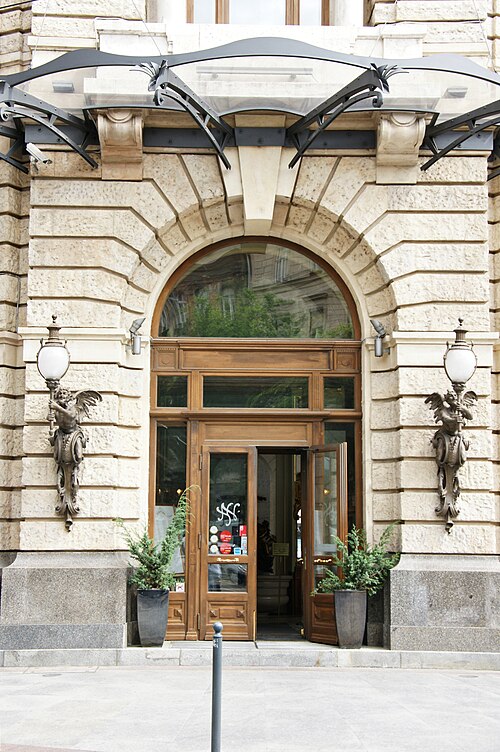
New York Palace is a grand historic building in Budapest associated with the New York Cafe.
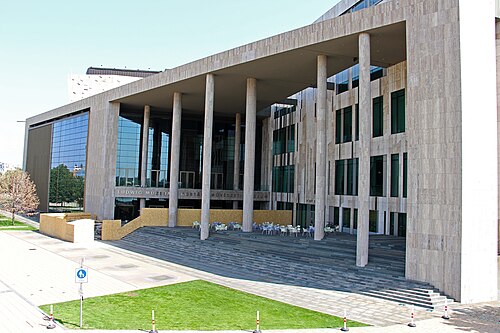
The Palace of Arts is a major cultural venue in Budapest, Hungary. It serves as a prominent centre for performing arts and cultural events in the capital.
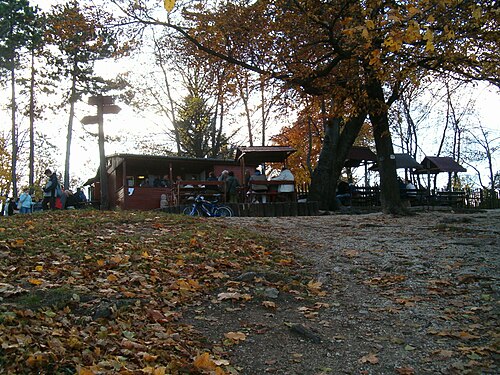
Normafa is a popular recreational area and viewpoint situated in the Buda Hills on the western side of Budapest, Hungary.
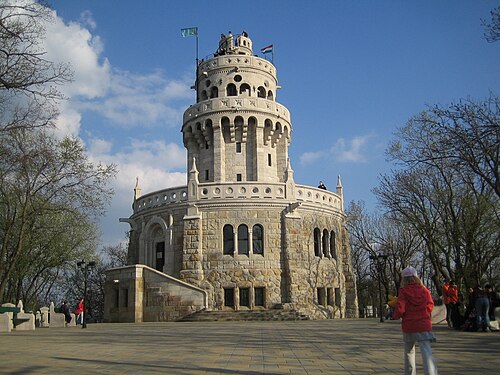
Erzsébet-kilátó
Elizabeth Lookout is a historic observation tower on János Hill, the highest point of Budapest. Named after Empress Elisabeth of Austria, it rises above the wooded Buda Hills and opens the city from a completely different angle than central viewpoints.
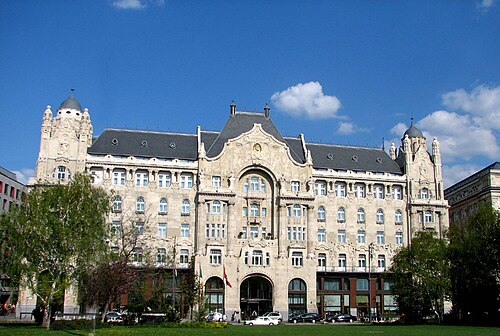
Gresham-palota
Gresham Palace is a prominent Art Nouveau building on Budapest’s Danube riverfront. The palace dates from the early twentieth century and occupies a central position beside the Chain Bridge, giving it an important architectural and urban setting.
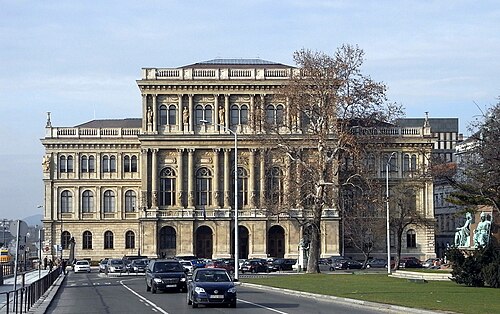
Magyar Tudományos Akadémia
The Hungarian Academy of Sciences is the premier learned society of Hungary, founded in 1825 by Count István Széchenyi. Its neoclassical headquarters stands prominently on the Danube embankment at Széchenyi István Square in central Budapest.
Source: OpenStreetMap contributors, Wikidata ·
Five to seven days gives Budapest four days and leaves room for Eger, Pécs, Lake Balaton or the Danube Bend. Choose one extension; repeated returns to the capital can consume the time an overnight would preserve.
Hungary’s consular information service carries the current entry and visa rules. Check the passport-specific requirement and the complete Schengen itinerary rather than assuming another member state’s answer applies unchanged.
Budapest Airport is the principal international gateway. Intercity trains and coaches radiate from the capital, while Budapest uses its own metro, tram, bus and suburban-rail fare system.
April through June and September through October are practical for Budapest and regional sightseeing. Lake Balaton’s summer season and winter operating patterns create different transport and opening considerations.
Hungarian forints (HUF) are the recorded currency even though some businesses may display other currencies. Fees and acceptance are Not recorded; verify the HUF total and avoid accepting an unclear conversion.
Call 112 in a Hungarian emergency. Electricity is 230 V through Type C and F sockets; national tap-water guidance is Not recorded in the cited material.