
_(cropped).jpg)

01
1 hour
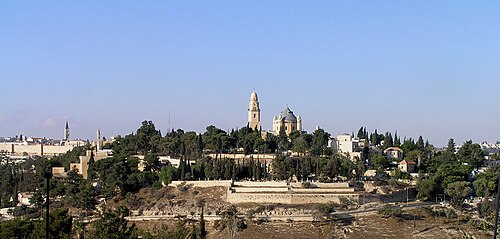
Mount Zion
Mount Zion is a hill in Jerusalem with deep historical and religious significance across multiple faiths.
- Must see
- Historic monument
- Jerusalem
Country guide
Israel occupies the Southern Levant, bordered by Lebanon, Syria, Jordan and Egypt, with the Mediterranean along its western coast, the Red Sea at its southern t...
Photograph · Dani Lavi 0007 · CC BY-SA 4.0
Reviewed by Elena Voss · Roavina Travel Editor
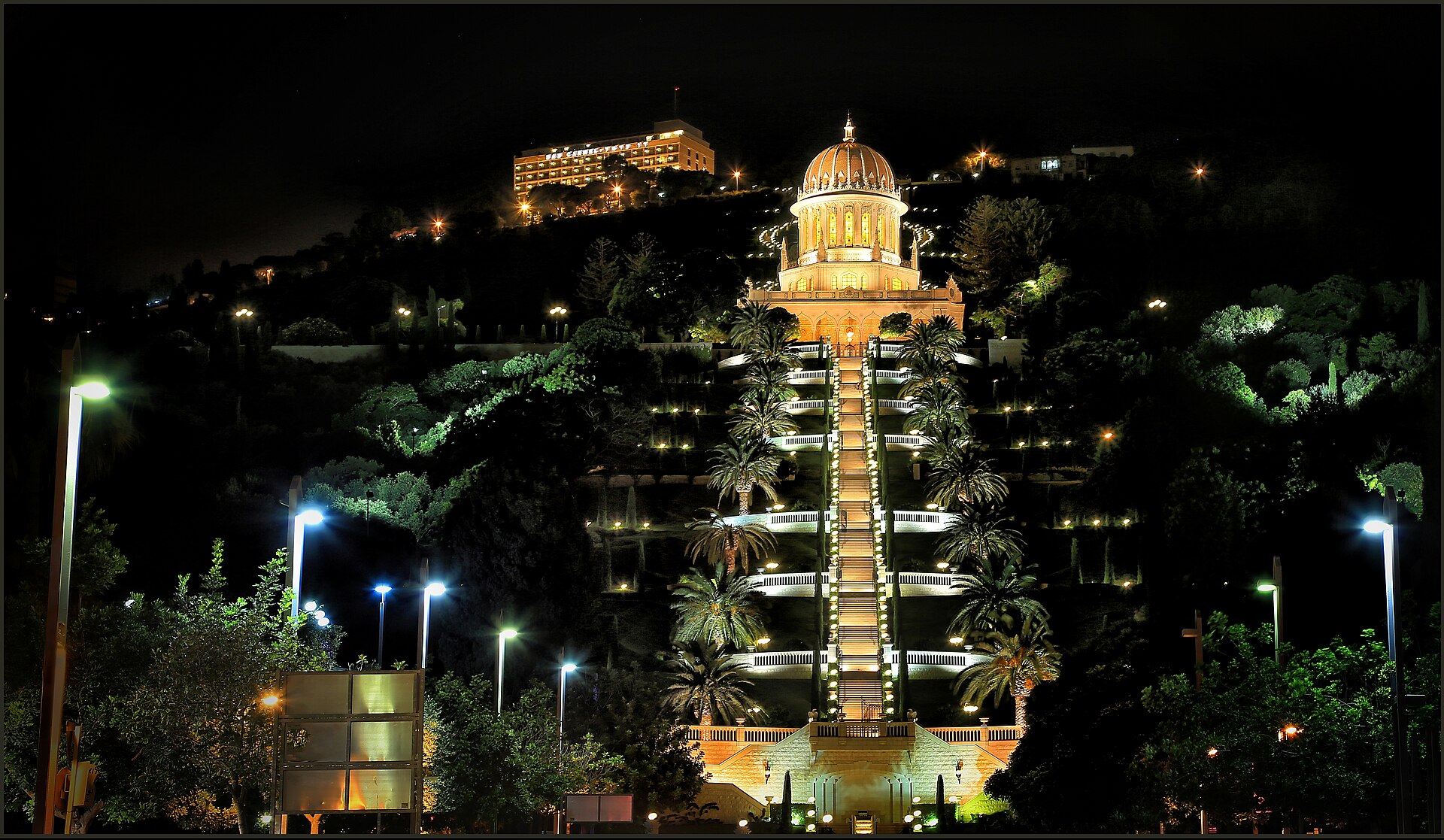
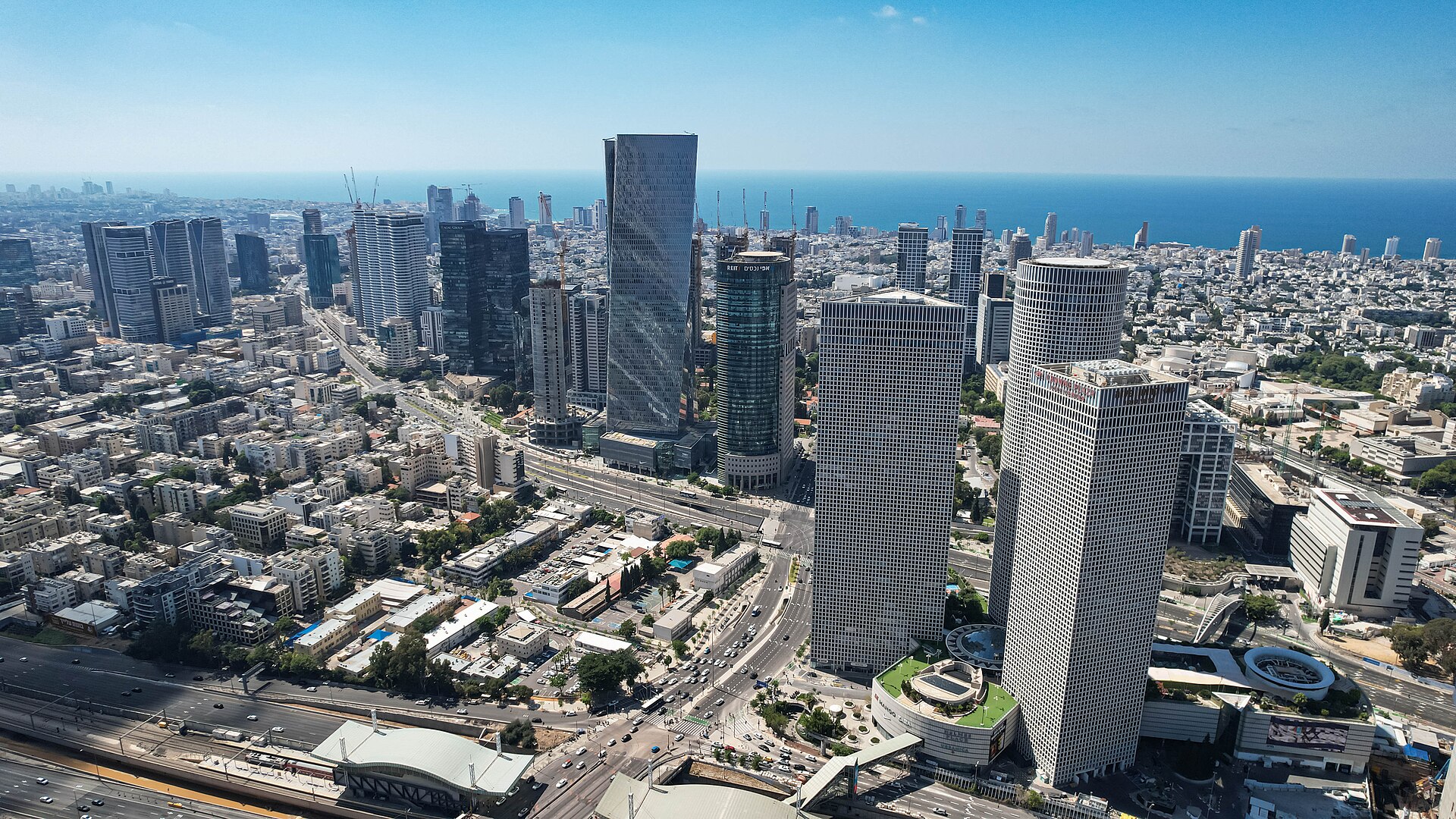
Israel occupies the Southern Levant, bordered by Lebanon, Syria, Jordan and Egypt, with the Mediterranean along its western coast, the Red Sea at its southern tip and Earth's lowest point, near the Dead Sea, to the east. Two cities carry most of what a visitor comes for and they are nothing alike. Jerusalem is the government seat and proclaimed capital, holding the sites the three Abrahamic religions hold in common; Tel Aviv is the largest urban area and the economic centre, a twentieth-century city on a beach. The Israeli-Palestinian conflict persists, and it governs where a visitor can go and when as firmly as any opening time does.
Checked 2026-08-25
Every city catalogued in this country so far, ranked by how much there is to see.

Photograph · askii · CC BY-SA 2.0
Photograph · Ynhockey · CC BY-SA 4.0
Ranked by importance — sitelinks, pageviews and heritage status, not editor preference.
14 places match
Category
Typical visit duration
Interests
Mount Zion is a hill in Jerusalem with deep historical and religious significance across multiple faiths.
העיר העתיקה
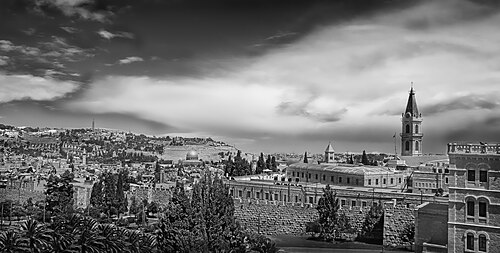
The Old City of Jerusalem is a walled area within the modern city of Jerusalem, recognized as a UNESCO World Heritage Site since 1981. It holds profound significance for Judaism, Christianity, and Islam.
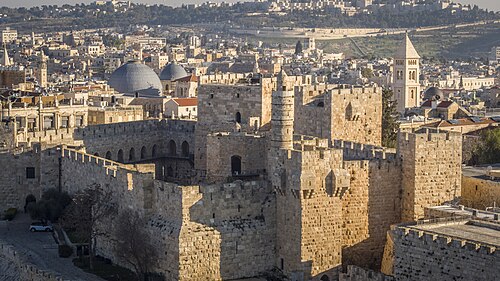
מגדל דוד
The Tower of David is a historic citadel beside Jaffa Gate, at the western edge of Jerusalem’s Old City. Its name reflects a later identification rather than a direct connection with King David.
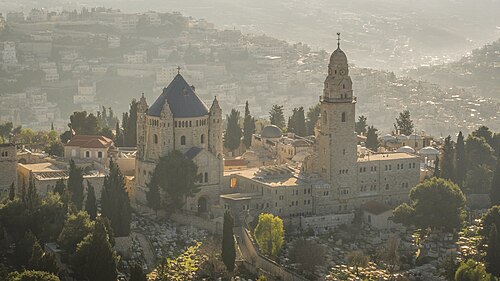
كنيسة رقاد السيدة العذراء
Dormition Abbey is a Benedictine monastery on Mount Zion, southwest of Jerusalem’s Old City walls. The early twentieth-century church commemorates the dormition, or falling asleep, of the Virgin Mary according to Christian tradition.
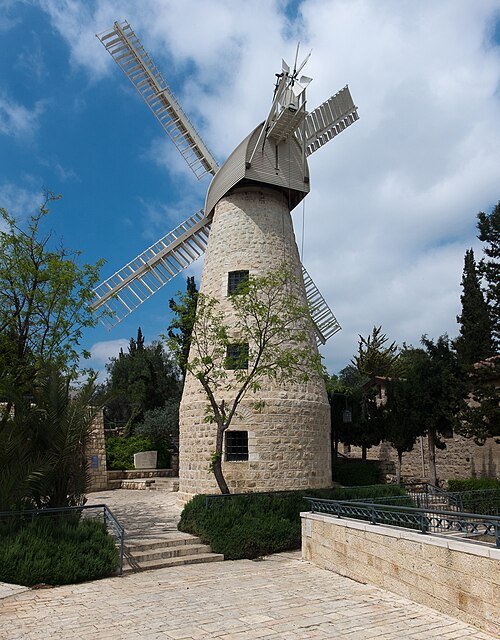
טחנת הרוח
Montefiore Windmill is a historic landmark in Jerusalem’s Yemin Moshe neighborhood. Funded by the British Jewish philanthropist Moses Montefiore in the nineteenth century, it represents an effort to support Jewish settlement, agriculture and economic activity beyond the Old City walls.
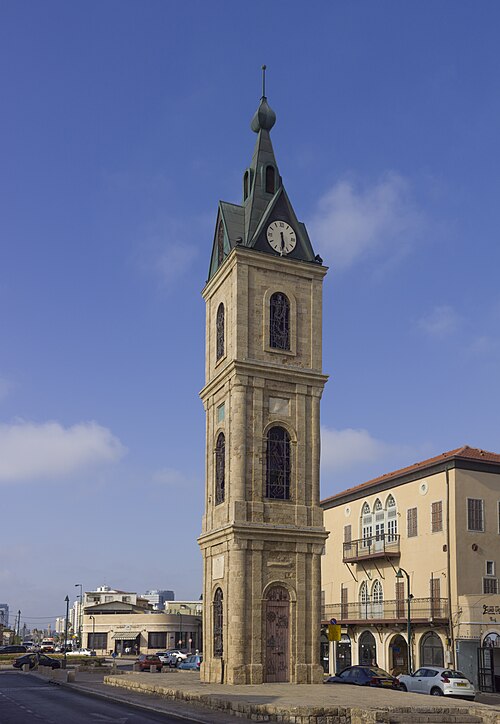
מגדל השעון יפו
Jaffa Clock Tower is an Ottoman-era clock tower standing in central Jaffa, the ancient port district now incorporated into Tel Aviv-Yafo. Built during the late Ottoman period, it remains the defining landmark of this historic area.
Seven to ten days can divide time between Jerusalem and Tel Aviv with one carefully chosen extension to Haifa, the Galilee, Dead Sea or Negev. Religious calendars and changing security conditions can alter access, so keep the route flexible rather than booking every transfer tightly.
Use Israel’s Population and Immigration Authority for the current entry rule, including whether electronic travel authorisation is required. Eligibility depends on nationality and travel circumstances; recheck immediately before departure because border procedures may change faster than ordinary guide content.
Ben Gurion Airport links into the intercity rail and bus networks, and major cities have their own local transit products. Many public services reduce substantially from Friday evening to Saturday evening, so build a separate plan for that period and confirm current operations.
Spring and autumn can balance coastal heat with walking in Jerusalem, but holidays may sharply affect hours, transport and demand. Desert excursions need separate heat planning, and any official security restriction takes priority over the seasonal itinerary.
The Israeli new shekel is the working currency. Cards are widely accepted in cities, while markets and small operators may make cash useful; inspect the ILS amount and any service convention before payment instead of applying habits from another destination.
Emergency services use 100 for police, 101 for ambulance and 102 for fire; electricity is Type C and H at 230 V. Tap-water guidance is Not recorded in this dataset, and current civil-defence instructions should be checked through official channels.