Galleria Borghese
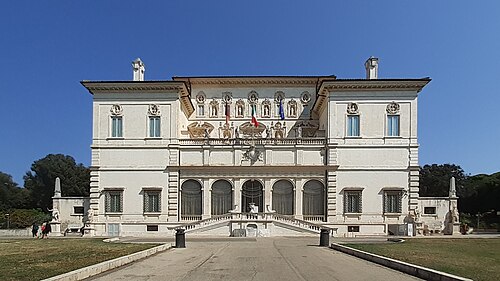
The Galleria Borghese is a state museum of the Italian Ministry of Culture, housed in the villa that Cardinal Scipione Borghese built for himself in the park now called Villa Borghese.
- Must see
- Museum
- Rome
Country guide
Italy holds 62 World Heritage Sites, more than any other country, spread across 301,340 km2 of land that runs from the Alps down into the middle of the Mediterr...
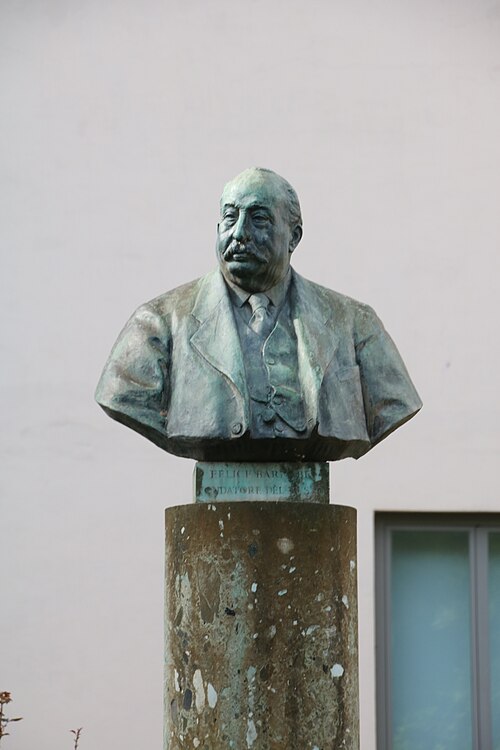
Photograph · Timothy A. Gonsalves · CC BY-SA 4.0
Reviewed by Elena Voss · Roavina Travel Editor
Italy holds 62 World Heritage Sites, more than any other country, spread across 301,340 km2 of land that runs from the Alps down into the middle of the Mediterranean. The distances between its cities are short and the differences between them are not: Venice has no roads, Naples sits under a volcano on a bay, Florence fits inside a walkable Renaissance grid, and Milan keeps its art indoors and works for a living. Rome is the capital and the obvious first trip; the argument is always about what comes second. Nearly 800 islands hang off the coast, and Sicily and Sardinia are each large enough to be a trip of their own.
Checked 2026-08-25
Every city catalogued in this country so far, ranked by how much there is to see.
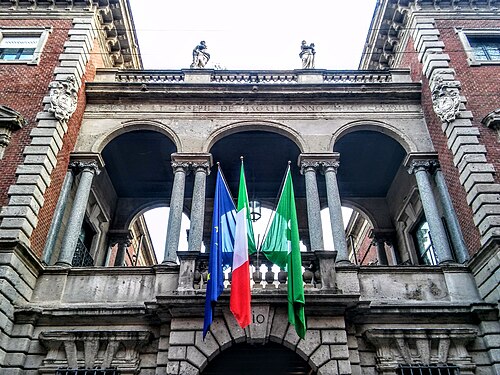
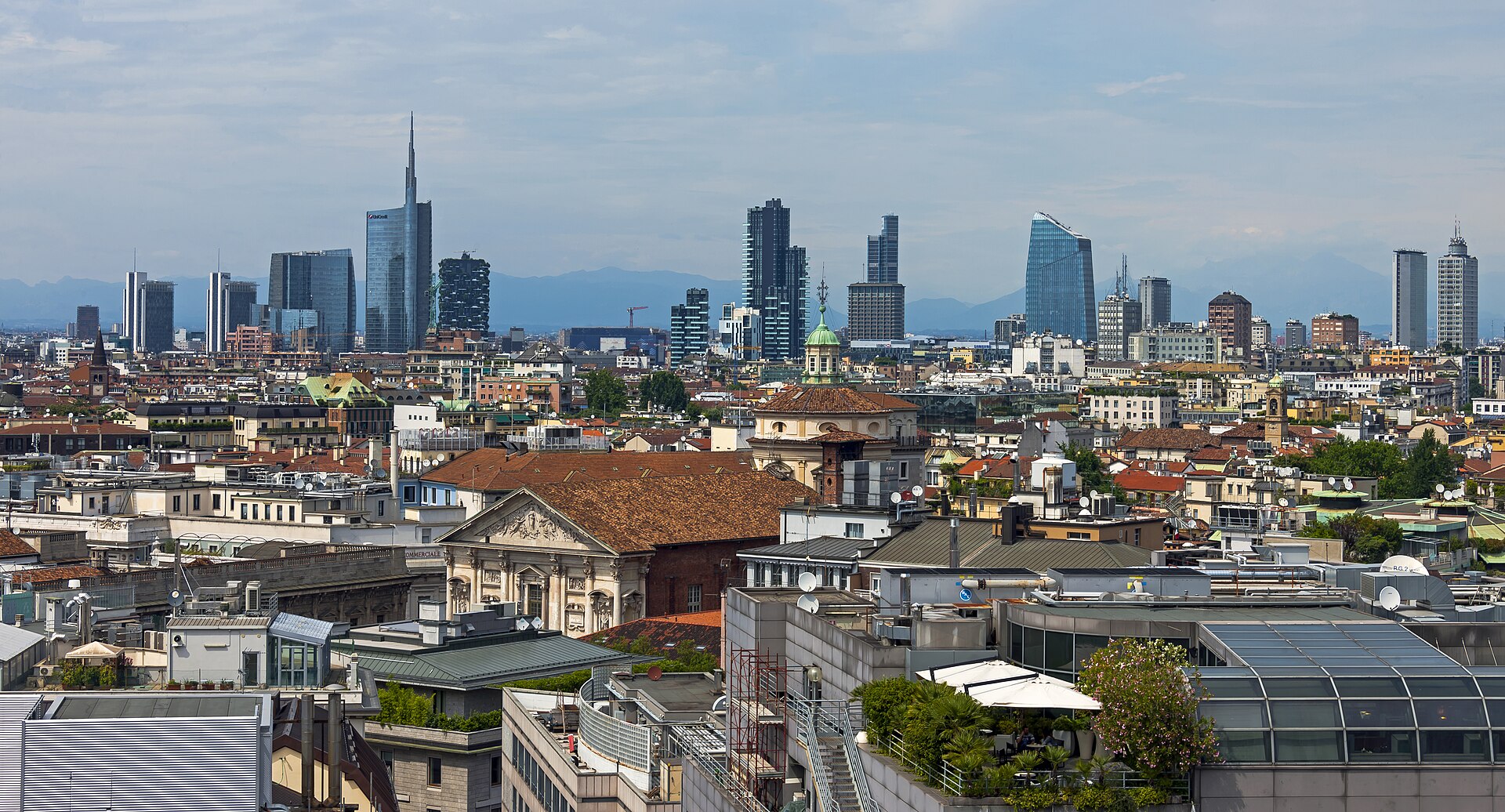
Photograph · Bert Kaufmann from Roermond, Netherlands · CC BY-SA 2.0
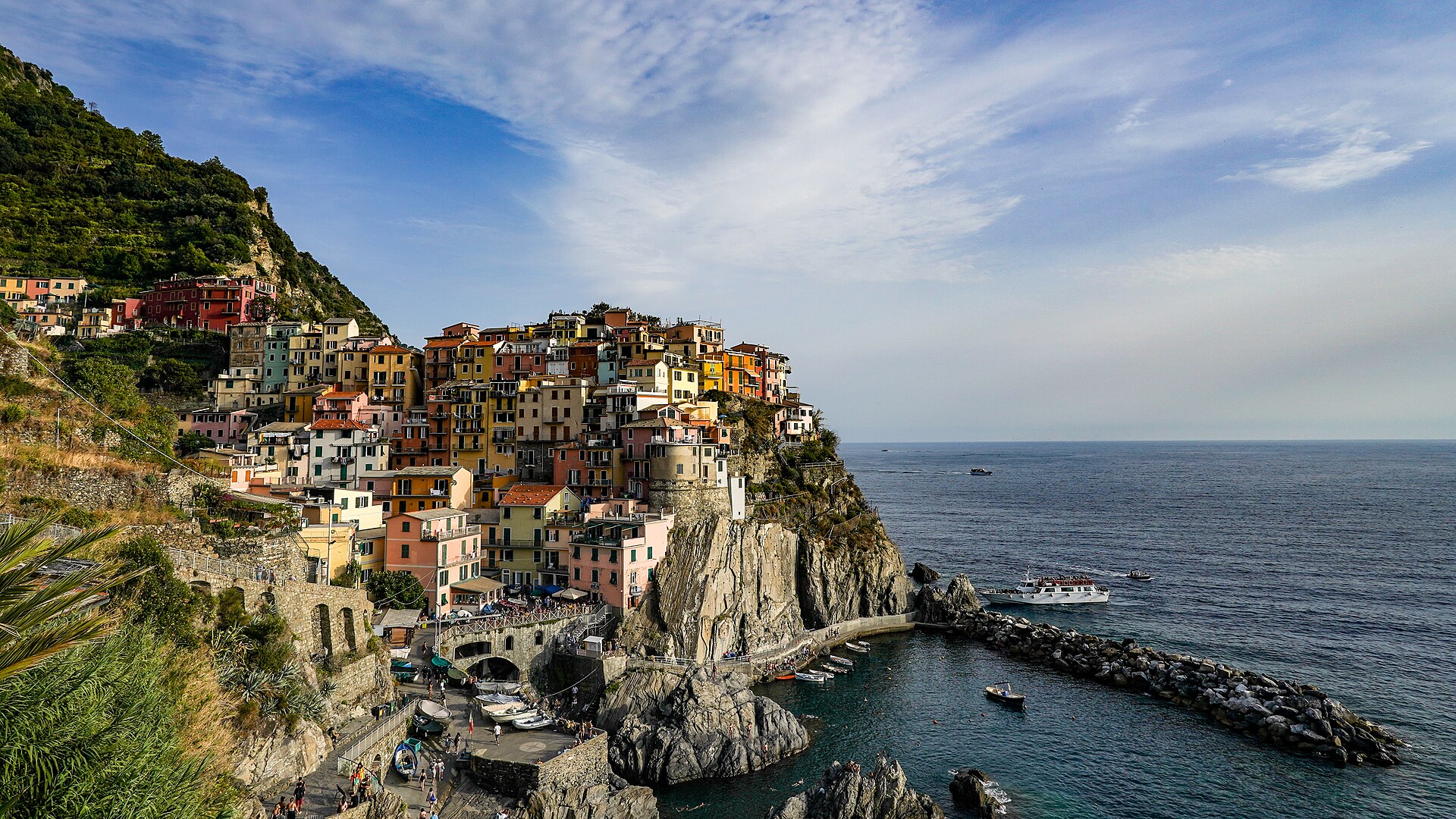
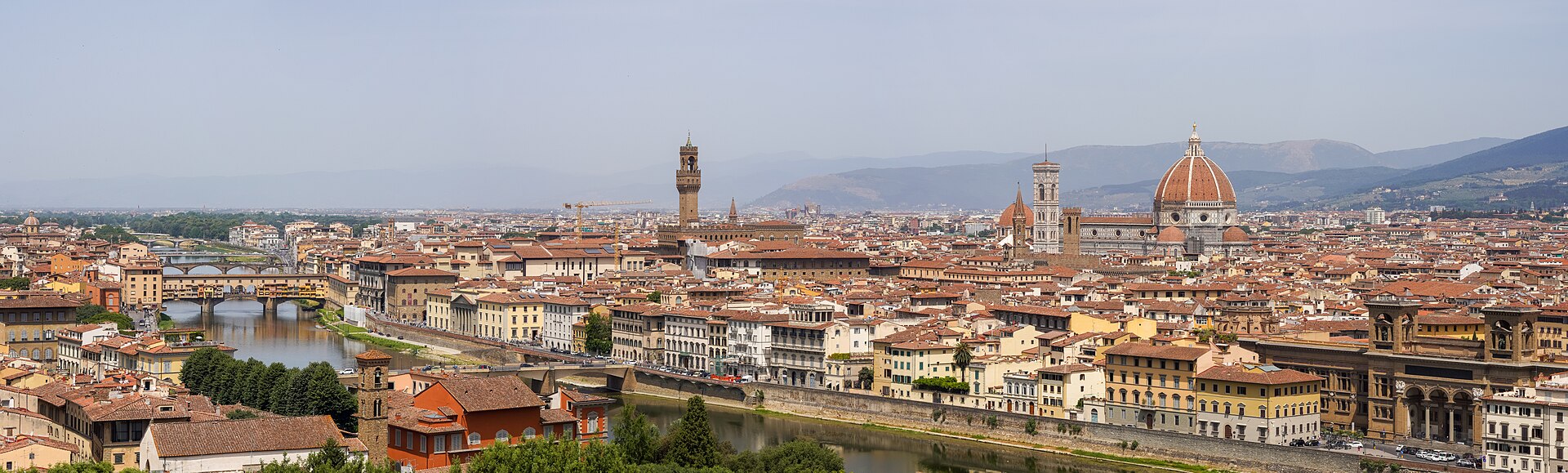
Photograph · Daniel Case · CC BY-SA 3.0
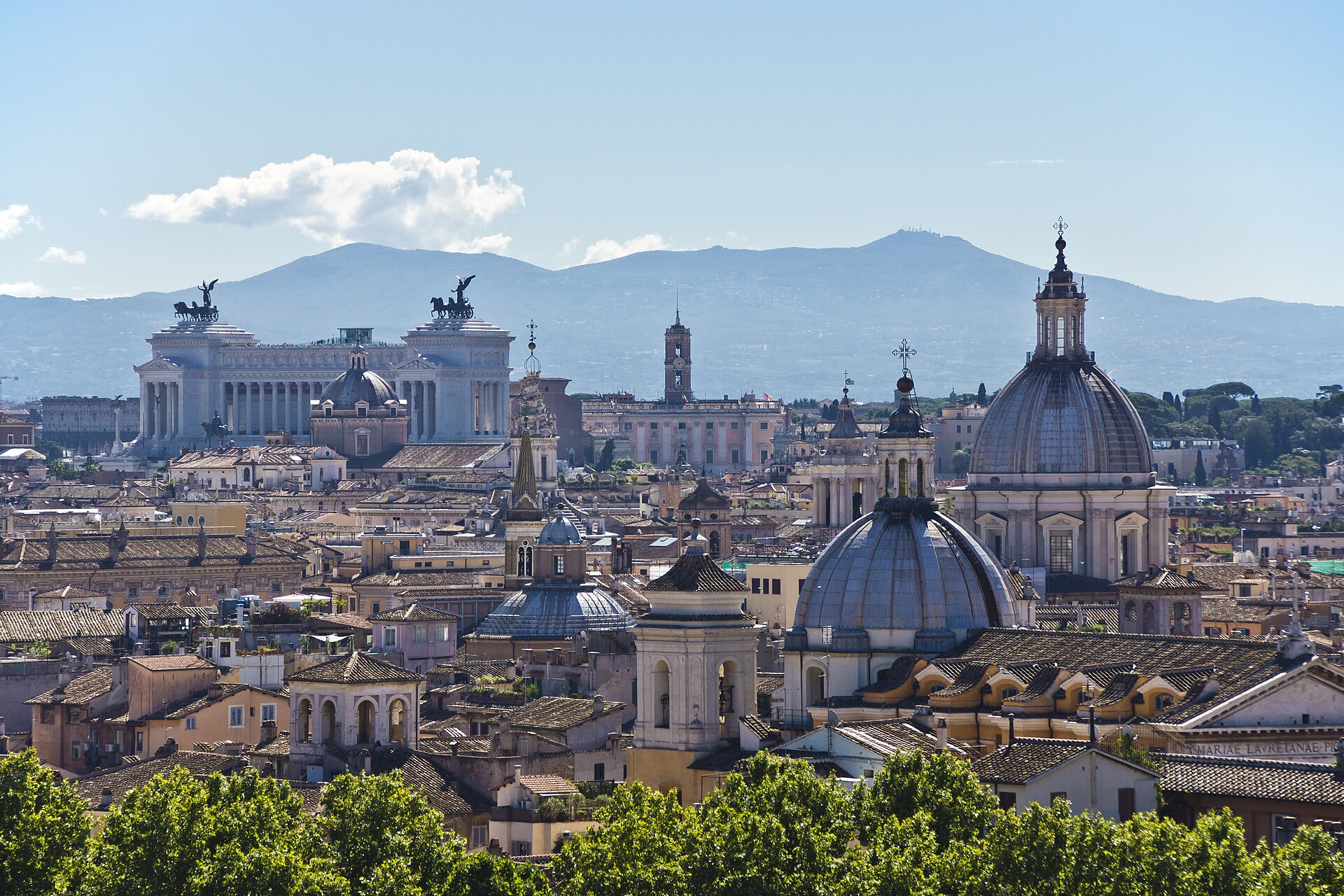
Photograph · Wikibusters · CC BY-SA 4.0
Photograph · Martin Falbisoner · CC BY-SA 4.0
Ranked by importance — sitelinks, pageviews and heritage status, not editor preference.
159 places match
Category
Typical visit duration
Interests
The Galleria Borghese is a state museum of the Italian Ministry of Culture, housed in the villa that Cardinal Scipione Borghese built for himself in the park now called Villa Borghese.
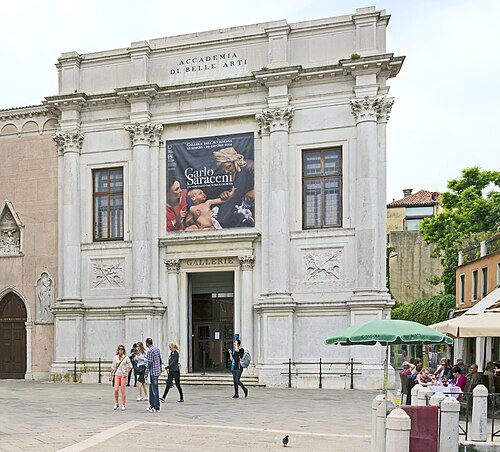
The Gallerie dell'Accademia holds the state collection of Venetian painting from the fourteenth century to the early nineteenth, standing on the Dorsoduro bank of the Grand Canal at the foot of the Accademia bridge.
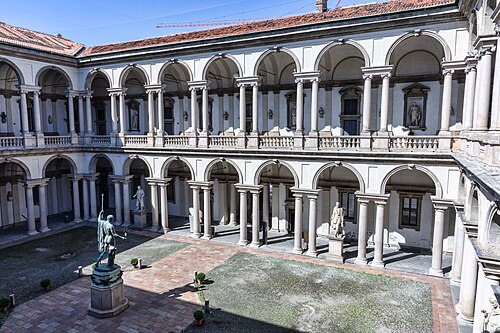
The Pinacoteca di Brera is Milan's principal public gallery of paintings, on the upper floor of Palazzo Brera in the streets north of the Duomo.
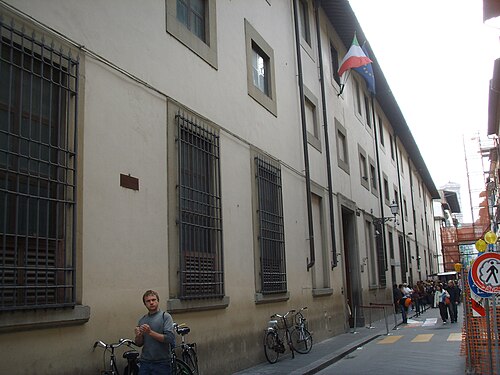
The Galleria dell'Accademia di Firenze is a state museum on Via Ricasoli, ten minutes' walk north of the Duomo, and it exists in its present form because of one statue.
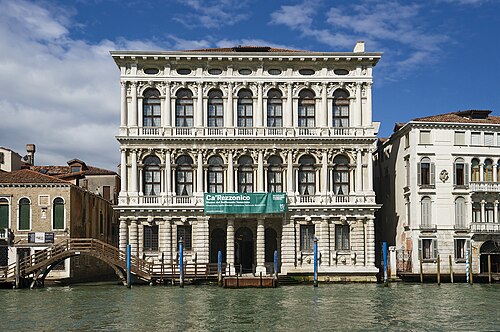
Museo Ca' Rezzonico
Ca' Rezzonico is a palazzo on the Grand Canal in Venice, now operating as the Museum of Eighteenth Century Art. The building itself represents Venetian Baroque residential architecture, constructed across the seventeenth and eighteenth centuries.
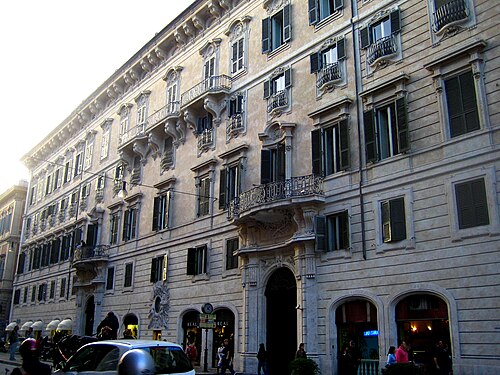
Palazzo Doria Pamphilj
Galleria Doria Pamphilj is a private art gallery housed within Palazzo Doria Pamphilj, a historic noble palace on Via del Corso in central Rome. The palace remains the residence of the Doria Pamphilj family, one of Italy's oldest aristocratic houses.
Palazzo del Bargello
The Bargello National Museum occupies the Palazzo del Bargello, a medieval fortress palace in central Florence. Built from 1255, it served as the city podesta residence and later as a prison and police headquarters.
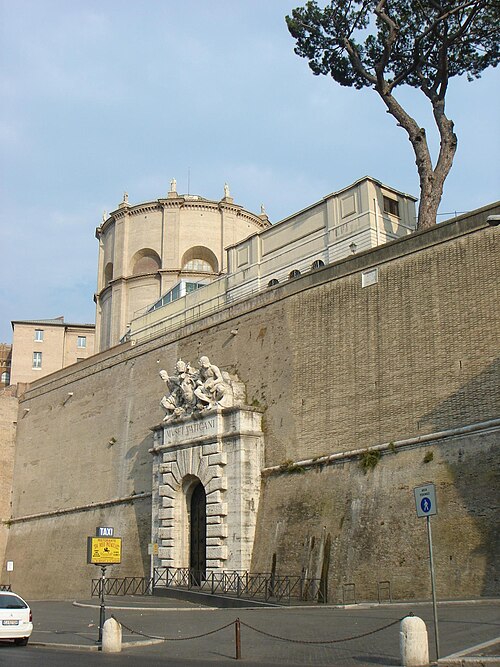
Musei Vaticani
The Vatican Museums are a large museum complex within Vatican City, surrounded by Rome. They present collections assembled by the Catholic Church and the papacy across centuries, displayed through galleries, chapels, and historic palace interiors.
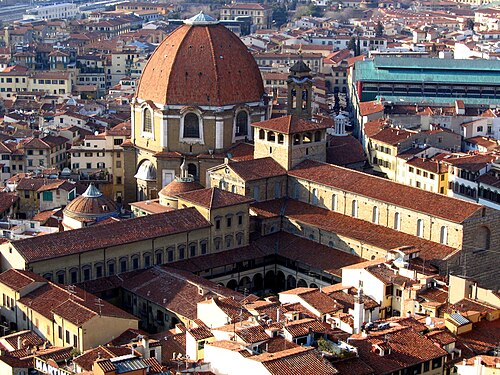
Cappelle Medicee
The Medici Chapels, known locally as Cappelle Medicee, constitute a significant mausoleum complex in Florence.
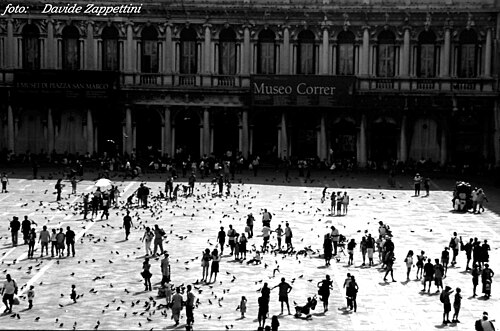
Museo Correr is a museum located in Venice, Italy. It occupies part of the Procuratie Nuove in Piazza San Marco, facing the Basilica di San Marco.
The Museo dell'Opera del Duomo is the storehouse and the explanation of the buildings standing outside its own door.
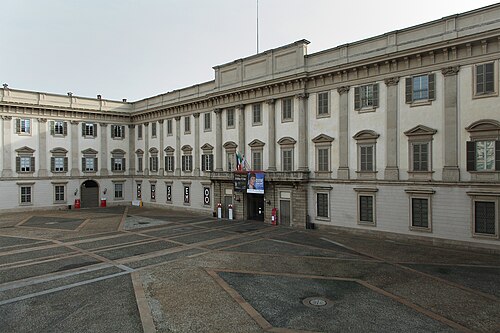
Palazzo Reale
The Royal Palace of Milan, known locally as Palazzo Reale, stands as a major historic palace in the centre of Milan.
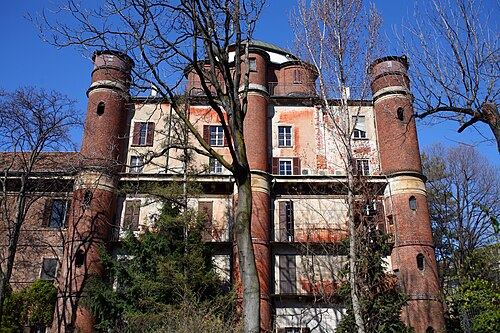
Museo Astronomico di Brera
Brera Astronomical Observatory is a historic scientific institution in Milan’s Brera district. Known locally as Museo Astronomico di Brera, it forms part of the Palazzo di Brera complex, alongside the Pinacoteca di Brera and other cultural institutions.
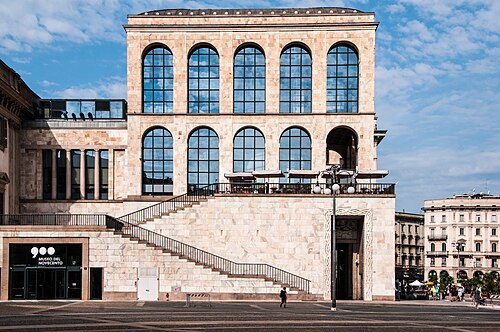
The Museo del Novecento occupies the Palazzo dell'Arengario at Piazza Duomo 8, the civic building on the south side of the cathedral square, and shows more than three hundred works selected from the four thousand-odd pieces of twentieth- and twenty-first-century…
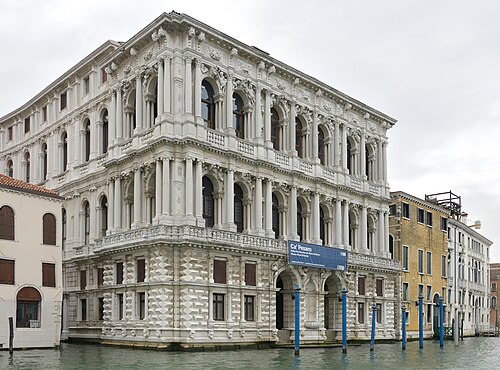
Ca' Pesaro is a Baroque palazzo situated on the Grand Canal in Venice's Santa Croce district. Constructed for the noble Pesaro family, the building was designed by architect Baldassare Longhena, with completion by Antonio Gaspari after Longhena's death.
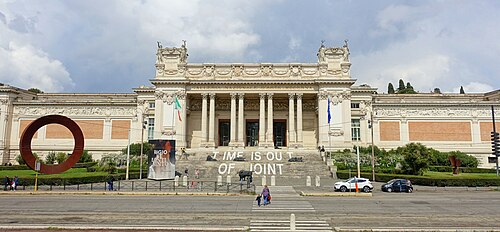
Galleria Nazionale d'Arte Moderna e Contemporanea
The Galleria Nazionale d'Arte Moderna e Contemporanea di Roma is Italy's national gallery dedicated to modern and contemporary art. Located in Rome, it occupies a neoclassical building within the Villa Borghese park complex.
Corridoio Vasariano
The Vasari Corridor is an elevated enclosed passageway in Florence, Italy. Giorgio Vasari designed it in 1565 for Cosimo I de' Medici.
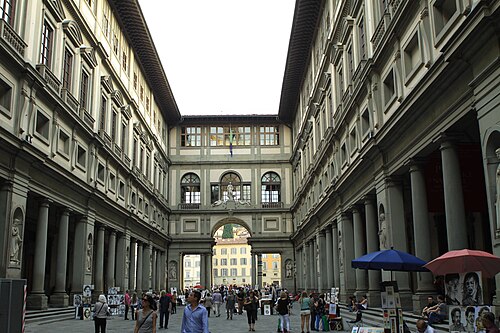
Galleria degli Uffizi
The Uffizi Gallery is a world-renowned art museum in Florence, housed in a historic building originally constructed as offices for Florentine magistrates. The name derives from the Italian word for offices.
Gallerie d'Italia
Gallerie d'Italia is a museum complex in central Milan housed in historic palace buildings. It forms part of the Intesa Sanpaolo cultural project. The institution occupies the Palazzo Beltrami and adjacent structures facing Piazza della Scala.
MAXXI Museo nazionale delle arti del XXI secolo
MAXXI is Italy's first national museum dedicated to contemporary art and architecture. The acronym stands for Museo nazionale delle arti del XXI secolo, meaning National Museum of 21st Century Arts.
Museo Poldi Pezzoli is a historic house museum in central Milan. It originated as the private residence and collection of Gian Giacomo Poldi Pezzoli, a 19th-century Milanese nobleman who bequeathed his home and artworks to the public.
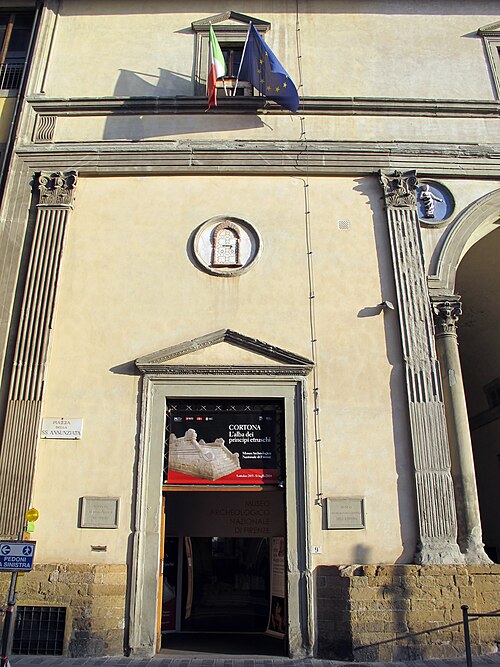
Museo Archeologico Nazionale di Firenze
The National Archaeological Museum of Florence, locally known as Museo Archeologico Nazionale di Firenze, stands as one of Italy's principal archaeological institutions. Housed in the Palazzo della Crocetta, the museum preserves extensive collections spanning Etruscan, Roman, Greek, and Egyptian civilizations.
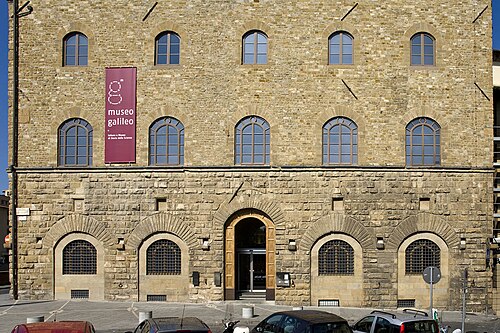
Museo Galileo - Istituto e Museo di Storia della Scienza
Museo Galileo occupies a historic position near the Arno River in Florence, housed in the Palazzo Castellani. The institution operates under its full designation Museo Galileo - Istituto e Museo di Storia della Scienza.
Museo Nazionale Etrusco di Villa Giulia is Rome’s principal museum devoted to Etruscan civilisation and art. It occupies a Renaissance villa built for Pope Julius III in the sixteenth century, where architecture, gardens and fountains form part of the experience.
Museo Bagatti Valsecchi
The Bagatti Valsecchi Museum is a historic house museum in central Milan.
Ten to fourteen days can combine Milan, Venice, Florence, and Rome by high-speed train. Give Venice more than a transfer night and Rome several separate sightseeing days; rural Tuscany needs different transport planning from the rail-linked cities.
Italy is in the Schengen Area, but visa and passport requirements vary by nationality and route. Use Italy's official visa portal to confirm the applicable rule before travel rather than relying on another Schengen trip.
High-speed trains connect Milan, Venice, Florence, and Rome, with regional rail and coaches serving smaller places. Drivers must check ZTL restrictions before entering historic centres because access controls are local and can generate fines.
April to June and September to October broadly suit the north-to-Rome rail route. Lagoon conditions in Venice, summer heat in Rome, and seasonal rural services in Tuscany should be checked independently.
Italy uses the euro (EUR). Carry a modest cash reserve for small purchases while using cards where accepted, and verify the euro amount at the terminal instead of accepting an unexamined conversion.
Italy routes emergency calls through 112. Travellers encounter a 230 V supply and Type C, F, or L receptacles. No tap-water assessment is recorded for Italy; obtain current local advice at the destination.