
6 min walk
Giō-ji
- Must see
- Place of worship
Place of worship · Kyoto
化野念仏寺
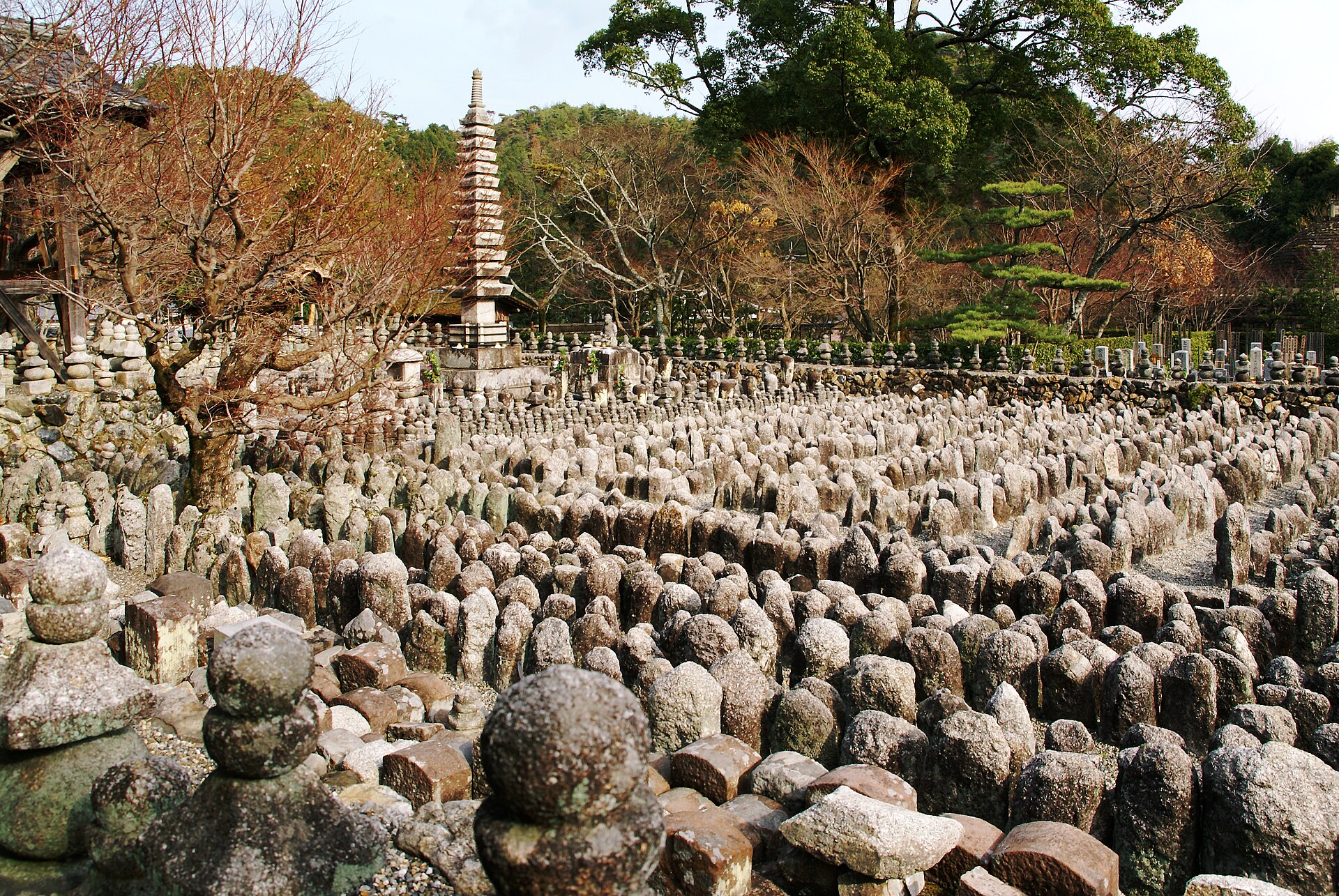
Adashino Nenbutsu-ji is a Buddhist temple in Kyoto’s western Saga-Arashiyama area, known for its memorial field of stone figures. The site is connected with the remembrance of people who died without established memorials, giving the visit a quieter and more solemn character than many scenic Arashiyama stops. It is a place for slow observation, respectful behaviour, and attention to the relationship between religious practice and the hillside landscape. Adashino Nenbutsu-ji is a Buddhist temple in Kyoto's western Saga-Arashiyama district. The temple occupies a hillside site with strong associations to burial and memorial practices. Its name and history connect to the adashino area, where unclaimed bodies were traditionally interred. The temple is known for its atmospheric setting and its role in commemorating the dead. The grounds contain a substantial collection of stone figures that contribute to its distinctive character. Visitors encounter a contemplative space shaped by centuries of ritual activity and local tradition. The temple's defining characteristic is its extensive field of stone figures memorialising the dead, accumulated over centuries. This memorial function and atmospheric density distinguish it from temple complexes focused primarily on active worship or garden aesthetics.
Checked 2026-08-26 · Source
The temple grounds contain a dense arrangement of stone statues and memorial markers spread across the hillside. A central Buddhist hall anchors the religious setting, while vegetation frames the stones and paths. The figures vary in size, weathering, and arrangement, so the site rewards a careful walk rather than a single glance. The combination of memorial purpose, stone texture, and slope gives Adashino its distinctive atmosphere within the Arashiyama area. The temple grounds contain numerous stone statues and memorial markers accumulated over generations. These figures represent the souls of the departed and create a powerful visual field across the hillside. A central hall serves religious functions. The surrounding terrain offers views across the Kyoto landscape. Seasonal vegetation frames the stone arrangements. The temple maintains its memorial purpose through ongoing religious observance. The density of stone figures distinguishes this site from other temple complexes in the region.
Checked 2026-08-26 · Source
Allow thirty to sixty minutes for the essential visit, including the stone figures, central structures, and hillside setting. Visitors who want to photograph details or sit quietly may need longer. The grounds are compact, but the subject deserves a slower pace than a standard sightseeing stop. Add travel time separately when combining the temple with the bamboo grove, Tenryu-ji, or other western Kyoto attractions.
Checked 2026-08-26 · Source
Early morning and late afternoon can bring a gentler atmosphere and softer light across the stone figures. Summer vegetation and autumn colour change the setting, while rain can make the hillside paths more demanding. The Sento Kuyo ceremony in late August is associated with candlelight among the memorial stones and gives the temple a particularly distinctive seasonal character. Treat the site as a reflective visit rather than a quick viewpoint.
Checked 2026-08-26 · Source
Include temple admission in the budget for an Arashiyama day, where several attractions can involve separate entrance payments. Keep the visit’s religious and memorial character in mind when arriving at the entrance and moving through the grounds. The temple is best treated as a focused stop with time for quiet attention, not as a quick add-on squeezed between distant attractions or a rushed route back towards central Kyoto.
Checked 2026-08-26 · Source
Adashino Nenbutsu-ji lies in the western Saga-Arashiyama area. Local buses and walking routes connect it with the broader district, while Torokko Arashiyama station can be incorporated into a scenic-railway day. Walking from central Arashiyama involves distance and an uphill approach, so plan your energy before adding more temples or viewpoints. Taxis can help with the approach, although narrow local roads may make the final route slower than expected.
Checked 2026-08-26 · Source
The hillside setting includes uneven ground and steps, with wet weather increasing the need for careful footing. Wear shoes that remain comfortable on sloping paths and allow time between this temple and other Arashiyama stops. The stone figures are memorial objects, so keep voices low, do not climb or touch them, and leave space for religious activity. Shelter and on-site conveniences may be limited, making preparation important before the walk uphill.
Checked 2026-08-26 · Source
The stone figures create strong subjects through repetition, weathered surfaces, and changing gaps between the trees. Soft morning or late-afternoon light can emphasise their texture, while overcast weather gives the hillside a restrained mood. Photograph from paths and keep equipment clear of other visitors. Treat the figures as memorial objects rather than props: avoid climbing, touching, intrusive poses, or noisy activity, and let the atmosphere guide the pace of the shoot.
Checked 2026-08-26 · Source
Its defining feature is the dense field of stone figures and memorial markers, which gives the temple a solemn character unlike Kyoto sites focused mainly on gardens or architecture.
Older children who can manage an uphill walk and respect a memorial setting may engage with the visit; uneven ground and the quiet religious atmosphere require attentive supervision.
Yes. Combine it with other western Kyoto sights, but allow for the distance, uphill approach, and the energy needed for additional walking.
Choose sturdy, comfortable shoes for uneven hillside paths and steps, with clothing suited to changing outdoor weather and respectful temple conduct.
Early morning and late afternoon offer softer light and a calmer mood, while autumn colour and the late-August Sento Kuyo ceremony add distinctive seasonal qualities.
Sento Kuyo is associated with late August and candlelight among the temple’s memorial stones, creating a notable religious event connected with remembrance.
Loading the interactive map…
The interactive map could not be loaded.

Last updated:
Source: OpenStreetMap contributors, Wikidata ·