
4 min walk
Nison-in Temple
- Must see
- Place of worship
Language · 11 published
Place of worship · Kyoto
祇王寺
Reviewed by Elena Voss · Roavina Travel Editor
This place is a Place of worship.
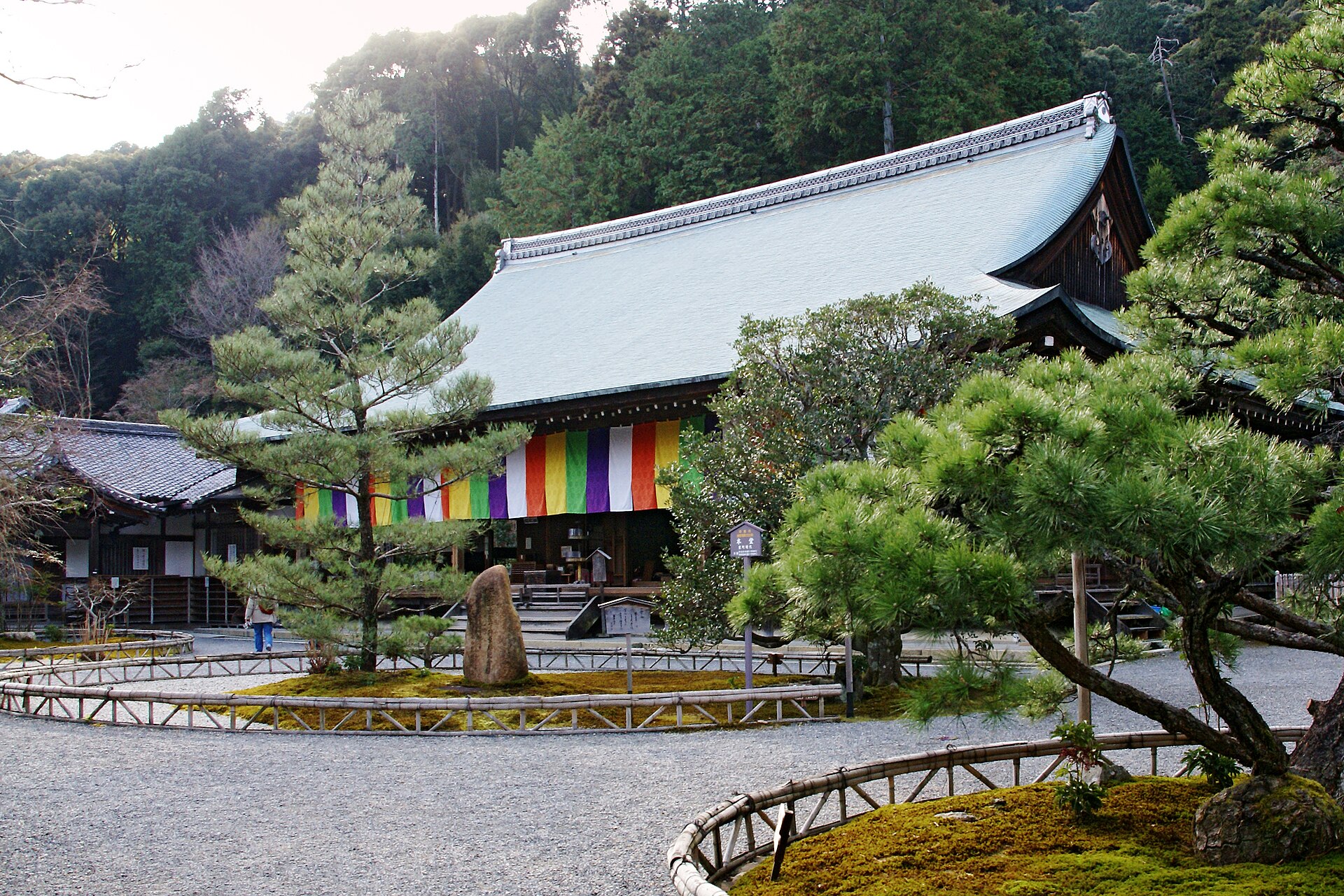
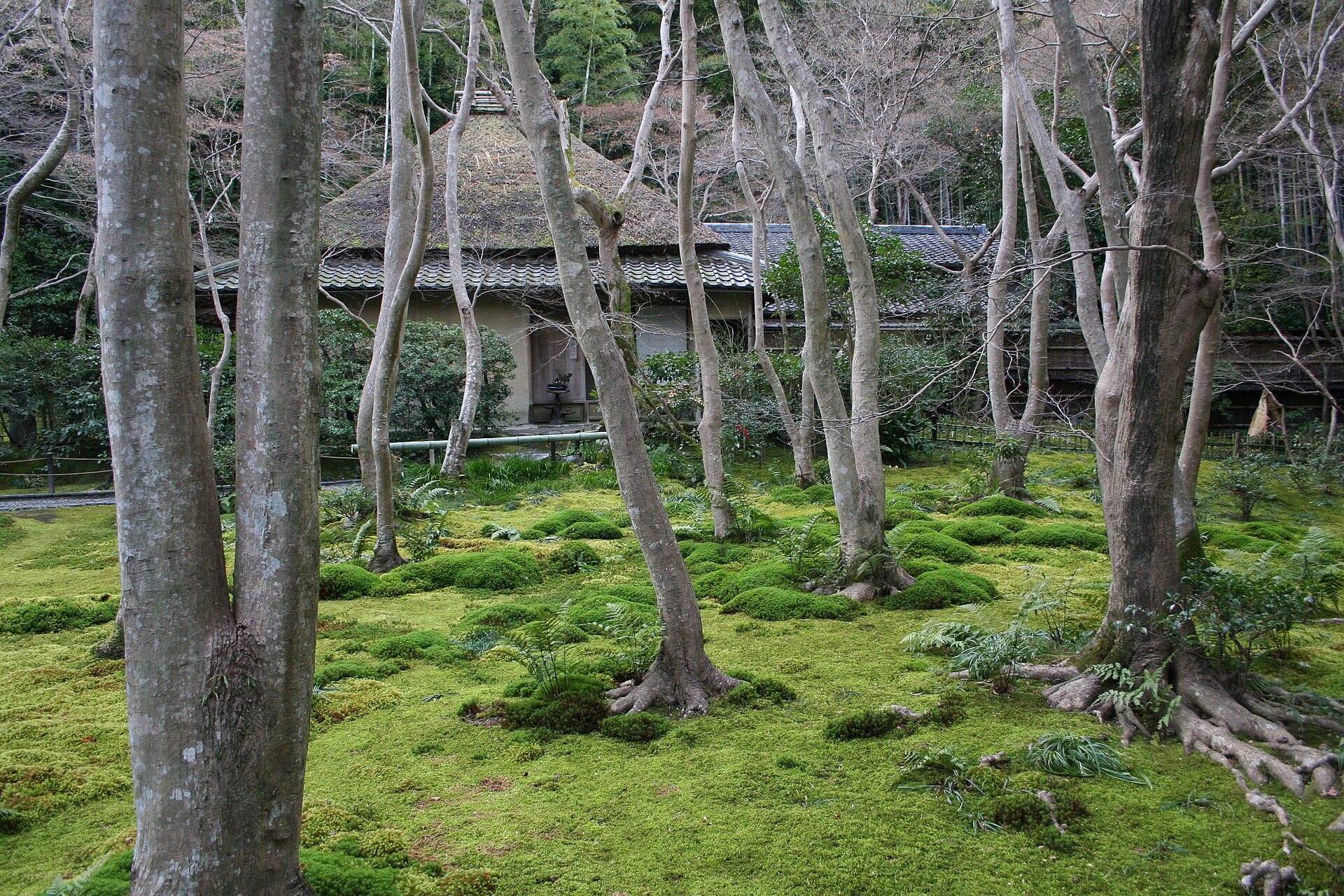
Gio-ji is a Buddhist temple in Kyoto’s Arashiyama district, associated with the Shingon school of Buddhism. Its character comes from scale and setting: the grounds sit within a quiet wooded landscape, away from the busiest paths of western Kyoto. The temple is linked with the Heian-period story of Gio, a dancer who became a nun after Taira no Kiyomori abandoned her. For travelers, Gio-ji is a gentle pause in an Arashiyama temple walk, focused on atmosphere, moss, trees, and literary memory rather than monumental size. Gio-ji is a Buddhist temple in the Arashiyama district of Kyoto, Japan. Yes, the temple is associated with the tale of Gio, a dancer abandoned by the warlord Taira no Kiyomori, who became a nun here with her sister.
Checked 2026-08-26 · Source
The main visual focus is a moss garden spread across sloping ground beneath trees. A thatched-roof hall overlooks the greenery, creating a close relationship between architecture and landscape. Stone monuments mark the graves of Gio and her sister Ginyo, while Hotoke Gozen is also honored within the temple’s literary and religious setting. Maple trees add seasonal color around the garden. The grounds are compact, so the experience comes from noticing textures, shade, rooflines, stones, and the changing density of green rather than moving through a large collection of buildings.
Checked 2026-08-26 · Source
Allow about twenty to forty minutes for a focused visit. The temple is small, and the route through the grounds does not require a long architectural circuit. Give yourself extra time if you enjoy garden composition, moss, literary history, or quiet observation. The most rewarding pace is unhurried: pause near the garden, look toward the thatched hall, and notice how the wooded setting changes the sound and mood of the visit. Gio-ji works especially well as one stop within a wider Arashiyama day.
Checked 2026-08-26 · Source
The garden changes strongly with the seasons. Rainy weather can deepen the moss’s green appearance, while autumn brings maple color around the shaded grounds. Summer feels lush and humid, and winter strips the trees back to quieter shapes and subdued tones. Earlier visits can provide a calmer experience before Arashiyama’s busiest periods, although the atmosphere also depends on weather and visitor flow. Gio-ji is most suitable for travelers who want a small, enclosed garden experience rather than a broad panoramic viewpoint or an extensive museum-style visit.
Checked 2026-08-26 · Source
Entry to Gio-ji’s grounds is paid. Treat the entrance as a simple small-temple admission stop and bring Japanese yen so payment is straightforward. The value lies in the moss garden, thatched hall, stone memorials, and quiet woodland setting, not in a large number of exhibits or facilities. Plan Gio-ji alongside nearby Arashiyama sights, since its compact grounds make it a short but distinctive part of a walking route. Keep the visit focused on the garden and the temple’s connection with Gio’s story.
Checked 2026-08-26 · Source
Gio-ji lies in western Kyoto’s Arashiyama area and is best approached as part of a walking circuit. Visitors coming through central Arashiyama can continue on foot along local roads and paths, including routes connecting the bamboo grove and Tenryu-ji area. The approach includes an incline, so comfortable shoes make the walk easier. Randen and JR services bring travelers into the wider Arashiyama district, after which the final approach is on foot. Cycling is practical in the surrounding area, but the temple itself remains a walking-focused stop.
Checked 2026-08-26 · Source
Stay on permitted paths because the moss garden is delicate and easily damaged. Moss, stones, and steps can become slippery after rain, so shoes with dependable grip are useful. The small grounds may feel crowded when groups arrive, leaving little room for extended stops or wide camera positions. The wooded setting can bring insects during warmer weather. Expect slopes and uneven surfaces rather than a fully level route. Gio-ji has a deliberately modest scale, so travelers seeking extensive facilities, broad indoor galleries, or a long trail should plan other Arashiyama stops as well.
Checked 2026-08-26 · Source
The moss, thatched roof, dark timber, stones, and seasonal maple leaves create strong subjects in a confined space. Work from the permitted edges of the path and avoid stepping onto the garden for a different angle. Shade beneath the trees produces soft, subdued images, while overcast weather can preserve detail in the moss and roof that direct sun might flatten. A tripod may be awkward in narrow areas, especially when visitors are moving through. Photograph the temple as a quiet landscape, keeping other worshippers and the garden’s condition in mind.
Checked 2026-08-26 · Source
Gio-ji is associated with Gio, a dancer abandoned by Taira no Kiyomori who became a nun at the site with her sister Ginyo.
Its main feature is a compact moss garden overlooked by a thatched-roof hall, with stone memorials connected to Gio, Ginyo, and Hotoke Gozen.
Plan approximately twenty to forty minutes, with additional time if you want to sit quietly or study the garden and its literary associations.
Rainy-season greenery and autumn maple color give the moss garden especially strong seasonal character, while winter offers quieter, more restrained scenery.
Yes. Its Arashiyama location fits naturally into a walking day that includes the bamboo grove, Tenryu-ji, and other nearby temples.
Take care on sloping, potentially slippery paths, remain off the moss, and expect limited space and facilities within the compact wooded grounds.
Loading the interactive map…
The interactive map could not be loaded.
Last updated:
Source: OpenStreetMap contributors, Wikidata ·