_ac_(3).jpg)
3 min walk
Sanzen-in Temple
- High · Heritage site
- Place of worship
Place of worship · Kyoto
宝泉院
Hosen-in is a Buddhist temple in Ohara, a rural valley northeast of central Kyoto. The temple belongs to the Rinzai tradition of Zen Buddhism and is known for a garden centred on a prominent pine tree. Its setting feels markedly different from Kyoto’s dense urban temple corridor: mountain scenery, village roads, and quiet garden views shape the visit. Hosen-in suits travellers who value atmosphere and careful observation. Hosen-in is a Buddhist temple located in the Ohara district northeast of central Kyoto. It belongs to the Rinzai sect of Zen Buddhism and is known for its distinctive garden featuring a prominent pine tree. The temple offers visitors a contemplative atmosphere away from Kyoto's more heavily trafficked sites. Hosen-in is situated in a rural valley setting that provides a different experience from the urban temples closer to the city center. The temple has gained recognition among travellers seeking quieter cultural destinations in the Kyoto region. Hosen-in requires significant travel time from Kyoto Station, involving bus transportation to the rural Ohara district northeast of the city center. The journey is longer than reaching urban temples. Hosen-in is known for its garden featuring a prominent pine tree, viewed from interior spaces in a traditional framed perspective common in Zen temple design. Hosen-in requires significant travel time from Kyoto Station, involving bus transportation to the rural Ohara district northeast of the city center. The journey is longer than reaching urban temples.
Checked 2026-08-26 · Source
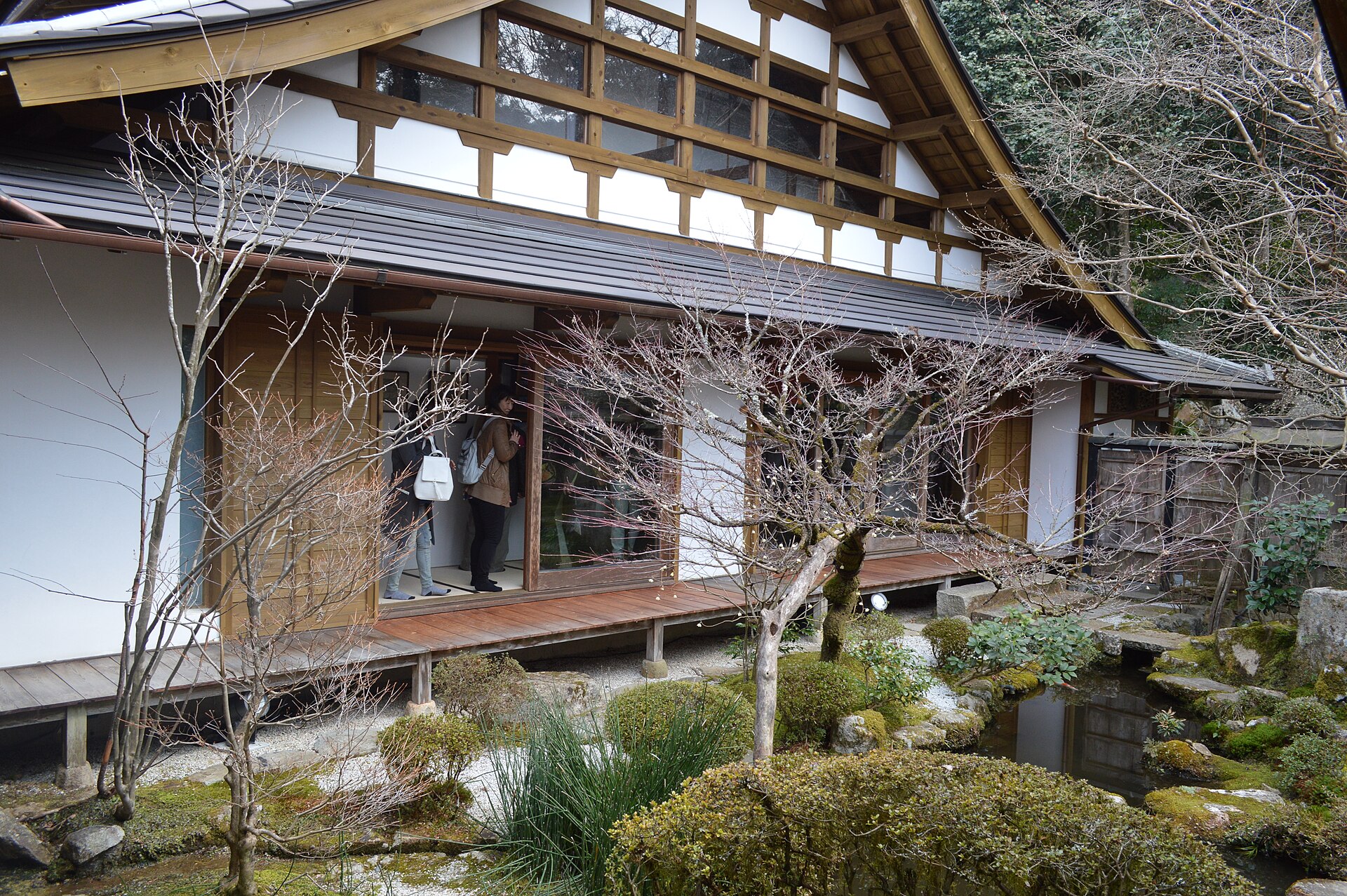
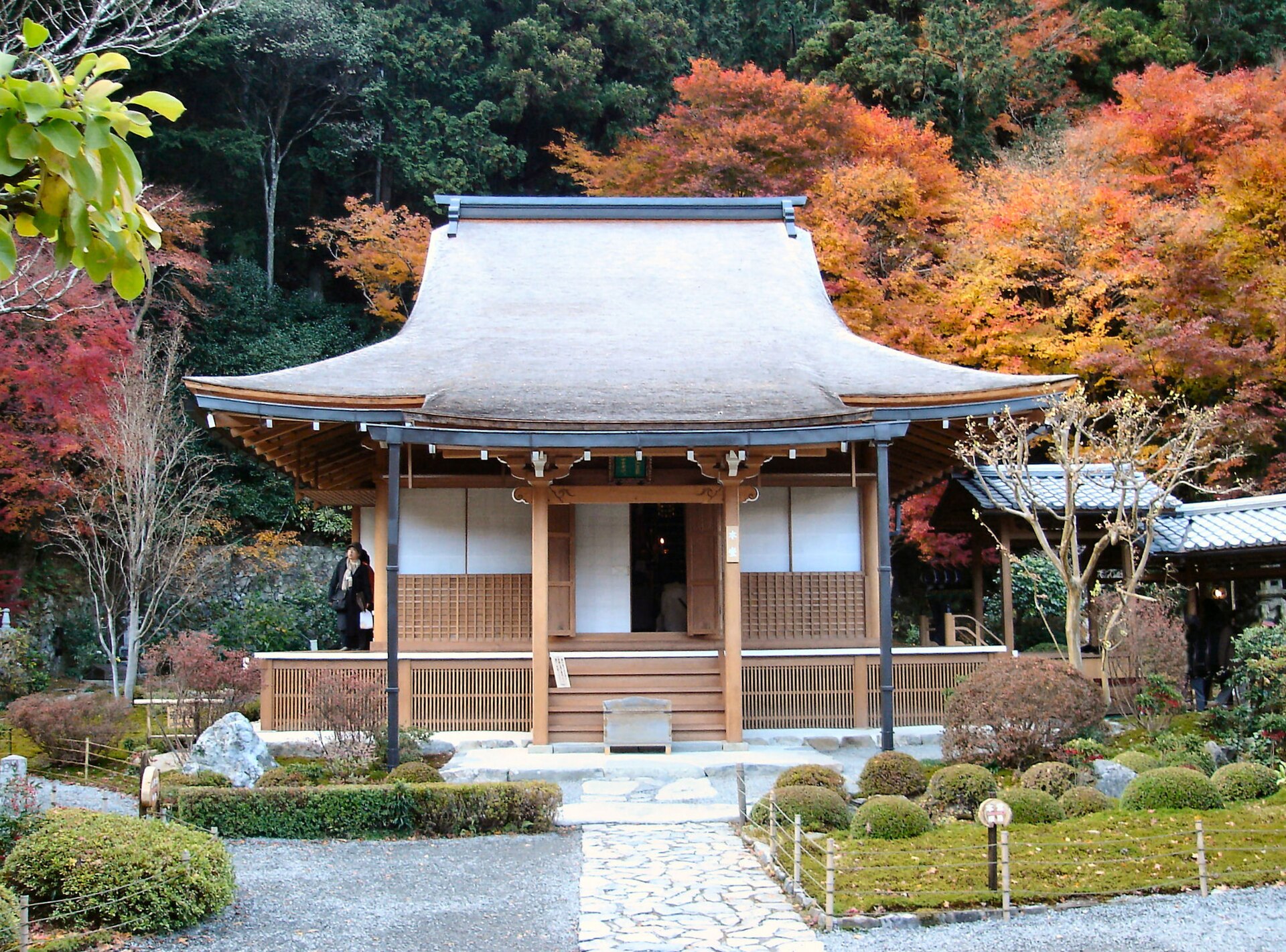
The main visual focus is the large pine tree in the garden, seen through the temple’s interior in a traditional framed composition. The buildings use architectural elements associated with Zen temples, while the surrounding valley adds mountain views and natural depth. The experience is built around the relationship between room, garden, and landscape rather than a long sequence of displayed objects or large exhibition rooms. The temple grounds feature a notable garden with a large pine tree that serves as a central visual element. Visitors can view this garden from the temple's interior spaces, creating a framed perspective common in Japanese garden design.
Checked 2026-08-26 · Source
Treat Hosen-in as part of a half-day Ohara outing rather than a quick central Kyoto stop. Travel to the valley takes a meaningful portion of the day, followed by time to sit with the garden view and walk through the surrounding area. The temple itself rewards an unhurried pace, especially for visitors interested in composition, seasonal scenery, and the quiet transition between interior architecture and outdoor landscape.
Checked 2026-08-26 · Source
Hosen-in’s valley setting changes character with the seasons. Spring and summer bring fresh or dense greenery, while autumn places the garden and mountain surroundings within a broader display of seasonal colour. Winter offers a quieter, more restrained atmosphere. Weather matters because the journey includes village walking and the rural valley can feel different from central Kyoto. Build the visit around daylight and a comfortable walking pace.
Checked 2026-08-26 · Source
Admission may be charged at the temple entrance, and smaller rural temples commonly use straightforward payment arrangements. Carry cash in Japanese yen for the visit. Hosen-in is not described as a standard participant in a combined ticket with nearby sites, so plan its entrance separately when budgeting an Ohara day. The temple’s appeal comes primarily from its garden view and atmosphere rather than a large programme of attractions.
Checked 2026-08-26 · Source
Reach Ohara by bus from central Kyoto, then continue on foot through village streets to the temple. The journey is longer than reaching temples in the city centre, and rural services may have fewer departures. Include the return journey in your schedule, particularly when planning an evening back in Kyoto. The approach itself is part of the experience, shifting from urban streets to a quieter valley landscape.
Checked 2026-08-26 · Source
Expect village walking and potentially uneven surfaces around the rural temple setting. Weather in the mountain valley can change the comfort of the approach, so suitable shoes and practical clothing help. Hosen-in is a place for quiet contemplation: speak softly, respect sacred spaces, and give other visitors room to enjoy the framed garden view. Commercial facilities are less concentrated than in central Kyoto.
Checked 2026-08-26 · Source
The strongest compositions centre on the pine tree viewed through the temple interior, where the room acts as a natural frame. Include garden stones, seasonal plants, and the mountain valley when working from wider viewpoints. Light changes the balance between the shaded interior and brighter garden. Follow signs governing images inside the buildings, avoid blocking the view, and keep the contemplative character of the room intact.
Checked 2026-08-26 · Source
Hosen-in is in Ohara, a rural valley northeast of Kyoto’s city centre, reached by bus and a walk through village streets.
The temple is known for its garden, especially the large pine tree viewed through the interior in a traditional framed perspective.
Allow a half day for the Ohara excursion, including the outward and return bus journeys, the temple visit, and time in the surrounding valley.
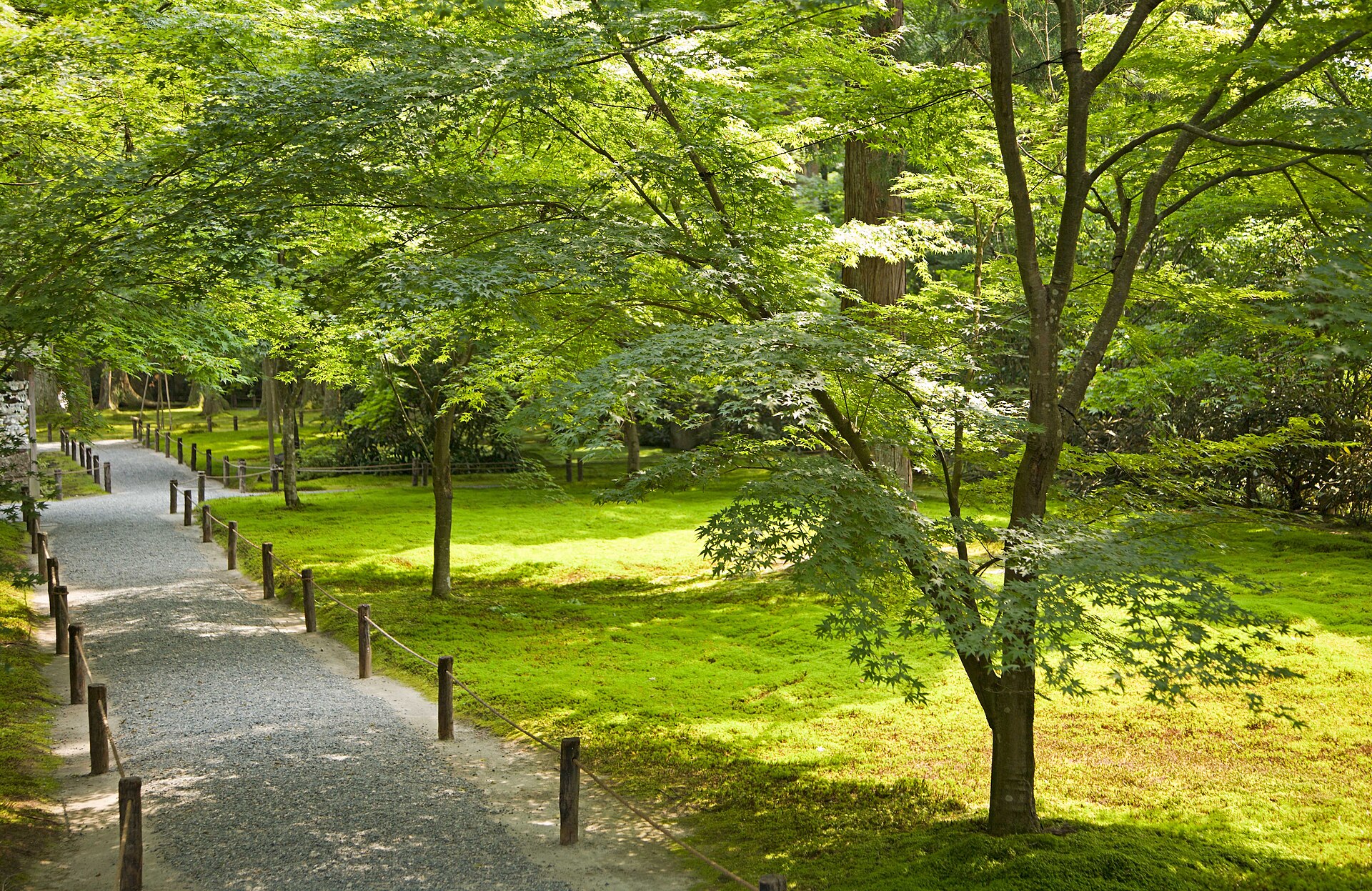
The temple sits in a rural valley with village streets, mountain views, garden greenery, and a quieter landscape than central Kyoto.
Comfortable walking shoes and practical clothing are useful for the bus journey, village approach, uneven surfaces, and changing valley weather.
The interior frames the pine tree and garden as a composed scene, linking Zen architecture with the surrounding natural landscape.
Loading the interactive map…
The interactive map could not be loaded.
Last updated:
Source: OpenStreetMap contributors, Wikidata ·