
16 min walk
Hōsen-in Temple
- High
- Place of worship
Language · 11 published
Place of worship · Kyoto
寂光院
Reviewed by Elena Voss · Roavina Travel Editor
| Monday |
09:00 – 17:00
Valid 2026-03-01 – 2026-11-30 |
|---|---|
| Monday |
09:00 – 16:30
Valid 2026-12-01 – 2027-02-28 |
| Tuesday |
09:00 – 17:00
Valid 2026-03-01 – 2026-11-30 |
| Tuesday |
09:00 – 16:30
Valid 2026-12-01 – 2027-02-28 |
| Wednesday |
09:00 – 17:00
Valid 2026-03-01 – 2026-11-30 |
| Wednesday |
09:00 – 16:30
Valid 2026-12-01 – 2027-02-28 |
| Thursday |
09:00 – 17:00
Valid 2026-03-01 – 2026-11-30 |
| Thursday |
09:00 – 16:30
Valid 2026-12-01 – 2027-02-28 |
| Friday |
09:00 – 17:00
Valid 2026-03-01 – 2026-11-30 |
| Friday |
09:00 – 16:30
Valid 2026-12-01 – 2027-02-28 |
| Saturday |
09:00 – 17:00
Valid 2026-03-01 – 2026-11-30 |
| Saturday |
09:00 – 16:30
Valid 2026-12-01 – 2027-02-28 |
| Sunday |
09:00 – 17:00
Valid 2026-03-01 – 2026-11-30 |
| Sunday |
09:00 – 16:30
Valid 2026-12-01 – 2027-02-28 |
Parsed from OpenStreetMap opening hours on 2026-09-09.
This place is a Place of worship.
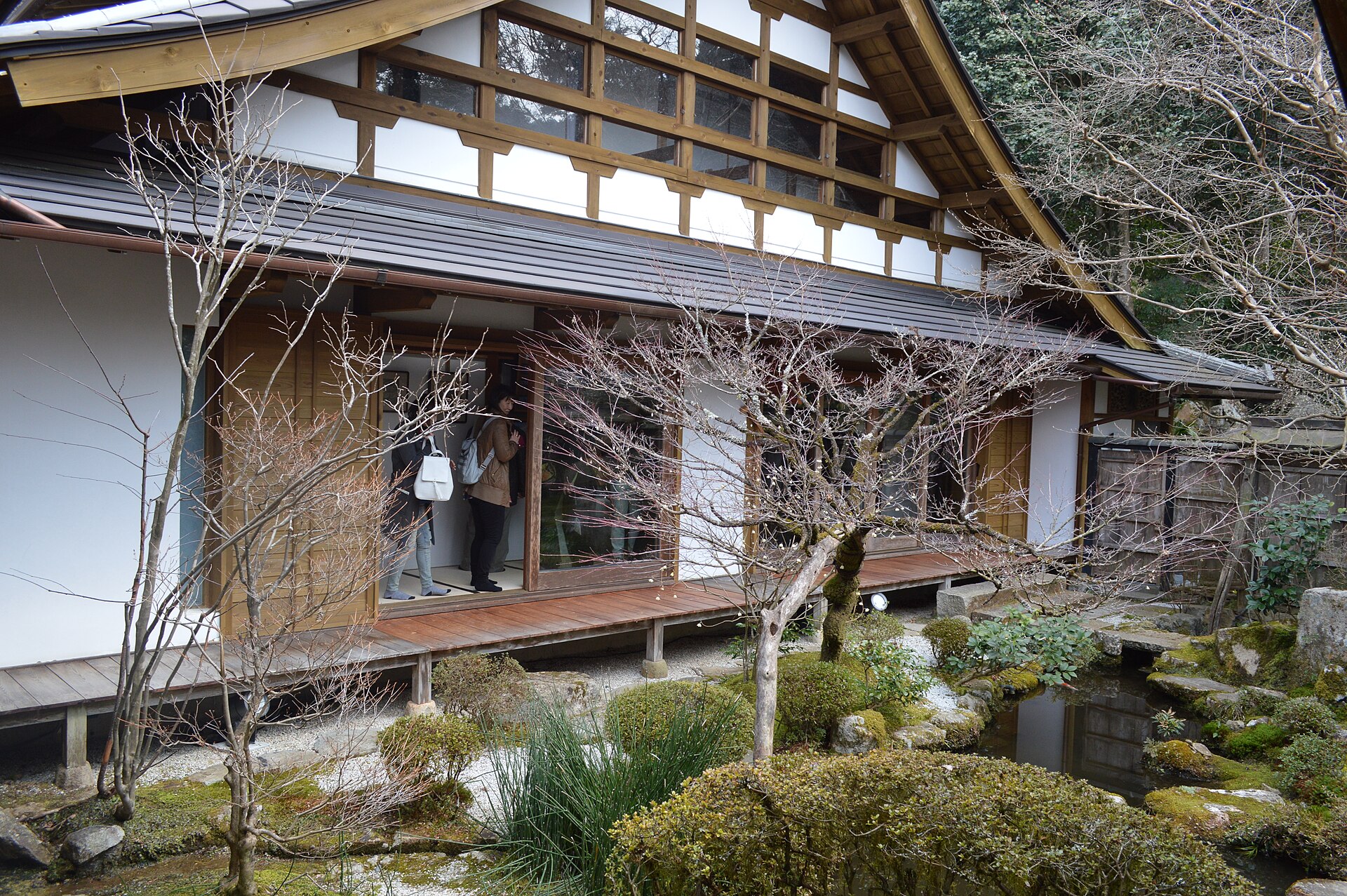
Jakko-in is a Buddhist temple in Kyoto, Japan, and a quiet religious destination within the city’s wider landscape of historic temples. The temple is best approached as a place of worship and reflection rather than as a conventional museum or entertainment attraction. Its active religious character shapes the experience: visitors can spend time observing the setting, appreciating the traditional atmosphere, and moving through the grounds with calm, respectful attention. Jakko-in offers a more contemplative counterpoint to Kyoto’s busier sightseeing routes. The value of a visit lies in slowing down and engaging with the temple environment, architecture, and spiritual setting at an unhurried pace.
Checked 2026-08-26 · Source
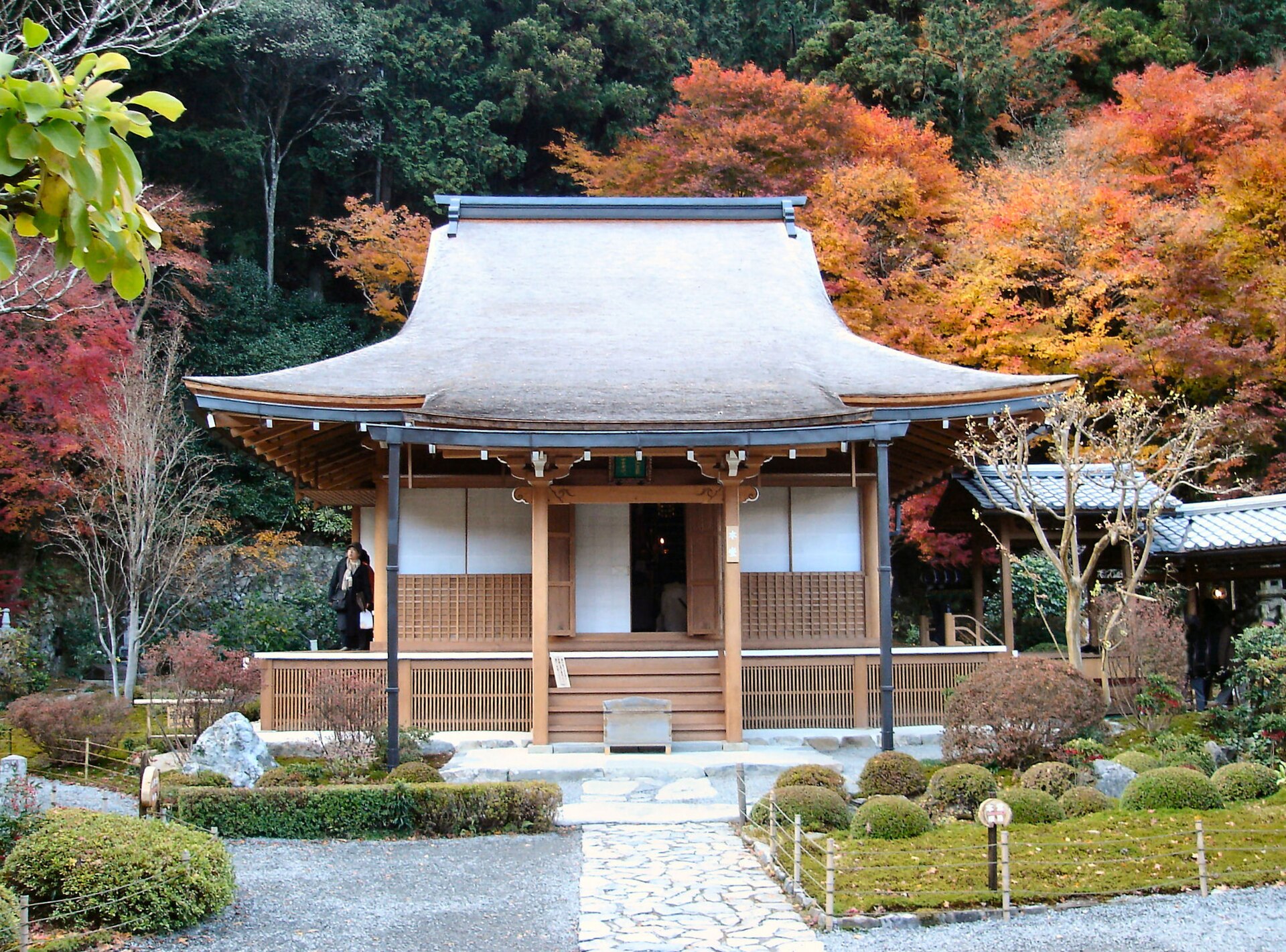
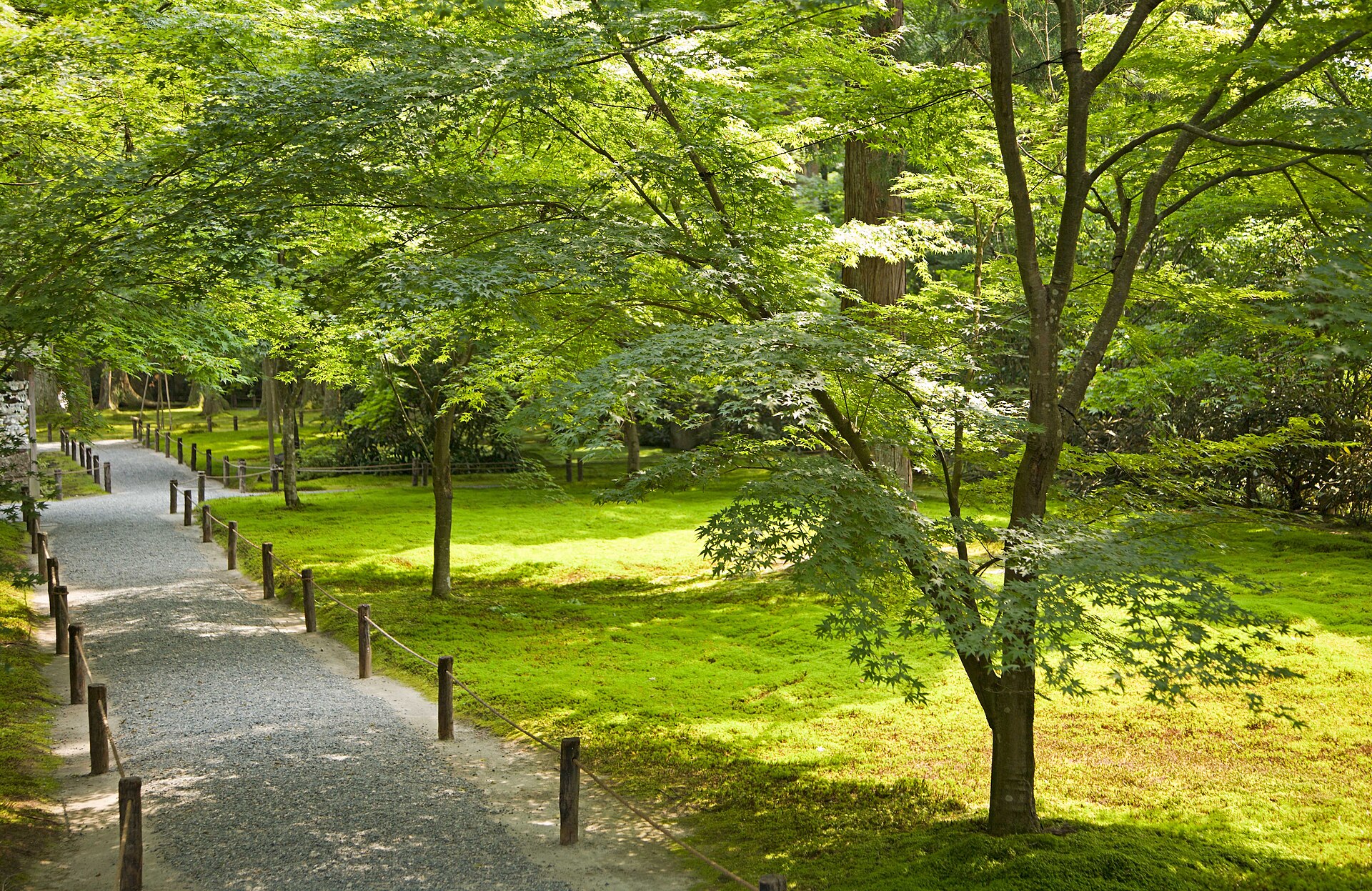
Jakko-in is a Buddhist temple complex whose principal appeal is the combination of religious buildings, temple grounds, and a traditional Japanese setting. Visitors should focus on the relationship between the structures and the surrounding landscape, giving each visible detail time to register. The site is not presented as a large collection-based museum, so the visit is centered on atmosphere, worship, architecture, and quiet observation. Buddhist imagery or other sacred features may form part of the religious environment, but the temple should be experienced through what is visibly open to visitors on the day. Interior spaces deserve the same composed attention as the exterior grounds.
Checked 2026-08-26 · Source
Allow a flexible visit to Jakko-in, with enough time to walk through the accessible grounds, look carefully at the temple buildings, and pause in the quieter parts of the site. A brief visit can introduce the setting, while a longer stay suits travelers who enjoy Buddhist architecture, religious landscapes, and contemplative travel. The right pace depends on how much of the temple is open and how deeply visitors engage with the surroundings. Jakko-in can fit naturally into a broader Kyoto day, but the temple rewards travelers who avoid rushing from one photograph to the next.
Checked 2026-08-26 · Source
Jakko-in suits travelers seeking a quieter temple experience in Kyoto. The most rewarding moment is one that allows calm observation, whether the visit forms part of a focused temple day or a slower exploration of the city’s religious heritage. Outdoor conditions affect comfort, so seasonal clothing and suitable footwear are useful choices. A peaceful atmosphere matters more here than a tightly timed attraction checklist. Visit planning should leave room for the rhythms of an active temple, including periods when visitors may need to move quietly or keep clear of religious activity.
Checked 2026-08-26 · Source
Treat the visit as a temple experience rather than planning around a particular paid exhibition or attraction package. Carrying cash is practical for travel in Japan and for possible offerings or incidental purchases, but no payment requirement is stated here. The temple’s value is found in its religious setting and traditional atmosphere. Keep the visit budget flexible because an entry charge, donation practice, or other on-site arrangement has not been established in this guide.
Checked 2026-08-26 · Source
Jakko-in is located in Kyoto, where temple visits commonly involve a combination of city transport and walking. Plan the final approach as part of the visit: temple districts can include residential streets, quieter paths, and routes where careful navigation matters more than speed. Comfortable shoes are useful for the walking portion, especially when a day includes several religious sites. A map application can help with the approach and with linking Jakko-in to other Kyoto stops. Leave a little flexibility in the route so the temple can be visited without turning the experience into a hurried transfer between attractions.
Checked 2026-08-26 · Source
Jakko-in remains an active Buddhist temple, so quiet conduct and awareness of worshippers are central to a good visit. Follow signs, barriers, and any instructions given on the grounds. Some temple buildings may require shoes to be removed, and interior areas may have different visitor rules from outdoor spaces. Wet weather can make paths uncomfortable or slippery, so footwear with reliable grip helps. Keep voices low, avoid interrupting religious activity, and give other visitors room. The temple should be treated as a place of worship first, with sightseeing fitted around that purpose.
Checked 2026-08-26 · Source
Jakko-in invites careful photography of its exterior setting and traditional temple atmosphere where photography is permitted. Interior images, Buddhist imagery, and areas connected with worship may have stricter rules. Read every sign and follow staff guidance before raising a camera or phone. Avoid flash, keep equipment from blocking paths, and do not photograph worshippers without permission. A quiet composition can communicate more than a hurried sequence of images. When a space is clearly devoted to prayer or ceremony, put the camera away and let the religious setting take priority over documentation.
Checked 2026-08-26 · Source
Jakko-in is a Buddhist temple in Kyoto, experienced as a place of worship, traditional atmosphere, and quiet reflection.
Focus on the temple buildings, accessible grounds, and the relationship between the religious architecture and its surrounding setting.
Keep voices low, respect worshippers, follow posted instructions, and treat the temple as an active religious site rather than a conventional museum.
Comfortable footwear and clothing suited to walking are useful, especially because temple buildings may require shoes to be removed.
Photograph exterior areas only where permitted, follow signs and staff guidance, and give priority to worship and visitors over photography.
Yes. Jakko-in can form part of a slower Kyoto temple day, with walking and other religious or cultural destinations arranged around the visit.
Loading the interactive map…
The interactive map could not be loaded.
Last updated:
Source: OpenStreetMap contributors, Wikidata ·