
7 min walk
Shugaku-in Imperial Villa
- Must see
- Historic monument
Language · 11 published
Place of worship · Kyoto
曼殊院
Reviewed by Elena Voss · Roavina Travel Editor
| Monday | 09:00 – 17:00 |
|---|---|
| Tuesday | 09:00 – 17:00 |
| Wednesday | 09:00 – 17:00 |
| Thursday | 09:00 – 17:00 |
| Friday | 09:00 – 17:00 |
| Saturday | 09:00 – 17:00 |
| Sunday | 09:00 – 17:00 |
Parsed from OpenStreetMap opening hours on 2026-09-09.
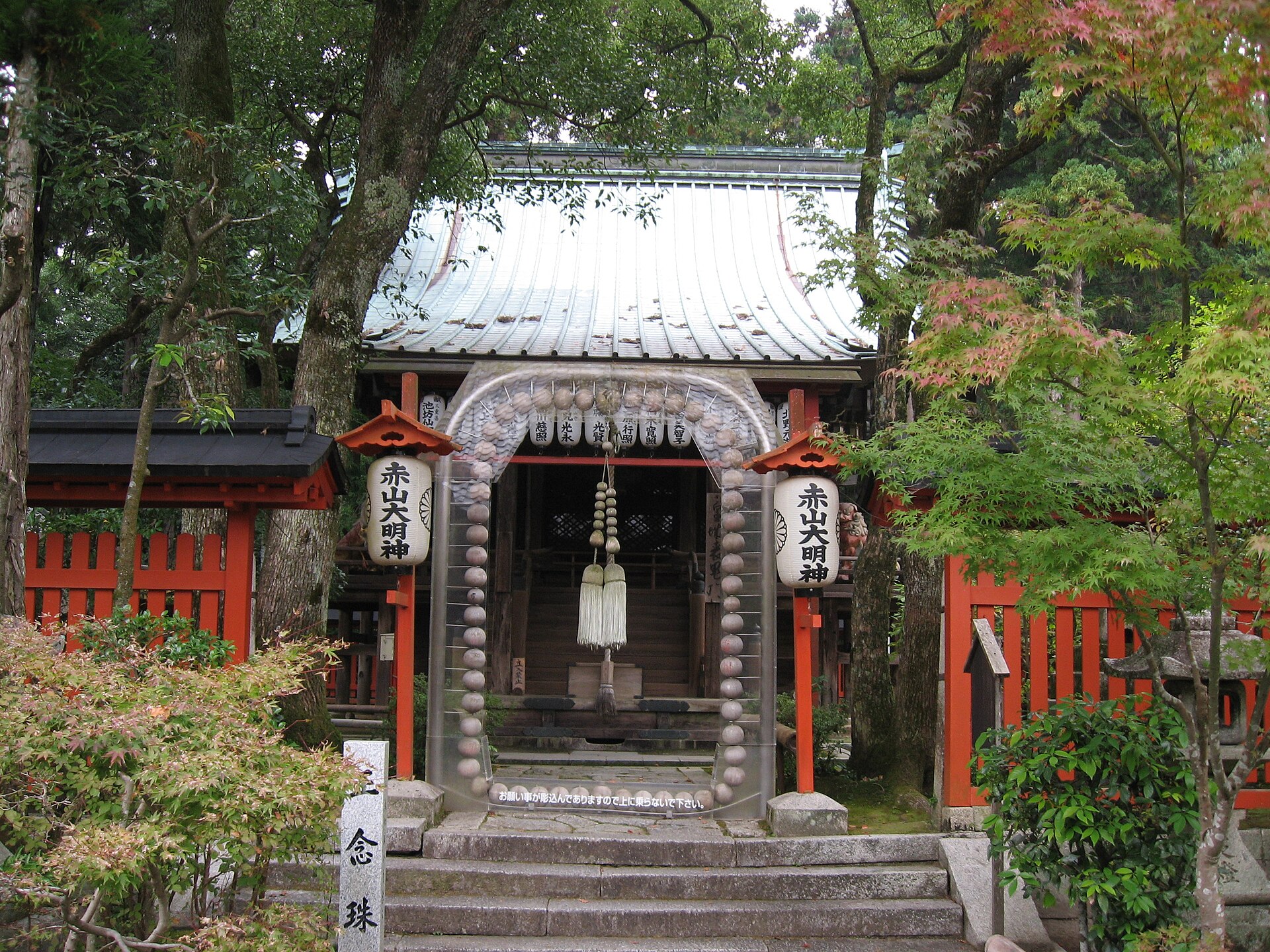
This place is a Place of worship. It was built in the sukiya-zukuri style. It carries the Important Cultural Property of Japan heritage designation.
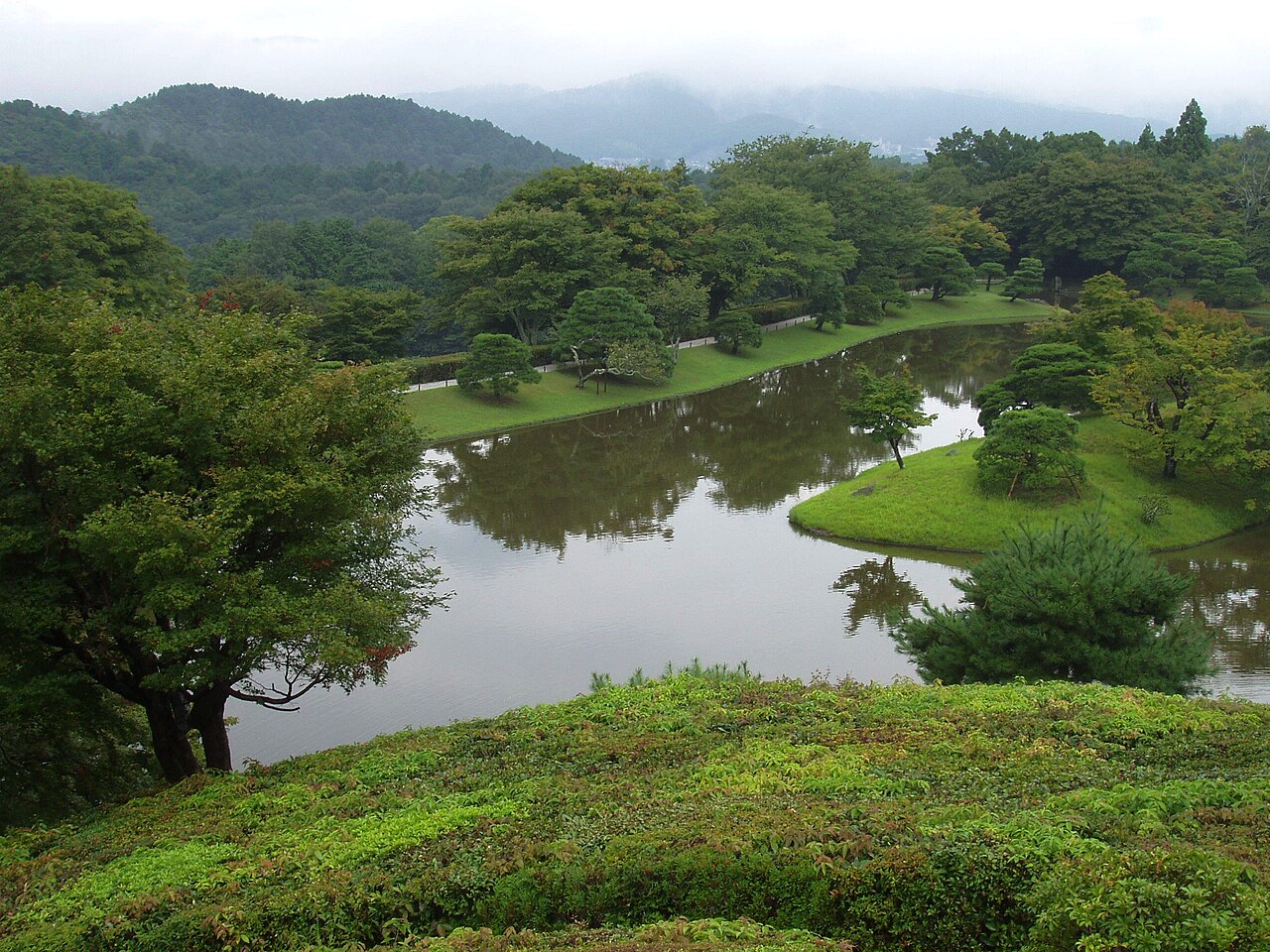
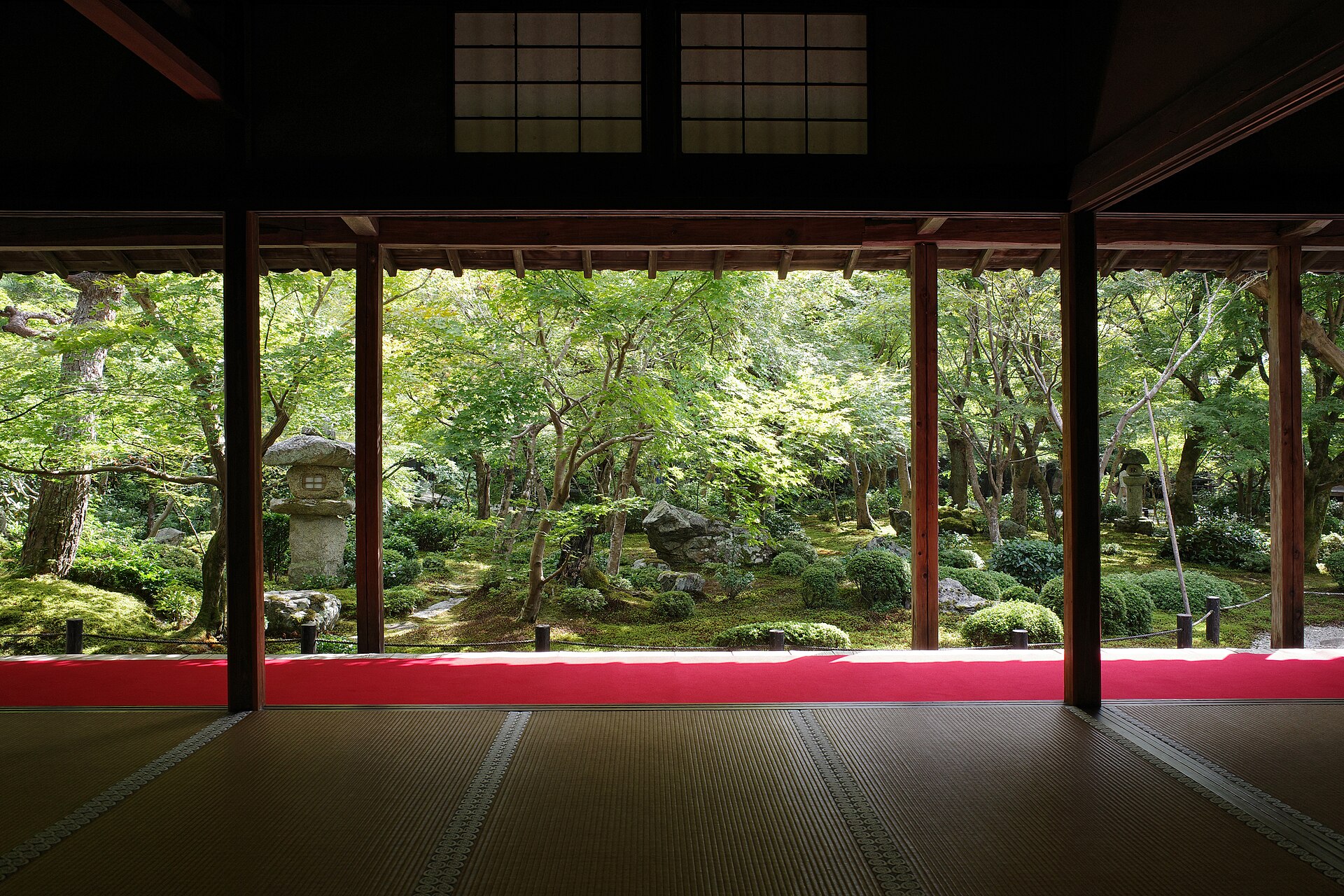
Manshu-in is a Tendai Buddhist sub-temple in northeastern Kyoto, valued for its quiet setting, traditional architecture, and dry landscape garden. It offers a more intimate experience than the city’s largest temple compounds, with attention focused on the relationship between rooms, garden surfaces, stones, moss, and clipped trees. Travelers interested in Japanese religious spaces and classical garden composition will find its compact scale rewarding. Manshu-in is a sub-temple of the Tendai Buddhist sect located in northeastern Kyoto. The temple is known for its distinctive dry landscape garden and traditional architecture. It sits in a quieter area away from the central tourist districts, offering visitors a more contemplative atmosphere. The temple grounds include historic buildings that exemplify classical Japanese design principles. Manshu-in has maintained its religious functions while accommodating visitors interested in its cultural heritage. The temple's quiet atmosphere and compact scale may not engage young children extensively. Parents should prepare children for respectful behavior in religious settings.
Checked 2026-08-26 · Source
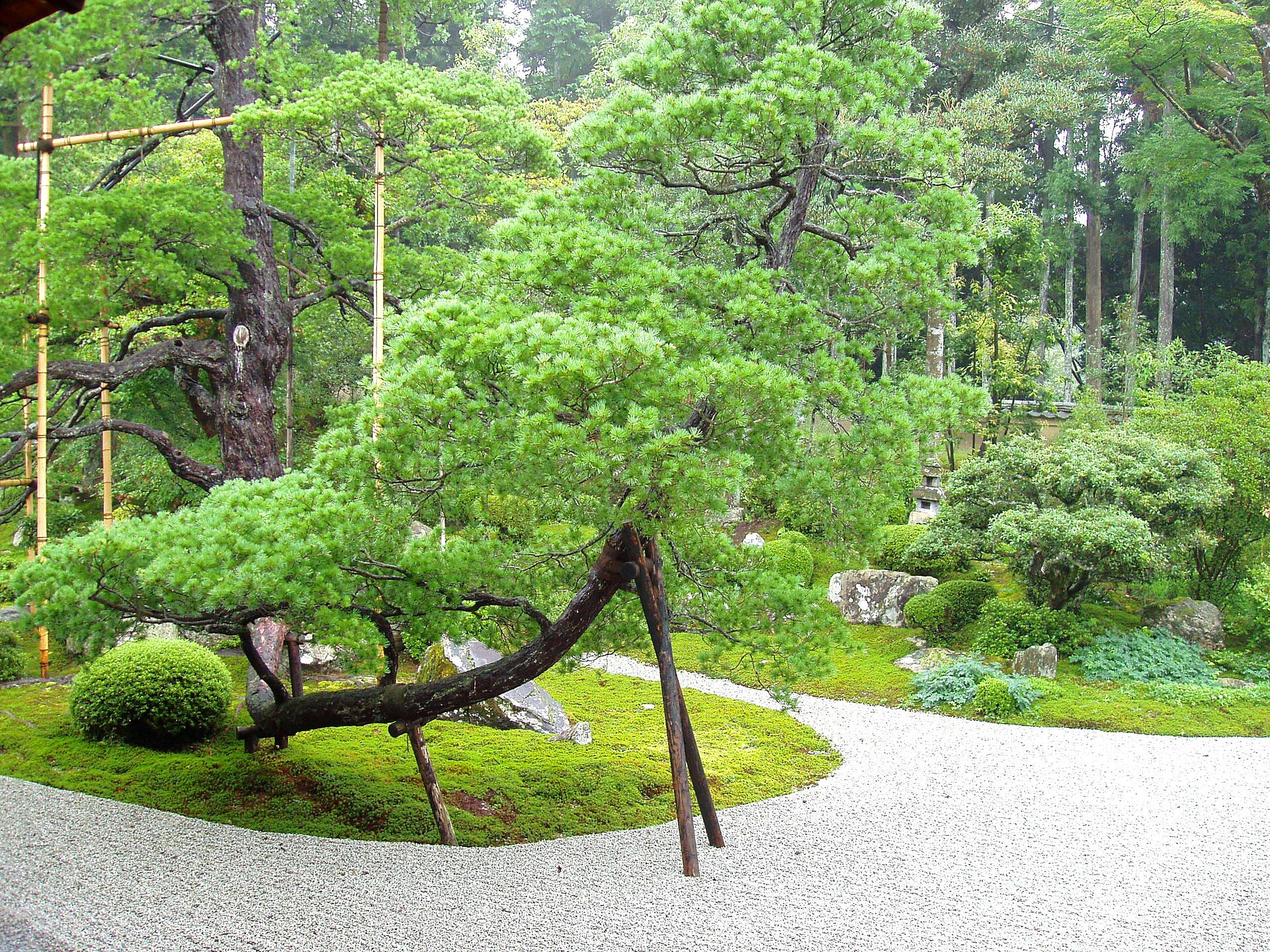
The compound includes traditional halls and associated buildings arranged around garden spaces. Its dry garden uses raked gravel and carefully positioned stones to create a symbolic landscape, while moss and pruned trees soften the composition. Interior rooms may contain painted screens and decorative details associated with temple architecture. Look for the way building edges frame the garden and how materials change as the route moves between enclosed and open spaces. The temple complex contains notable architectural elements and garden features. The main hall and associated structures preserve traditional construction methods. The dry landscape garden employs raked gravel and carefully placed stones to create symbolic representations of natural scenery. Moss gardens and pruned trees contribute to the aesthetic composition. Interior spaces may feature painted screens and decorative elements typical of temple architecture. The overall arrangement follows principles of Japanese garden design that emphasize harmony between built structures and natural elements.
Checked 2026-08-26 · Source
Plan between thirty minutes and one hour for Manshu-in. The principal spaces can be seen without a long circuit, while a slower visit gives more time to study the raked gravel, stones, moss, painted screens, and transitions between architecture and garden. Its modest scale also makes it suitable for a day built around several northeastern Kyoto temples, provided walking and transit time are included between stops. A visit to Manshu-in typically requires between thirty minutes and one hour depending on individual pace and interest. The compact nature of the temple grounds allows for efficient viewing of principal features.
Checked 2026-08-26 · Source
Manshu-in’s garden changes with the seasons, so the most appealing timing depends on whether you prefer fresh growth, mature greenery, autumn color, or the clearer structural lines of winter. Morning suits travelers seeking a quieter atmosphere and gentler light. Because the temple lies in northeastern Kyoto, allow more time for the journey than you would for a site in the central sightseeing districts.
Checked 2026-08-26 · Source
Treat Manshu-in as a temple visit with an admission procedure at the entrance. Smaller religious sites may use simple payment arrangements, so carrying Japanese yen is practical. The visit is best planned as one stop in a northeastern Kyoto route, with enough flexibility for the garden’s contemplative pace. Keep the focus on the halls and dry garden rather than trying to fit an overly dense schedule around it.
Checked 2026-08-26 · Source
Manshu-in is in northeastern Kyoto and requires public transport followed by walking. It is not immediately beside the city’s main railway hubs, so allow time for the final approach. A taxi offers a more direct alternative, while cycling can suit experienced riders comfortable with Kyoto’s hills and traffic. Group the temple with other northeastern sights to reduce repeated cross-city travel during the day.
Checked 2026-08-26 · Source
Manshu-in remains an active religious setting, so quiet voices, respectful clothing, and careful movement are appropriate. Remove footwear where required before entering interiors, stay on designated paths, and follow any photography signs. Moss and garden surfaces are delicate. Outdoor portions expose visitors to changing weather, while the northeastern location may require a longer return journey. Comfortable shoes make the approach and garden circulation easier.
Checked 2026-08-26 · Source
The dry garden, raked gravel, stones, moss, clipped trees, and timber architecture create strong exterior compositions. Photograph only where permitted, particularly around interior rooms and religious details. Move carefully on polished floors and narrow paths, and keep equipment from obstructing other visitors. Soft light can emphasize the textures of gravel and moss, while changing foliage alters the balance between the garden and the buildings throughout the year.
Checked 2026-08-26 · Source
It is best known for its traditional temple architecture and dry landscape garden of raked gravel, stones, moss, and clipped trees.
Allow roughly thirty minutes to one hour, depending on how closely you study the halls and garden composition.
No. It is in northeastern Kyoto, away from the densest central sightseeing districts and main railway hubs.
Comfortable walking shoes and Japanese yen are practical choices for the approach and a smaller temple admission procedure.
Exterior garden photography can be rewarding, but follow signs and staff directions around interiors and religious details.
Yes. Its intimate scale, contemplative atmosphere, and northeastern location suit a slower temple-focused route.
Loading the interactive map…
The interactive map could not be loaded.
Last updated:
Source: OpenStreetMap contributors, Wikidata ·