
4 min walk
Shugaku-in Imperial Villa
- Must see
- Historic monument
Language · 11 published
Place of worship · Kyoto
赤山禅院
Reviewed by Elena Voss · Roavina Travel Editor
| Monday | 09:00 – 16:30 |
|---|---|
| Tuesday | 09:00 – 16:30 |
| Wednesday | 09:00 – 16:30 |
| Thursday | 09:00 – 16:30 |
| Friday | 09:00 – 16:30 |
| Saturday | 09:00 – 16:30 |
| Sunday | 09:00 – 16:30 |
Parsed from OpenStreetMap opening hours on 2026-09-09.
This place is a Place of worship. It was established in 888.
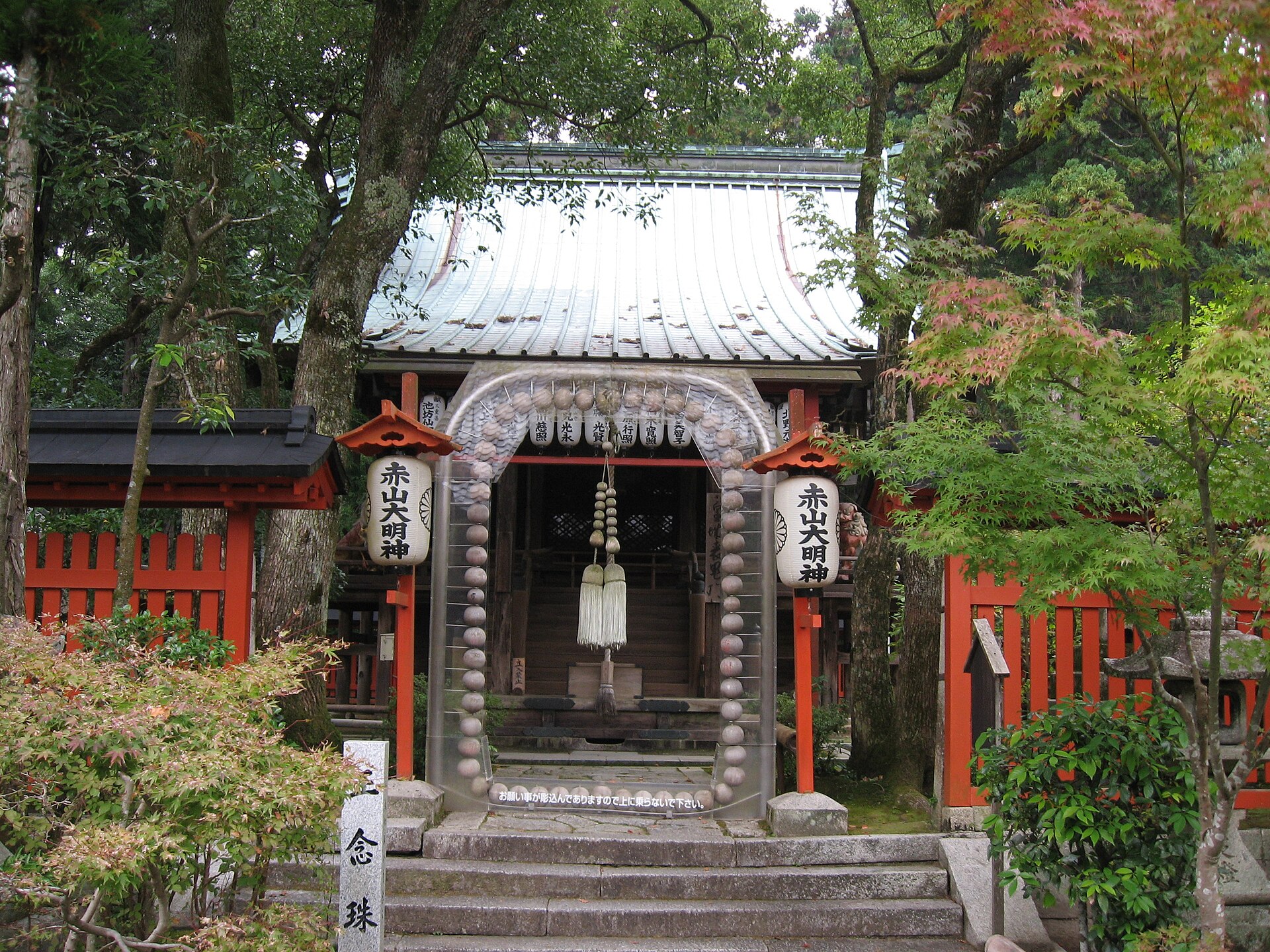
Sekizan Zen-in is a Buddhist temple in Kyoto and a place to include when your itinerary calls for religious heritage away from the city’s most familiar landmark circuit. It belongs to Kyoto’s broad landscape of working temples, where architecture, worship and quiet observation meet. The value of a visit lies in experiencing the temple as a real place of Buddhist practice rather than reducing it to a checklist attraction. Build the stop into a neighbourhood walk, leave room for a slower pace, and pay attention to the transition between Kyoto’s ordinary streets and the calm of the temple grounds.
Checked 2026-08-26 · Source
Approach Sekizan Zen-in as a temple compound rather than a museum with a fully labelled collection. The experience centres on religious space, traditional Buddhist surroundings and the details encountered while moving through the grounds. Main halls, shrine areas, altars, devotional imagery and ceremonial objects are familiar elements of Japanese temple environments, but the visit is best guided by what is open and visible when you arrive. Give the buildings and any garden or courtyard setting your attention, and allow the atmosphere to lead the visit. The temple rewards observation of scale, materials and spatial quiet more than a rushed search for a single headline exhibit.
Checked 2026-08-26 · Source
Set aside about thirty minutes to one hour for a focused temple visit, then extend the stop if the grounds invite slower looking or quiet reflection. A compact visit can cover the principal buildings and atmosphere; a longer one suits travellers who want to notice architectural details and the relationship between halls, paths and surrounding space. Keep the rest of the day adaptable, since Sekizan Zen-in works best as part of a broader Kyoto walking route. Pairing it with nearby streets and other cultural stops gives the journey shape without forcing the temple into a rigid timetable.
Checked 2026-08-26 · Source
Choose a time when you can visit without rushing between reservations, because a working temple is best experienced with patience and quiet attention. Kyoto’s spring, summer, autumn and winter each change the comfort and mood of walking outdoors: blossom and foliage periods bring seasonal colour, summer can feel hot and humid, and winter often feels calmer. Use the temple as one element in a flexible day, allowing the surrounding neighbourhood to shape the route. A slower visit is especially fitting when your aim is religious heritage, architecture and the atmosphere of Kyoto rather than a rapid sequence of famous sights.
Checked 2026-08-26 · Source
No admission amount is included for Sekizan Zen-in, so keep the visit financially flexible within your Kyoto day. The temple’s confirmed character is its religious setting and the chance to encounter Buddhist architecture, devotional space and a quieter side of the city. If the entrance arrangement forms part of a tightly budgeted route, leave room for the possibility that access conditions differ from another temple you visited.
Checked 2026-08-26 · Source
Sekizan Zen-in is in Kyoto, so make the temple one stop within a route that combines public transport with walking. Kyoto’s buses, trains and subways connect the city’s cultural districts, while taxis provide a direct alternative when you are carrying luggage or travelling on a compressed schedule. Once you leave your transport stop, use a current map to guide the final walk through the surrounding streets. The journey is part of the appeal: a temple visit feels more coherent when you move from the city’s everyday rhythm into a place of worship. Leave spare time for navigation and unhurried arrival.
Checked 2026-08-26 · Source
Keep voices low, dress respectfully and give worshippers space while visiting Sekizan Zen-in. Temple grounds can involve outdoor paths, steps or gravel, so choose comfortable shoes and prepare for changing weather. Watch for signs around halls and religious objects, and do not touch items that are part of worship. The site may feel more intimate than a major sightseeing complex, making considerate movement especially important. Bring only what you can carry comfortably through a walking route, and allow your group to spread out rather than blocking entrances, paths or places of prayer.
Checked 2026-08-26 · Source
Use photography to record the temple’s exterior setting, architecture and surrounding atmosphere, while giving worship and devotional objects priority over personal images. Indoor areas and religious imagery may require restraint, so follow every sign and instruction encountered during the visit. Keep flash, equipment and conversation from disturbing the grounds or other visitors. Frame the temple in its Kyoto context: paths, timber details, rooflines and changing light across the compound can communicate more than a hurried close-up. Keep drones out of the experience unless explicit permission has been arranged, and put the camera away during active worship.
Checked 2026-08-26 · Source
Sekizan Zen-in is a Buddhist temple in Kyoto, experienced as a working religious site for architecture, atmosphere and quiet observation.
The visit centres on Buddhist temple surroundings, including traditional religious buildings, devotional spaces and details visible across the grounds.
Allow around thirty minutes to one hour for a focused visit, with additional time if you prefer slow observation and reflection.
Keep quiet, dress respectfully, give worshippers space and avoid touching religious objects while moving through the temple grounds.
Choose modest, weather-appropriate clothing and comfortable footwear for outdoor paths, steps and possible gravel.
Use it as a calm cultural stop within a wider route of Kyoto streets, temples and neighbourhood walks, keeping the surrounding journey flexible.
Loading the interactive map…
The interactive map could not be loaded.
Last updated:
Source: OpenStreetMap contributors, Wikidata ·