
3 min walk
Enkō-ji Temple
- High
- Place of worship
Language · 11 published
Place of worship · Kyoto
詩仙堂丈山寺
Reviewed by Elena Voss · Roavina Travel Editor
This place is a Place of worship. It was established in 1641. It carries the Historic Site of Japan heritage designation.
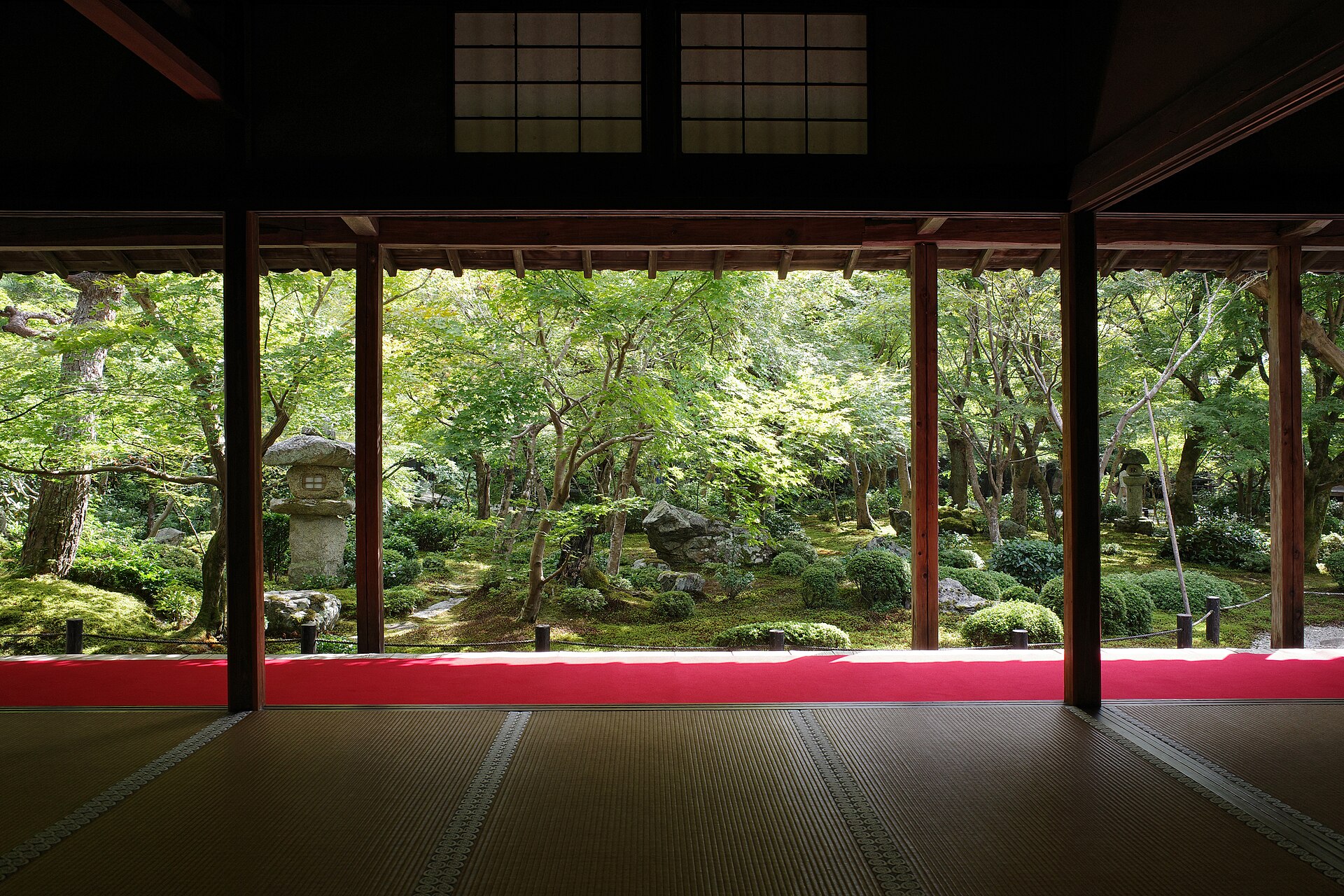
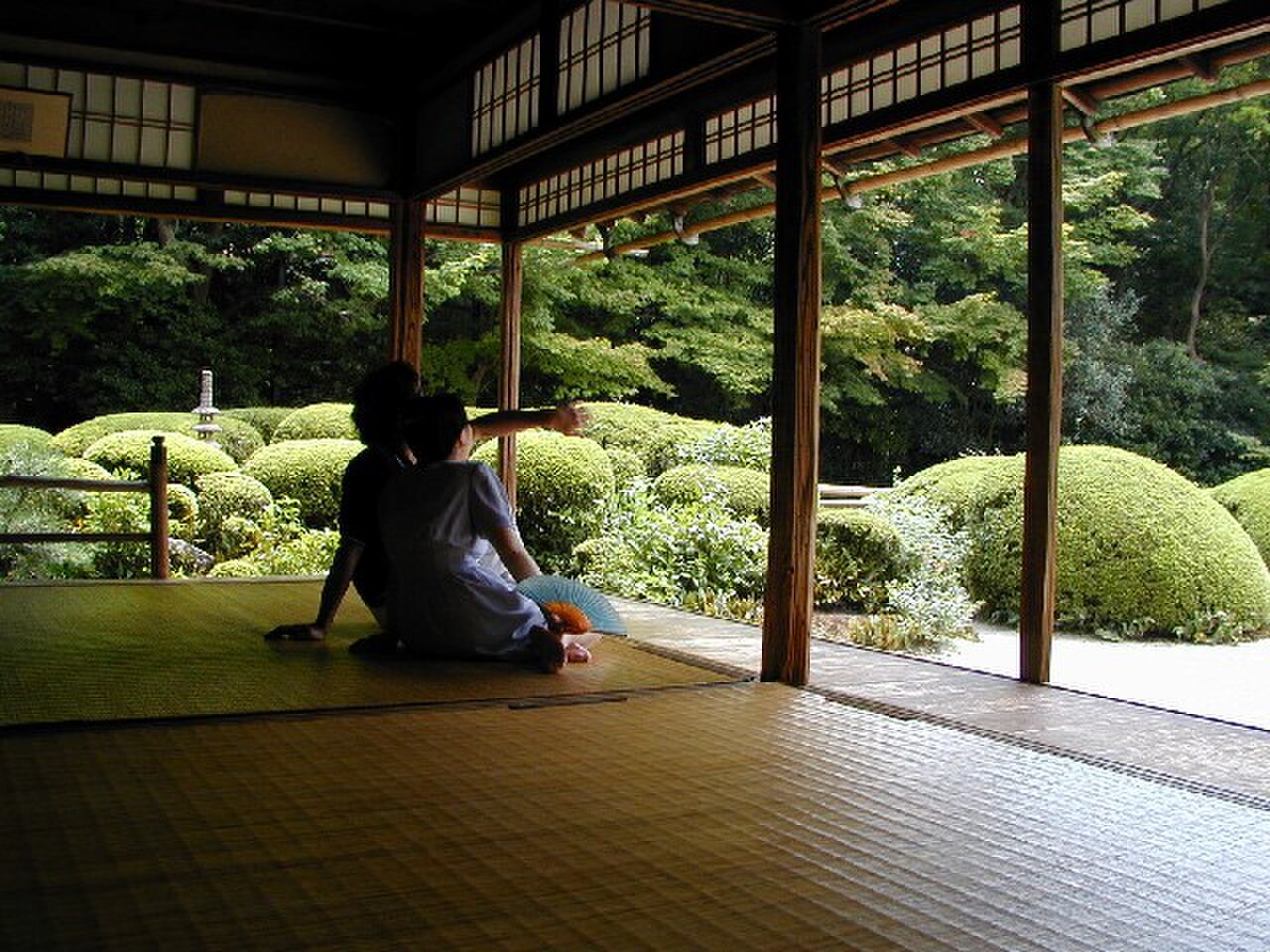
Shisen-do is a Soto Zen temple in Kyoto’s Sakyo Ward, founded during the Edo period and shaped by the sensibilities of its scholar-founder. The temple is known for hermitage-style architecture, a refined garden, and a quieter atmosphere than many heavily visited Kyoto landmarks. Its name refers to classical Chinese poetry, while the site itself invites attention to seasonal planting, framed hills, and deliberate architectural simplicity. Shisen-do is a Buddhist temple of the Soto Zen sect located in Kyoto's Sakyo Ward. It was established in the Edo period and is known for its hermitage-style architecture and notable gardens. The temple sits in the northeastern hills of the city, offering visitors a quieter alternative to Kyoto's more heavily trafficked religious sites. Its name references classical Chinese poetry. The temple complex reflects the aesthetic sensibilities of its founder, a scholar and cultural figure who shaped its distinctive character. The temple's quiet atmosphere and compact scale suit families with children who can maintain respectful behavior. The uphill approach and limited open space may challenge very young children.
Checked 2026-08-26 · Source
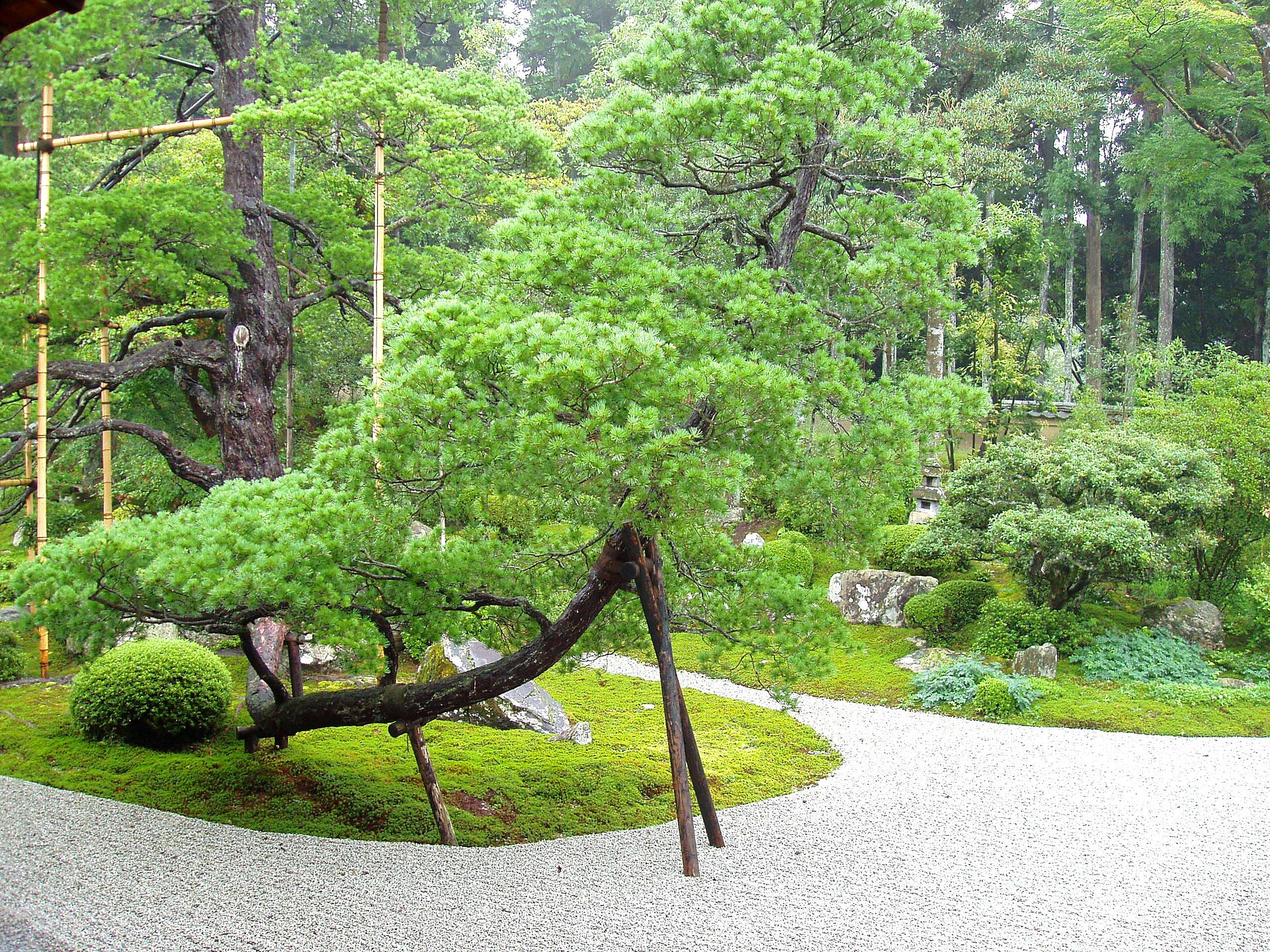
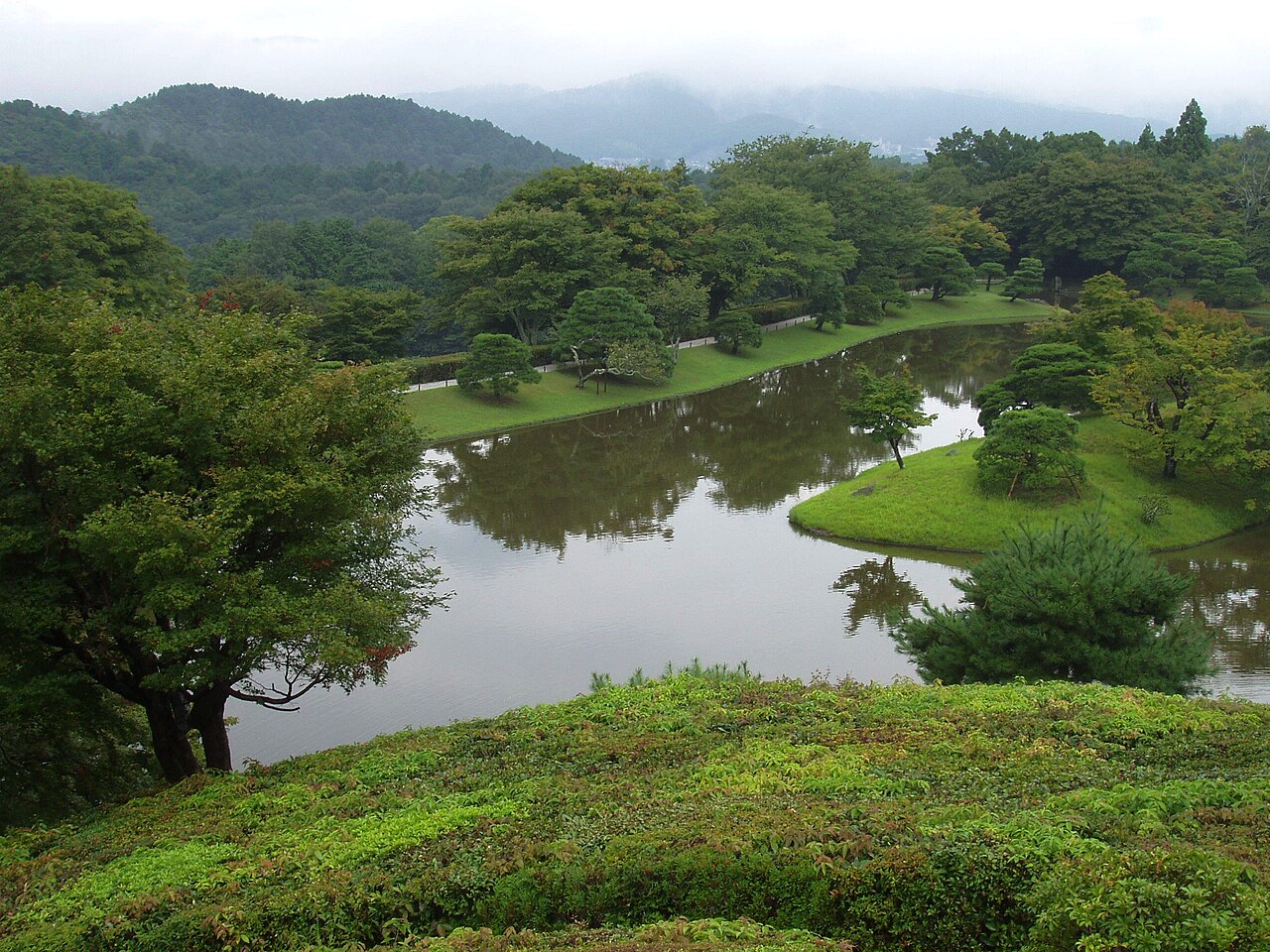
The grounds combine a main hall, traditional timber and paper elements, paths, stones, plantings, and a garden designed with borrowed scenery. Distant hills become part of the view beyond the nearer vegetation. Azaleas are a notable feature, while moss, clipped forms, and changing foliage alter the garden’s character. The strongest experience comes from sitting with the composed view and noticing how the architecture controls sightlines across the grounds. The temple grounds feature a renowned garden with carefully composed plantings and a prominent use of azaleas. A main hall contains architectural elements typical of Edo-period religious structures. The garden design incorporates borrowed scenery techniques, framing the surrounding hills as part of the composed landscape. Stone arrangements and pathways guide movement through the space. The hermitage structure itself demonstrates refined craftsmanship in wood and paper elements. Seasonal vegetation changes the character of the grounds throughout the year, with particular attention to autumn foliage and spring growth periods.
Checked 2026-08-26 · Source
A complete visit generally fits into thirty minutes to one hour. The grounds are compact, but the garden rewards a slower pause than a quick circuit. Allow extra time if you enjoy Edo-period architecture, planting design, or seasonal details. Shisen-do works naturally as part of a northeastern Kyoto day, especially when paired with other temples and walking routes in the wider Sakyo area. Visitors typically allocate between thirty minutes and one hour for a complete circuit of Shisen-do.
Checked 2026-08-26 · Source
Each season gives Shisen-do a different emphasis. Spring brings fresh growth, summer deepens the greenery, autumn changes the foliage into warmer tones, and winter exposes more of the garden’s underlying structure. Morning offers a calmer setting and useful light for observing moss, stones, and planting. Build in time for the hillside approach, particularly when combining this temple with several other northeastern Kyoto stops.
Checked 2026-08-26 · Source
Entry involves an admission payment at this maintained temple garden. Carry Japanese yen because smaller Kyoto religious sites may favor simple cash transactions. The main value lies in the garden, architecture, and quiet viewing time rather than a large collection of exhibits. Plan the visit as a focused stop and leave room for the uphill walk and other temples in the surrounding northeastern district.
Checked 2026-08-26 · Source
Shisen-do is reached through northeastern Kyoto, with city buses serving the Sakyo Ward area and walking required after leaving transit. Eizan Railway stations provide another approach from the north, while taxis reduce the walking and connection burden. The final route includes hills and residential streets, so allow more time than a central Kyoto temple visit. Cycling suits confident riders who are comfortable with uneven terrain and city traffic.
Checked 2026-08-26 · Source
The hillside approach includes uphill walking and can be demanding in hot, wet, or icy weather. Wear shoes with reliable grip and bring rain protection. Traditional interiors are compact, so move quietly and carefully around other visitors. Follow photography restrictions in buildings and maintain respectful conduct at this active religious site. Afternoon shadows reach the hillside earlier, which can change the garden’s light and the comfort of the visit.
Checked 2026-08-26 · Source
Shisen-do’s garden offers layered compositions of moss, stones, azaleas, timber, and distant hills. Morning light can reveal texture in the gravel and planting, while seasonal color supplies a strong focal point. Photograph only in permitted areas, particularly around interiors, and keep tripods from blocking narrow viewing spaces. The garden rewards a few carefully observed frames more than rapid coverage, so leave time to experience the view without a camera.
Checked 2026-08-26 · Source
It is known for hermitage-style Edo-period architecture, a garden with azaleas, and borrowed scenery incorporating the surrounding hills.
Most visitors can plan for thirty minutes to one hour, with extra time worthwhile for garden observation.
The temple is reached through northeastern Kyoto and requires walking from nearby bus or railway services, including an uphill approach.
Spring growth, summer greenery, autumn foliage, and winter structure each give the garden a distinct visual character.
The garden offers strong views, but follow restrictions around interiors and use equipment without obstructing the compact viewing spaces.
Wear comfortable shoes with good grip because the approach is hilly and weather can make paths slippery.
Loading the interactive map…
The interactive map could not be loaded.
Last updated:
Source: OpenStreetMap contributors, Wikidata ·