
8 min walk
光明寺
- Must see
- Place of worship
Language · 11 published
Nature site · Osaka
蕪村公園
Reviewed by Elena Voss · Roavina Travel Editor
| Monday | 00:00 – 23:59 |
|---|---|
| Tuesday | 00:00 – 23:59 |
| Wednesday | 00:00 – 23:59 |
| Thursday | 00:00 – 23:59 |
| Friday | 00:00 – 23:59 |
| Saturday | 00:00 – 23:59 |
| Sunday | 00:00 – 23:59 |
Parsed from OpenStreetMap opening hours on 2026-09-09.
This place is a Park. It was established in 2009.
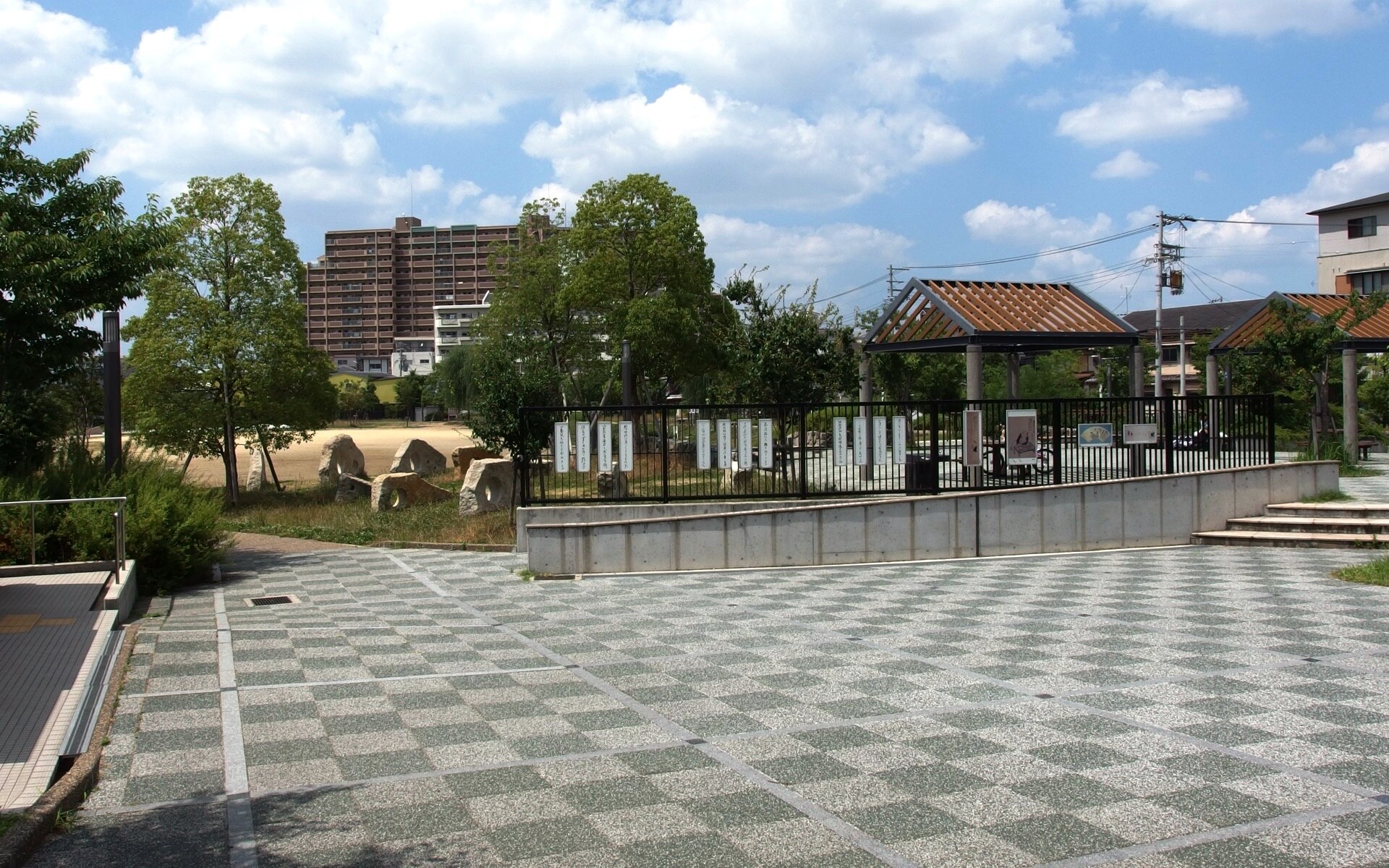
Buson Park, known locally as 蕪村公園, is a public park in Osaka named after Yosa Buson, the celebrated Edo-period poet and painter. The park belongs to Osaka’s network of urban green spaces and offers a quieter setting within the city. Its strongest identity comes from the connection between a literary namesake and an everyday public landscape. Travelers can use Buson Park as a pause between neighborhood walks, a place to slow down, and a small cultural stop that links Osaka’s contemporary streets with the artistic memory carried by Buson’s name. The park is named after Yosa Buson, an Edo-period poet and painter.
Checked 2026-08-26 · Source
Buson Park is an outdoor green space rather than a gallery devoted to Yosa Buson. The visit centers on the park setting, its paths, planted areas, and the atmosphere of a public place used within Osaka’s urban fabric. The supplied place record does not identify a separate museum collection, named monument, or special exhibition route. Travelers interested in Buson can bring their knowledge of his poetry and painting to the visit, then observe how the park’s name gives a small Osaka landscape a literary association. Keep expectations focused on a calm outdoor pause.
Checked 2026-08-26 · Source
Allow roughly twenty to forty-five minutes for Buson Park. That is enough time to walk through the green space, sit or pause where appropriate, and notice the connection between the park’s name and Yosa Buson’s artistic reputation. A shorter stop works when the park forms part of a longer Osaka walking route. Visitors who enjoy quiet observation, reading, sketching, or a slower travel rhythm may stay longer. Buson Park functions best as a flexible interlude rather than as a full-day destination with a long sequence of exhibits.
Checked 2026-08-26 · Source
Spring and autumn are comfortable seasons for enjoying Buson Park outdoors. Spring brings fresh greenery and pleasant walking conditions, while autumn offers cooler air and a reflective setting for a park named after a poet and painter. Osaka’s summer heat and humidity favor an early or late visit, and winter’s shorter daylight makes a compact daytime stop more comfortable. Buson Park suits a quiet break during a neighborhood walk, so choose a time when you want open air and a slower pace rather than a tightly scheduled attraction program.
Checked 2026-08-26 · Source
Buson Park is presented as a public park and the supplied place record does not attach an admission ticket to the visit. Plan for an ordinary outdoor stop rather than a paid museum entrance or timed attraction. Travelers can include the park in a low-cost Osaka walking day, using the surrounding city as the larger itinerary and Buson Park as a place to pause. Any spending connected with the wider neighborhood belongs to other venues, not to the simple act of walking through this named public green space.
Checked 2026-08-26 · Source
Buson Park is part of Osaka’s urban street network, where visitors commonly combine rail, bus, and walking. Use the map position for way/223084058 to plan the final approach from your hotel or the preceding stop. Keep the Japanese name 蕪村公園 available when navigating. A walking approach makes the park easy to combine with nearby streets and local scenery, while public transport can bring you close to the wider neighborhood. Leave a little orientation time so the park remains a relaxed stop rather than a rushed map exercise.
Checked 2026-08-26 · Source
Buson Park is an urban public space, so stay aware of bicycles, pedestrians, and changing path conditions. Rain can make surfaces slippery, and summer heat can make an open-air stop tiring. Keep valuables close and give local users room, especially on narrow paths or near seating. Dispose of litter responsibly and keep noise moderate. Evening visits require ordinary city awareness, particularly if the park is quiet. Bring water for a longer walk, and treat plants, paths, and any commemorative features with care rather than using them as climbing or play equipment.
Checked 2026-08-26 · Source
Buson Park works well for understated photographs of paths, greenery, light, and the relationship between a literary name and an ordinary Osaka park. Personal photography should remain considerate of people using the space. Avoid close images of strangers, keep tripods from blocking paths, and leave room around seating and entrances. Photograph any commemorative element from public ground without climbing or touching it. Drones and commercial equipment are unsuitable without explicit permission. The park’s appeal is quiet and atmospheric, so patient observation usually produces stronger images than elaborate staging.
Checked 2026-08-26 · Source
Buson Park is named after Yosa Buson, an Edo-period poet and painter.
Buson Park is a public green space in Osaka, suited to a quiet walk or a short pause within an urban itinerary.
A visit of roughly twenty to forty-five minutes allows time to walk, pause, and enjoy the park’s atmosphere.
Spring and autumn offer comfortable outdoor conditions. Summer in Osaka is hot and humid, while winter has shorter daylight.
Watch for bicycles, pedestrians, slippery surfaces after rain, and summer heat while using the urban park paths.
Buson Park is known locally as 蕪村公園.
Loading the interactive map…
The interactive map could not be loaded.

Last updated:
Source: OpenStreetMap contributors, Wikidata ·