.jpg)
2 min walk
Fukushima Tenmangū
- Notable
- Place of worship
Language · 11 published
Historic monument · Osaka
逆艪の松
Reviewed by Elena Voss · Roavina Travel Editor
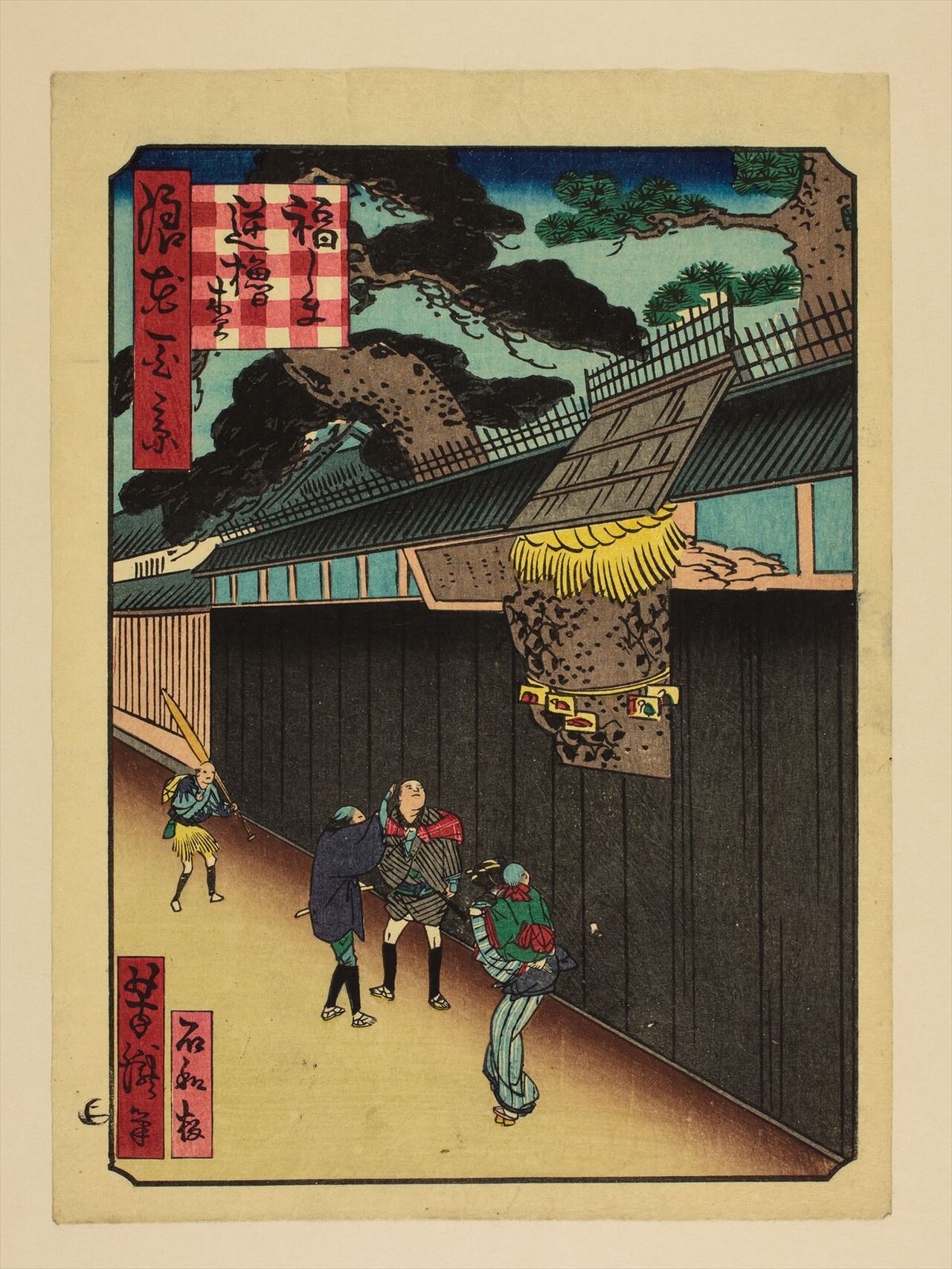
Sakaro no Matsu, known locally as 逆艪の松, is a visitor place in Osaka with a name connected to a pine and nautical imagery. It suits travelers who enjoy small cultural landmarks and the quieter details of a city rather than only its major attractions. Treat the stop as part of an urban heritage walk, giving yourself time to notice the name, setting, and relationship between the landmark and its surroundings. Sakaro no Matsu, whose local name is 逆艪の松, is a visitor place located in Osaka. The name suggests a connection to maritime or nautical heritage, possibly referencing a pine tree associated with reverse oars or rowing. Visitors should approach with awareness that foundational descriptive information is limited.
Checked 2026-08-26 · Source
Sakaro no Matsu is best approached as a compact outdoor landmark rather than a large attraction with multiple galleries or rooms. The name itself gives the stop its strongest confirmed cultural cue, linking the place with a pine and maritime language. Look closely at the immediate setting and let the surrounding Osaka streets complete the experience. Its interest comes from scale, context, and the discovery of a lesser-known city marker. There is no confirmed information about monuments, natural elements, exhibition materials, or facilities on site. Visitors should not expect specific amenities or interpretive installations without prior confirmation. The site may be primarily an outdoor location with minimal developed infrastructure, typical of smaller heritage markers in Japanese urban settings.
Checked 2026-08-26 · Source
Sakaro no Matsu works as a brief stop within a wider Osaka route. Give yourself enough time to find the landmark, understand its name, observe the setting, and take a considered photograph if appropriate. Travelers who enjoy local history and small urban details may linger, while others can continue after a short pause. Pairing it with nearby streets creates a fuller experience than planning the landmark as a standalone destination. No recorded information specifies the duration of a visit to Sakaro no Matsu. Without knowledge of the site's physical extent, number of features, or whether it serves as a brief stopping point versus a destination for extended contemplation, prudent estimation is impossible. Visitors might allocate time flexibly, perhaps combining this site with other Osaka attractions. A brief stop of fifteen to thirty minutes might suffice if the site is a single monument, though this is purely speculative judgment unsupported by source documentation.
Checked 2026-08-26 · Source
Choose daylight for Sakaro no Matsu so the landmark and its immediate surroundings are easy to see. The stop is particularly suitable for a walking day built around Osaka’s smaller cultural points, where atmosphere and context matter more than a long indoor program. Leave flexibility in the route, because compact landmarks reward attentive discovery. Weather will influence the comfort of the walk and the quality of outdoor photographs.
Checked 2026-08-26 · Source
Sakaro no Matsu belongs in the category of small urban cultural landmarks, so organize the visit around walking and observation rather than a formal attraction program. The stop can be combined with other Osaka sights without reshaping the whole day. Keep the experience simple: find the landmark, take in its maritime and pine-related identity, and continue through the neighborhood at a comfortable pace.
Checked 2026-08-26 · Source
Use the OpenStreetMap location for Sakaro no Matsu as your navigation point and include it in a route through Osaka’s urban streets. Because the landmark is a point-based place, plan the final approach with a map rather than relying on a large entrance or visitor building. Combine the walk with other nearby points of interest, and allow time to pause once you reach the marked location.
Checked 2026-08-26 · Source
Sakaro no Matsu is an urban outdoor stop, so stay alert to traffic, bicycles, and the movement of pedestrians around the landmark. Protect the surrounding setting and avoid blocking paths while you look or take photographs. Comfortable shoes help when the visit forms part of a longer Osaka walk. Keep the pace flexible, since the value of a small heritage point comes from noticing its context rather than rushing past it.
Checked 2026-08-26 · Source
Use Sakaro no Matsu as a subject for contextual photography: frame the landmark with its Osaka surroundings and draw attention to the pine-related identity suggested by its name. Keep equipment compact if the site is close to public movement, and do not obstruct pedestrians. The strongest record of the visit will show both the landmark and its place within the city, rather than presenting it as an isolated object.
Checked 2026-08-26 · Source
Sakaro no Matsu is a visitor place in Osaka known locally as 逆艪の松, with a name connected to a pine and nautical imagery.
Include it as a brief outdoor landmark stop within a wider walking route through Osaka.
The name 逆艪の松 carries nautical imagery and refers to a pine-related identity.
It is presented as a point-based visitor place in Osaka and is best treated as an outdoor urban landmark.
Photograph the landmark together with its surrounding Osaka streets to show its place within the city.
Daylight is the most suitable time for seeing the outdoor landmark and understanding its immediate setting.
Loading the interactive map…
The interactive map could not be loaded.


Last updated:
Source: OpenStreetMap contributors, Wikidata ·