


2 min walk
Sakaro no Matsu
- Notable
- Historic monument
Language · 11 published
Place of worship · Osaka
福島天満宮
Reviewed by Elena Voss · Roavina Travel Editor
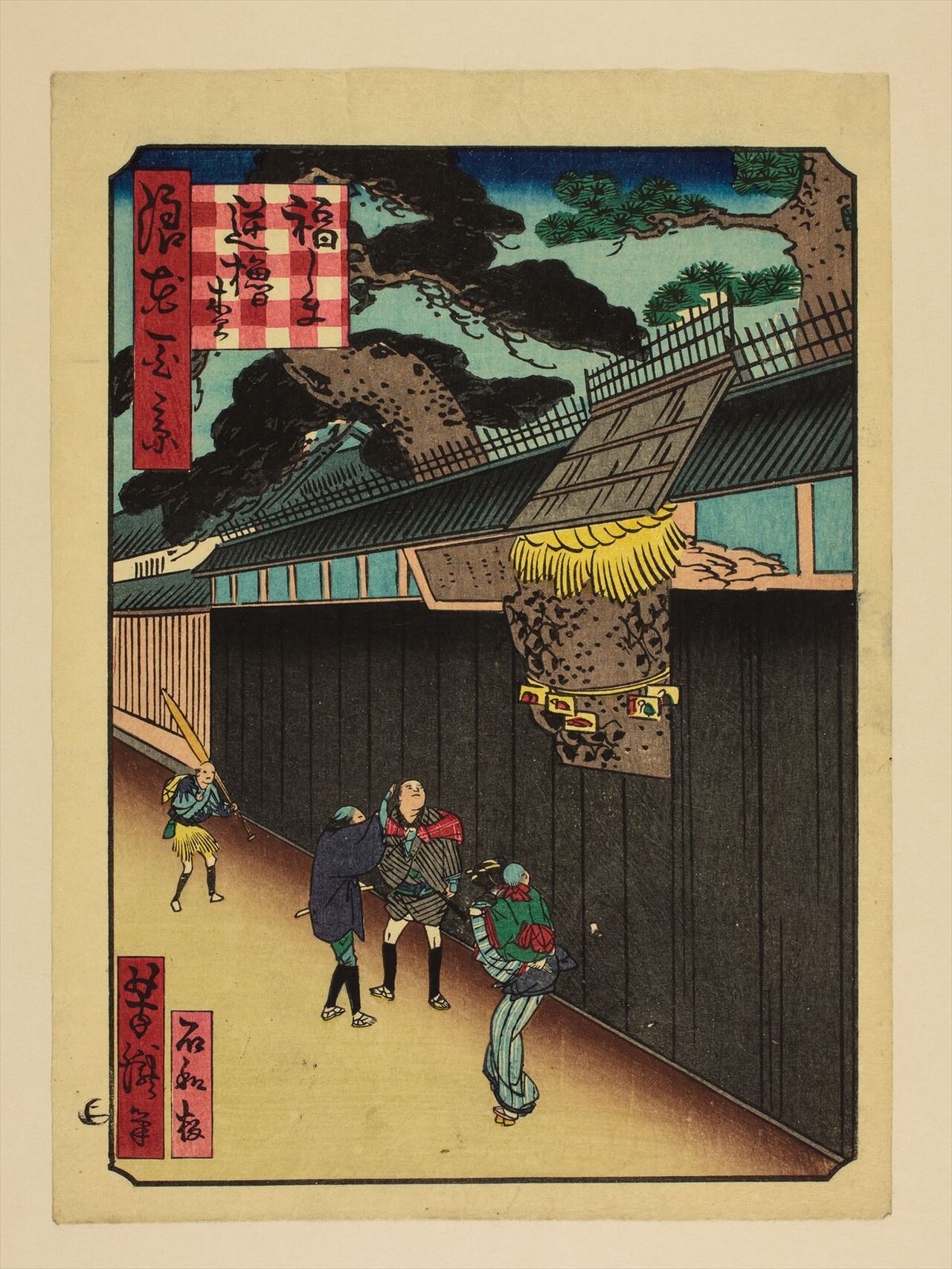
This place is a Place of worship. It was established in 907.
Fukushima Tenmangū is a Shinto shrine in Osaka’s Fukushima Ward, dedicated to Tenjin, the deified scholar Sugawara no Michizane. Tenmangū shrines are associated with learning, examinations, and academic achievement, giving Fukushima Tenmangū a clear purpose for students and families as well as for visitors interested in Japanese religious culture. The shrine is an active community place within an urban neighbourhood, where traditional worship, local identity, and Osaka’s everyday streets come together in a compact cultural stop. Fukushima Tenmangū is a Shinto shrine in Osaka's Fukushima Ward, dedicated to Tenjin, the deified scholar Sugawara no Michizane. The shrine holds significance as a place of worship for academic success and learning. Its local name is 福島天満宮. The shrine represents one of many Tenmangū shrines across Japan honoring this historical figure. Visitors come to pray for examinations, scholarly achievements, and intellectual pursuits. No. This shrine is located in Fukushima Ward, Osaka, and shares only a name with the prefecture affected by the 2011 disaster. They are geographically and administratively distinct locations.
Checked 2026-08-26 · Source
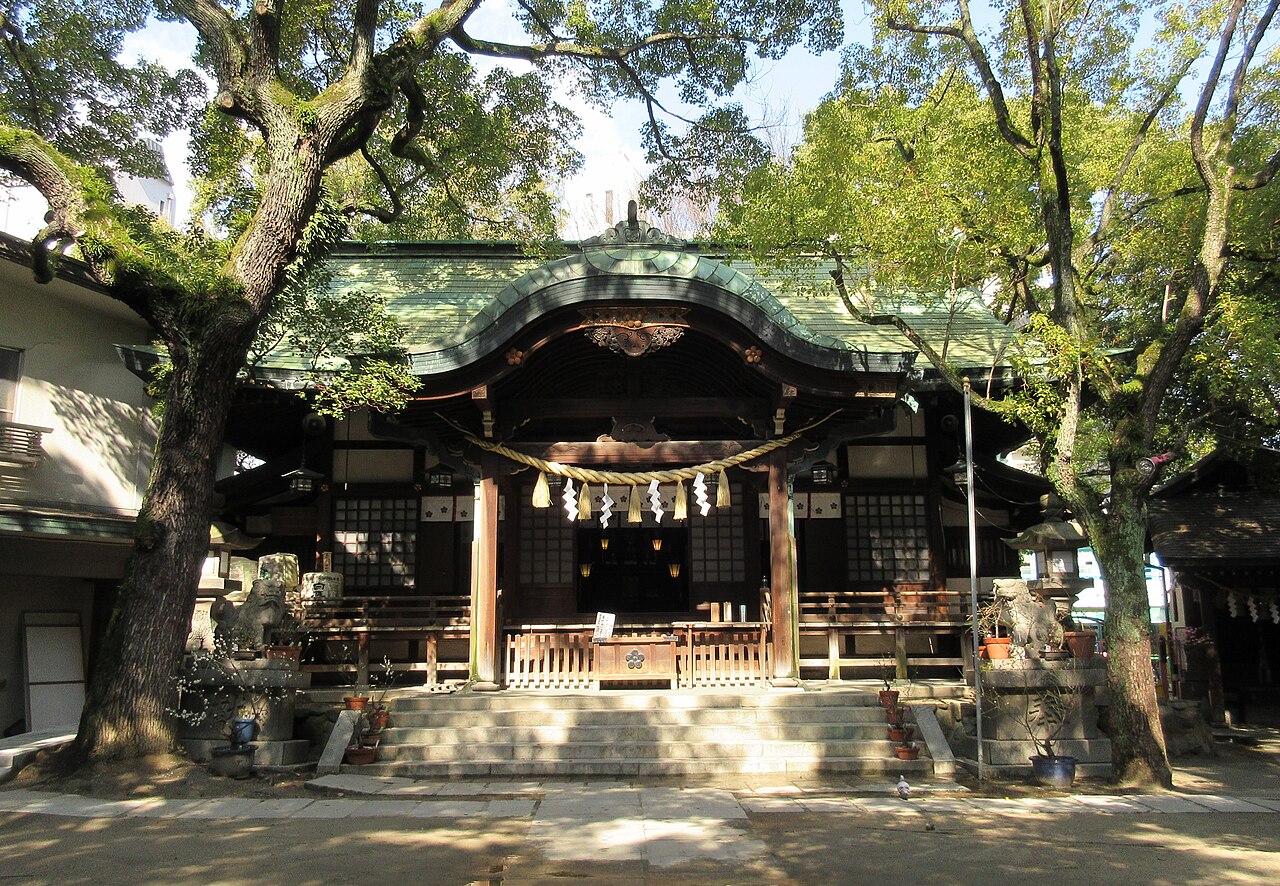
The Fukushima Tenmangū precinct is organised around sacred spaces for prayer and offering, with traditional shrine architecture and natural elements contributing to the atmosphere. Look at the approach, torii gates, main worship building, roof forms, timber details, and trees within the grounds. The shrine’s connection with Tenjin gives the visit a distinctive academic focus: visitors may come to pray for examinations, study, or intellectual achievement. Treat the buildings and devotional areas as part of an active religious setting rather than as a static exhibition.
Checked 2026-08-26 · Source
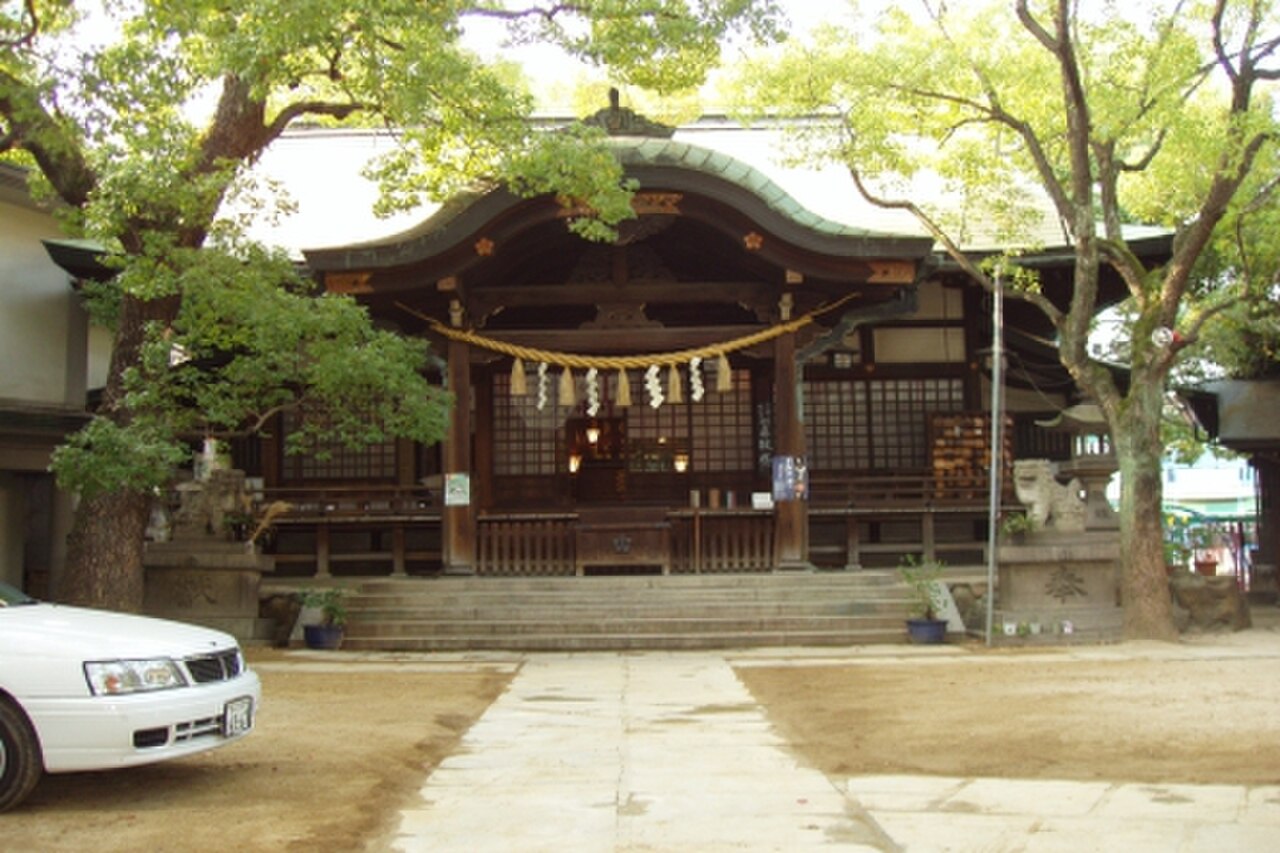
Allow fifteen to thirty minutes for a visit to Fukushima Tenmangū, including time to cross the precinct, observe the architecture, and pause for prayer. Students or families visiting with an academic intention may want longer for a more deliberate ritual visit. The shrine’s compact urban setting makes it easy to place between other Osaka activities. Keep the stop unhurried, especially near the worship area, and allow the surrounding Fukushima streets to become part of the experience rather than leaving immediately after one photograph.
Checked 2026-08-26 · Source
Morning is well suited to Fukushima Tenmangū when you want a calmer atmosphere for prayer and architectural photography. Spring is especially meaningful at a Tenmangū because plum blossoms are closely associated with Sugawara no Michizane; autumn offers comfortable walking weather and changing foliage. Summer can be hot and humid, while winter is cooler and often comfortable for a short outdoor visit. Academic seasons may bring students and families seeking prayers for examinations, adding a distinct community atmosphere to the precinct.
Checked 2026-08-26 · Source
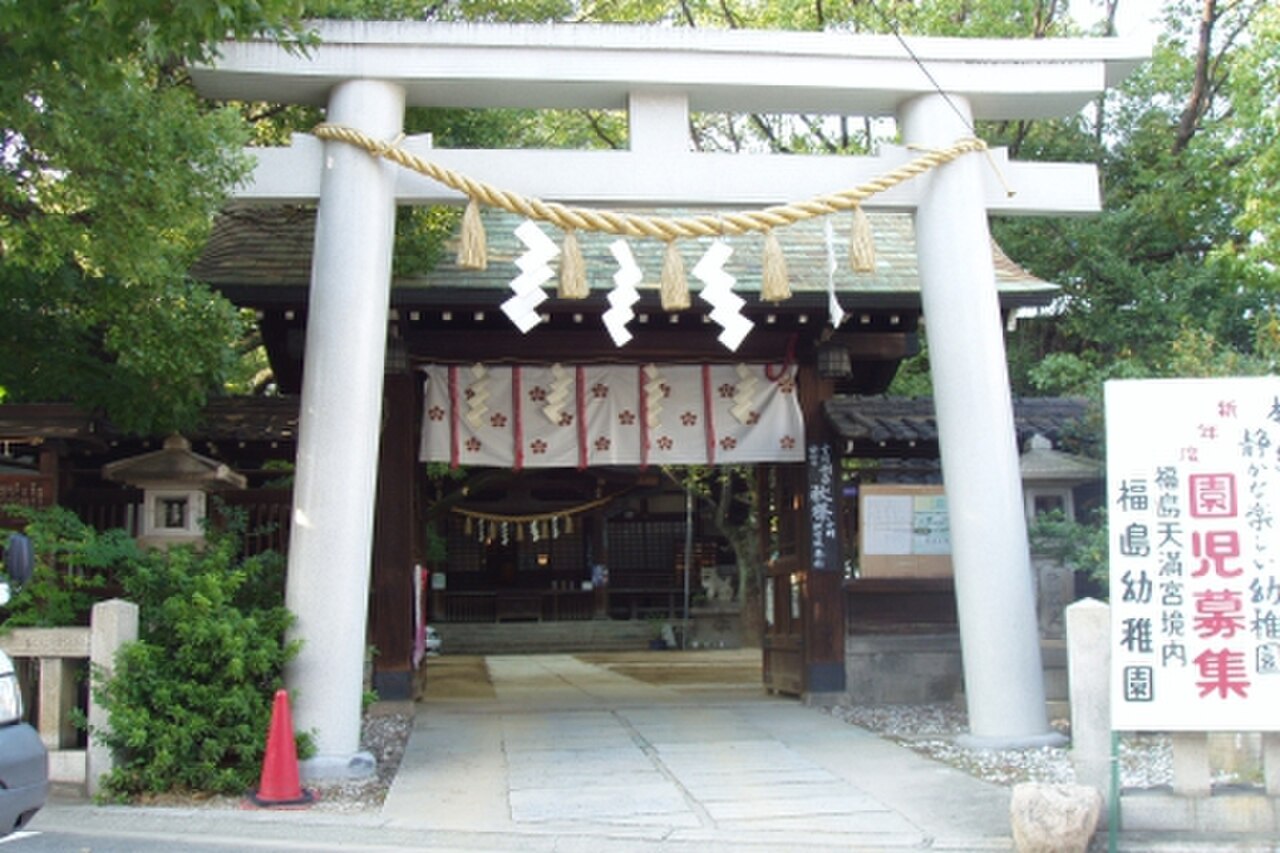
Fukushima Tenmangū is visited as a shrine precinct rather than as a ticketed museum. Carry Japanese yen if you wish to make an offering, draw an omikuji fortune, or choose an ema or omamori where these are presented. Treat those actions as voluntary religious purchases or offerings, not as a general sightseeing fee. Follow notices around the worship area and any special ceremony. A simple visit can remain focused on prayer, the architecture, and the atmosphere of Fukushima Ward.
Checked 2026-08-26 · Source
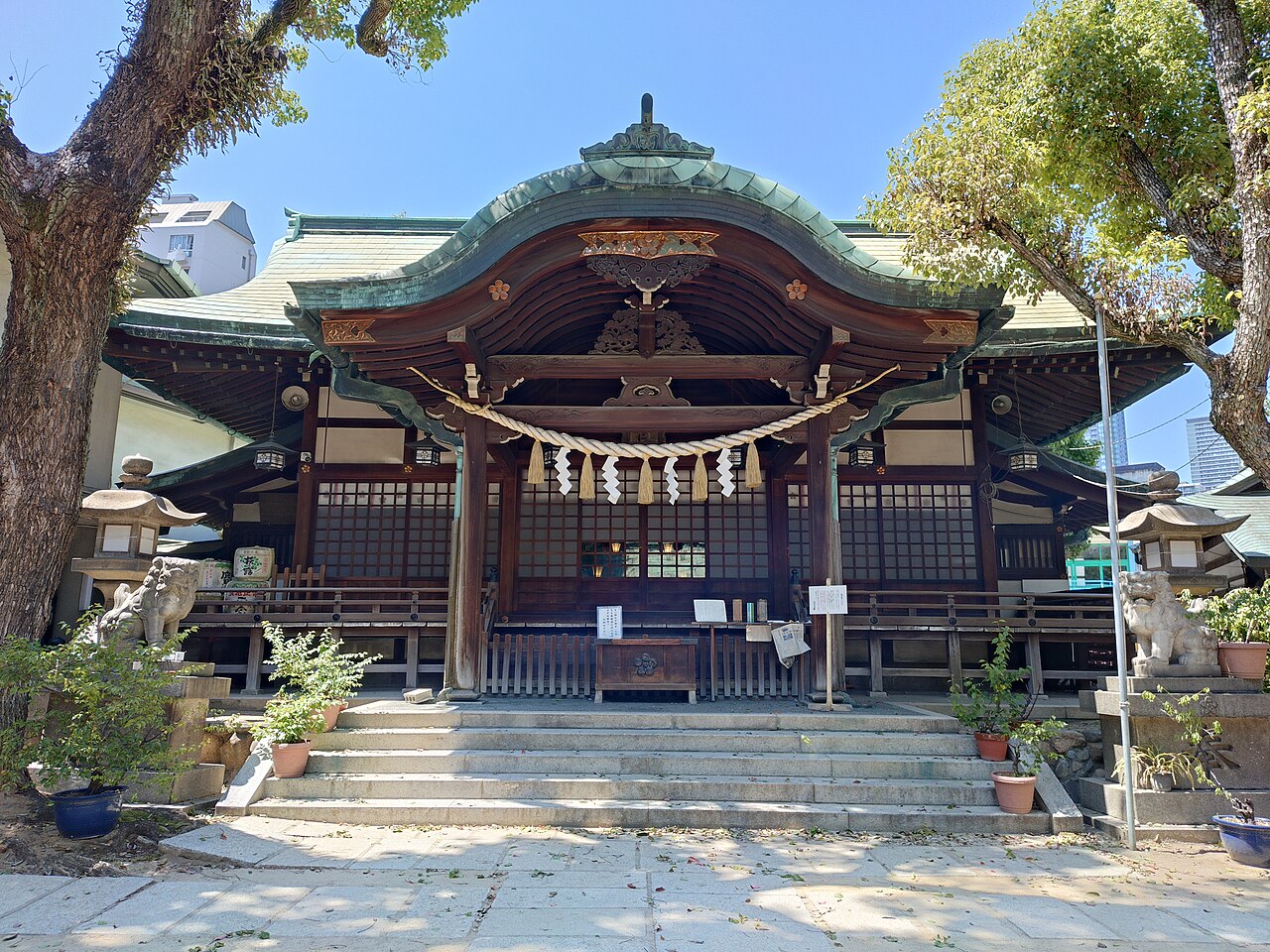
Fukushima Tenmangū stands in Osaka’s Fukushima Ward, an urban area connected by JR services, Osaka Metro, private railways, buses, taxis, and walkable streets. Use the shrine name and the OSM location when choosing a route, then follow the final approach through the ward on foot. The central setting makes the shrine easy to combine with nearby cafés, streets, and other cultural stops. Keep navigation considerate around local homes and businesses, and leave time to enter the precinct without rushing.
Checked 2026-08-26 · Source
Fukushima Tenmangū is an active Shinto shrine, so bow at the torii when appropriate, purify your hands and mouth at a water pavilion where available, and keep your voice low near prayer spaces. Dress neatly and give students, families, and worshippers room to complete their rituals. Follow signs for restricted areas, footwear, and photography. The shrine’s urban surroundings include ordinary traffic and pedestrians, so take care on the approach. Keep valuables secure as you would anywhere in central Osaka.
Checked 2026-08-26 · Source
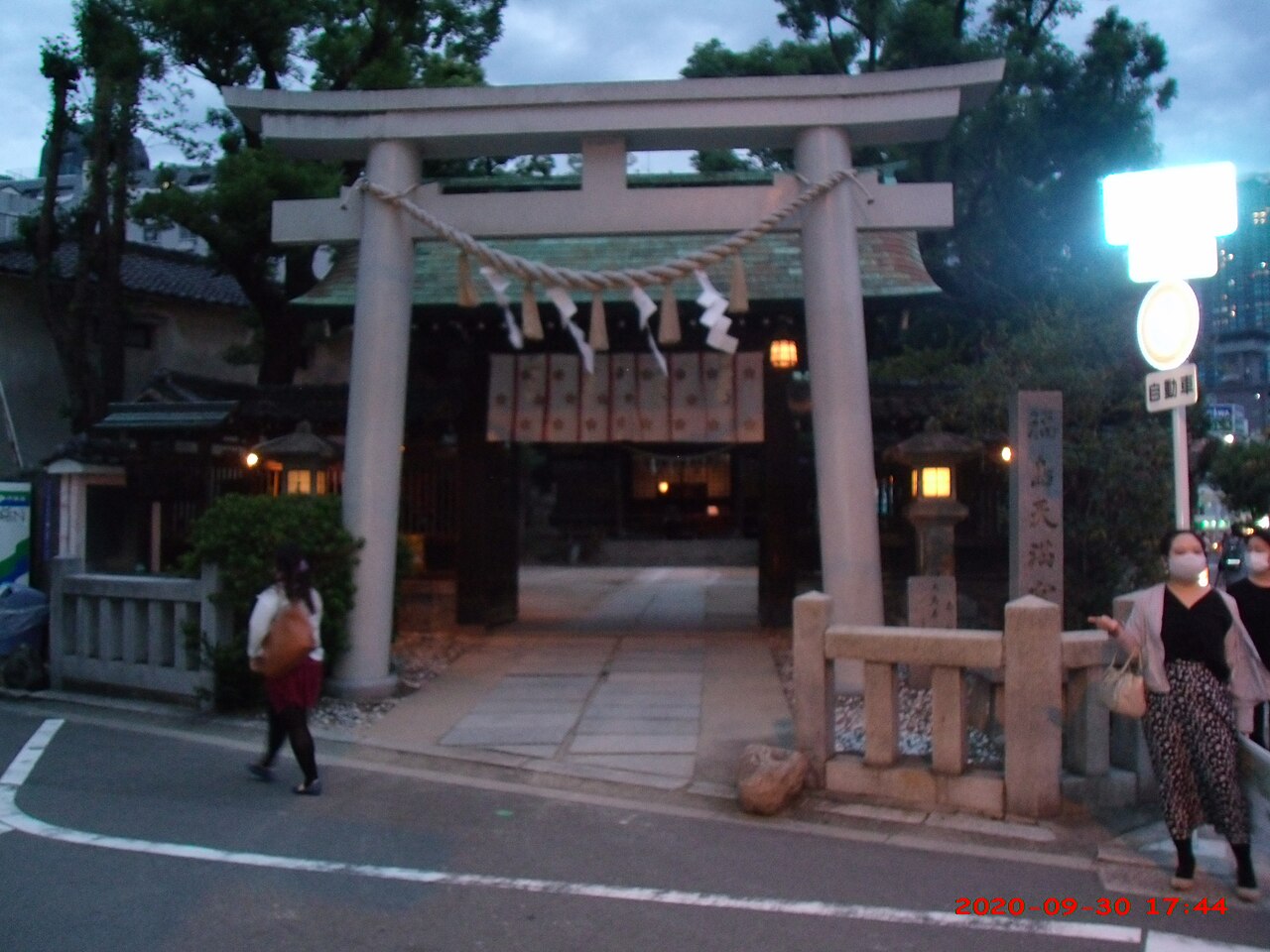
Fukushima Tenmangū provides strong exterior subjects: torii gates, traditional rooflines, timber details, trees, and the changing perspective from the surrounding Fukushima streets into the precinct. Early morning and late afternoon light can bring out texture without requiring a long visit. Keep worshippers out of intrusive frames and do not photograph prayer as a performance. Follow notices for interiors, sacred objects, flash, tripods, and commercial work. Compose from the edge of paths so the shrine remains accessible to people who have come to worship.
Checked 2026-08-26 · Source
Fukushima Tenmangū is dedicated to Sugawara no Michizane, so visitors commonly come to pray for learning, examination success, academic achievement, and intellectual pursuits.
No. Fukushima Tenmangū is in Fukushima Ward, Osaka. The shrine and Fukushima Prefecture are separate places with the same name element.
Plan fifteen to thirty minutes for the precinct, architecture, and prayer. Students or families making a more deliberate academic visit may choose to stay longer.
The shrine is associated with Tenjin and Sugawara no Michizane, whose worship is connected with study, examinations, scholarship, and academic achievement.
Spring has a particular cultural connection because plum blossoms are associated with Sugawara no Michizane, the figure honoured at Tenmangū shrines.
Keep quiet near prayer areas, bow at the torii when appropriate, use purification facilities respectfully, give worshippers space, and follow shrine notices.
Loading the interactive map…
The interactive map could not be loaded.

Last updated:
Source: OpenStreetMap contributors, Wikidata ·